BUS RESPONSE
London stopped. The buses kept moving.
When London stopped on 23 March 2020, its red buses kept moving. Through quiet routes, masked drivers and passengers finding their way back onto the streets, this series records a city trying to carry on, one journey at a time. Behind every mask, partition and handrail was somebody trying to get through the day. The buses kept moving, and so did London.
Full text below.
BUS RESPONSE
London stopped. The buses kept moving.
Life as we knew it in London stopped on 23 March, when the Prime Minister announced lockdown in an unprecedented broadcast to the nation.
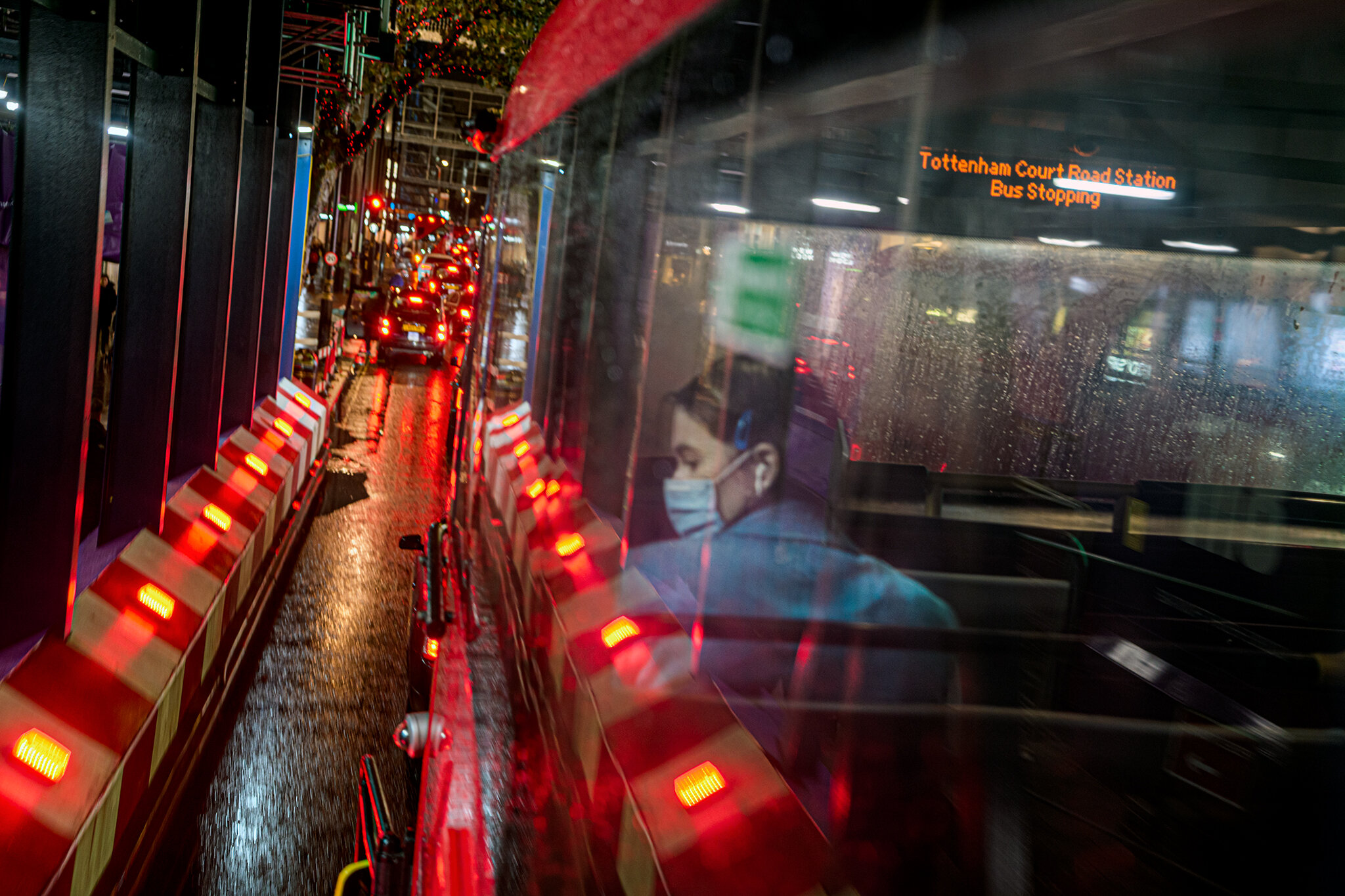
Dougie Wallace’s depiction of London, crippled by the COVID-19 pandemic, is told through snapshots of its iconic red buses. Together, they tell the story of how London coped with lockdown, its aftermath and its continuing struggle to get back on its feet.
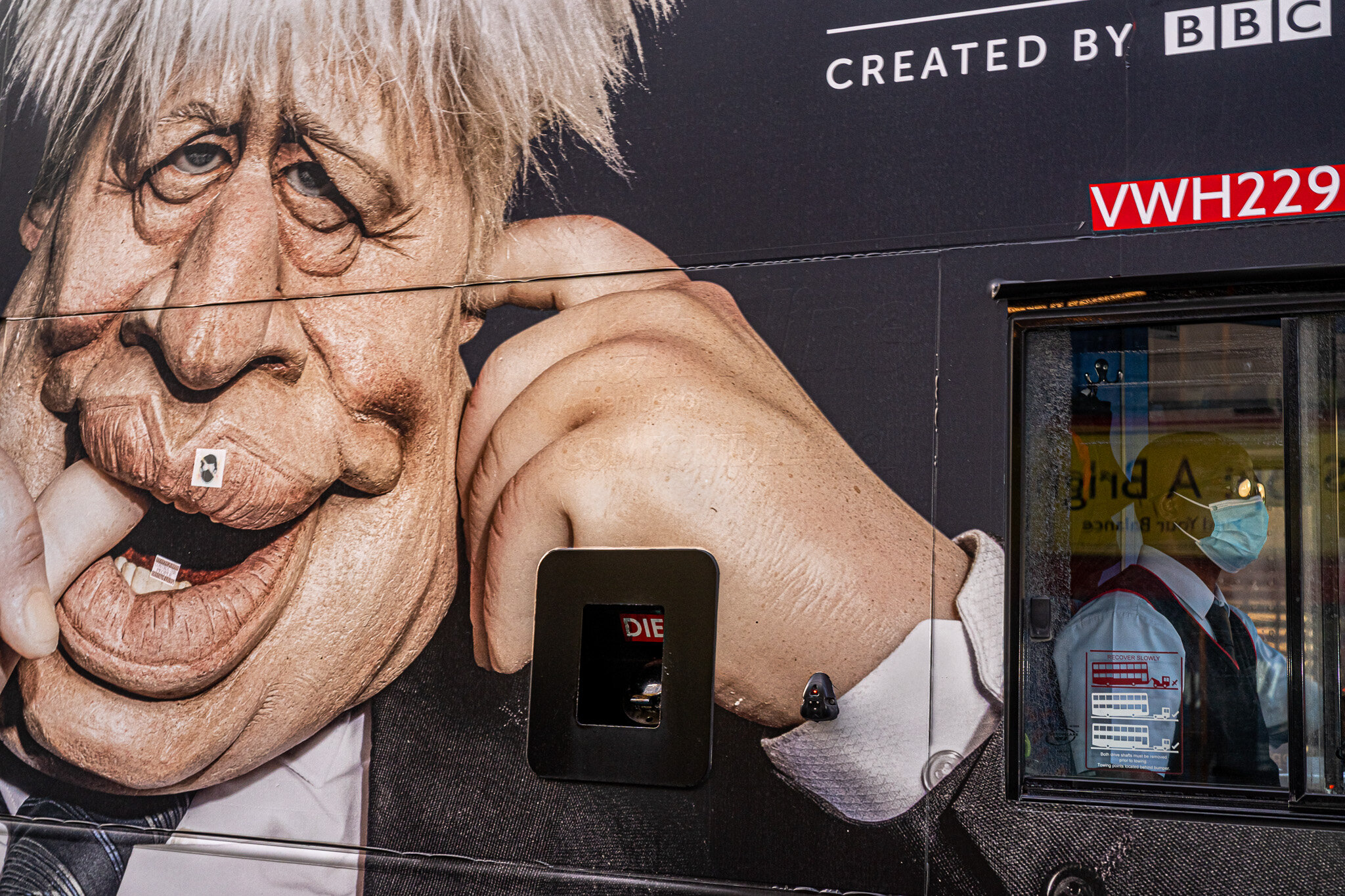
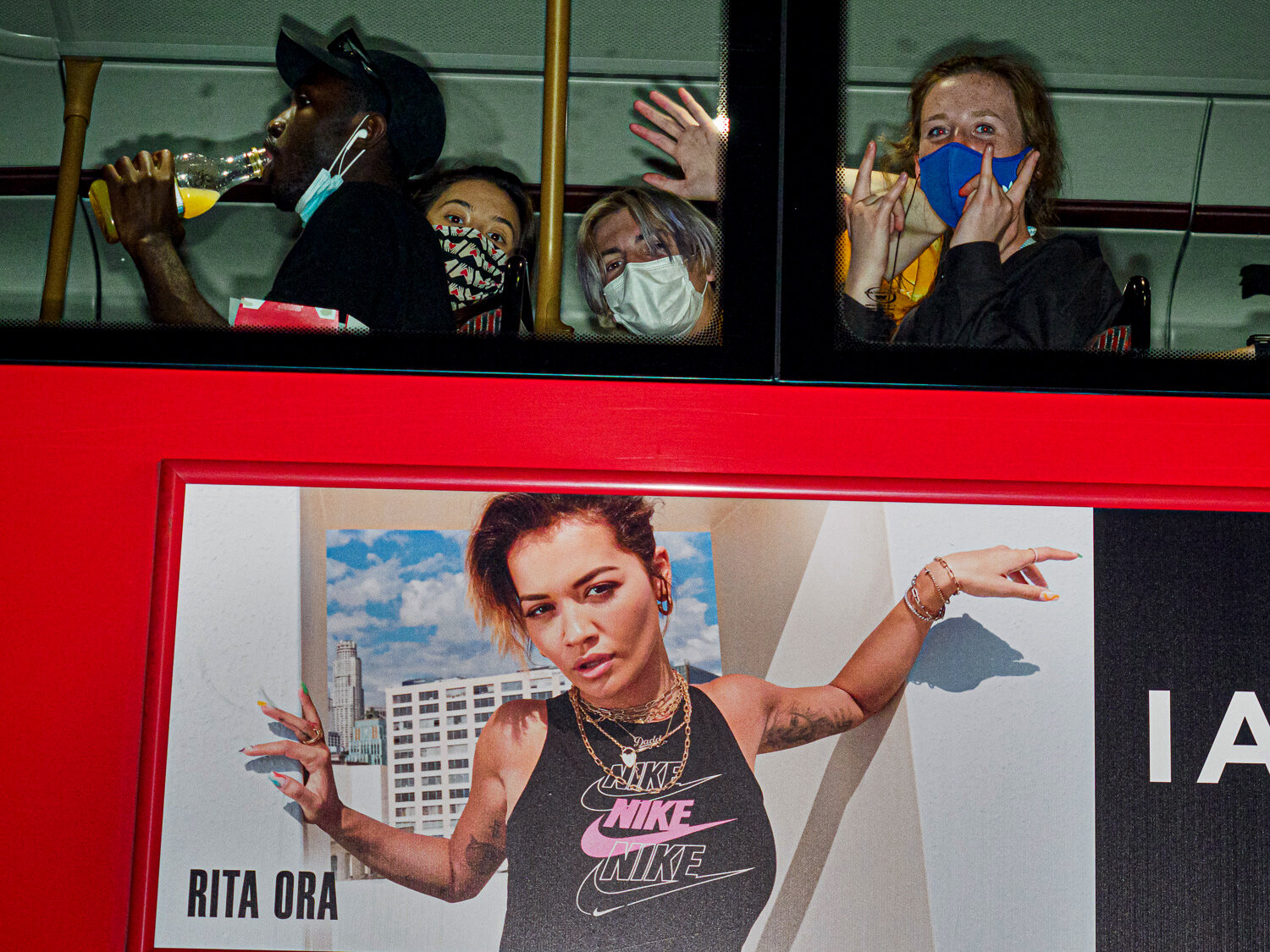
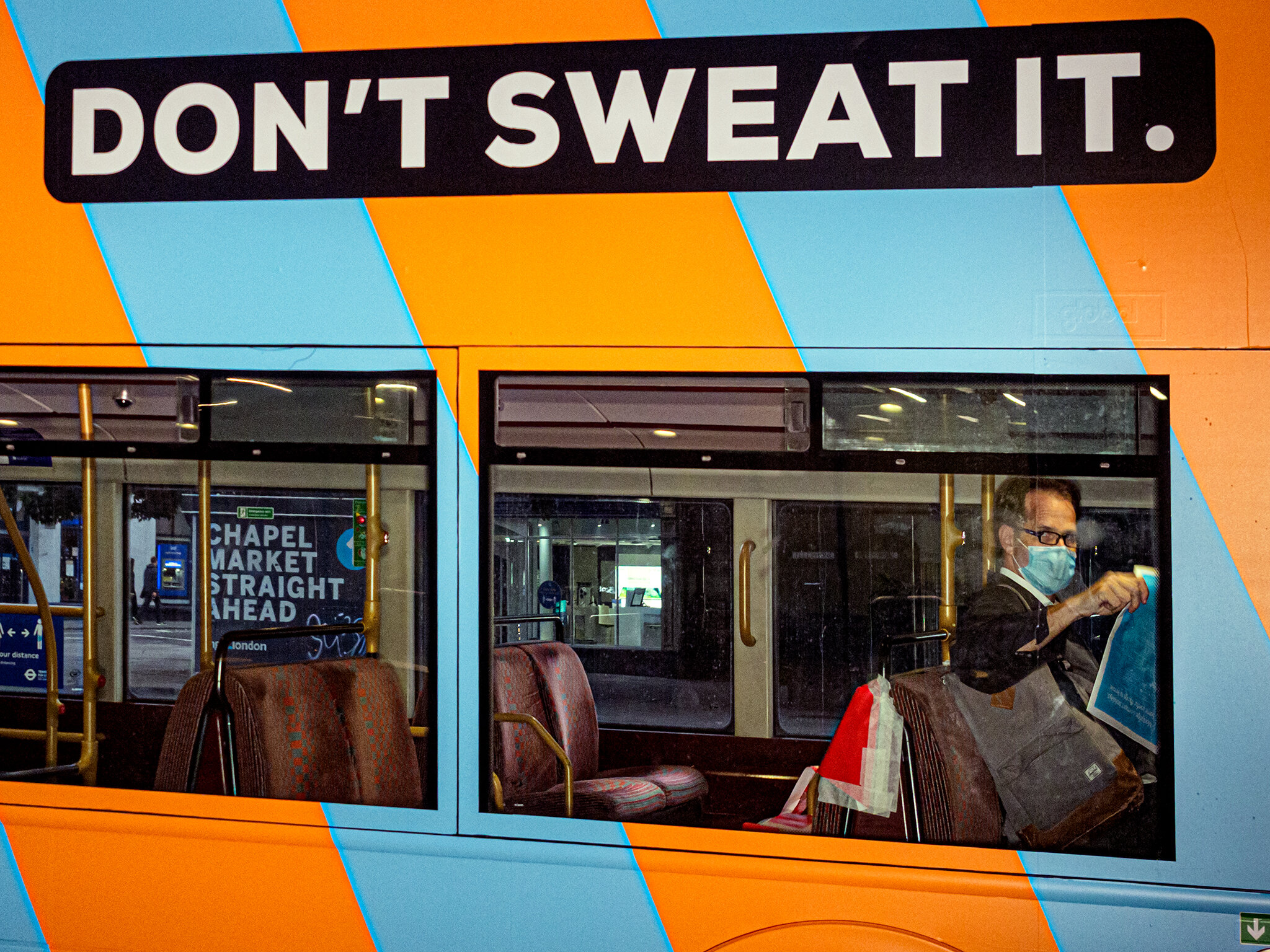
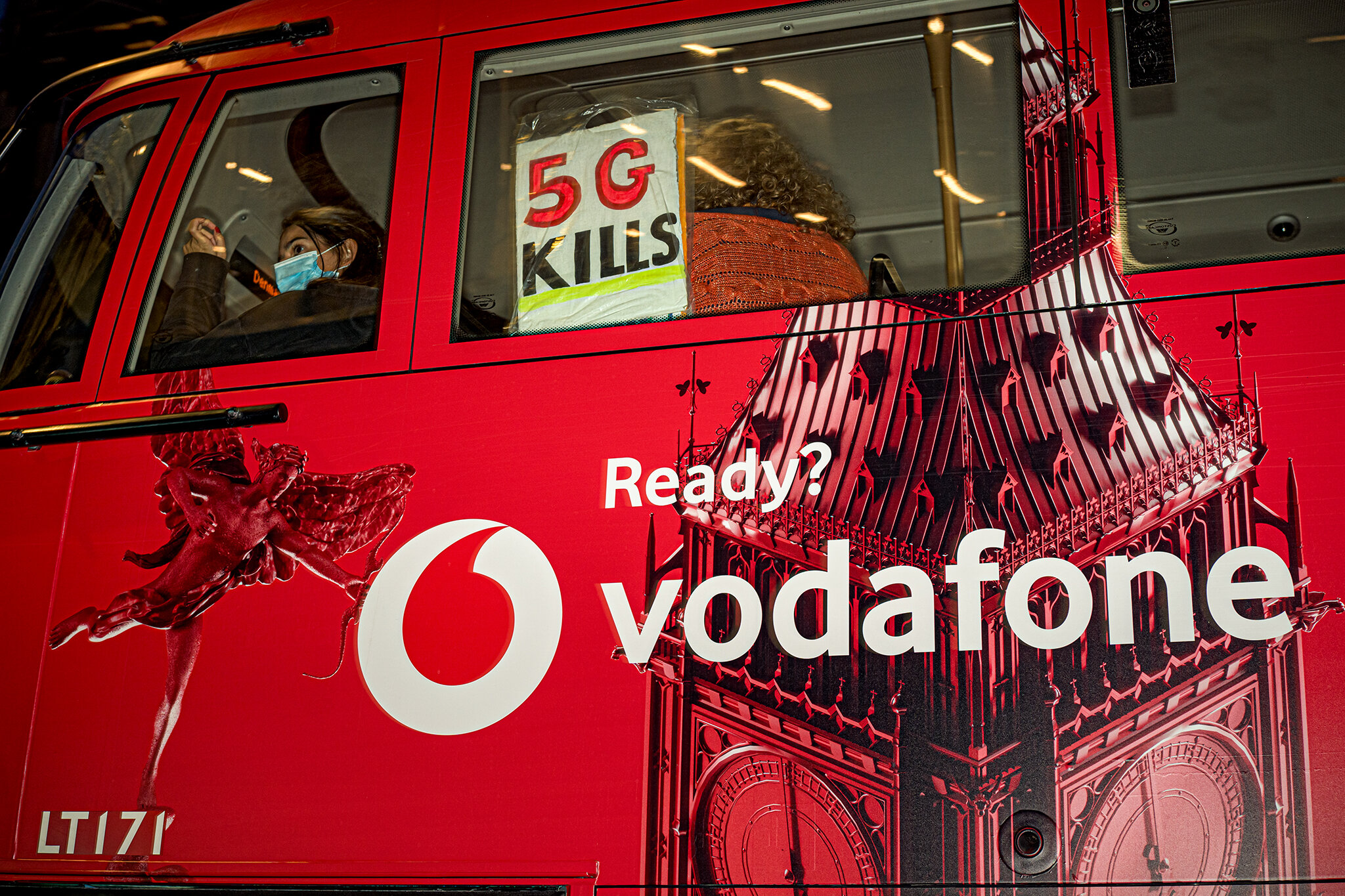
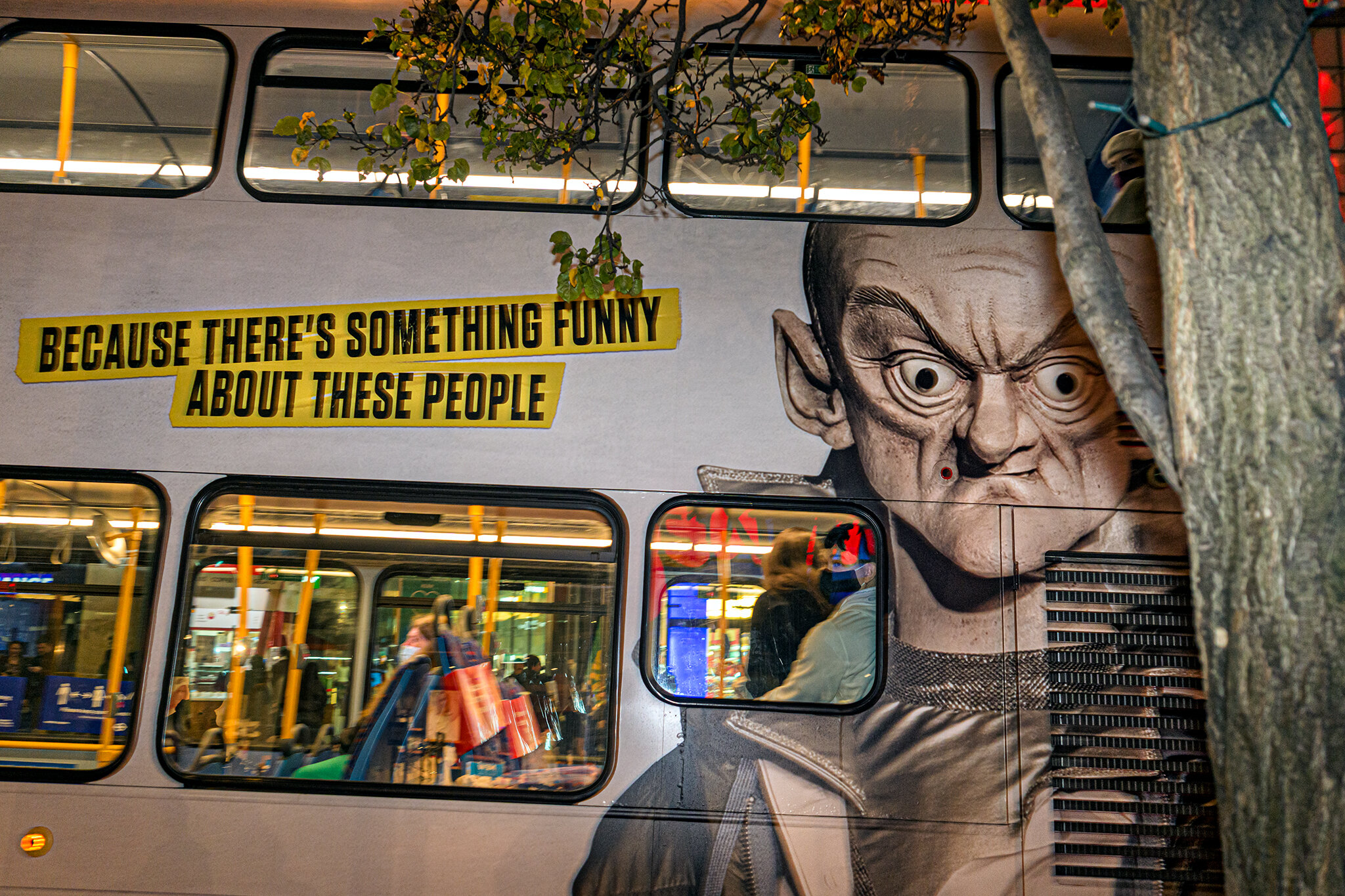
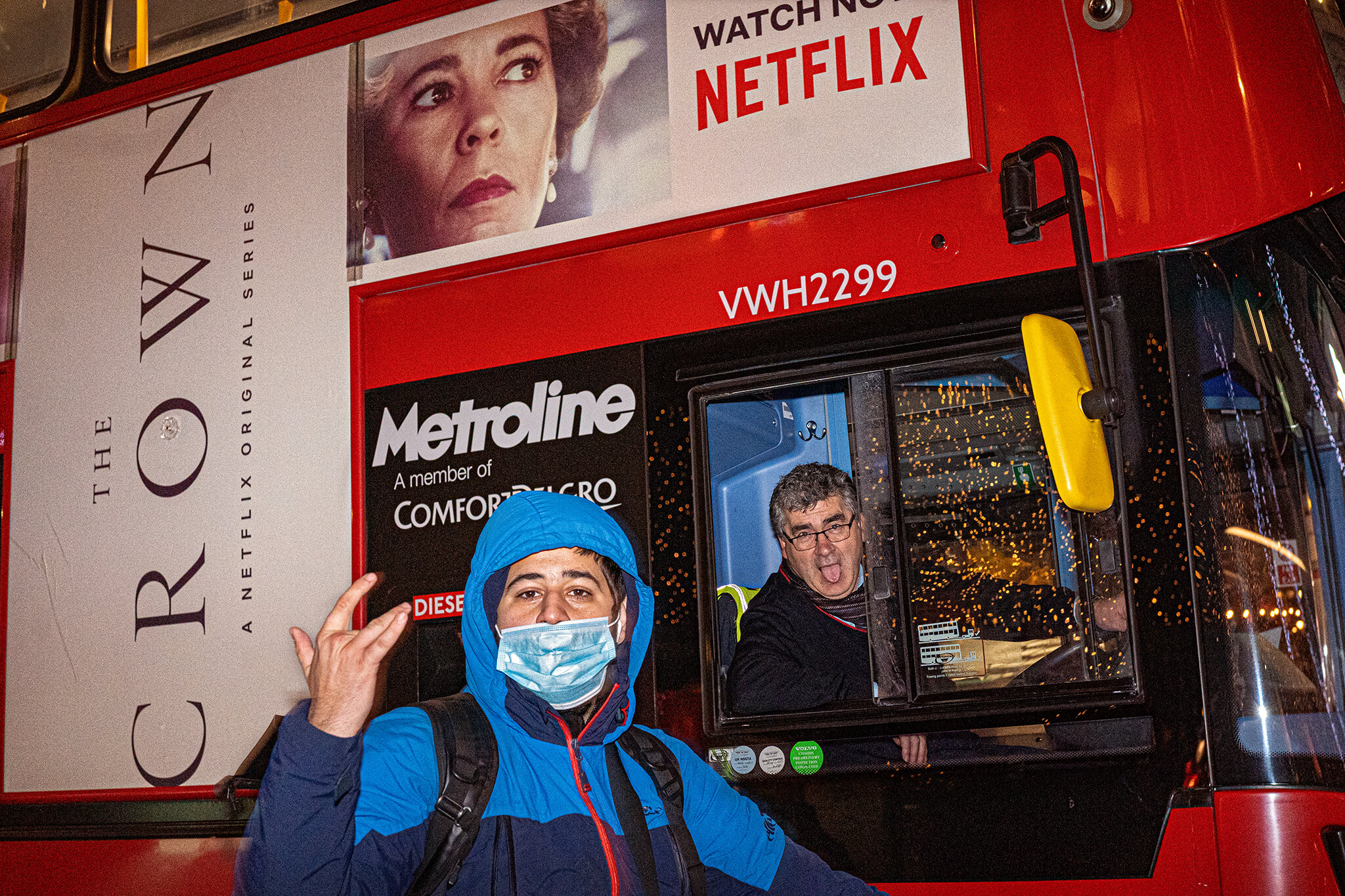
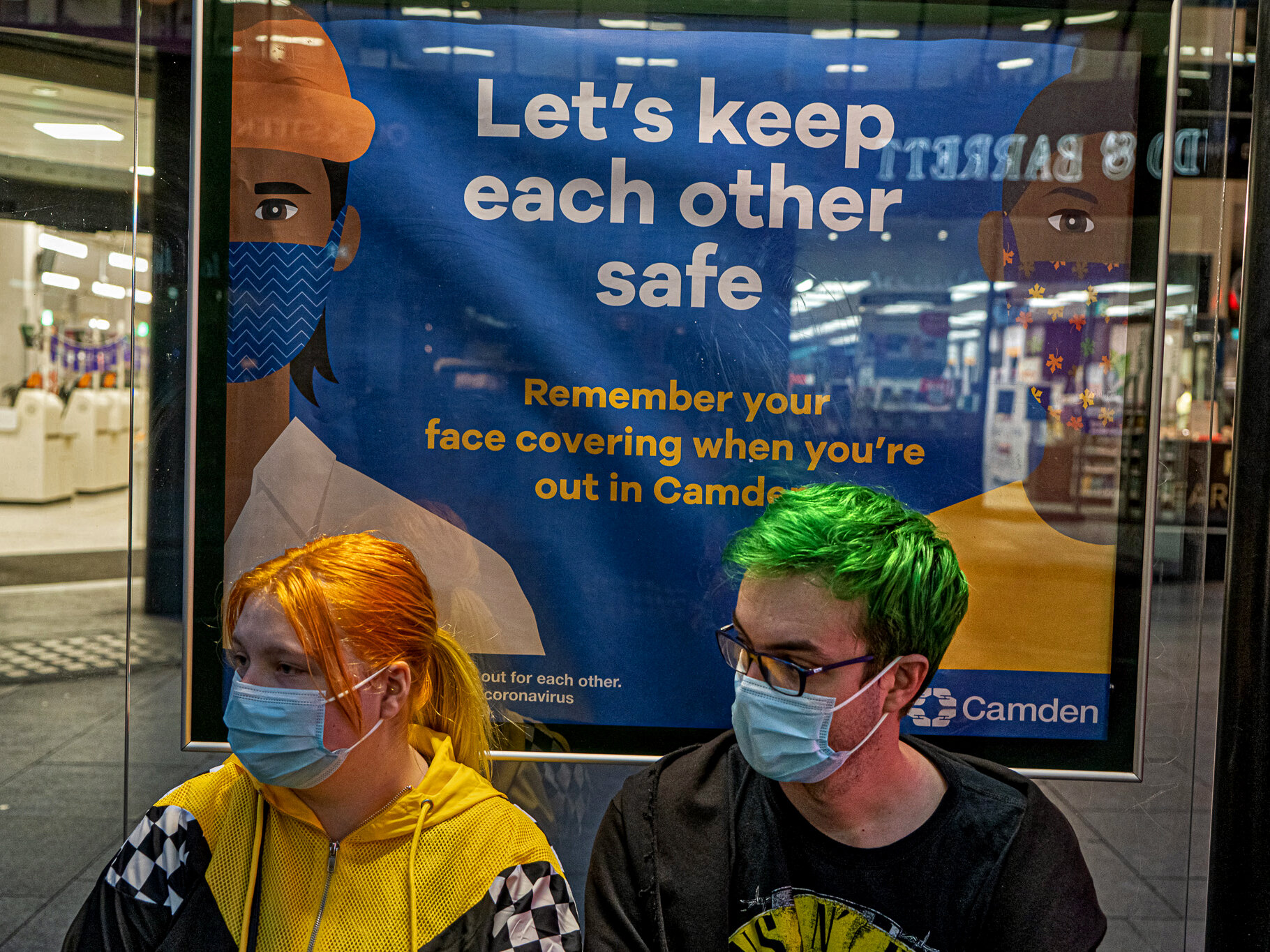
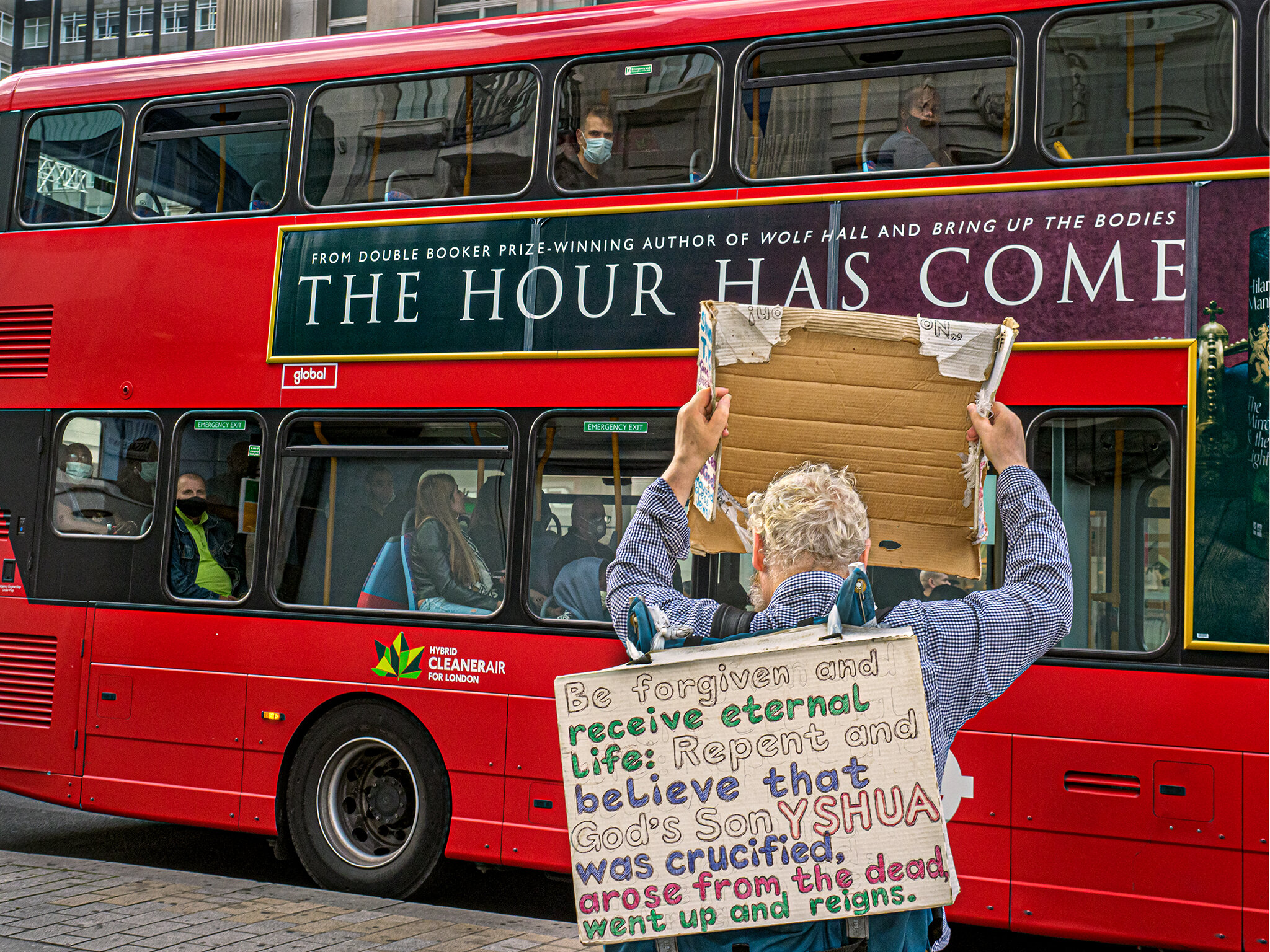
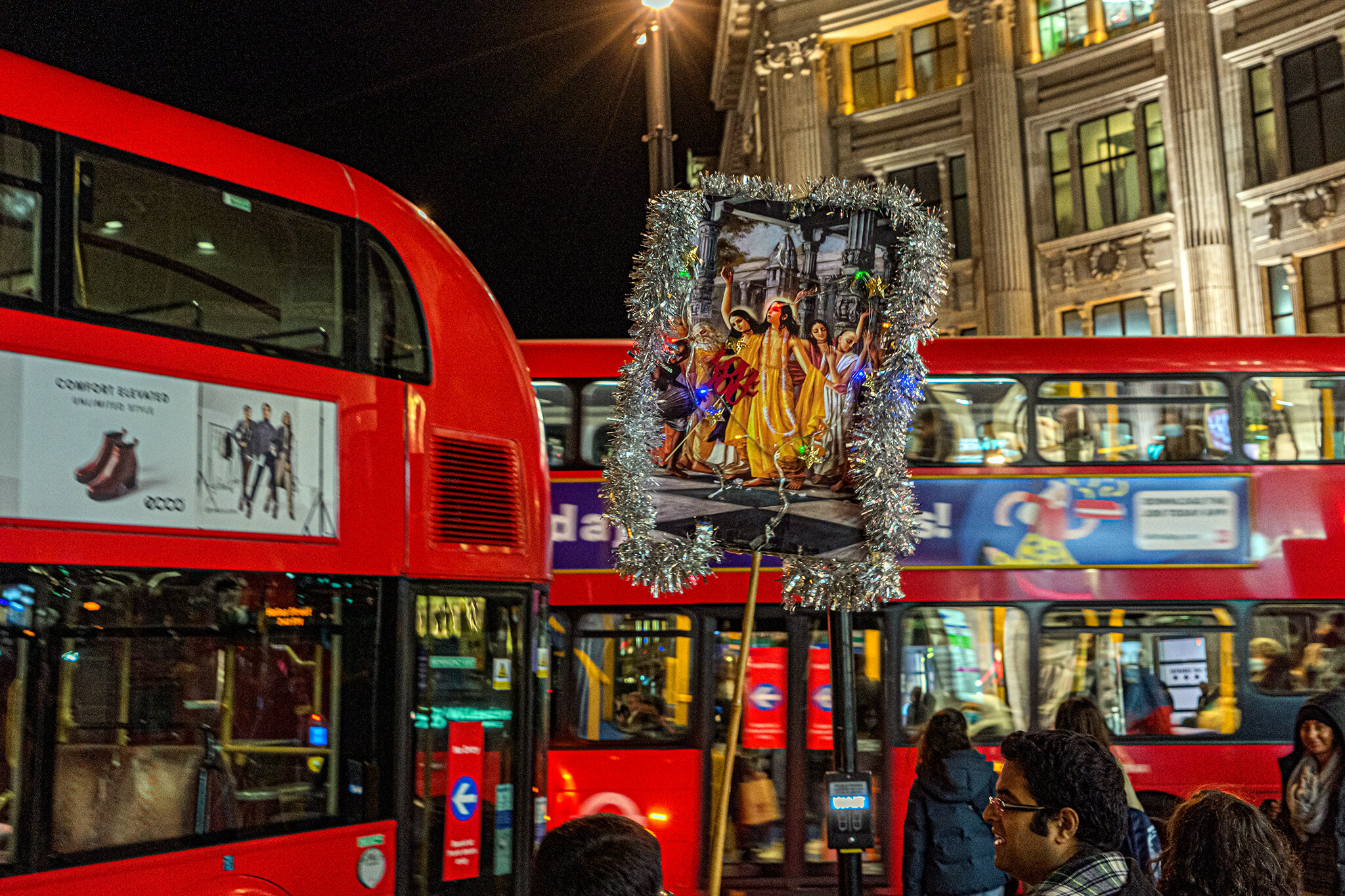
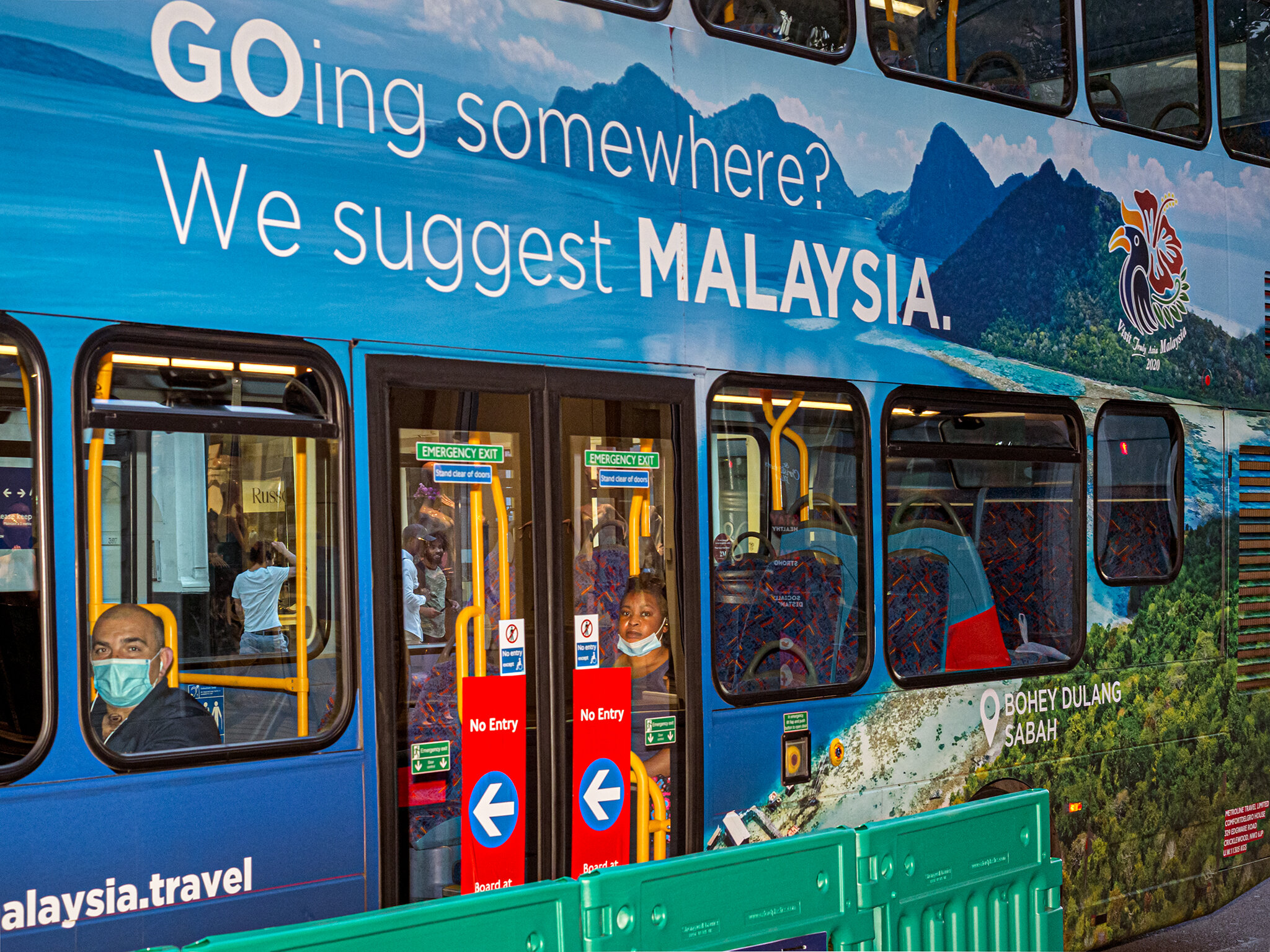
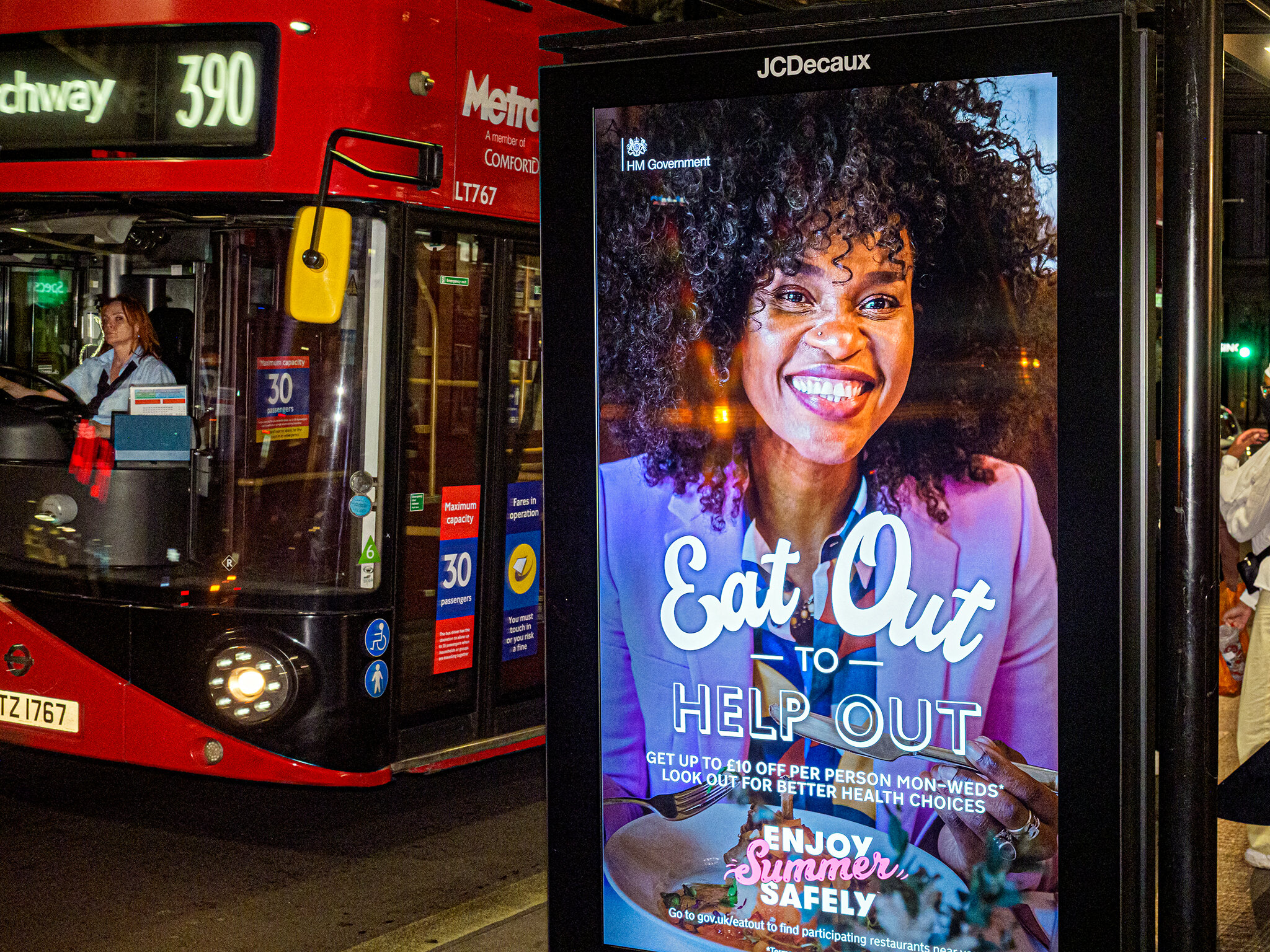
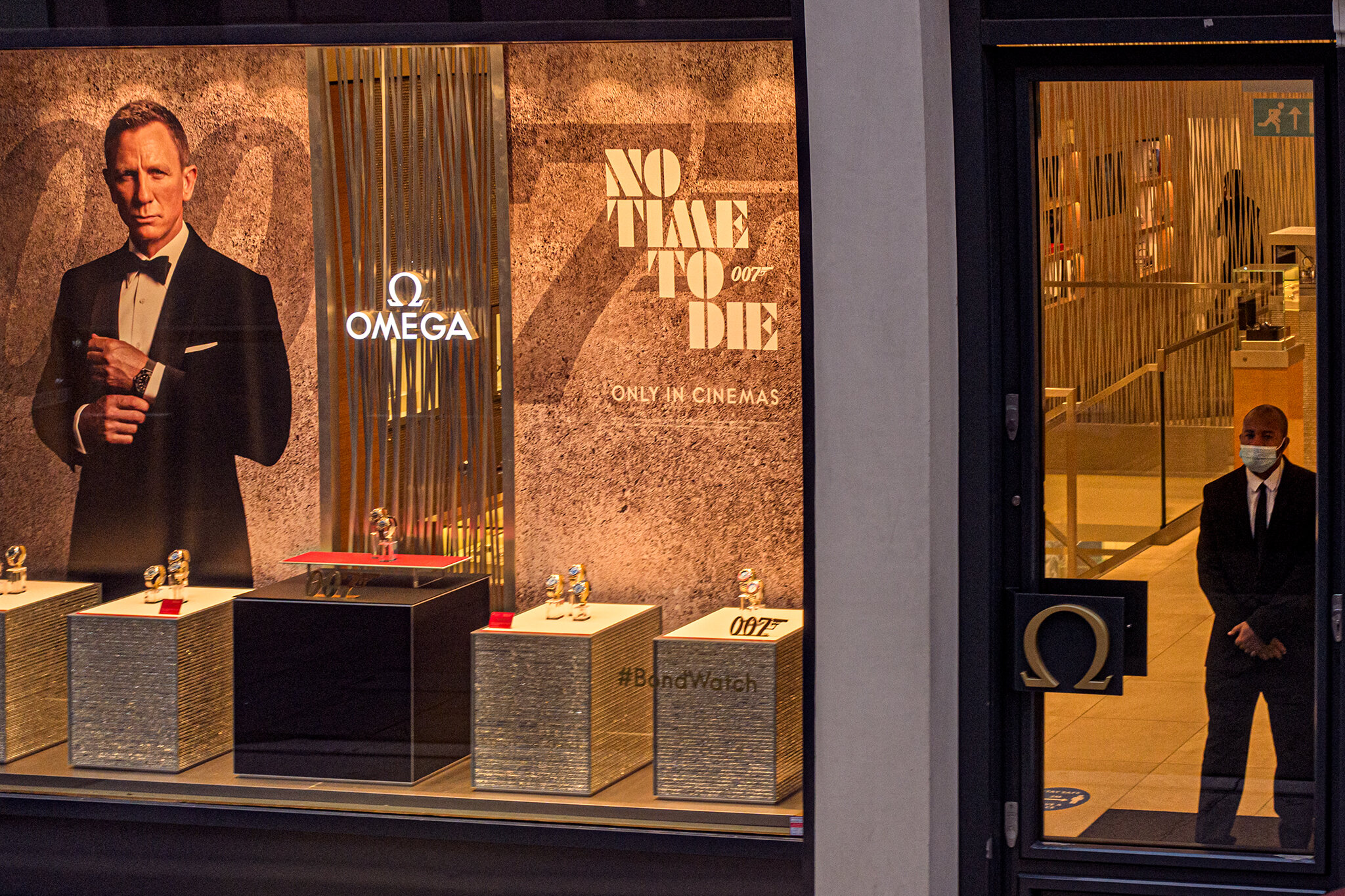
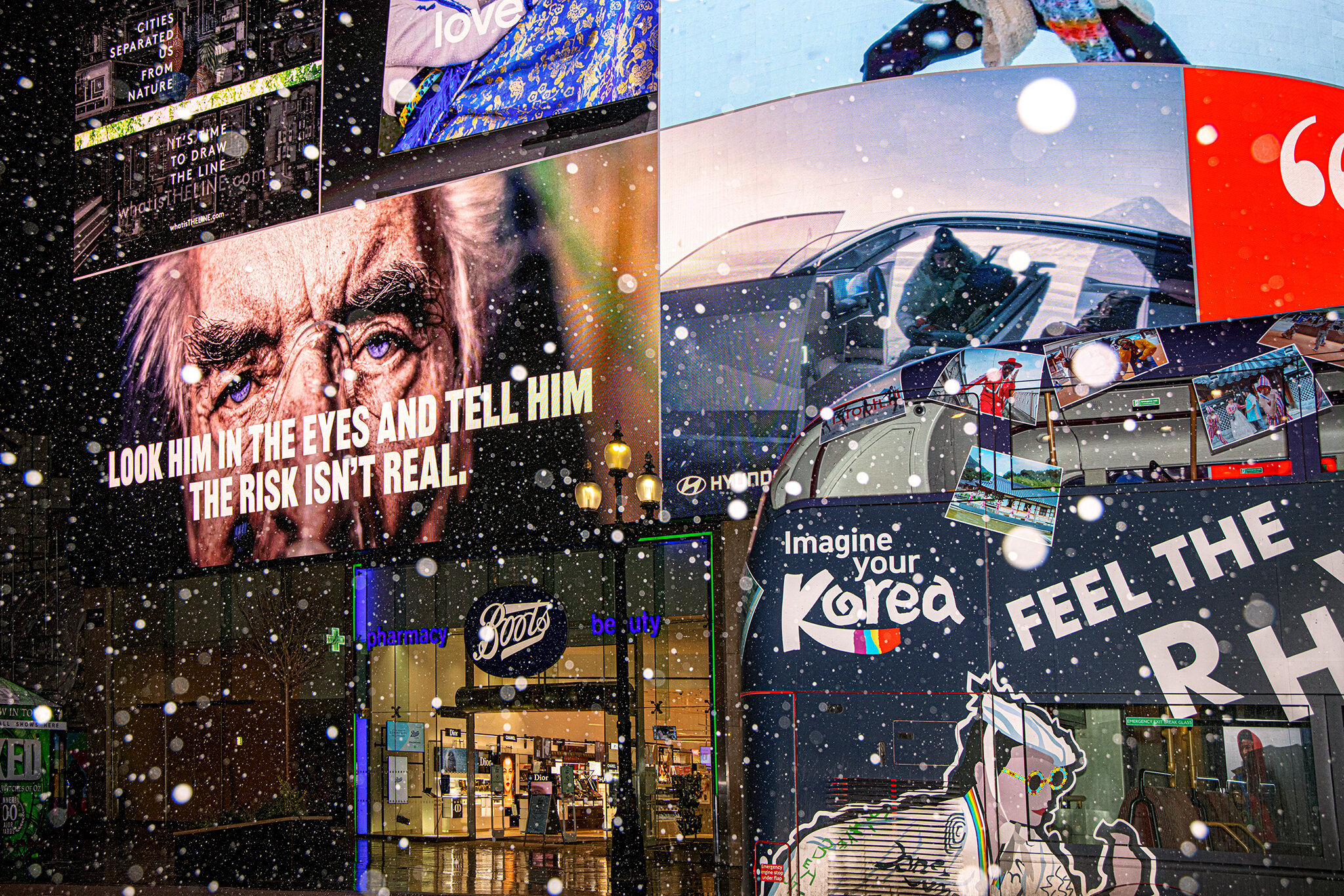
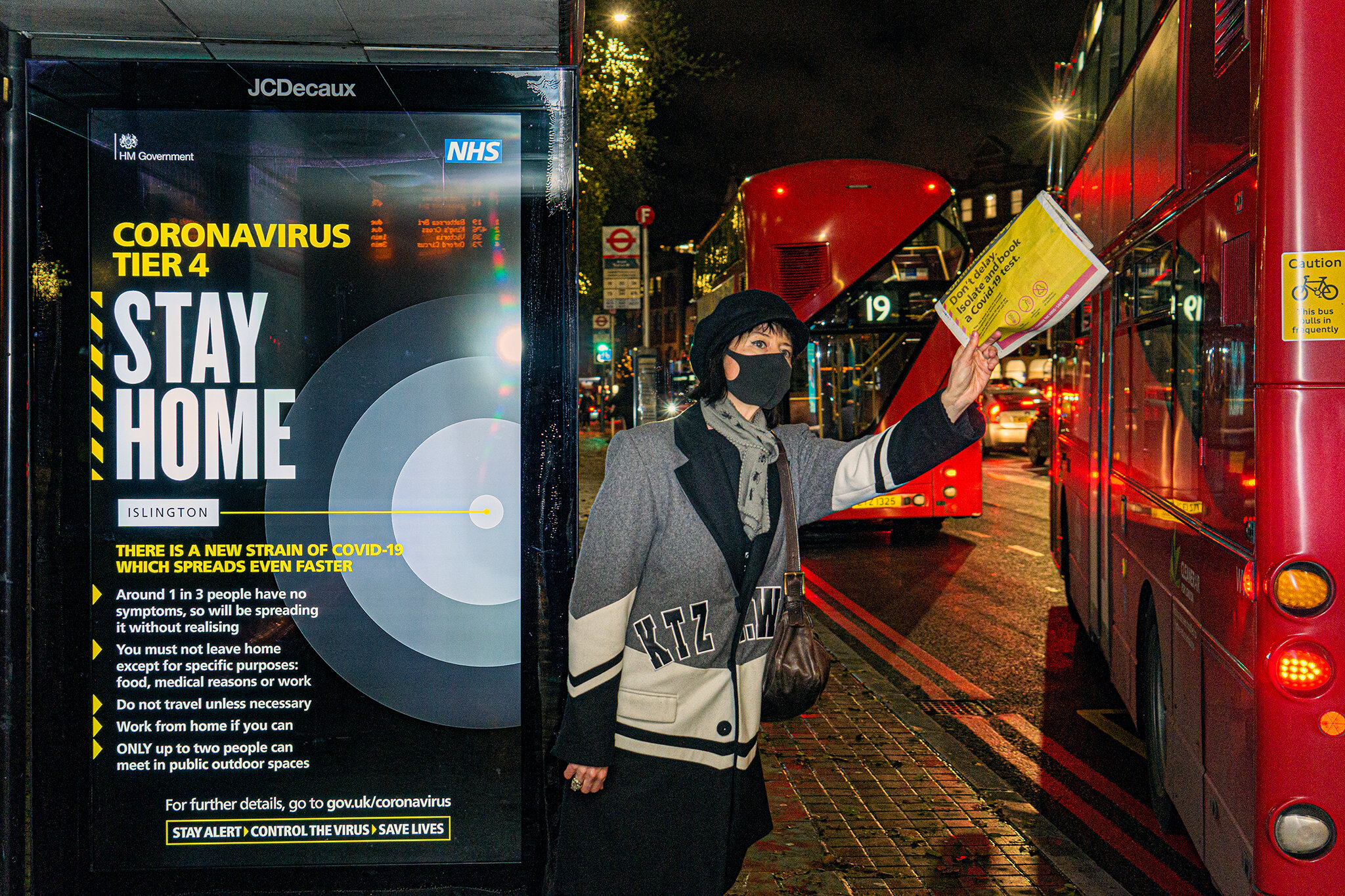
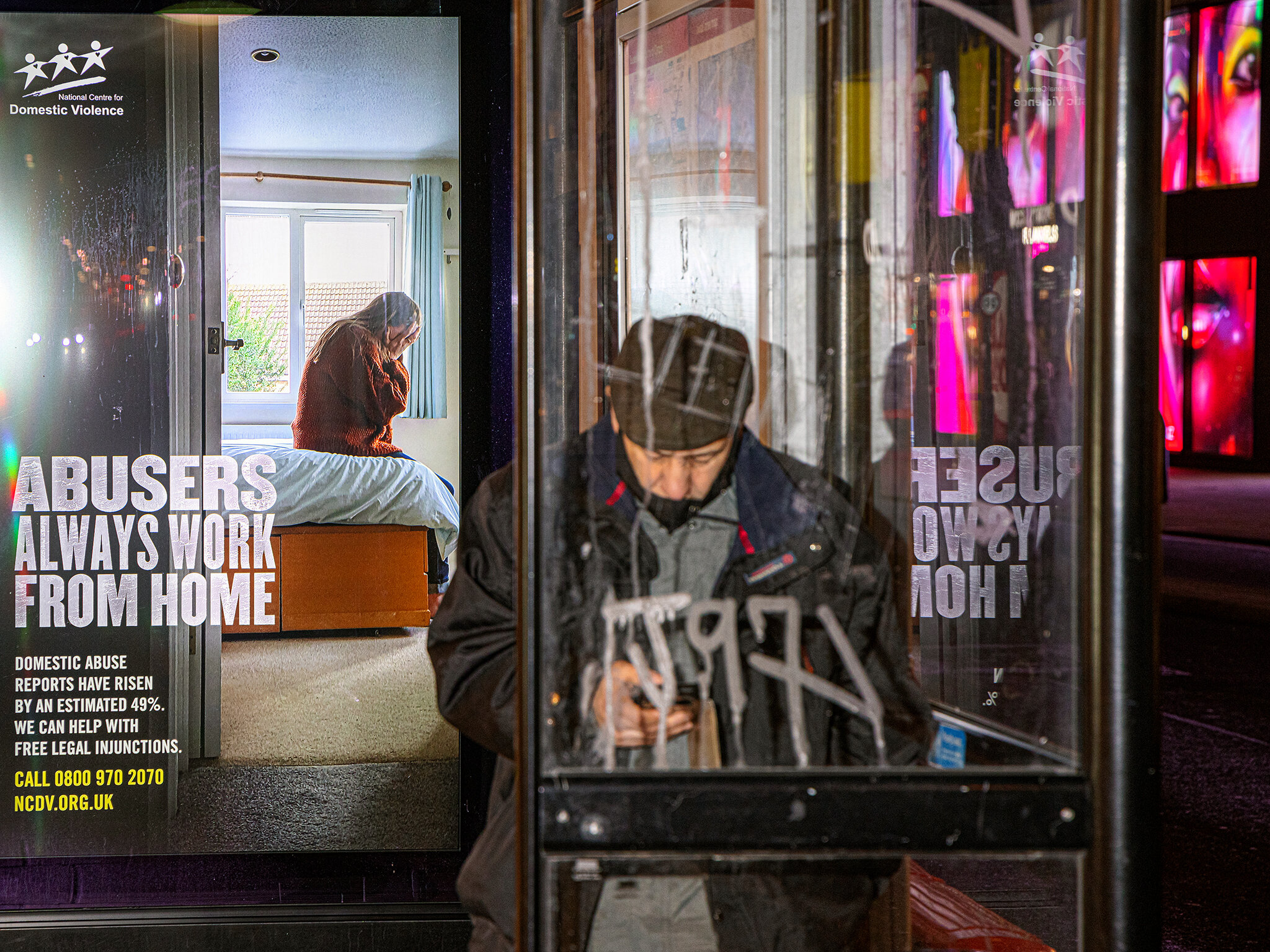
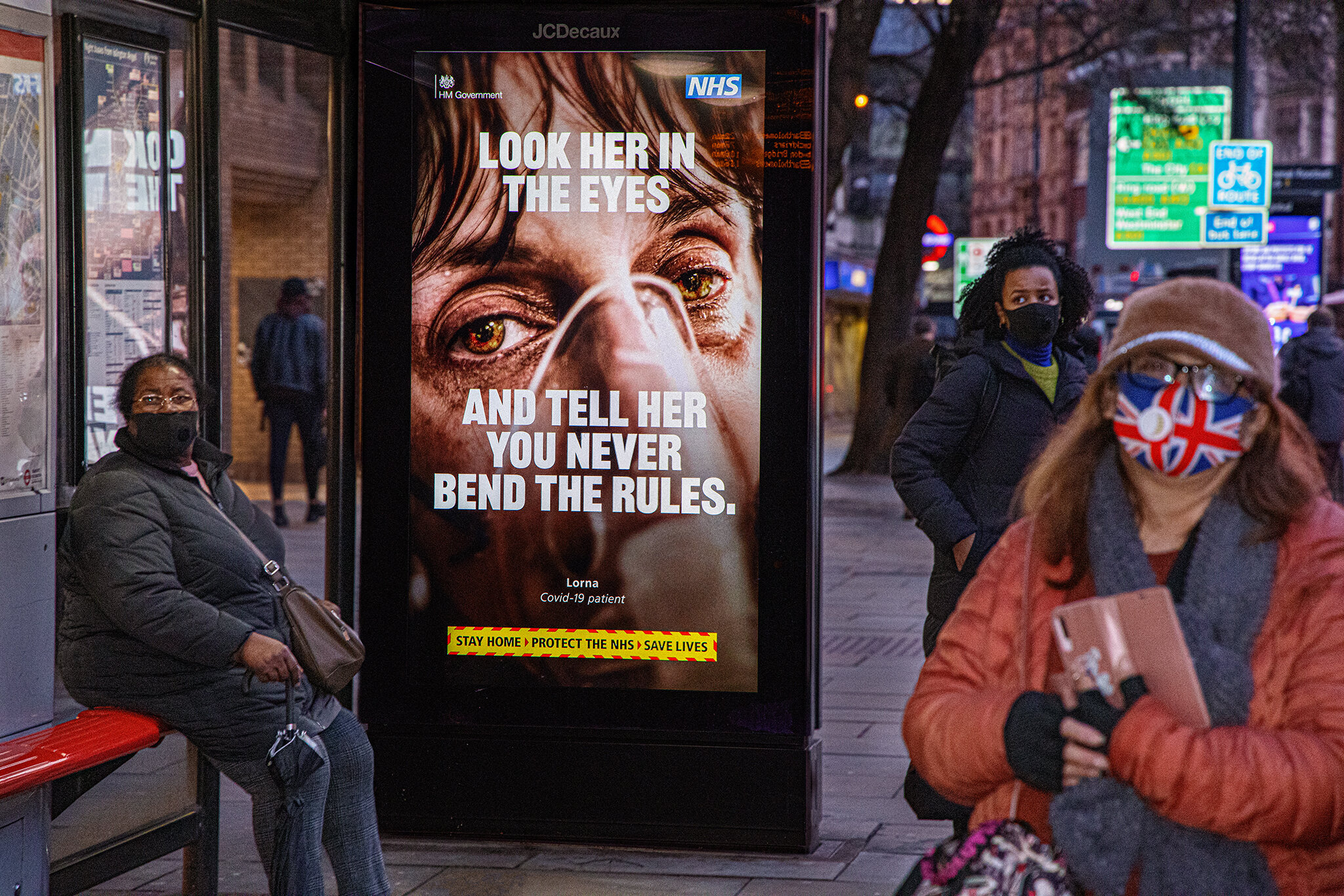
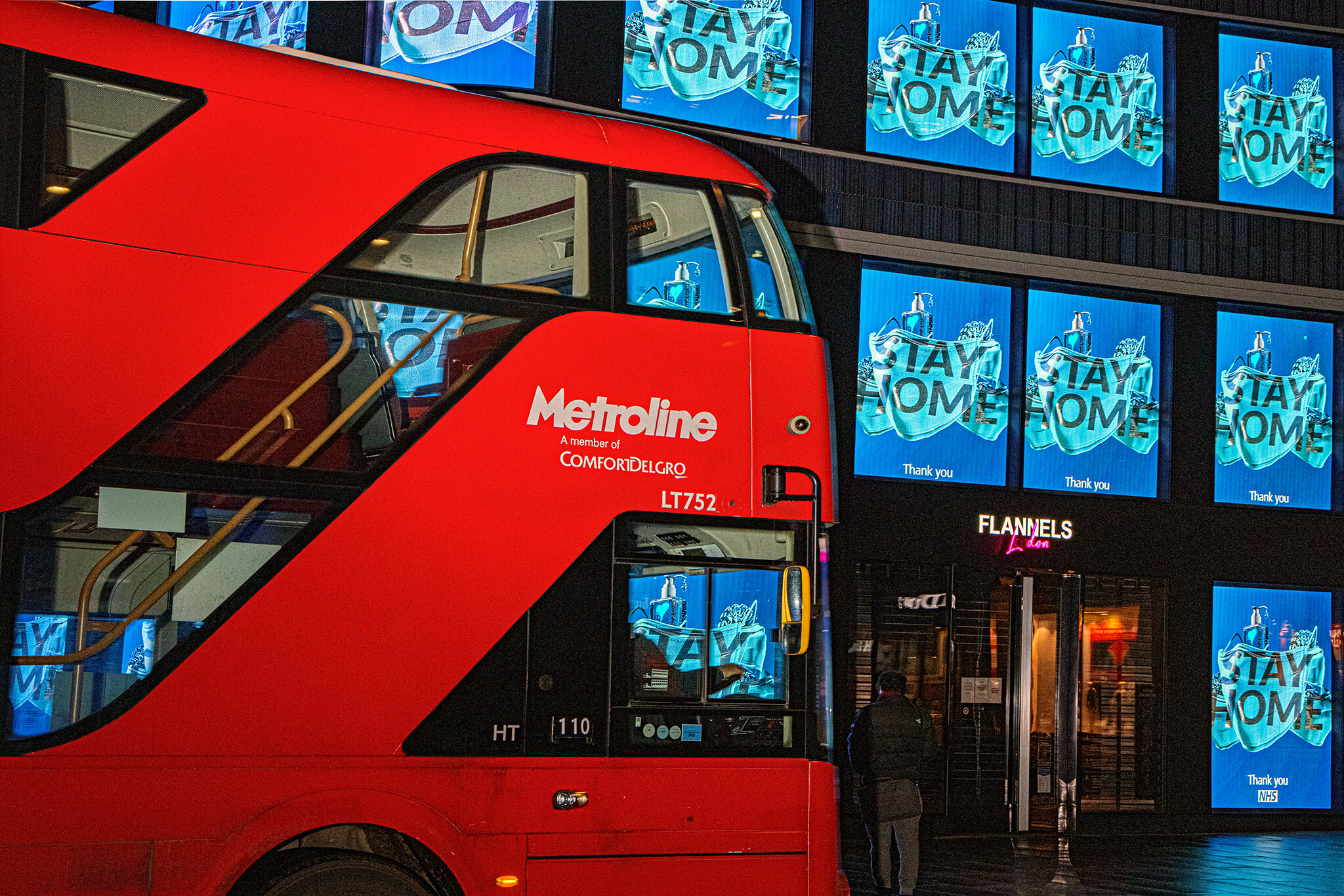
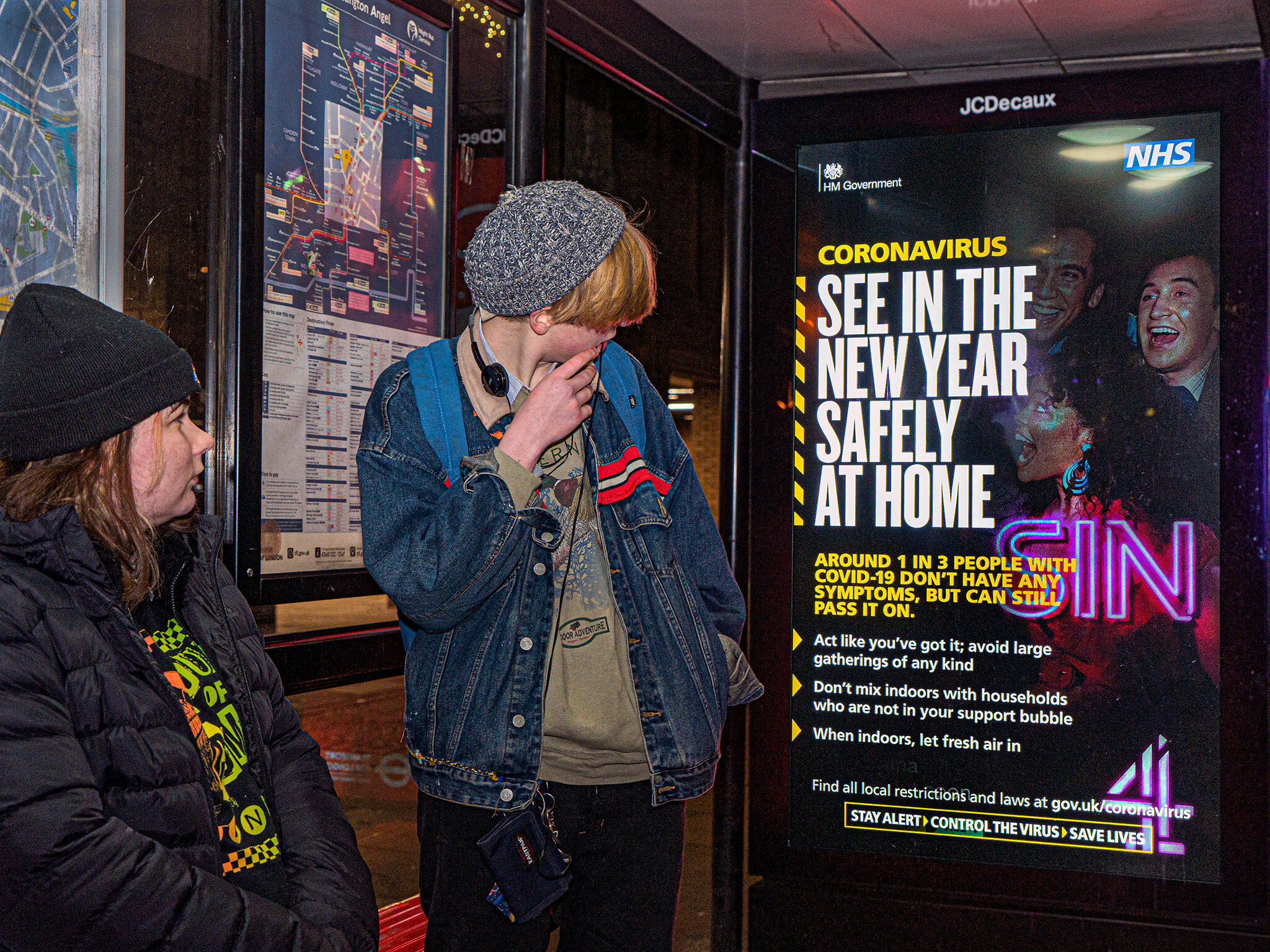
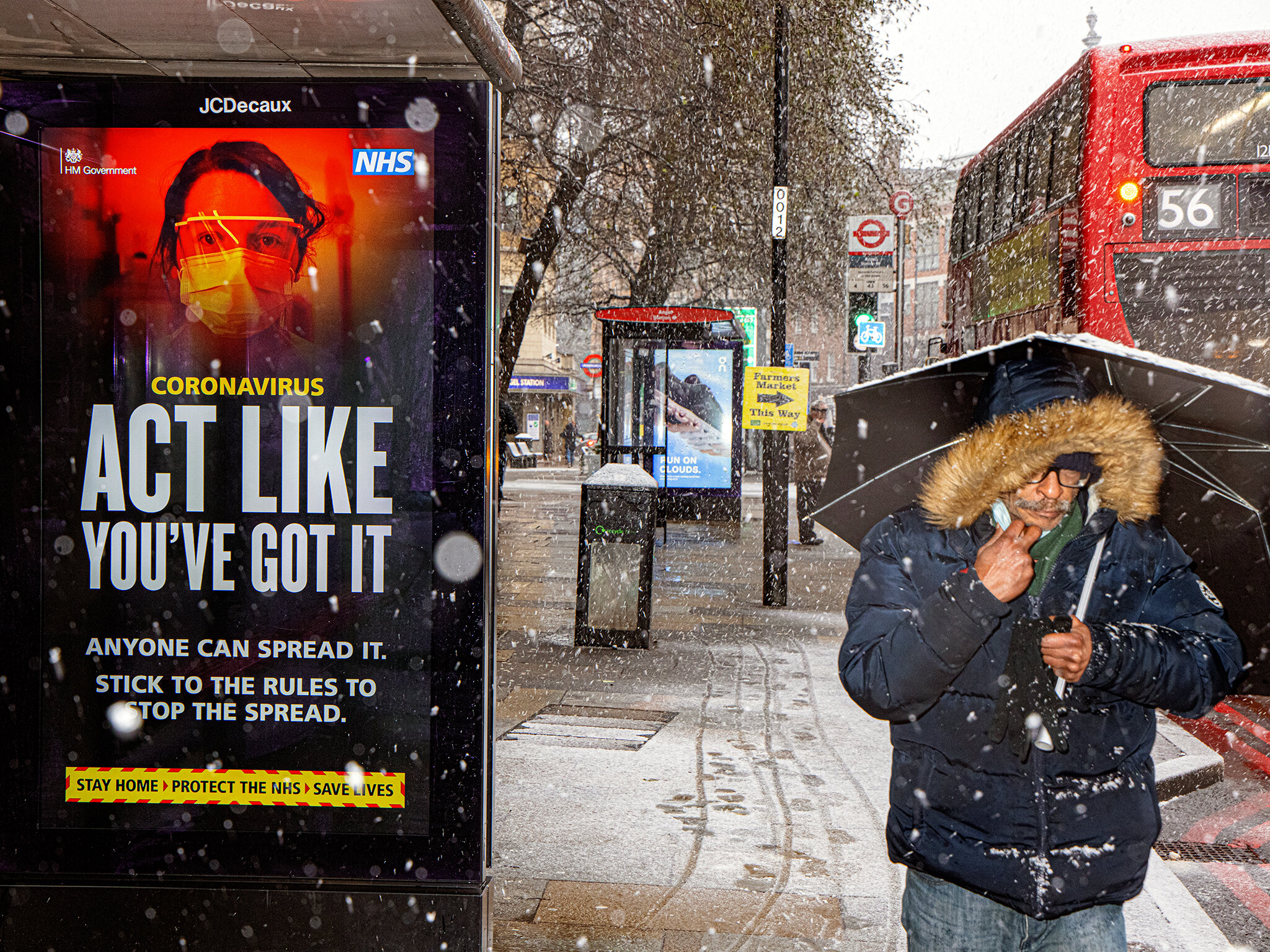
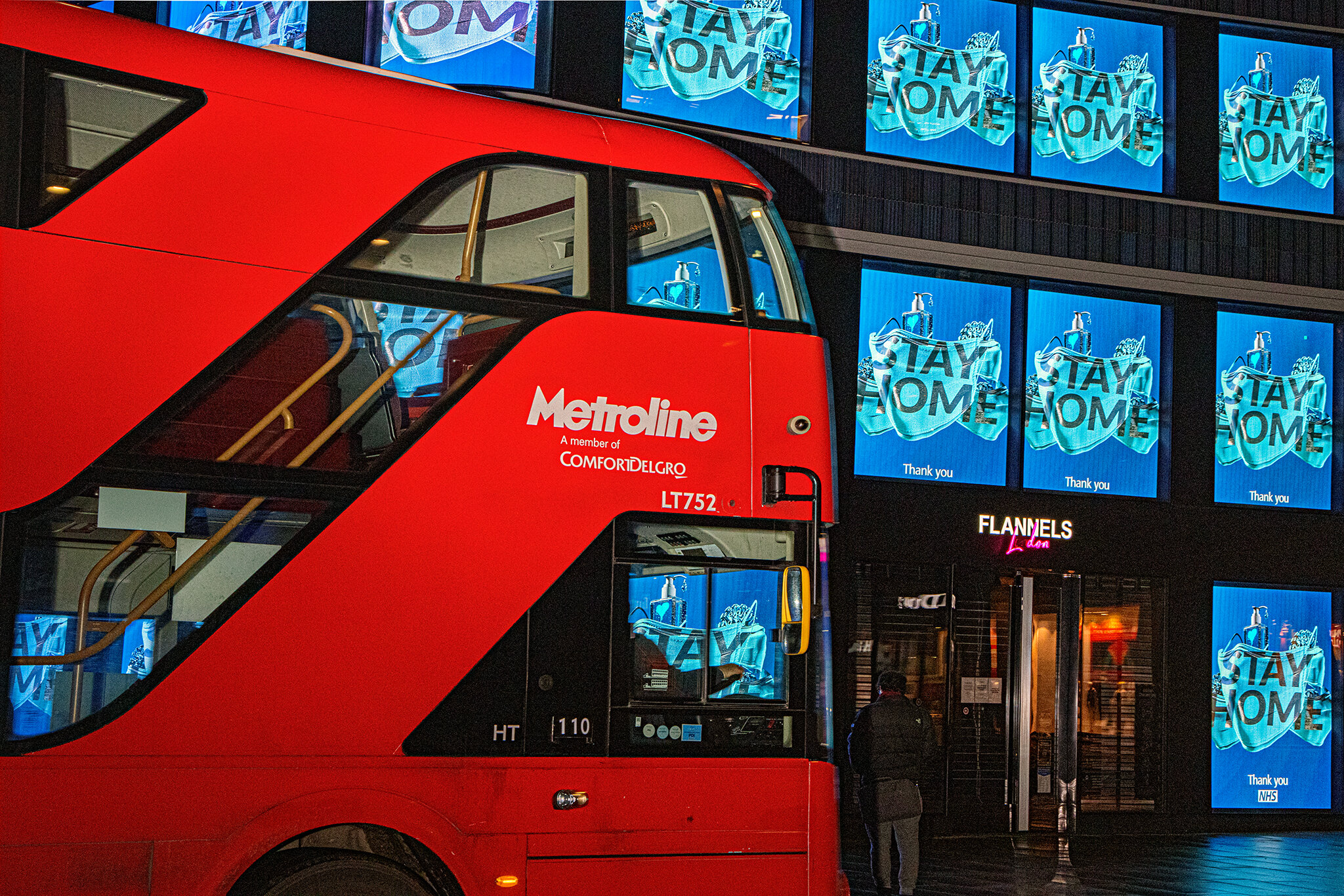
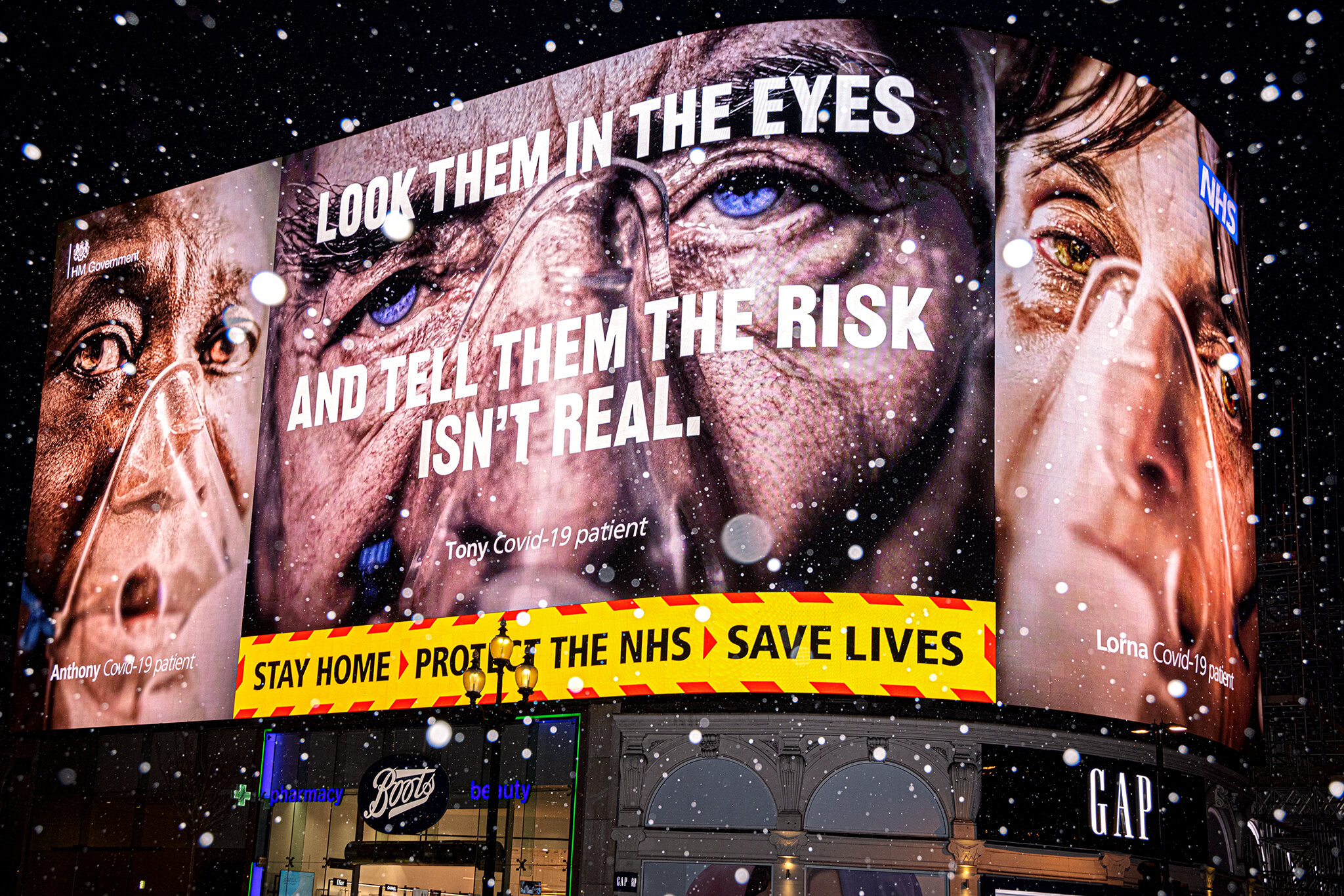
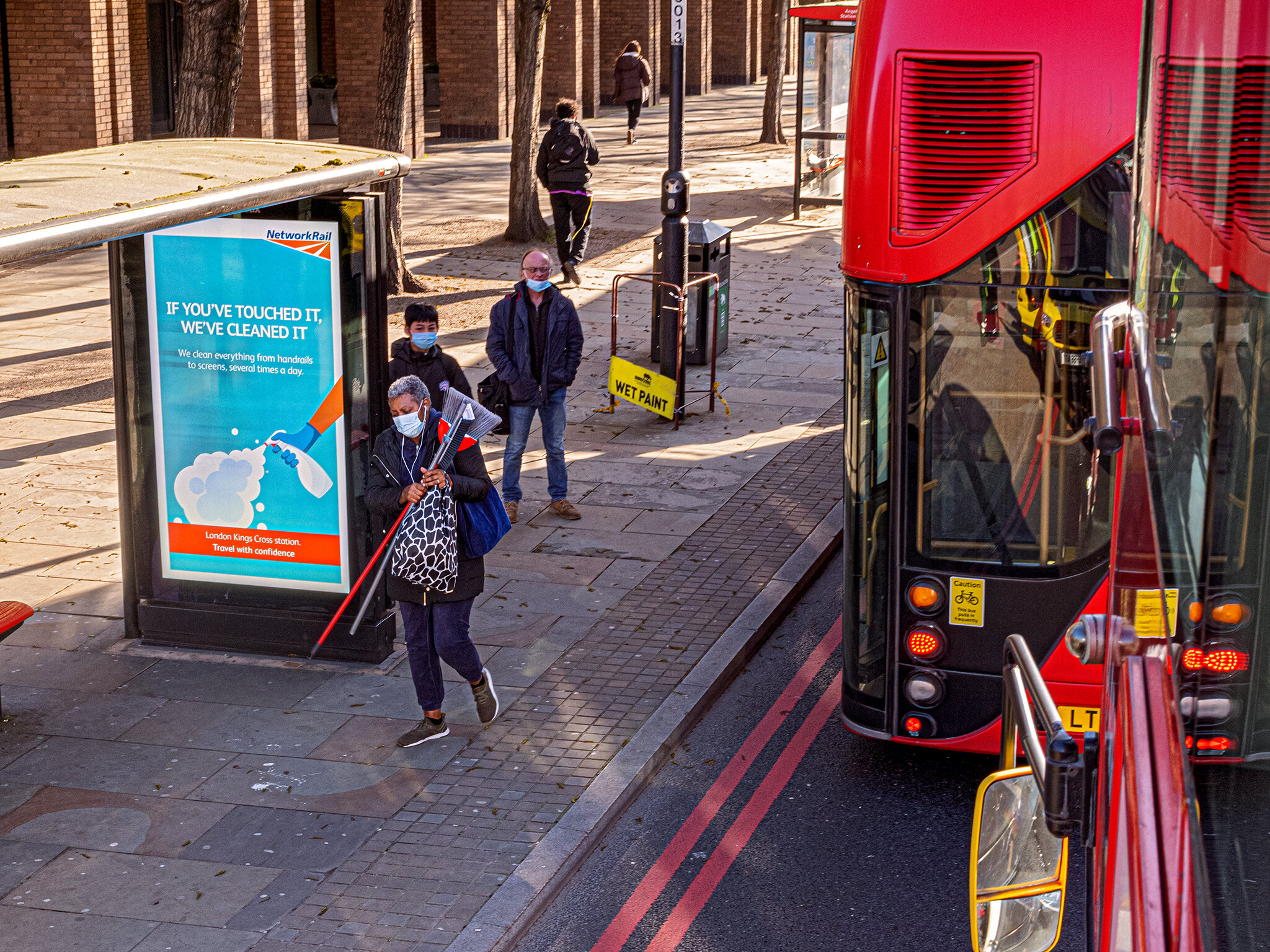
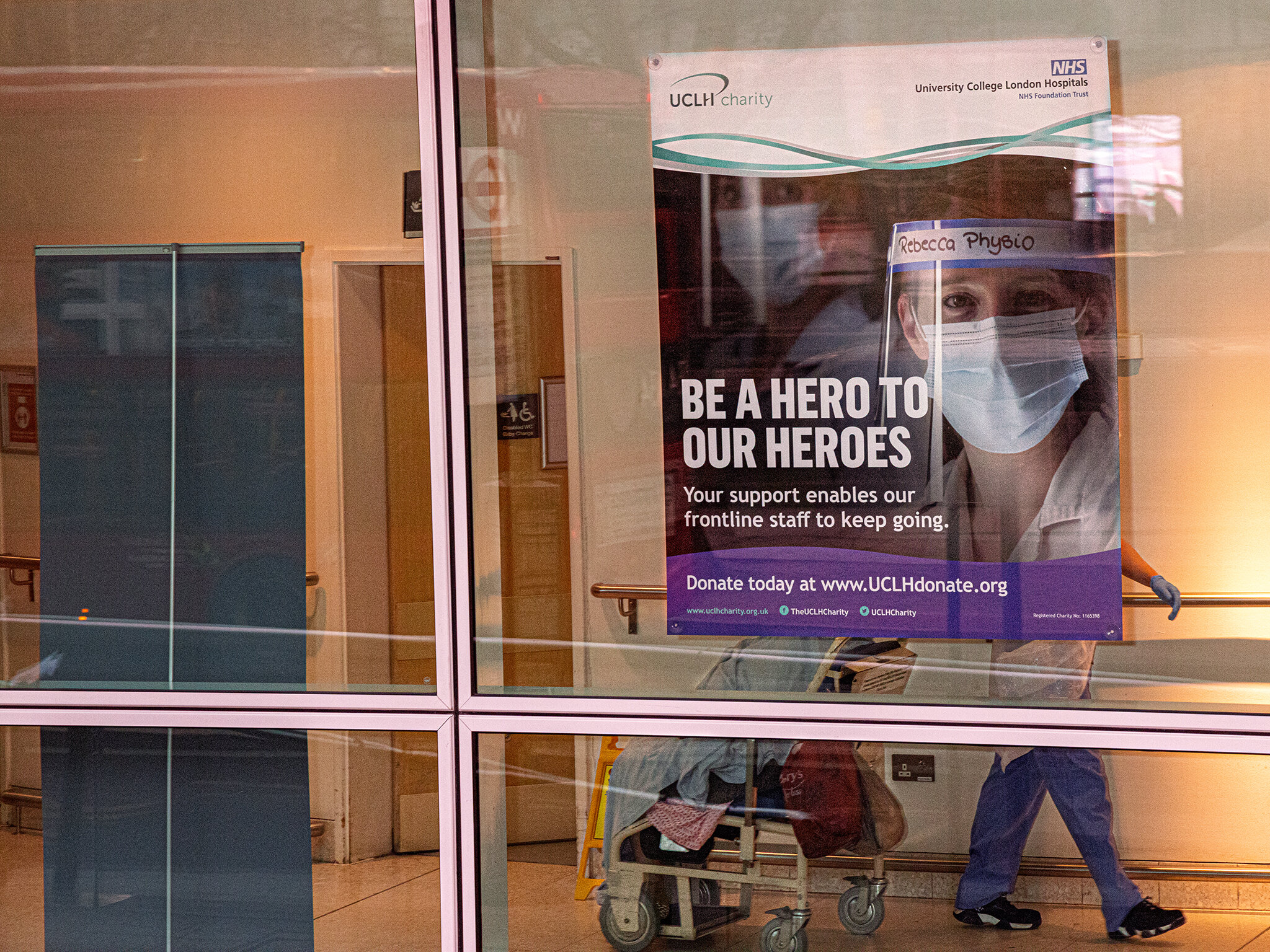
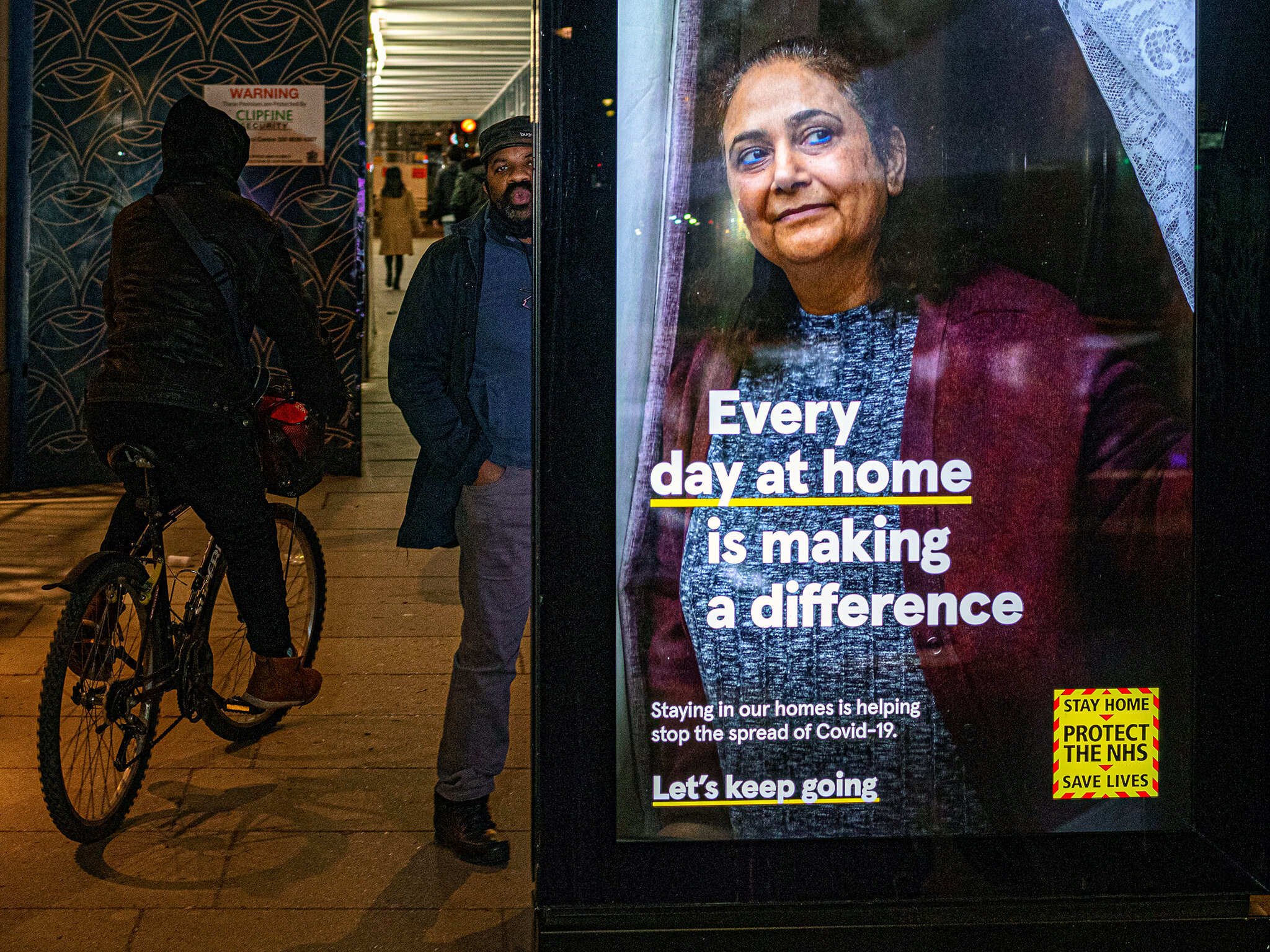
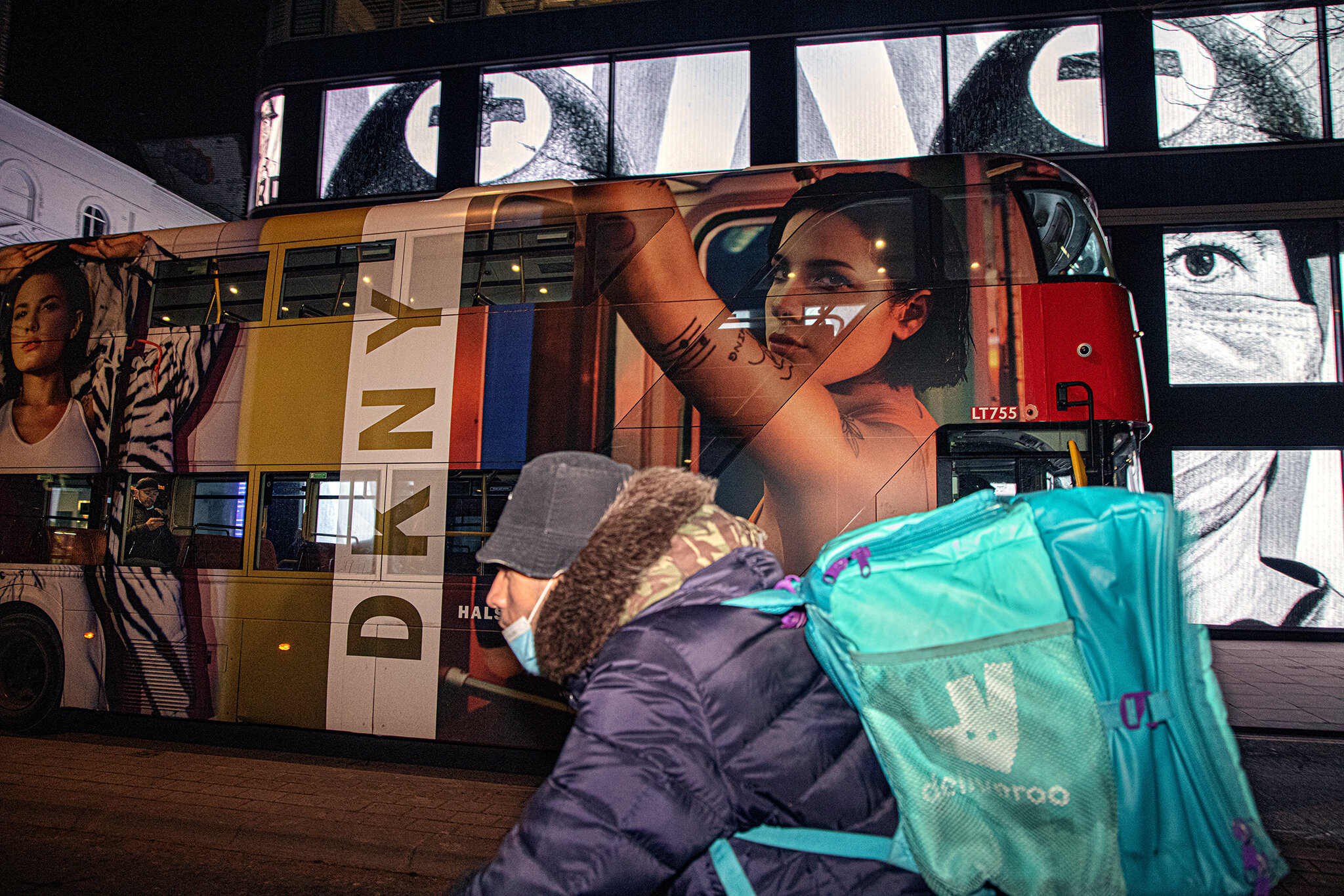
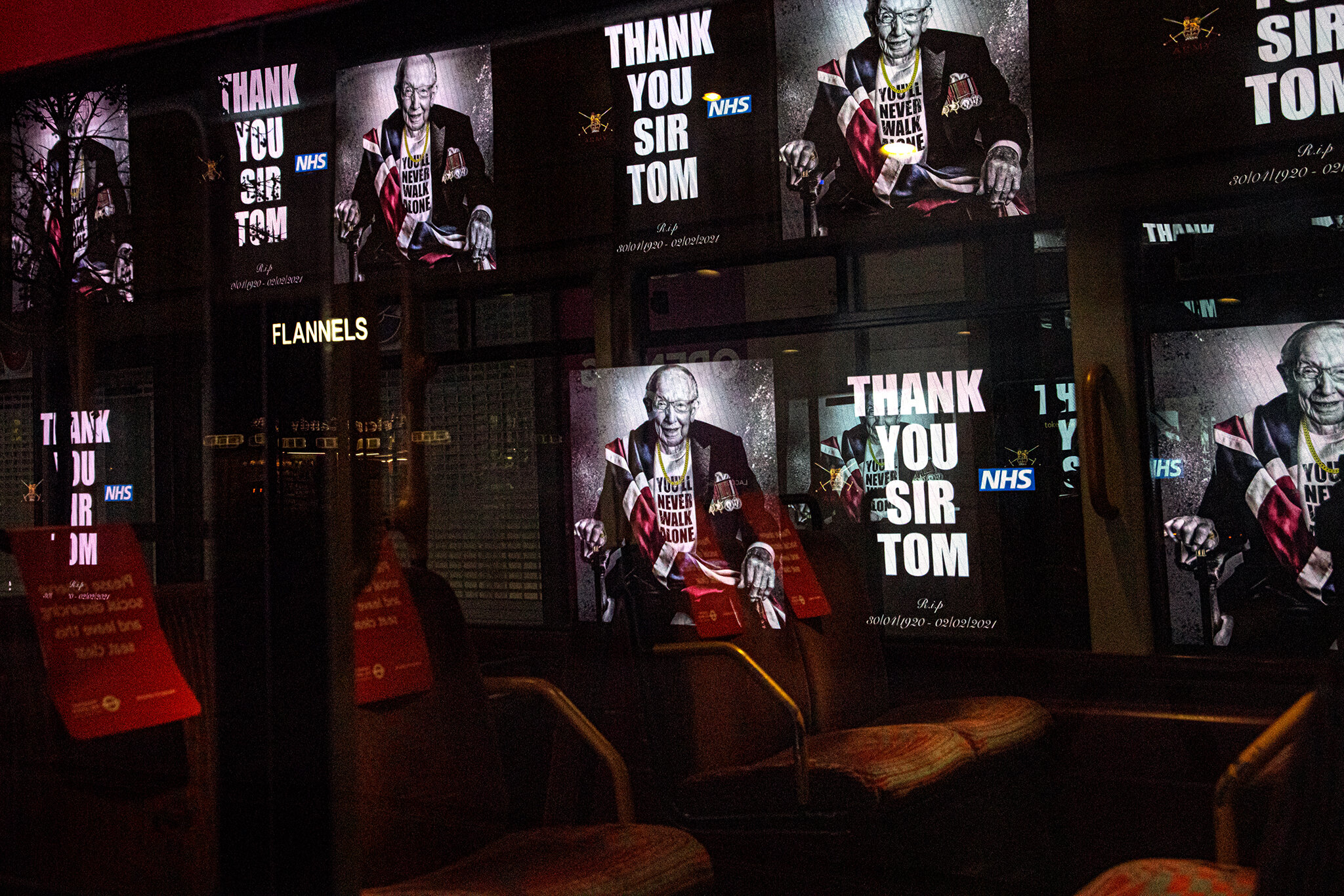
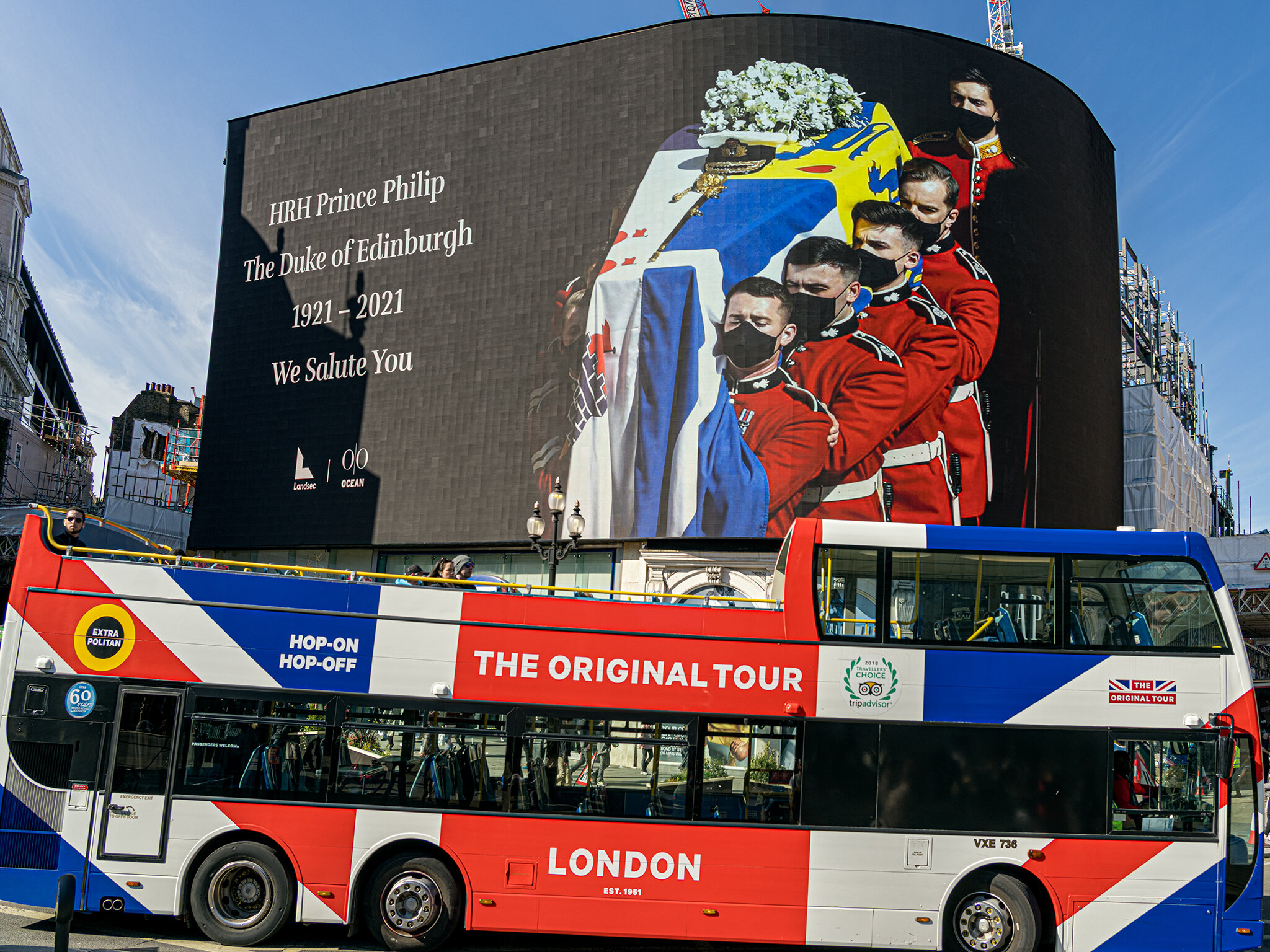
Like time capsules, adverts from BC, before COVID, remained plastered across buses. In normal times, they would have come and gone, but now they act as stark reminders of the dire straits in which the leisure and arts sector, the city’s lifeblood, found itself. Theatres, cinemas, concert halls and other venues suffered unprecedented box-office losses and major economic disruption as a result of lockdown and the precautionary measures that followed. At the same time, vast numbers of actors, musicians, performers, technicians, production staff and support workers lost their livelihoods. The travel industry was in the same boat, with few people travelling to enticing destinations such as Malaysia, Israel or Croatia. For those who did, quarantine awaited them on their return. What future was there for the arts or travel? Bus-stop billboards were somewhat more up to date, mainly reminding us to wash our hands or thank the NHS.
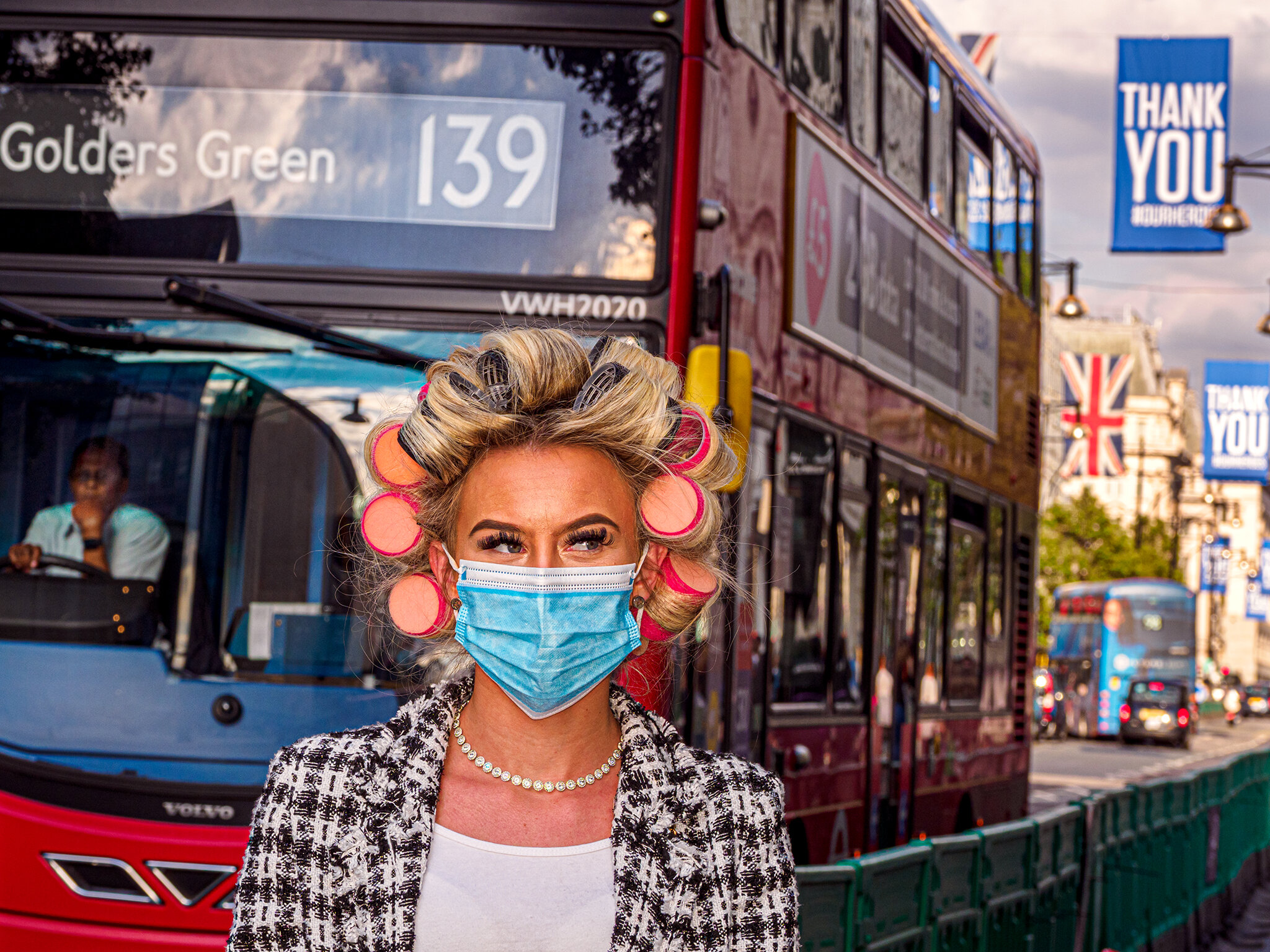
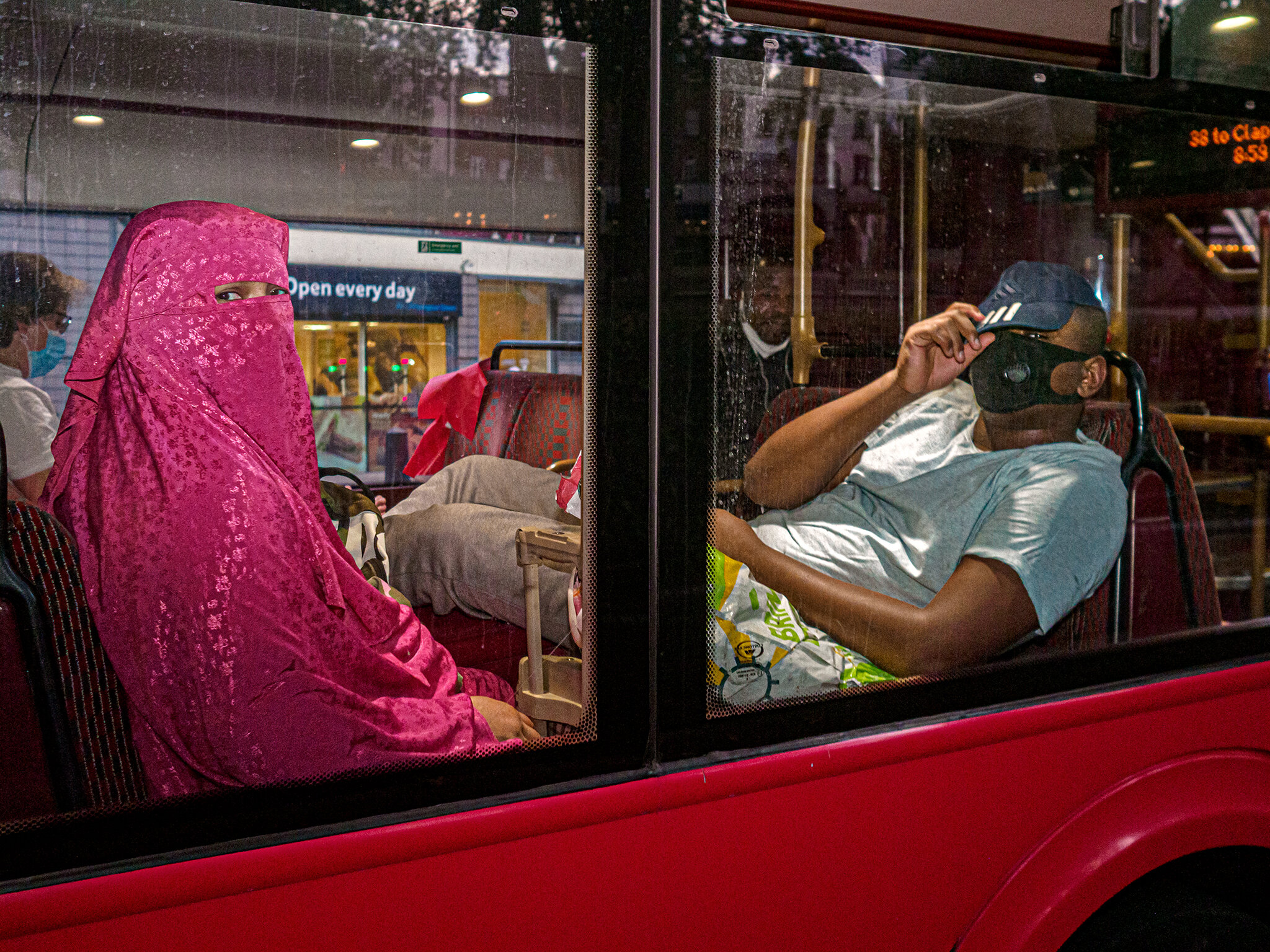
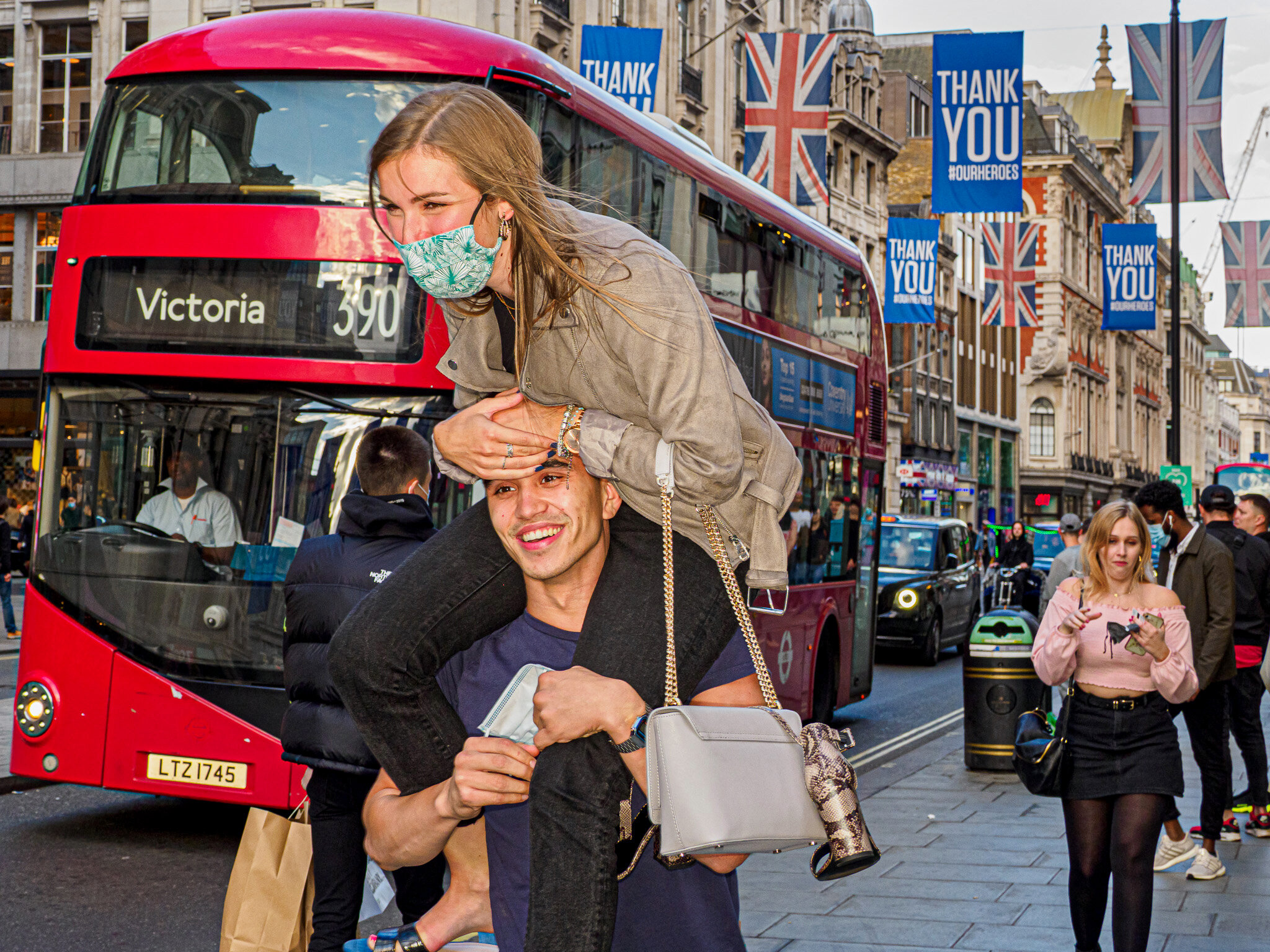
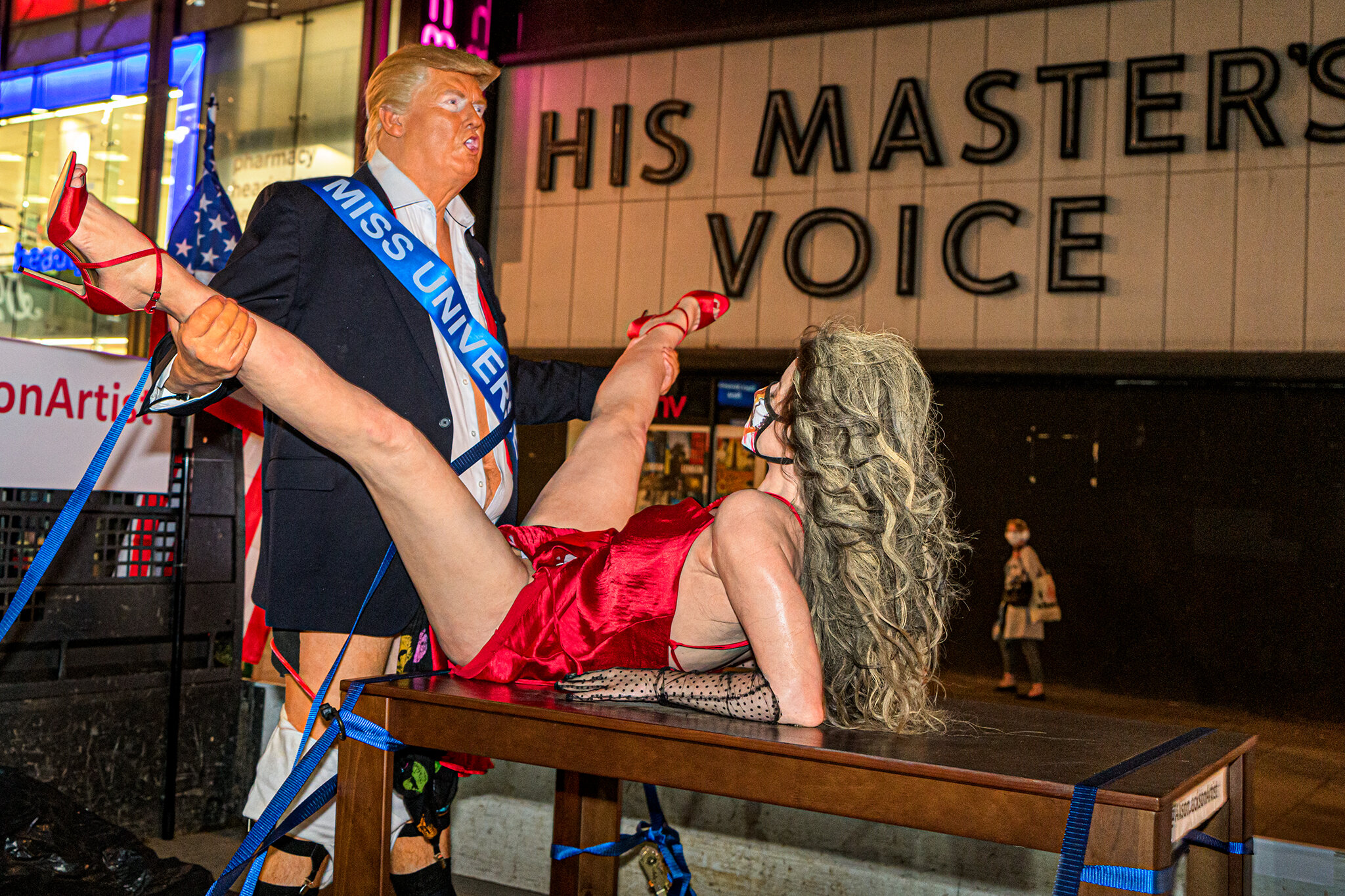
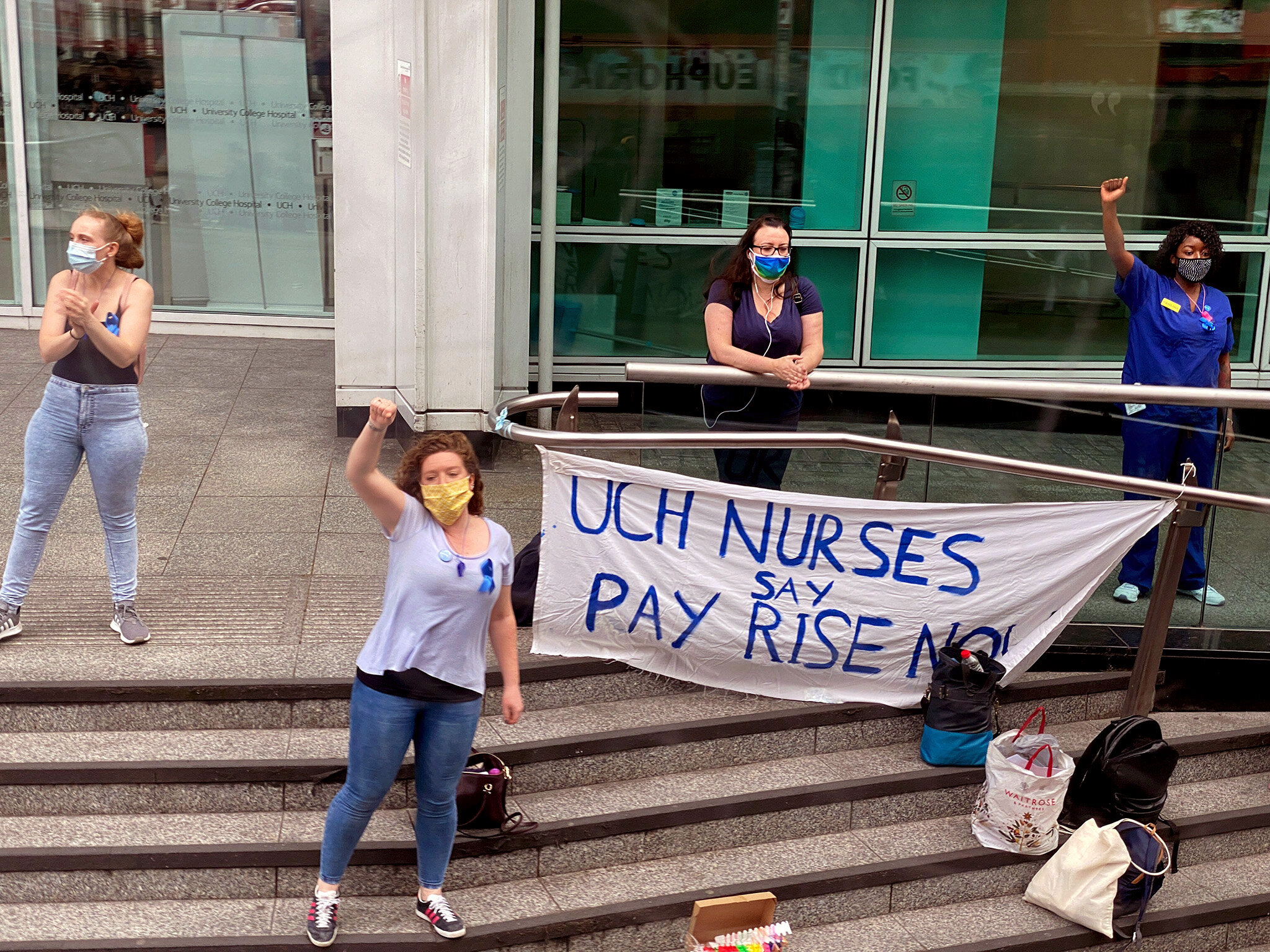
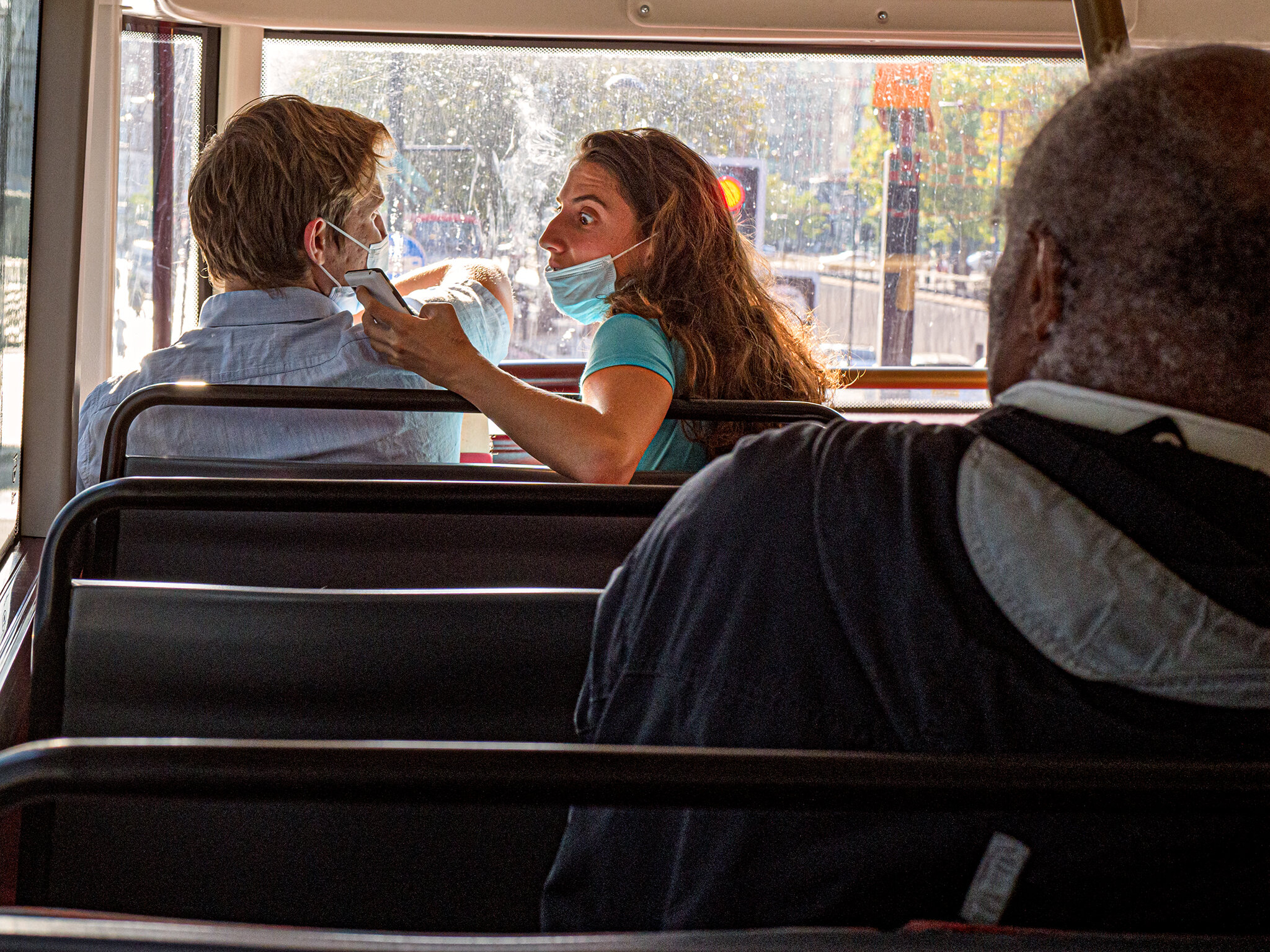
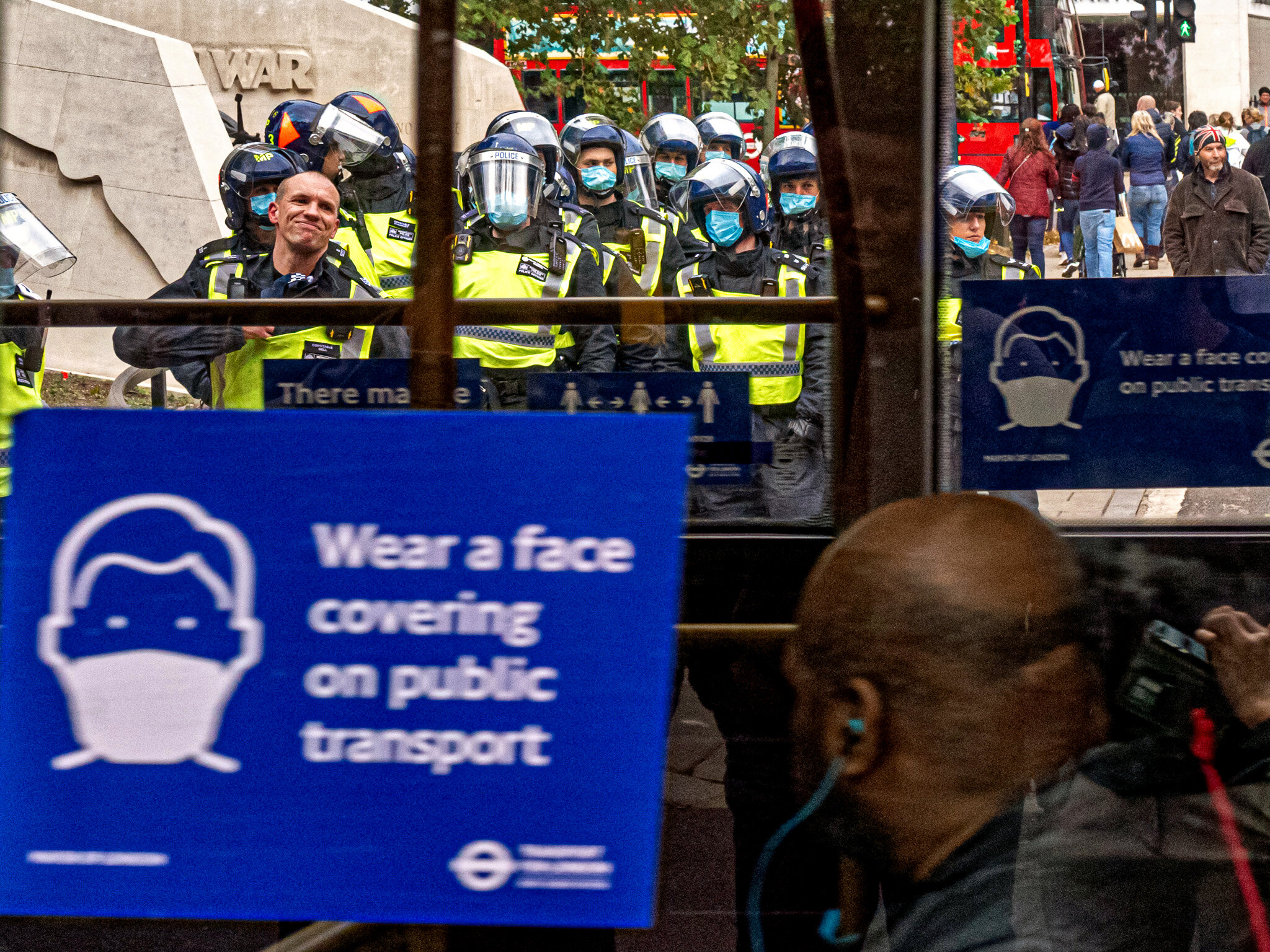
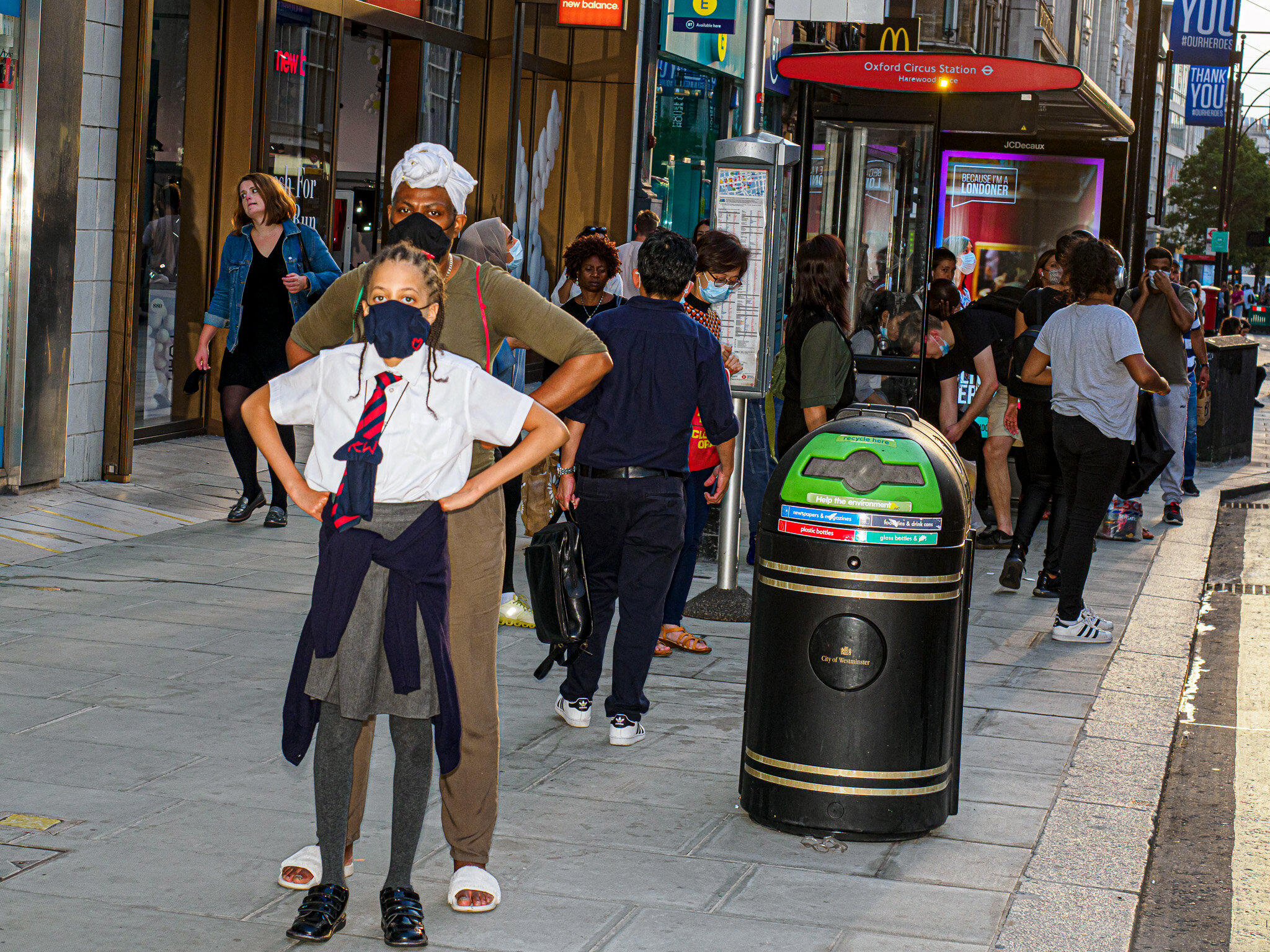
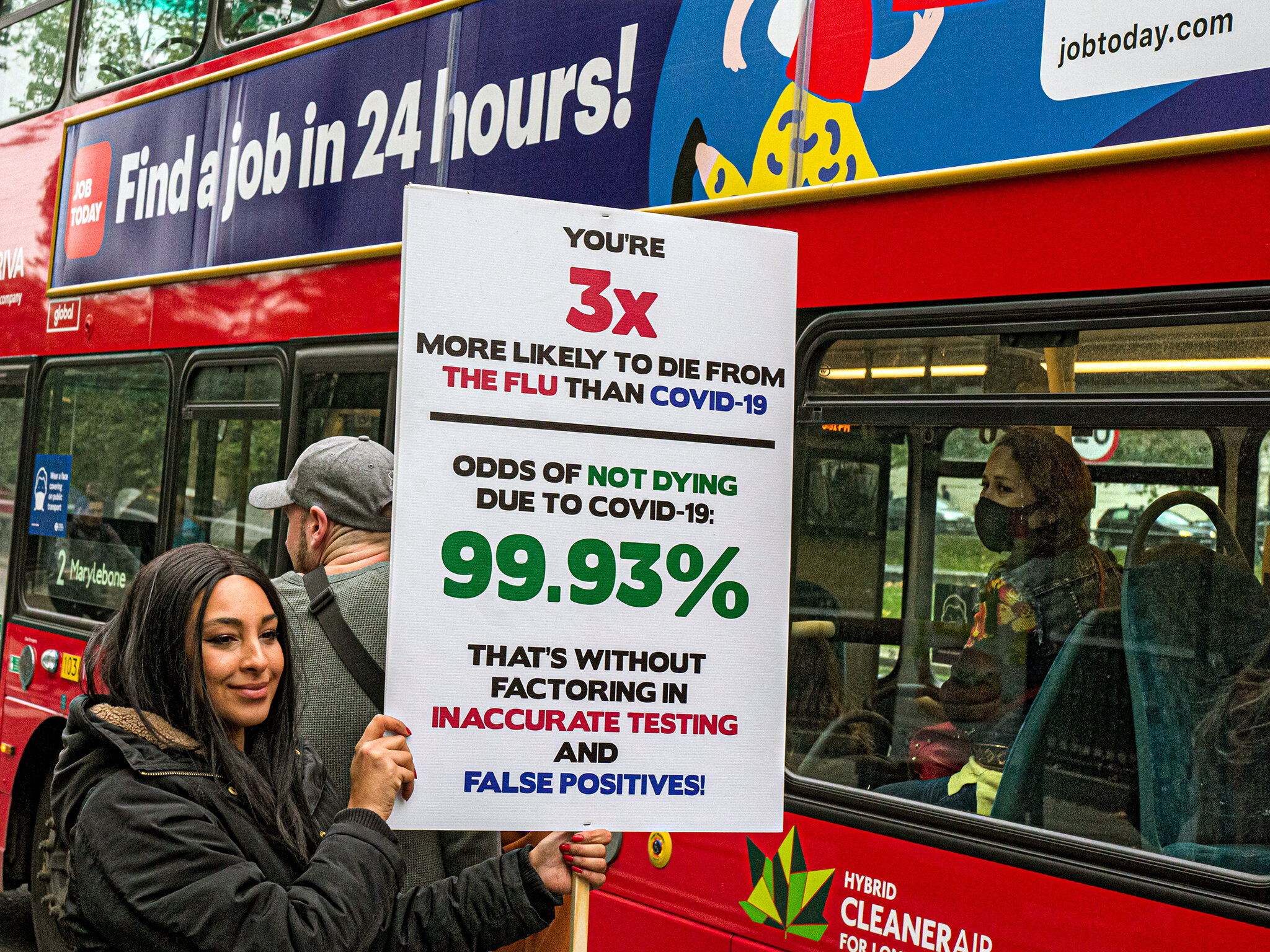
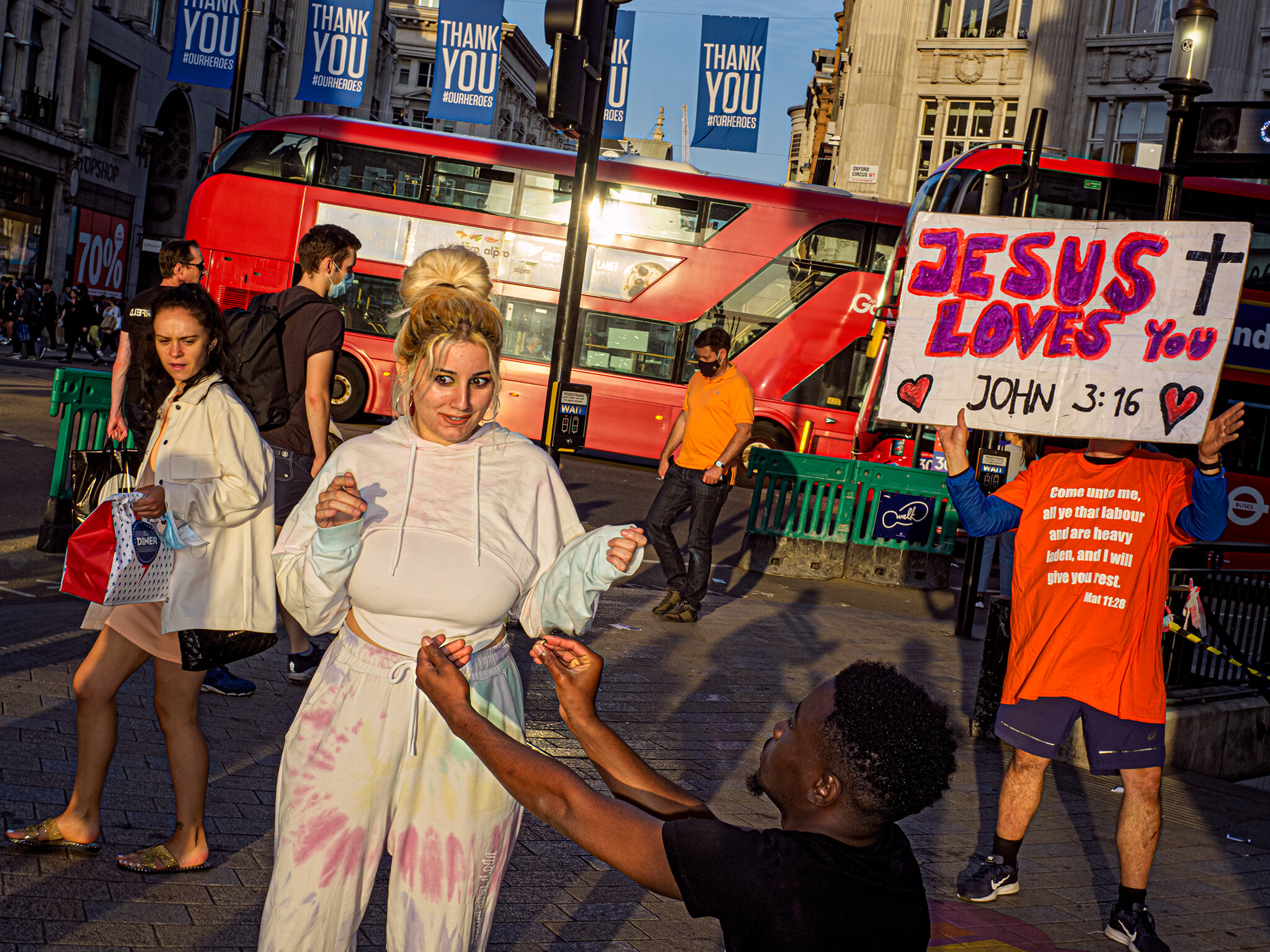
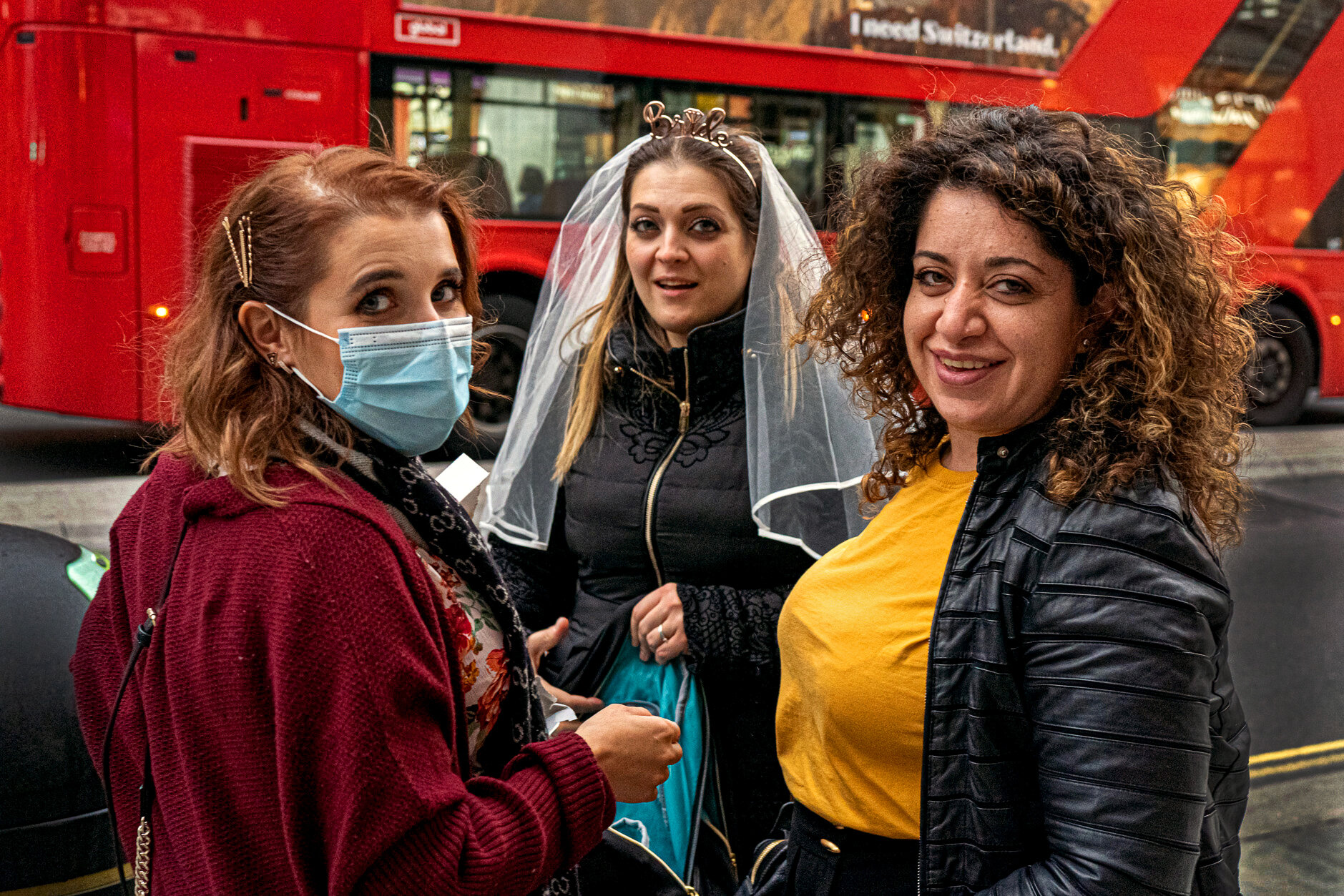
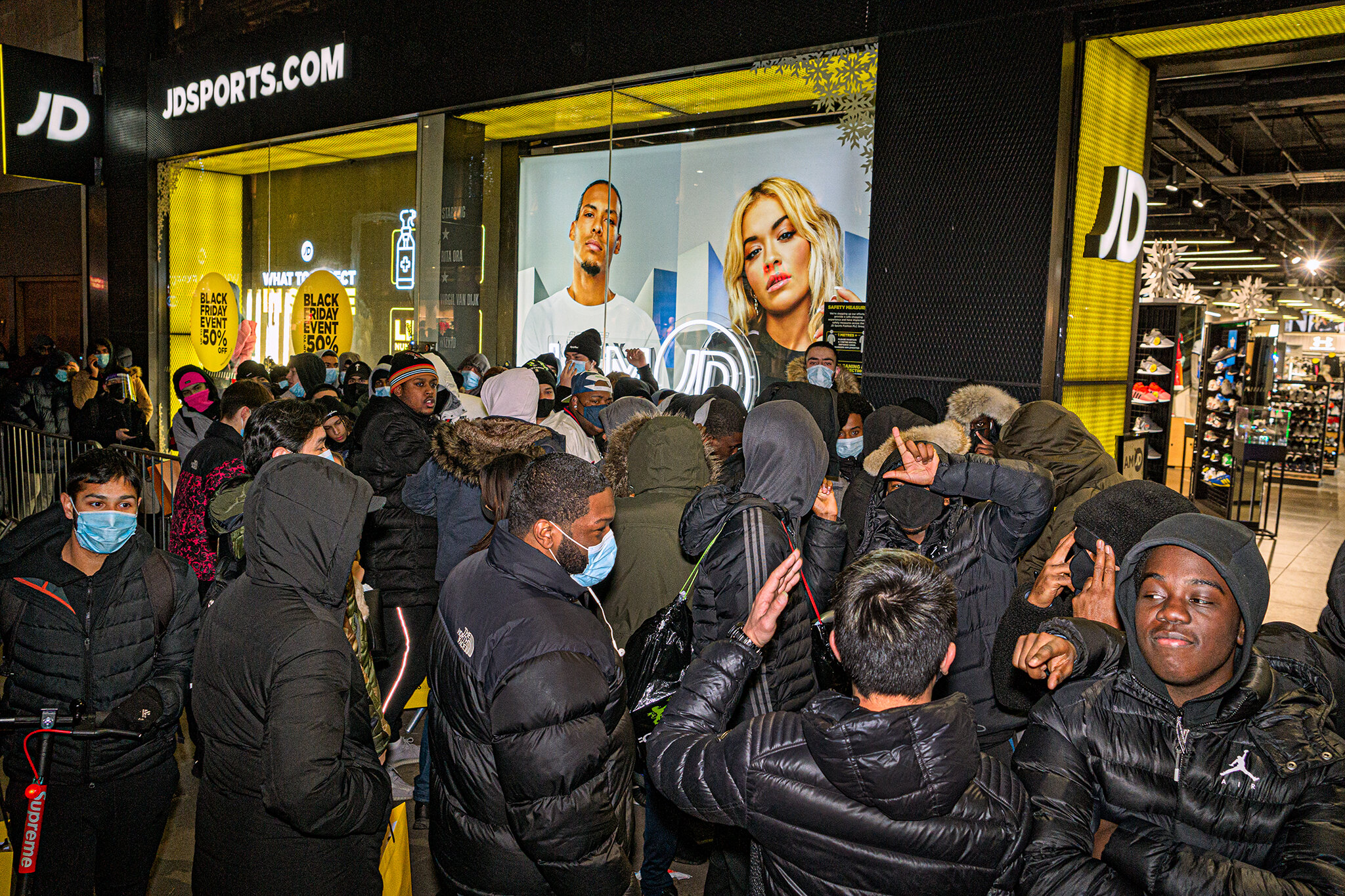
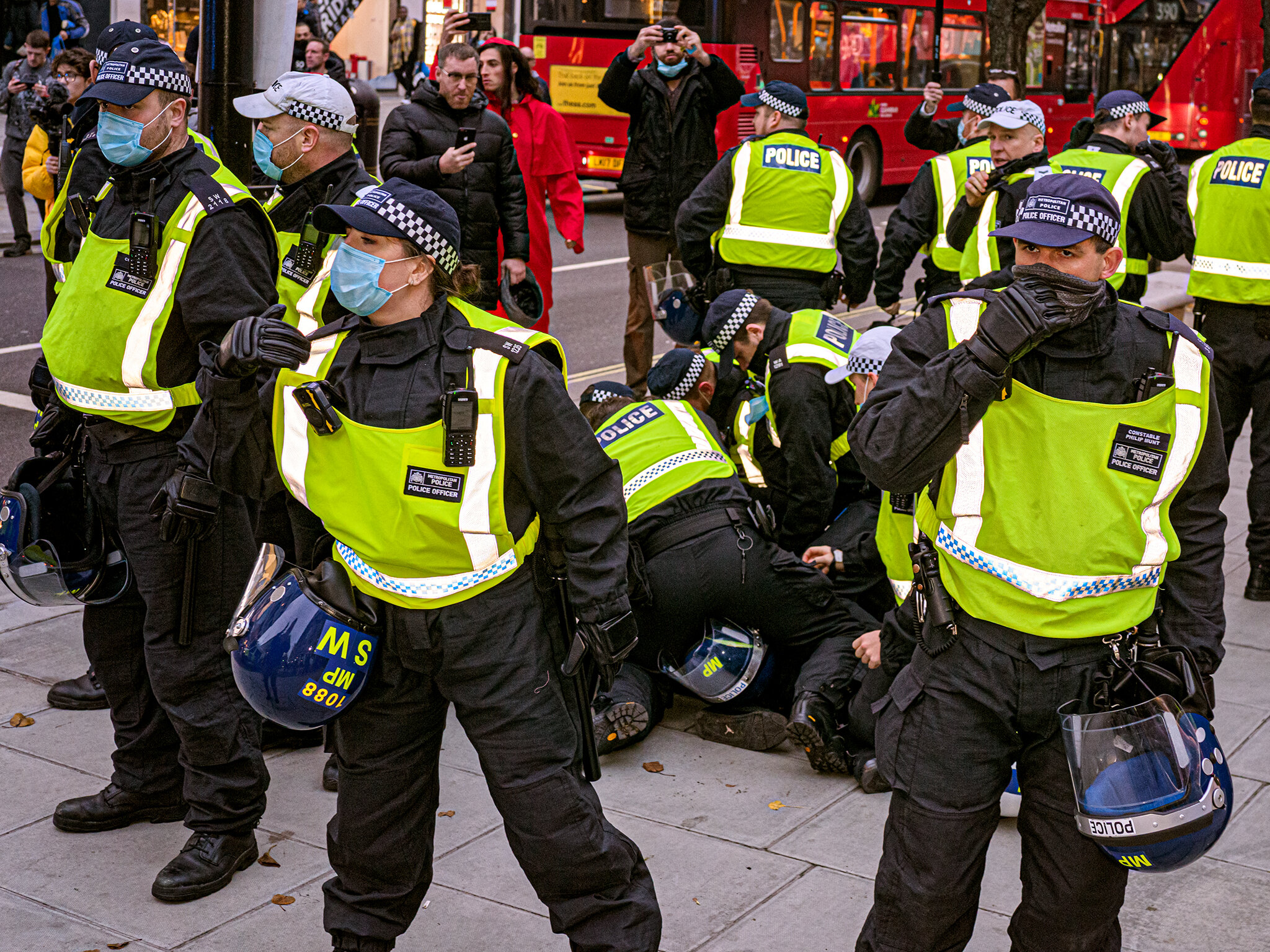
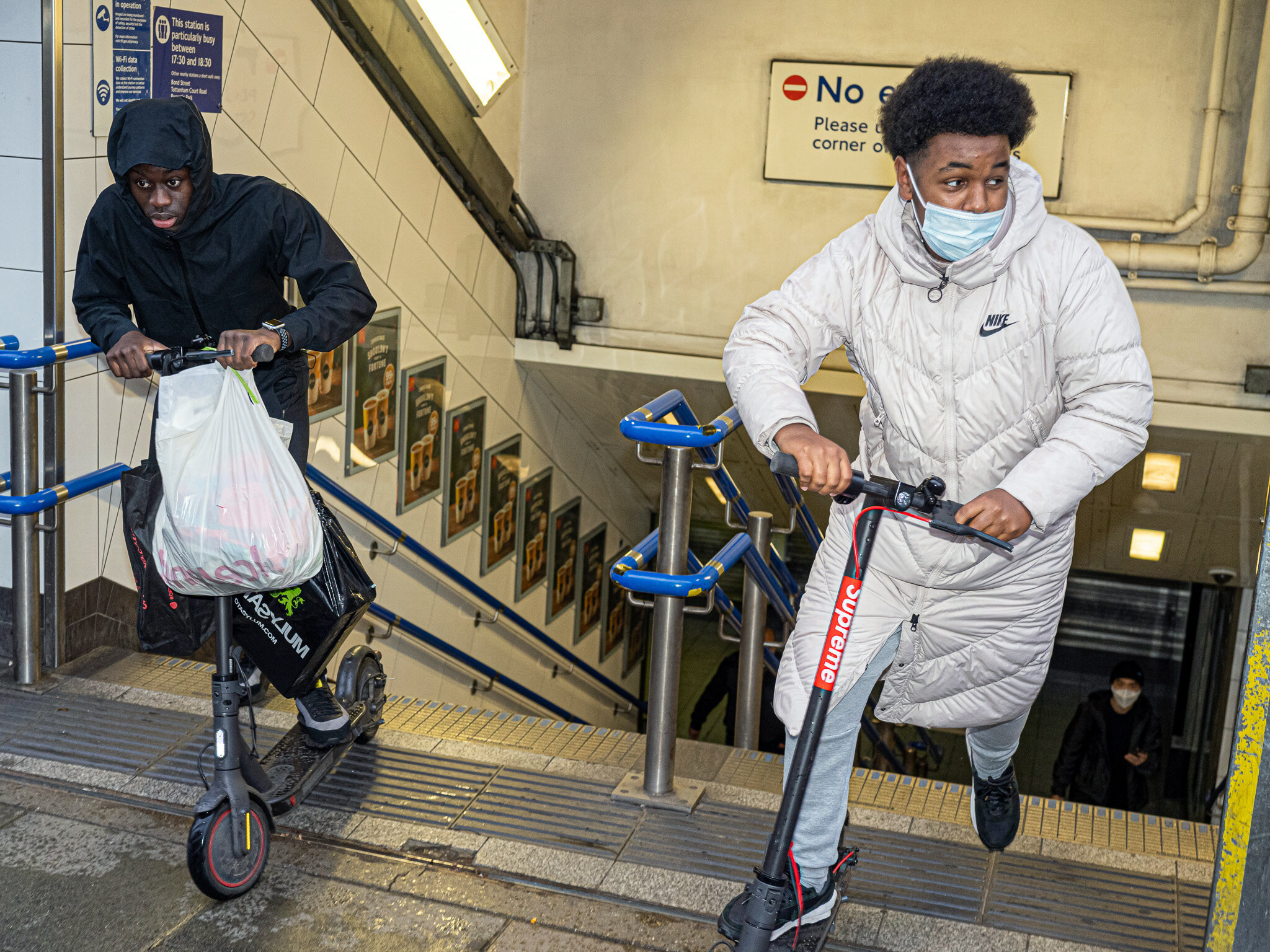
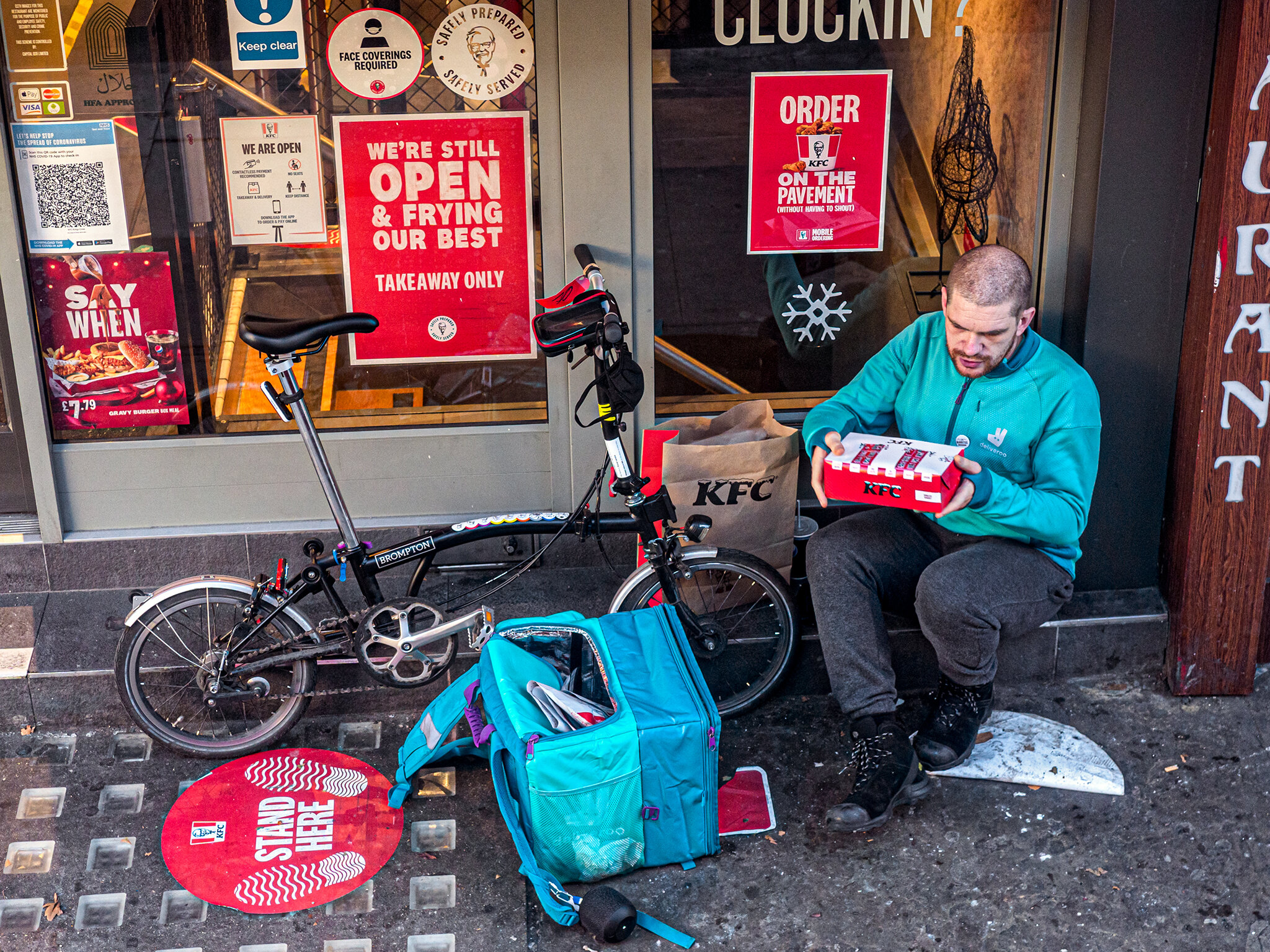
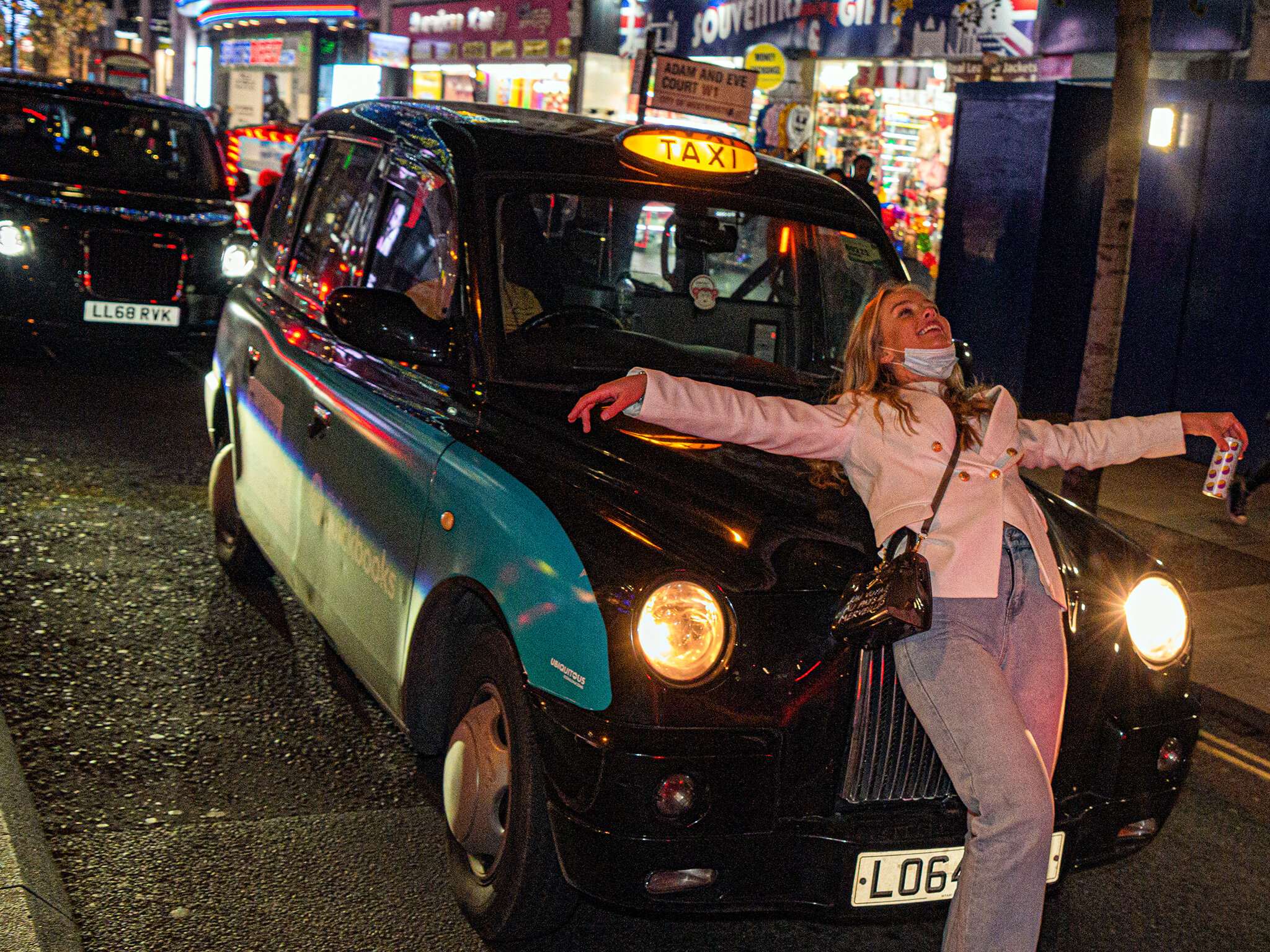
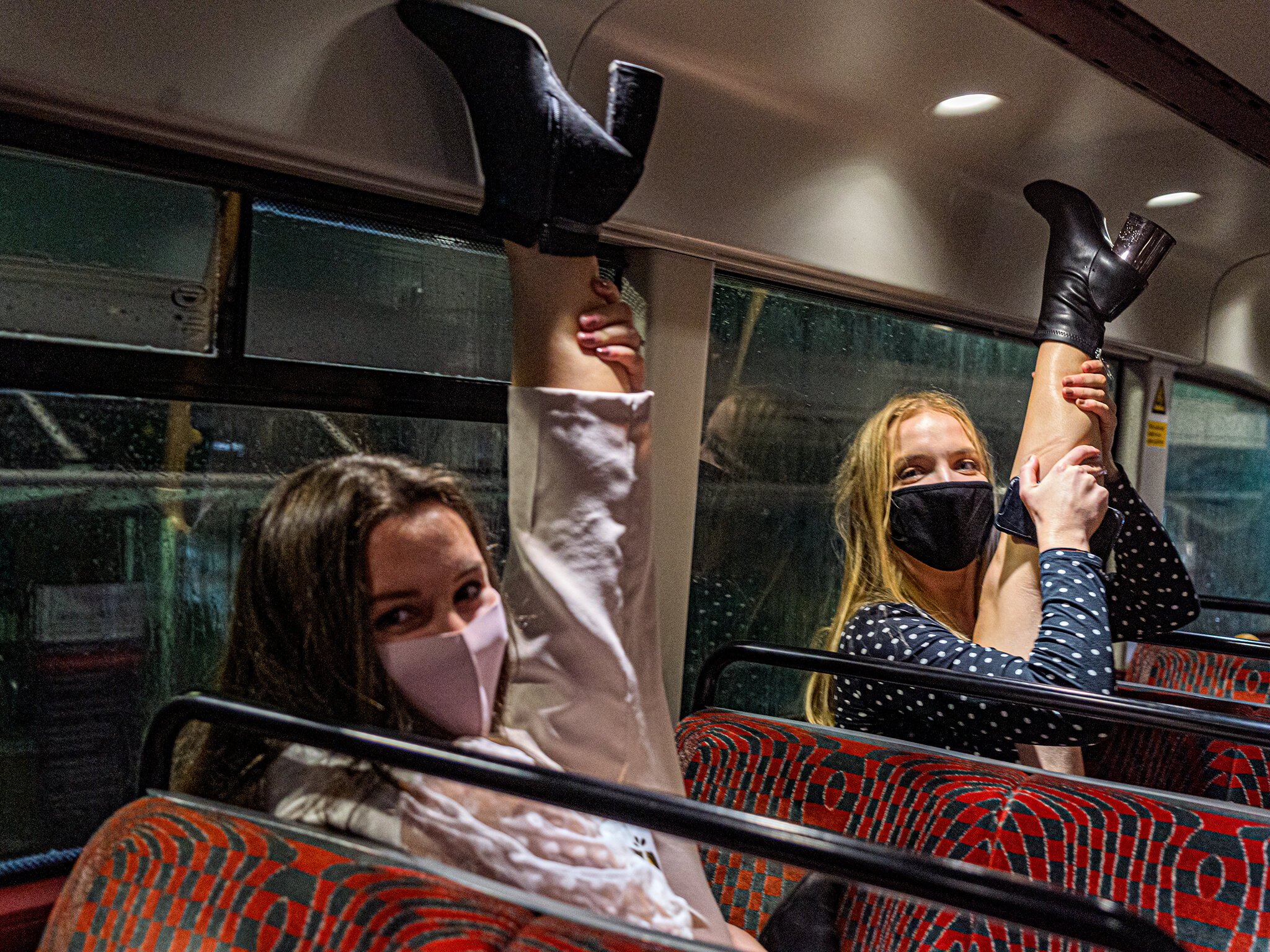
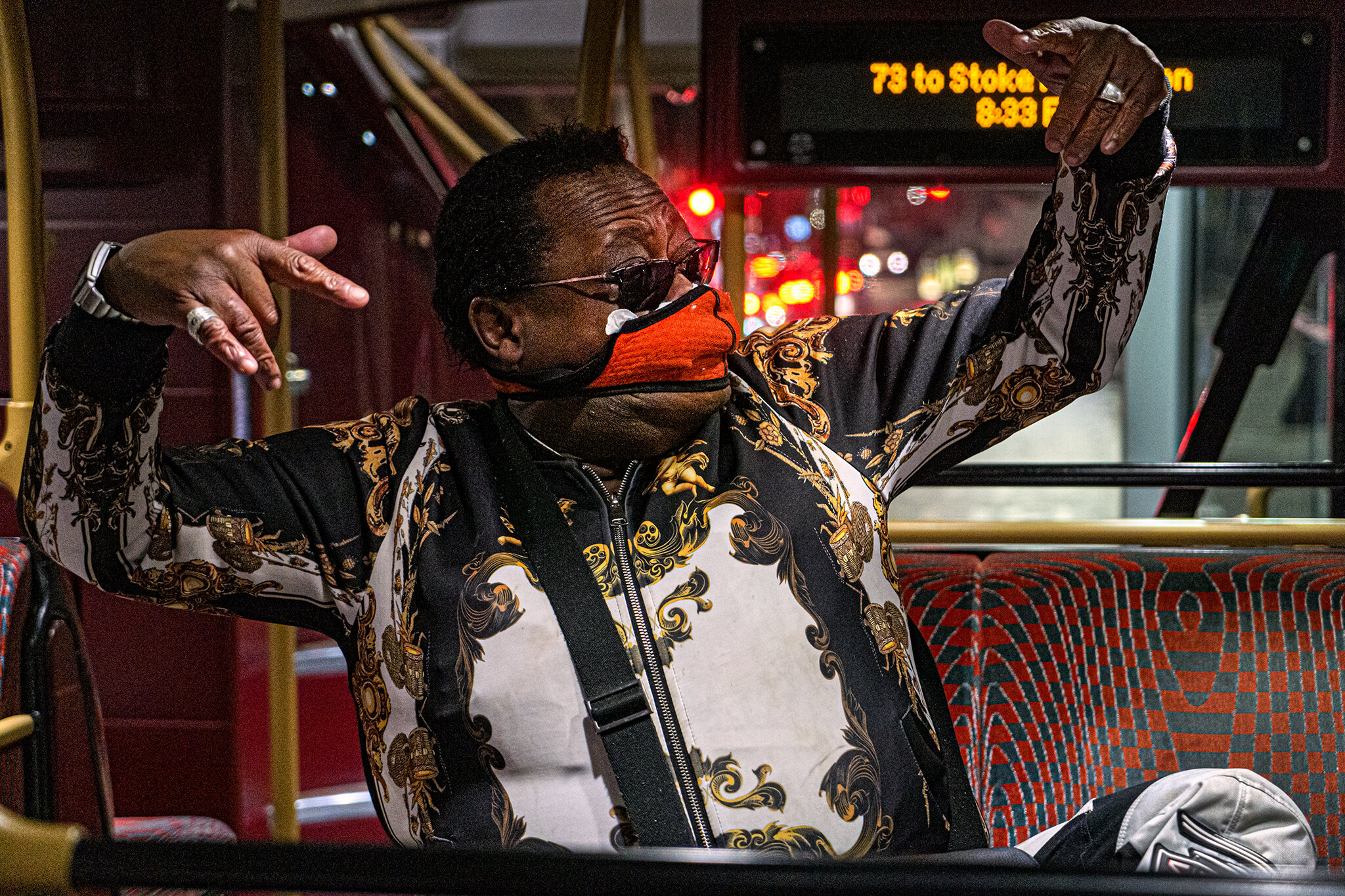
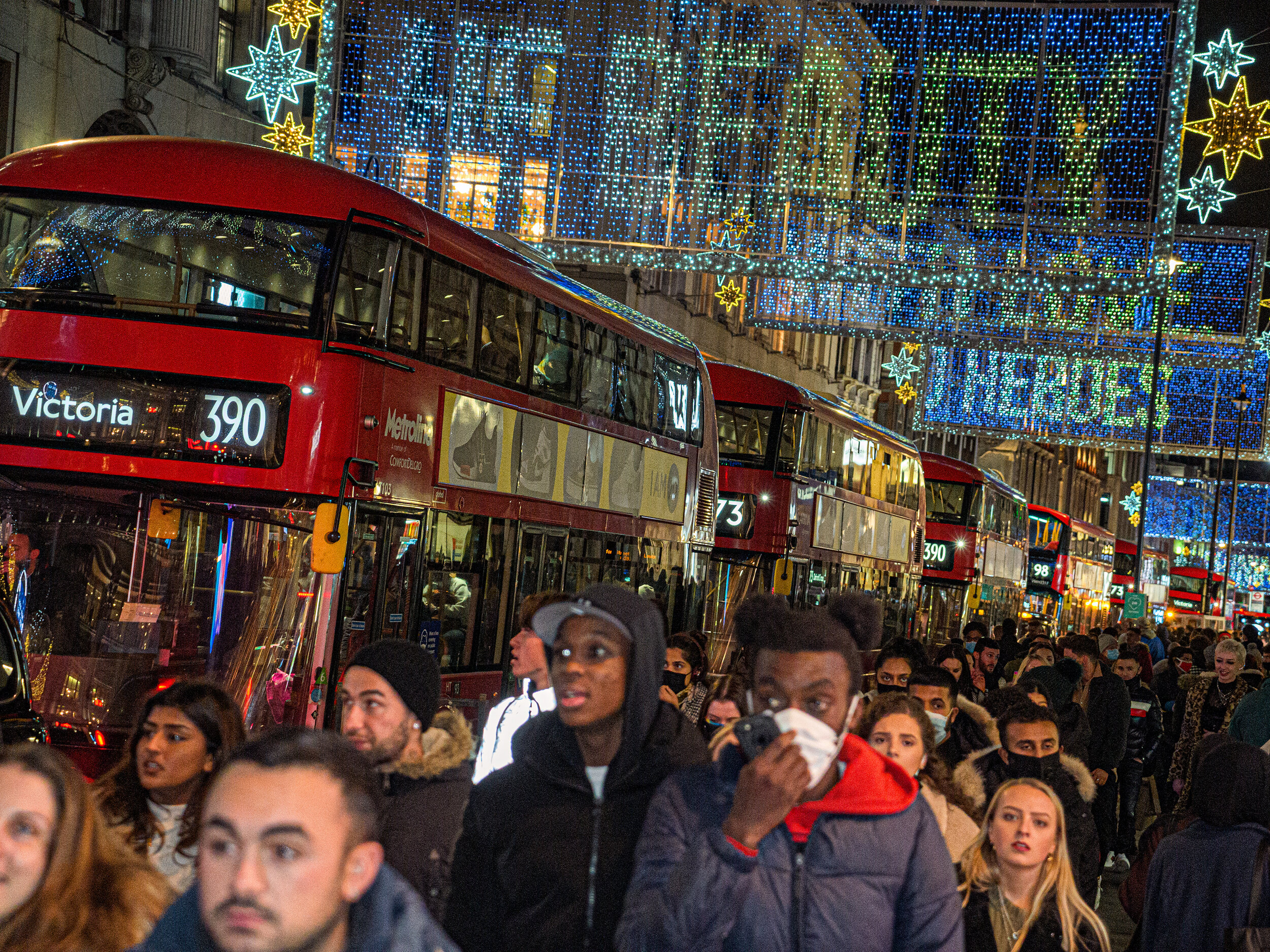
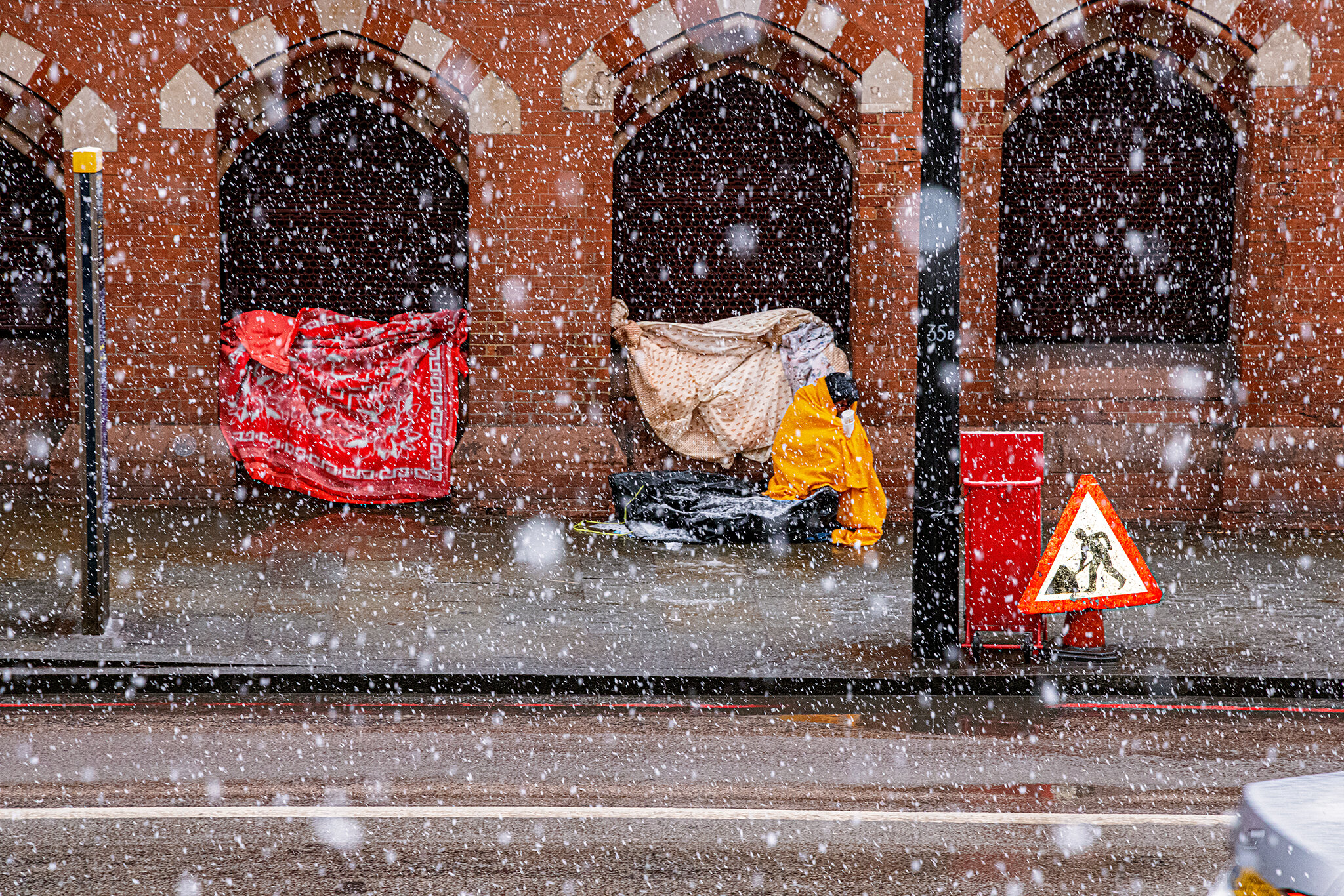
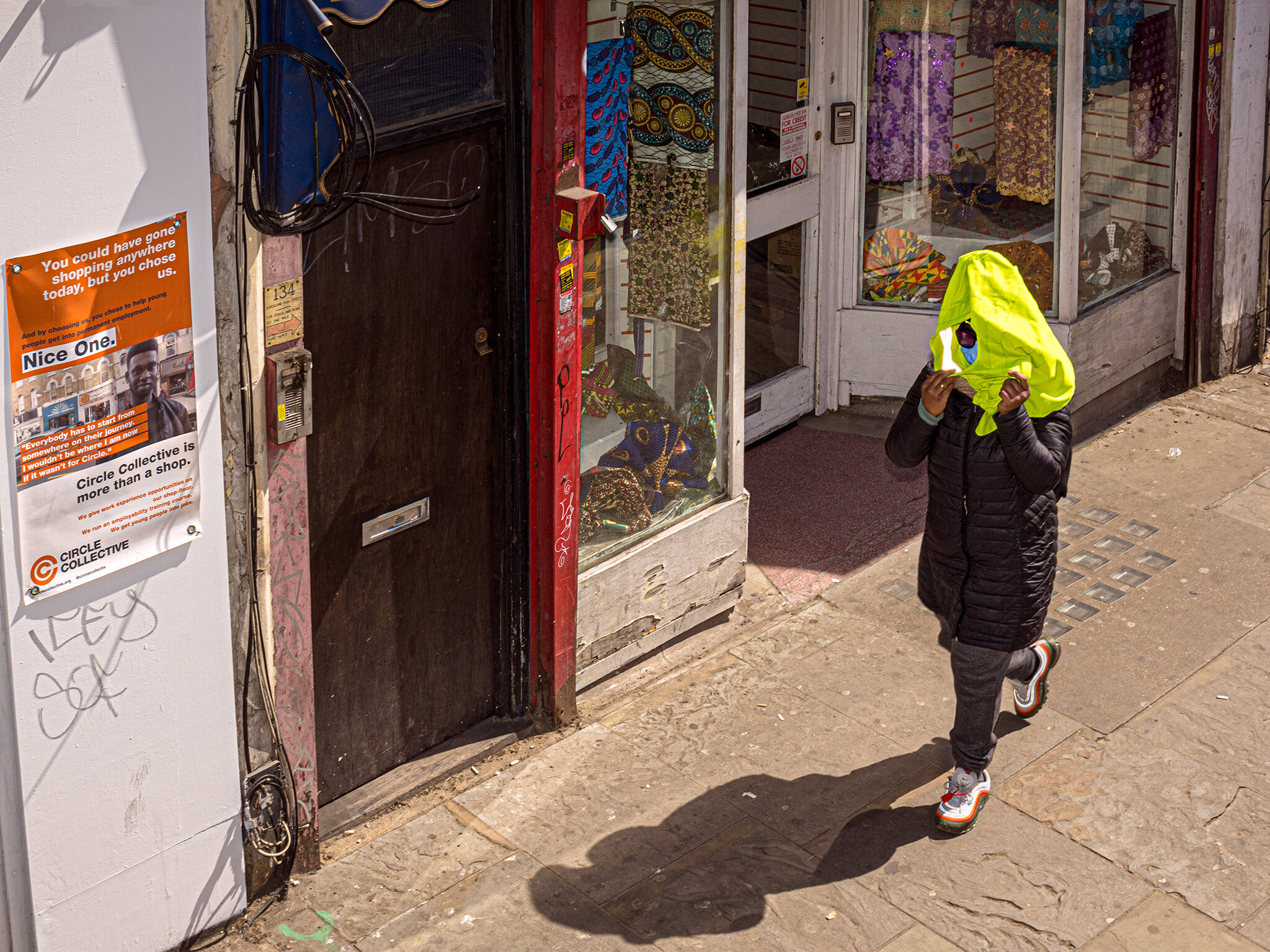
A temporary reprieve, when social restrictions eased, meant that more people began to appear on the streets and get on with their lives. Whether shopping, protesting or answering a religious calling, these photographs capture the early autumnal buzz of the city. A cacophony of all ages, ethnicities, creeds and styles, as only London can produce. But all of it was about to be silenced again as a new lockdown loomed.
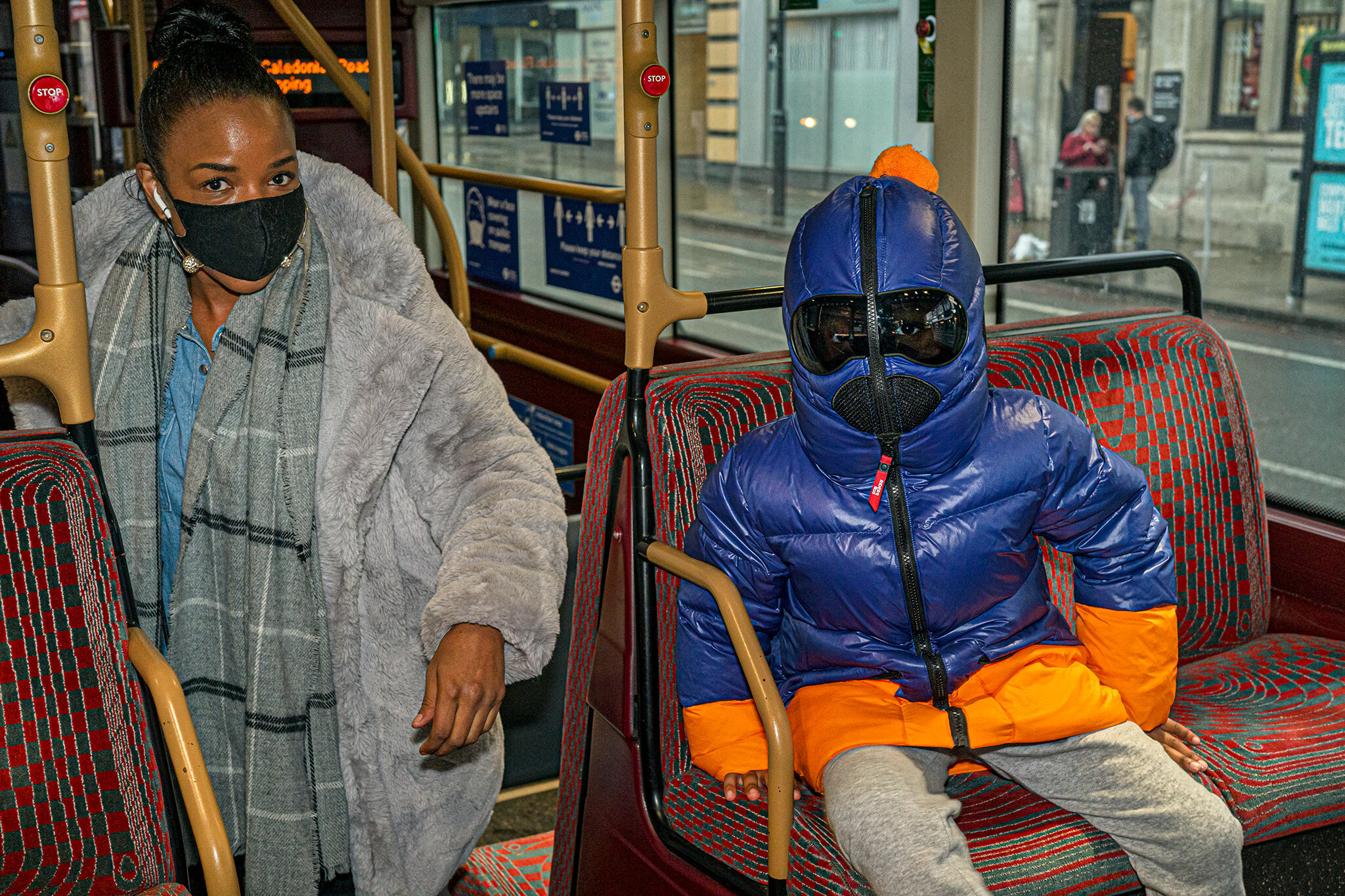
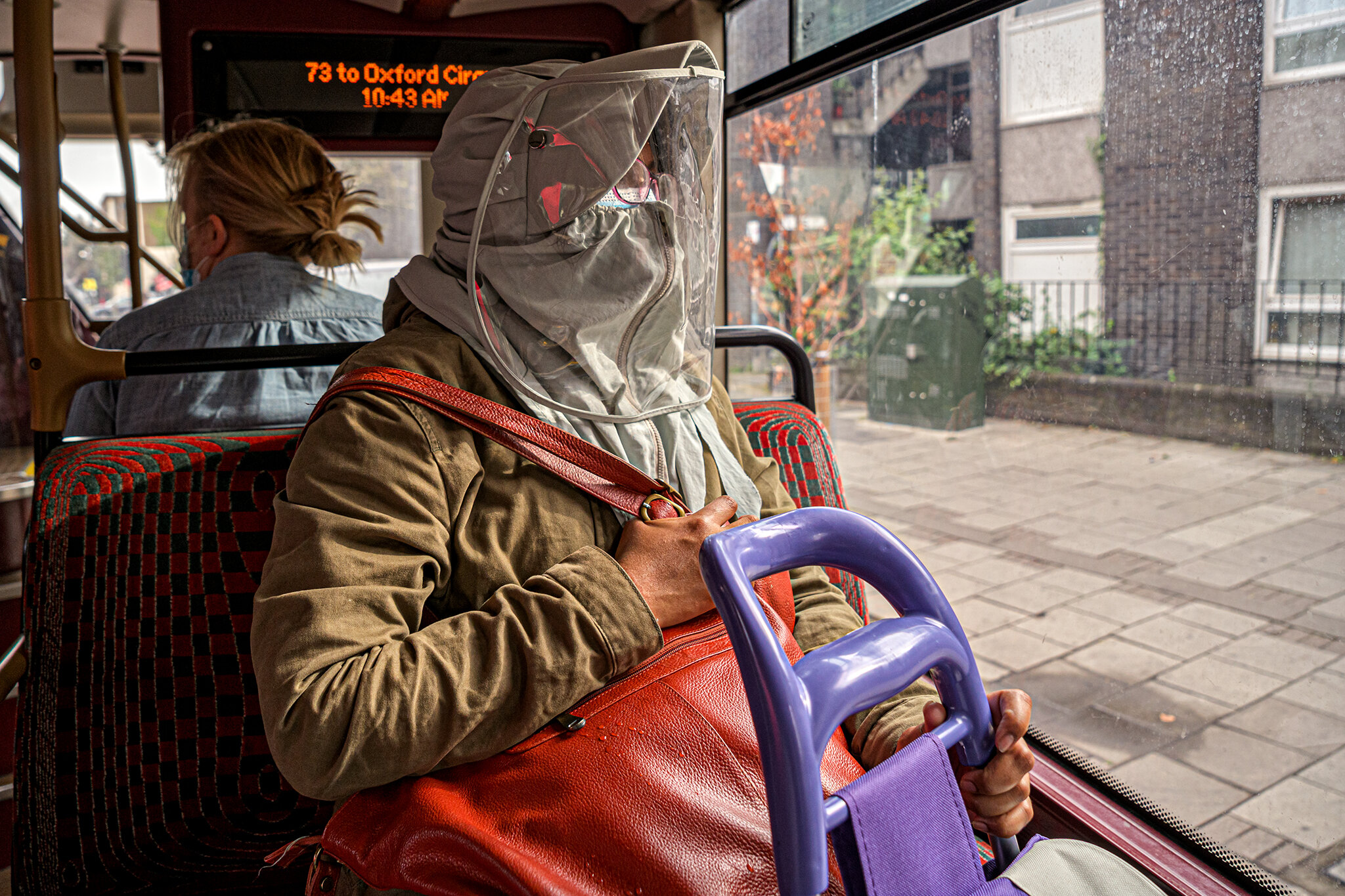
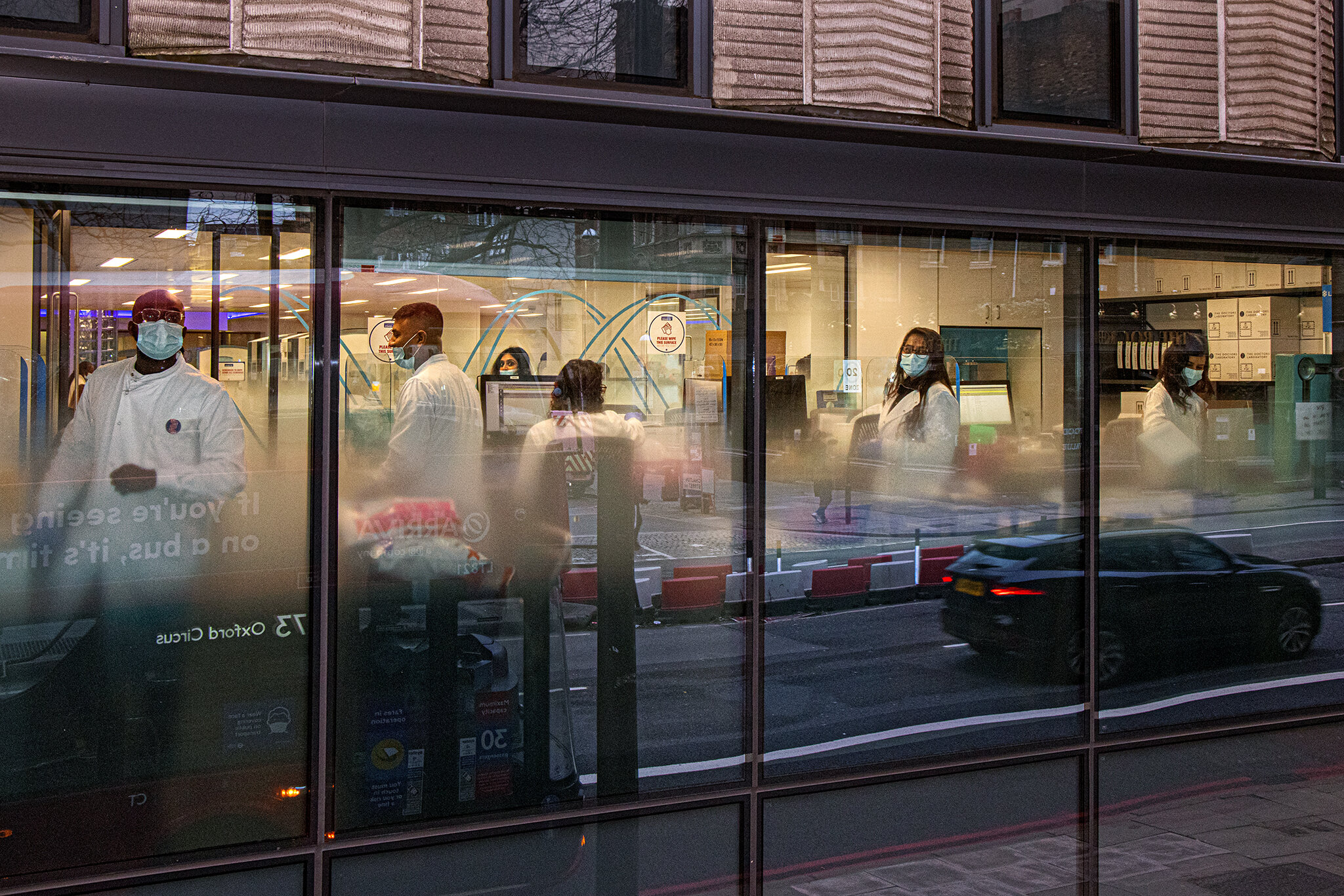
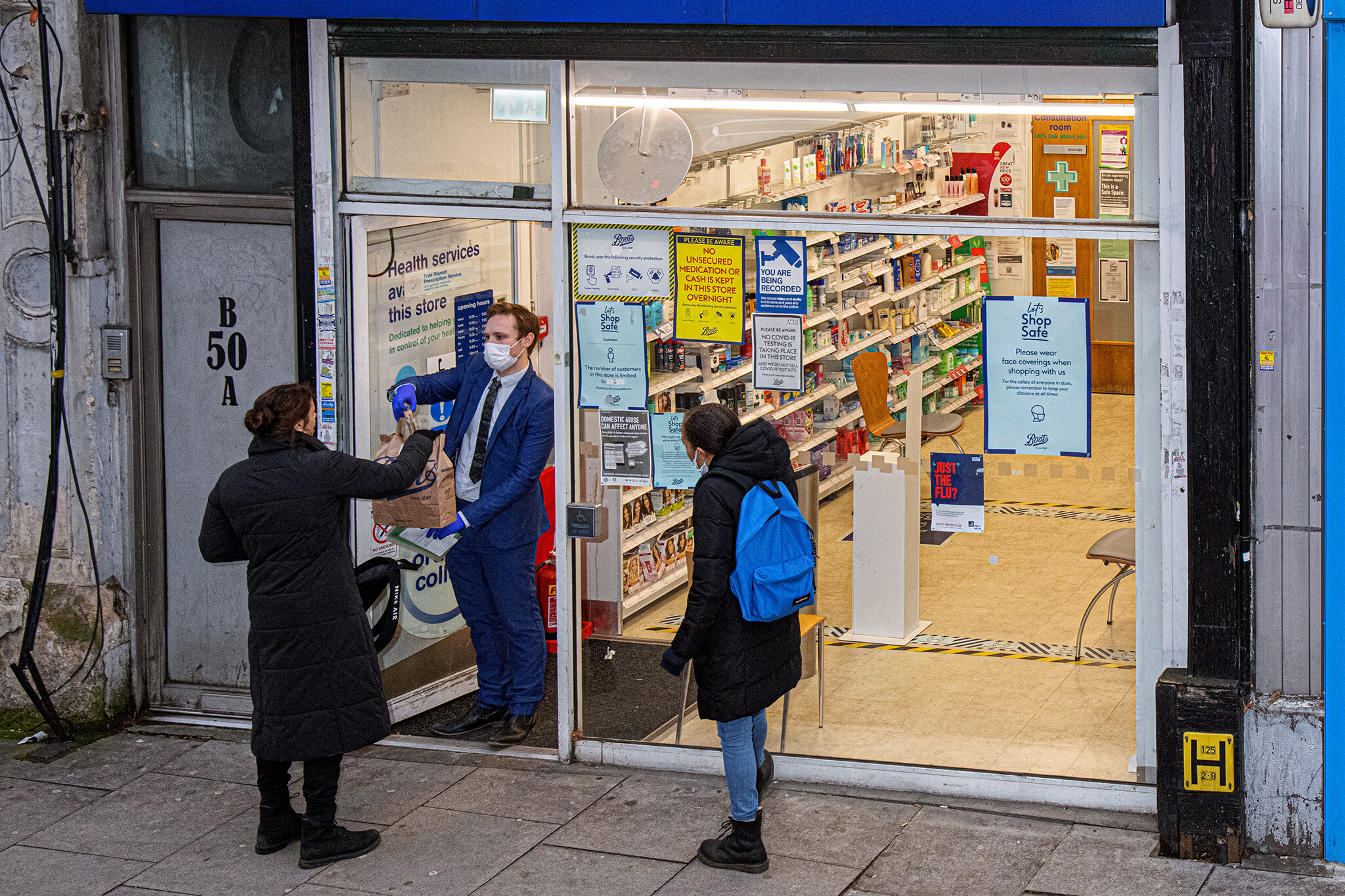
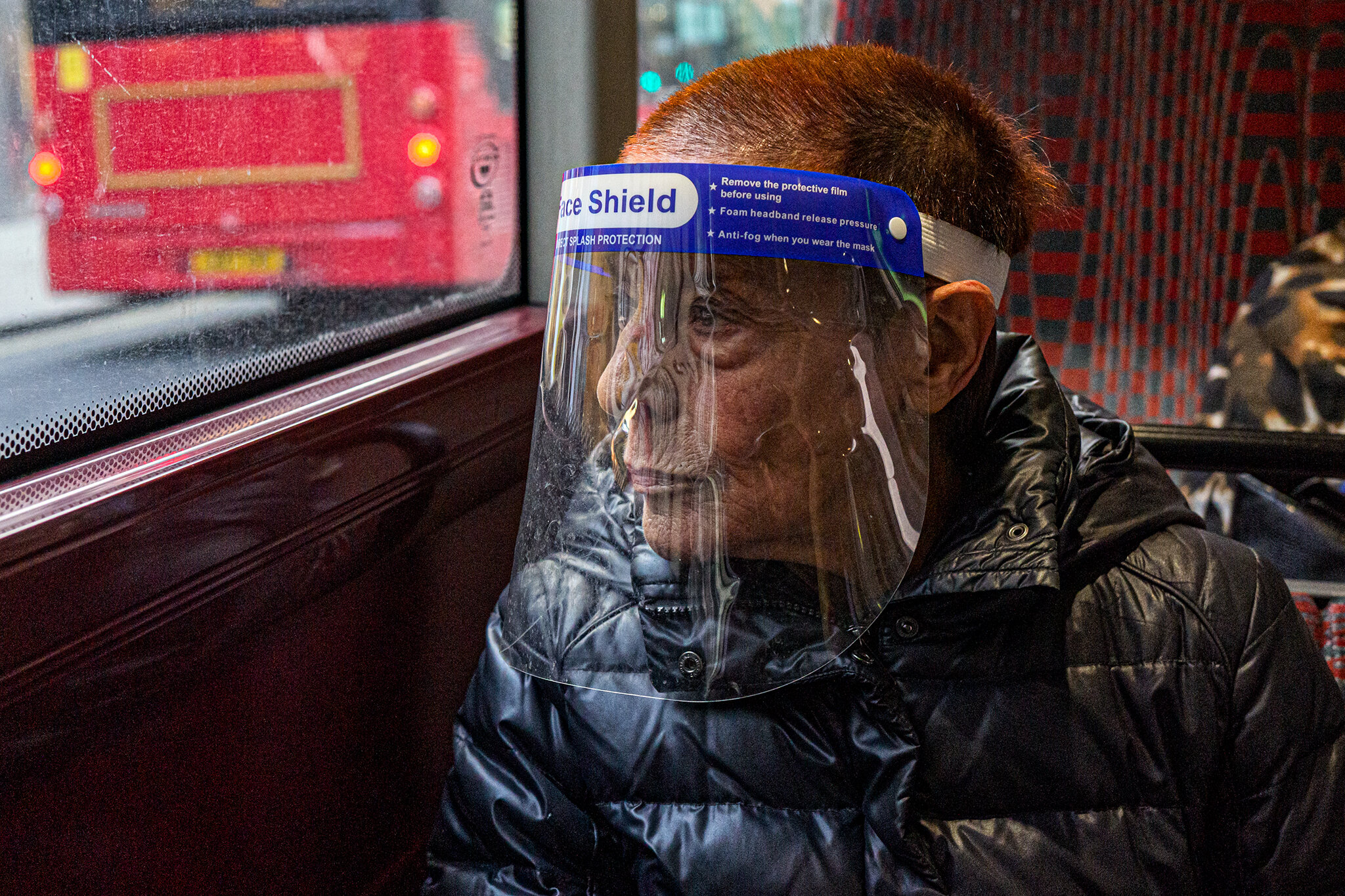
Bus advertising aside, Wallace’s buses tell another story. Public transport offers a powerful lens for examining the social consequences of COVID-19 and the measures introduced to contain it, from protective equipment to branded signage. Through Wallace’s photographs of drivers and commuters, the lives of those who did the essential work of serving us all are placed firmly in the spotlight.
Although the government initially discouraged people from using public transport, restoring services still caused ‘chaos and panic’ among drivers’ unions. In London, where more than 50 per cent of all bus journeys in England take place, COVID-19 claimed the lives of 43 transport workers, including 29 bus drivers. These were the end-of-May figures, with higher COVID-19 death rates linked to male drivers.
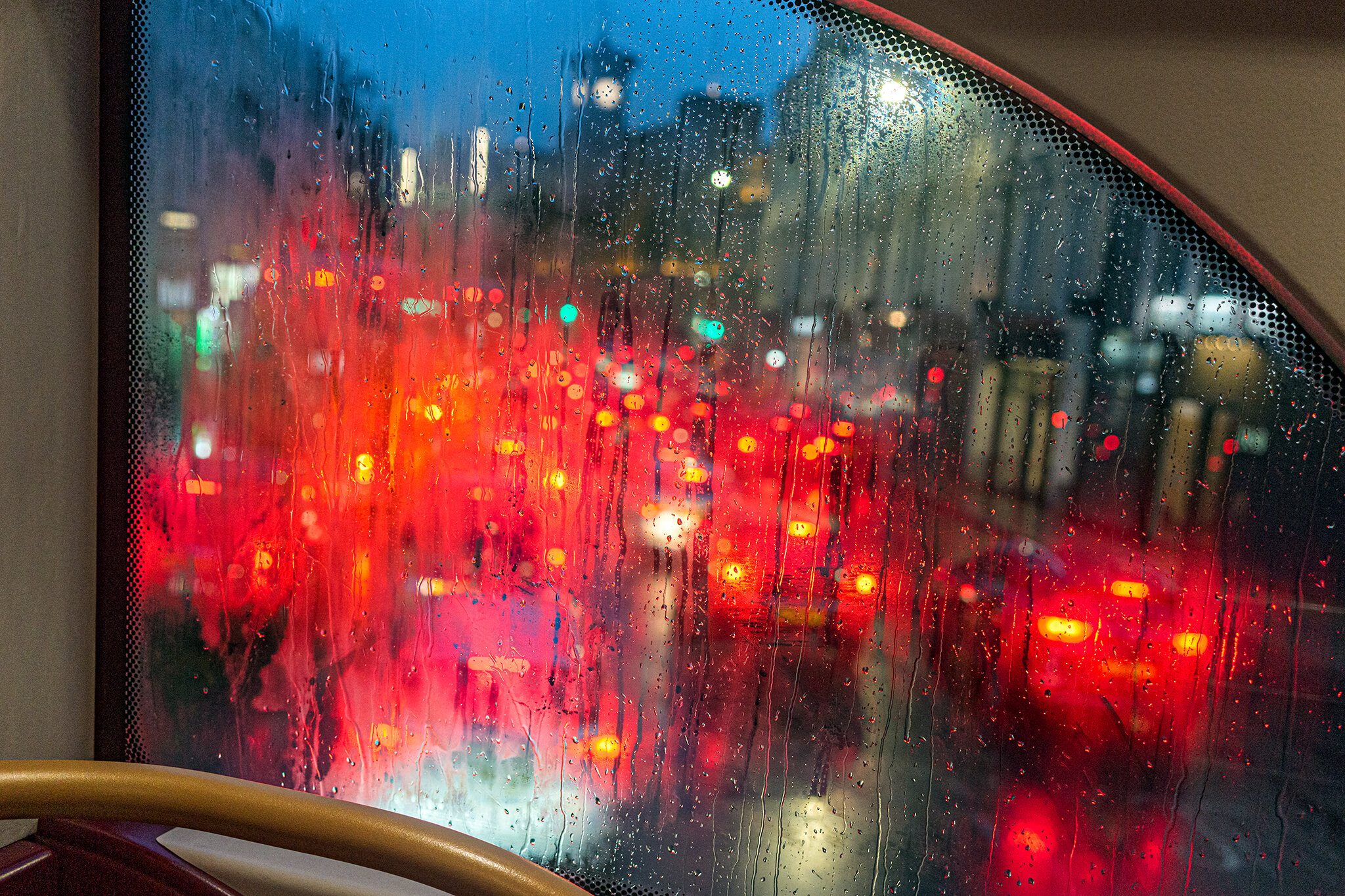
Behind every statistic, however, there is a human story. A driver behind a mask, behind a plexiglass partition, or ‘sneeze screen’, as it began to be called, behind a door marked ‘do not board’, cordoned off from the rest of the bus as if it were a crime scene.
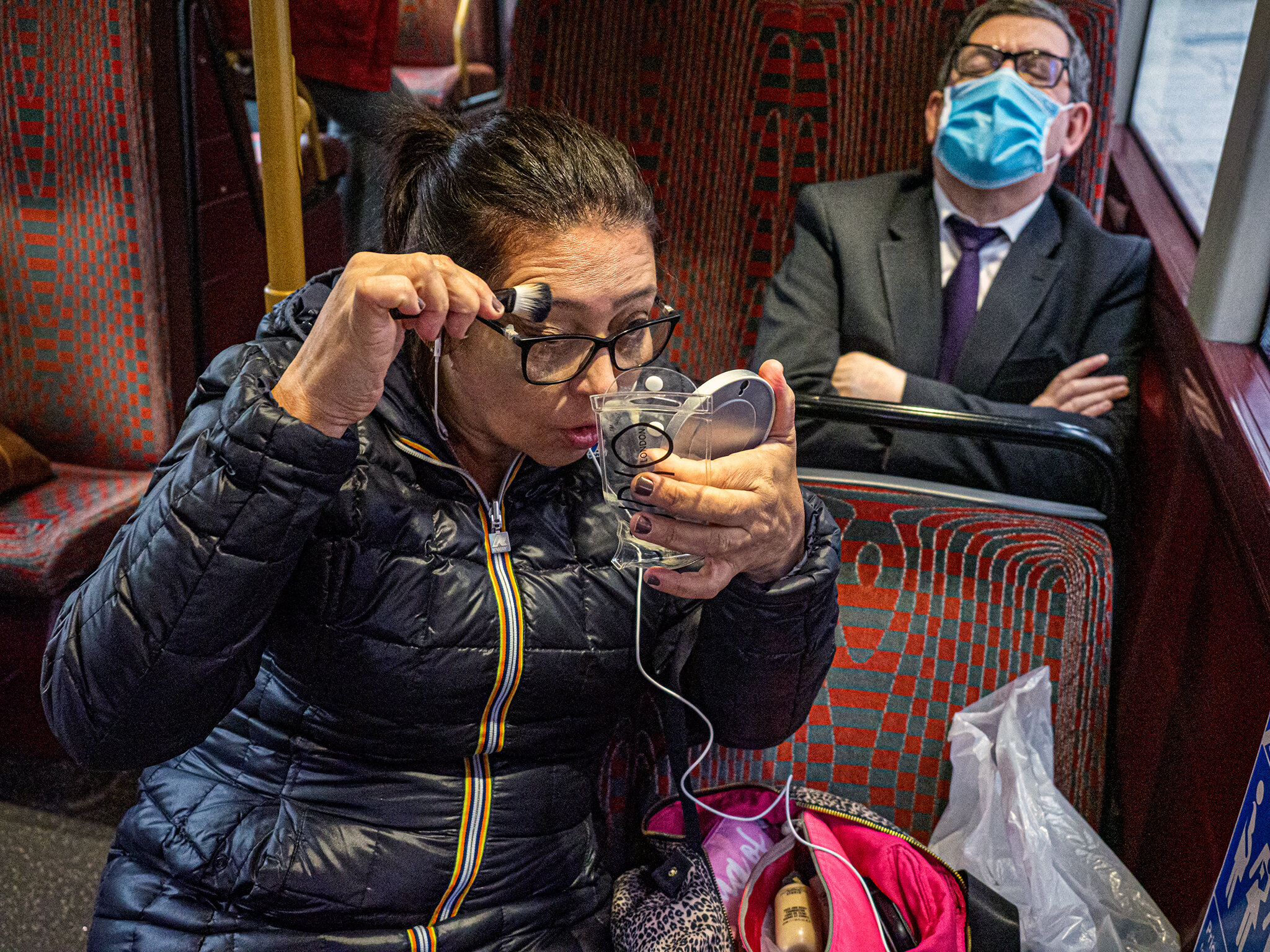
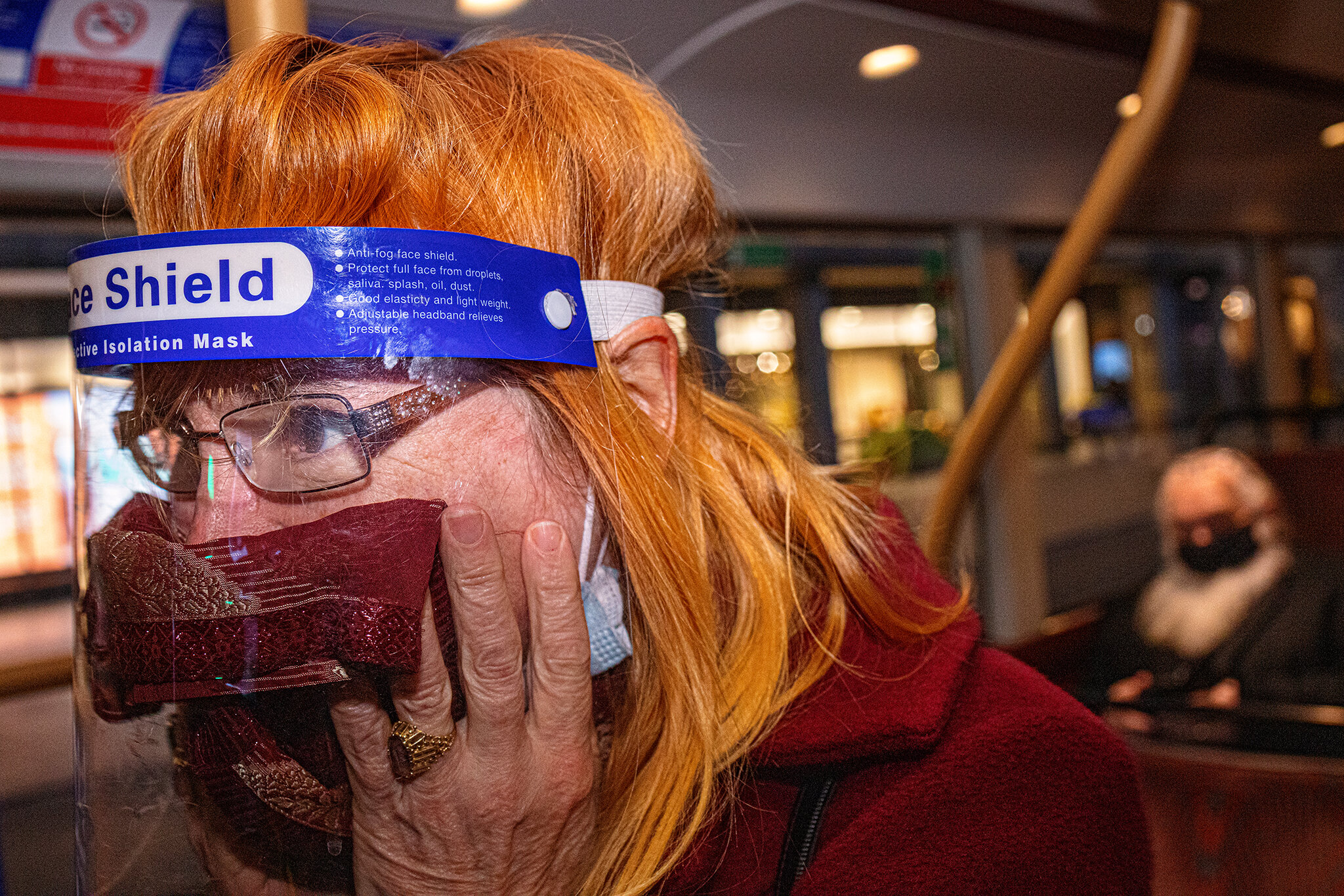
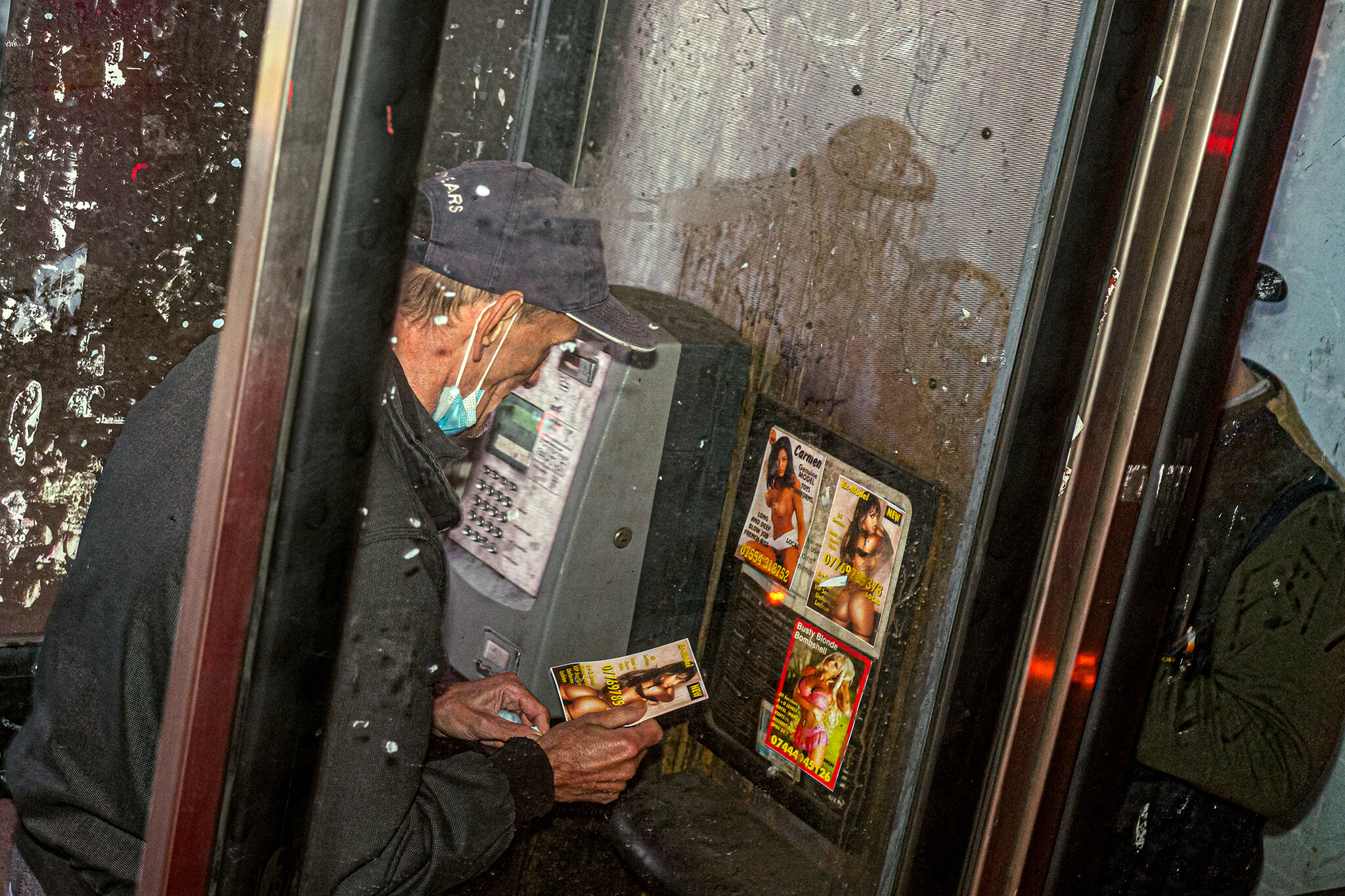
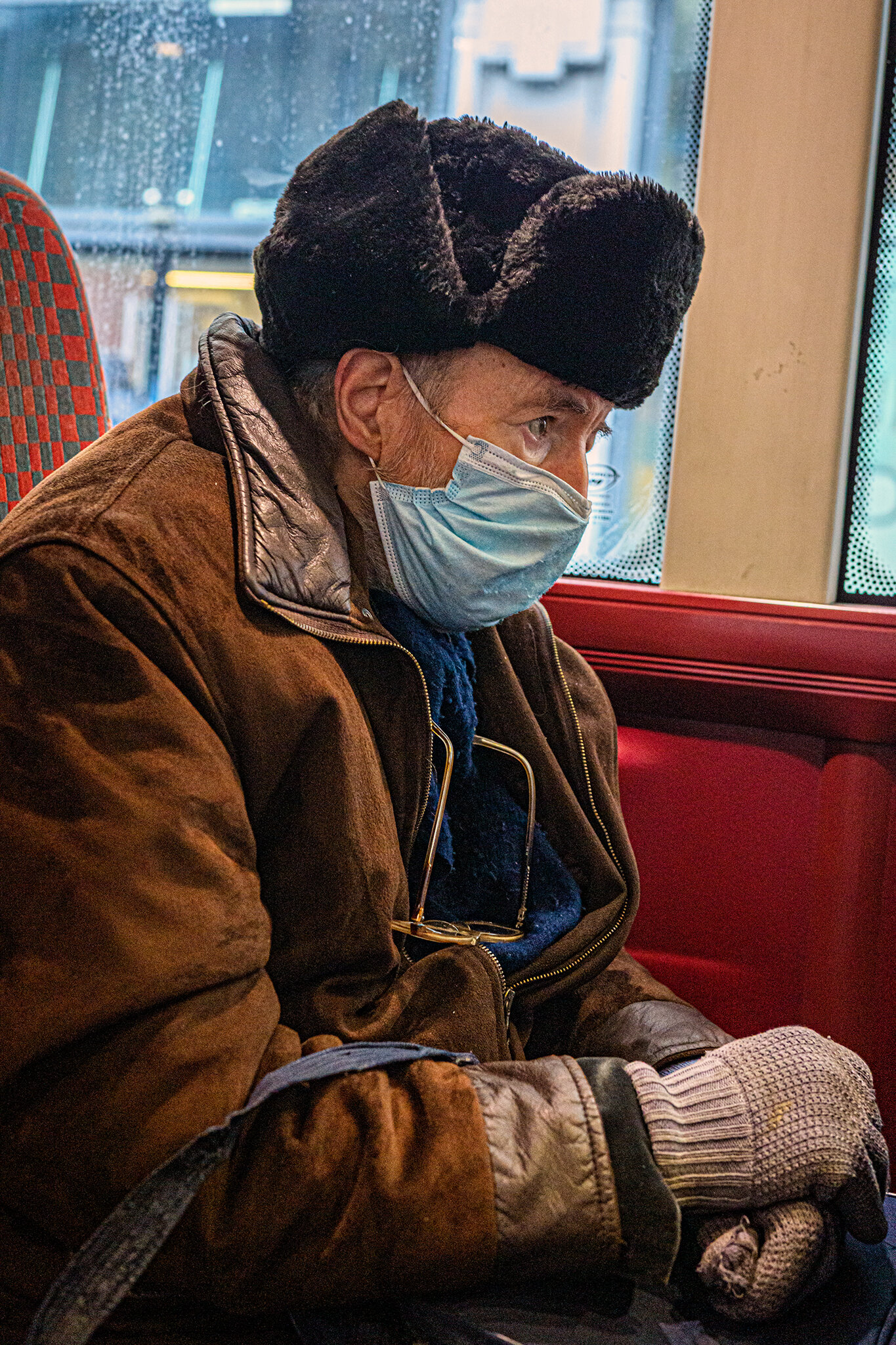
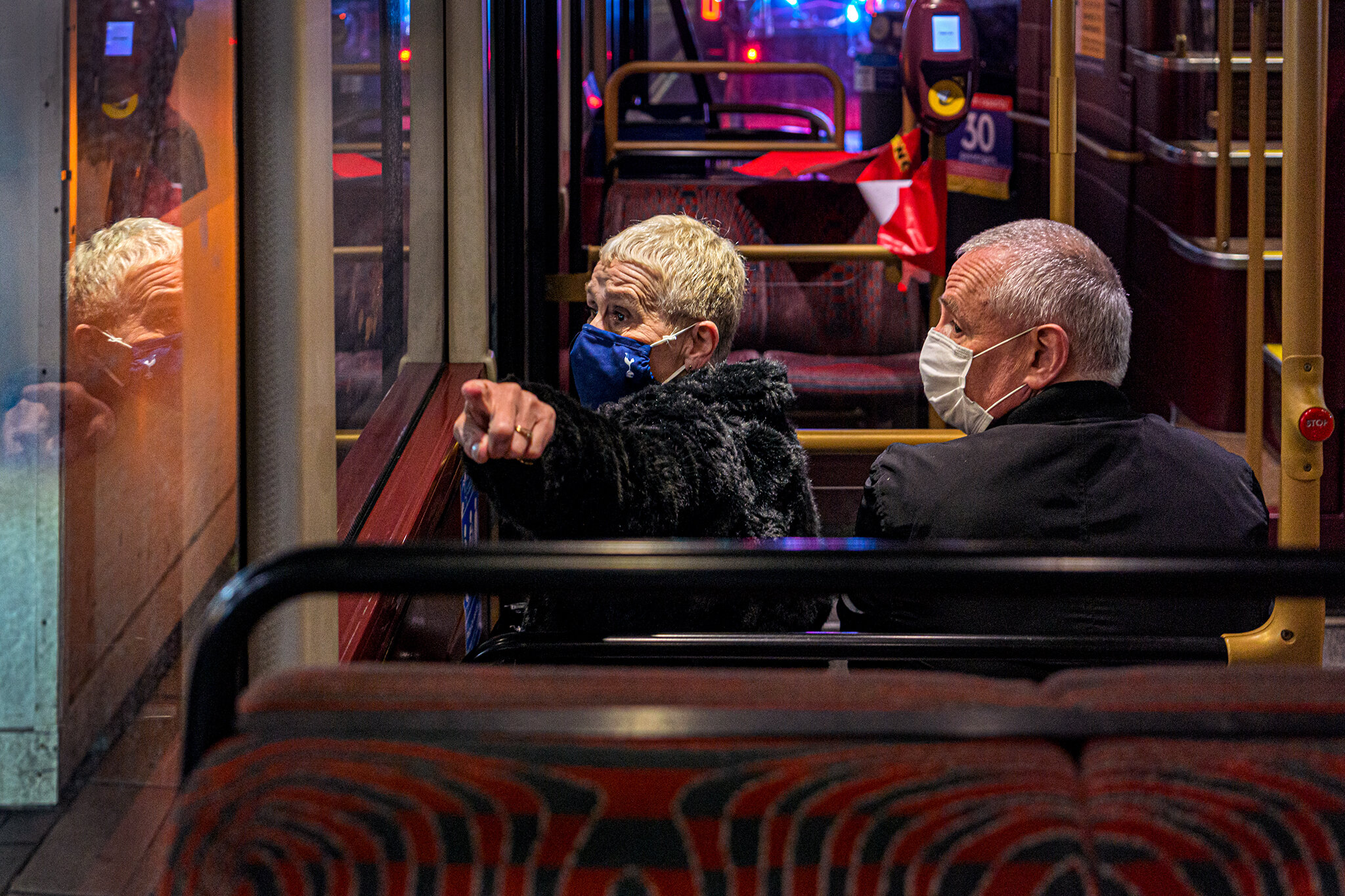
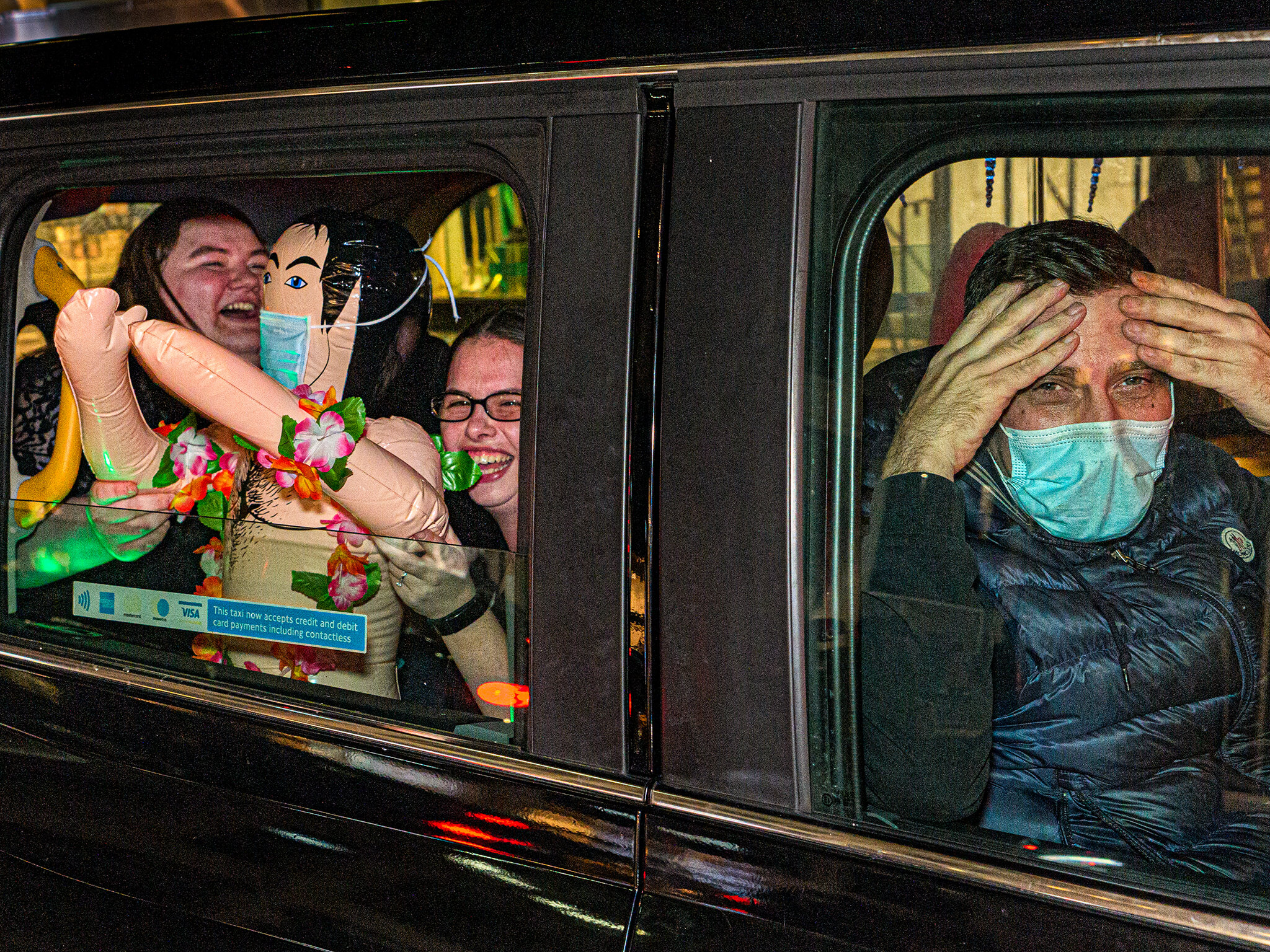
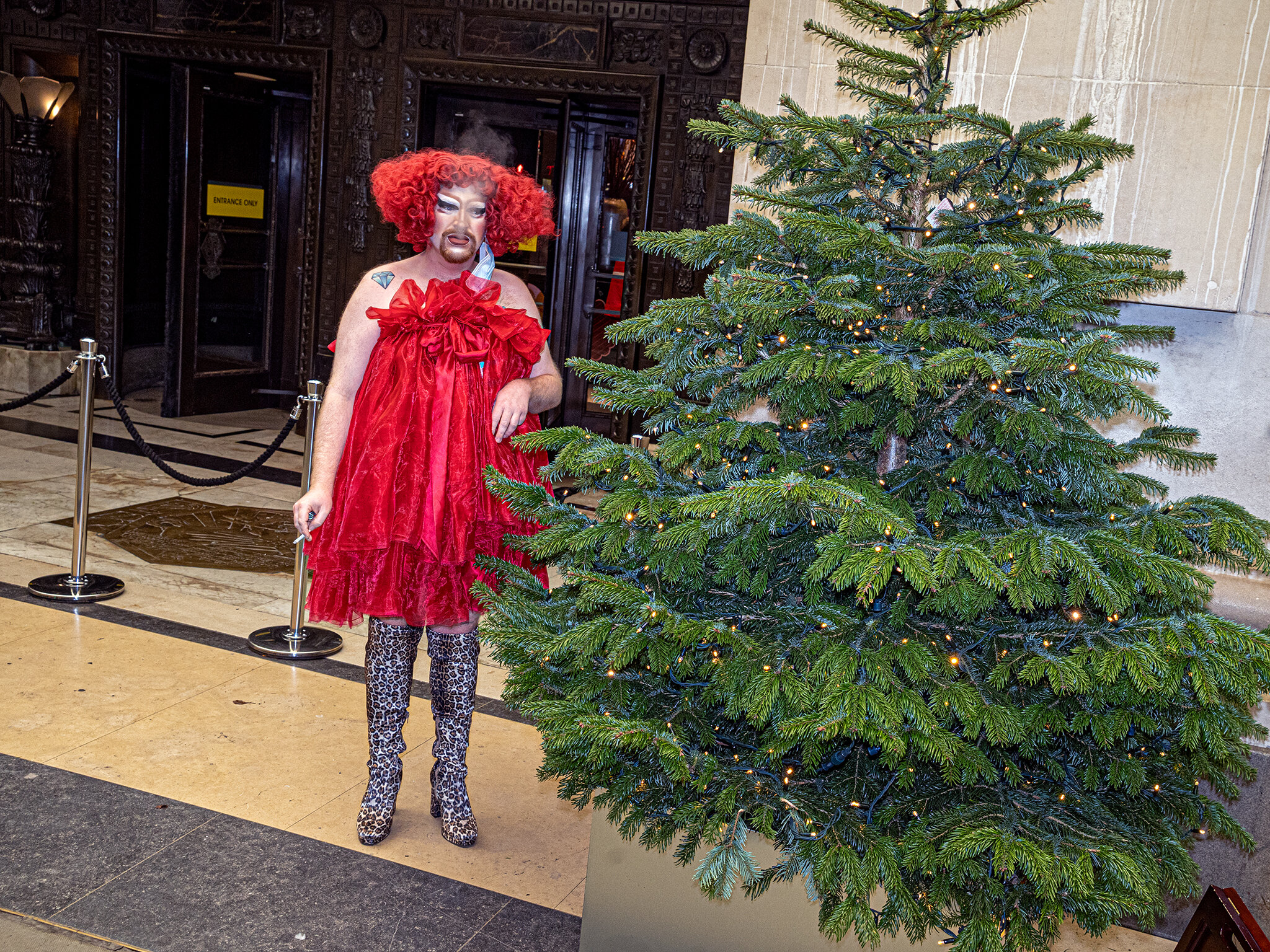
It is in these close-ups of people that Wallace’s unmistakable style shines through. By taking the side of ordinary people going about their lives in extraordinary circumstances, the photographs leave us with a testament to this strange time. To be continued as the city entered another lockdown.
Like the drivers, commuters were reluctant to return at first. For weeks on end, buses ran almost entirely empty during rush hour. The sign ‘no need to touch’ on the middle door might have offered short-lived reassurance to commuters, although we were later told that it was a protective measure. In practice, it did little to encourage people to board.
By mid-May, TfL announced that service levels across all public transport systems were rising again, reaching 85 per cent for buses. By mid-July, the limits on the number of passengers allowed on board each bus had also been relaxed in line with the easing of national social-distancing rules.
That was the theory. In practice, Wallace’s almost daily documentation of people on buses told a different story. Numbers picked up, but at a slower pace, with buses only occasionally reaching their revised capacity, whether single- or double-deckers. This capacity had increased from the first phase of social distancing, but remained sharply below the buses’ actual full passenger capacity.
More human than metric, Wallace’s work can be read as an indicator of the future. It shows a changing work landscape in which fewer people may be travelling into the office, implicitly perpetuating the blue- and white-collar divide. As Wallace ironically implies through a series of metaphorical shots, only fools and horses go to work.
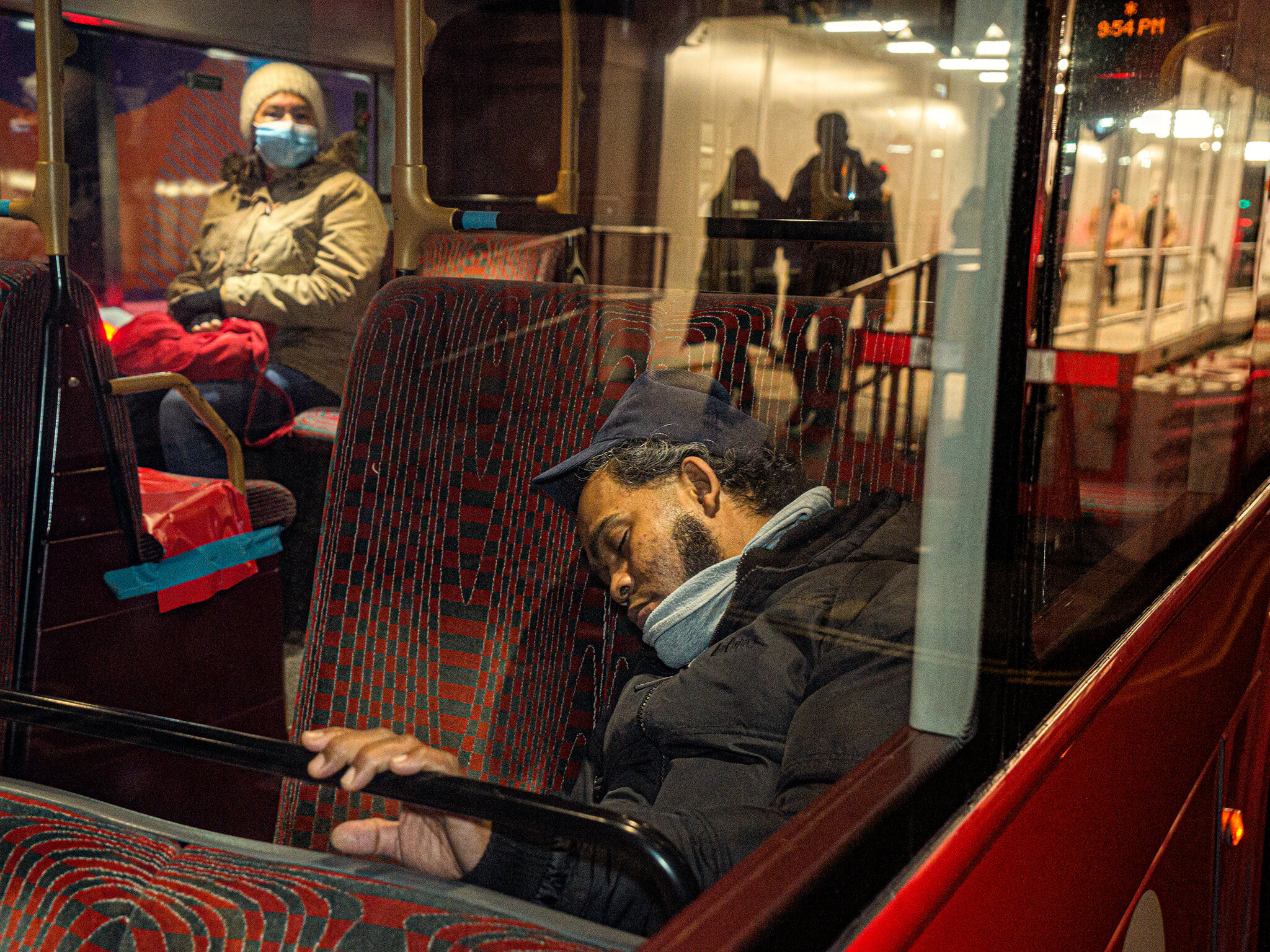
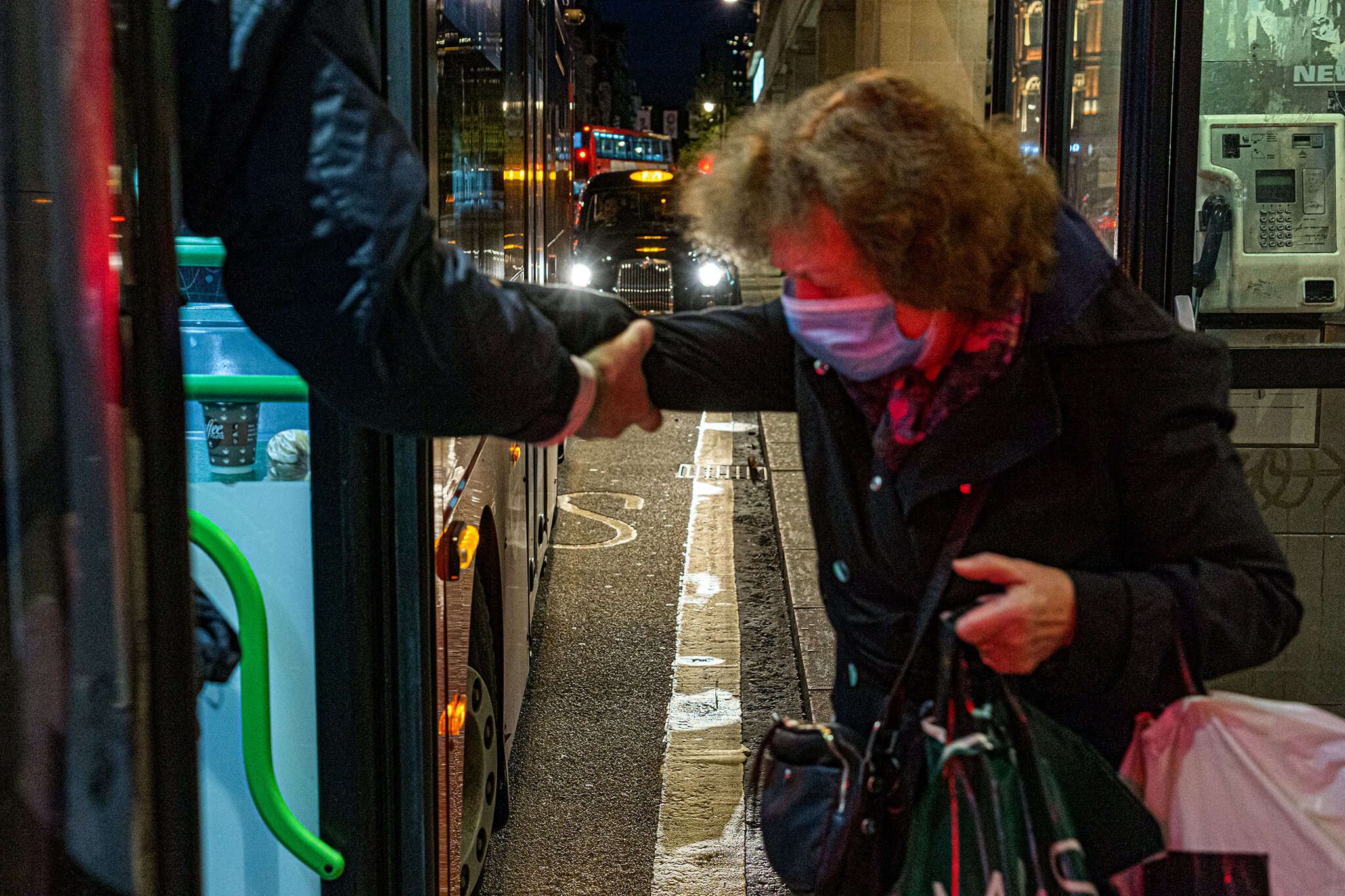
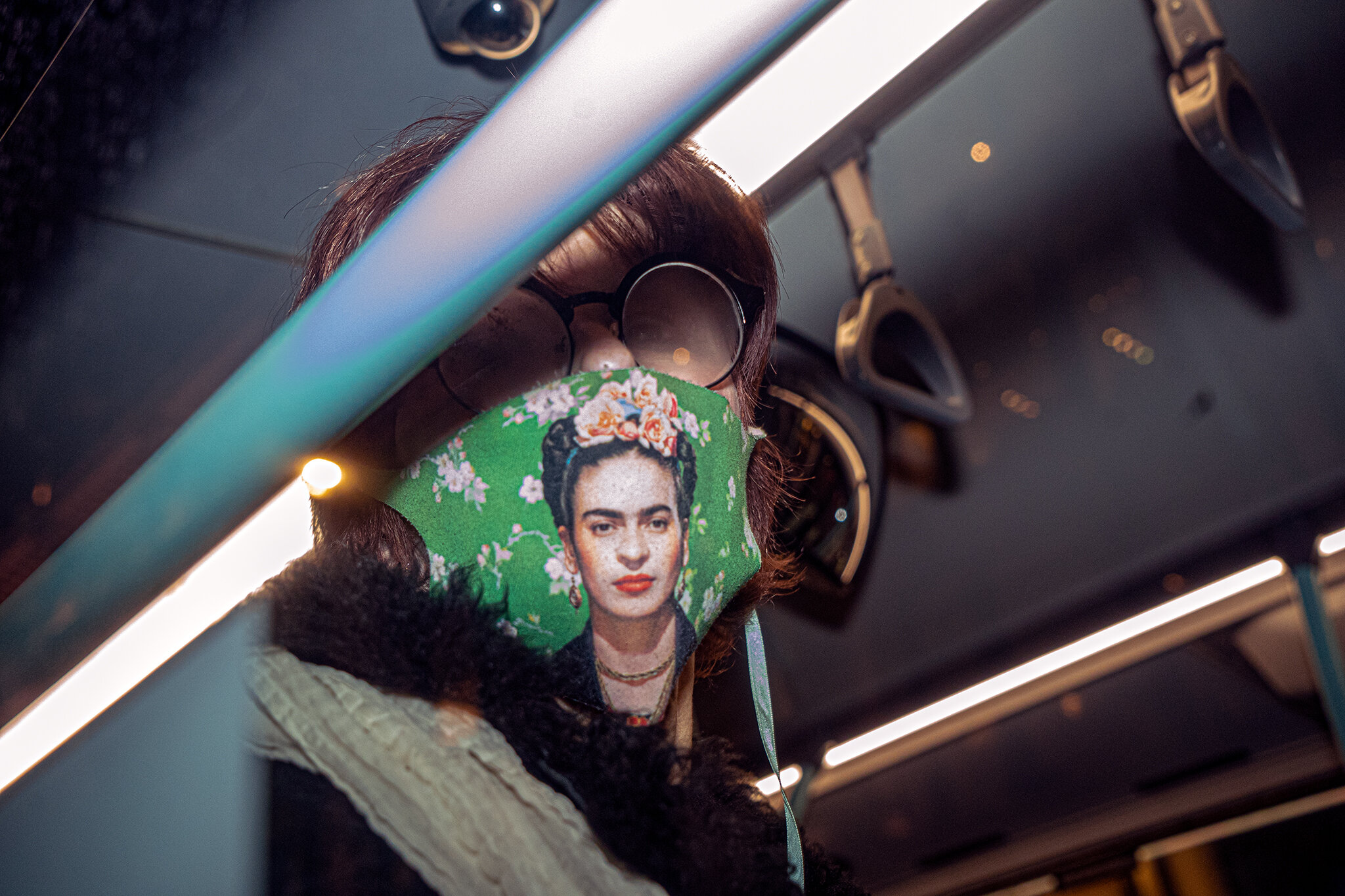
A lone commuter sits with his eyes closed, his mouth and nose hidden behind a face covering, perhaps a nurse finishing a long shift. An elderly gentleman wears a mask made from flowery fabric, at a time when such masks were only just becoming available, rather than the disposable medical ones, and a Marigold glove on the hand gripping the rails.
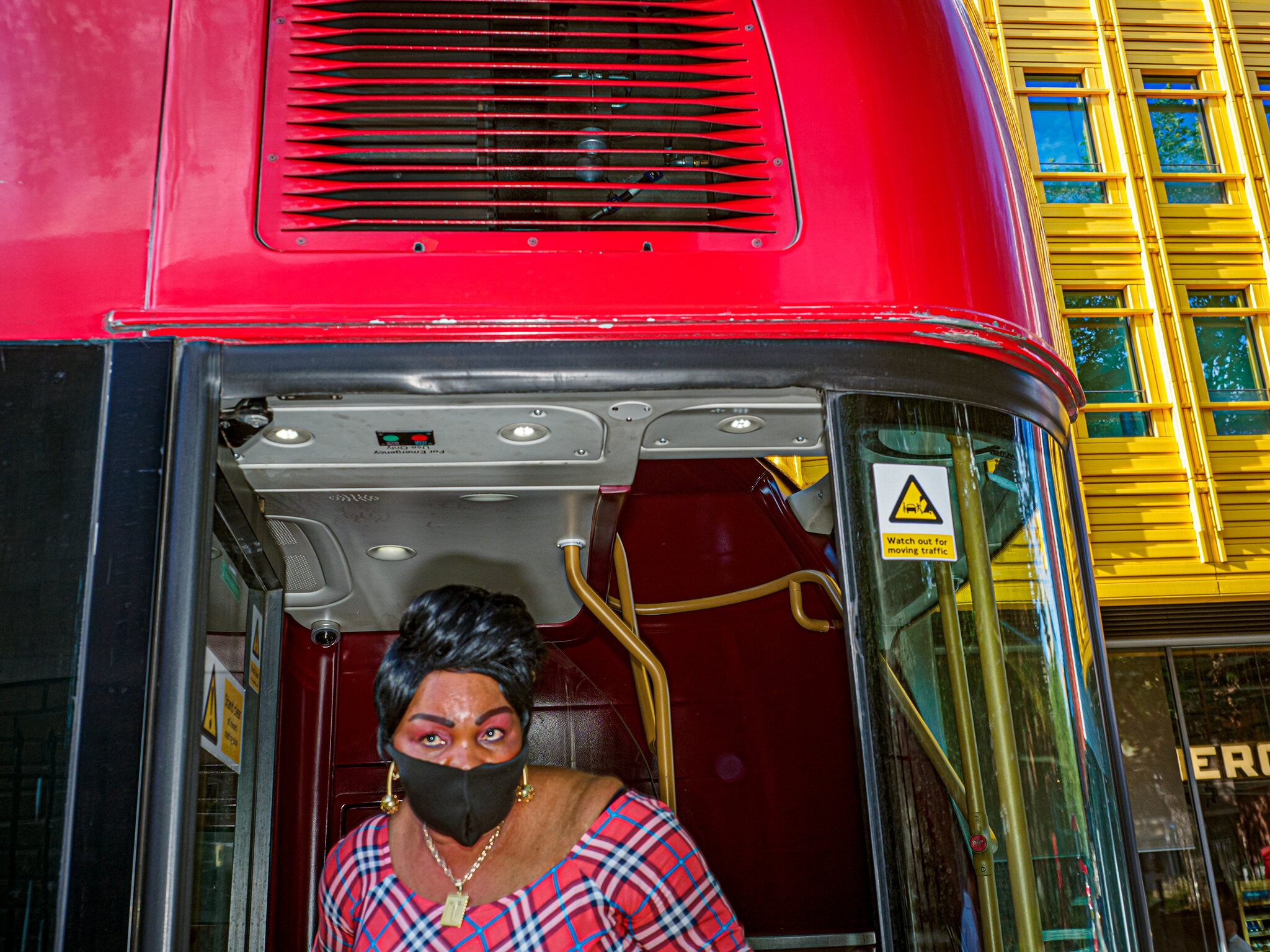
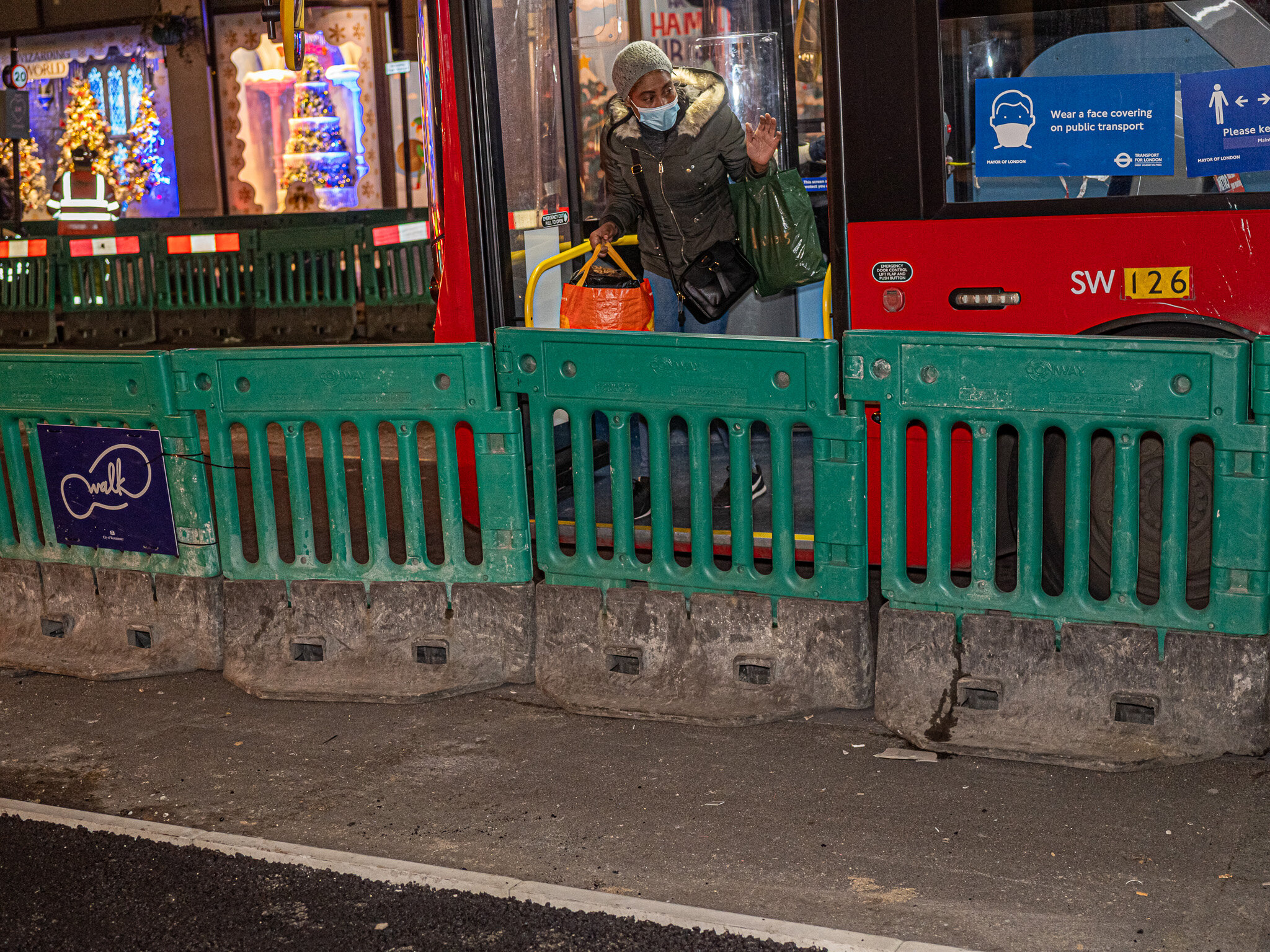
A shopper with a bandana over her nose and mouth recalls the robbers in Wild West films. She is getting off the bus. Wait, there she is again, getting on another.
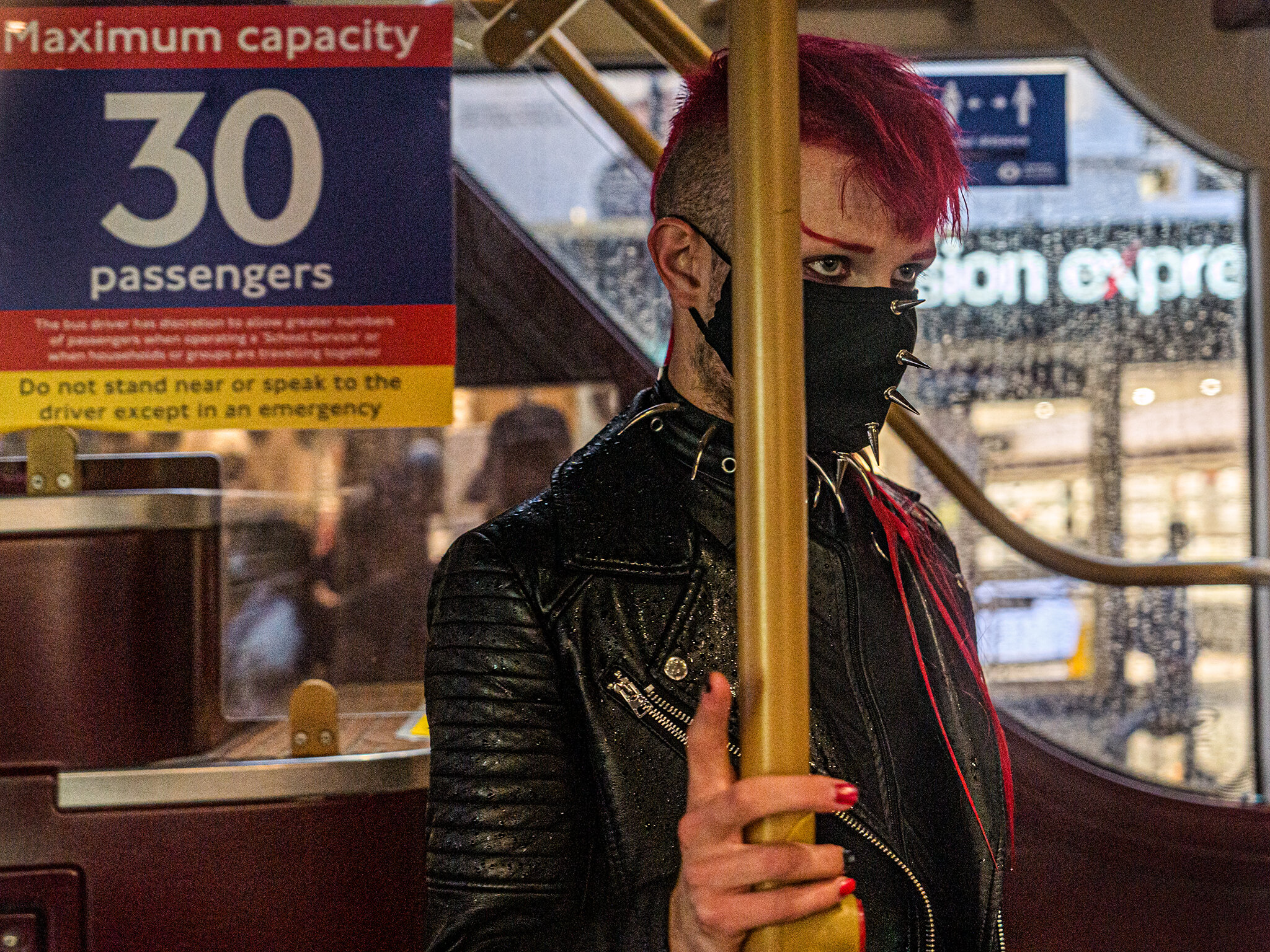
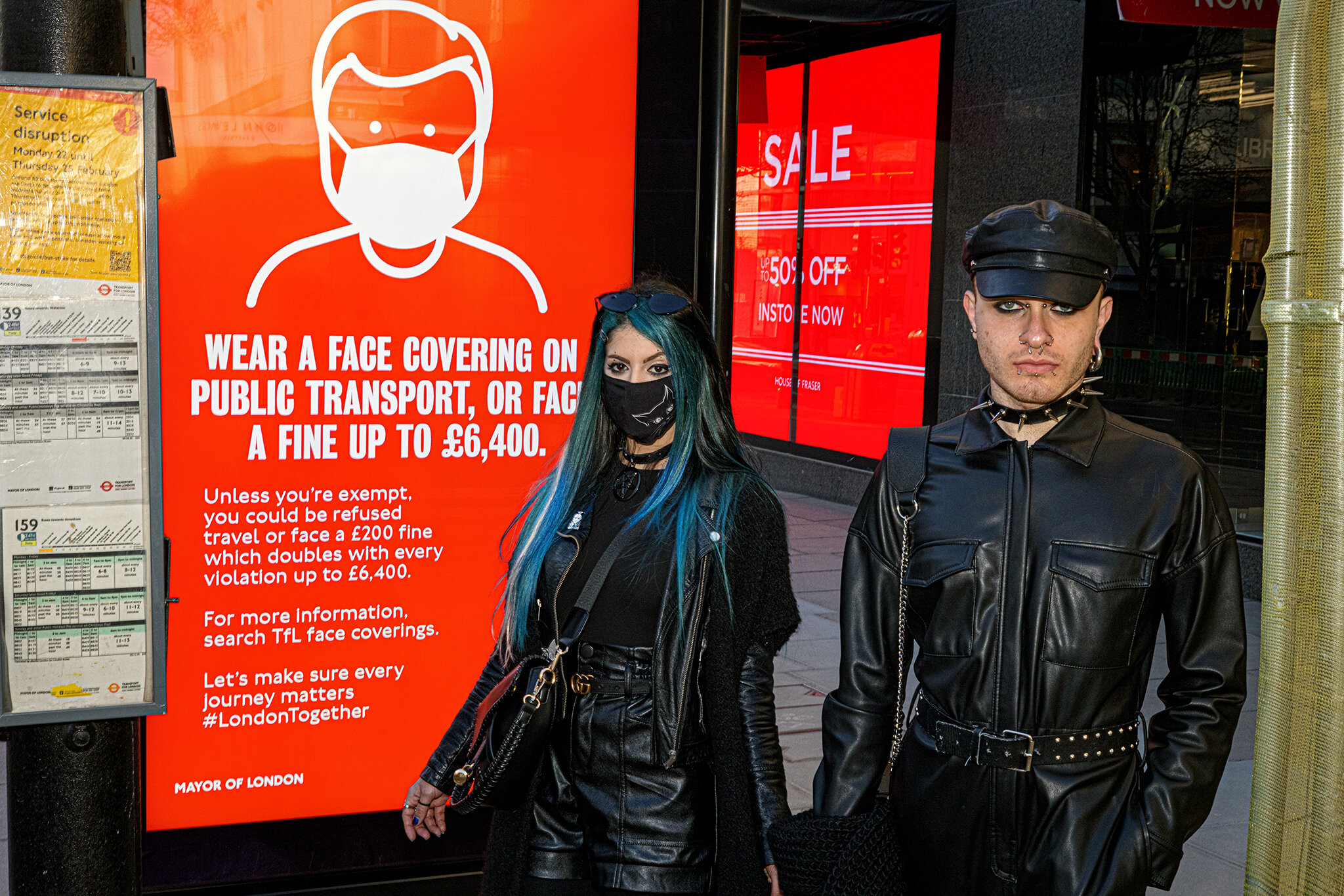
A cacophony of all ages, ethnicities, creeds and styles, as only London can produce.
It is in these close-ups of people that Wallace’s unmistakable style shines through: ordinary folk going about their lives in extraordinary circumstances, leaving us all with a testament to this strange time.