EAST ENDED
The Price of Cool
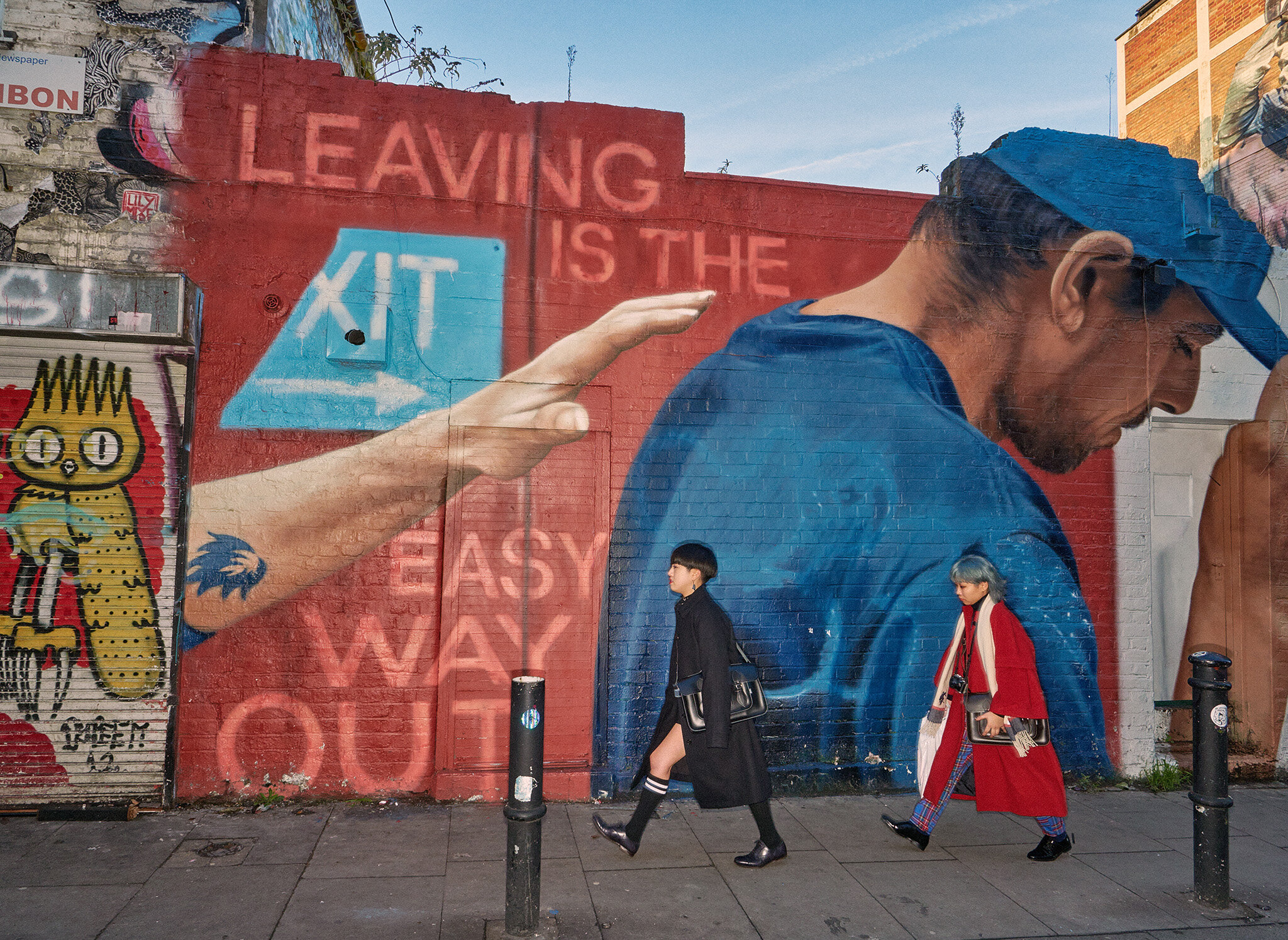
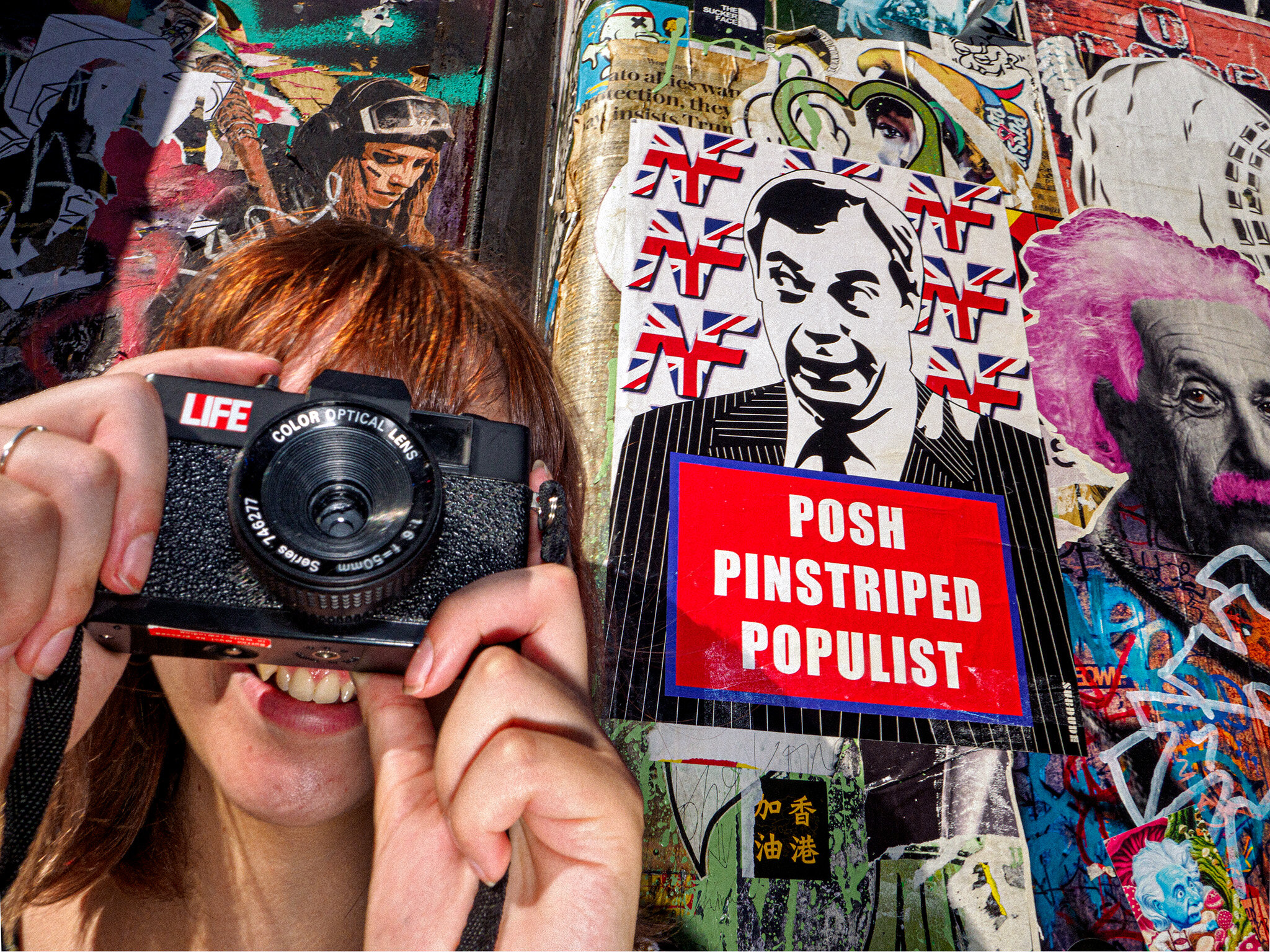
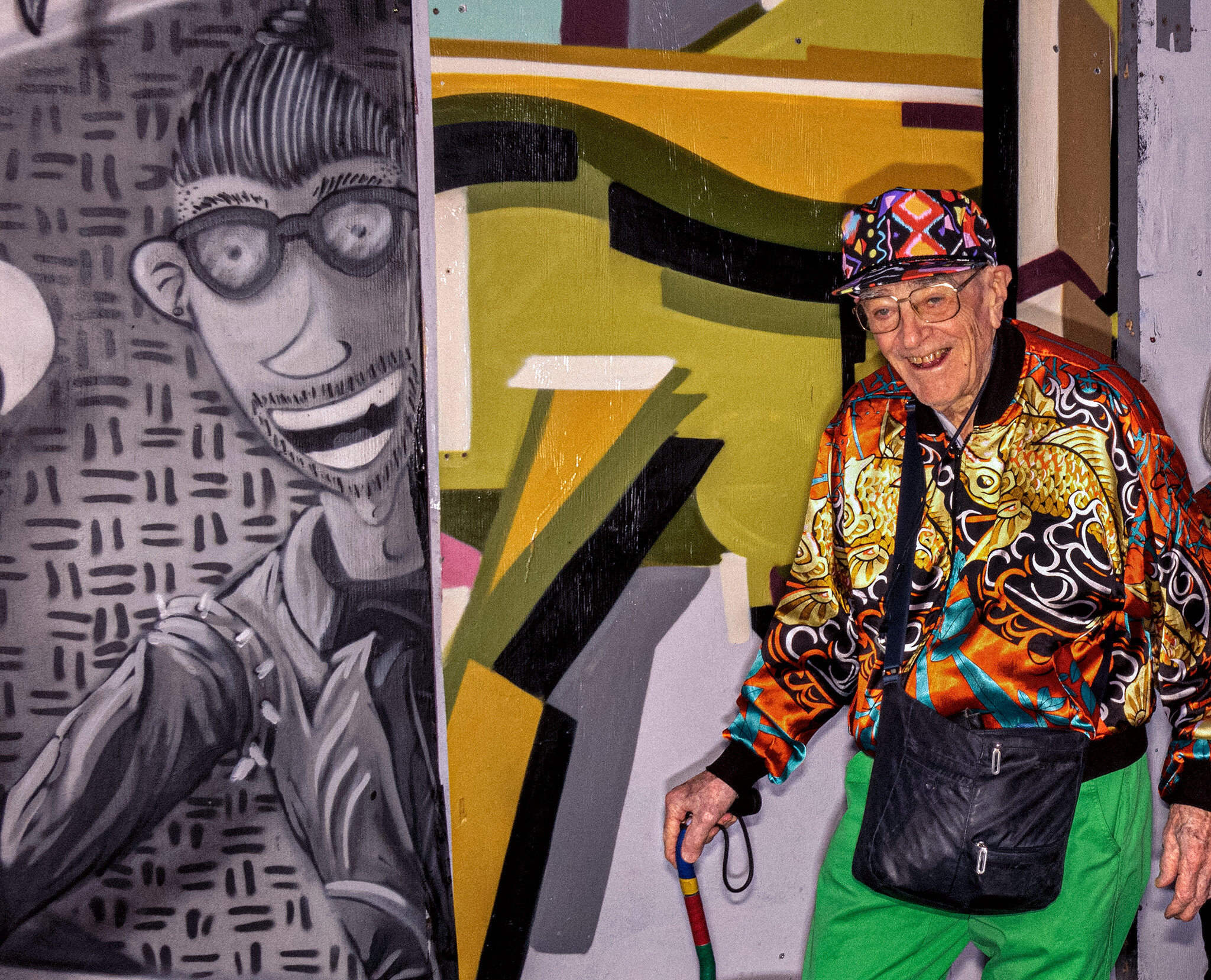
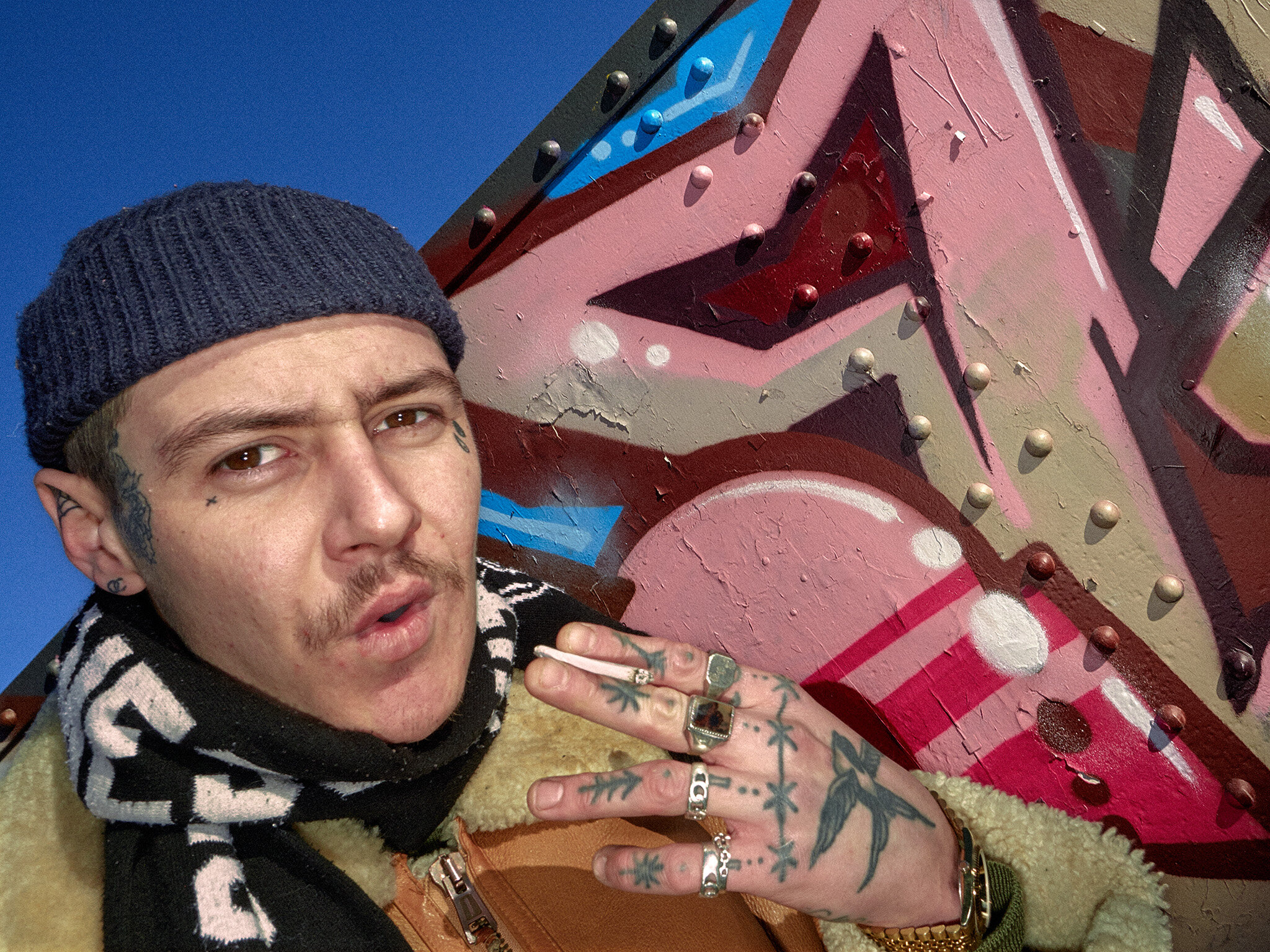
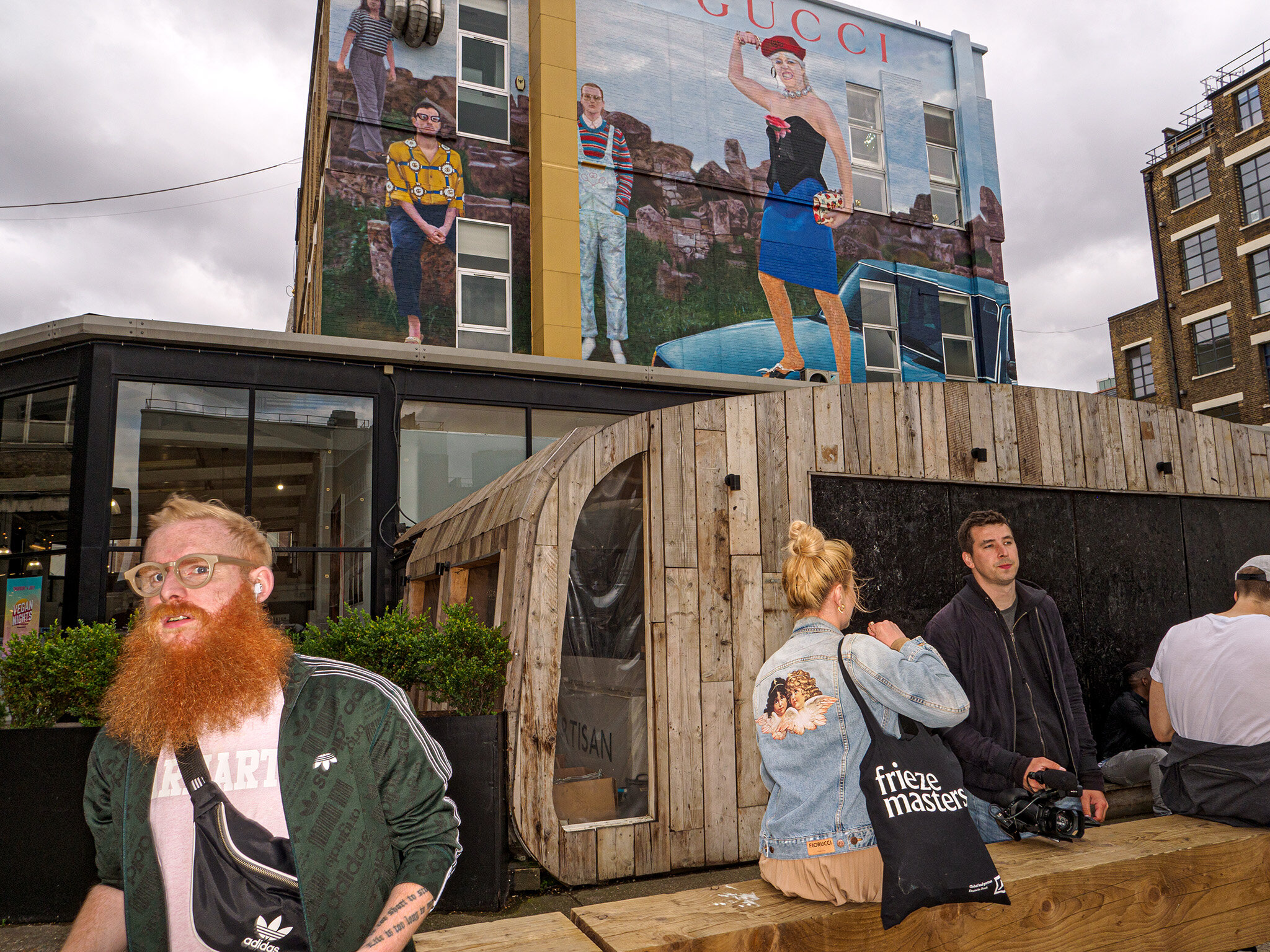
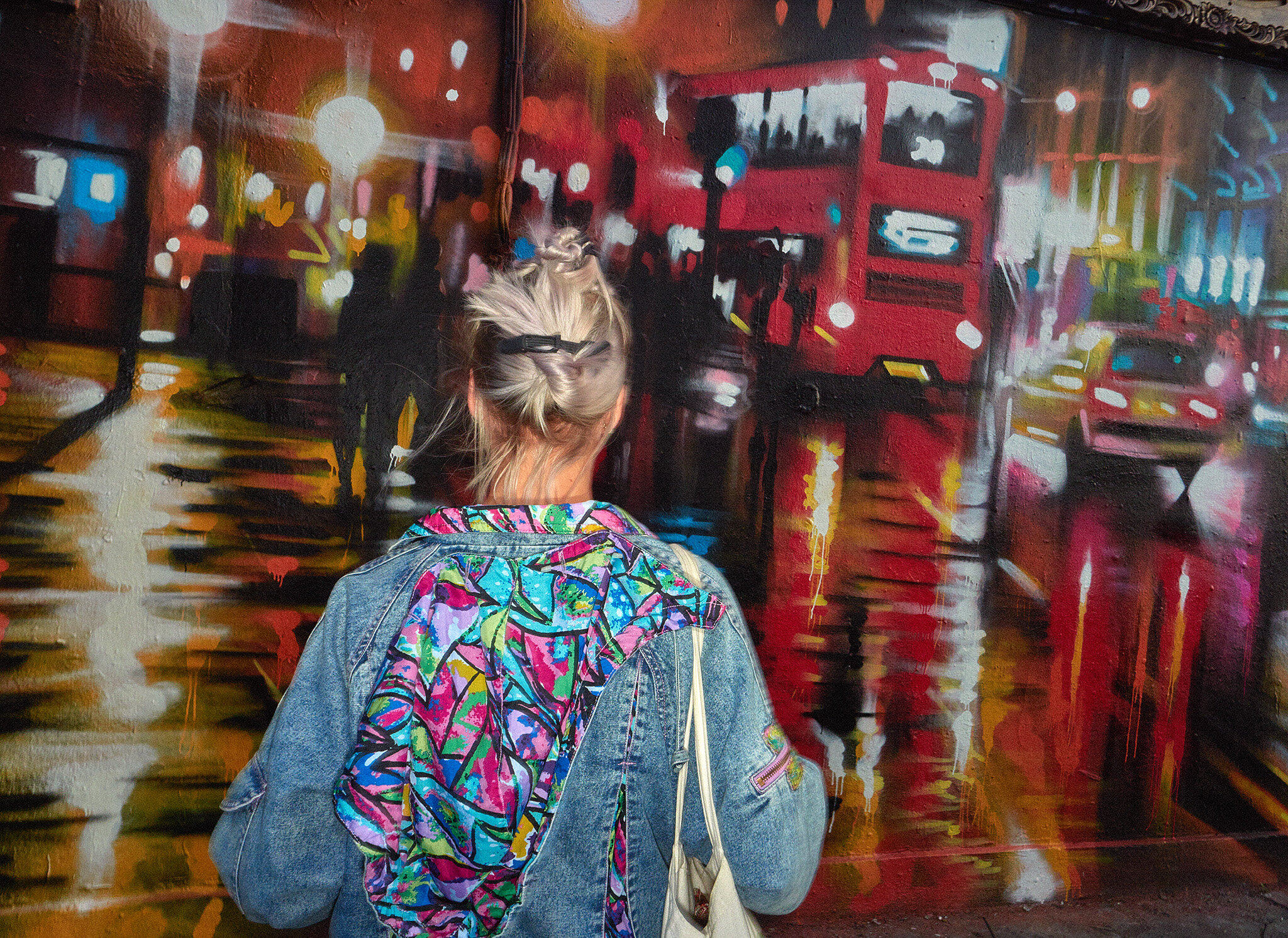
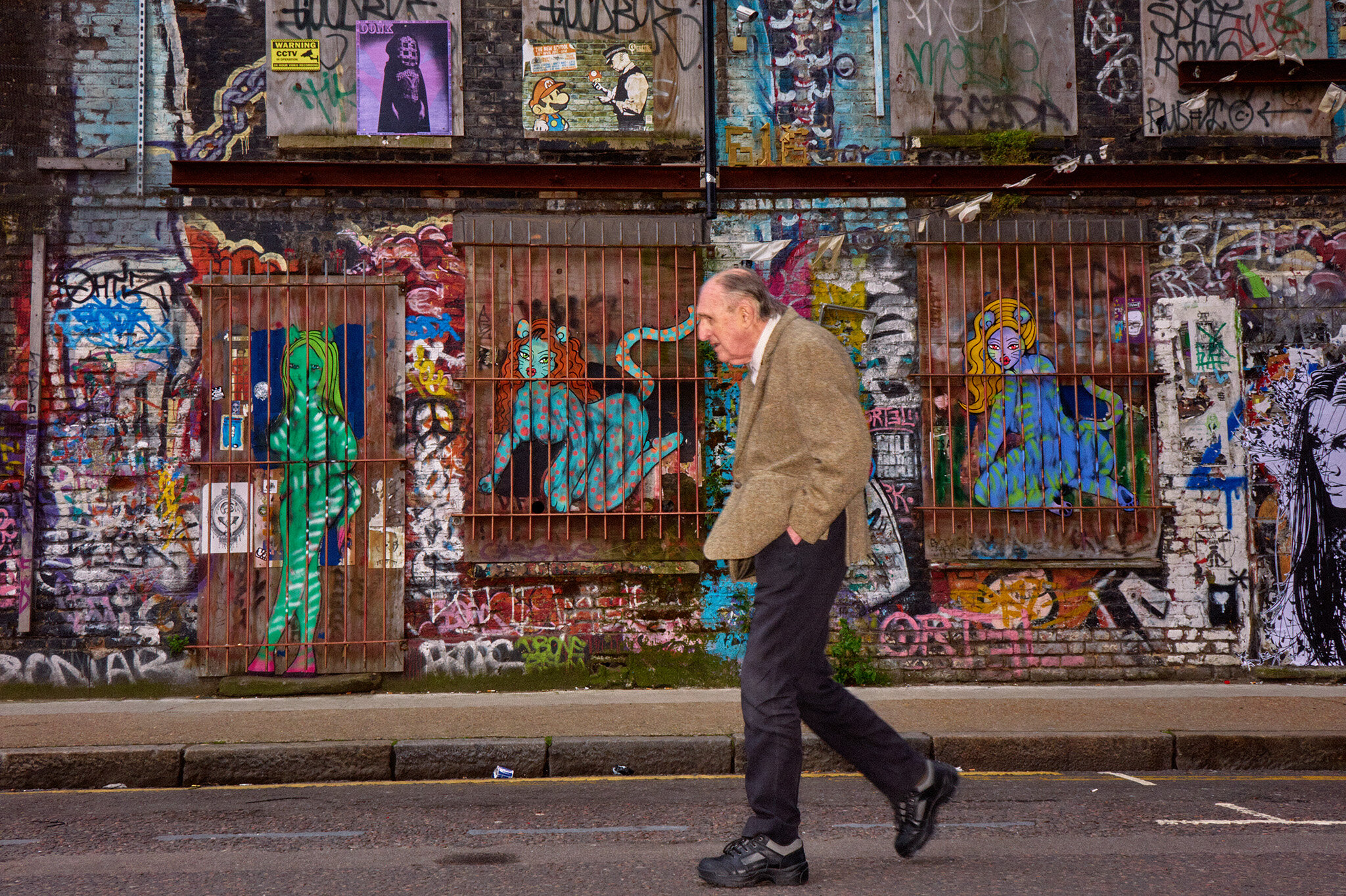
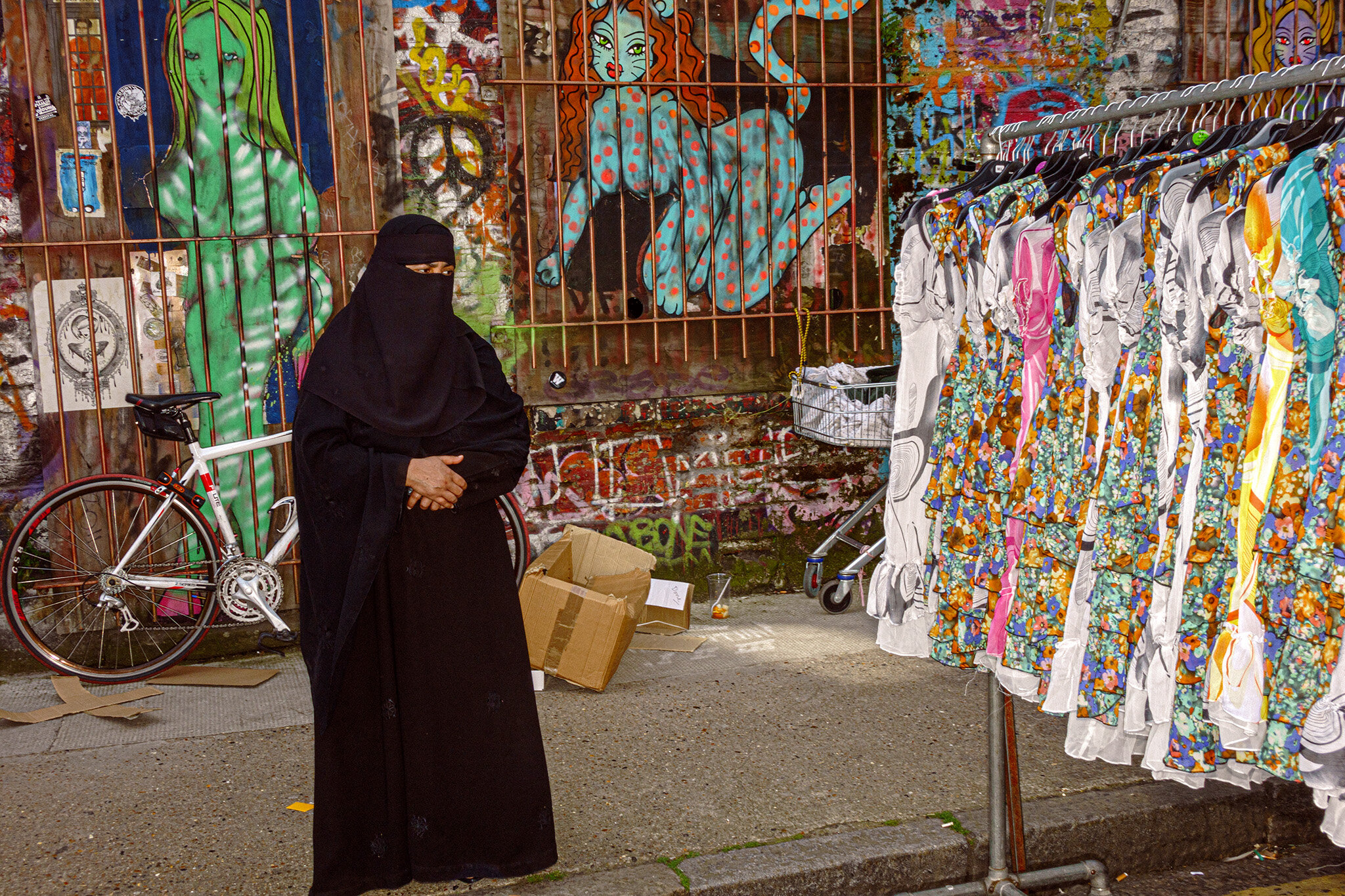
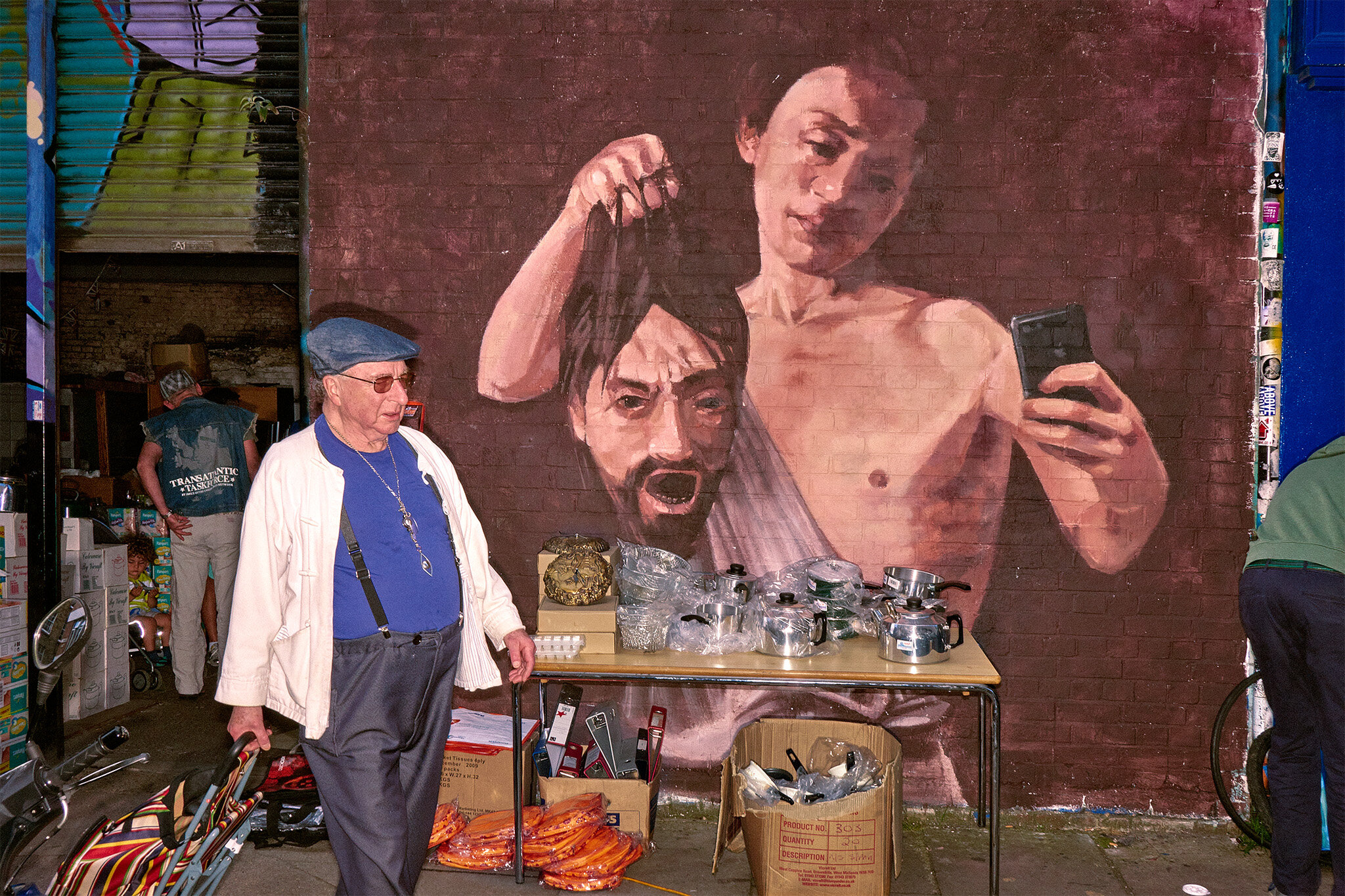
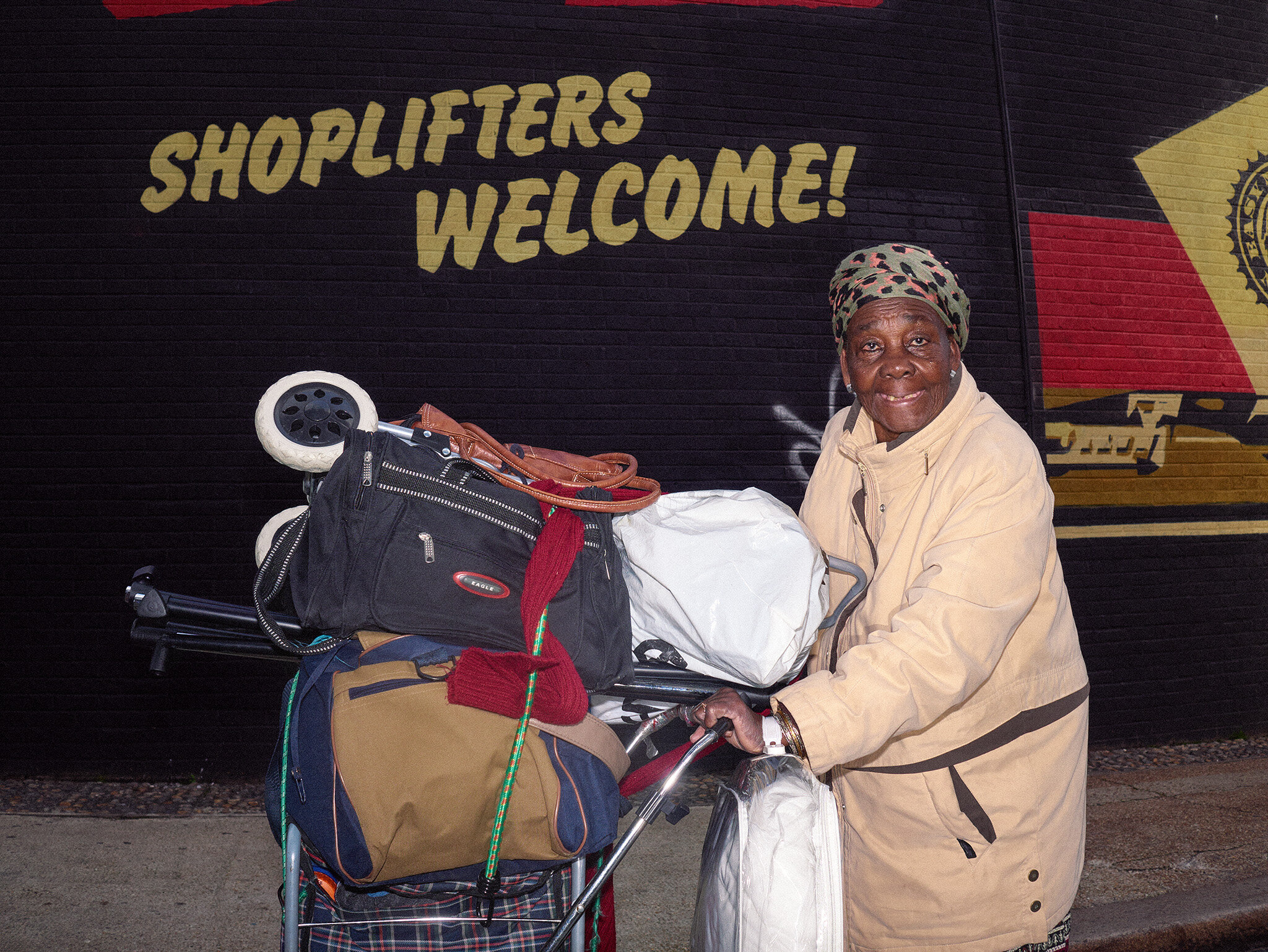
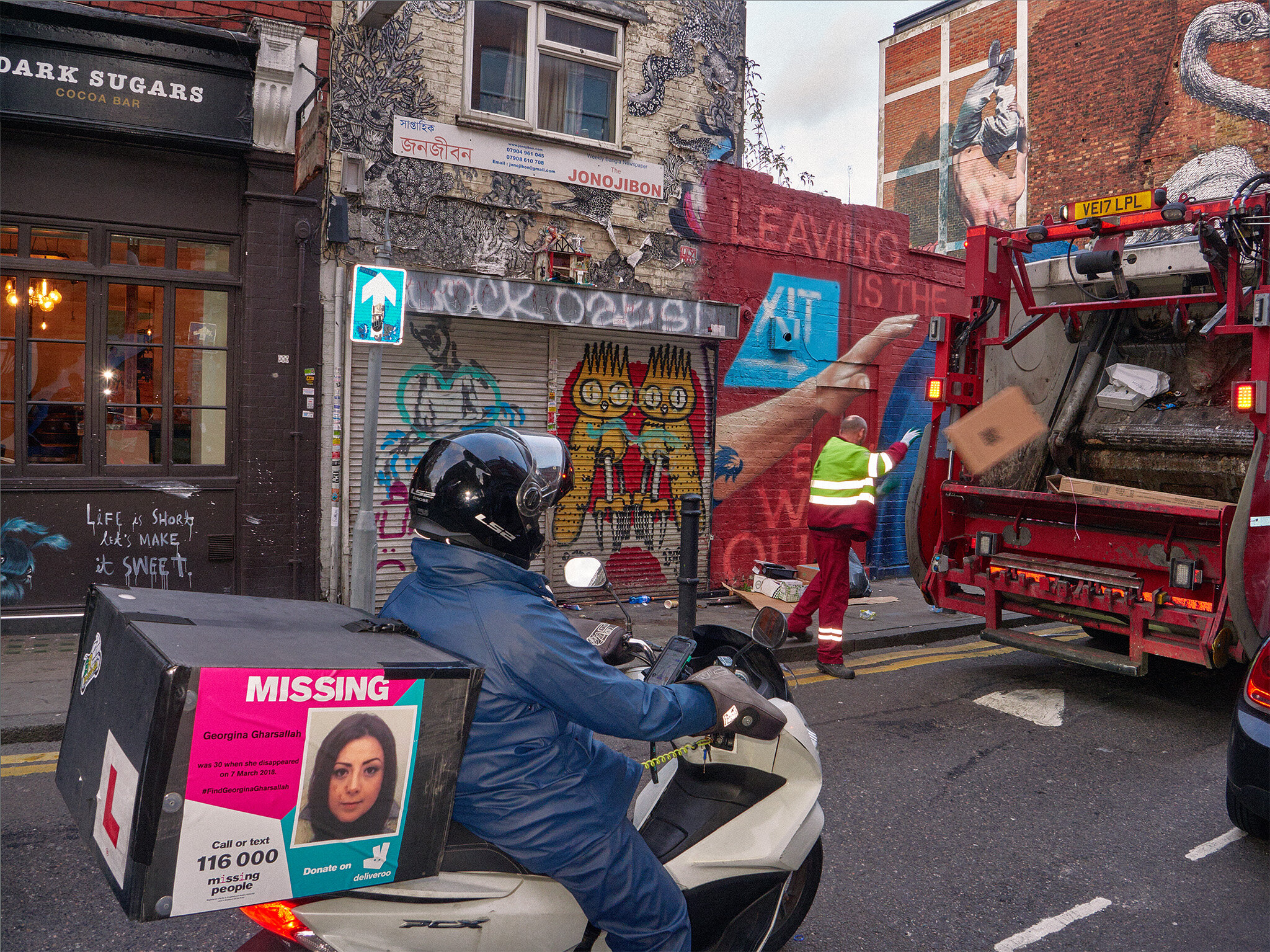
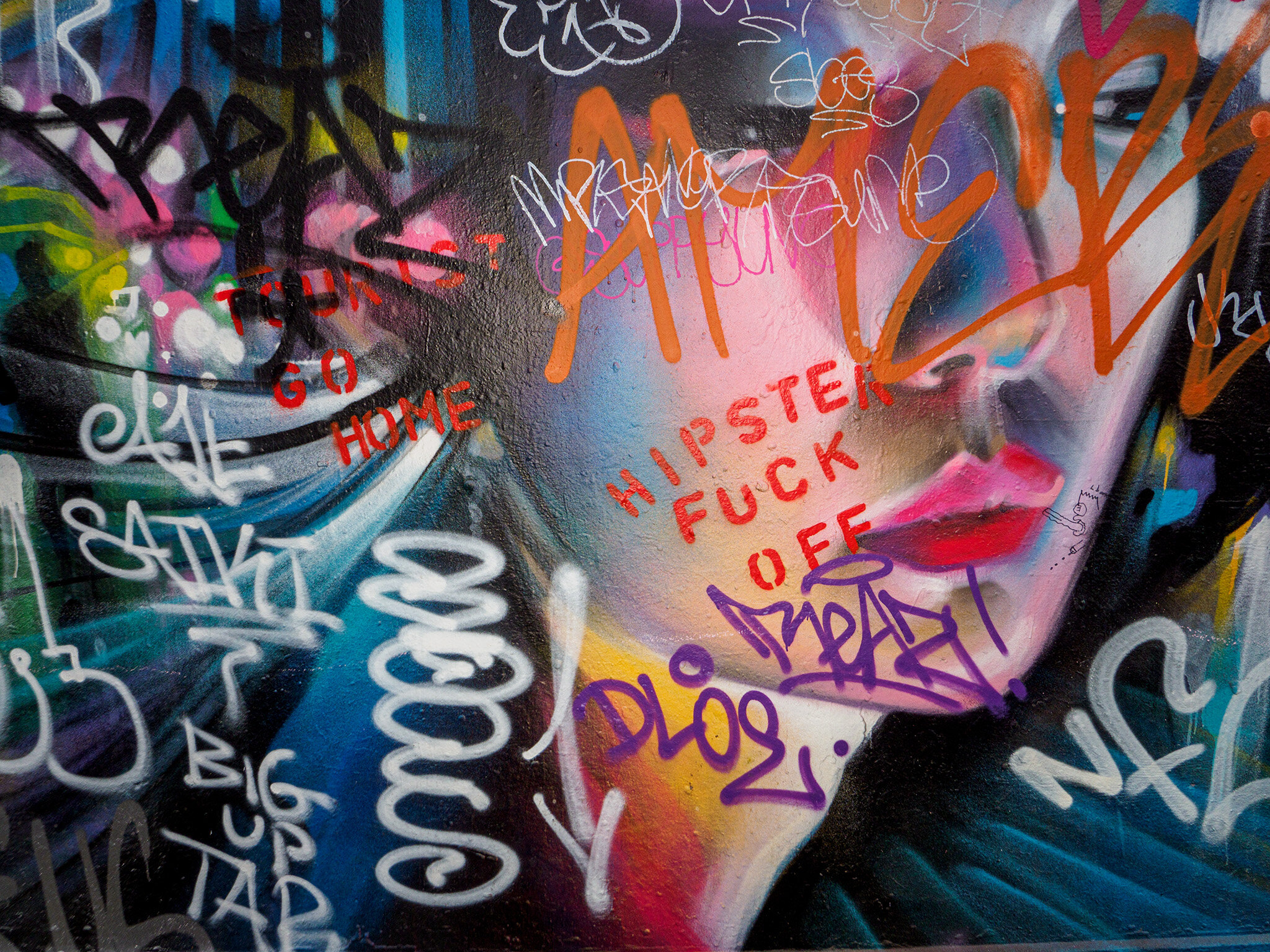
Photographed in Shoreditch, London, East Ended looks at how street art moved from so-called vandalism to tourist attraction, drawing in tourism, brands and investment while pushing out the artists and residents who gave the area its identity.
EAST ENDED
The price of cool
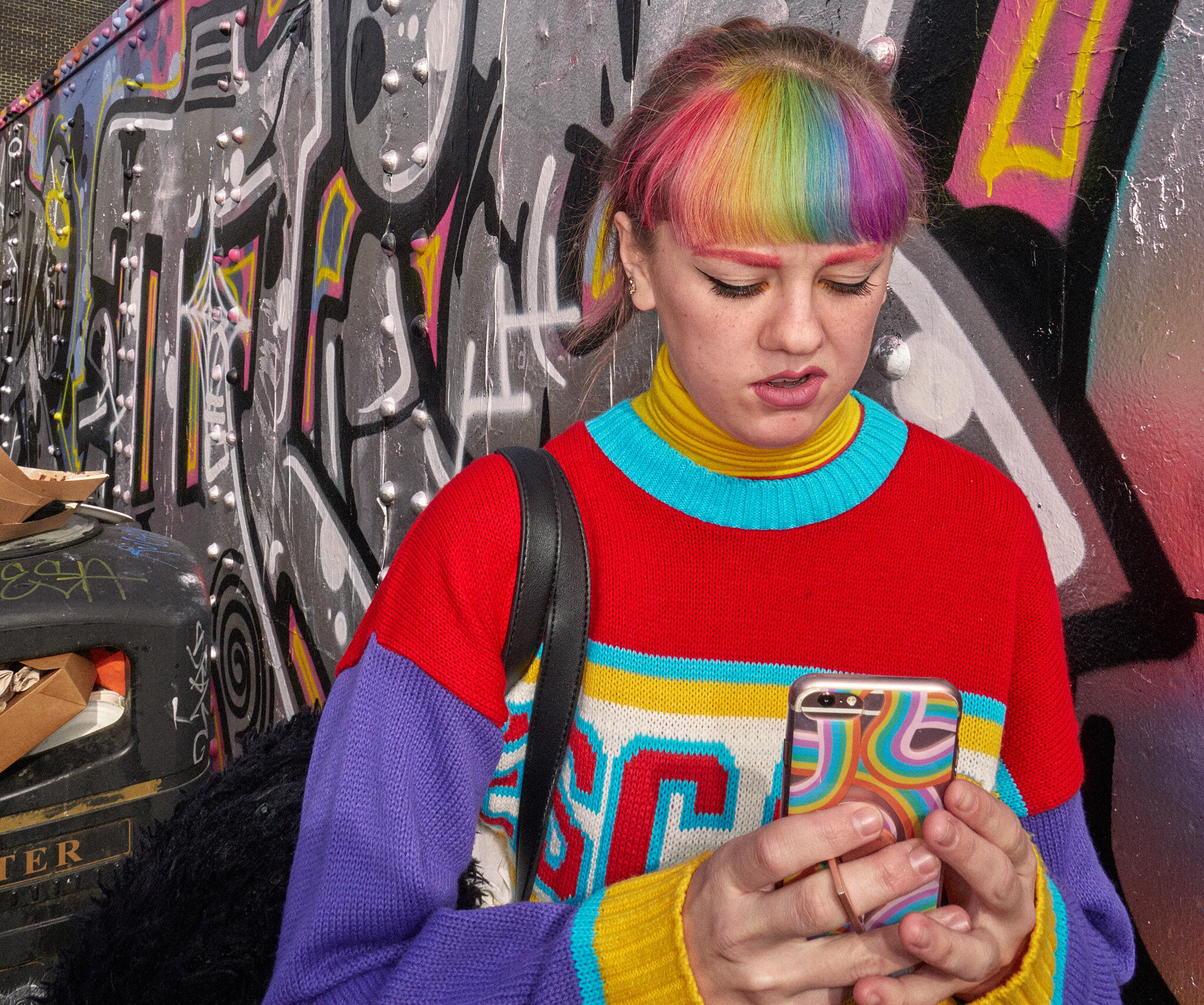
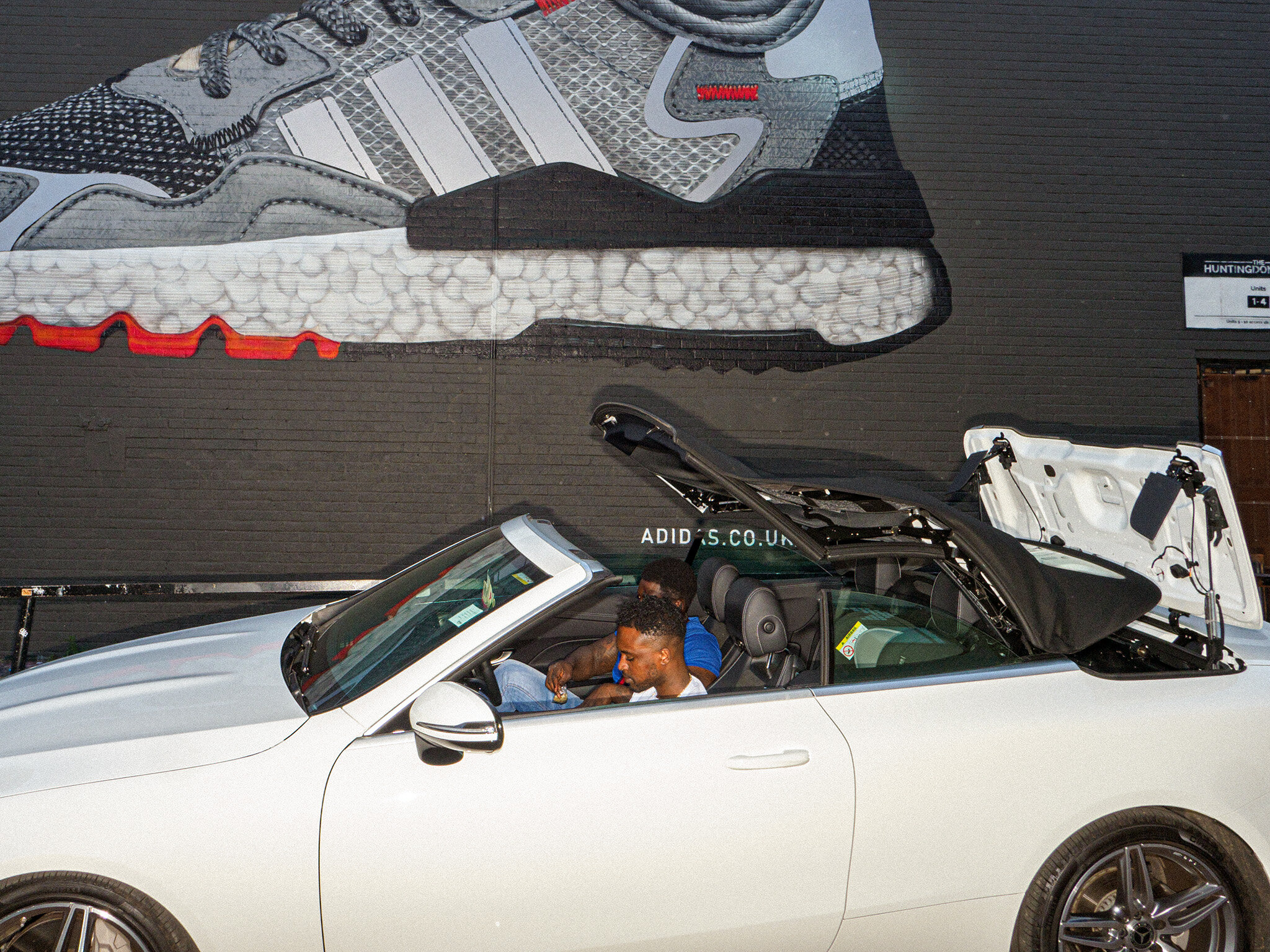
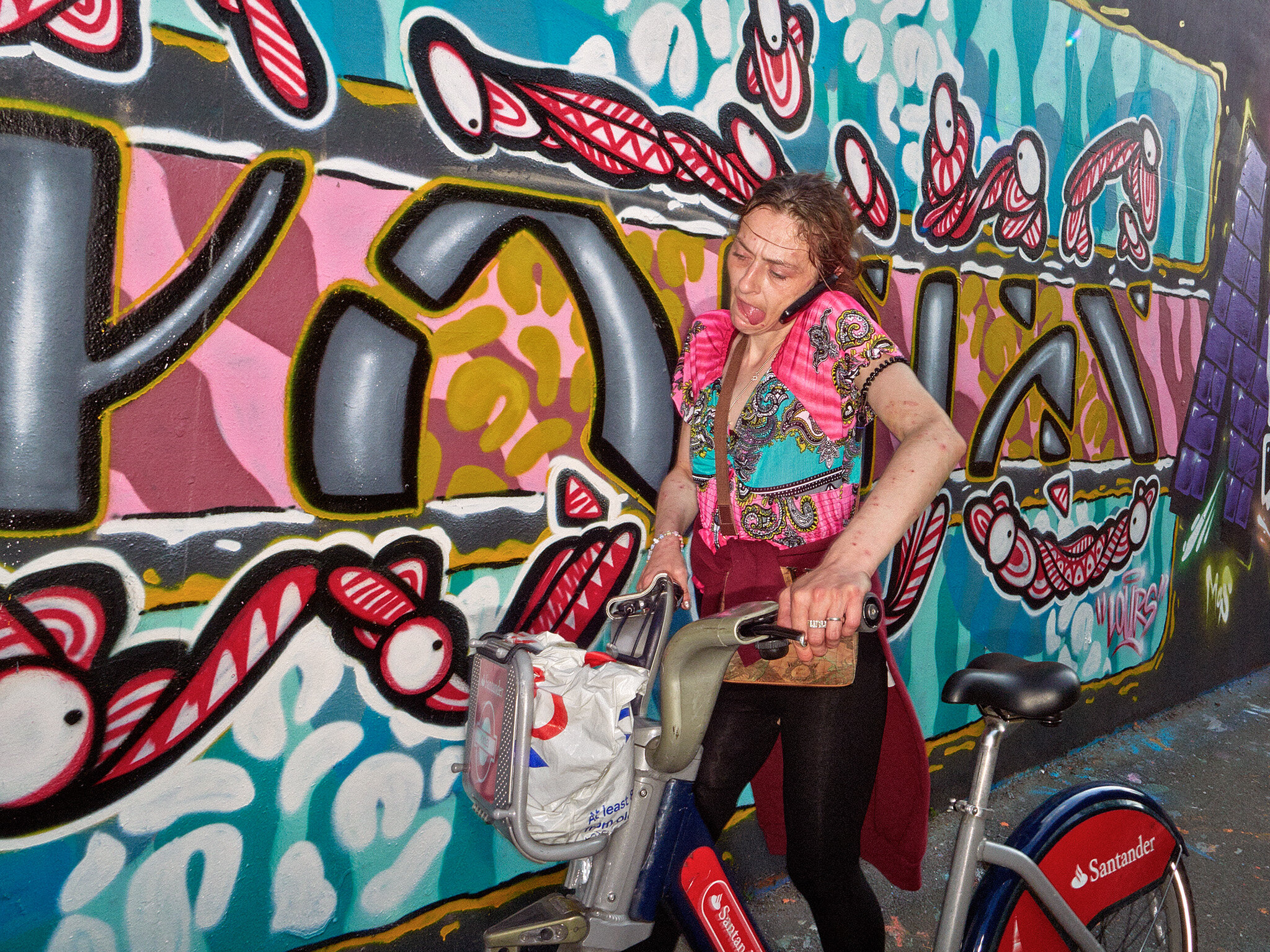
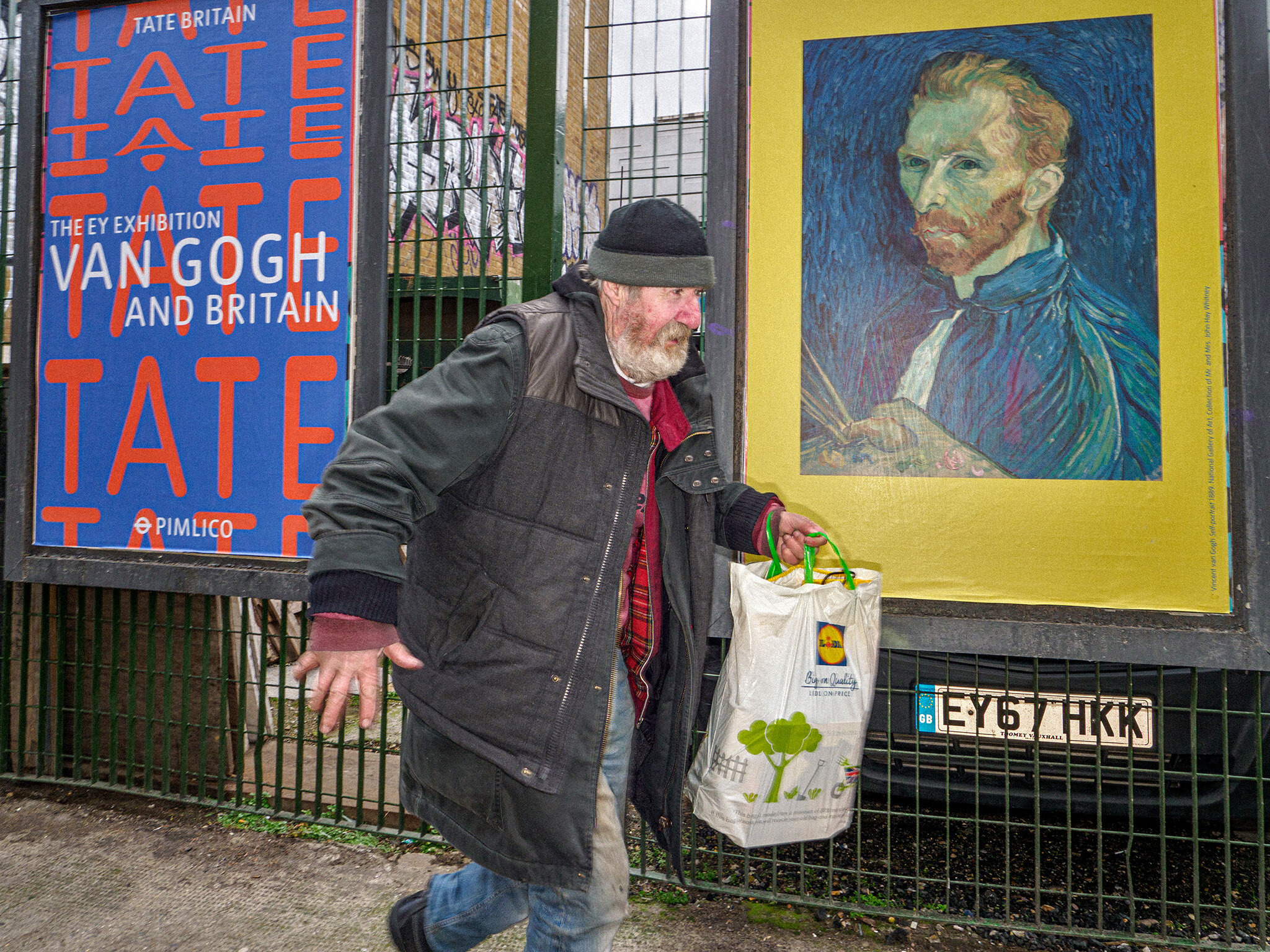
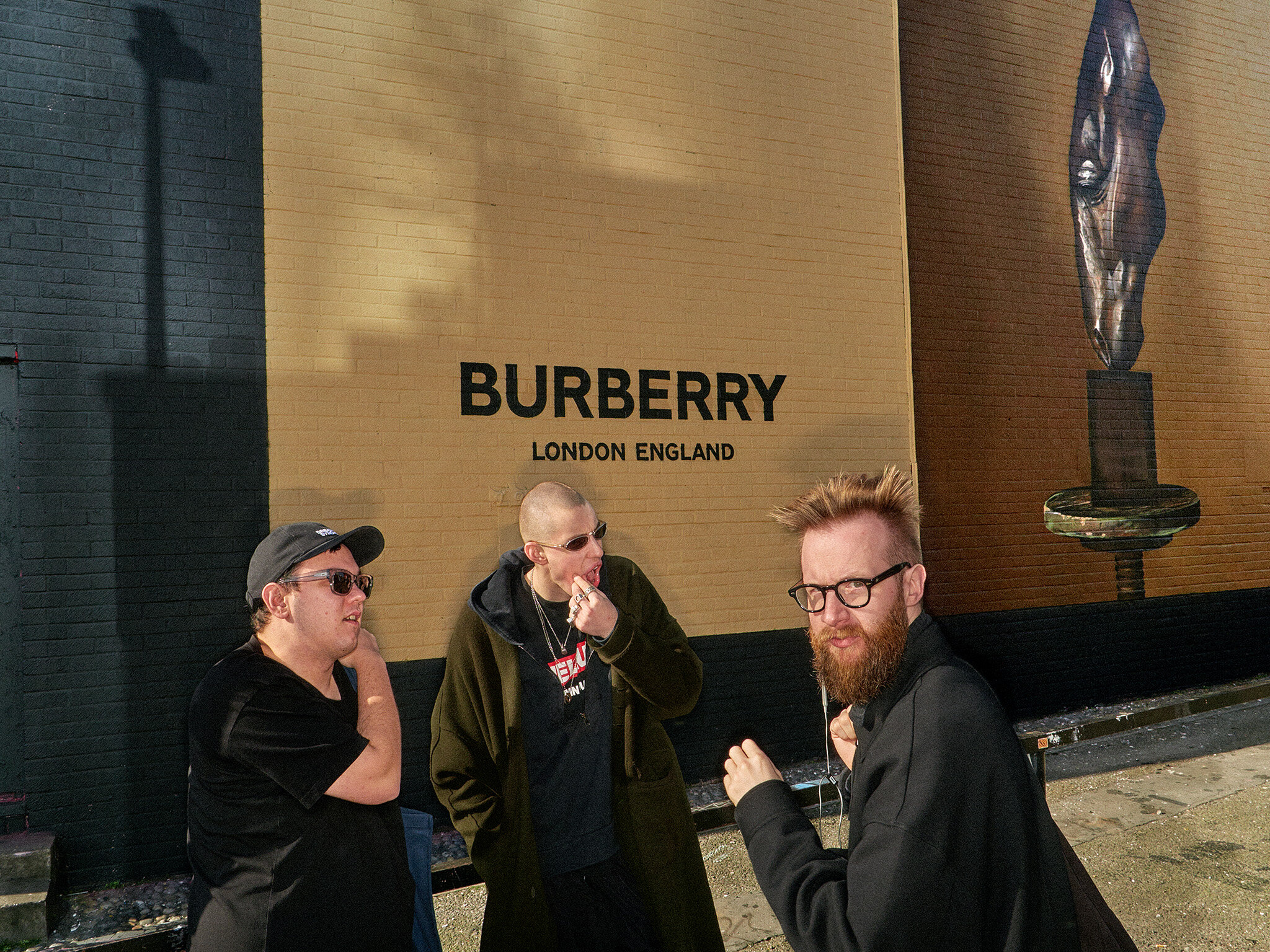
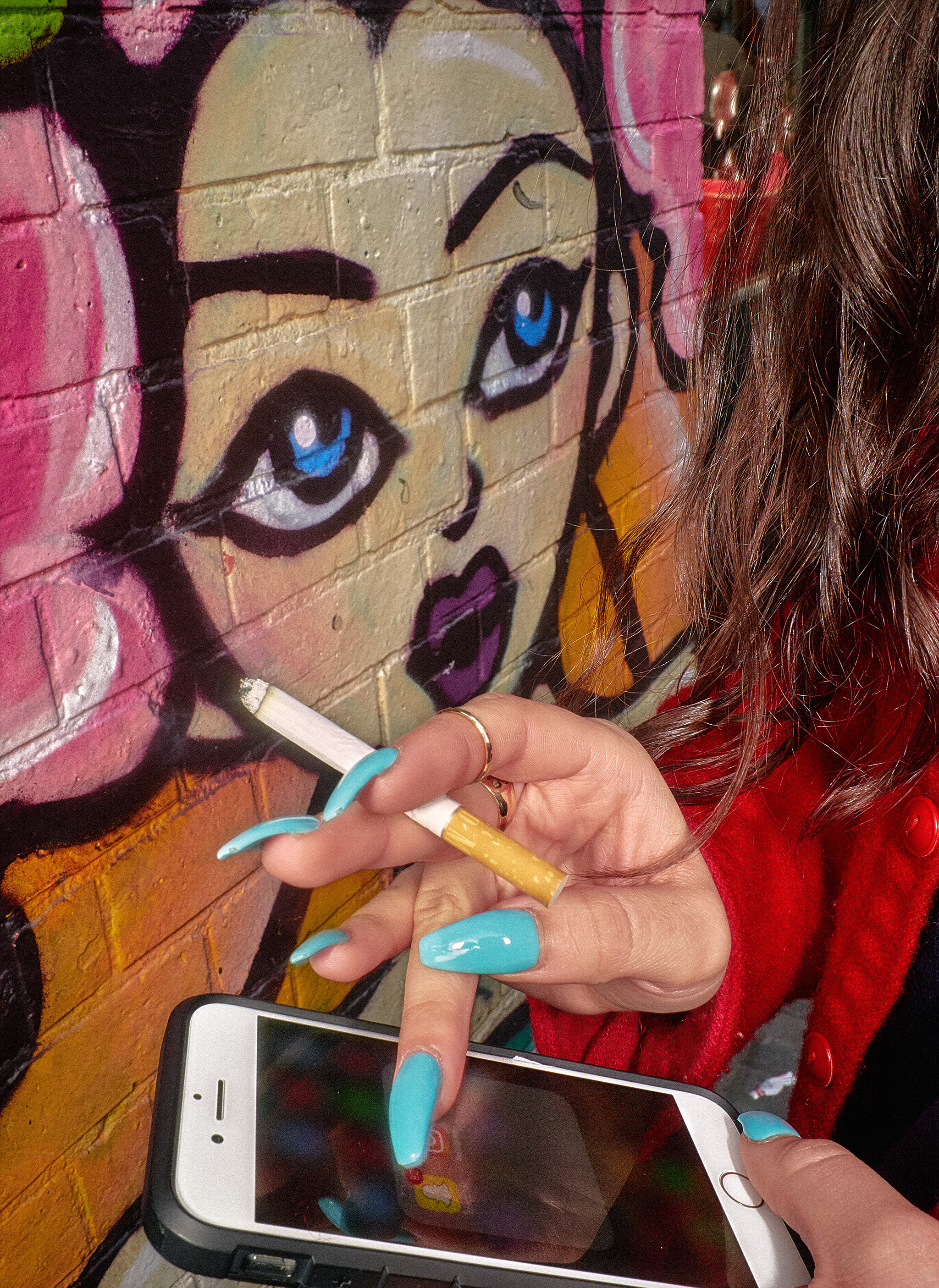
East Ended reflects on gentrification and the uneasy relationships it creates: between freely expressed street art and commerce, public space and advertising, local community and global capital.
The transformation of London’s East End from urban decay to fashionable destination is a textbook example of how street art can help regenerate a neighbourhood while making it attractive to an emerging creative class.
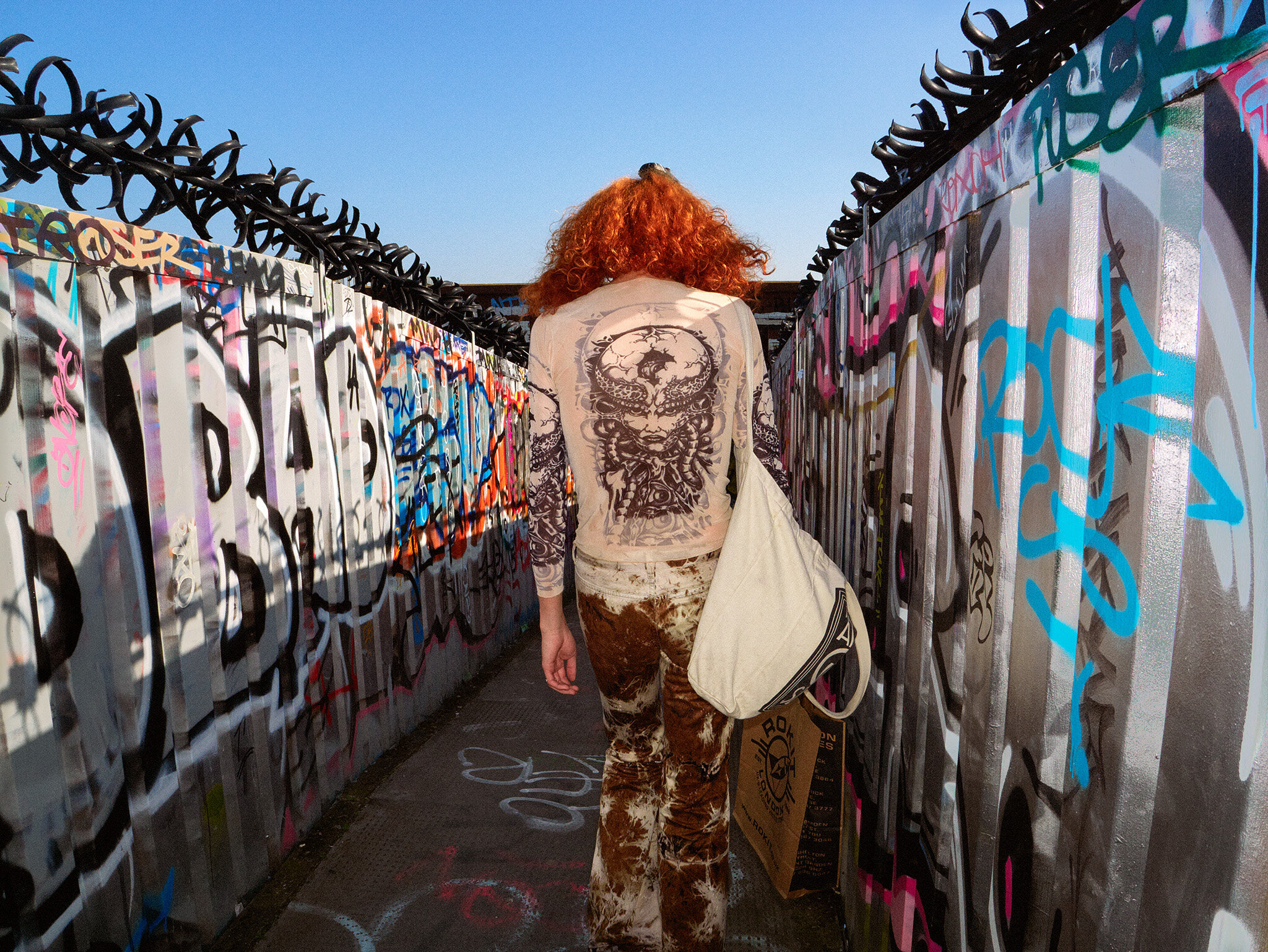
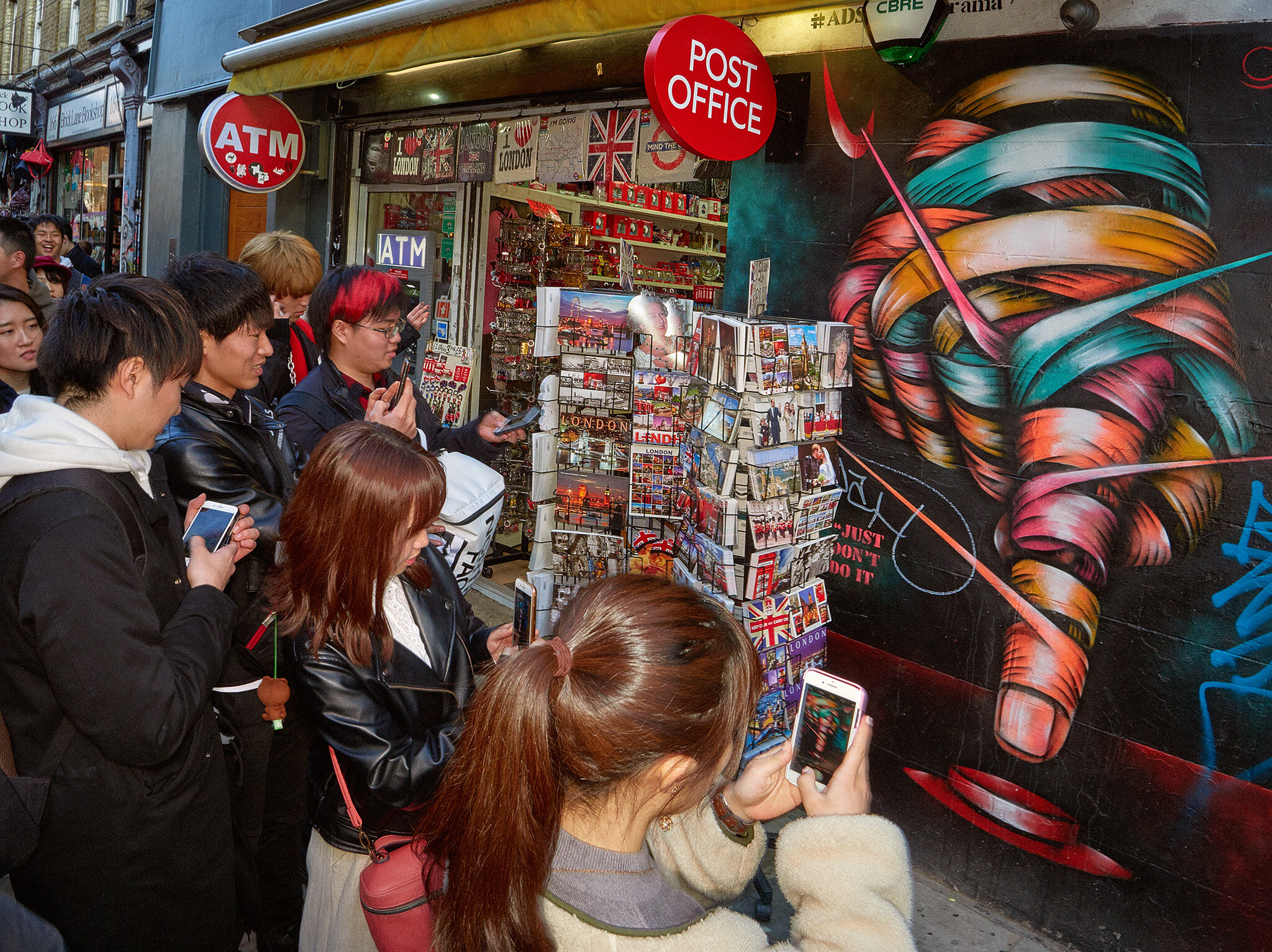
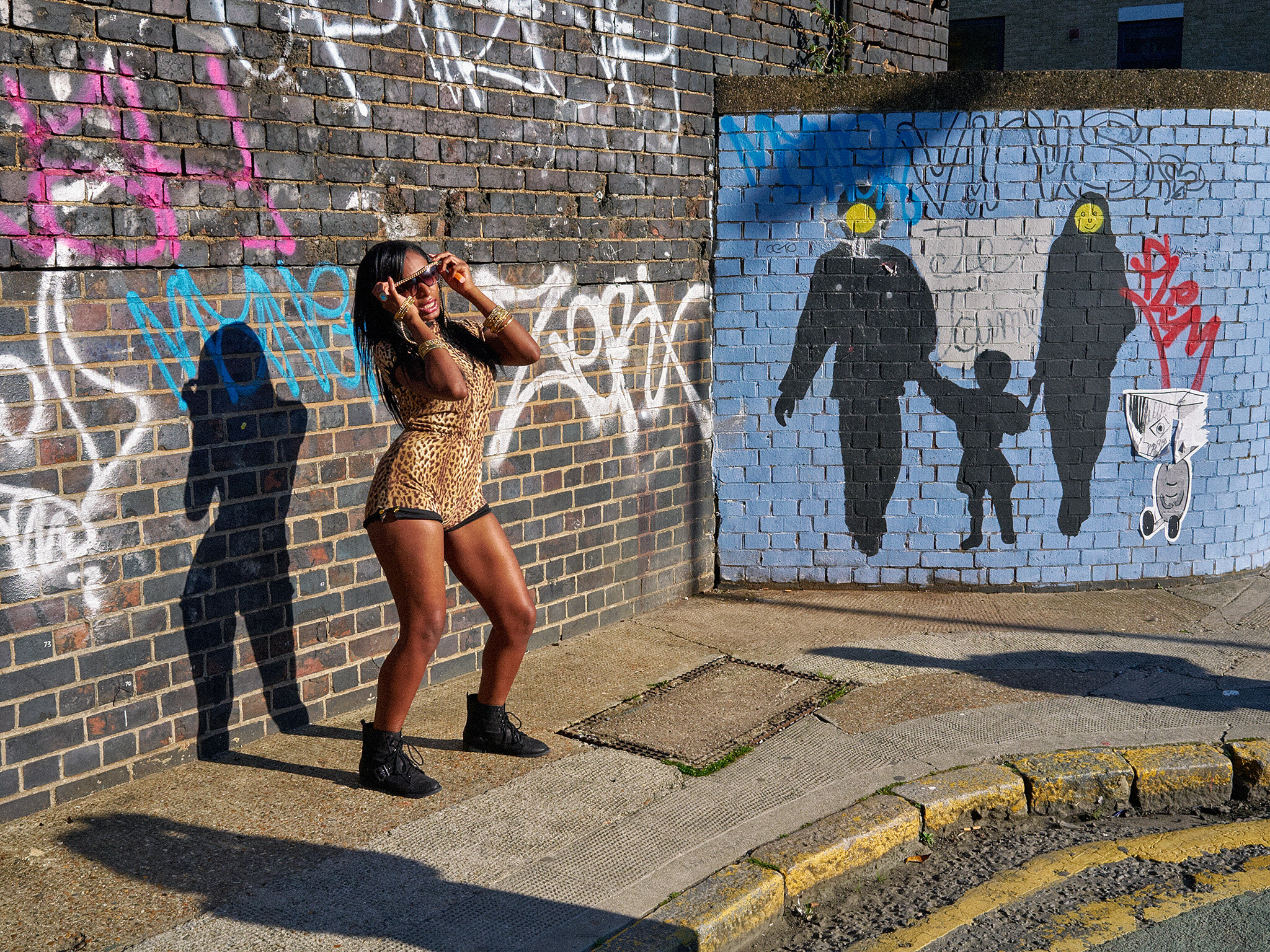
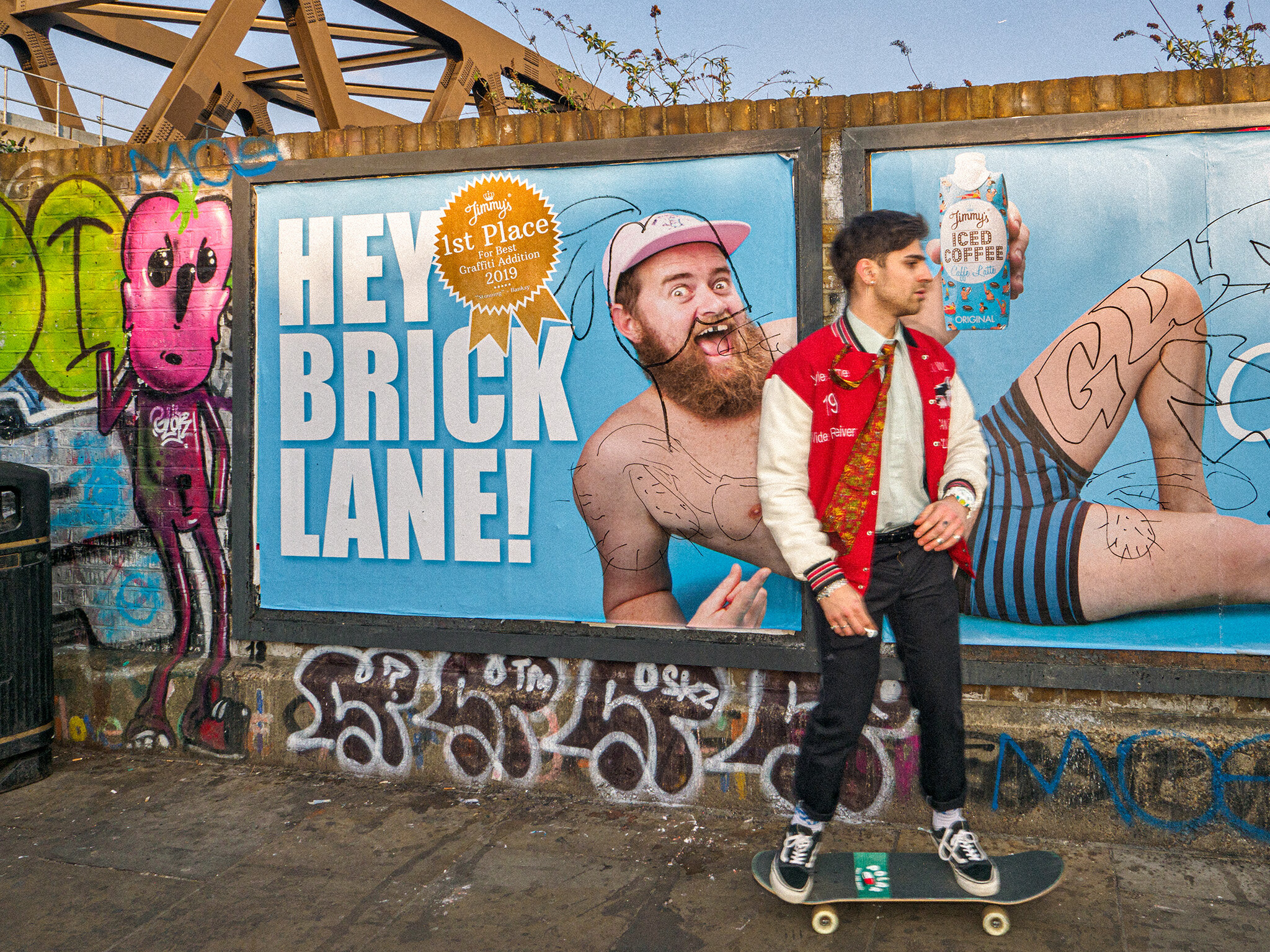
Before it was recognised as an art form, street art was dismissed as graffiti, a sign of decay that lowered property values. As London’s East End changed, that same visual language became cool. Seen as gritty and edgy, street art draws attention to an area. Refashioned and made acceptable, it transforms public space as neighbourhoods become high-priced, trendy and desirable. Its edge and sense of authenticity become tools that accelerate the process of gentrification.
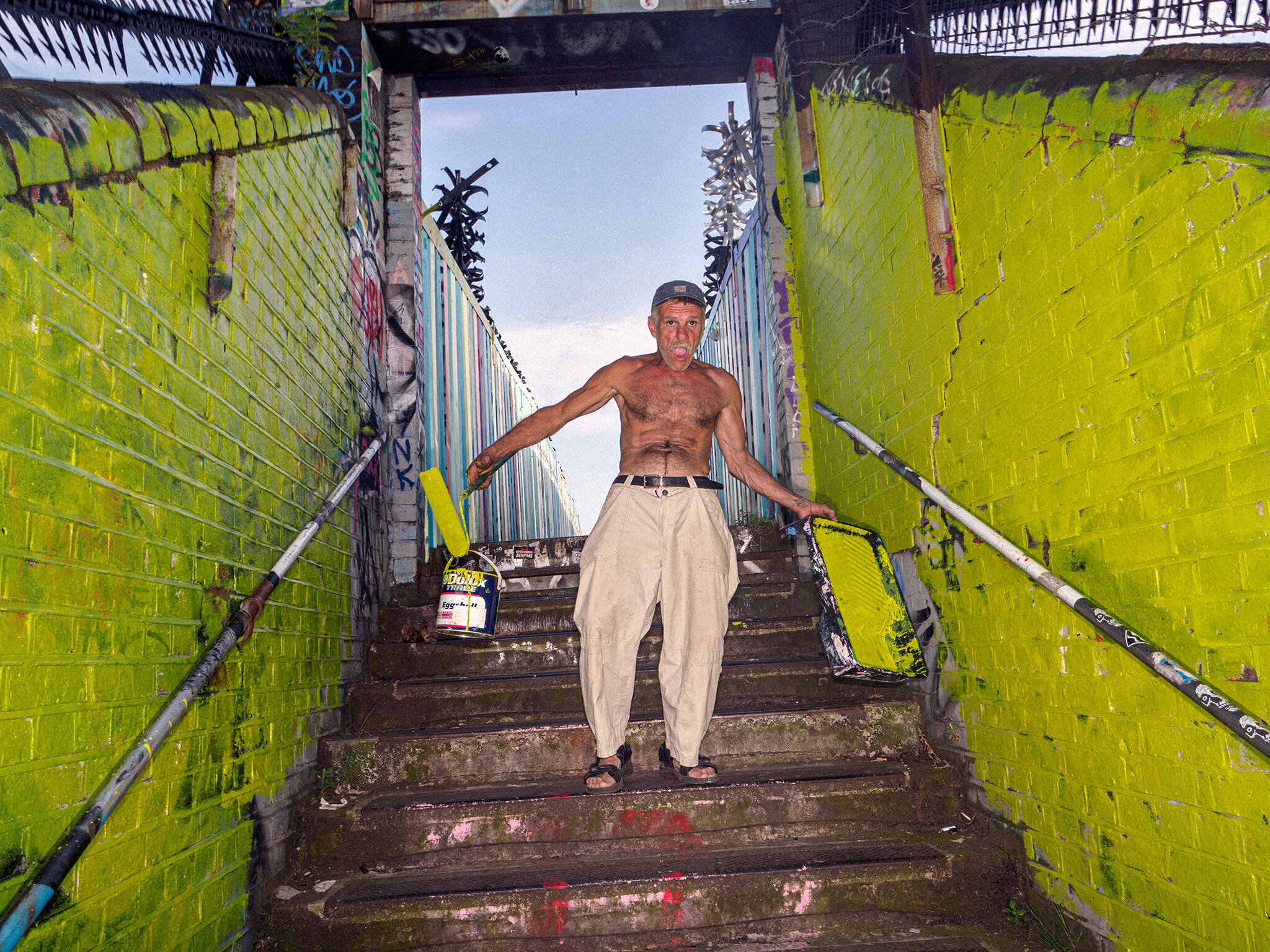
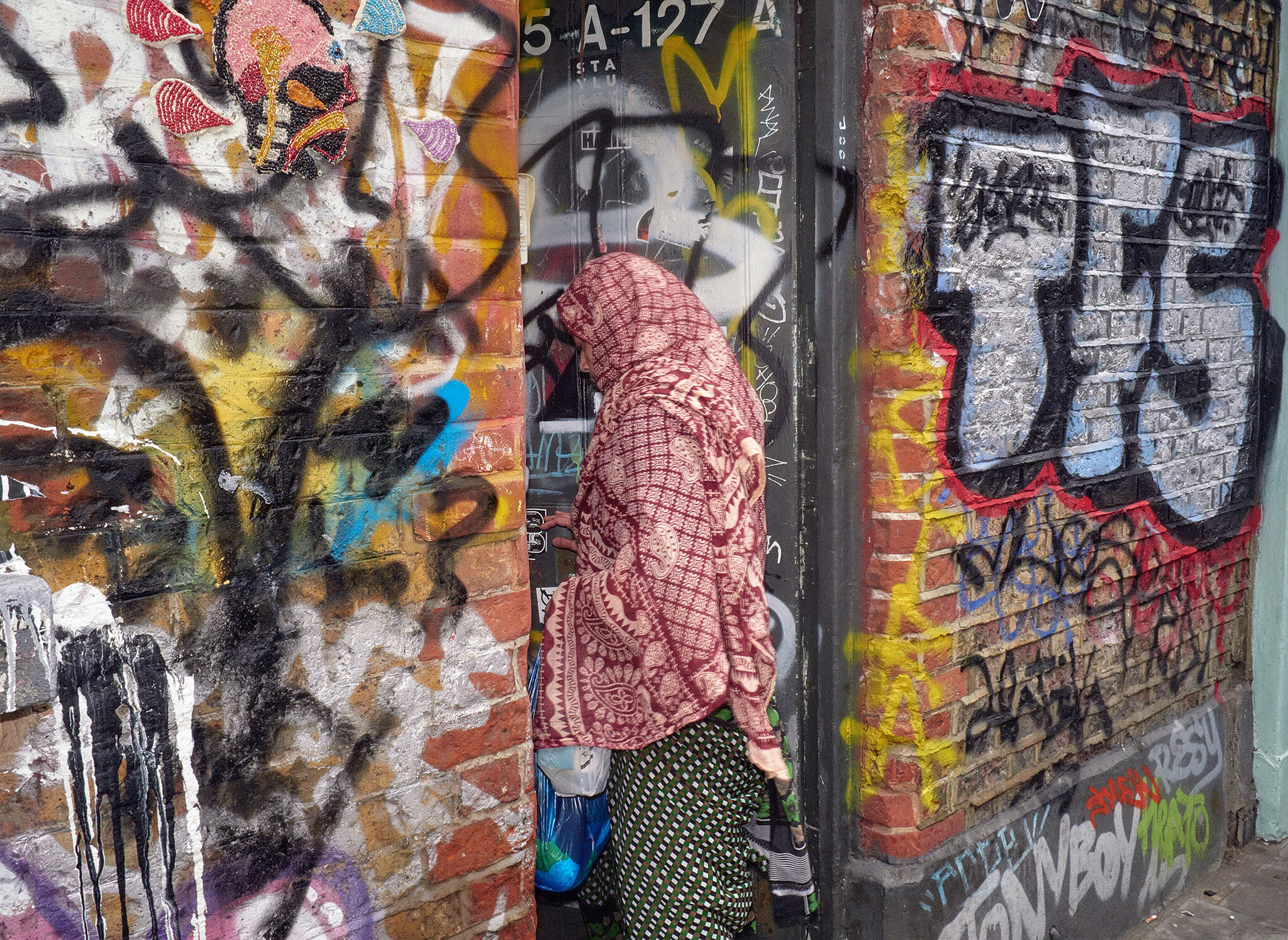
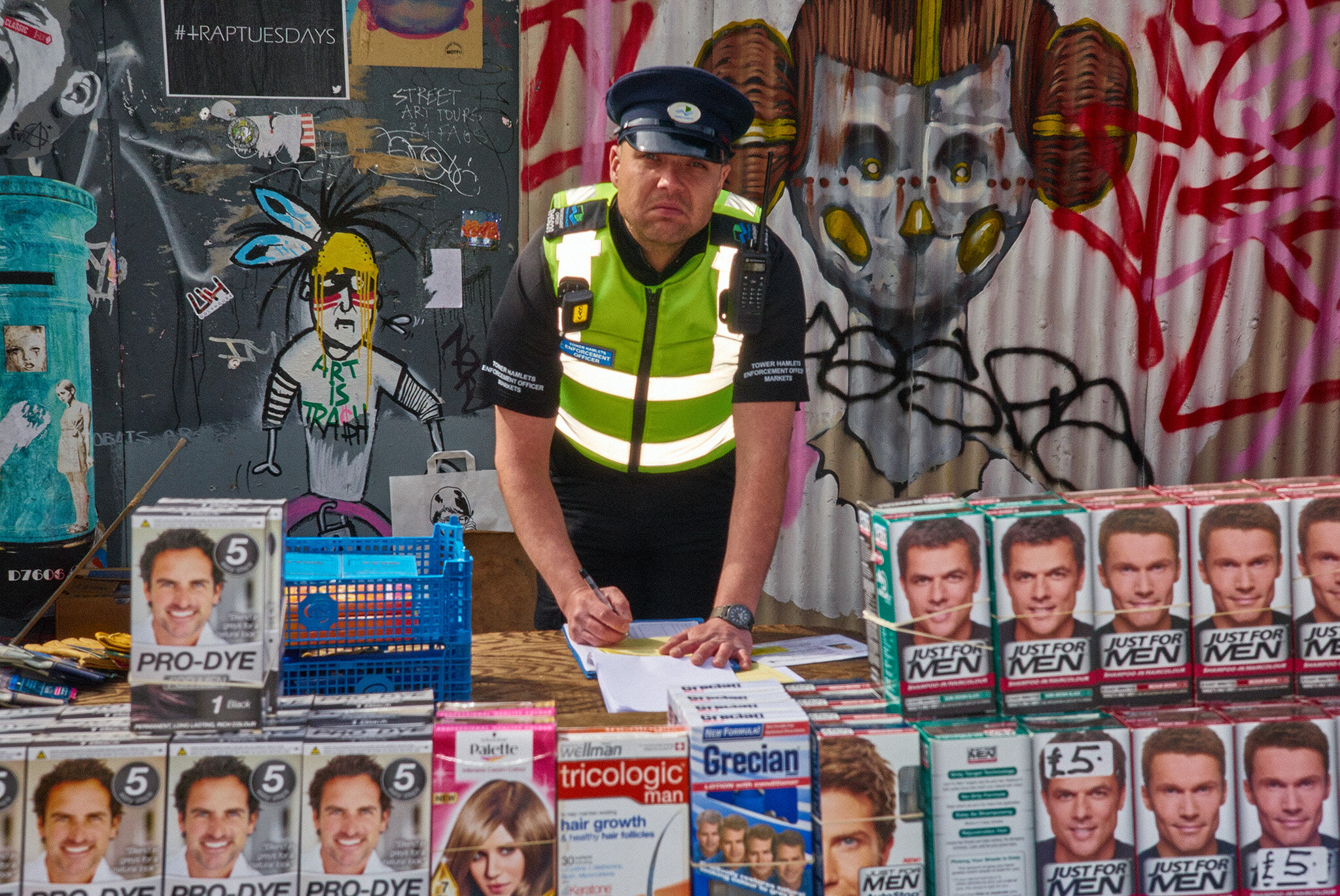
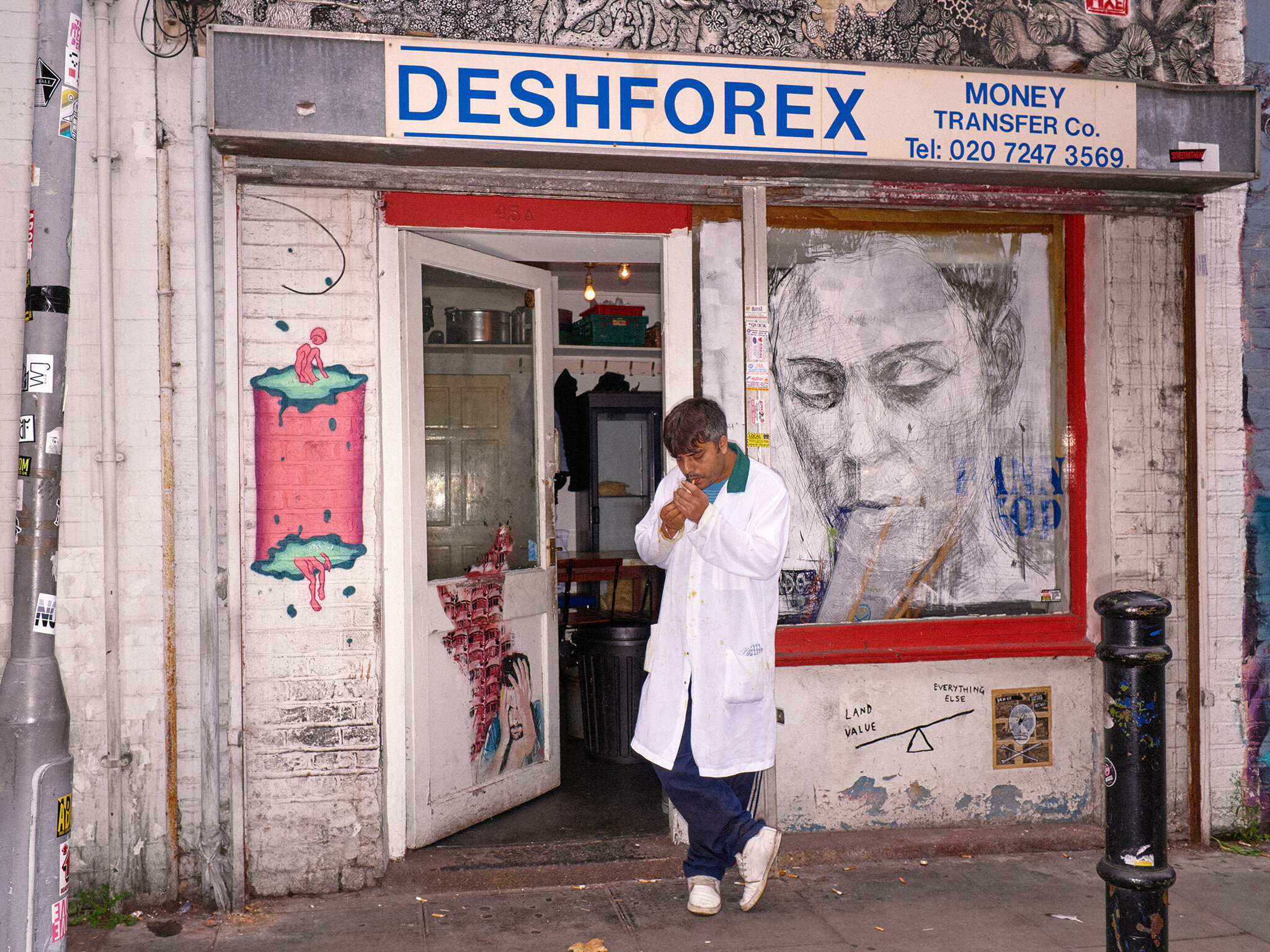
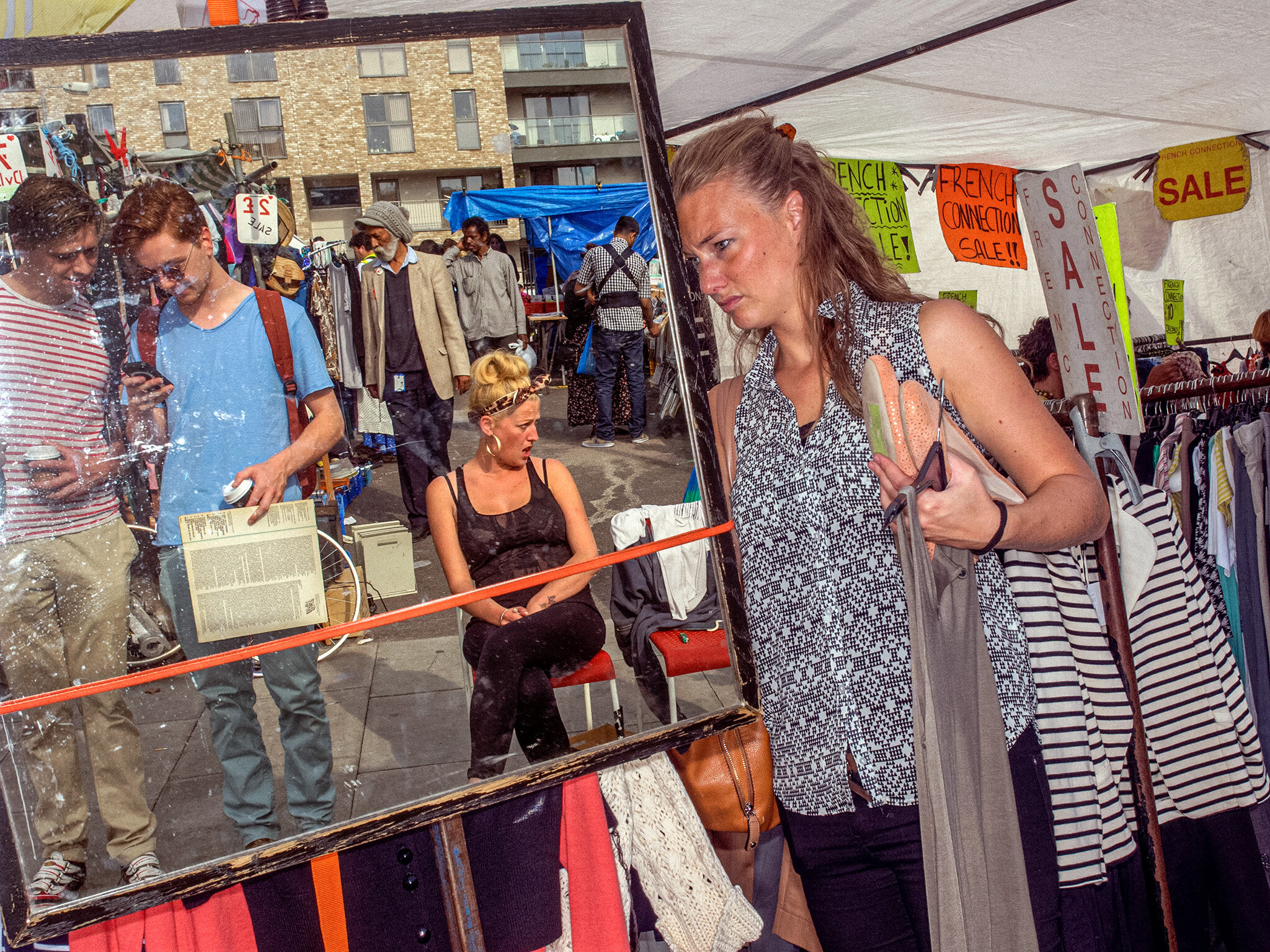
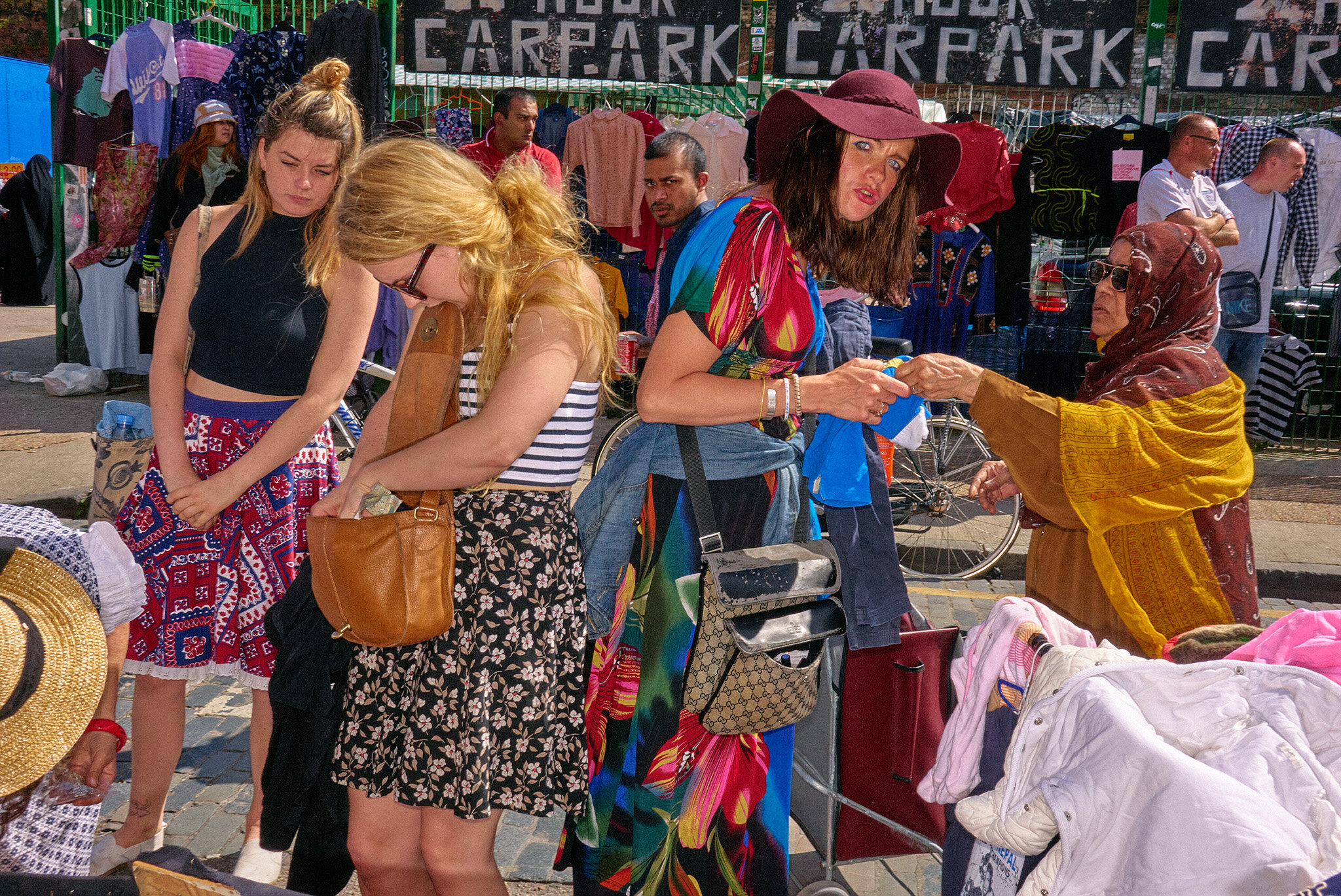
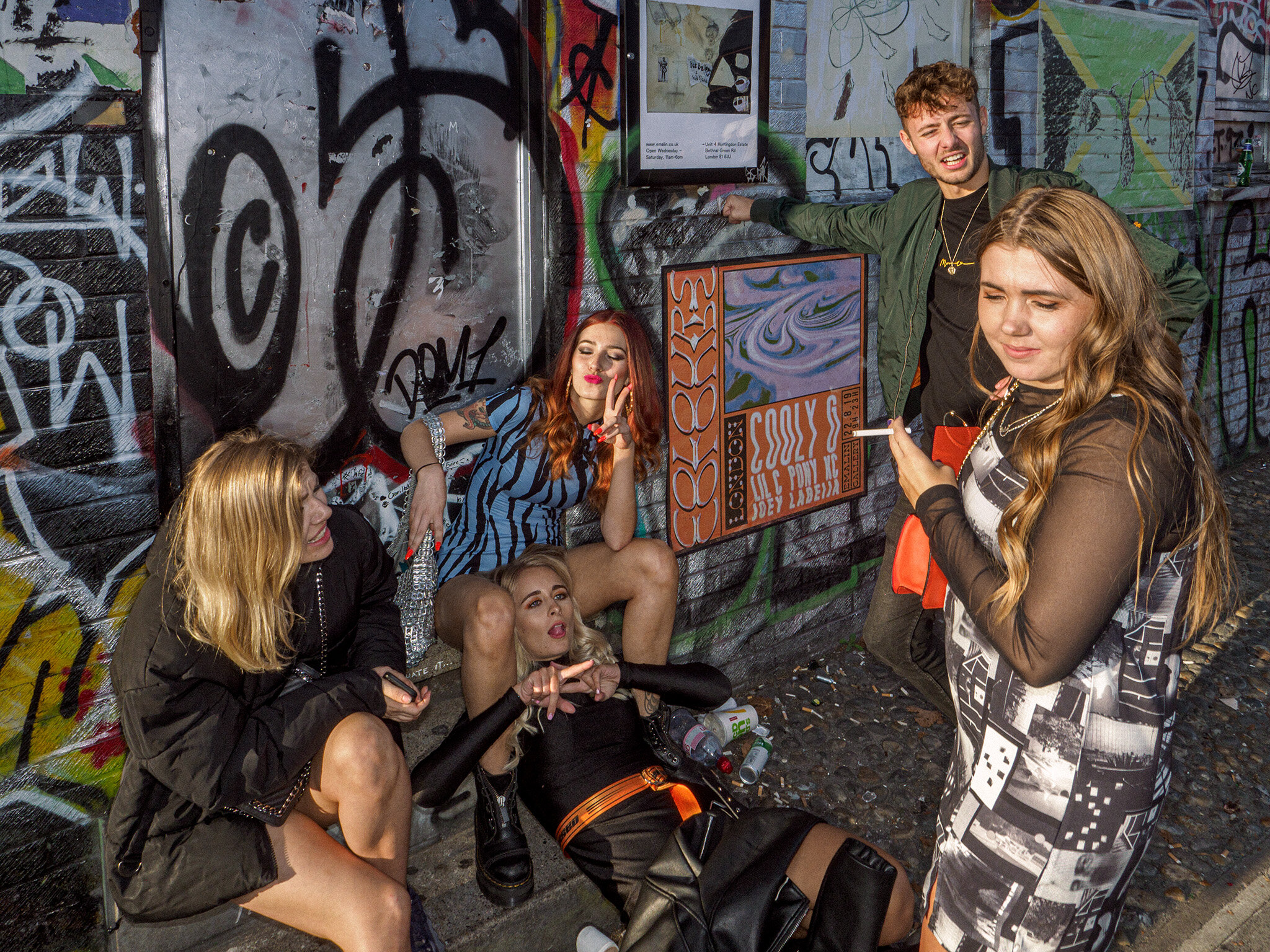
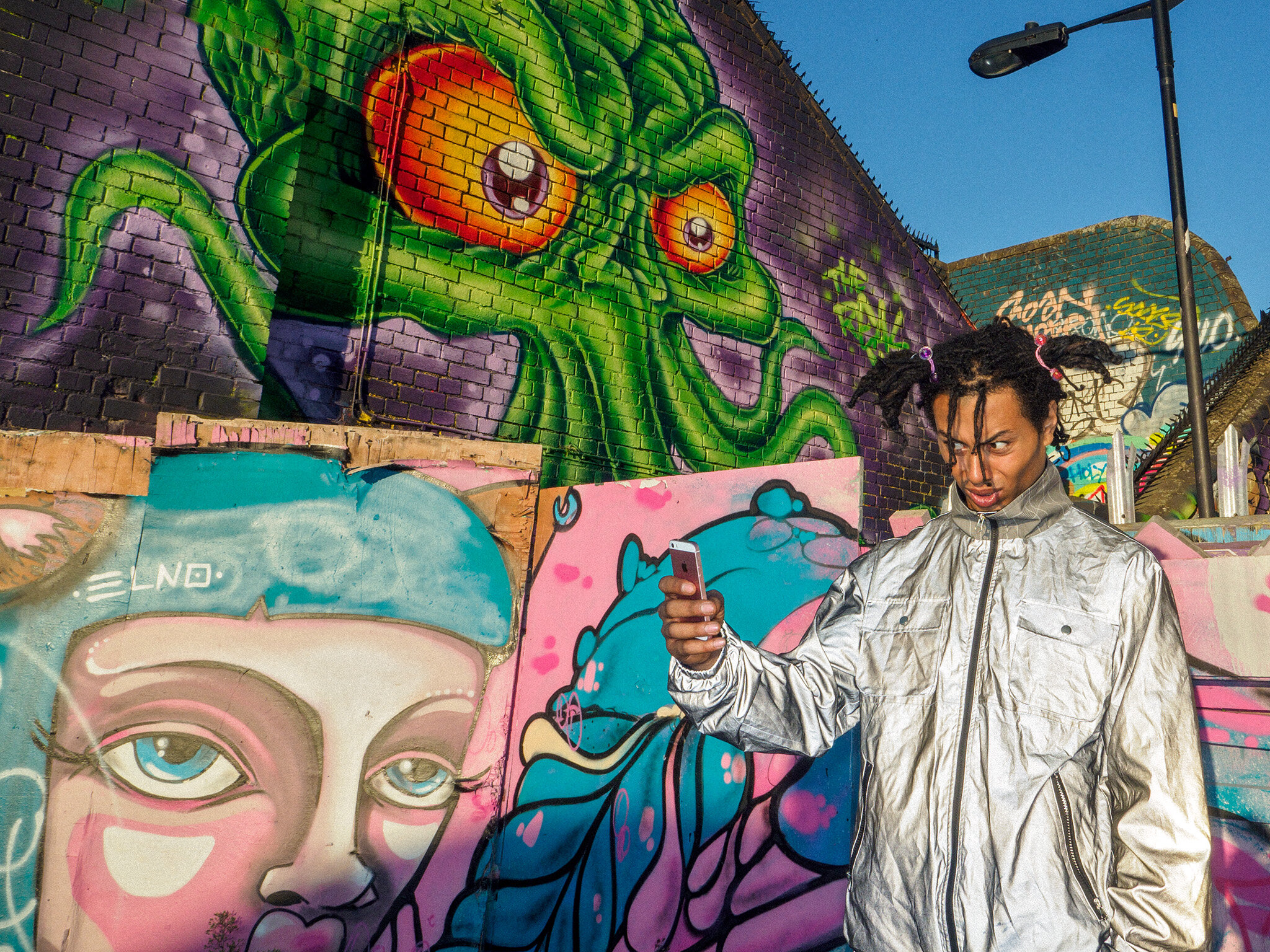
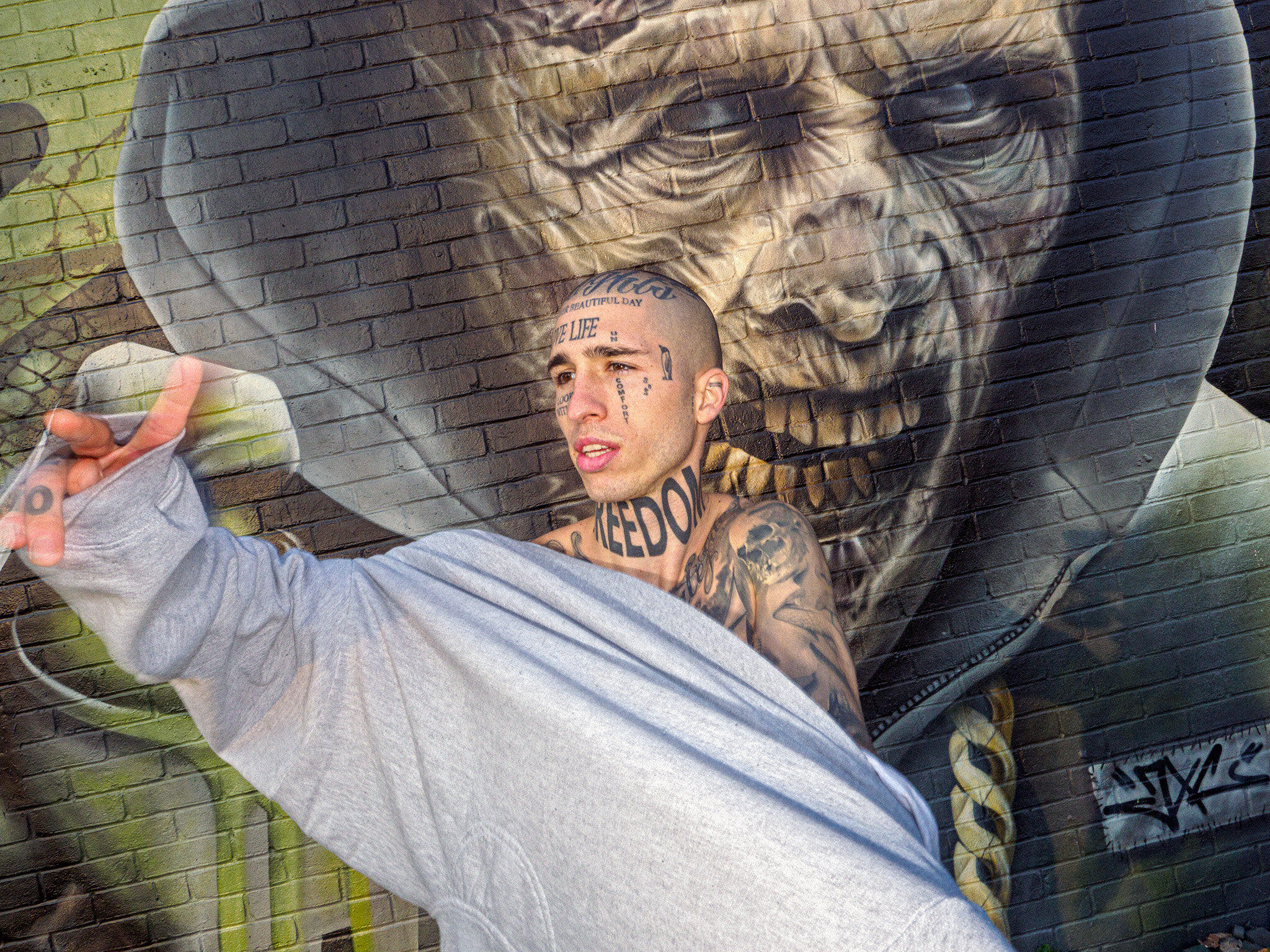
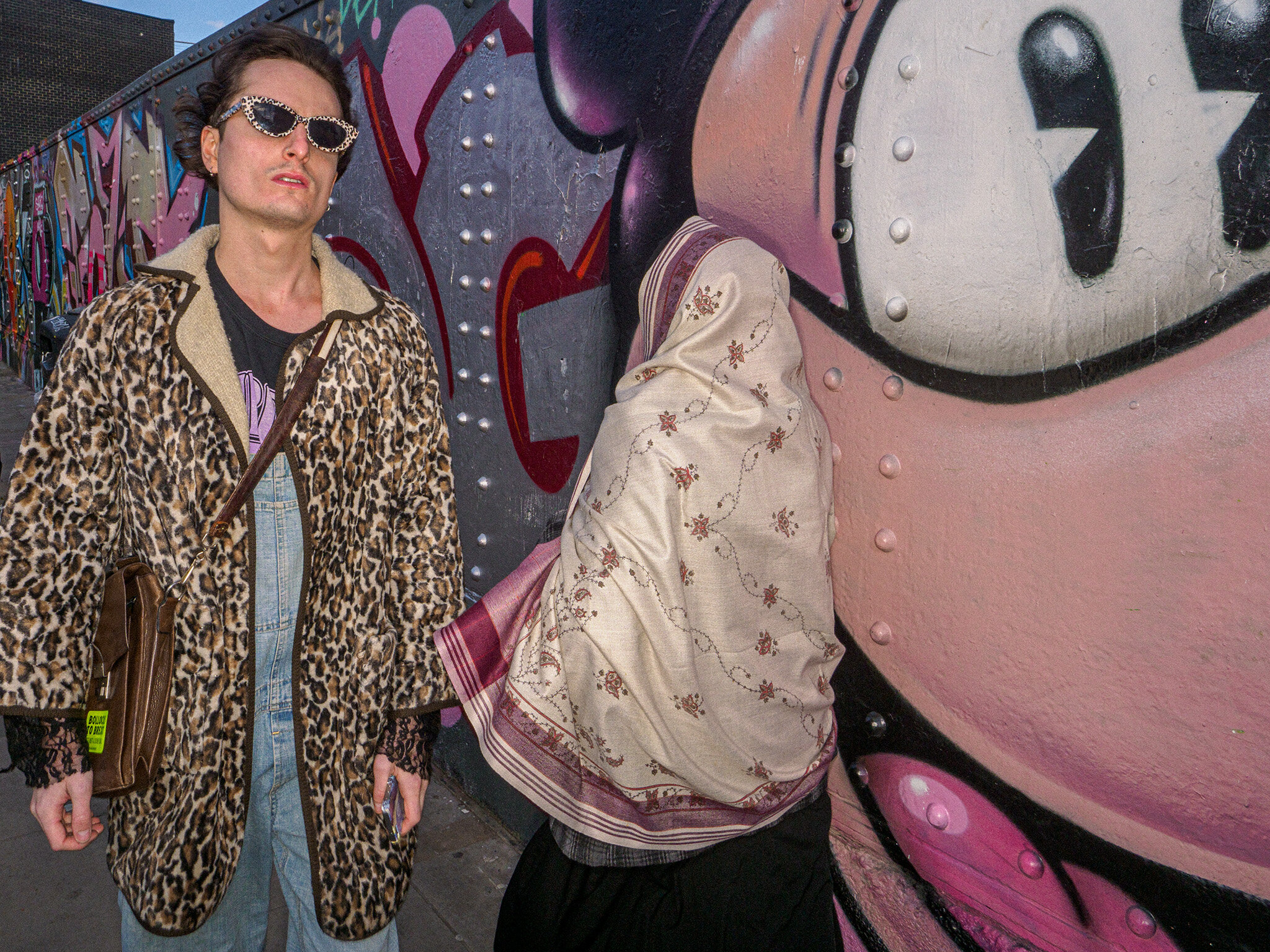
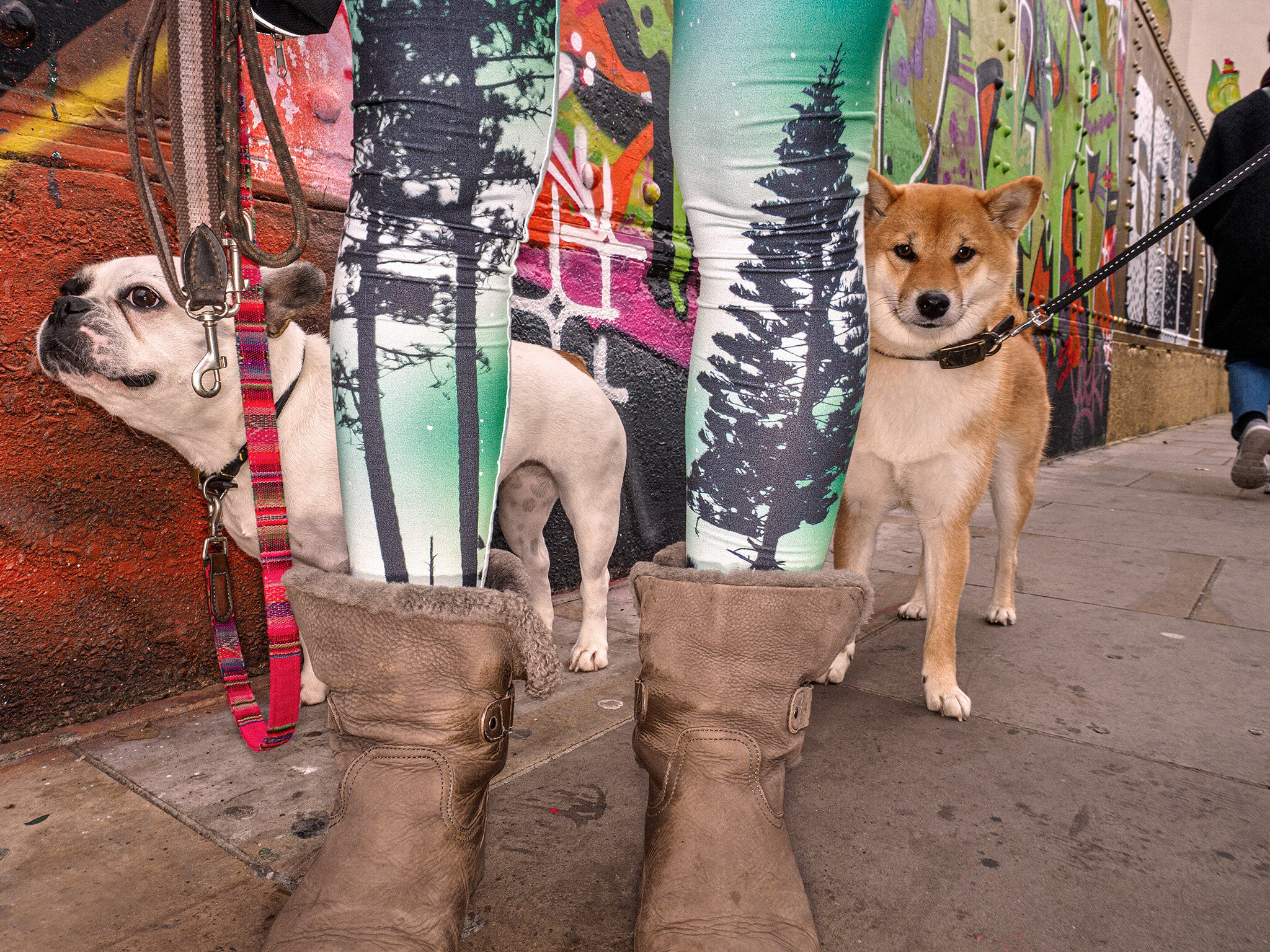
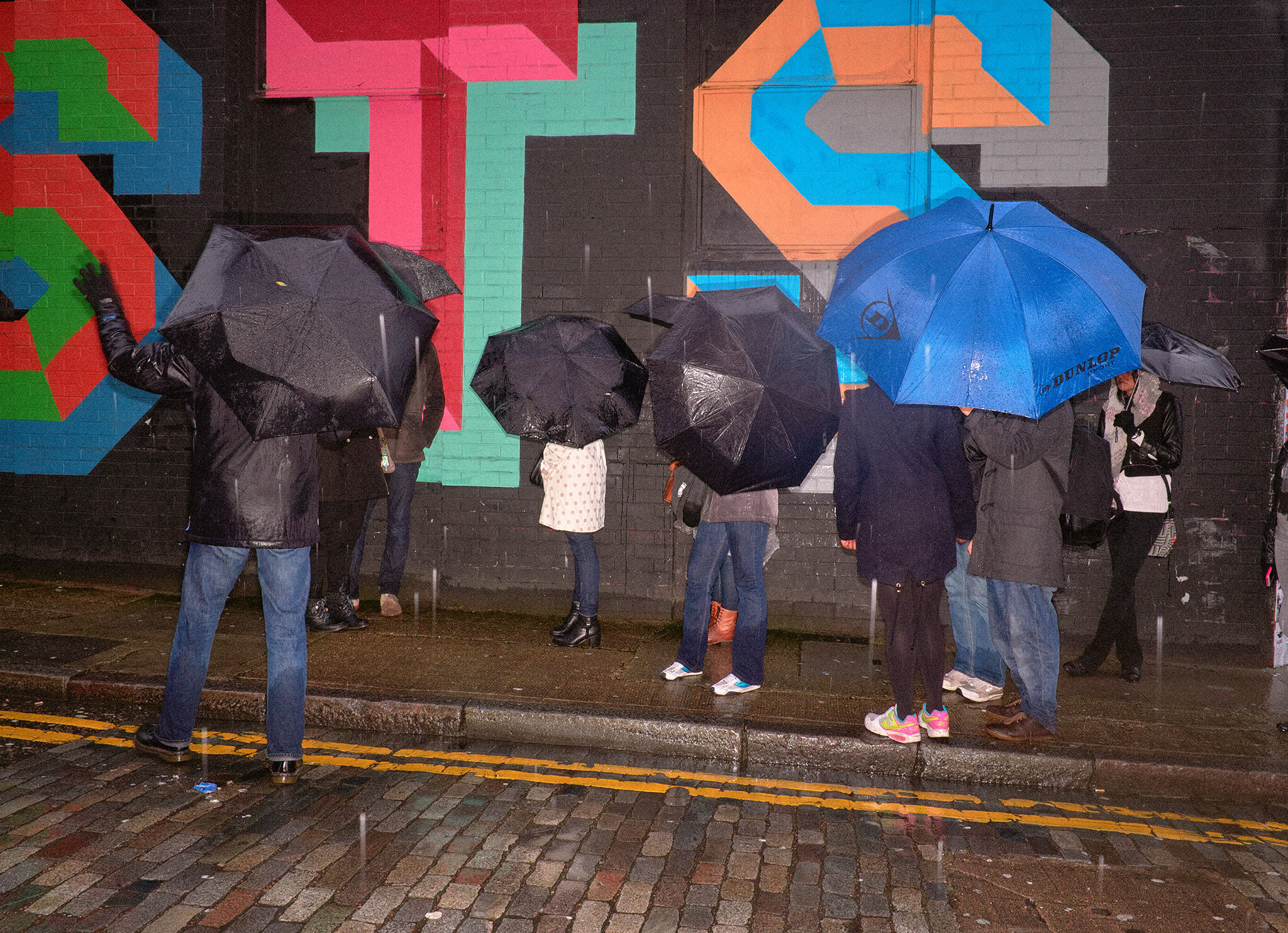
But as property prices rise, the cost of living pushes out the artists who created the work and the local residents who can no longer afford to remain. Nowhere is this more evident than Shoreditch, where these images were made across Brick Lane, Redchurch Street and Sclater Street, an open-air case study in urban art that attracts considerable tourism.
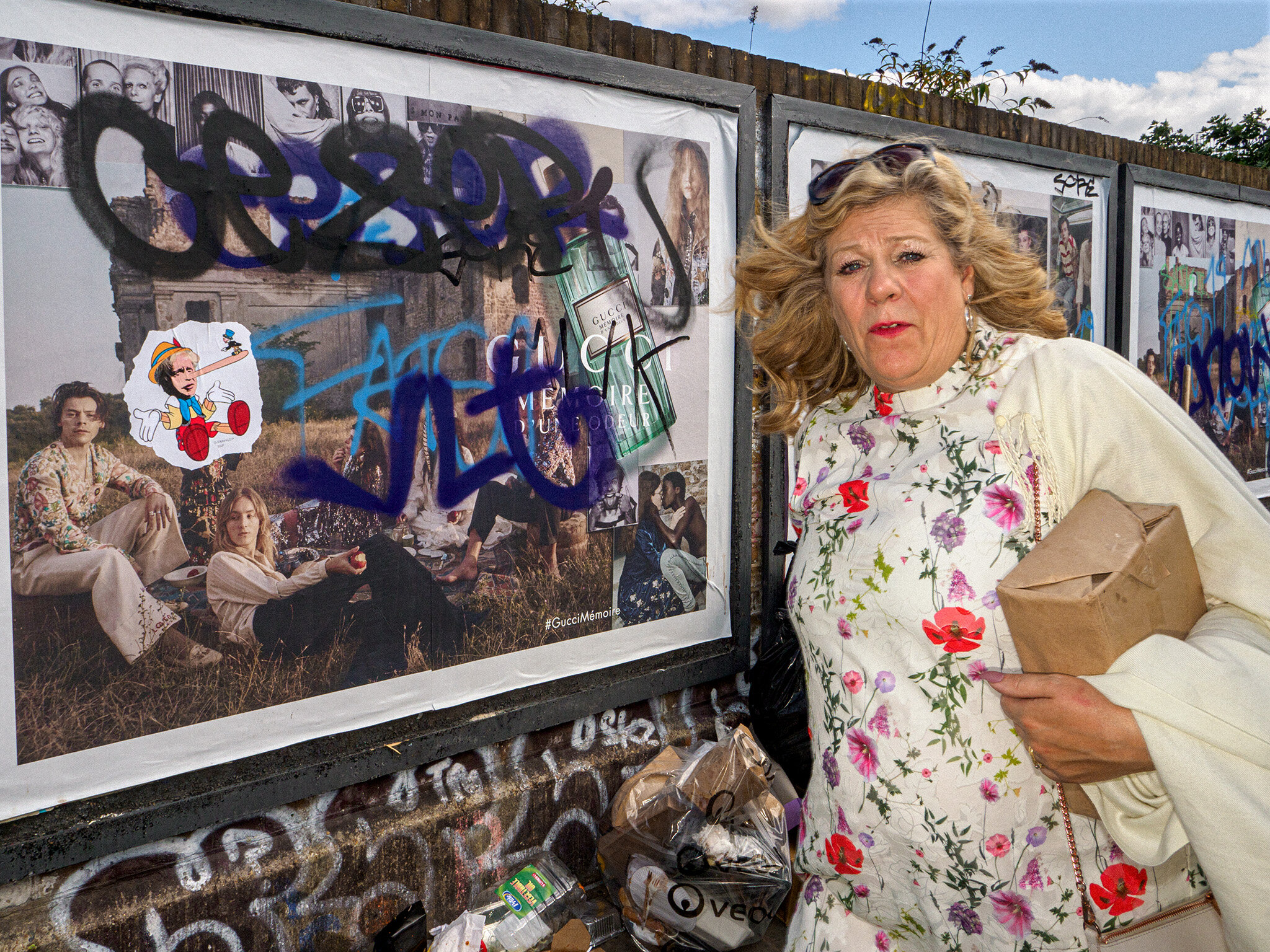
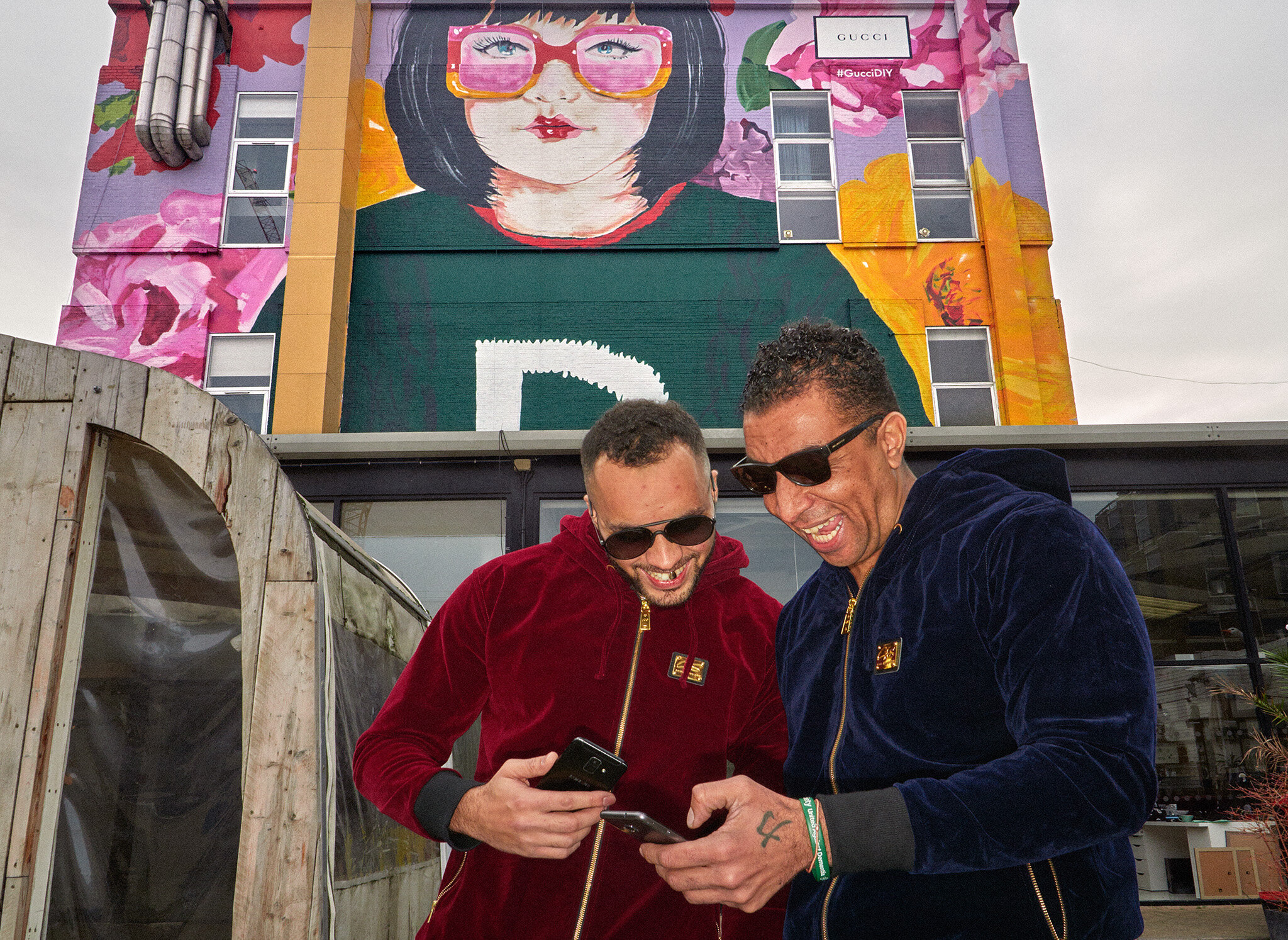
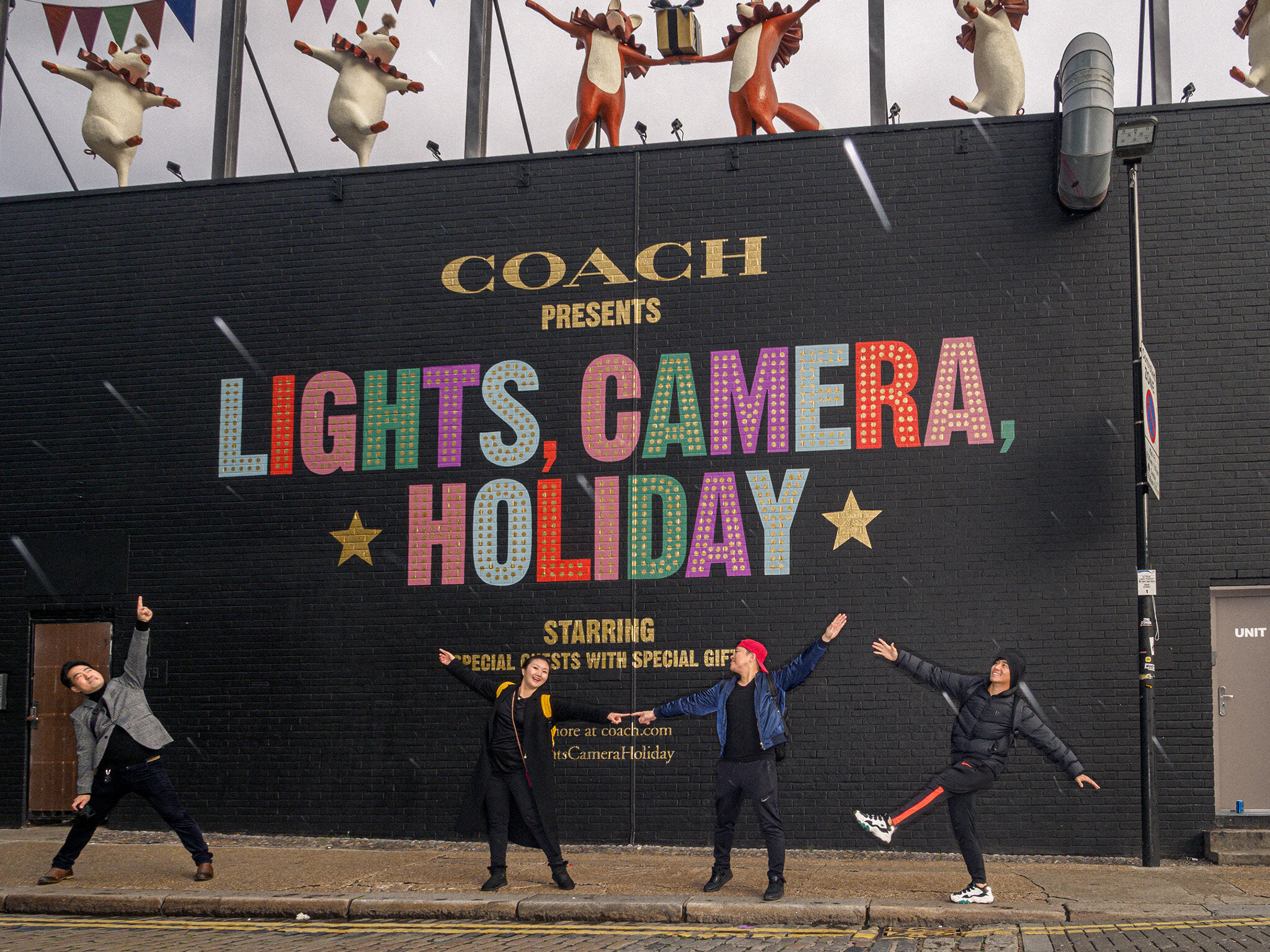
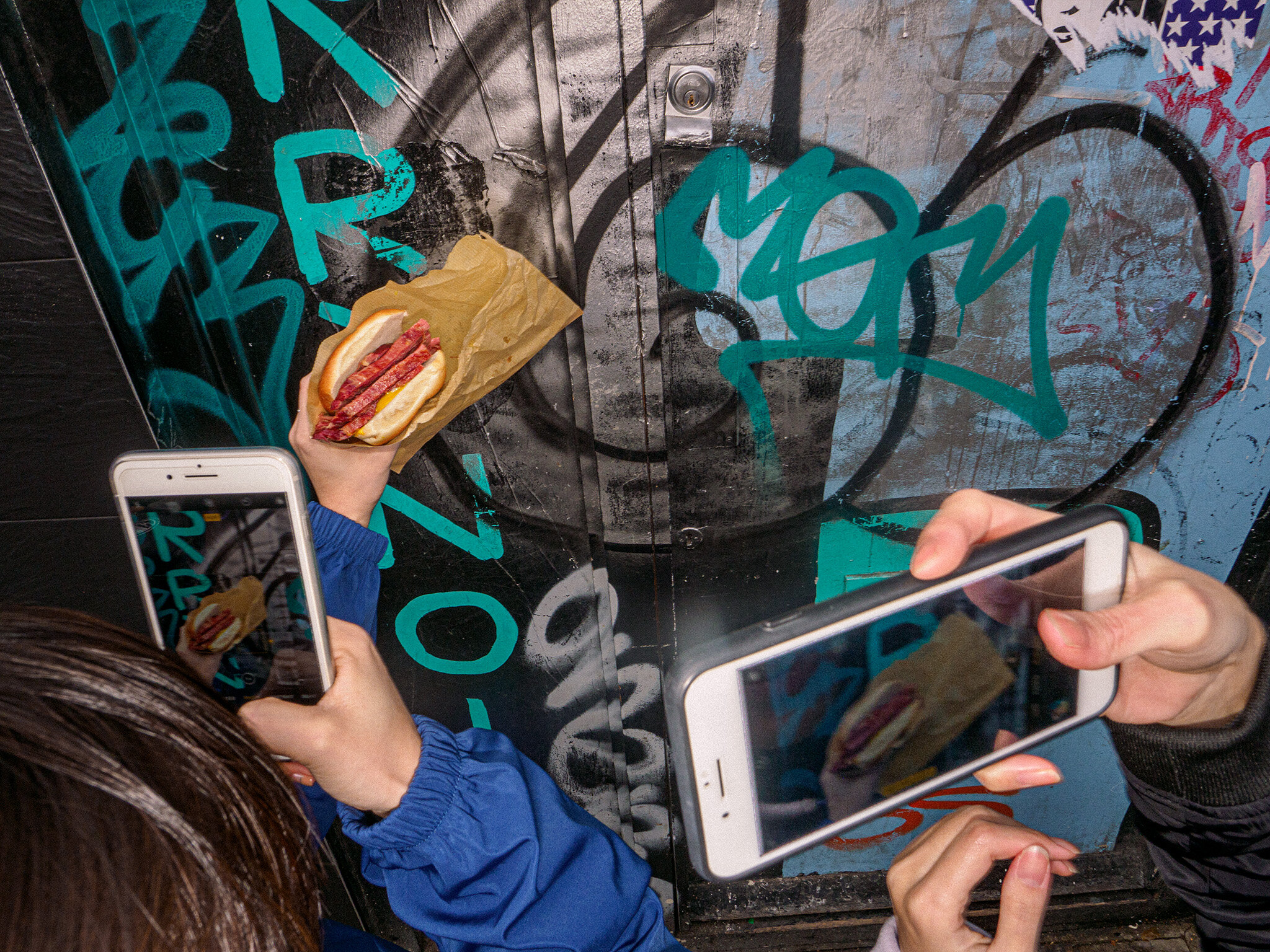
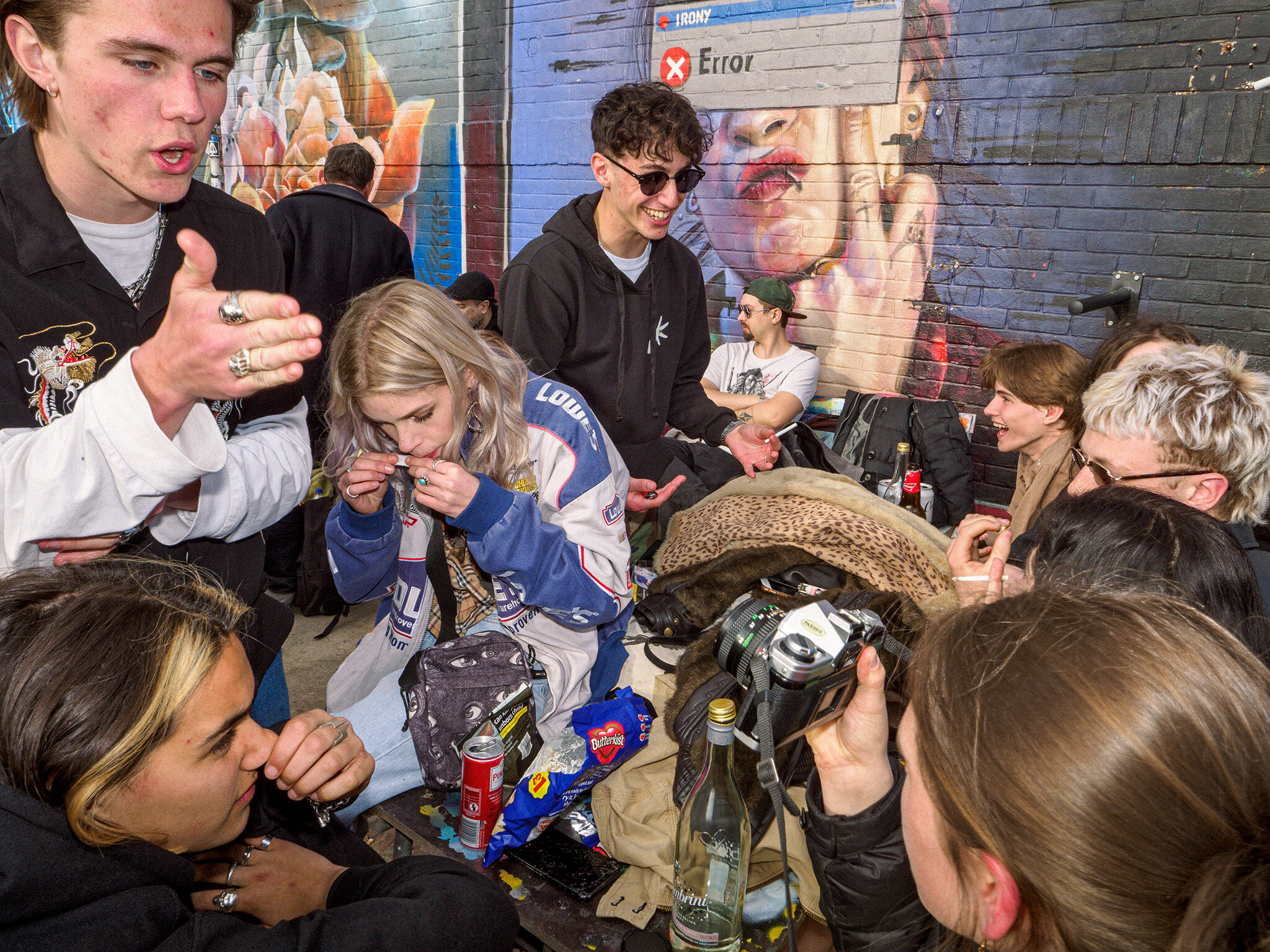
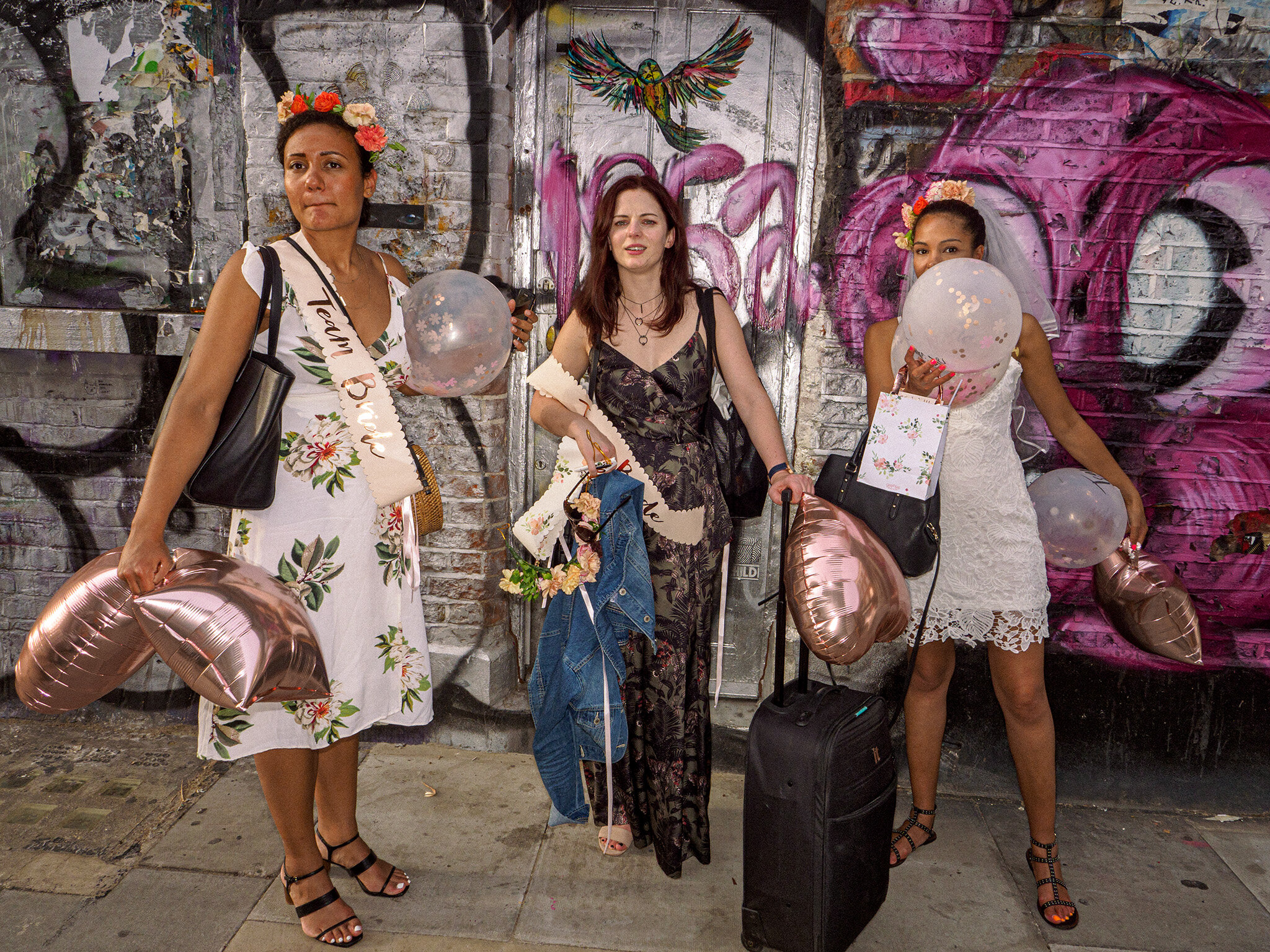
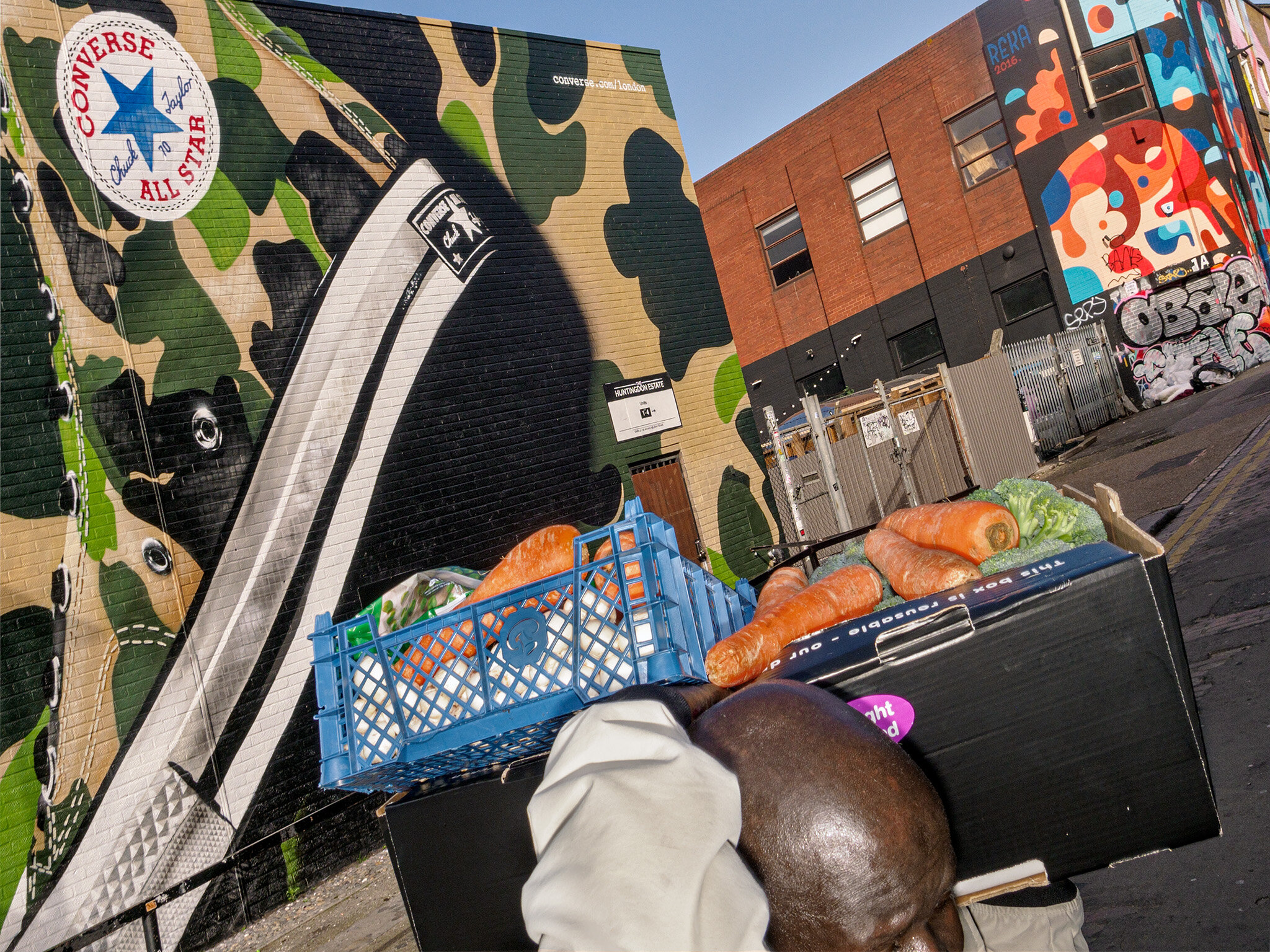
Once dismissed as spray-painted vandalism, graffiti now appears in galleries and museums worldwide. Artists who were once hooded, hidden and nocturnal now work in broad daylight from cherry-picker platforms. Commissioned by global brands such as Adidas and Gucci, they offer creative interventions into the urban landscape: images of coolness and affluence, murals destined to become Instagrammable propaganda.
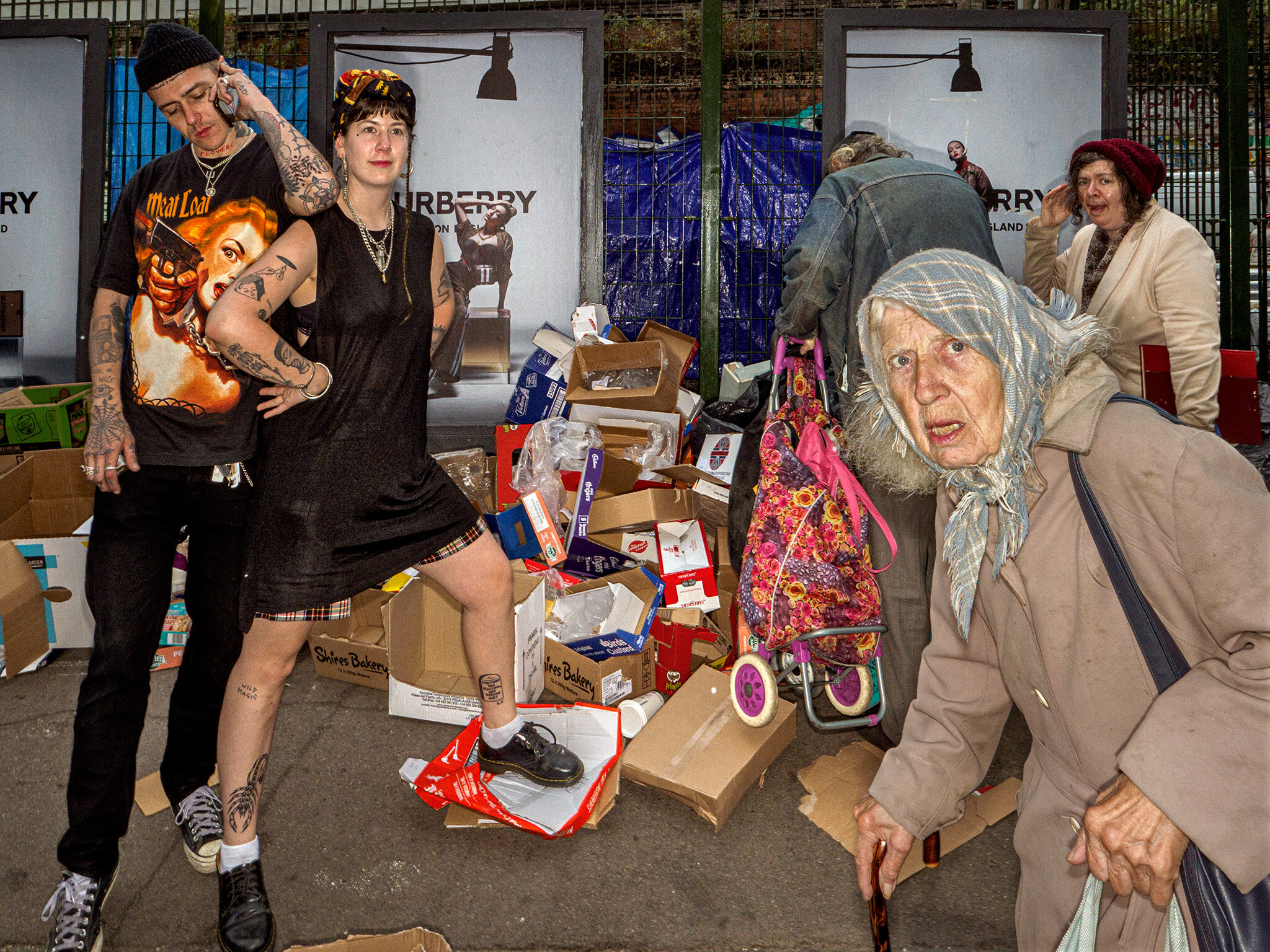
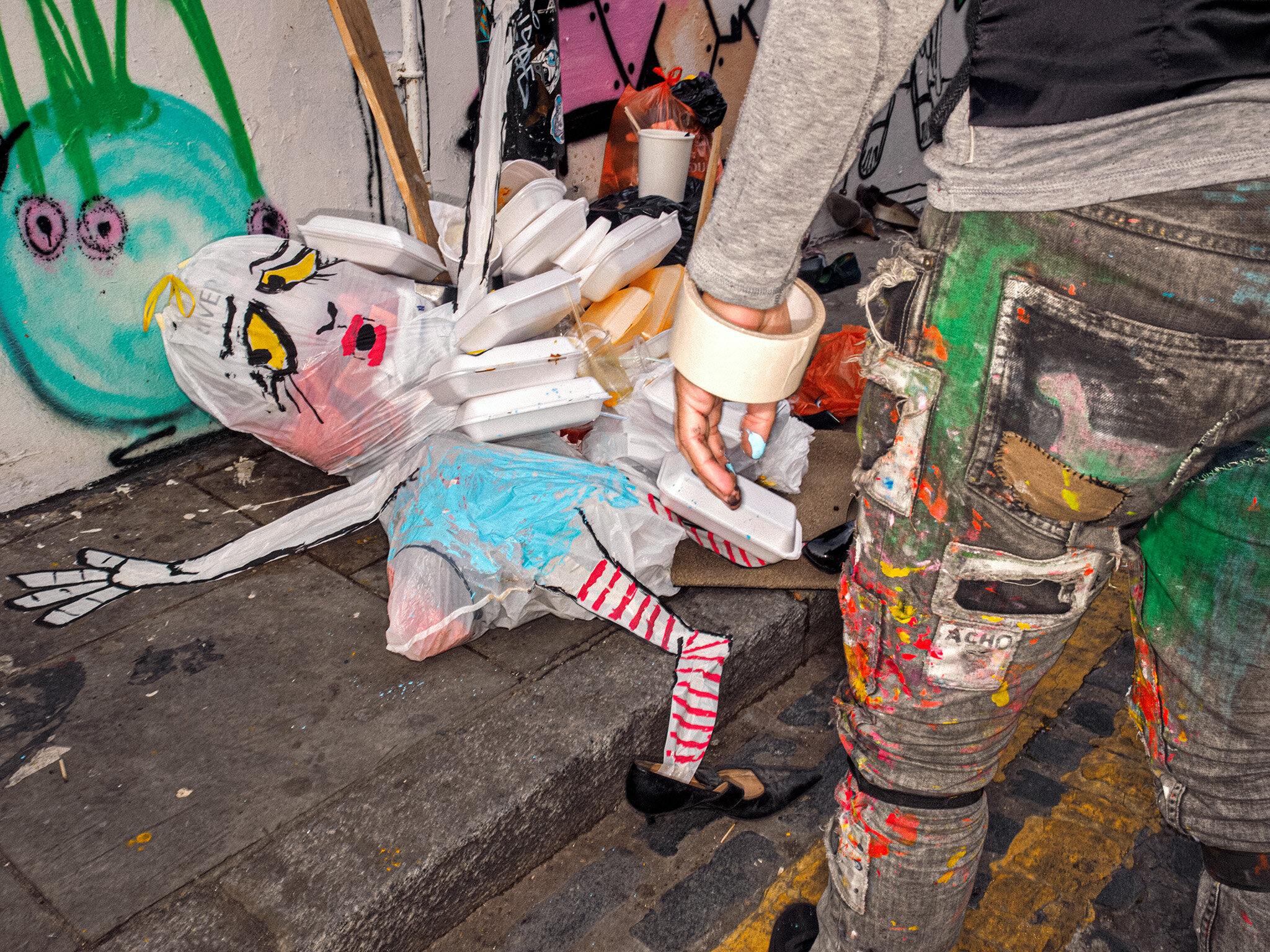
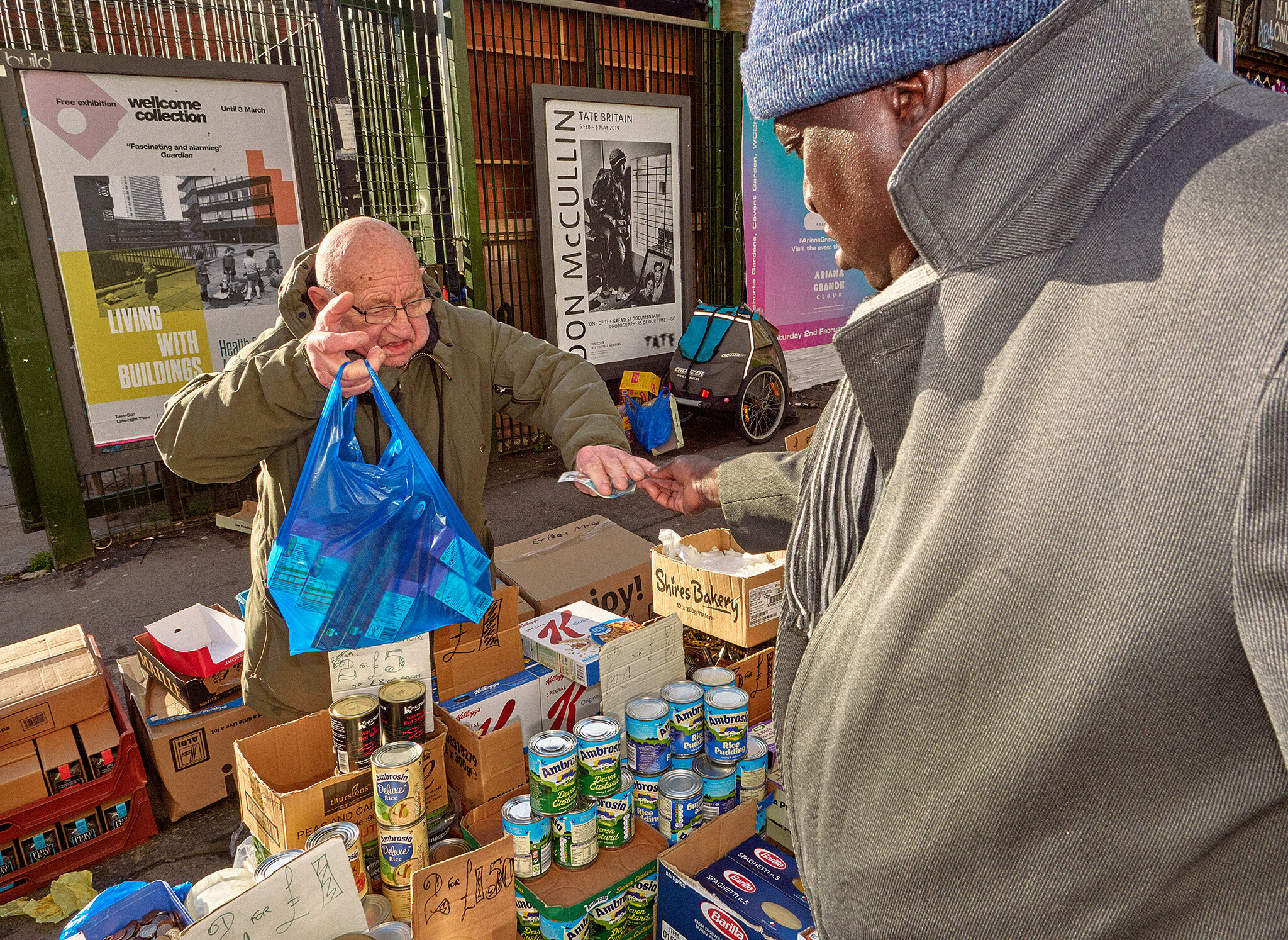
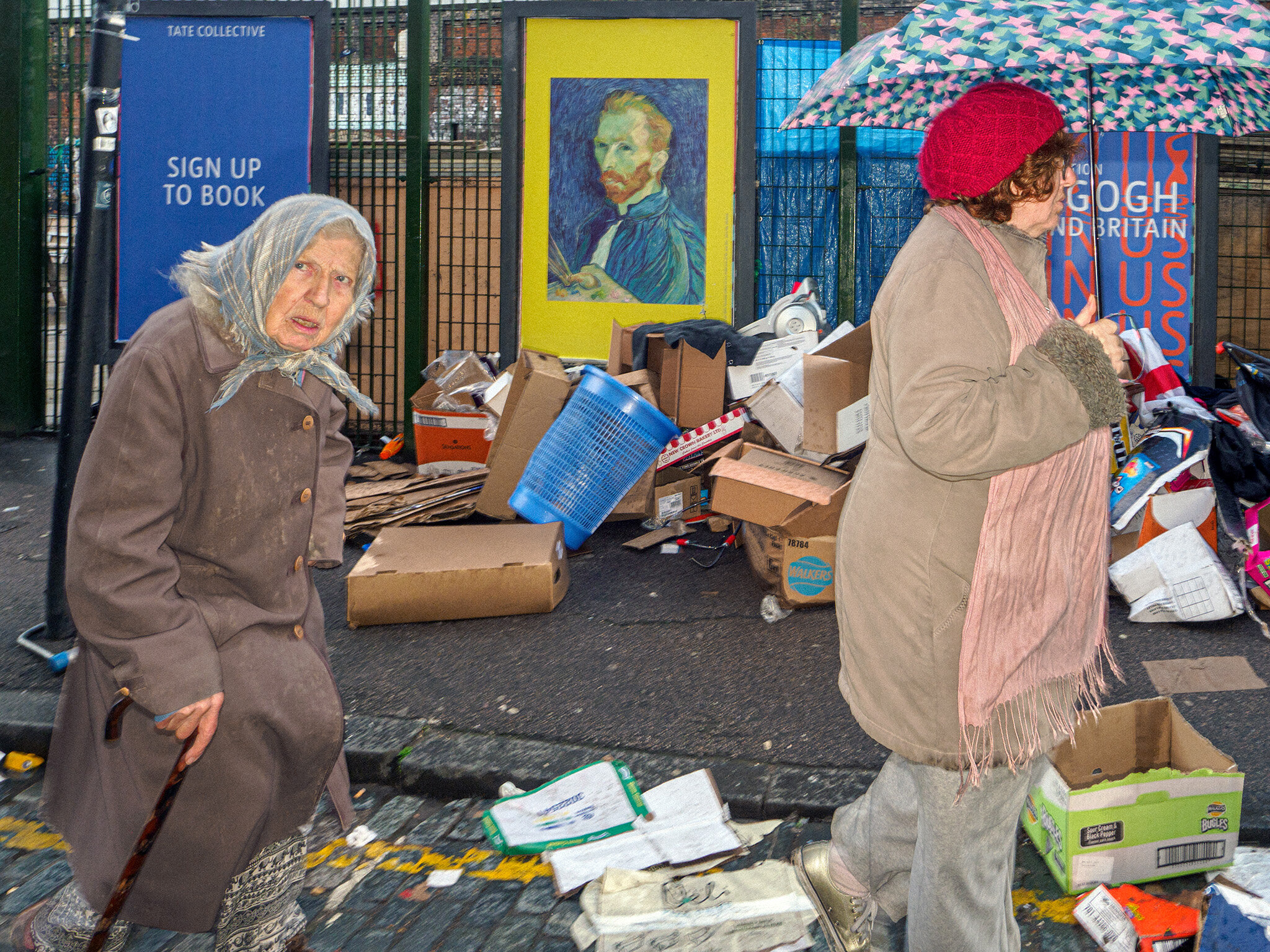
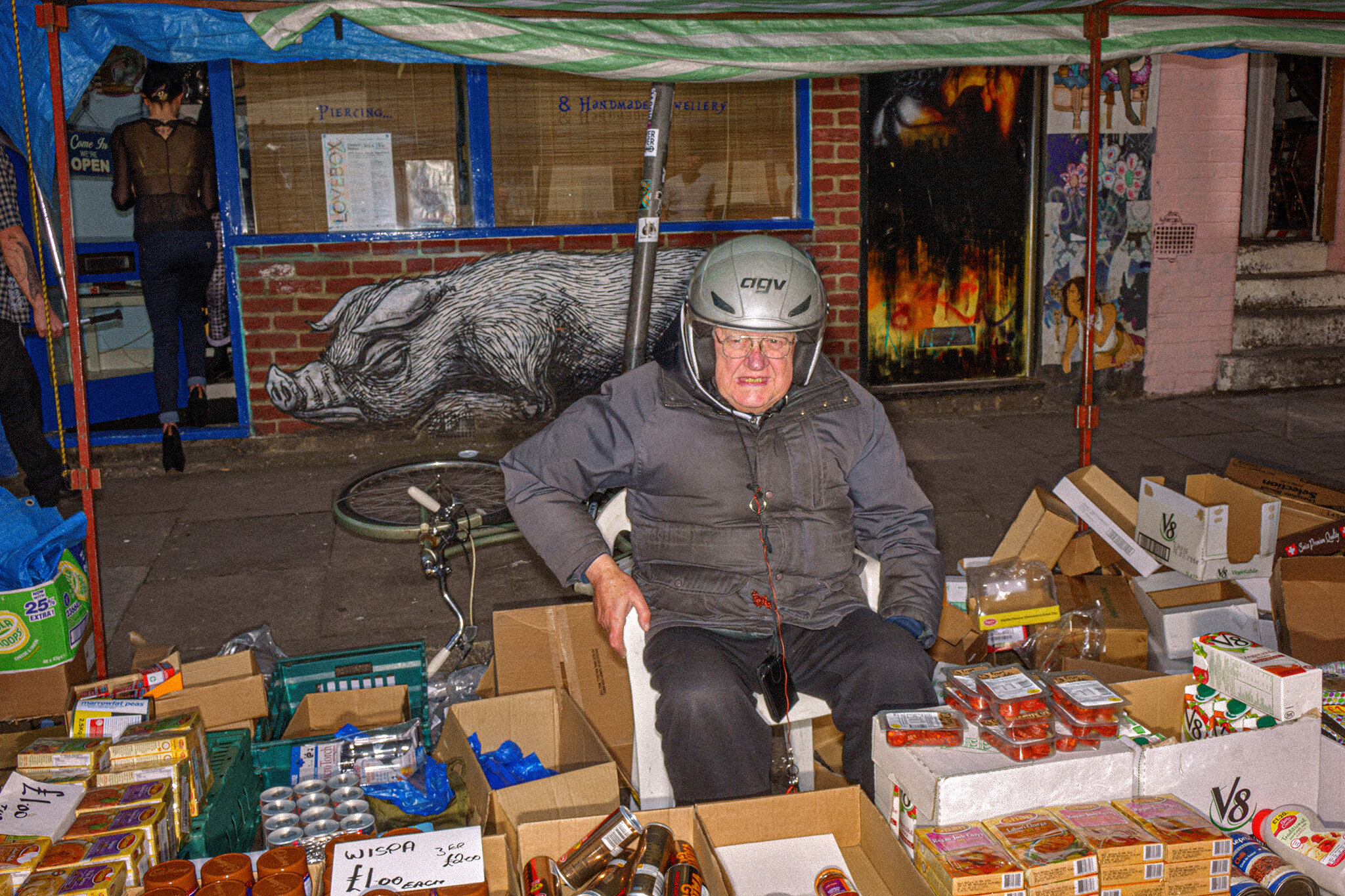
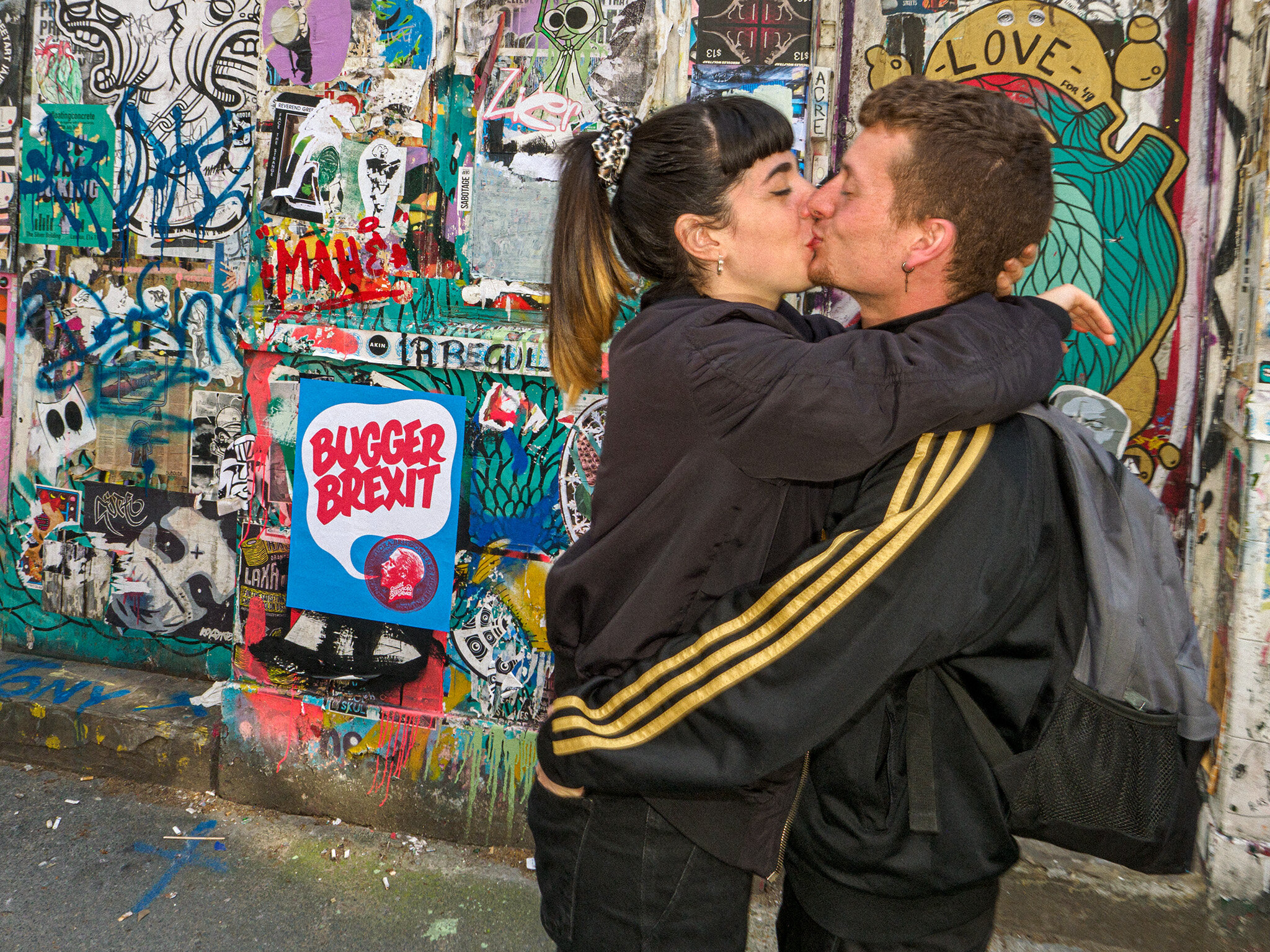
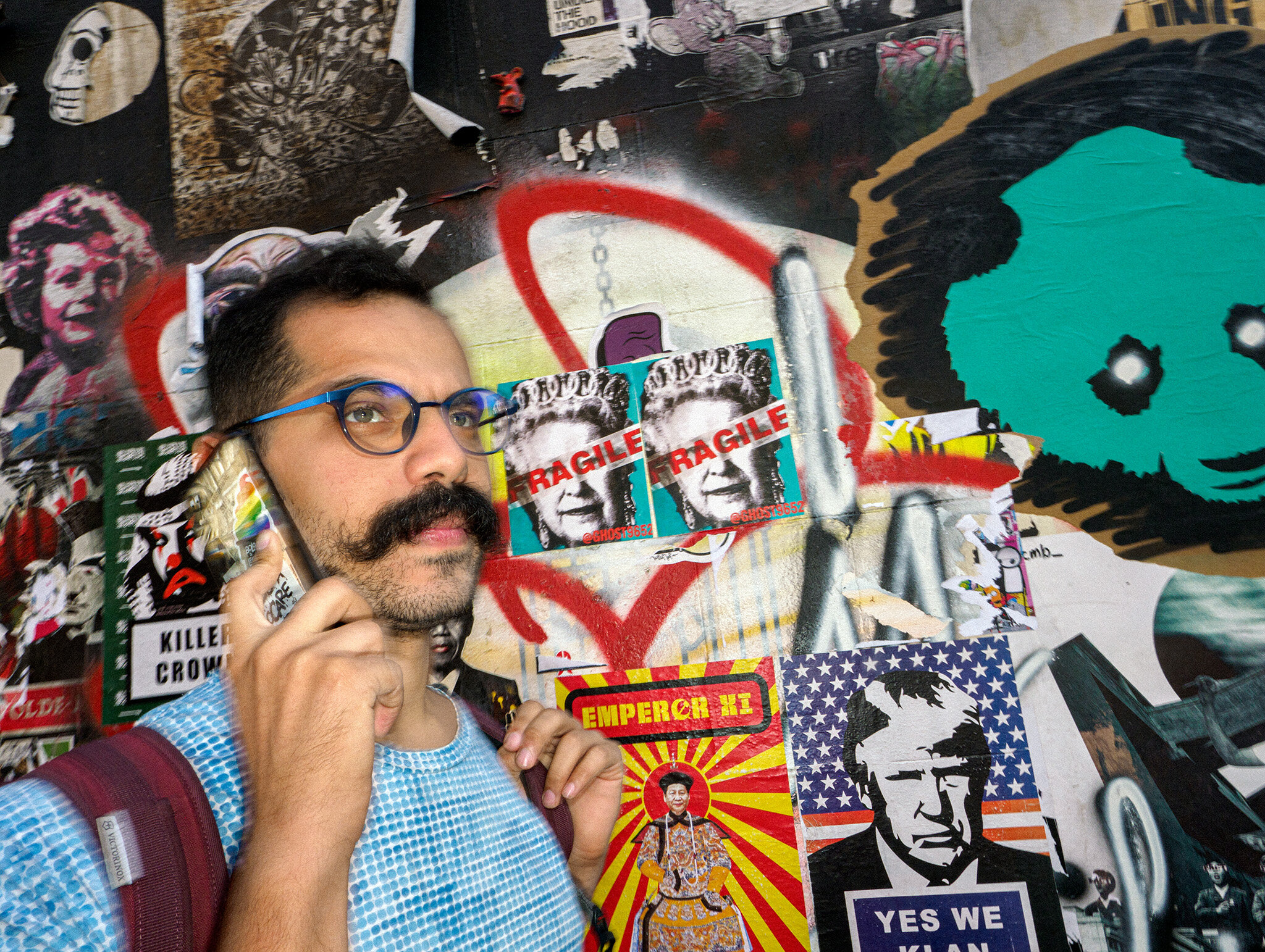
Alongside every code of cool fashion and attitude are scenes of poverty and people trading on the streets in anything but the cool. Gentrification has brought a numbing sameness, yet look carefully and you’ll spot the cheeky protest posters, from political critique to climate rebellion, deliberately plastered over and defacing the advertisements, as if the voice of the streets is reclaiming its walls.
While this may sound like the familiar cycle of property decline and rebirth, what makes this project timely is the backdrop of the UK housing crisis, which has reached a critical point. The photographs place glossy representations of affluence against human stories, giving voice to those who are often overlooked: the local residents being forced out on one hand, and the grassroots resistance emerging in response on the other.
Each detail captured by the camera can be read both as an art form and as a call to arms.