
OASIS
Tonight, I’m a rock ’n’ roll star
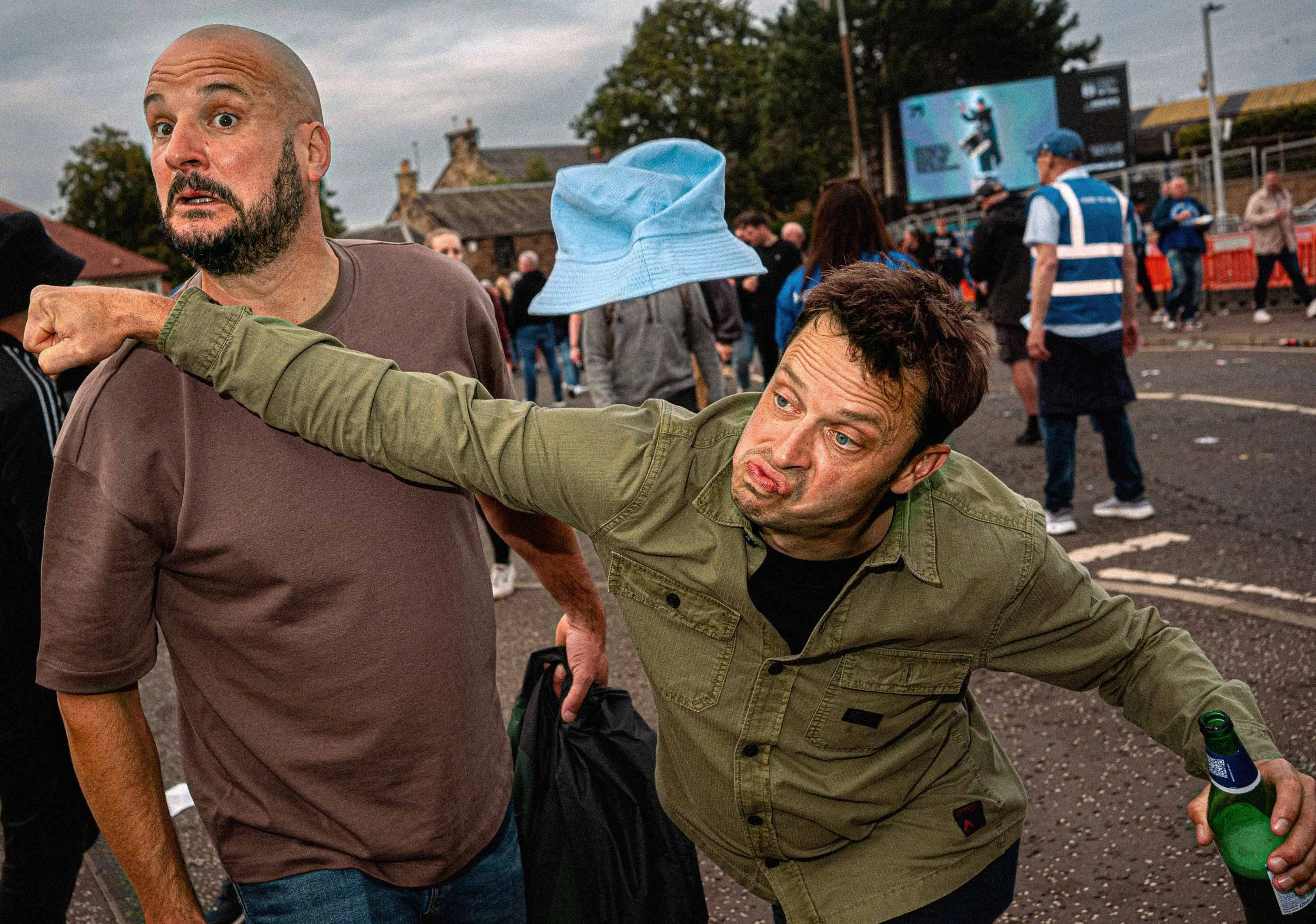
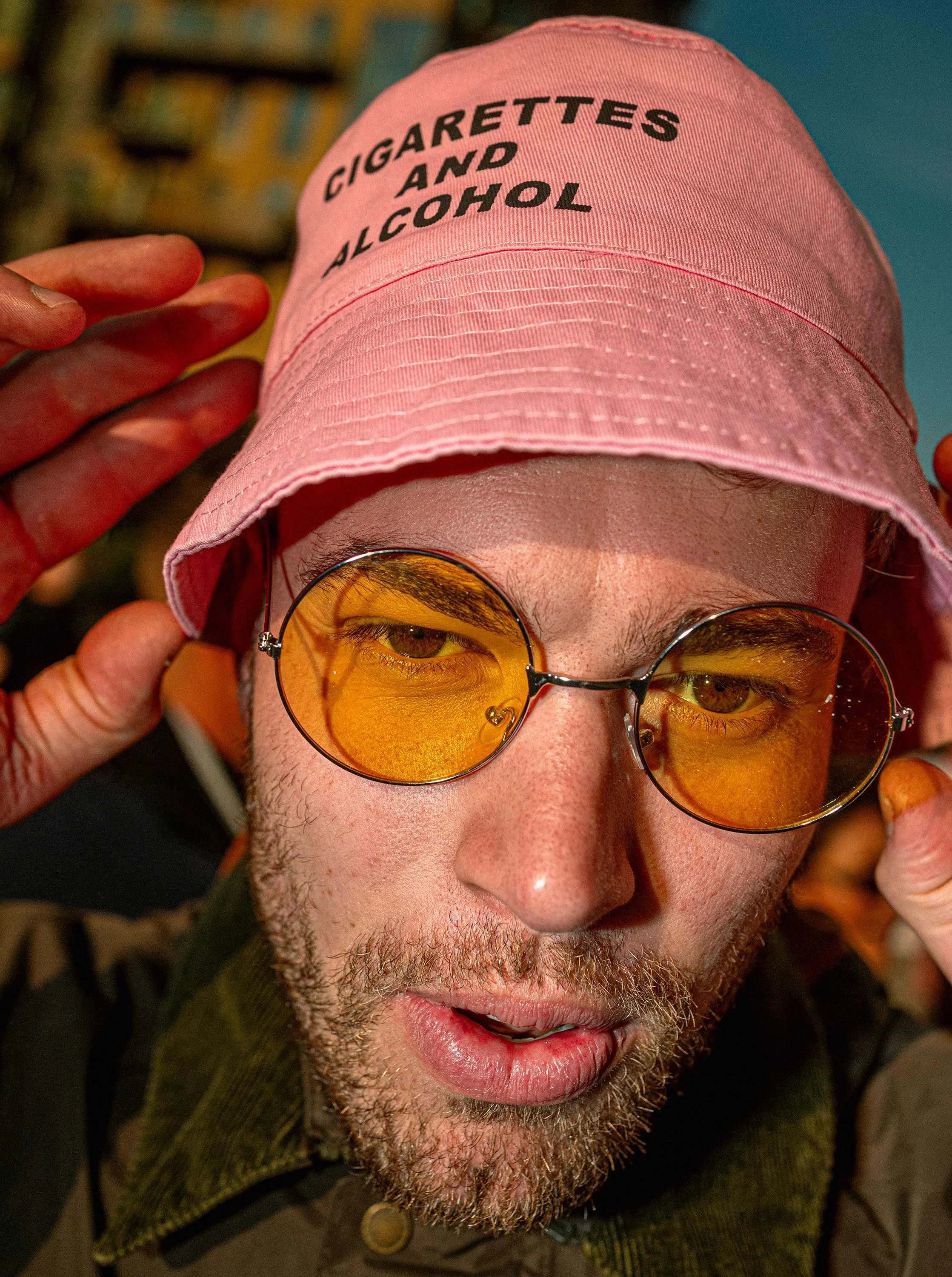
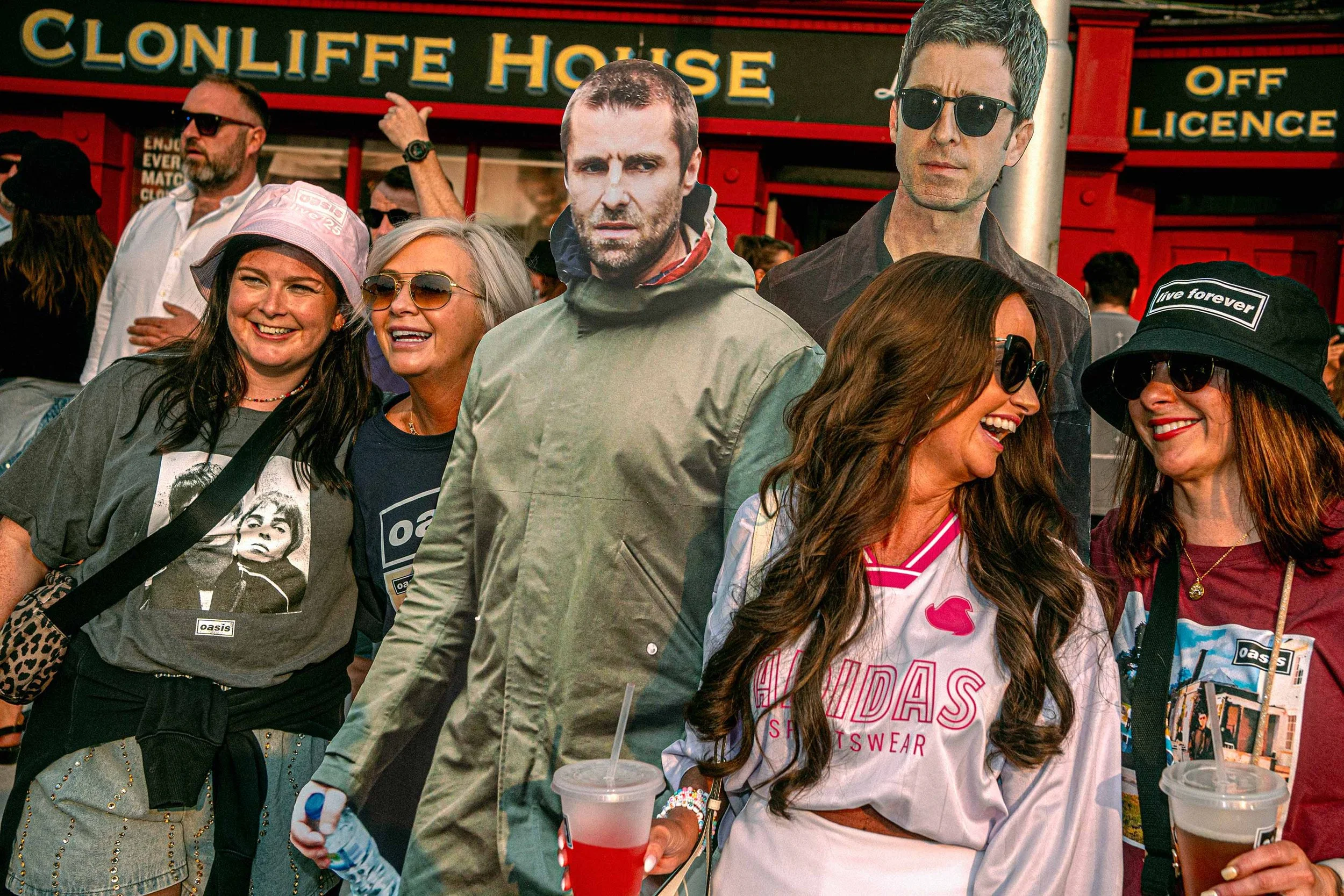
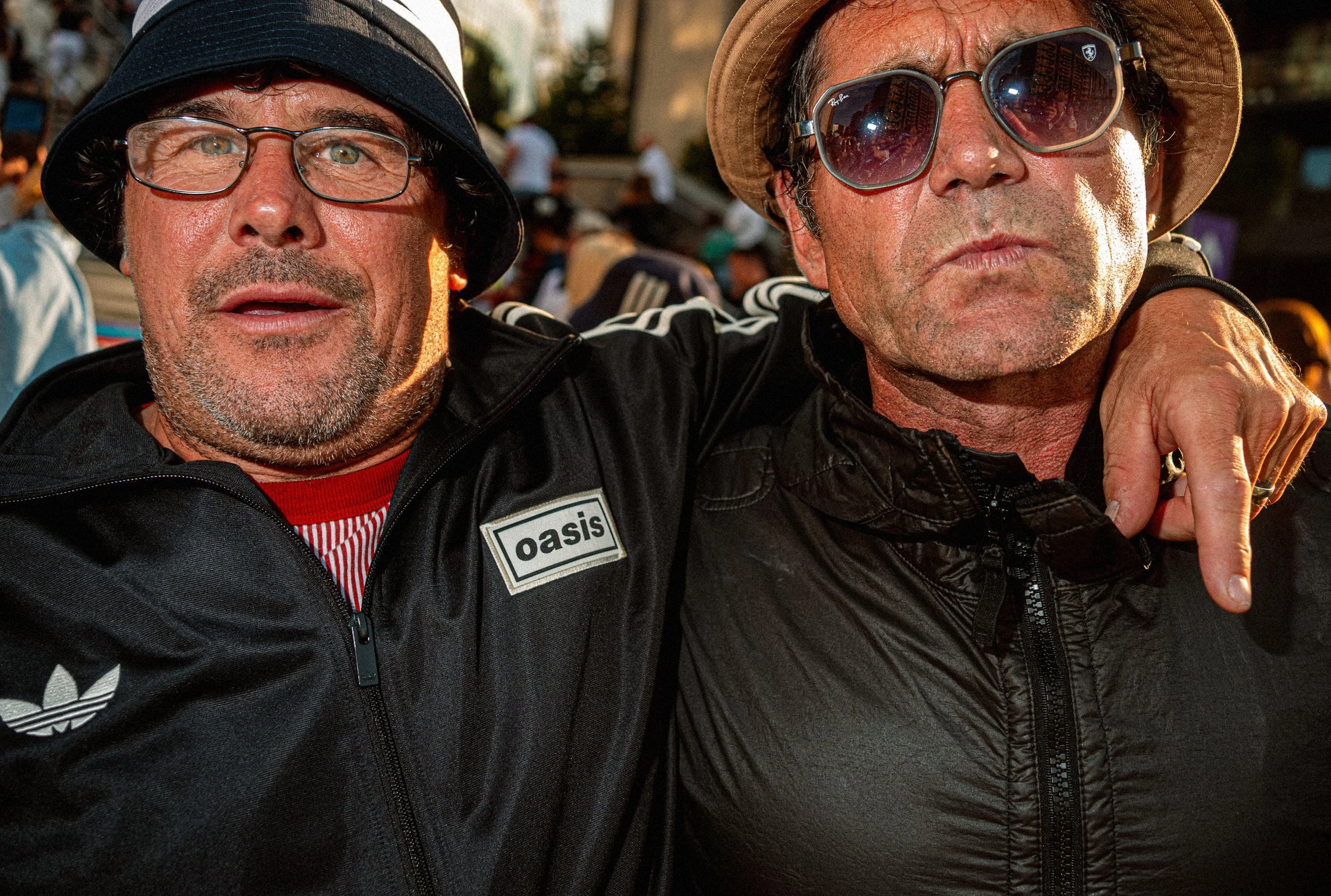
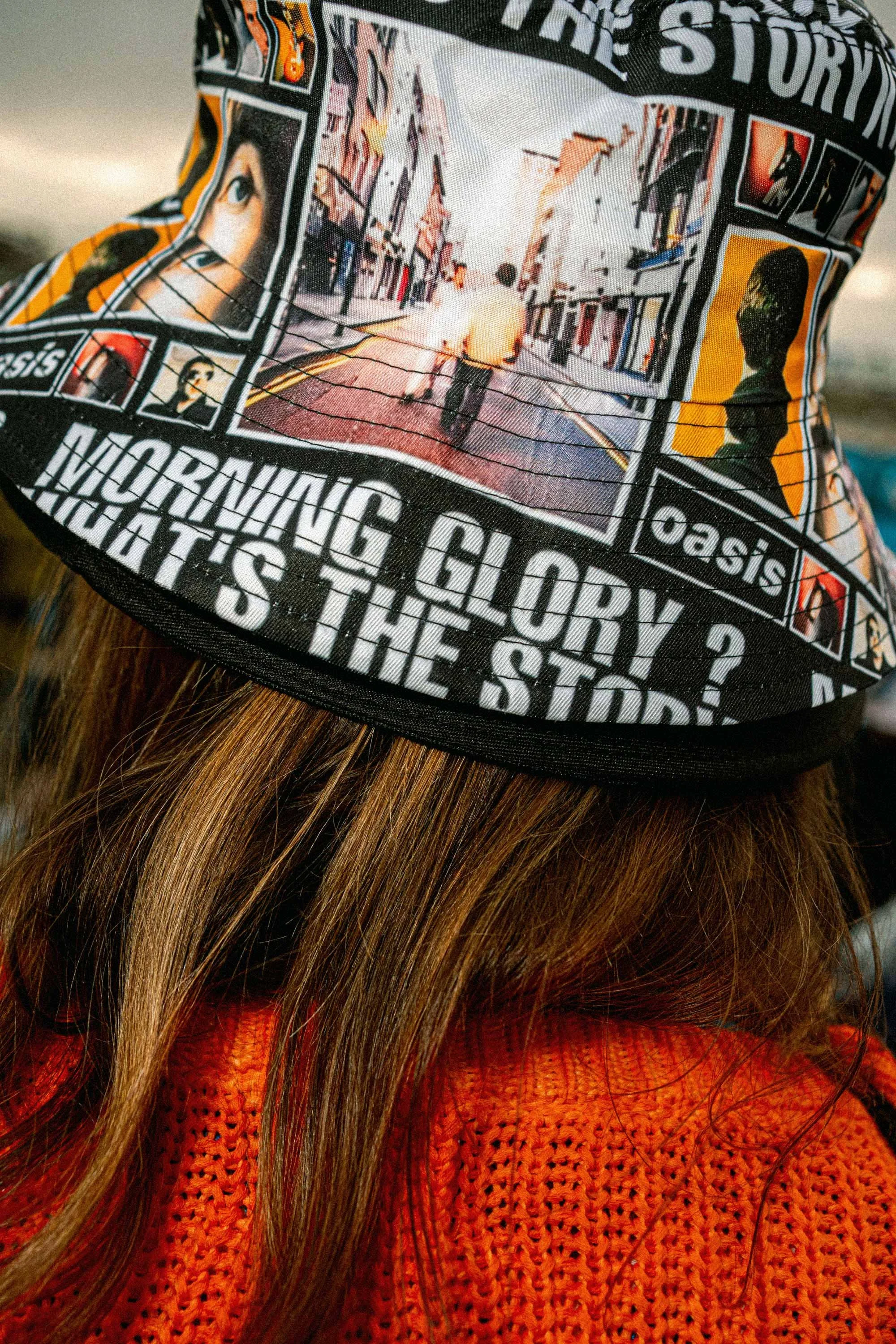
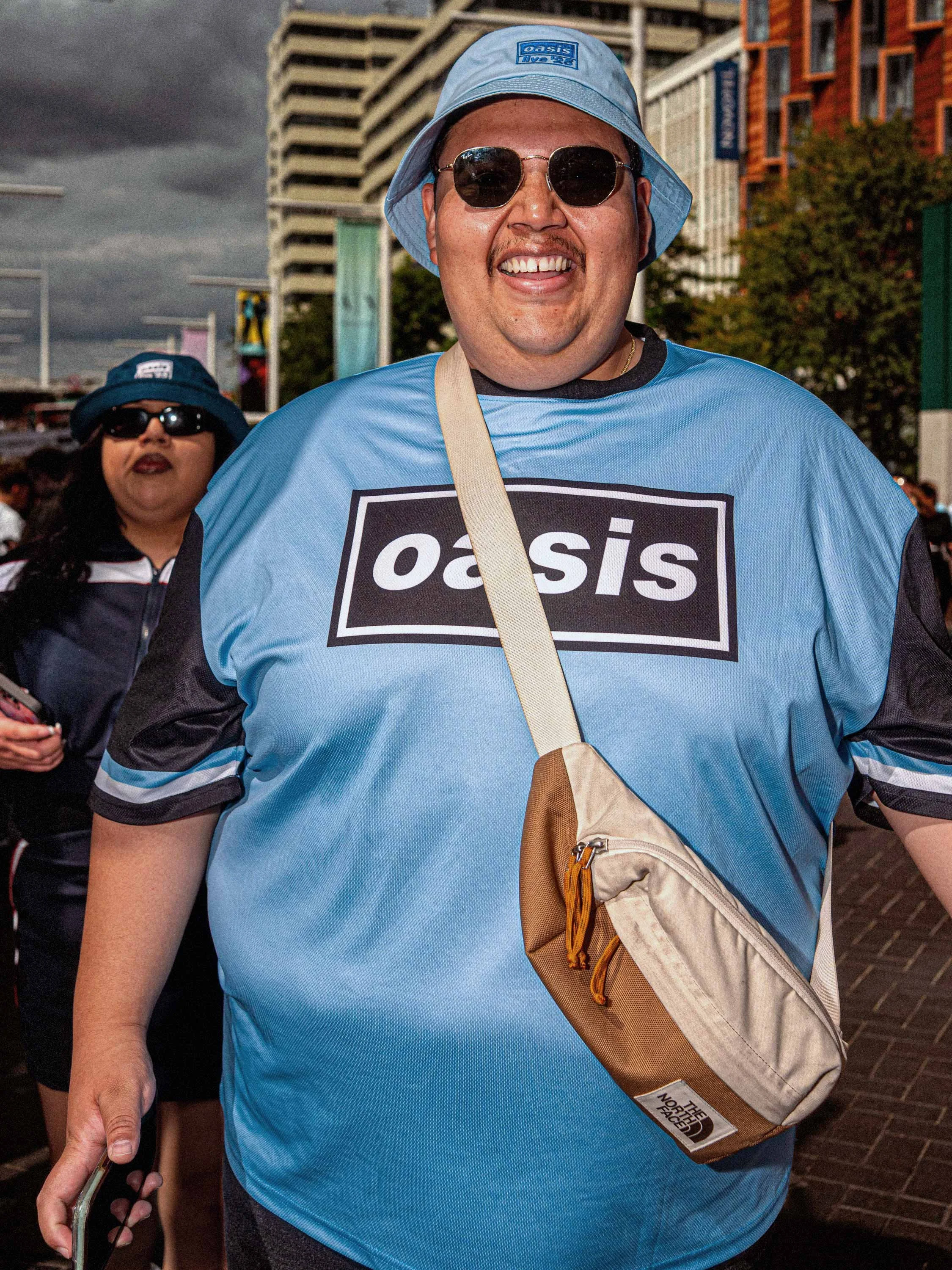
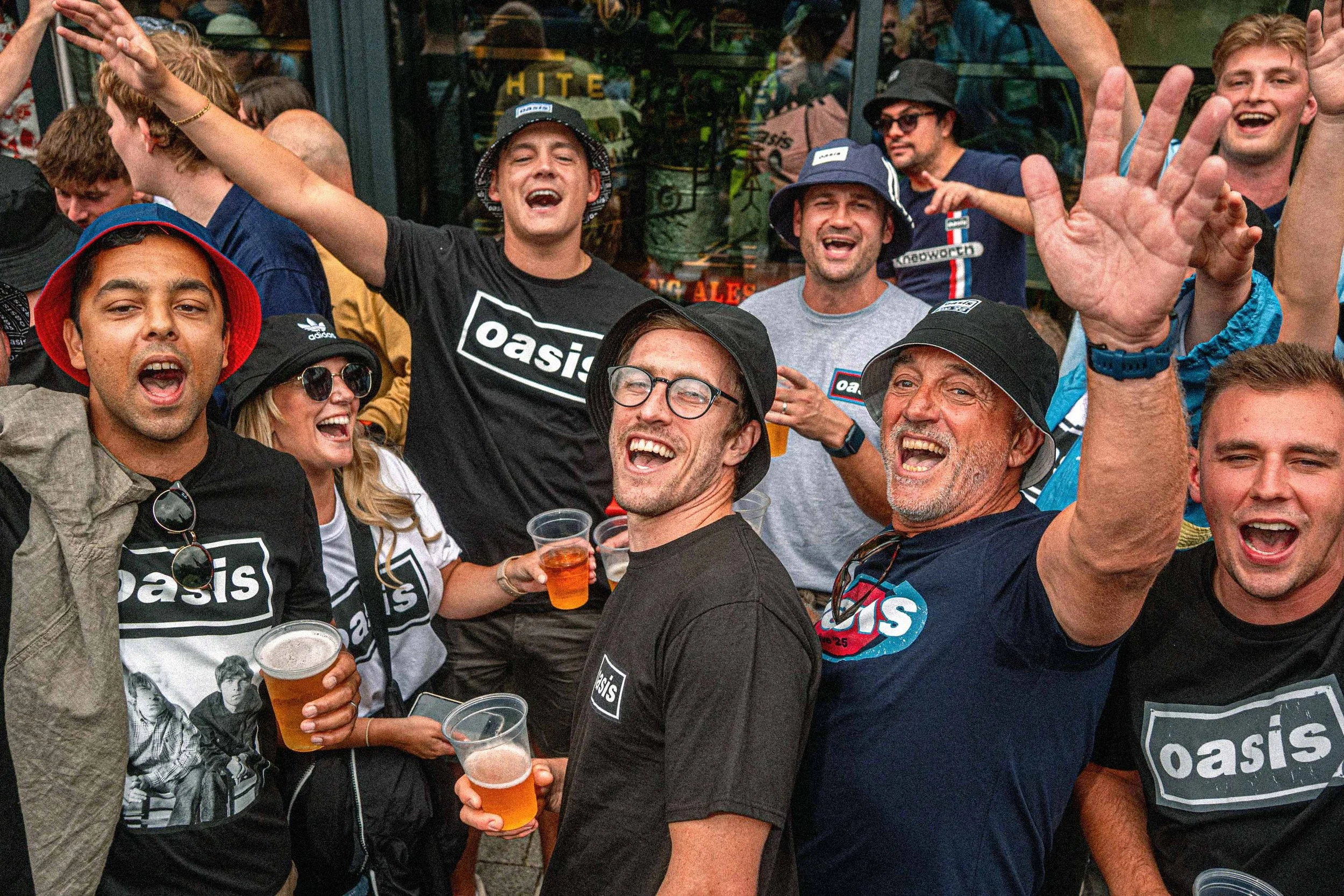
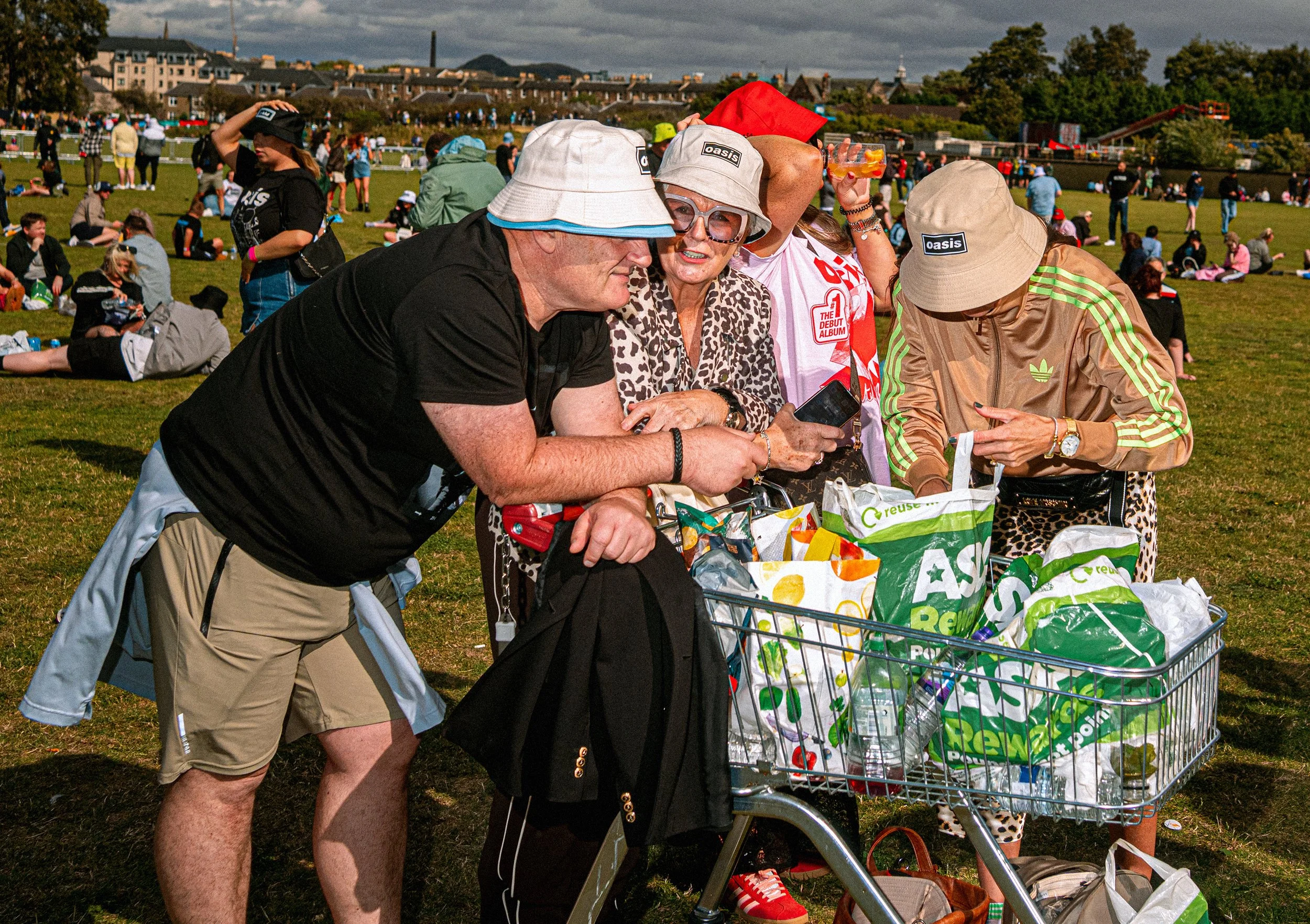
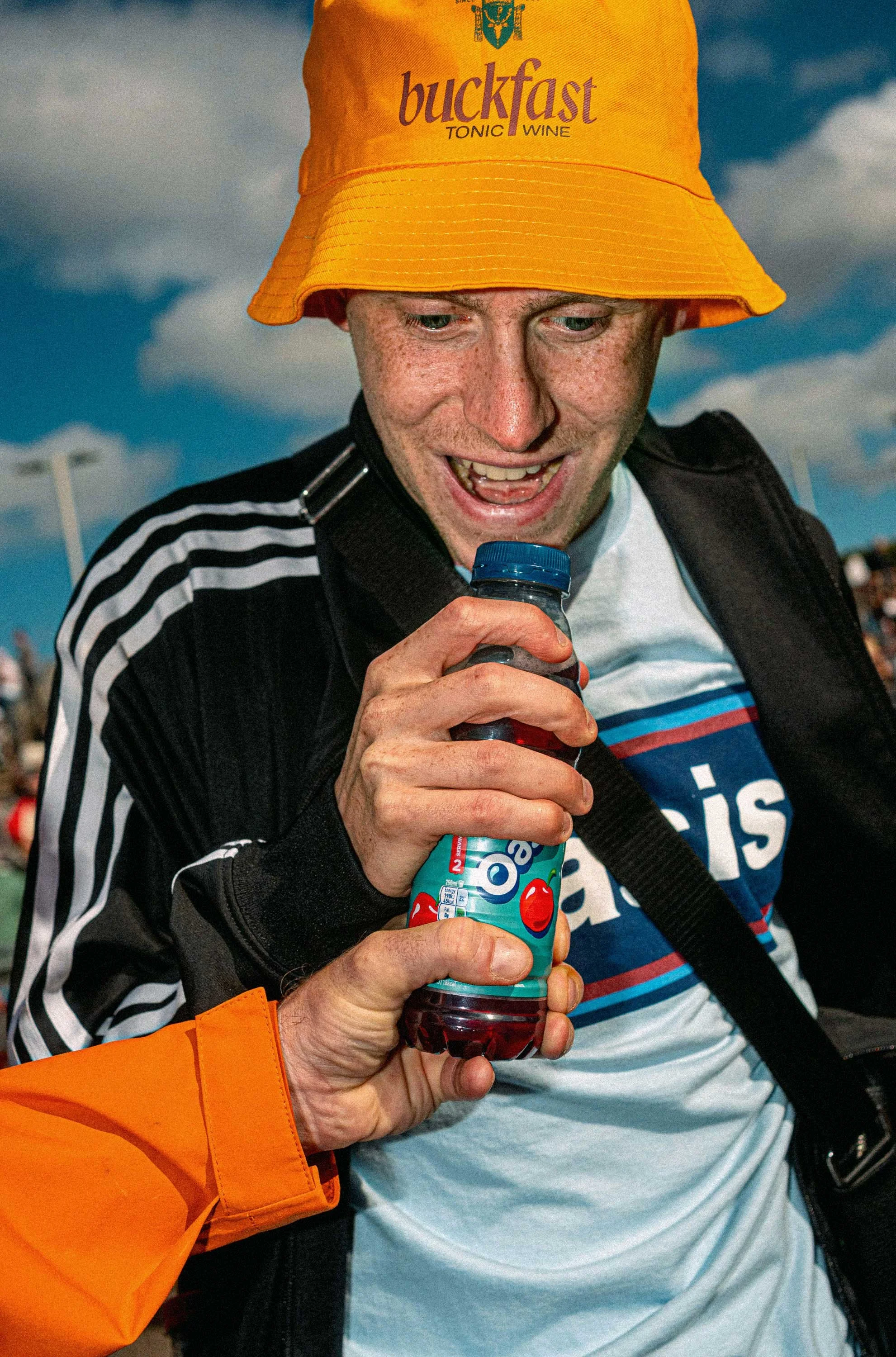
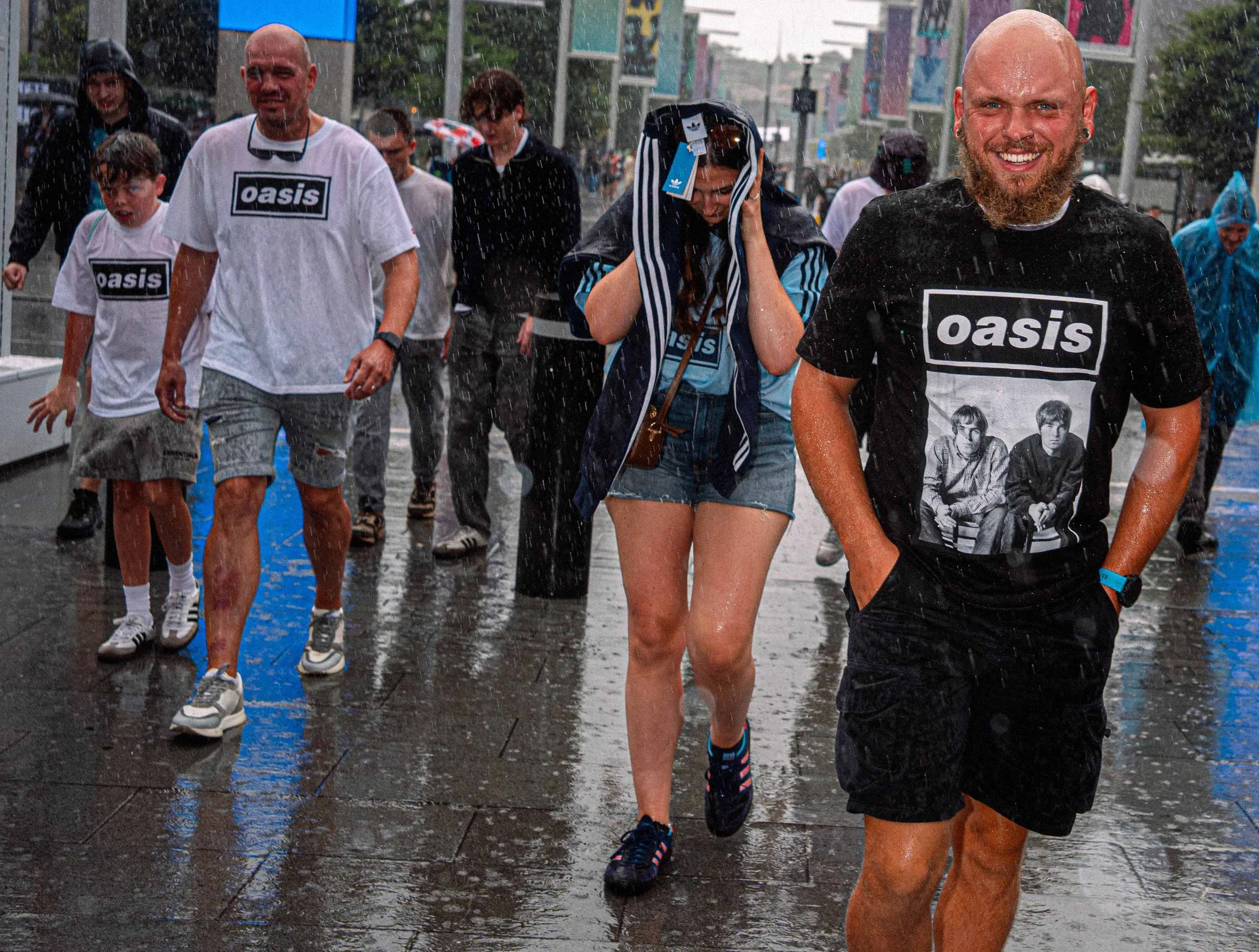
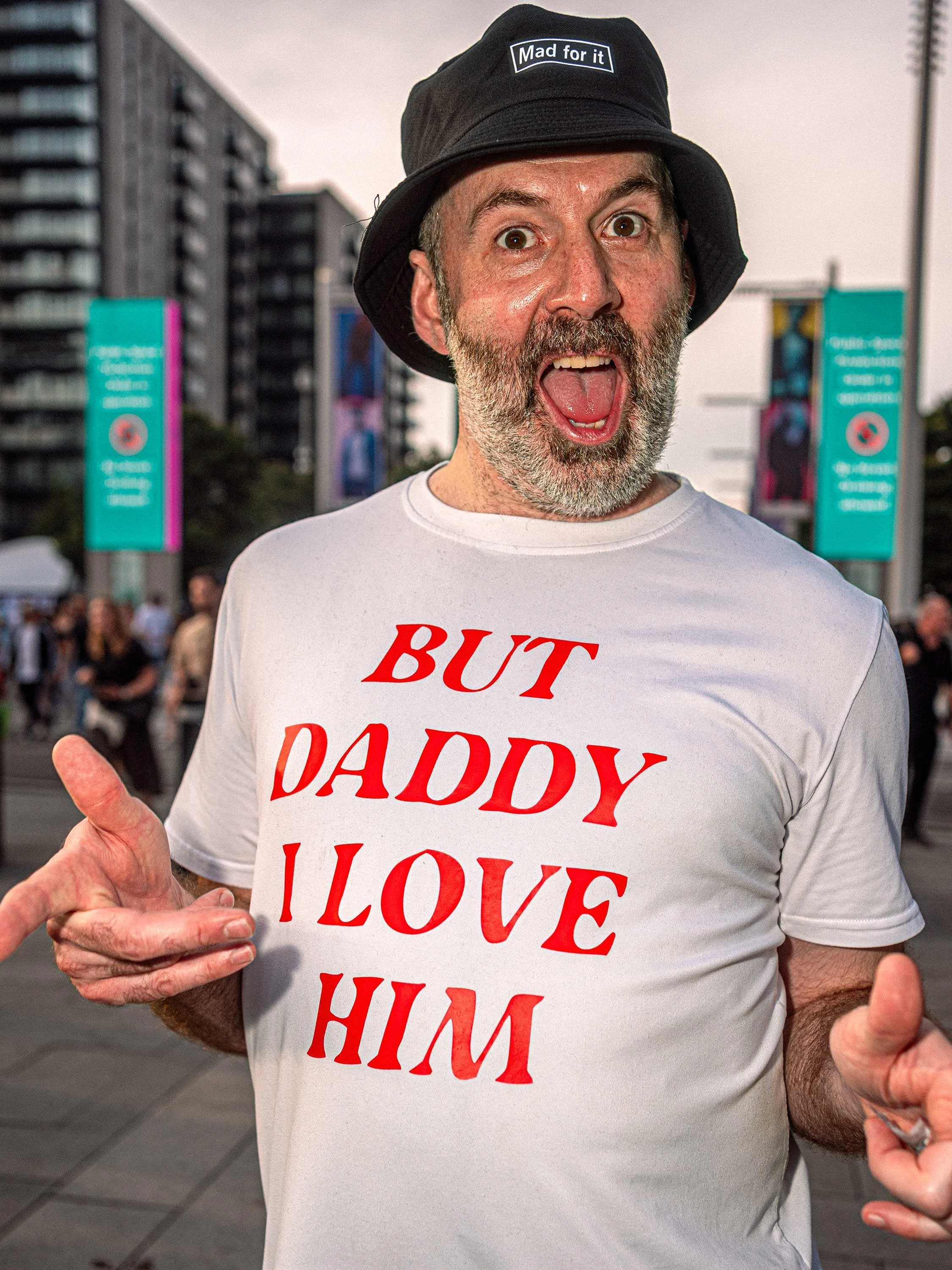
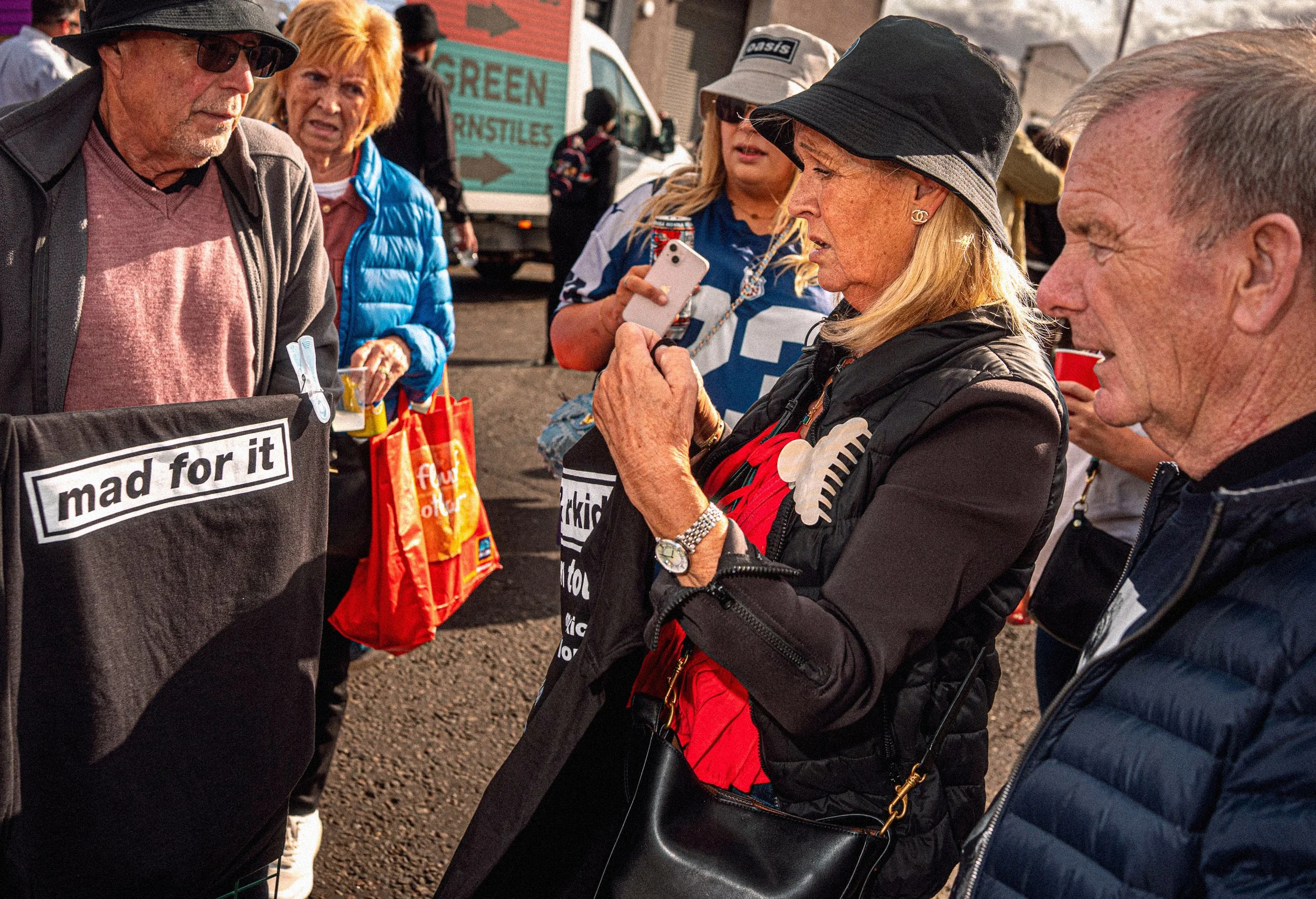
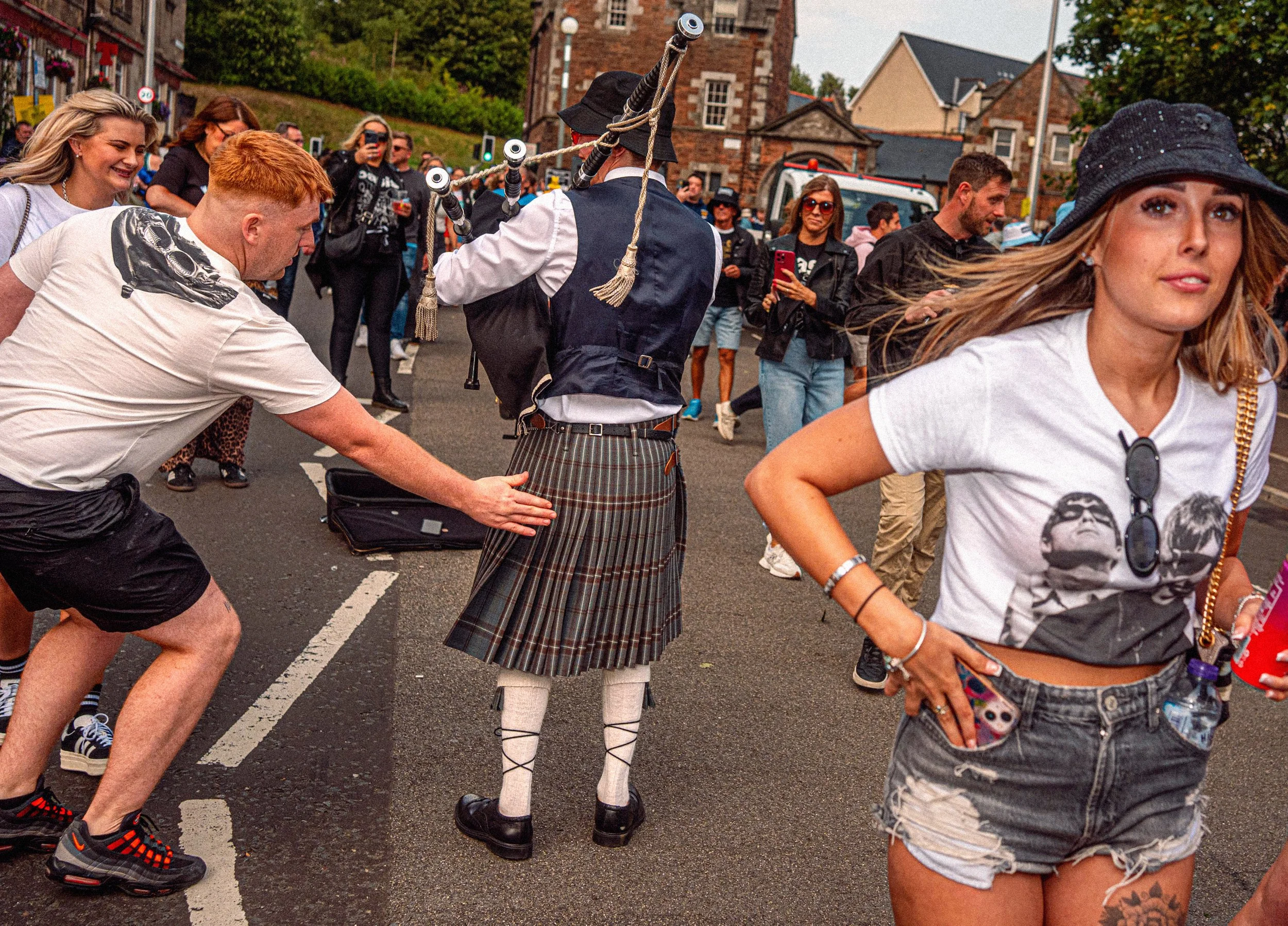
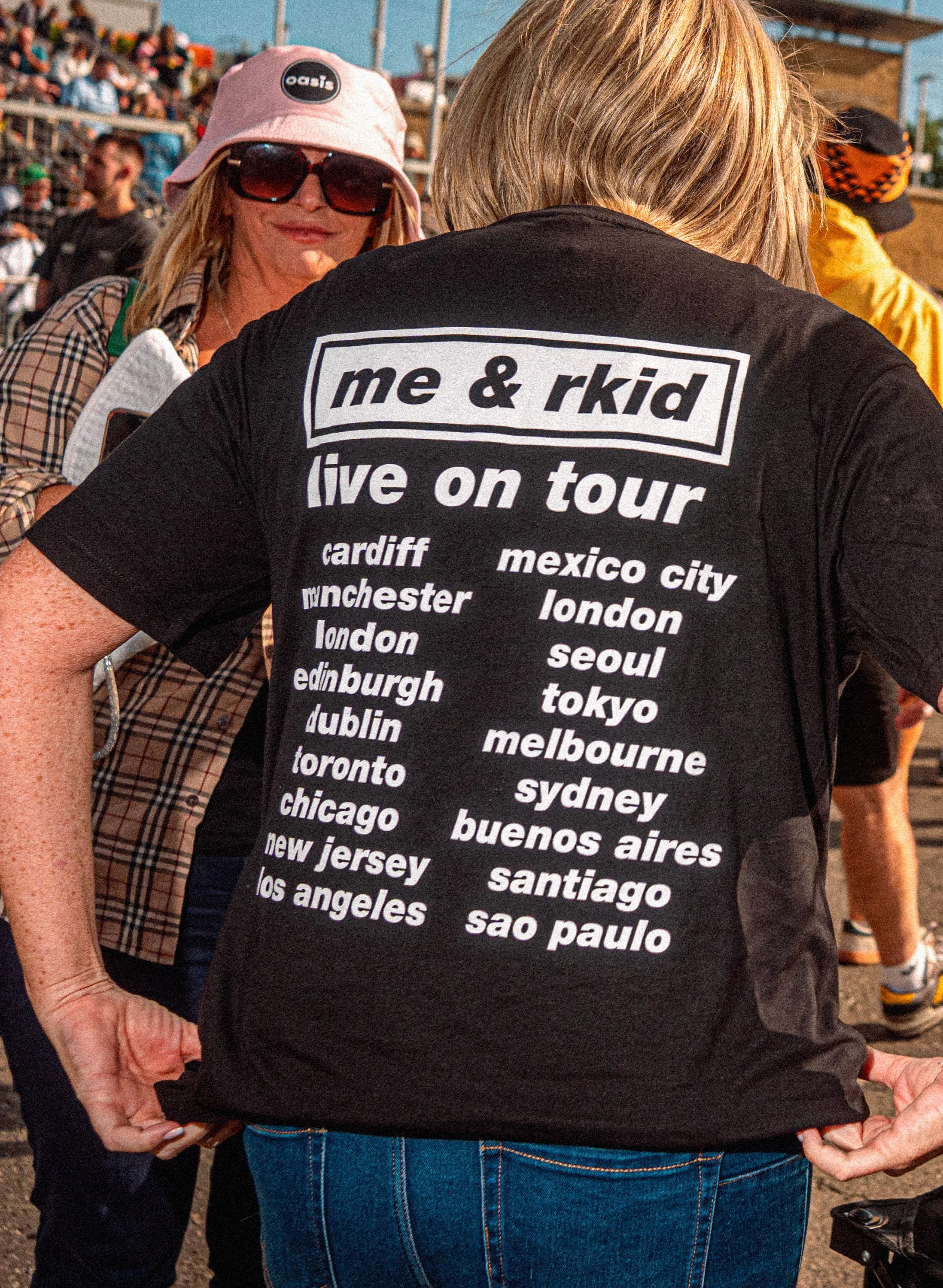
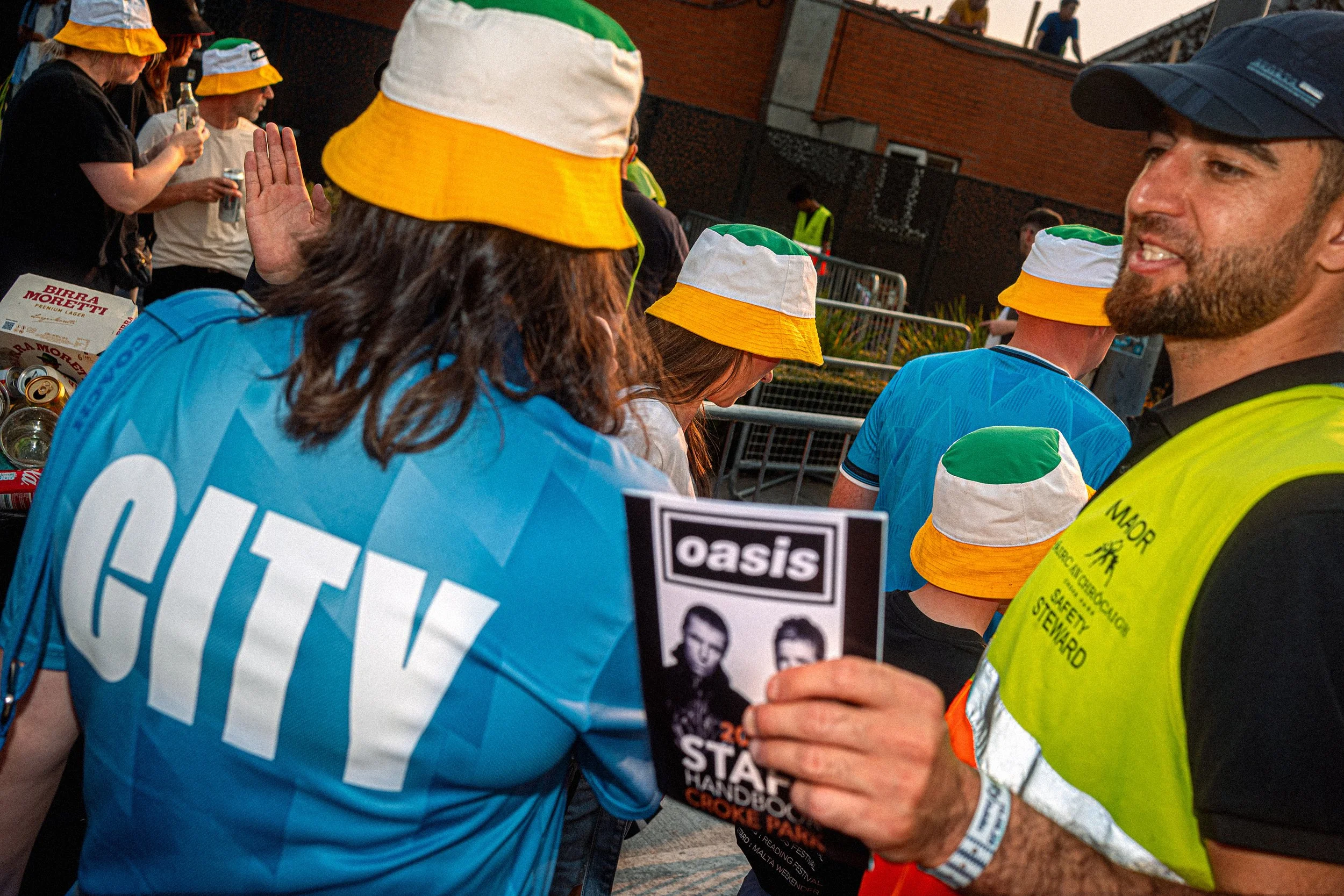
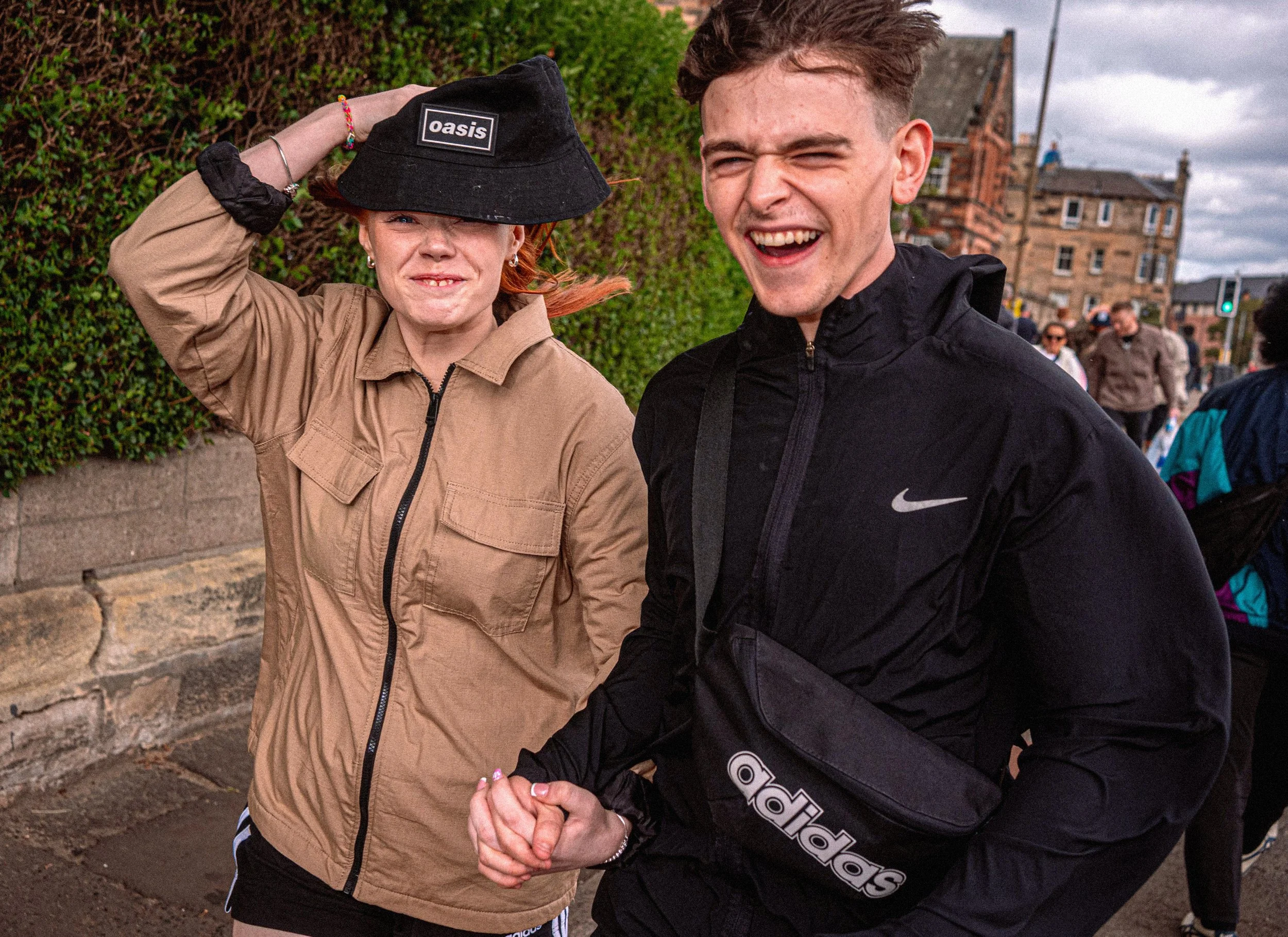
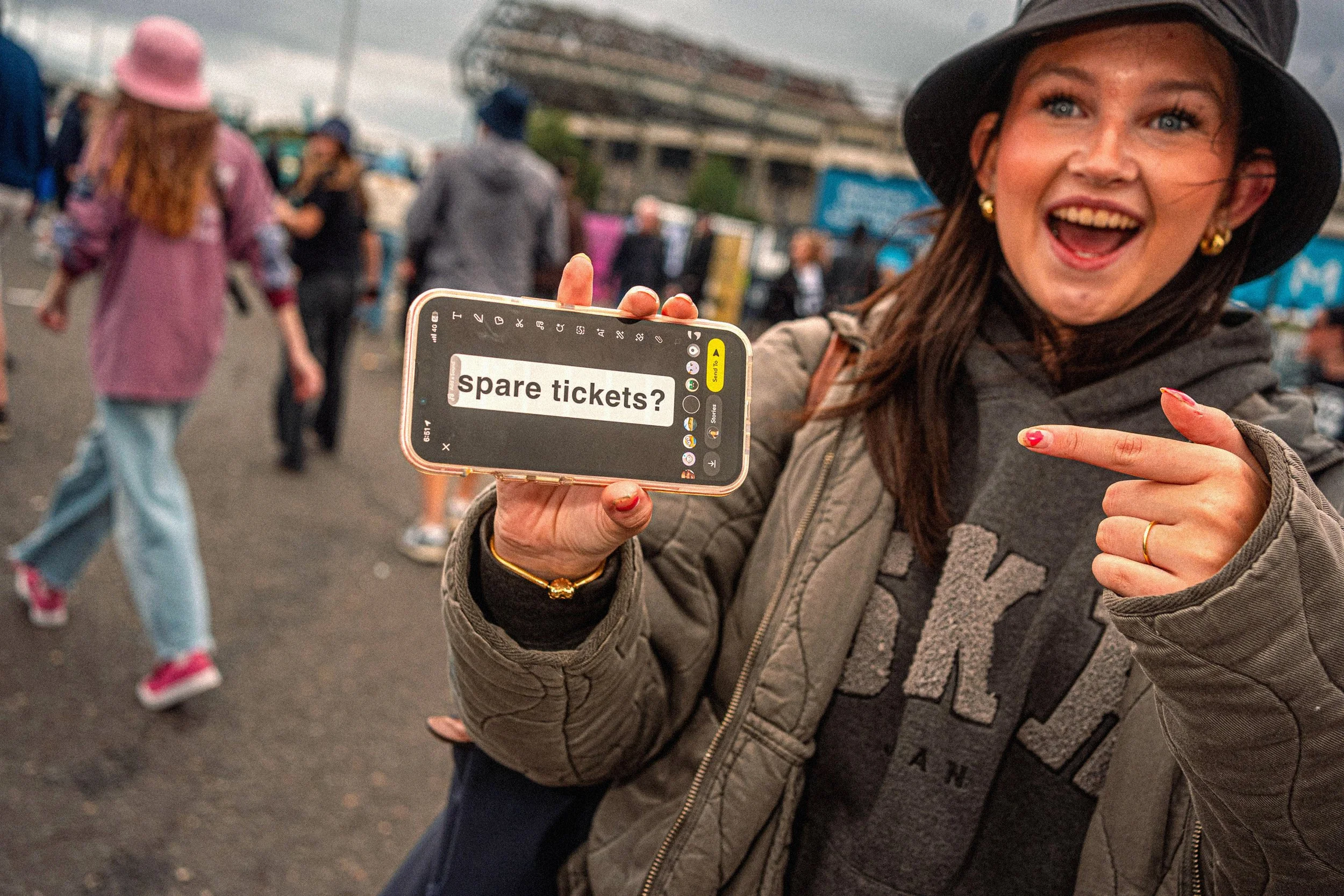
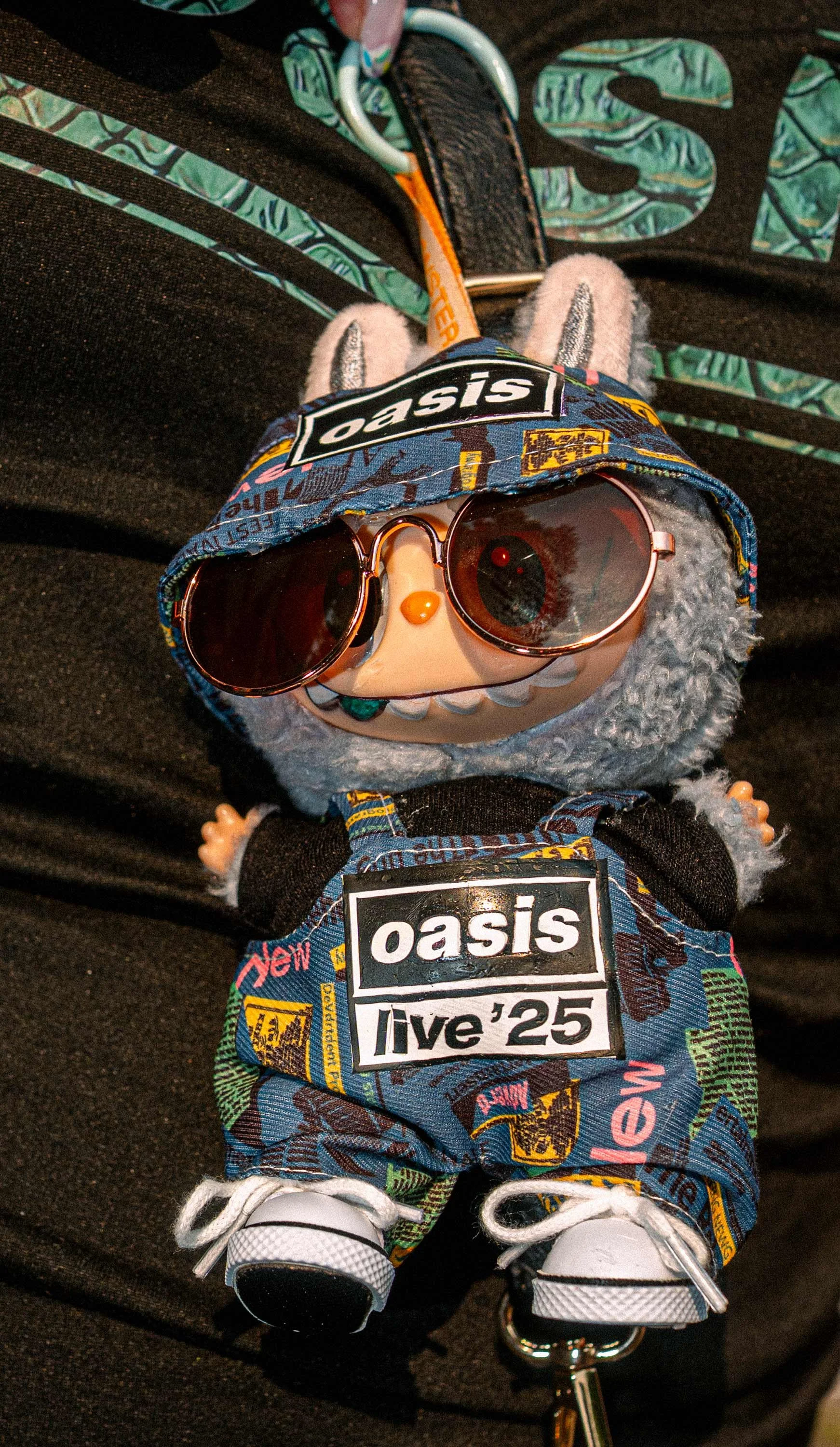
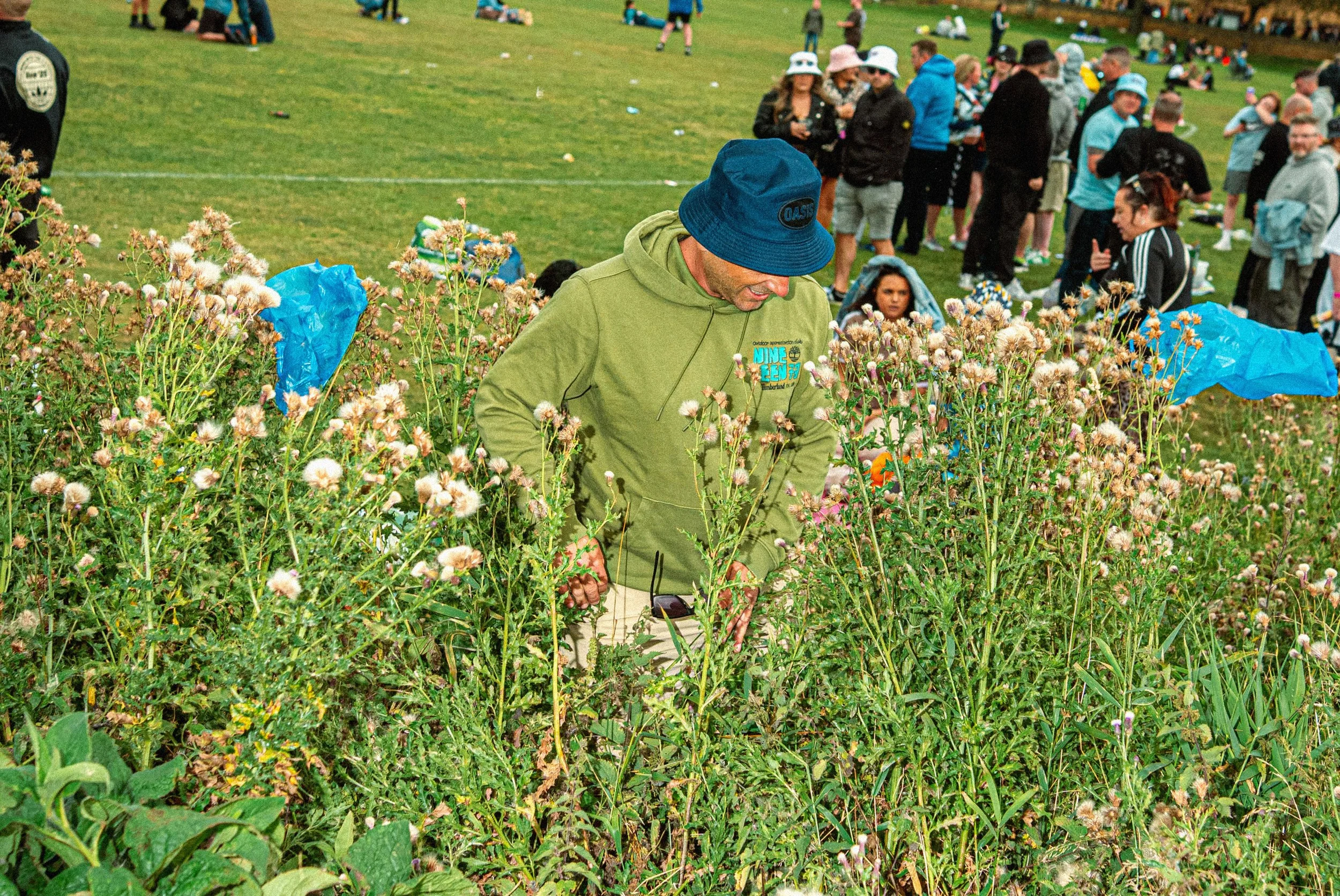
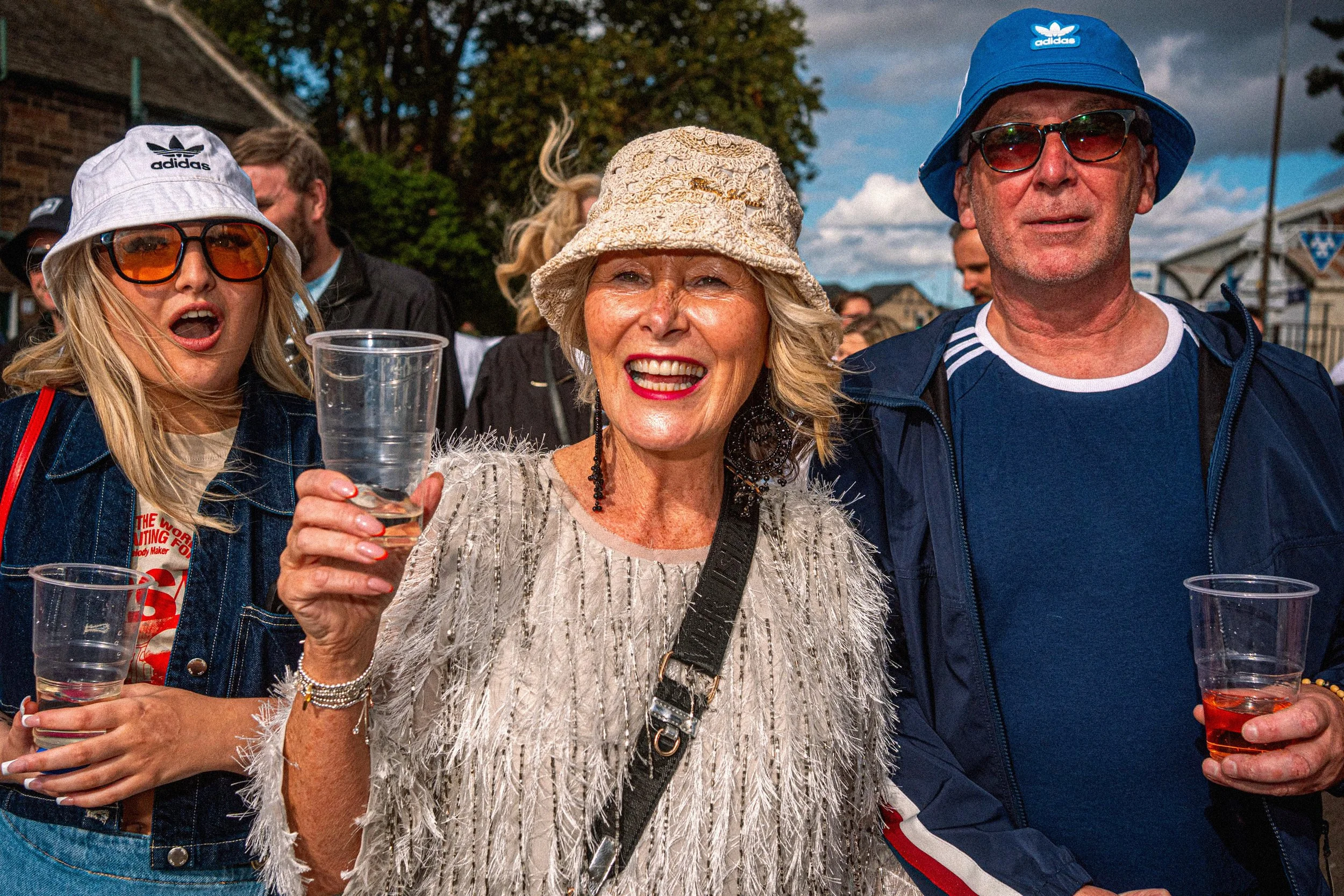
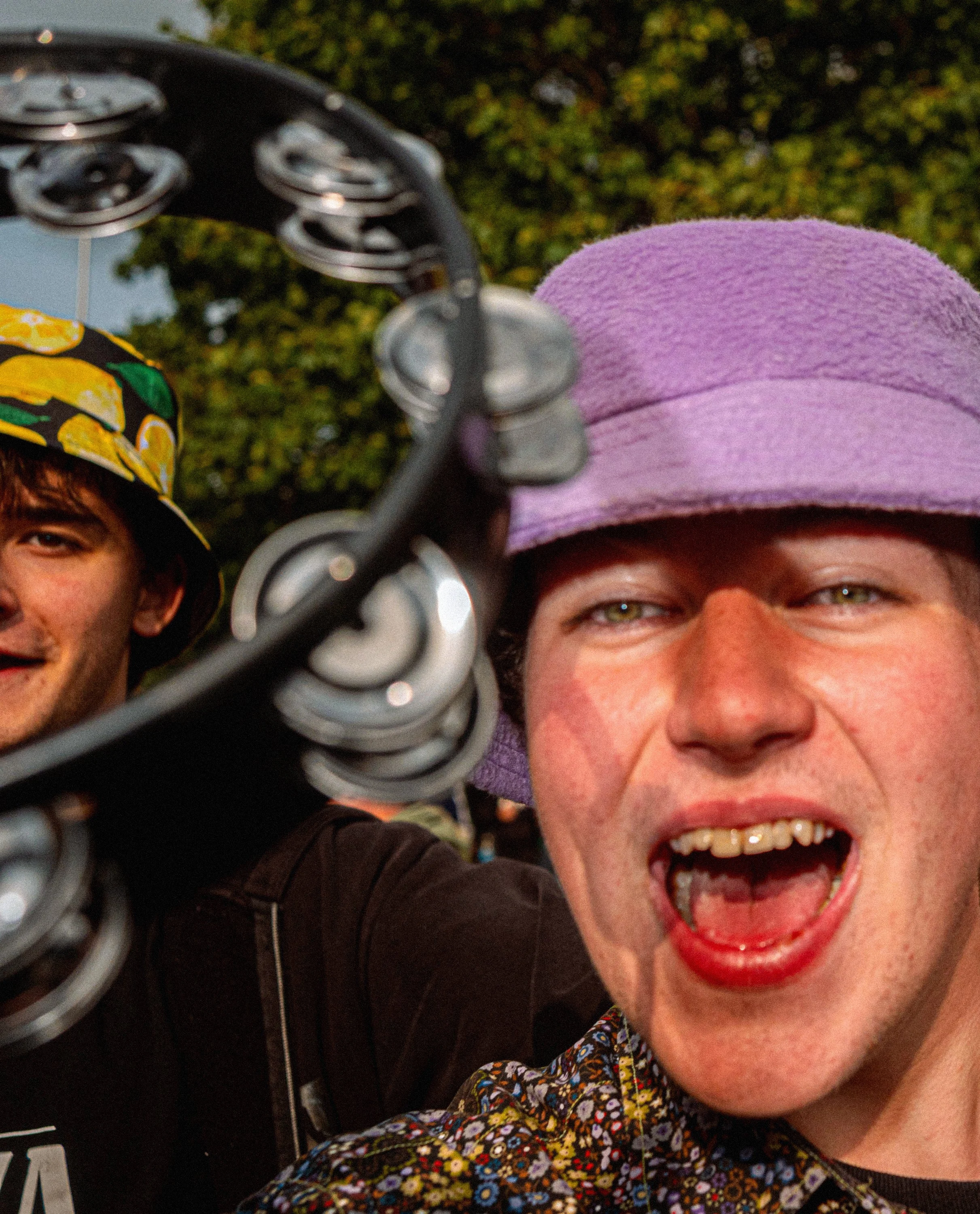
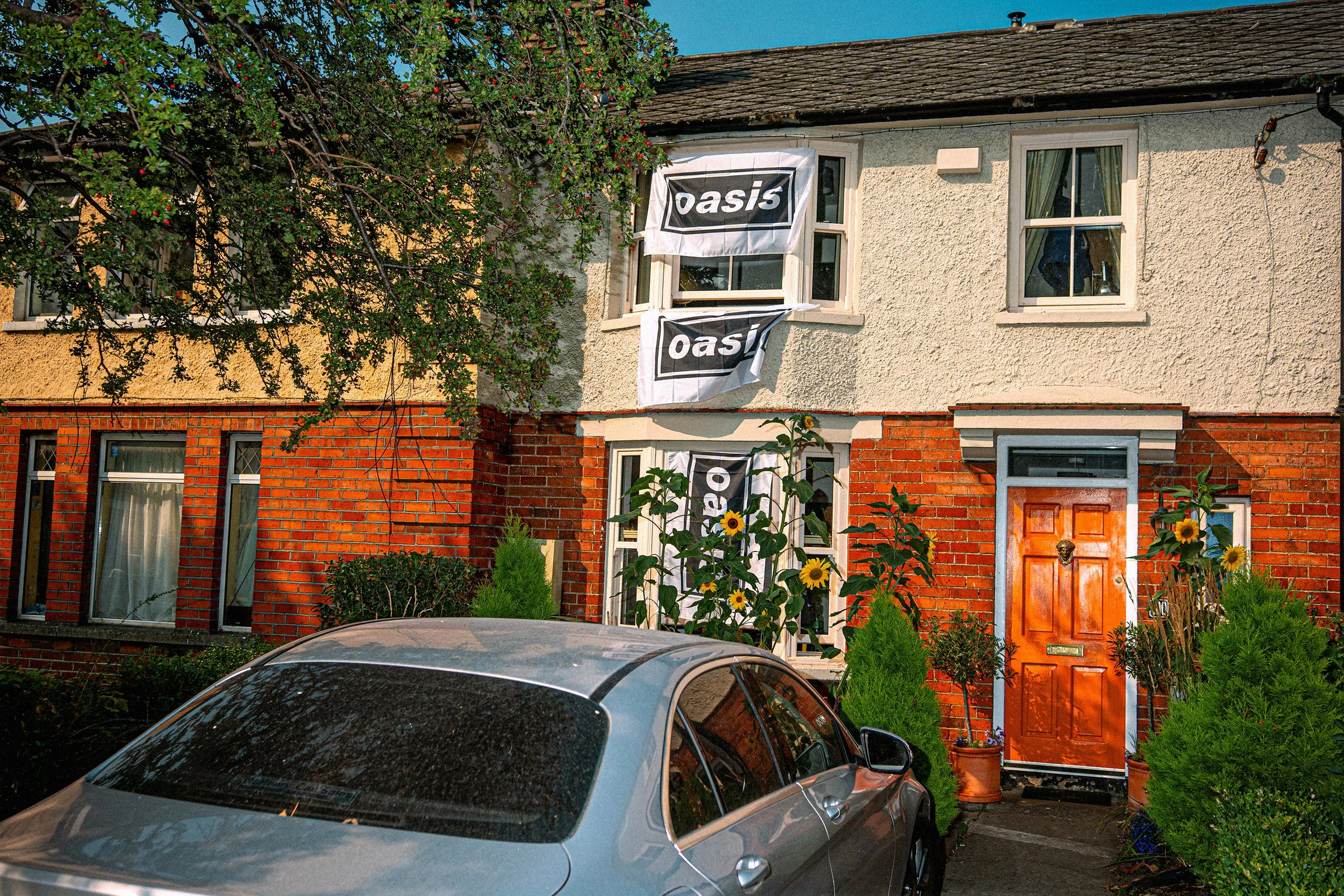
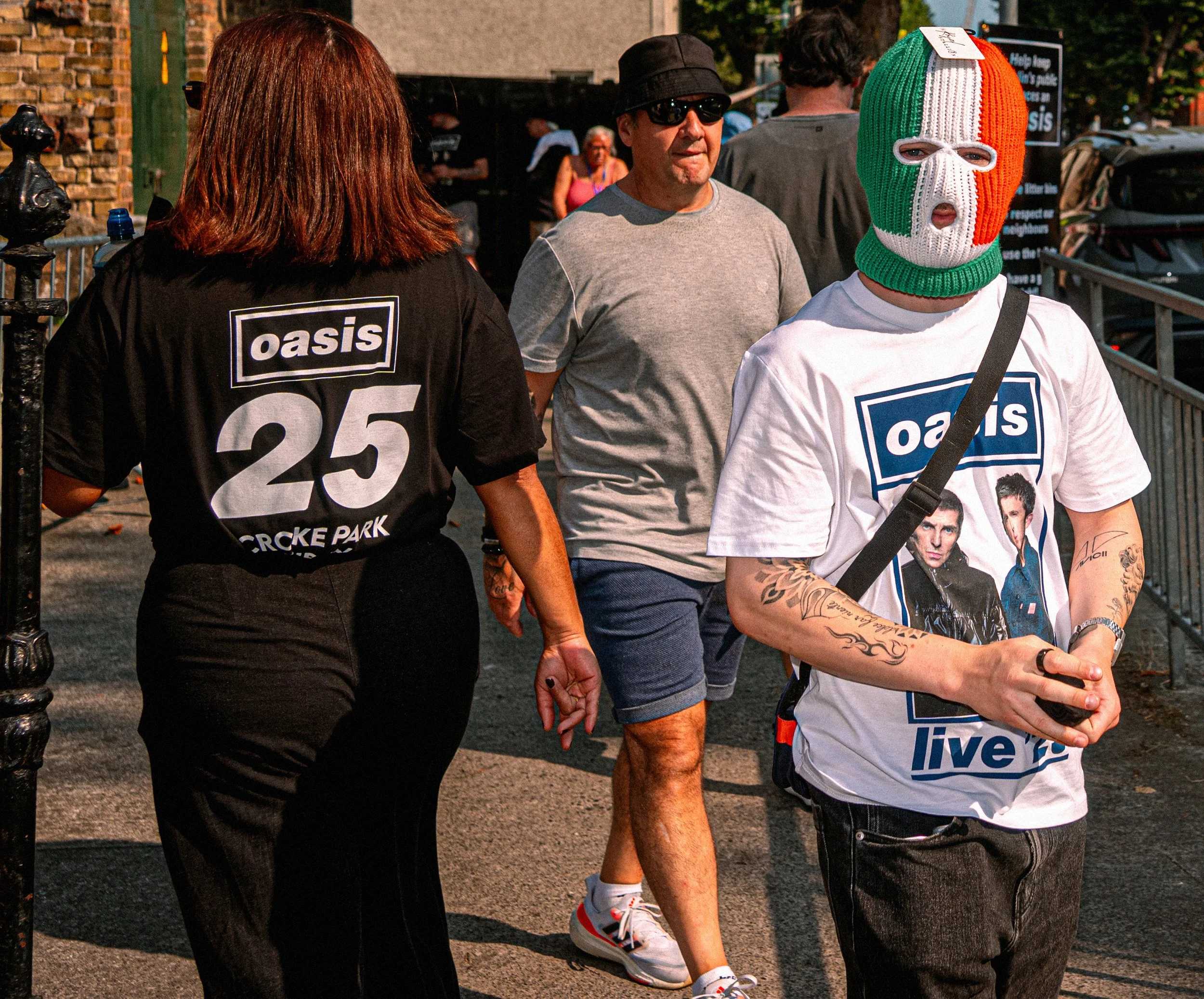
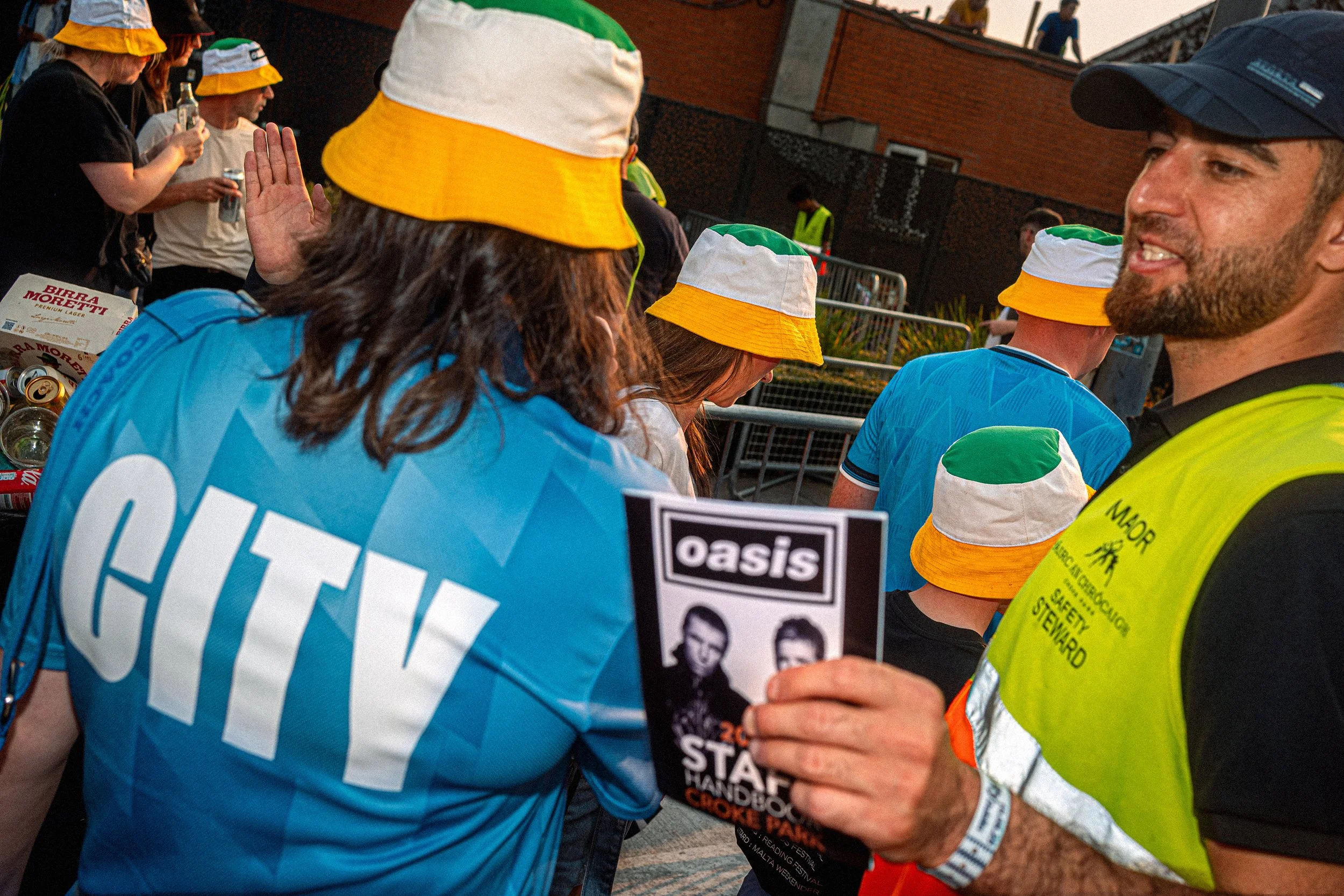
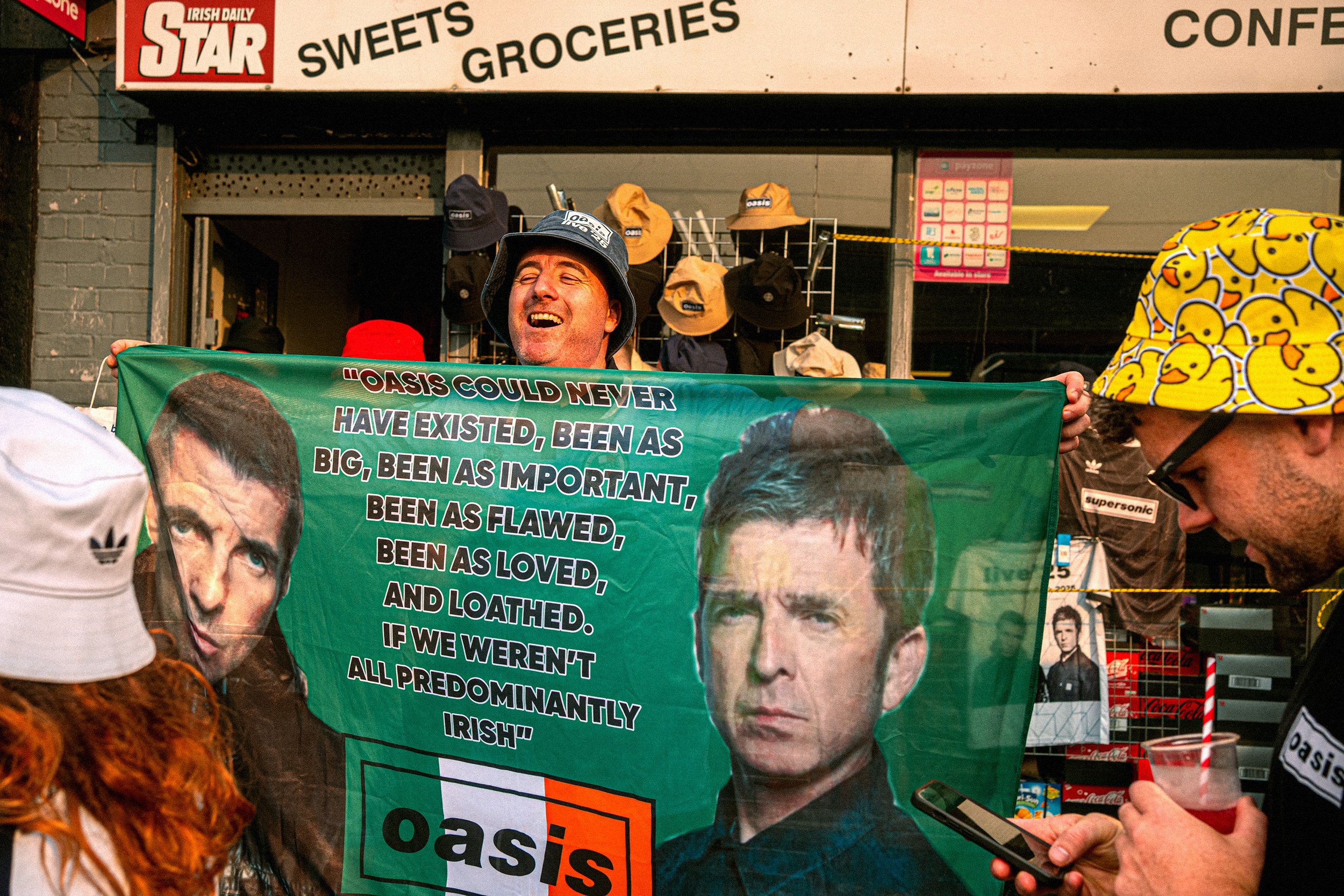
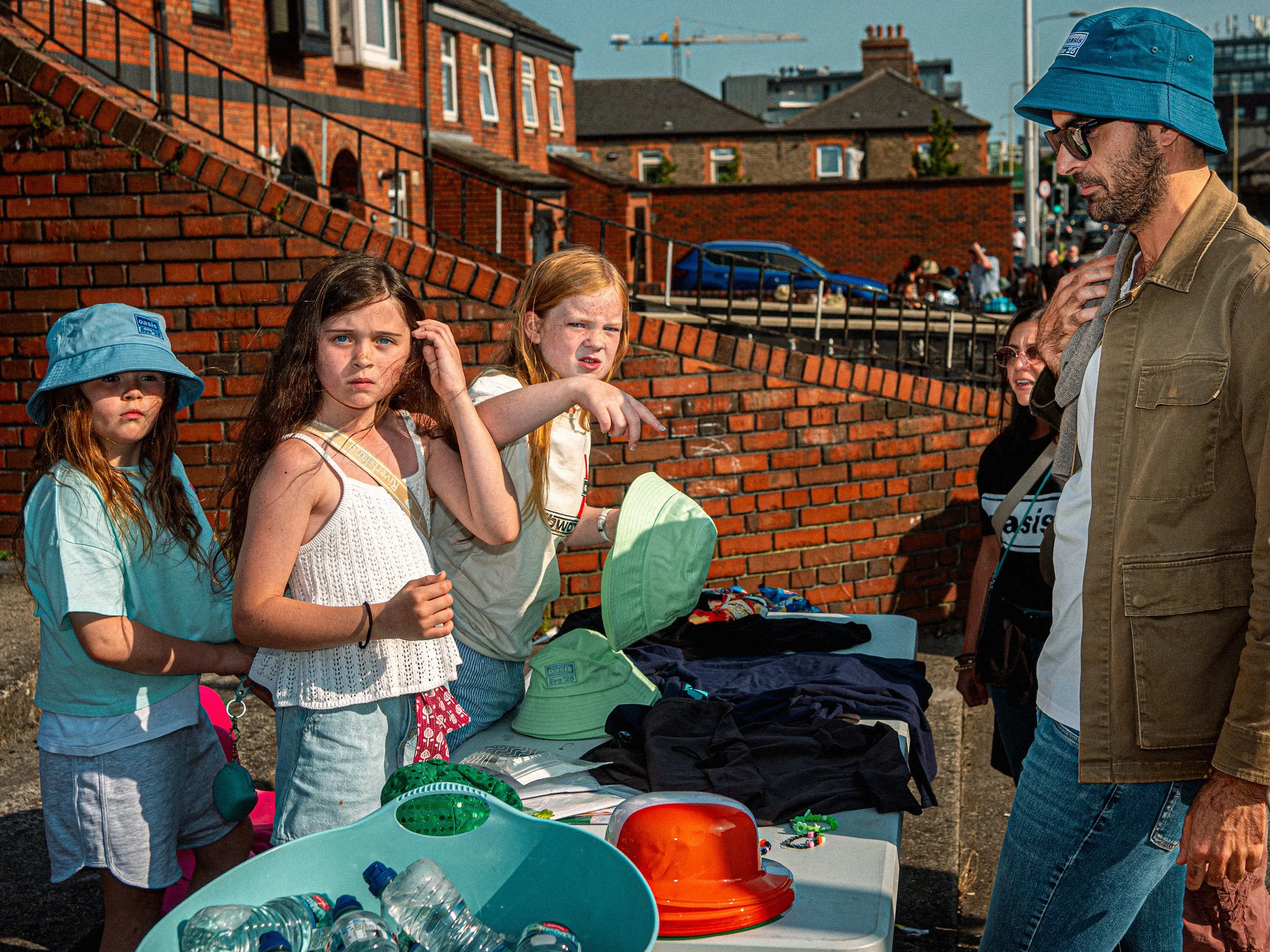
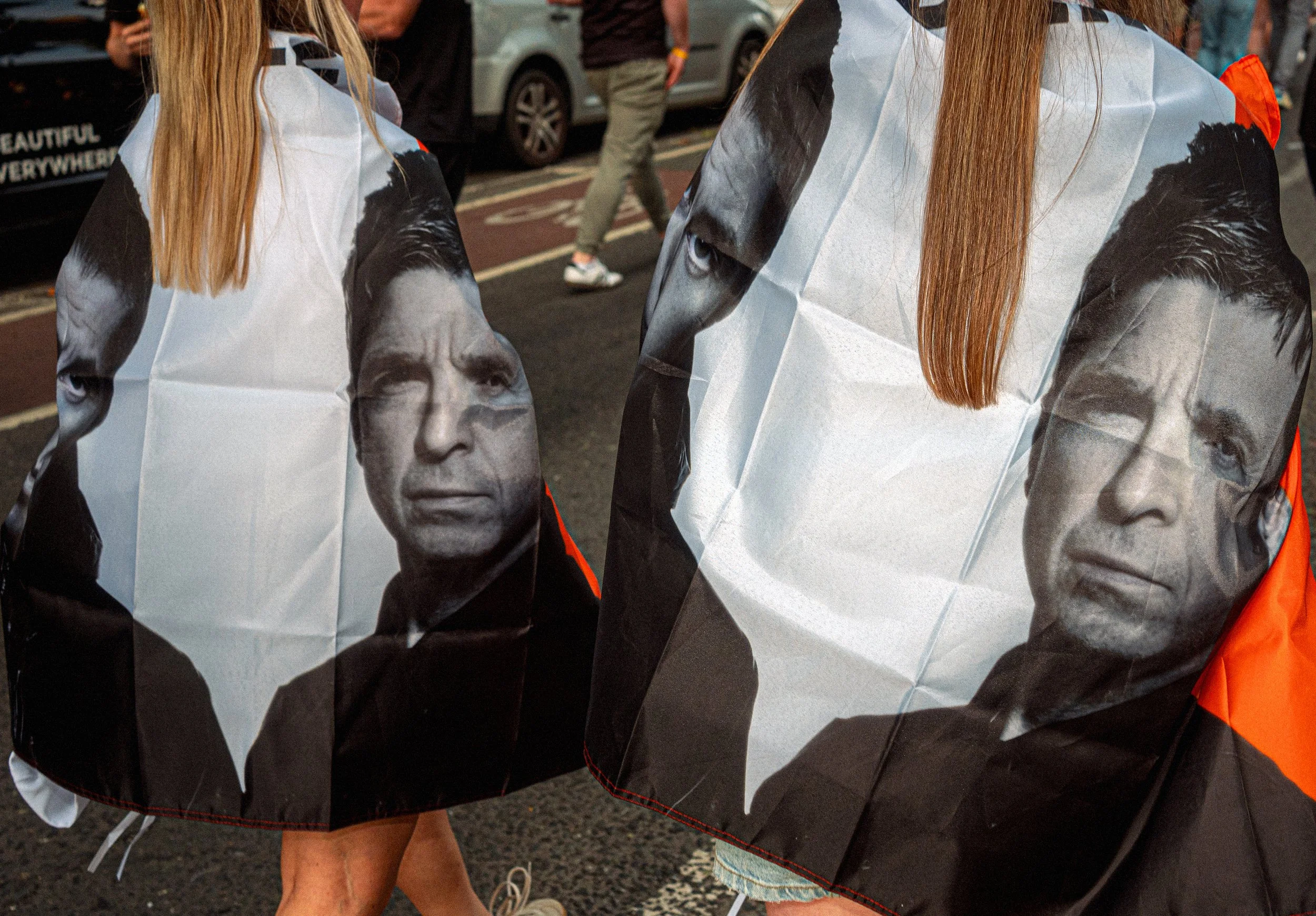
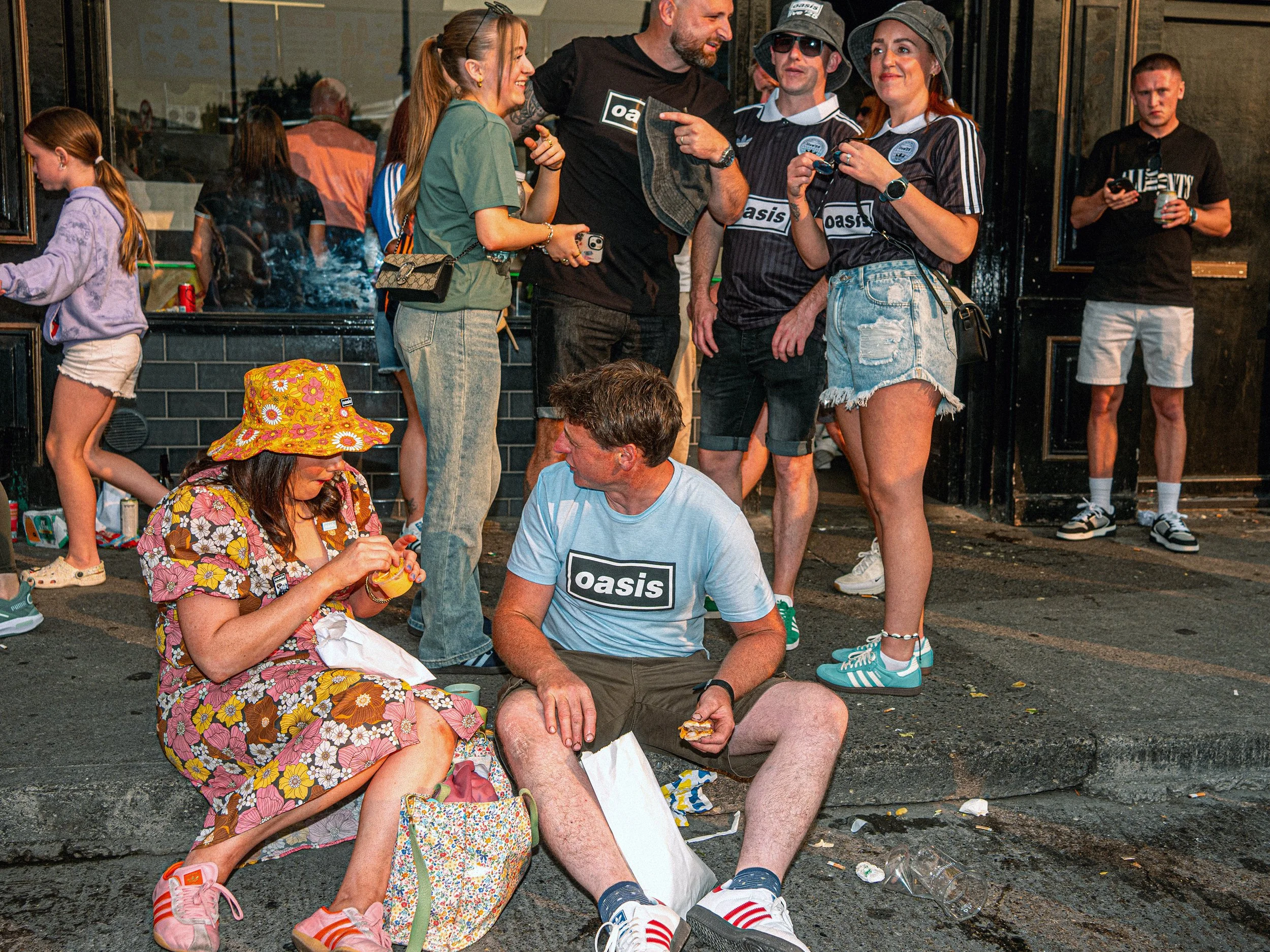
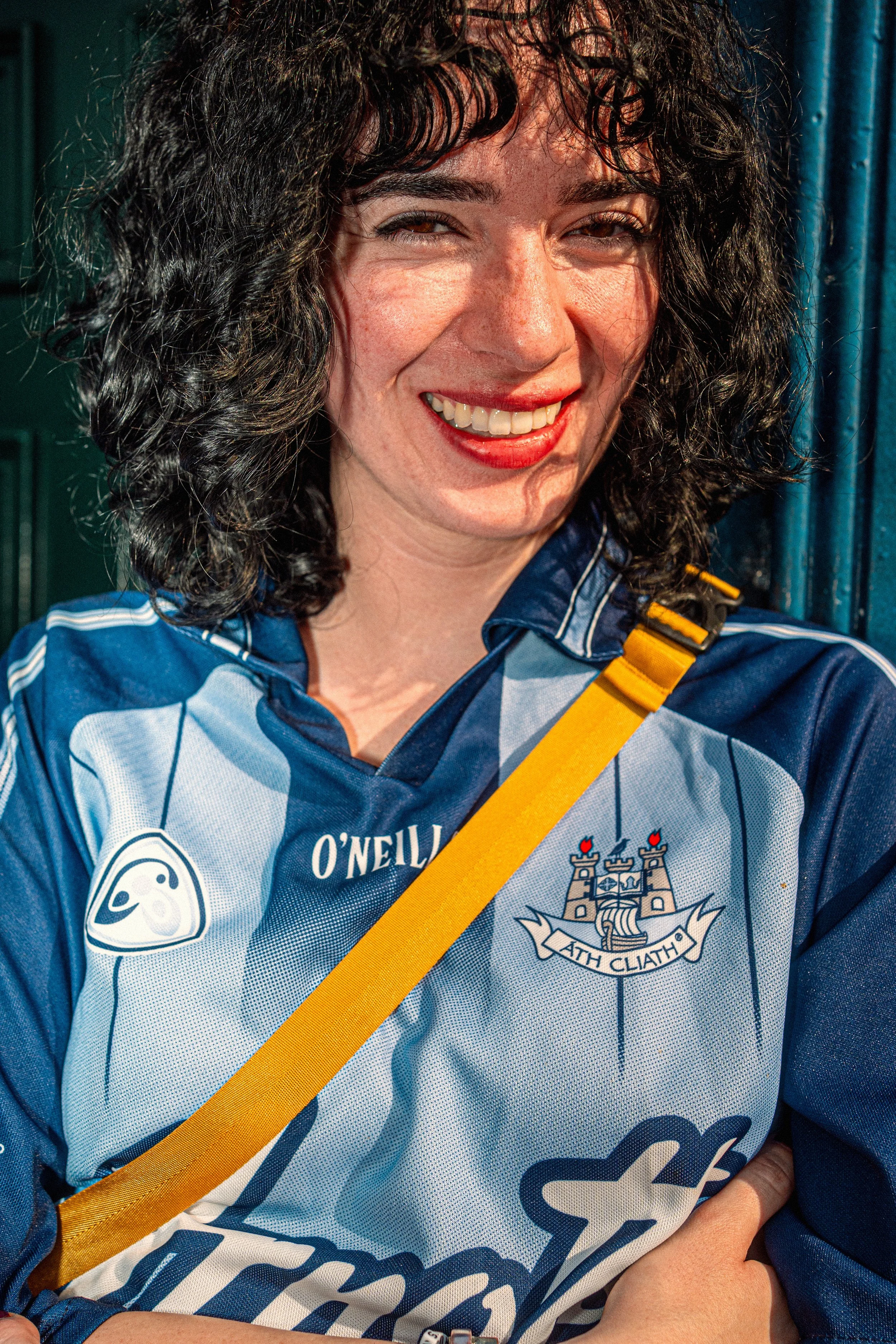
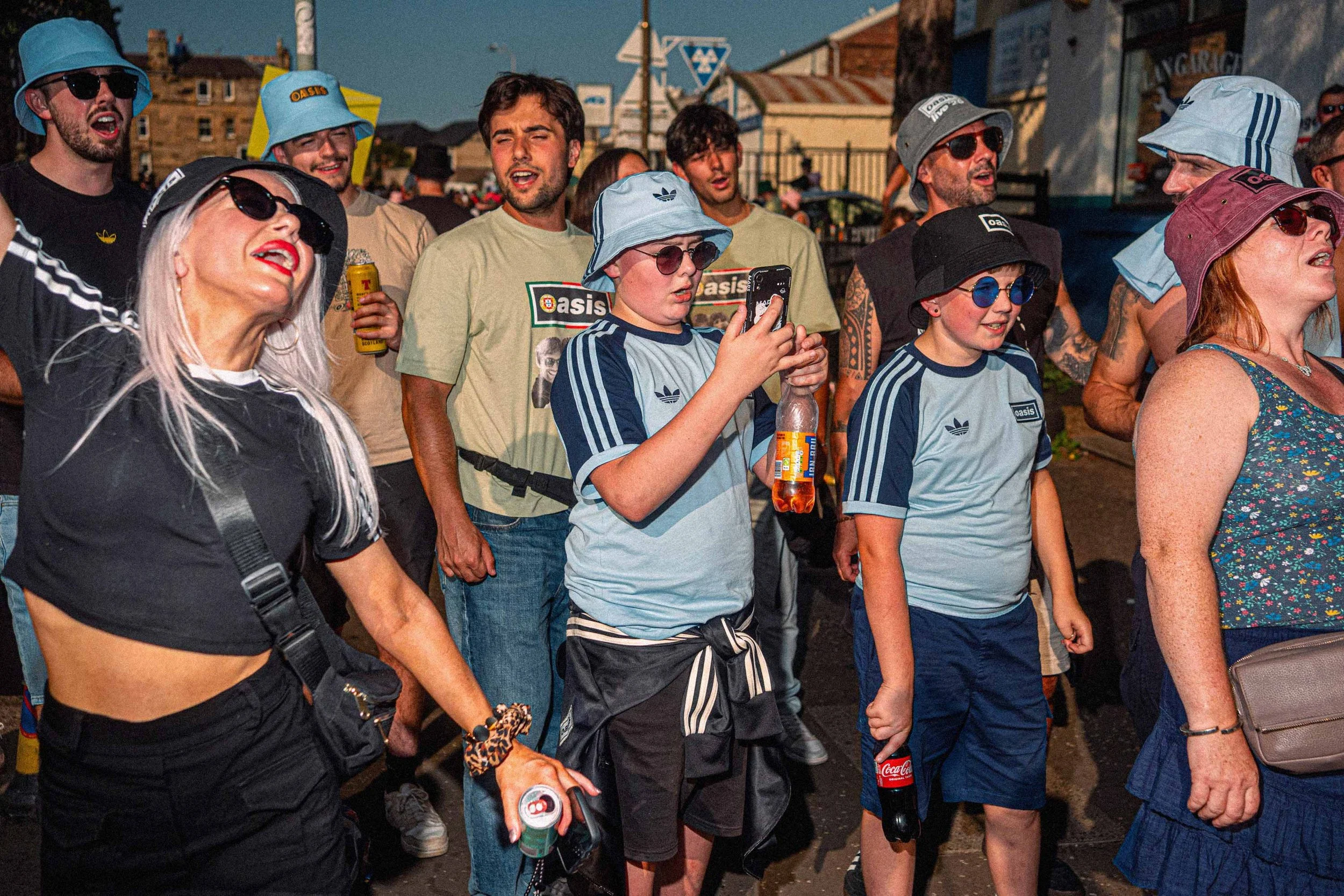
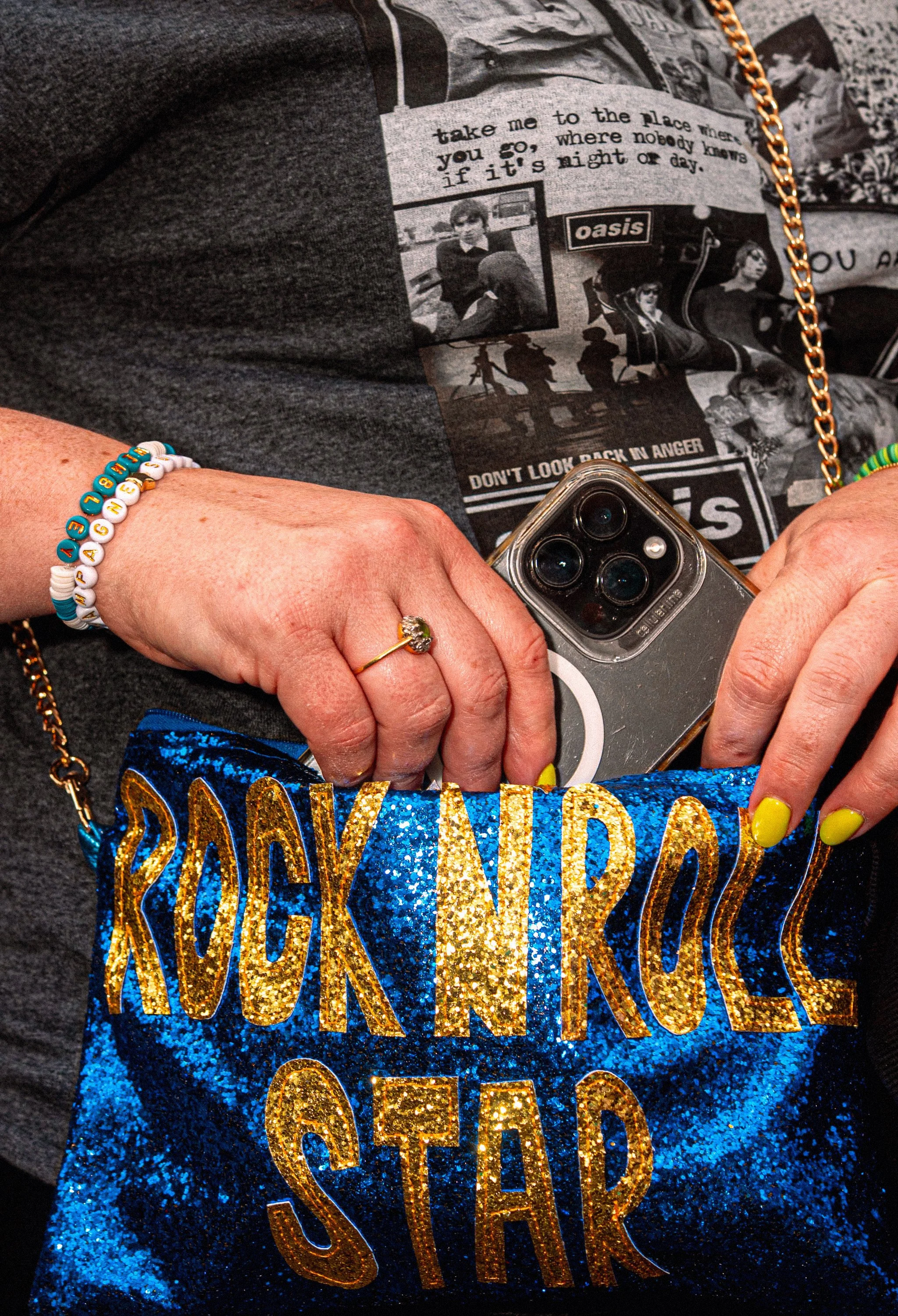
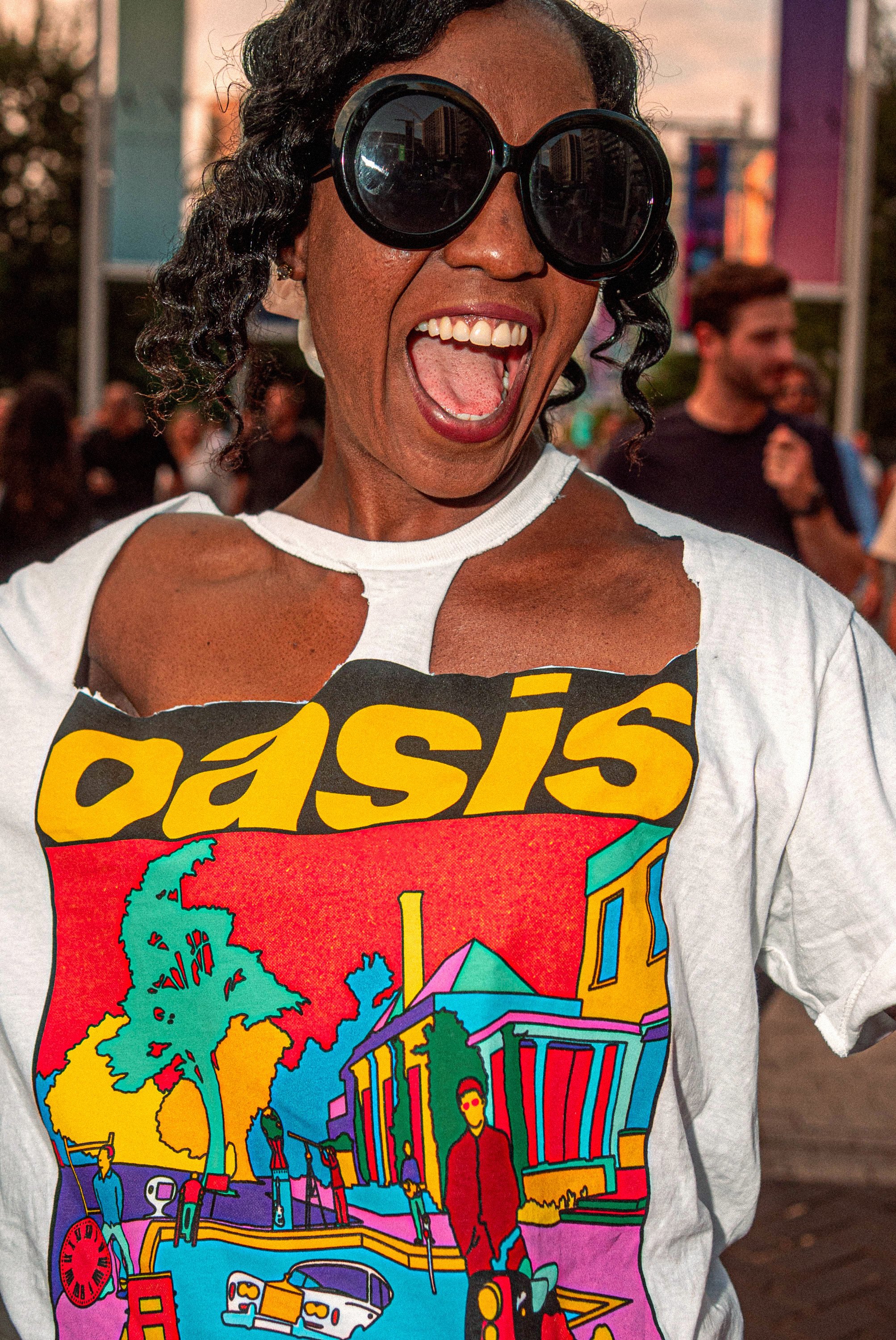
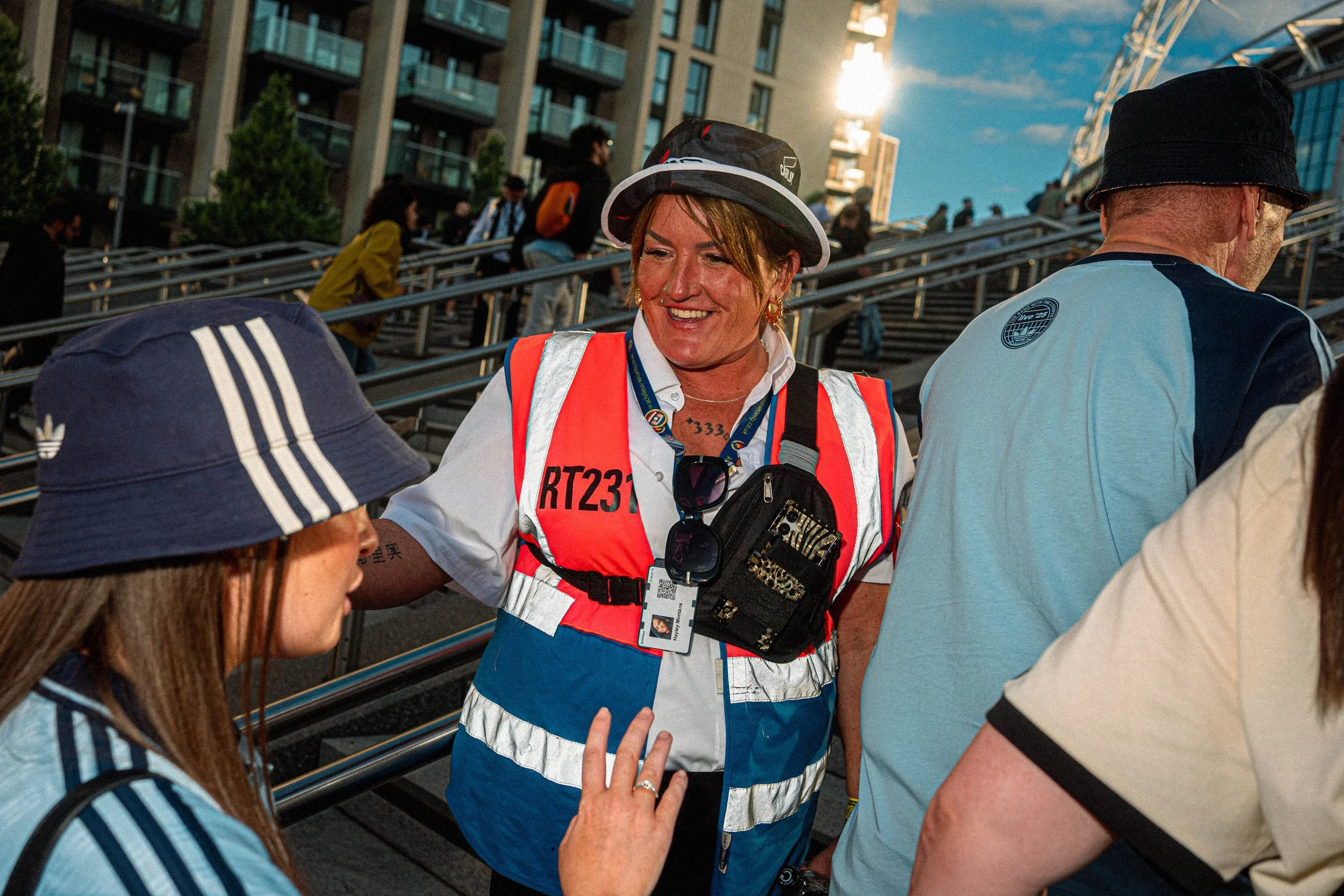
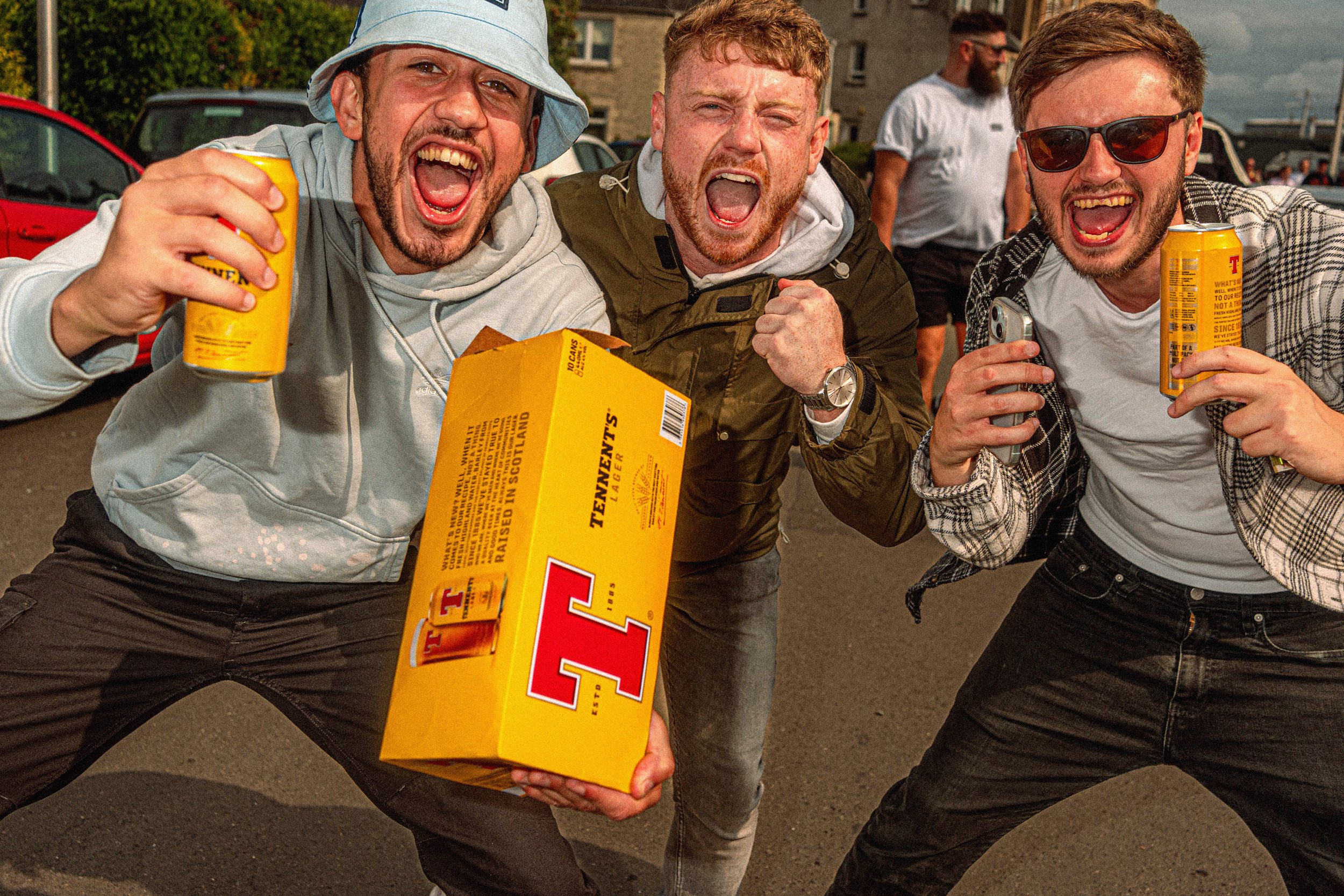
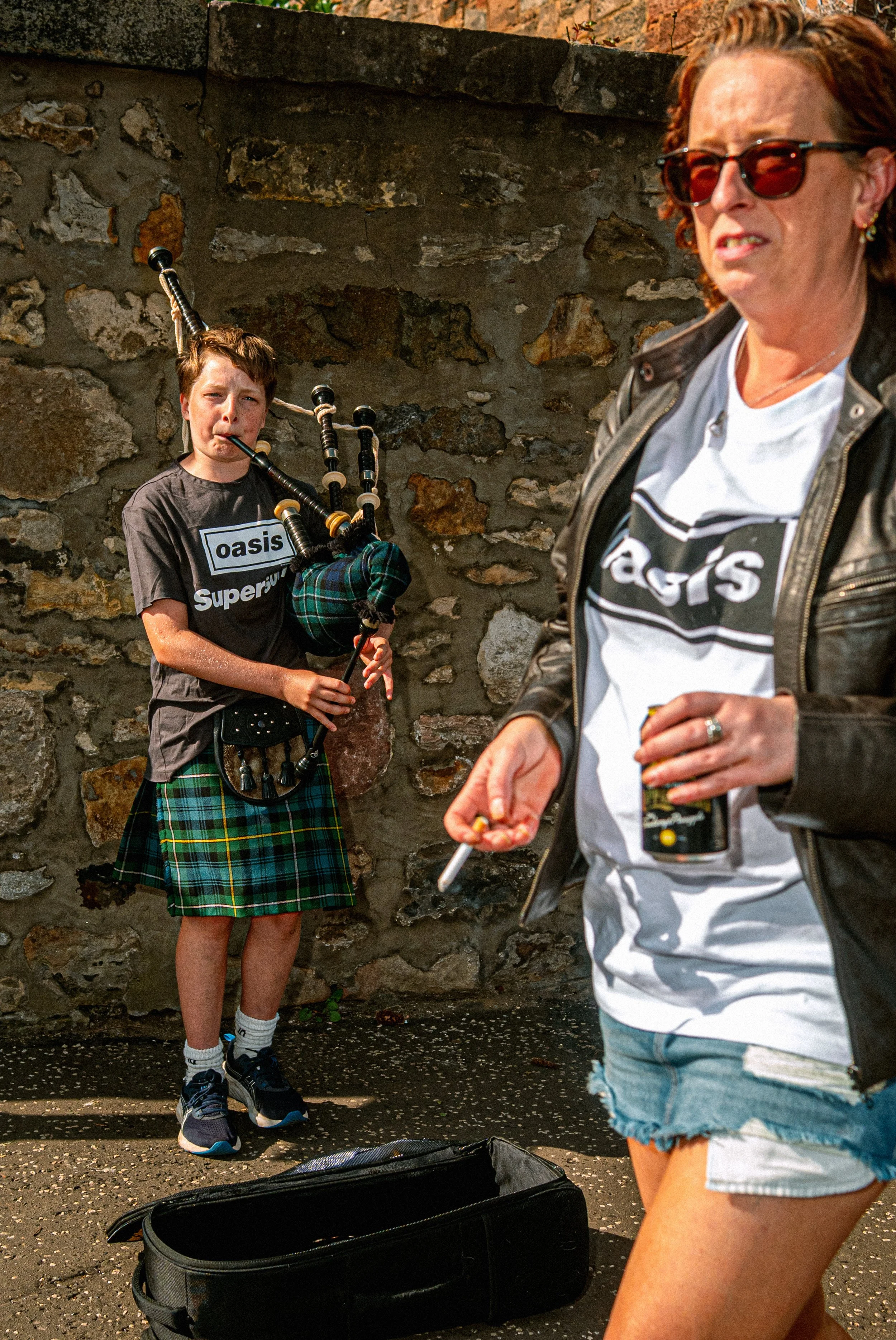
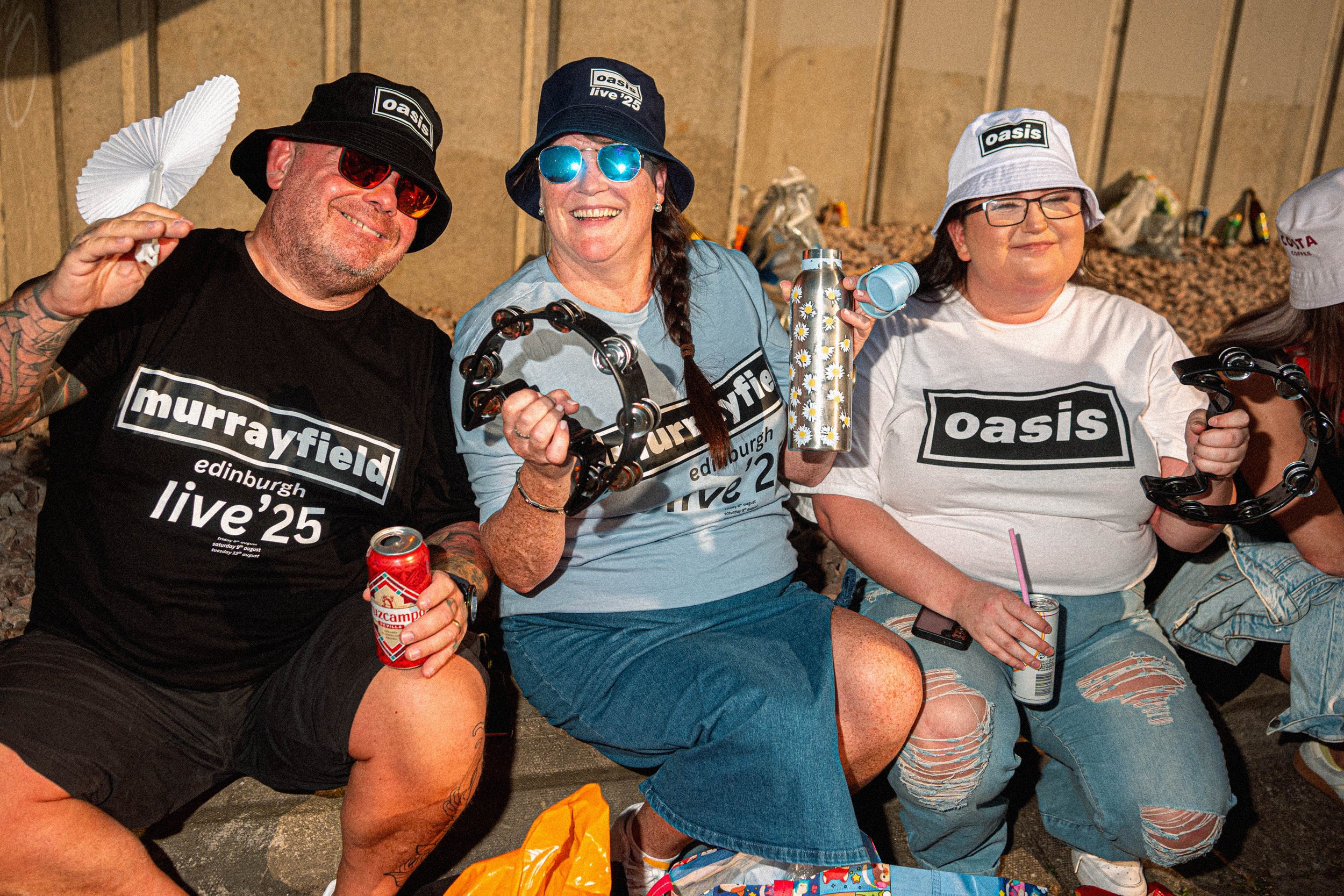
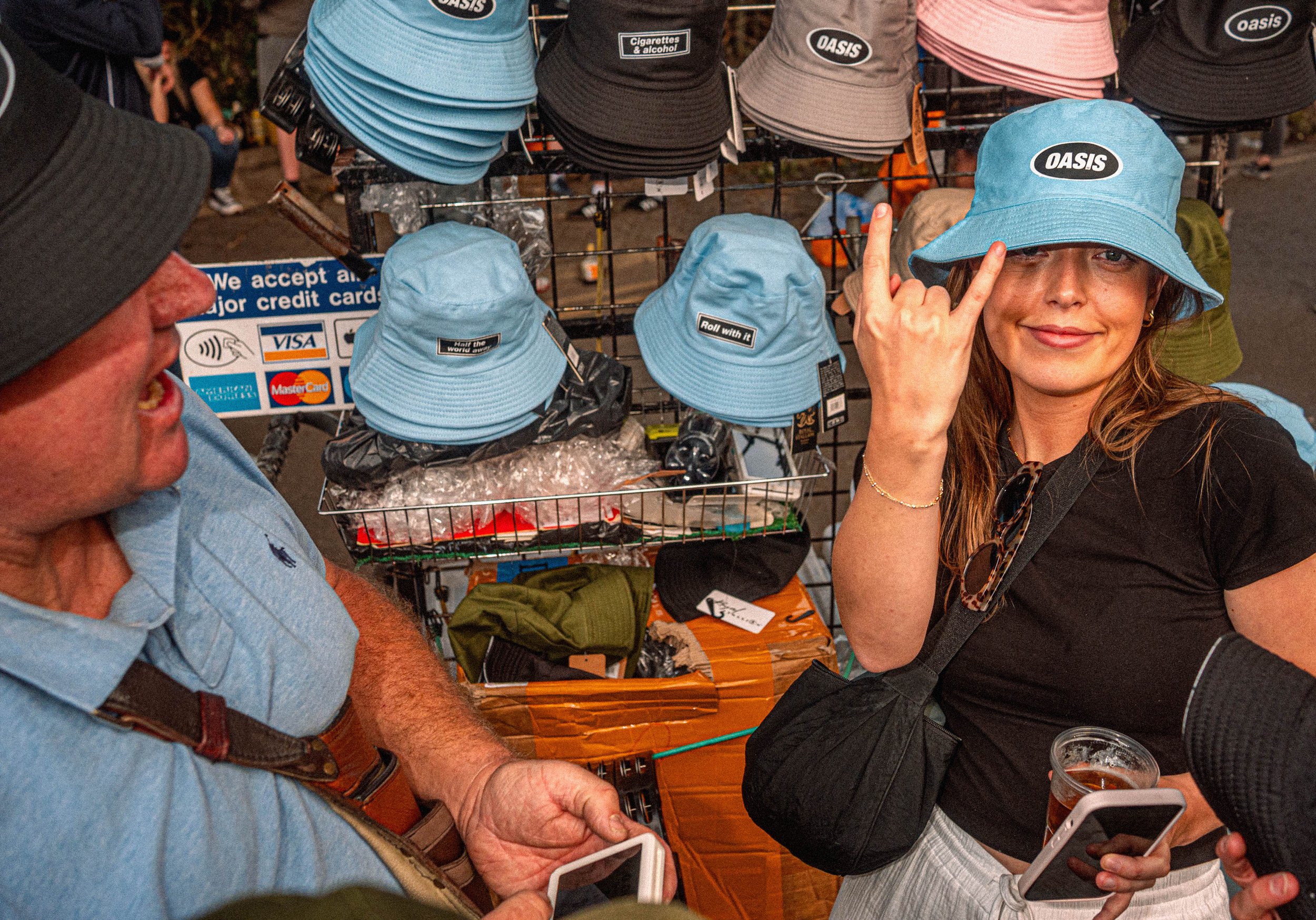
After sixteen years apart, Oasis returned in 2025 and the faithful came with them. At Wembley, Murrayfield and Croke Park, I photographed the world around the concerts rather than the stage itself: the costumes, rituals, commerce and collective performance of the crowd. Bucket hats, zipped-up parkas, vintage tracksuits, pints, tribute haircuts and generations singing the same songs became the real spectacle. It is less about the band than the people who built an identity around them, turning each concert into a mass act of memory, belonging and release.


OASIS
You gotta make it happen!
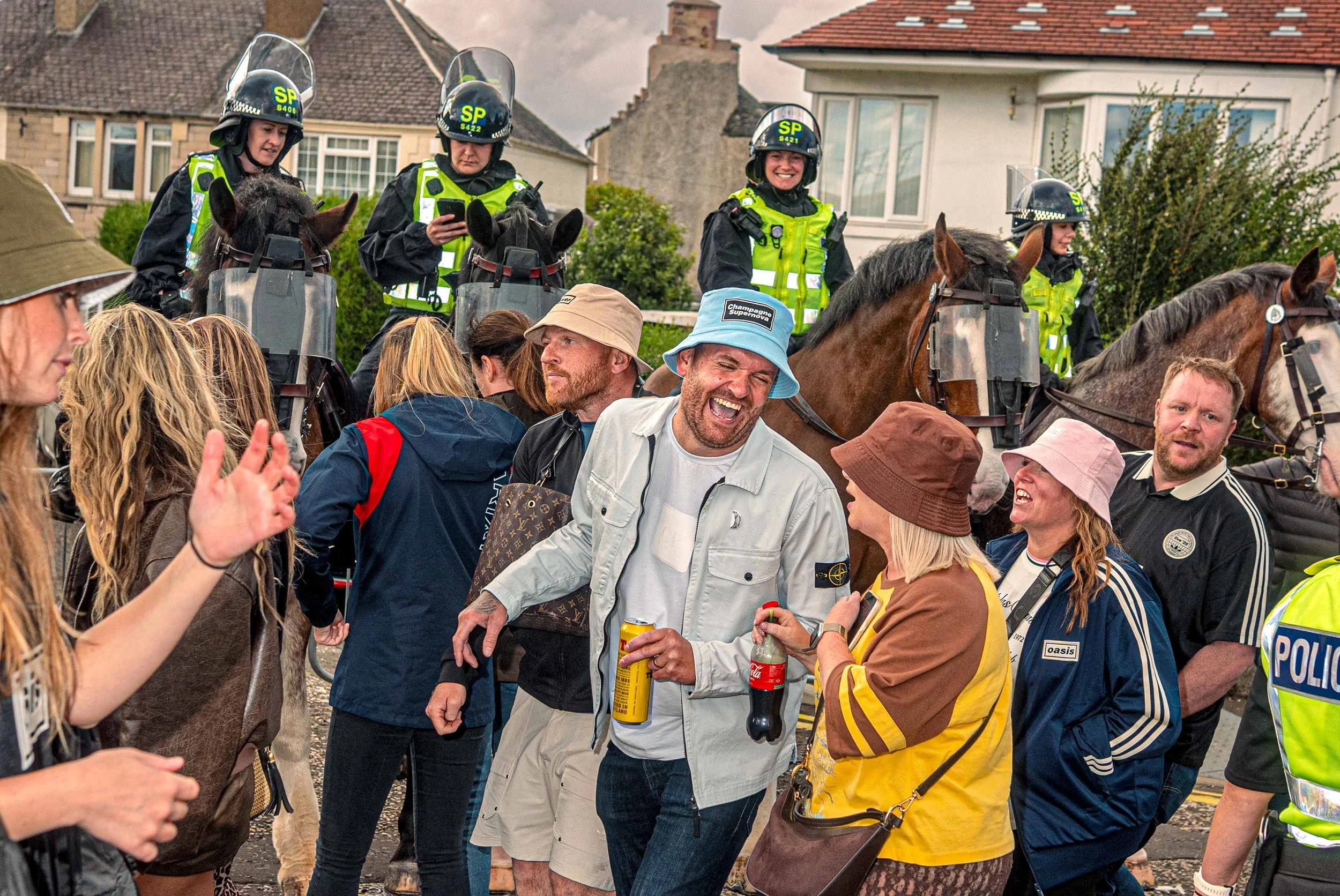
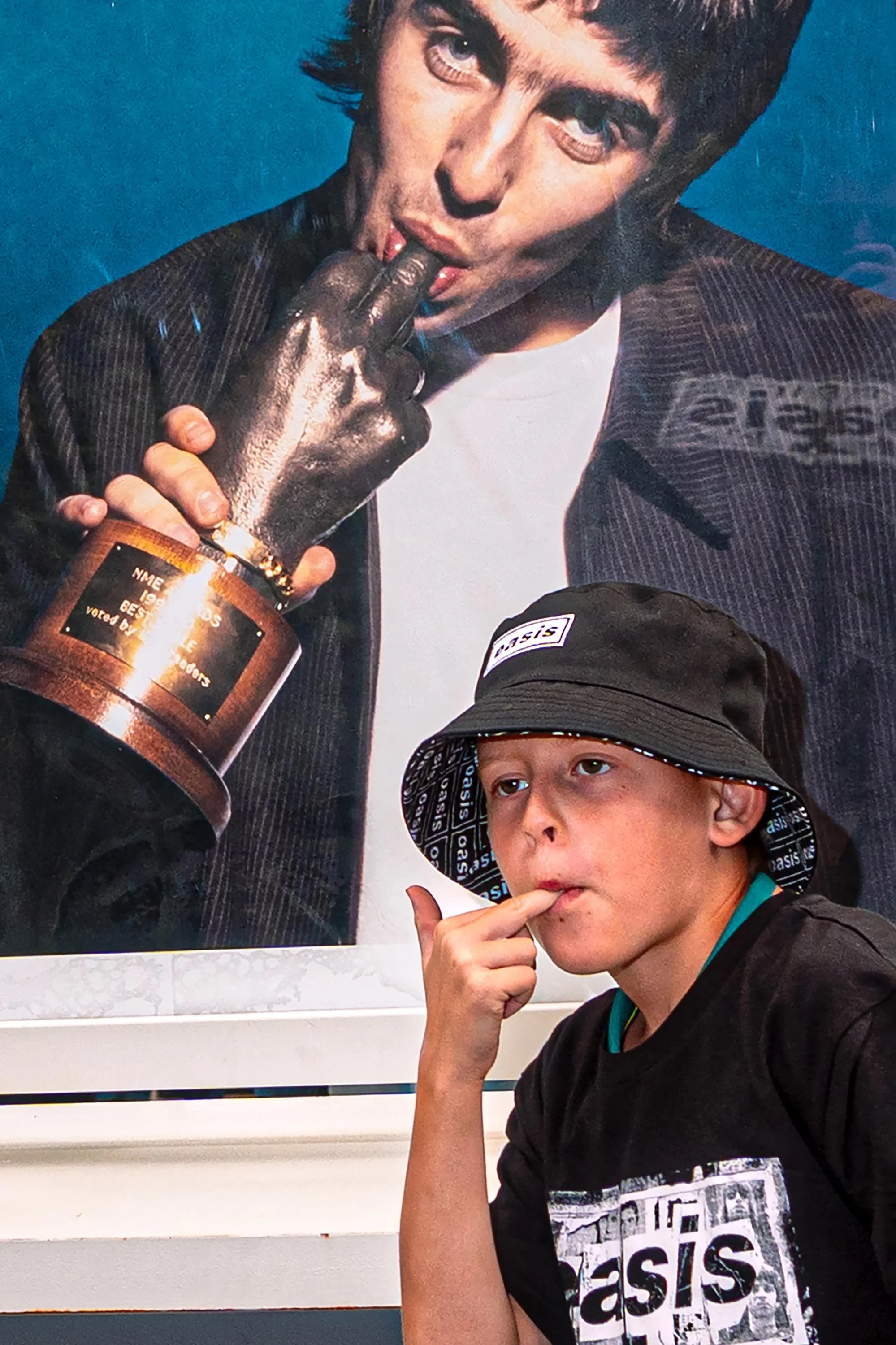
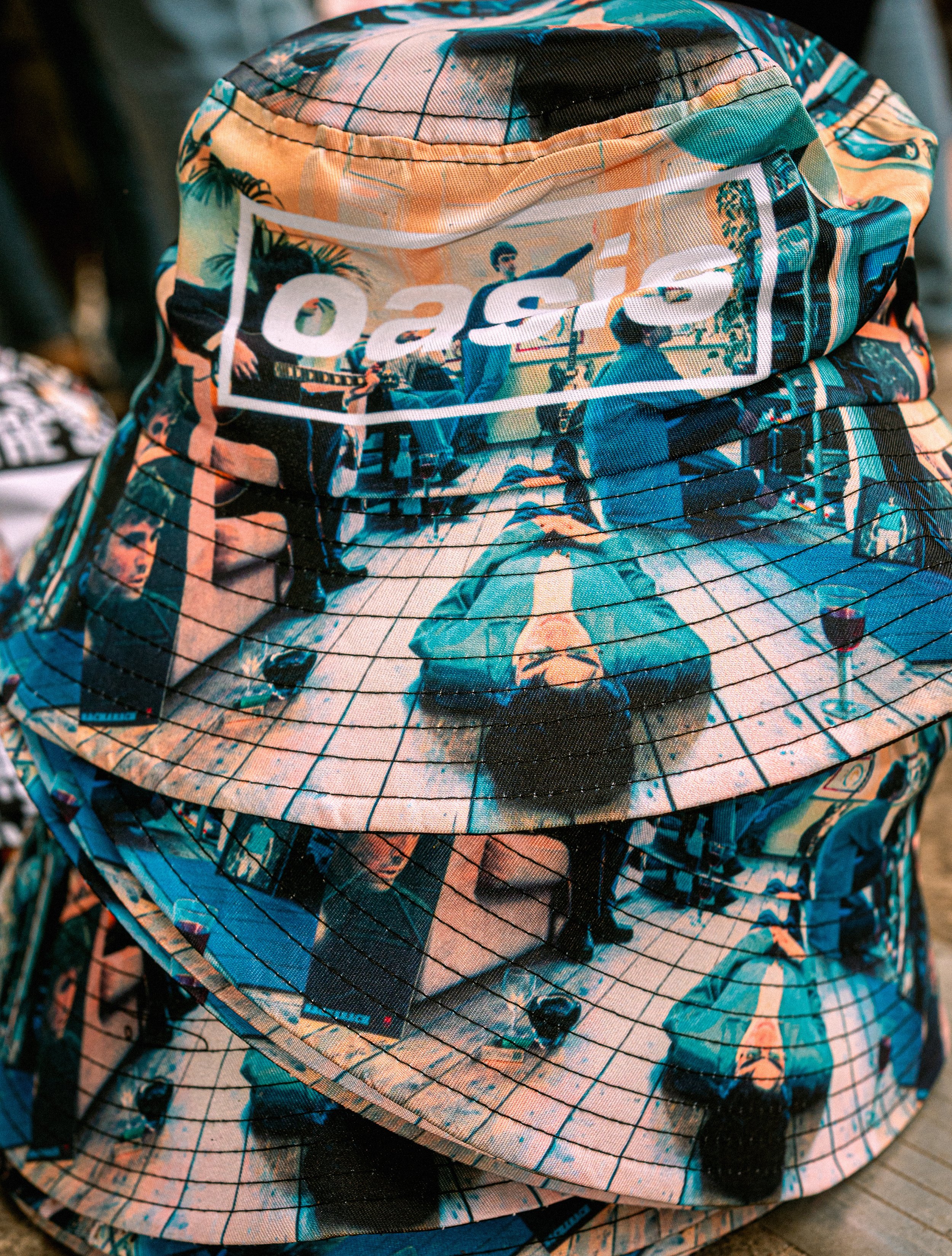
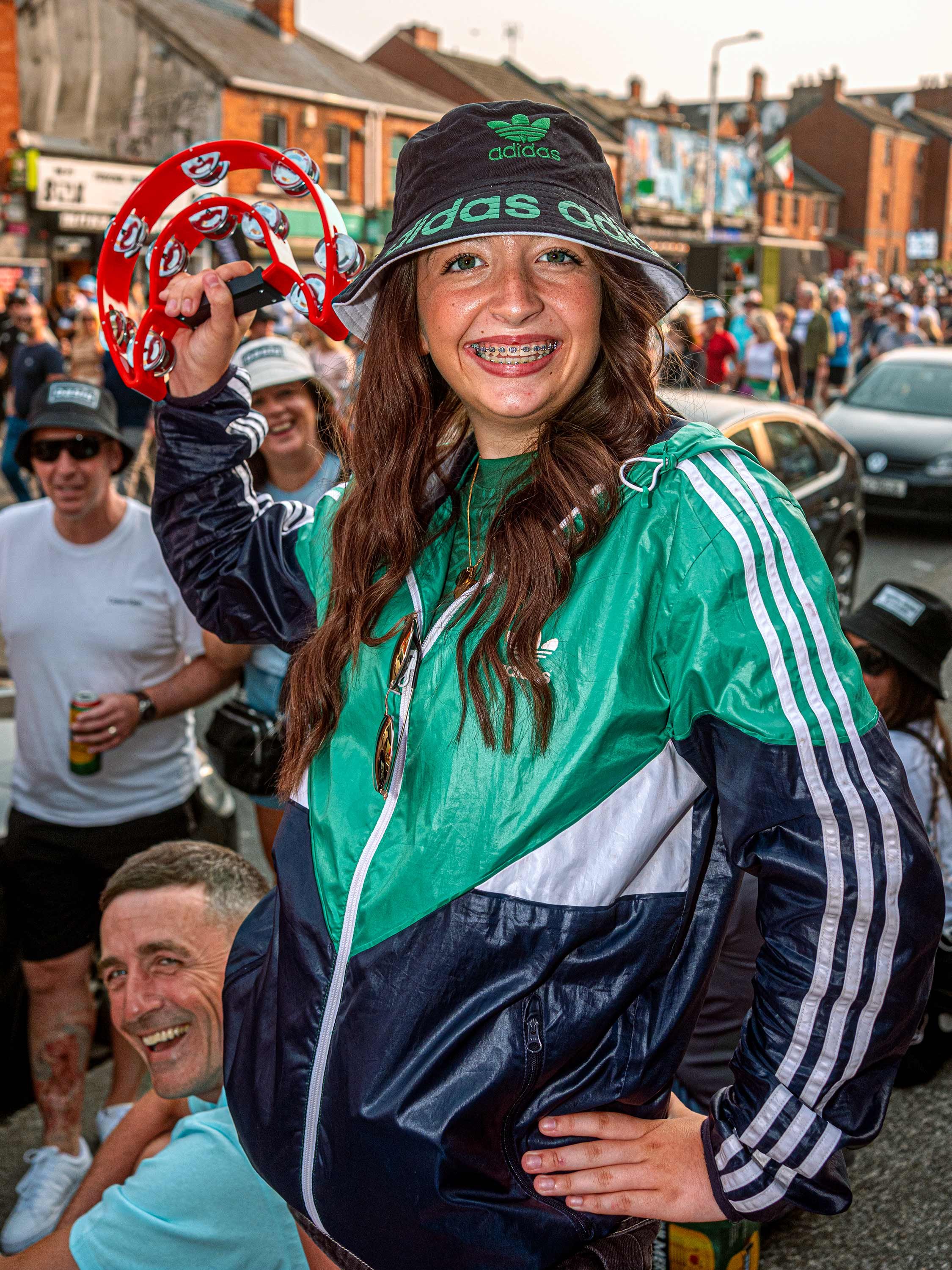
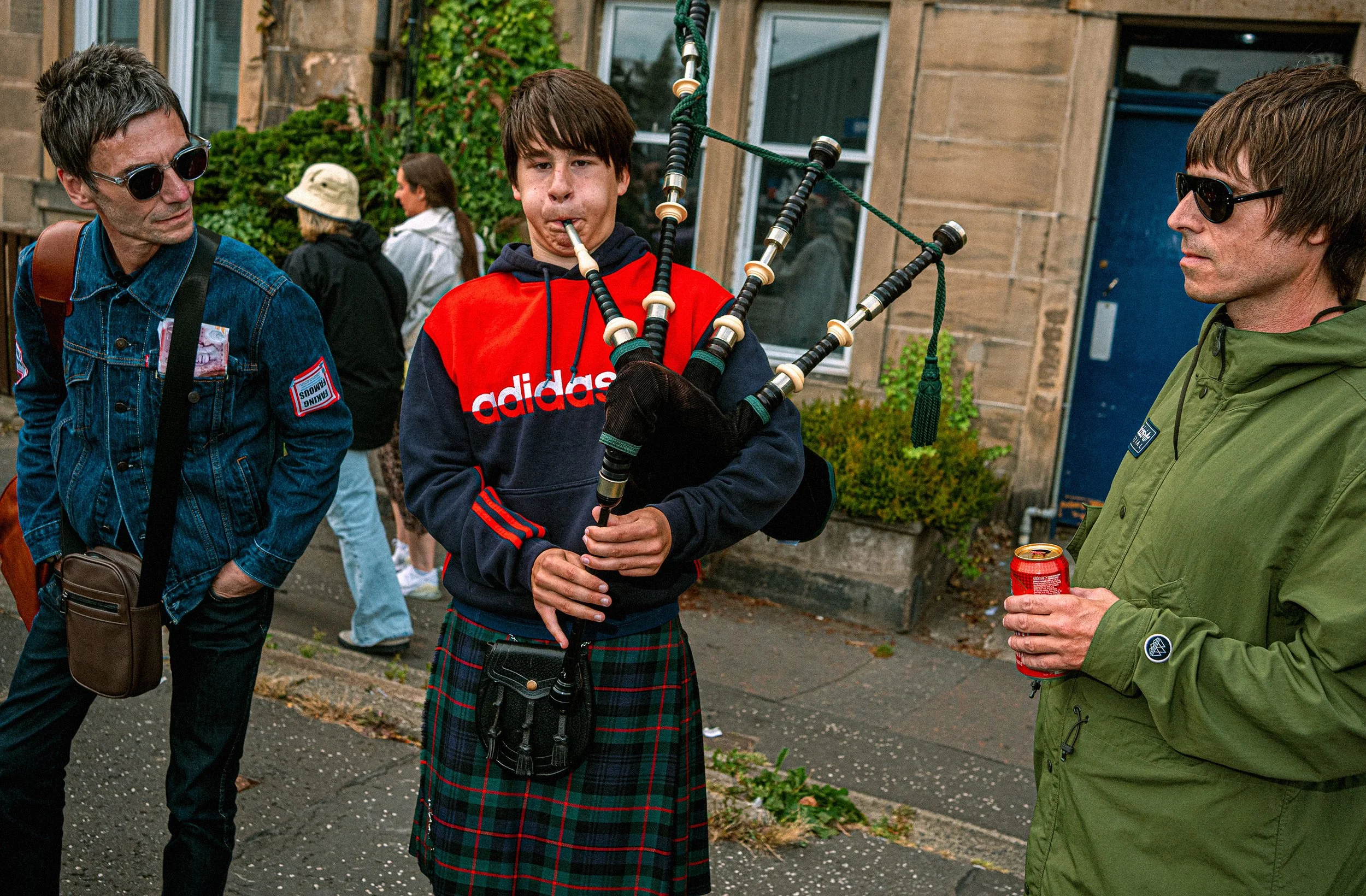
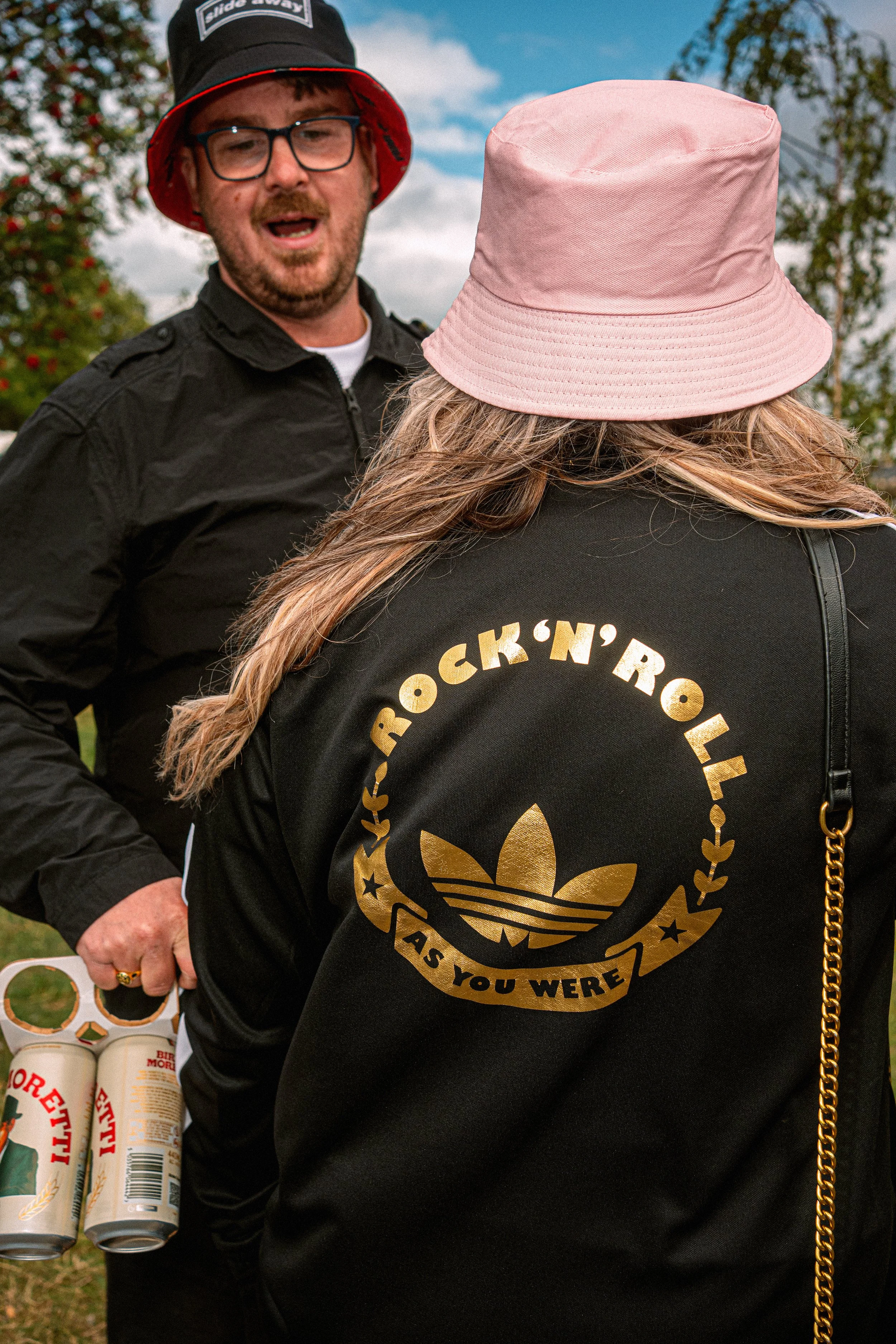
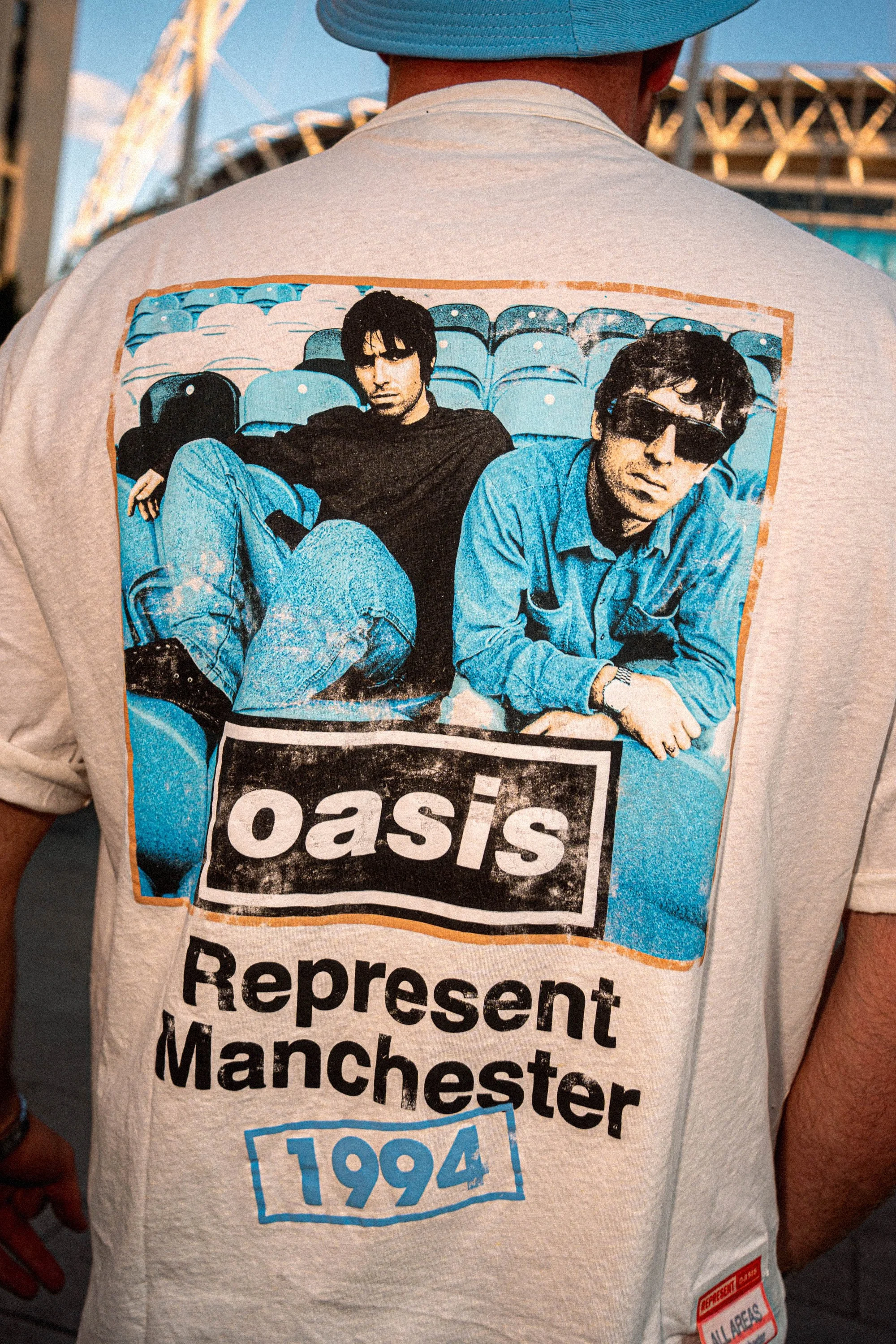
After sixteen years apart, Oasis returned in 2025 and the faithful came with them. Fashion at Wembley among Oasis fans was a studied throwback, carefully casual and relentlessly nostalgic. Bucket hats, worn low, nodded to Liam Gallagher’s trademark look, while zipped-up parkas and retro football tops revived an aesthetic born in Manchester’s swaggering nineties heyday. Sunglasses remained compulsory, come rain or shine. Vintage Adidas trainers scuffed along the concrete, badges of authenticity in a crowd where credibility depended on the right brand and the right attitude.
The style paid tribute not just to a band, but to a defiant moment when fashion, football and music combined to tell the world exactly who you were. It was a look forged in the pubs and terraces of nineties Britain, resurrected now with ironic flair or entirely without irony, depending on who you asked. Either way, it had been adopted by a new generation who saw Liam not as a relic, but as a living mood board.
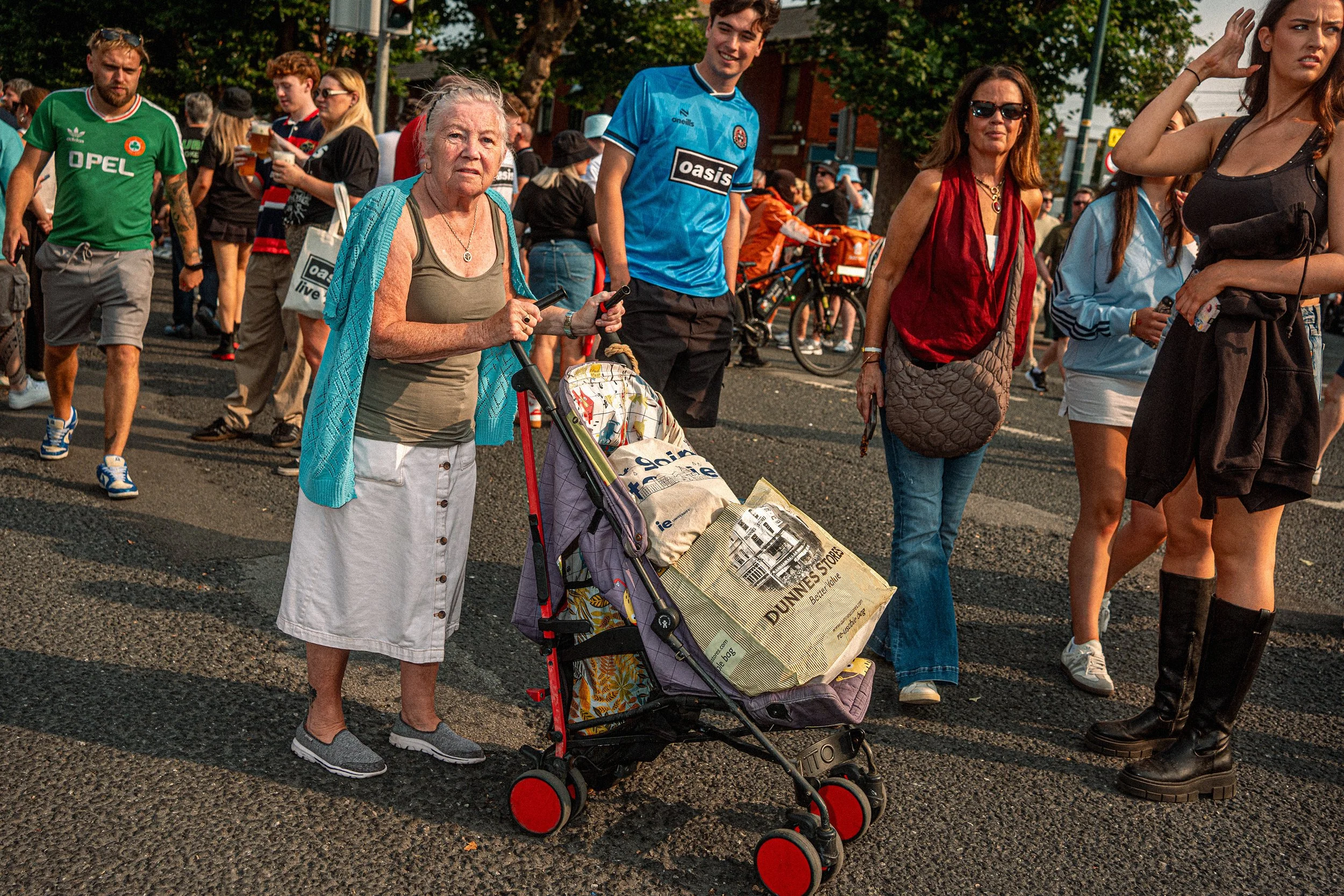
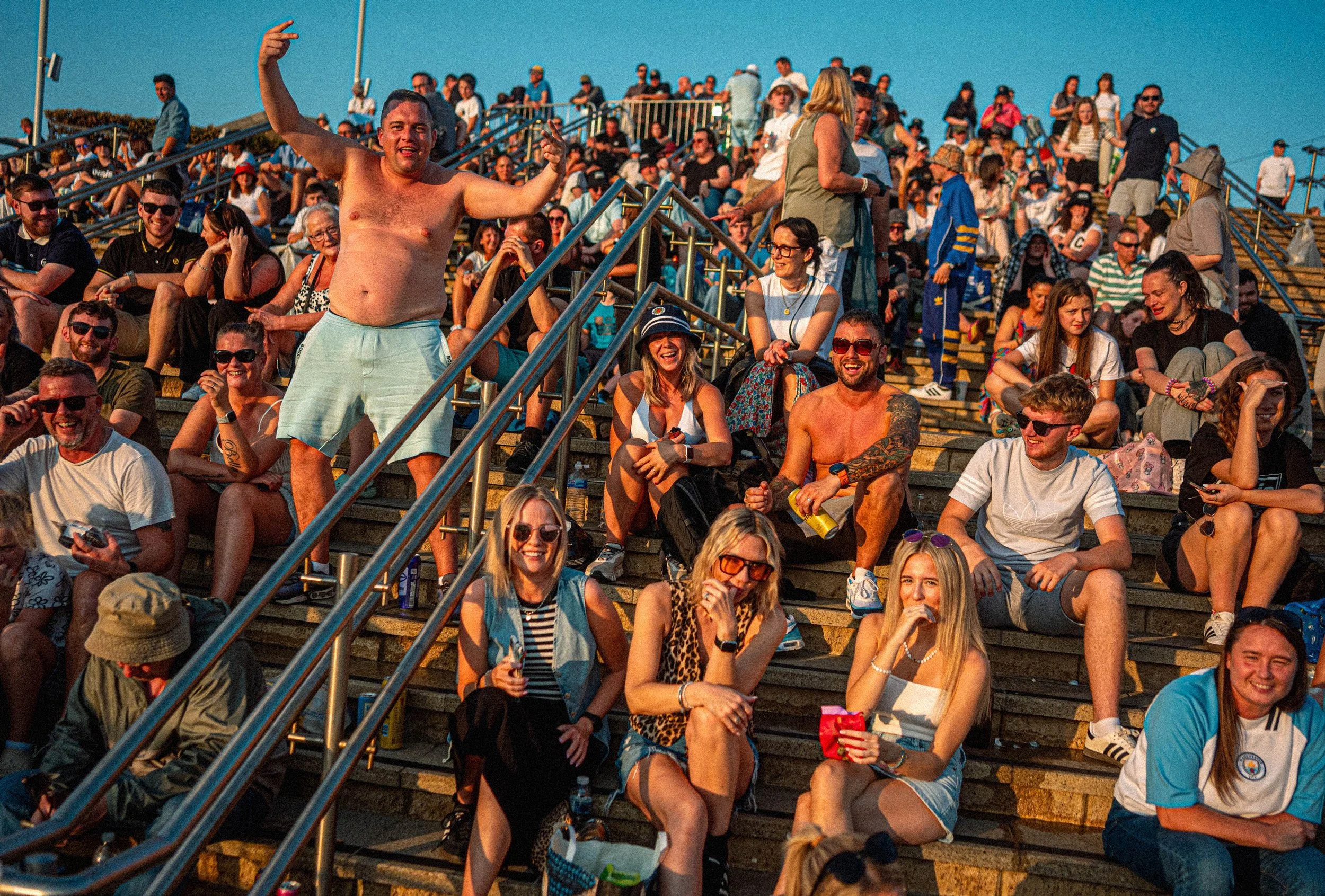
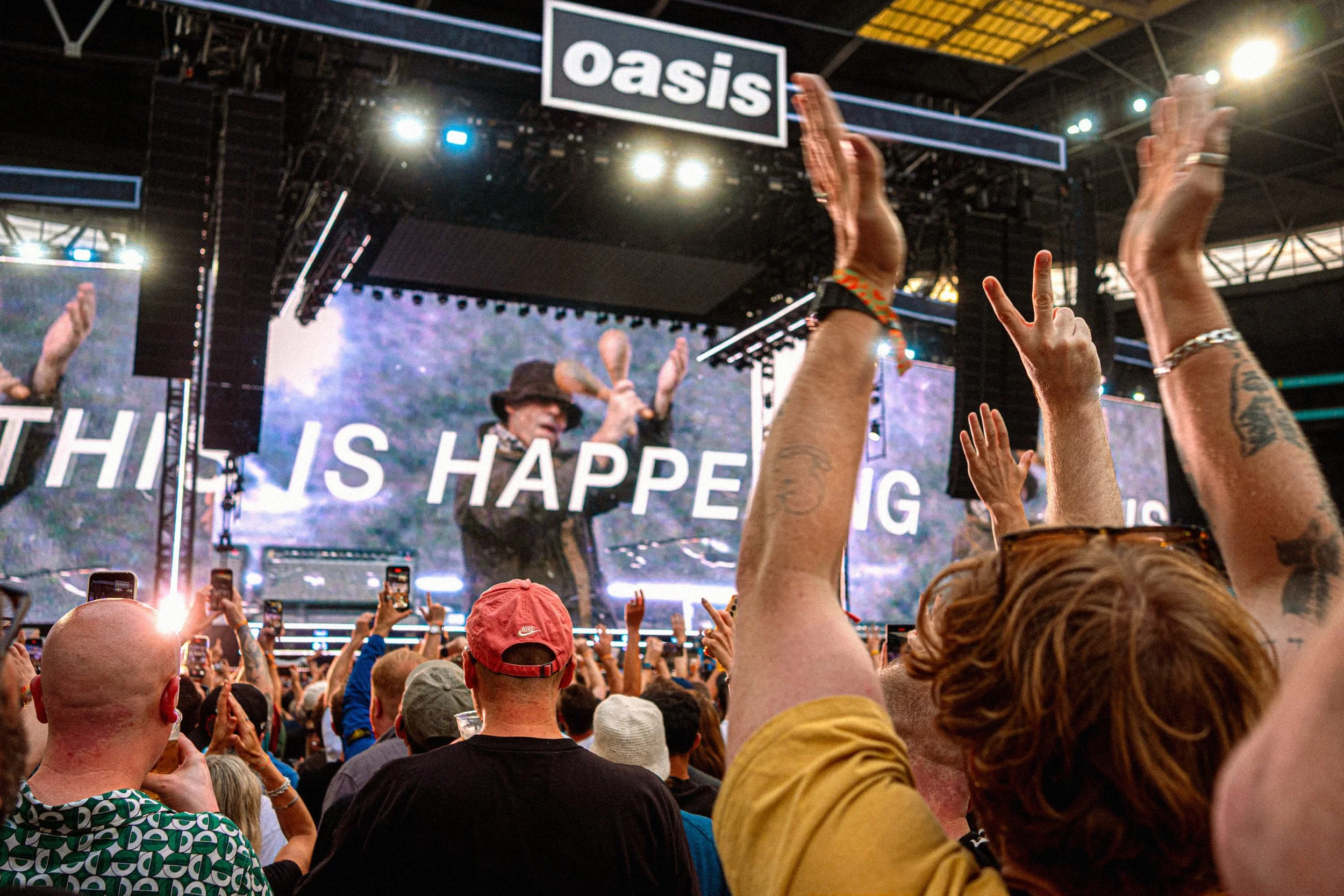
From the first lager-flung chorus of Wonderwall to the arms-aloft chanting of Don’t Look Back in Anger, this crowd was less audience than congregation, united by a band whose attitude once defined a generation. Even decades after Oasis first swaggered onto the stage, their fans still gathered with a mix of bravado, sentimentality and an unshakable belief in rock and roll redemption, determined to keep the glory days alive, one anthem at a time.
And behind it all was the real trick Oasis pulled: turning working-class swagger into something mythic. Wembley was not just a reunion. It was a cultural reset. On average, a quarter of a million pints were being poured each night at Wembley, comfortably eclipsing the 120,000 served during Coldplay’s 2024 run and leaving Taylor Swift’s Eras Tour figure of 40,000 in the dust. Beers airborne, voices raised like hymns and bucket hats bobbing in time, this was not just a gig. It was something closer to belief.
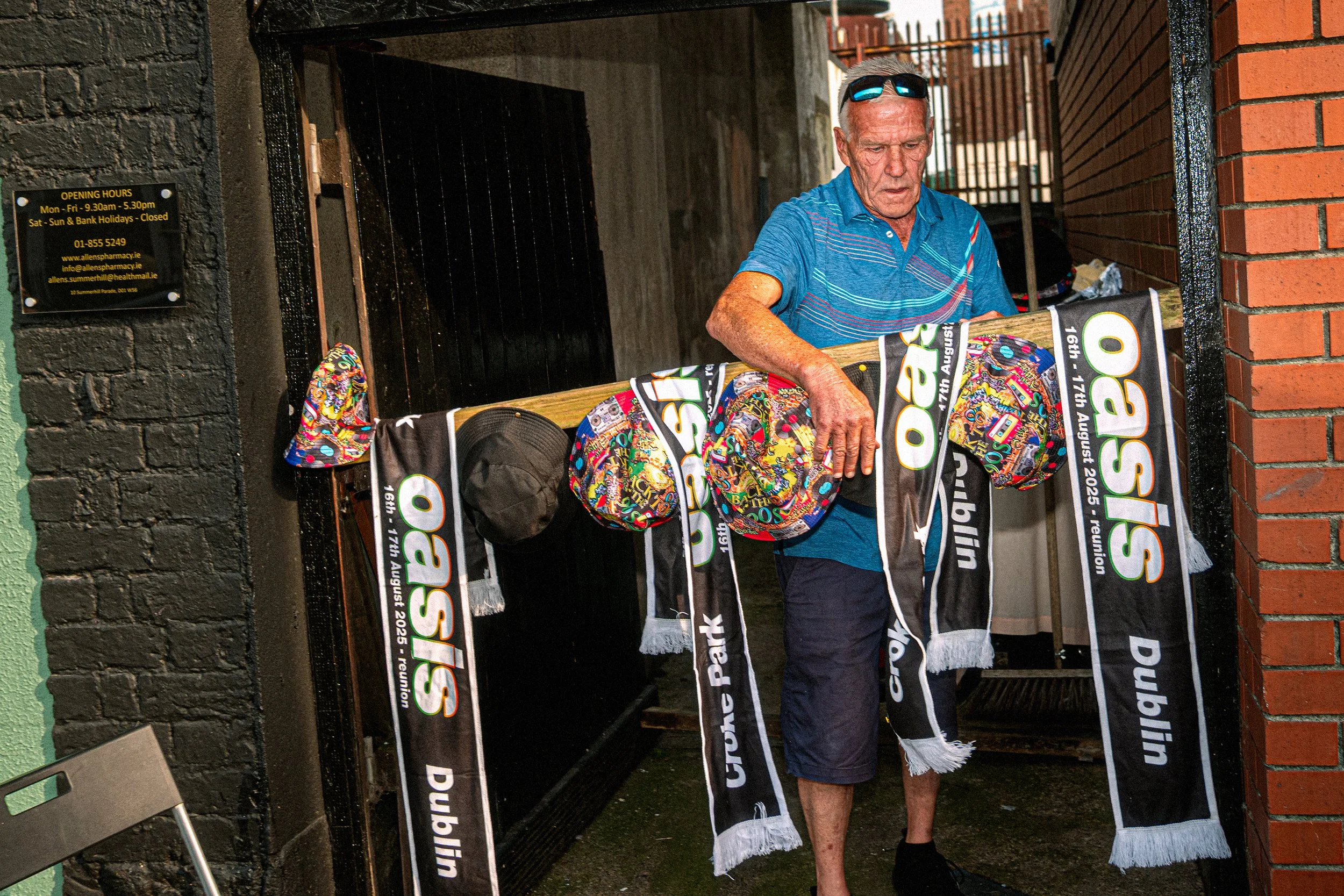
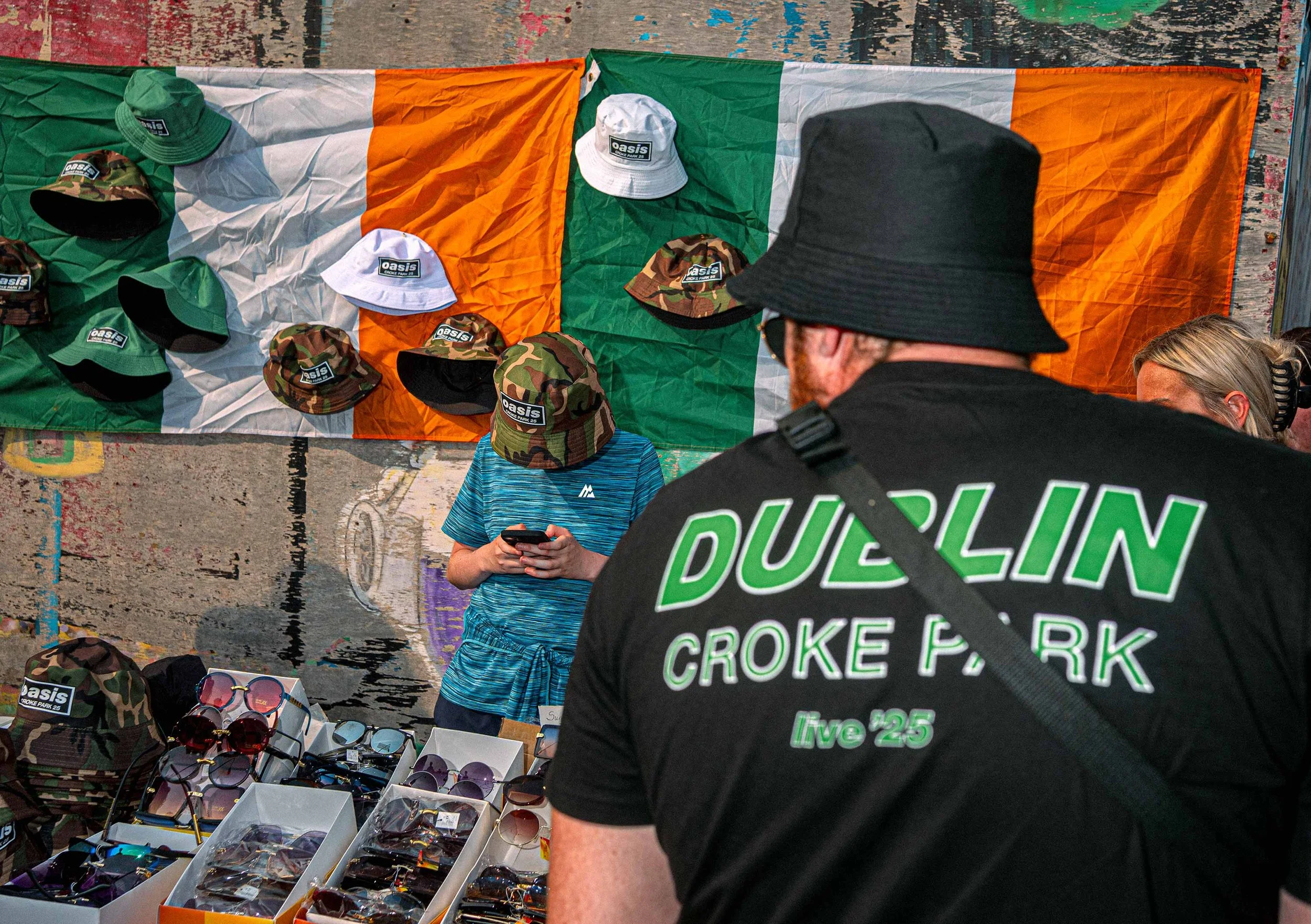
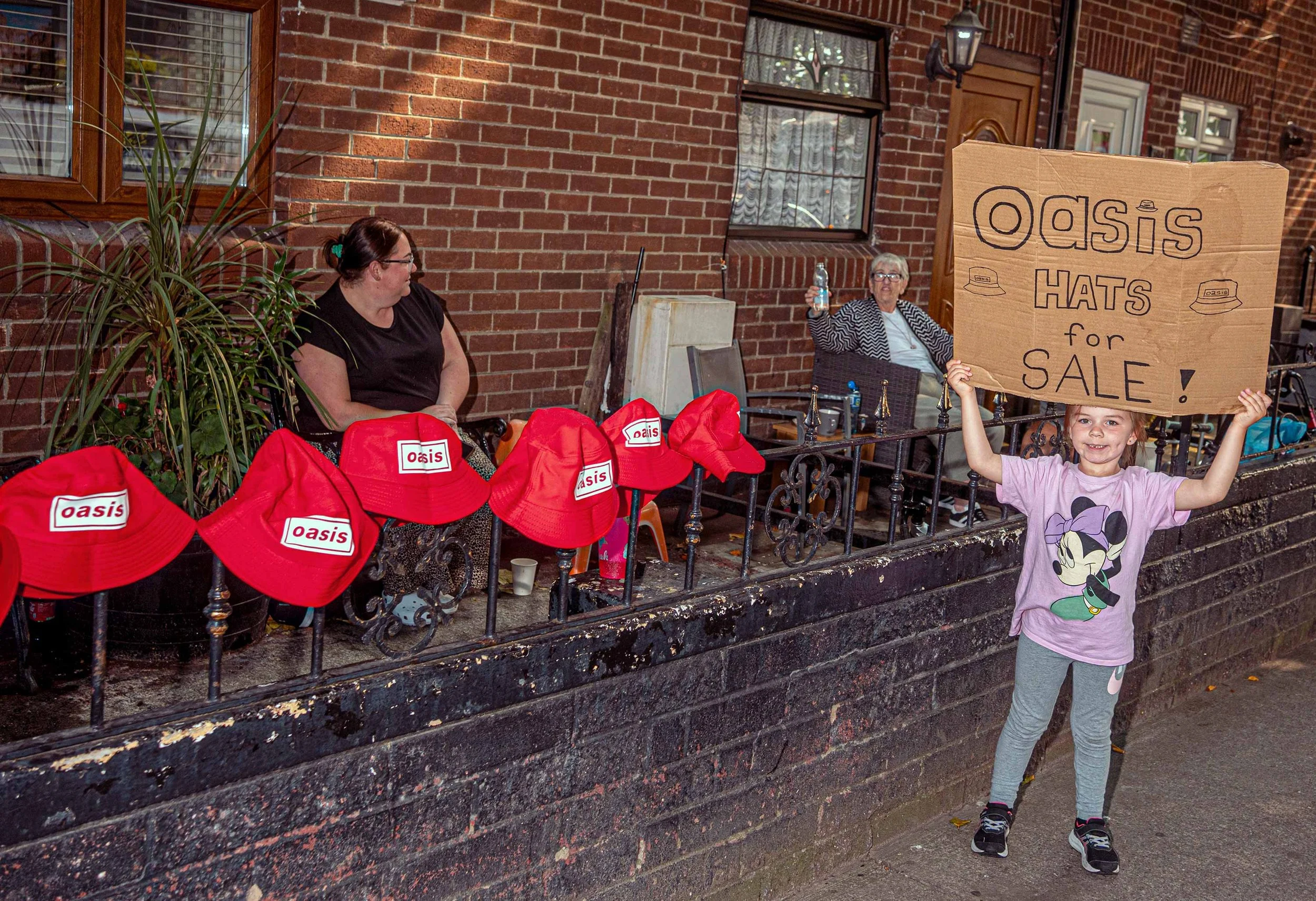
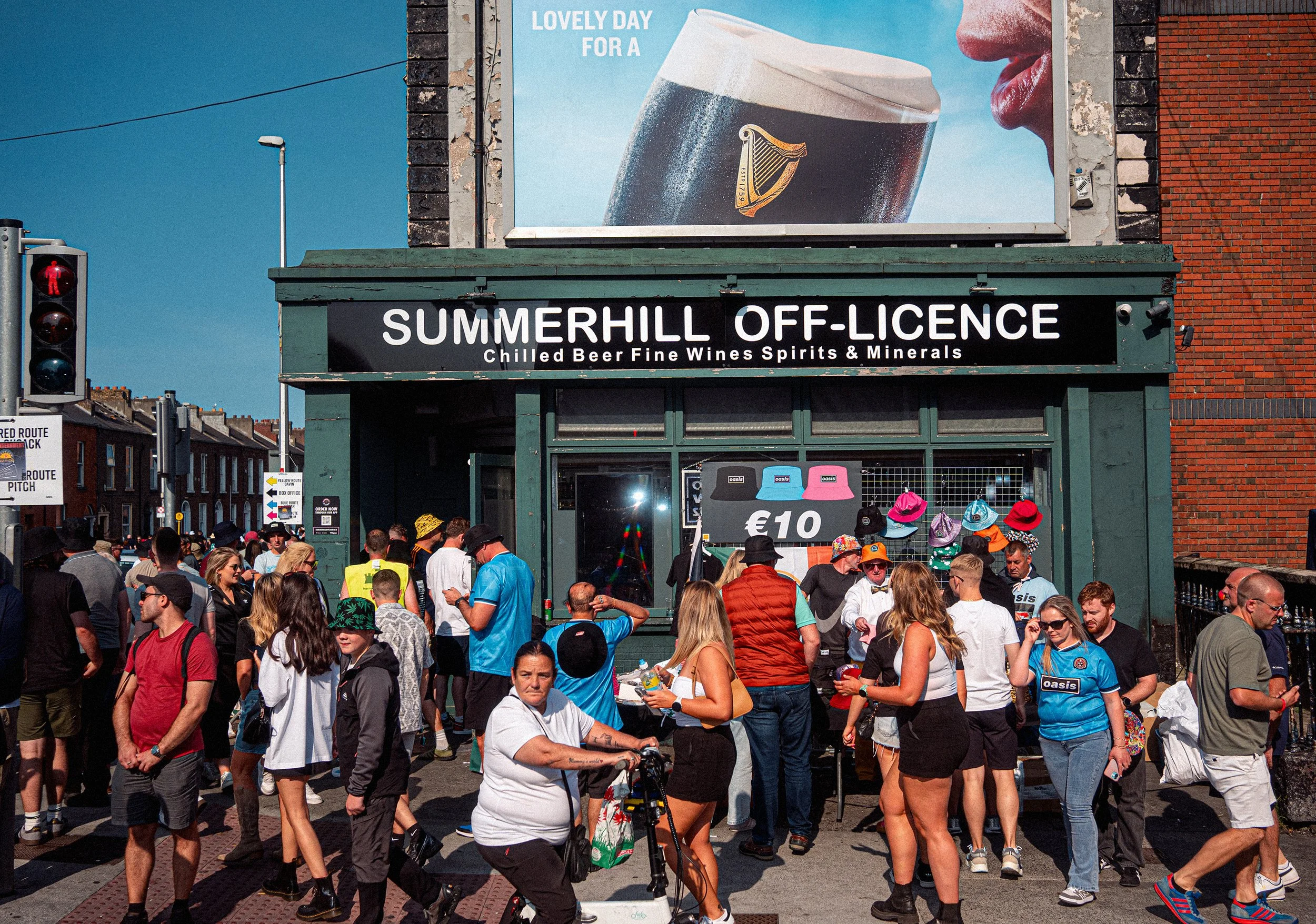
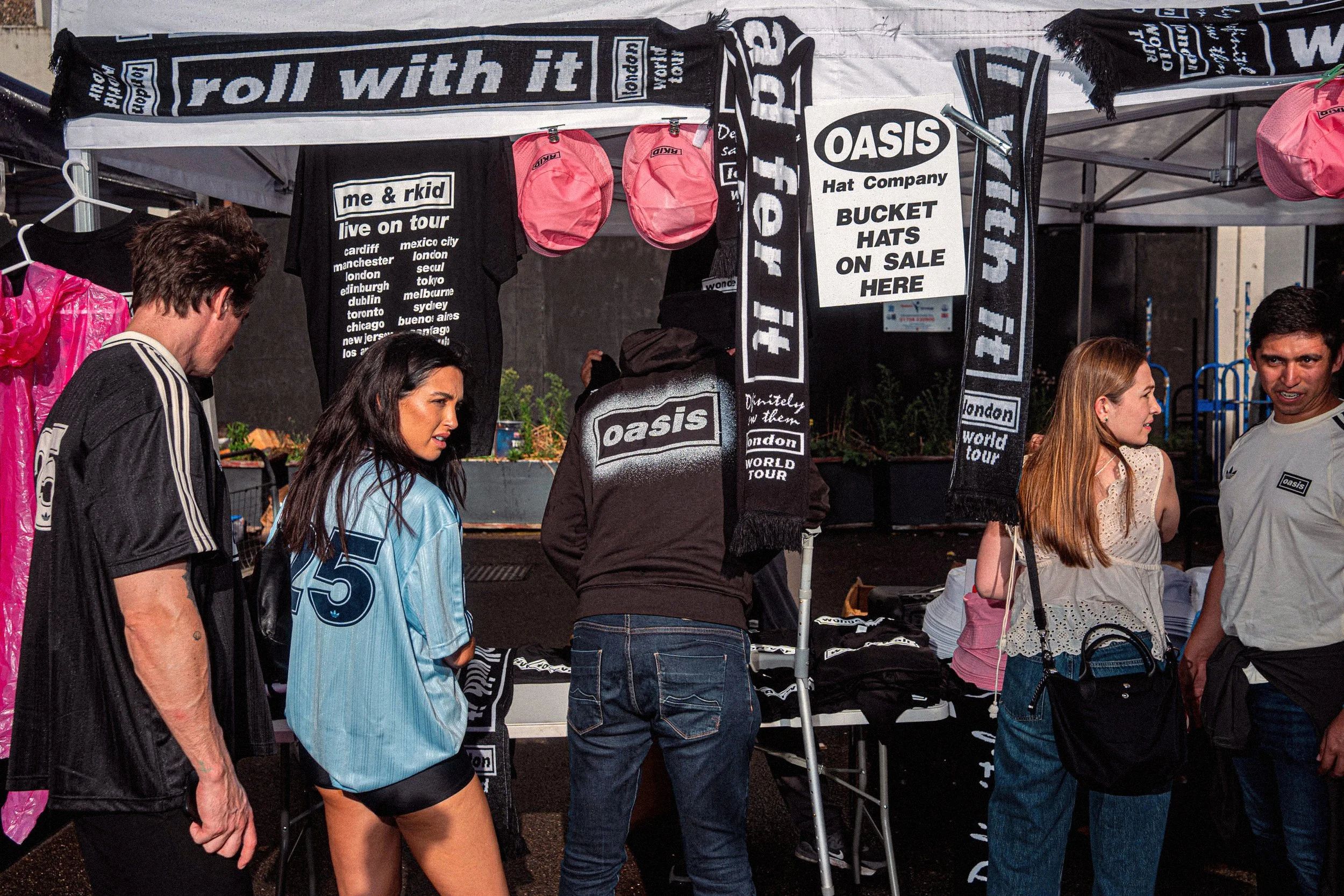
The influence travelled with the fans. By the time the tour reached Dublin, the bucket hat economy was in full voice. Pop-up hat racks and scarves appeared along Jones’s Road, while iron rails took the weight of a thousand bucket hats as if the terraces themselves had become part of the merchandise. Chancers with bootleg T-shirts whispered “best quality, boss” while card readers failed and cash tins did the talking. Dublin doing Dublin: the craic, the retail, the whole street turned into a pop-up shop, mad for it and grand with it.
An estimated 1.6 million people would see Oasis in the UK and Ireland alone, with three million expected worldwide. In terms of brand partnerships, sources estimated that the collaboration with Adidas for the tour helped fuel double-digit growth across Adidas markets in the second quarter of 2025, particularly in the UK, as retro 1990s-inspired clothing and footwear surged on the back of Oasis nostalgia.
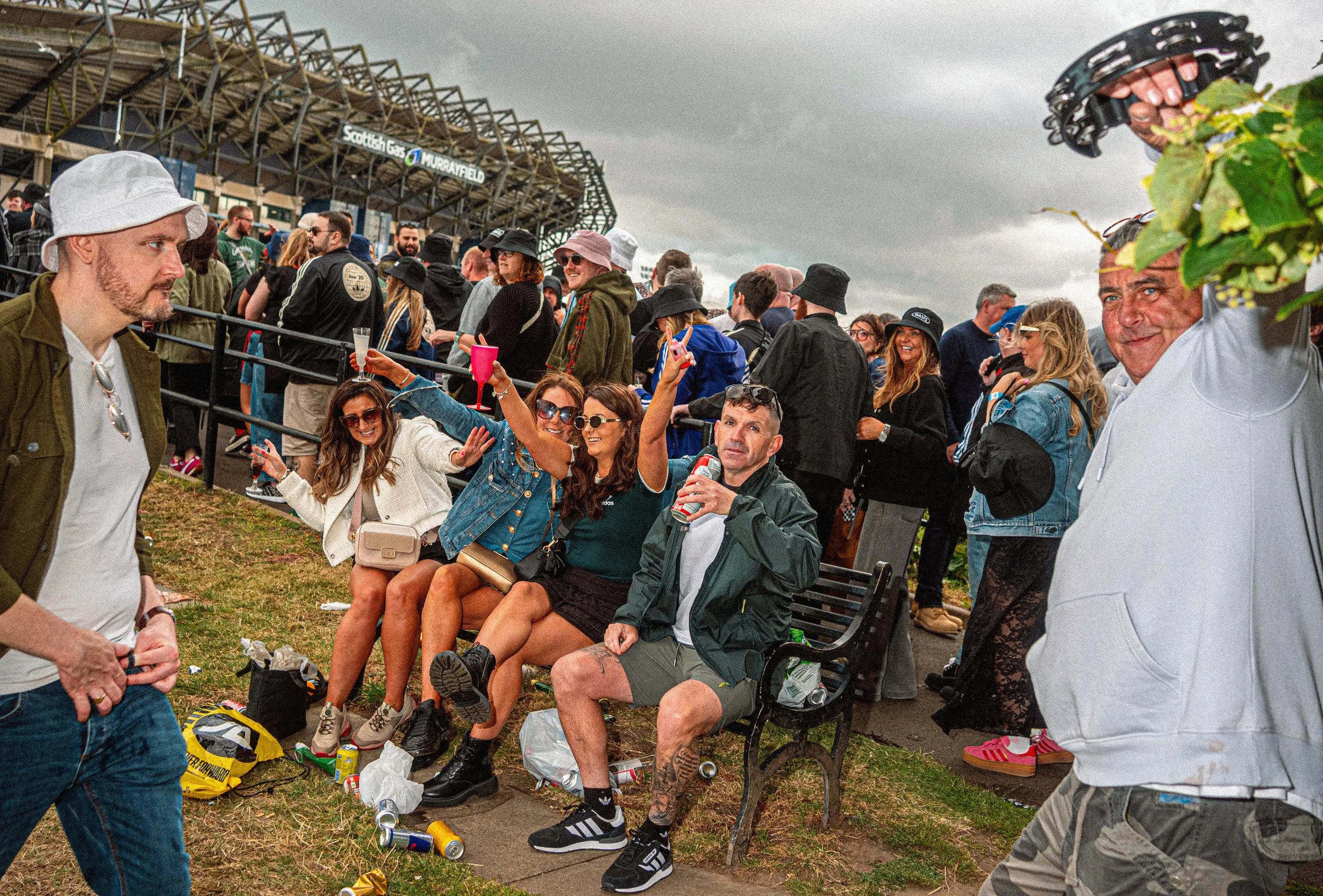
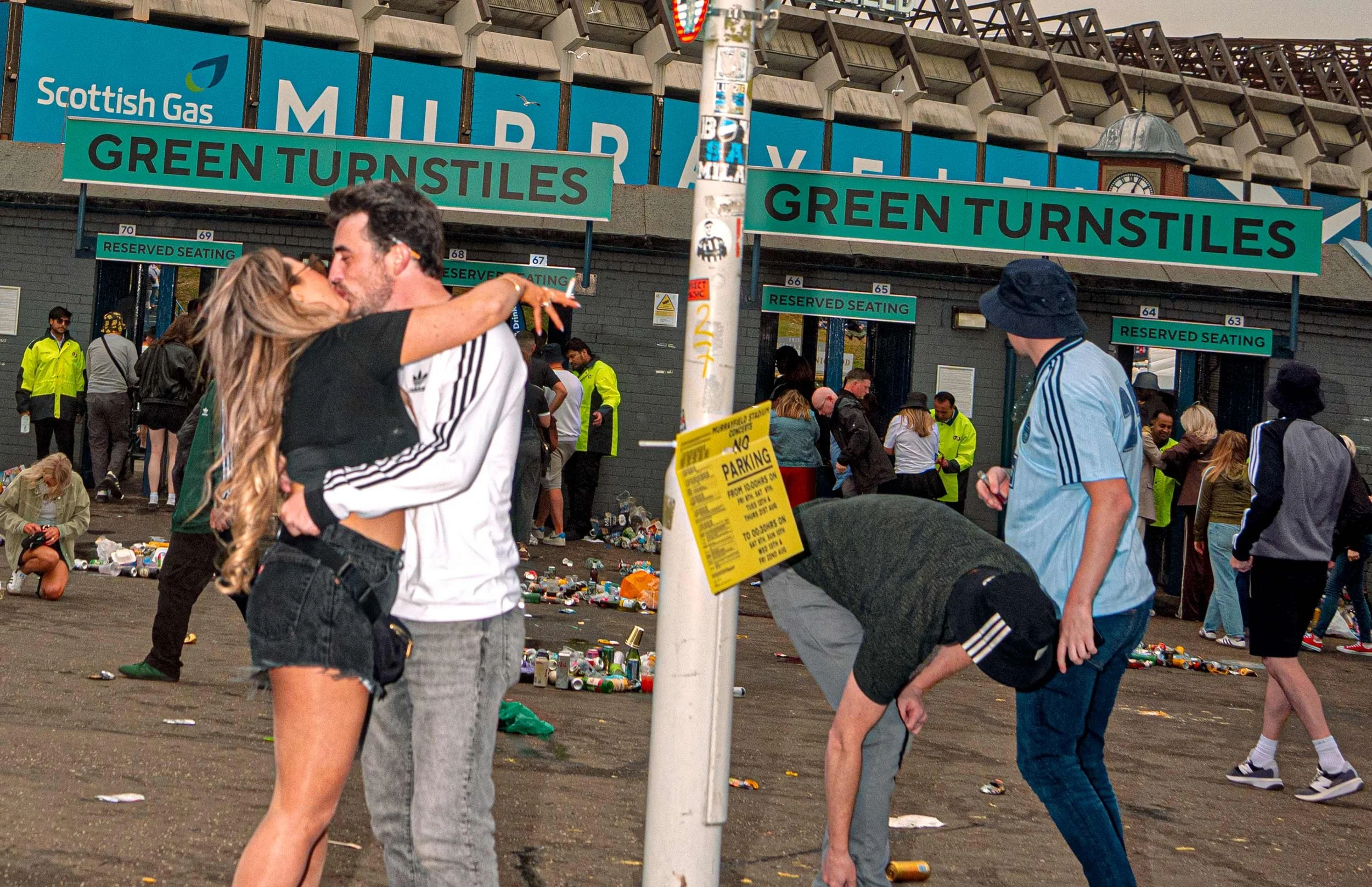
At Murrayfield, the approach was a steady tide of parkas and flags moving in from all directions. August brought forty-mile-an-hour winds and drizzle that flattened bucket hats and soaked scarves. Outside the stadium, the uniform held: parkas zipped to the chin, bucket hats pulled low, Stone Island patches flashing at tram stops, retro football tops and vintage Adidas trainers shuffling across the wet pavement. Fans swapped stories with strangers and eyed each other’s clothes for signs of authenticity. Norwegian flags, Welsh scarves and Italian football tops showed how far some had travelled.
The council’s leaked safety briefing had described the expected audience as “rowdy, middle-aged men” with “medium to high intoxication”, even noting that “middle-aged men take up more room”. David Walker of the Oasis Collectors Group called the language “a nasty, sneering stereotype” and “a jaundiced view”. Scottish Secretary Ian Murray described it as snobby and classist, pointing out that rugby supporters in the same stadium could drink in the stands while football fans could not.
At Murrayfield, alcohol was on sale throughout the stadium and fans could drink at their seats. For most people outside, the reality felt less like the trouble the council had warned of and more like the old days of drinking at a match, only without the edge of an away end. The style paid tribute to a moment when fashion, football and music combined to tell the world exactly who you were. It was a look forged in the pubs and terraces of nineties Britain, resurrected by a new generation who saw Liam not as a relic, but as a living mood board.
It was the final night of the three-show run, and Edinburgh stayed warm long after the sun had dipped, the air sitting in the low twenties. Beer gardens around Roseburn were still busy as the last fans made their way in, swapping sunglasses for bucket hats as the light faded. The heat gave the night more of a summer festival feeling than a wet Scottish gig.
Liam Gallagher turned it into an open-air theatre. He mocked Edinburgh Council from the stage, calling its members “a bunch of snakes” and saying their attitude “fucking stinks”. He told the crowd he would leave town if he were any of them, then took aim at the council’s “posh ugly fucking mates”. He claimed the gigs would bring one billion pounds into Edinburgh, later increasing the figure to two billion and, on the final night, three billion over the previous five days. The crowd roared its approval. Liam said he was still waiting for an apology.
By the tram station steps, ticketless fans gathered on the railings, listening to the low rumble from inside. The insult from the council had come from behind closed doors, but the answer was here in the parkas, the flags and the pints, visible and unashamed.
In a year when politics seemed determined to pit everyone against each other, young against old, city against town and left against right, the Murrayfield crowd felt like a rare exception. Rather than divided, they stood shoulder to shoulder in parkas and bucket hats, united by the same cause. Whatever their politics or their accents, they were on the same side.
Even now, Oasis fans do not look back. They look up, pint in hand, parka zipped, sunglasses on, still mad for it and still living forever.