HARRODSBURG
Knightsbridge Wealth Safari
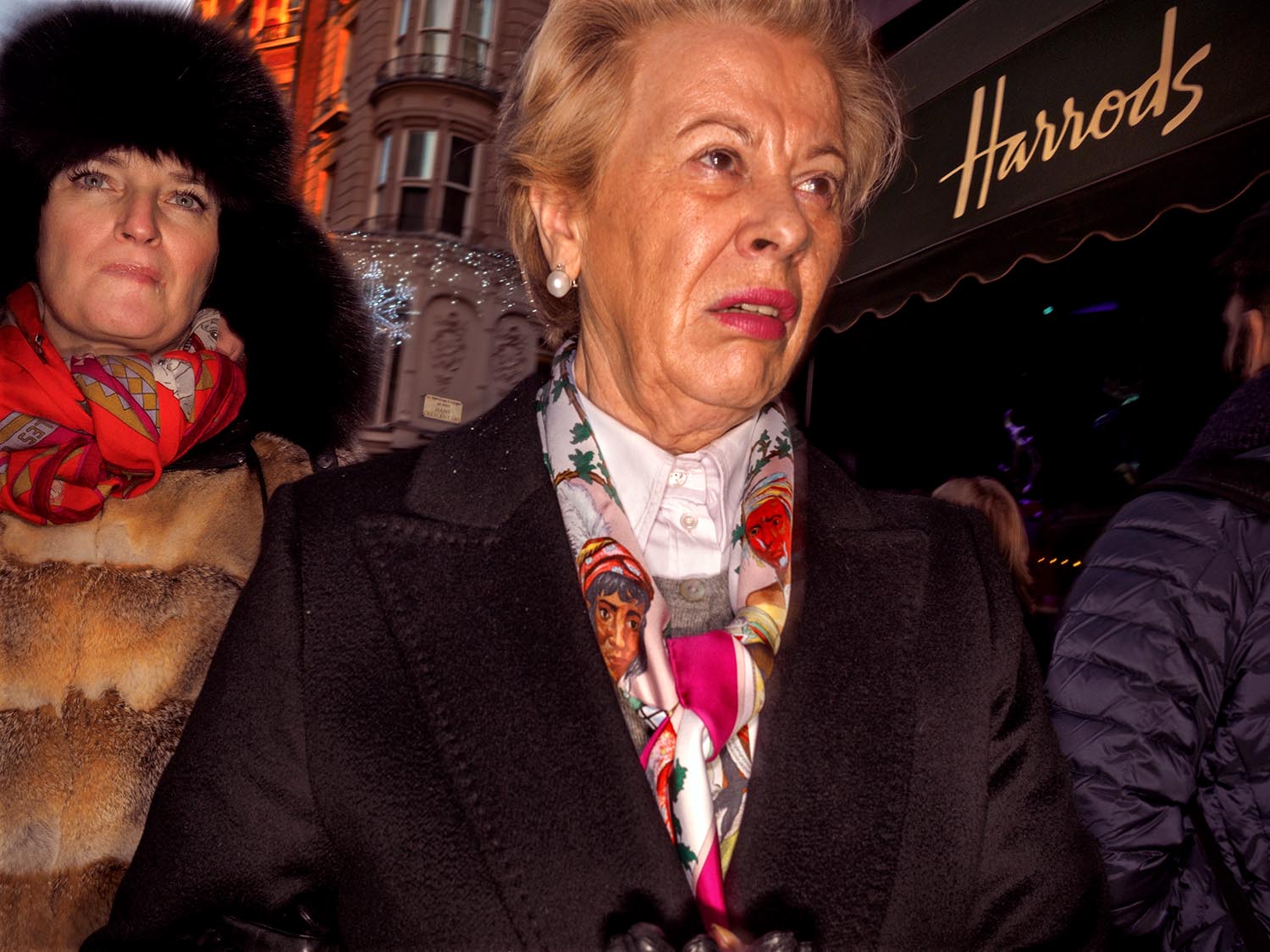
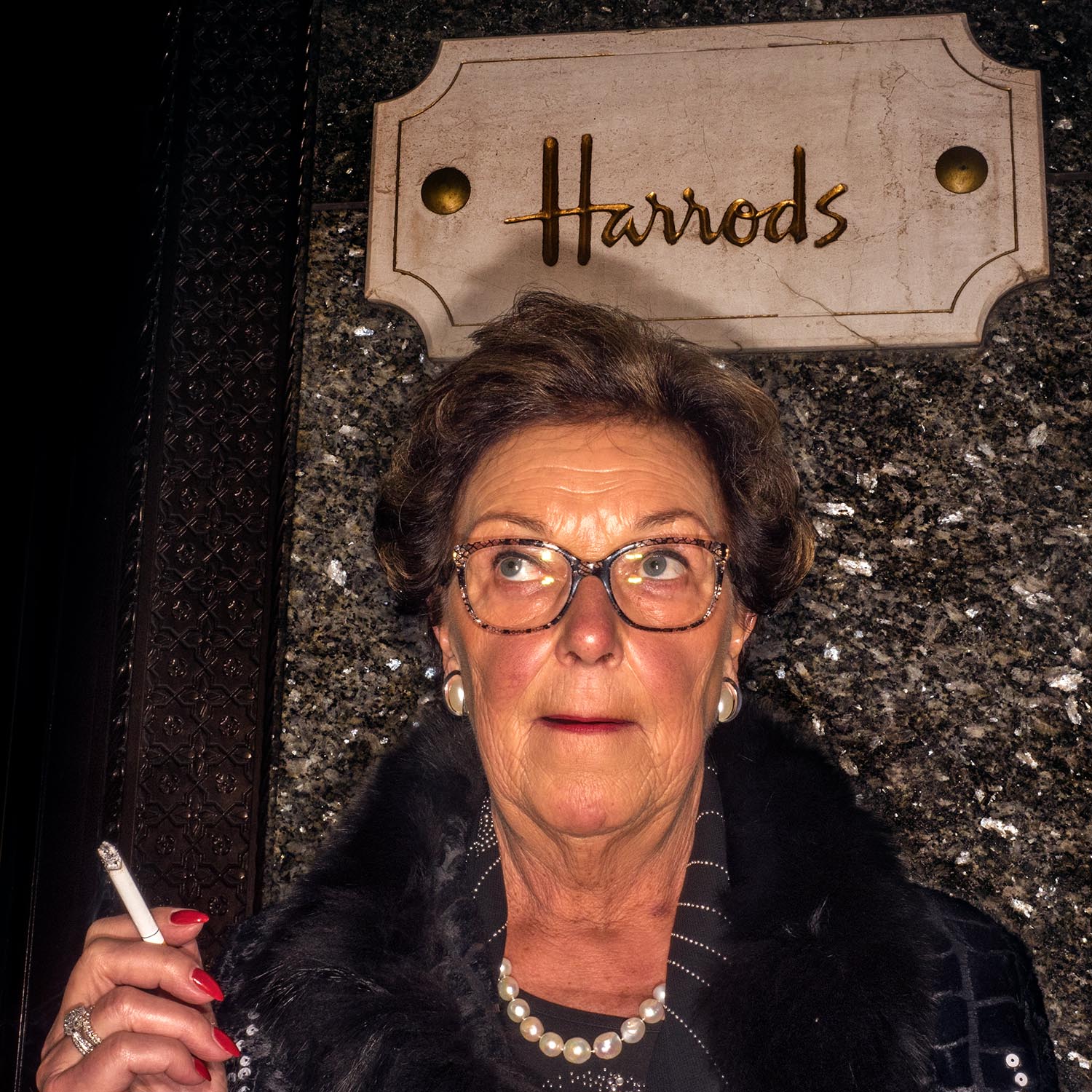
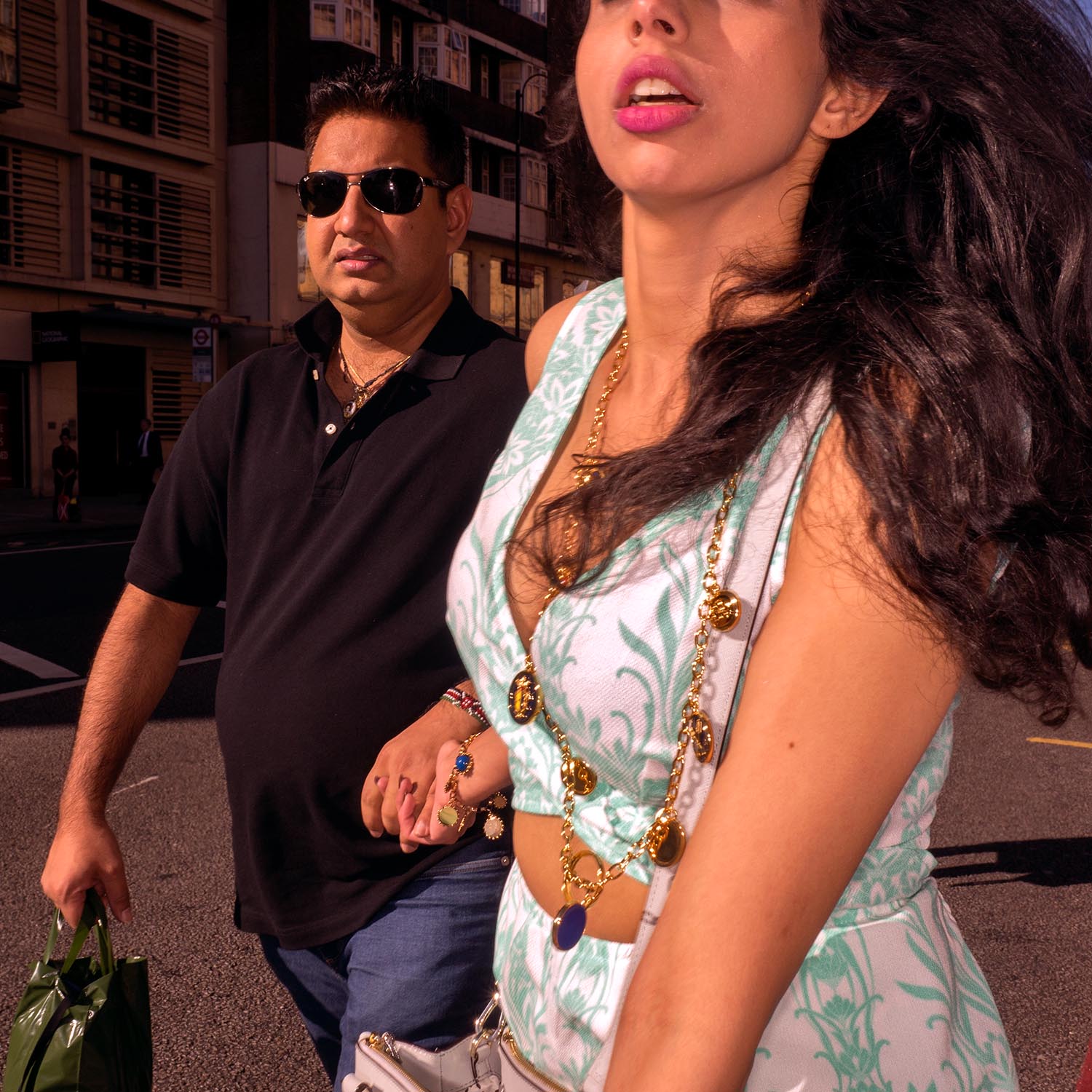
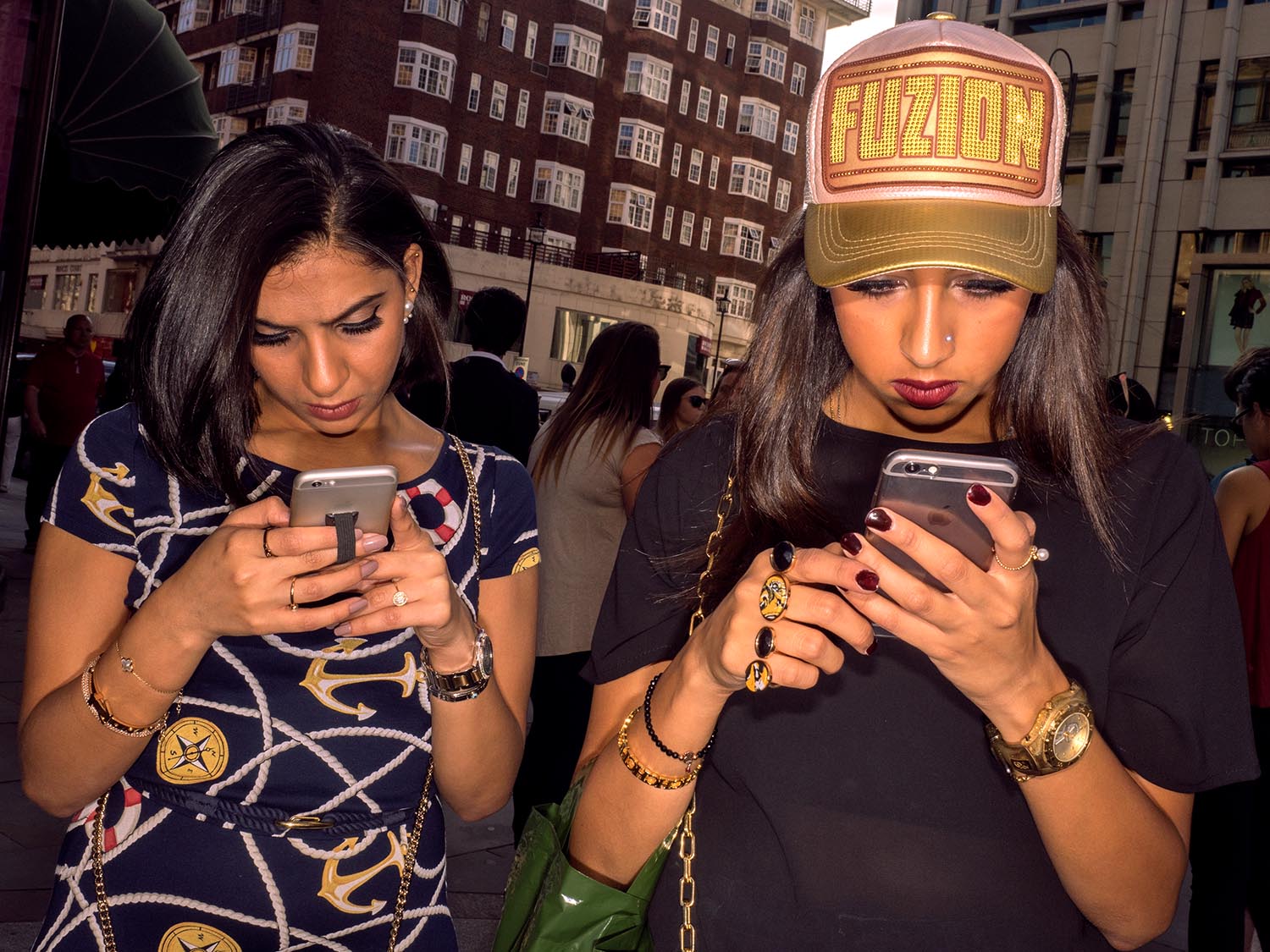
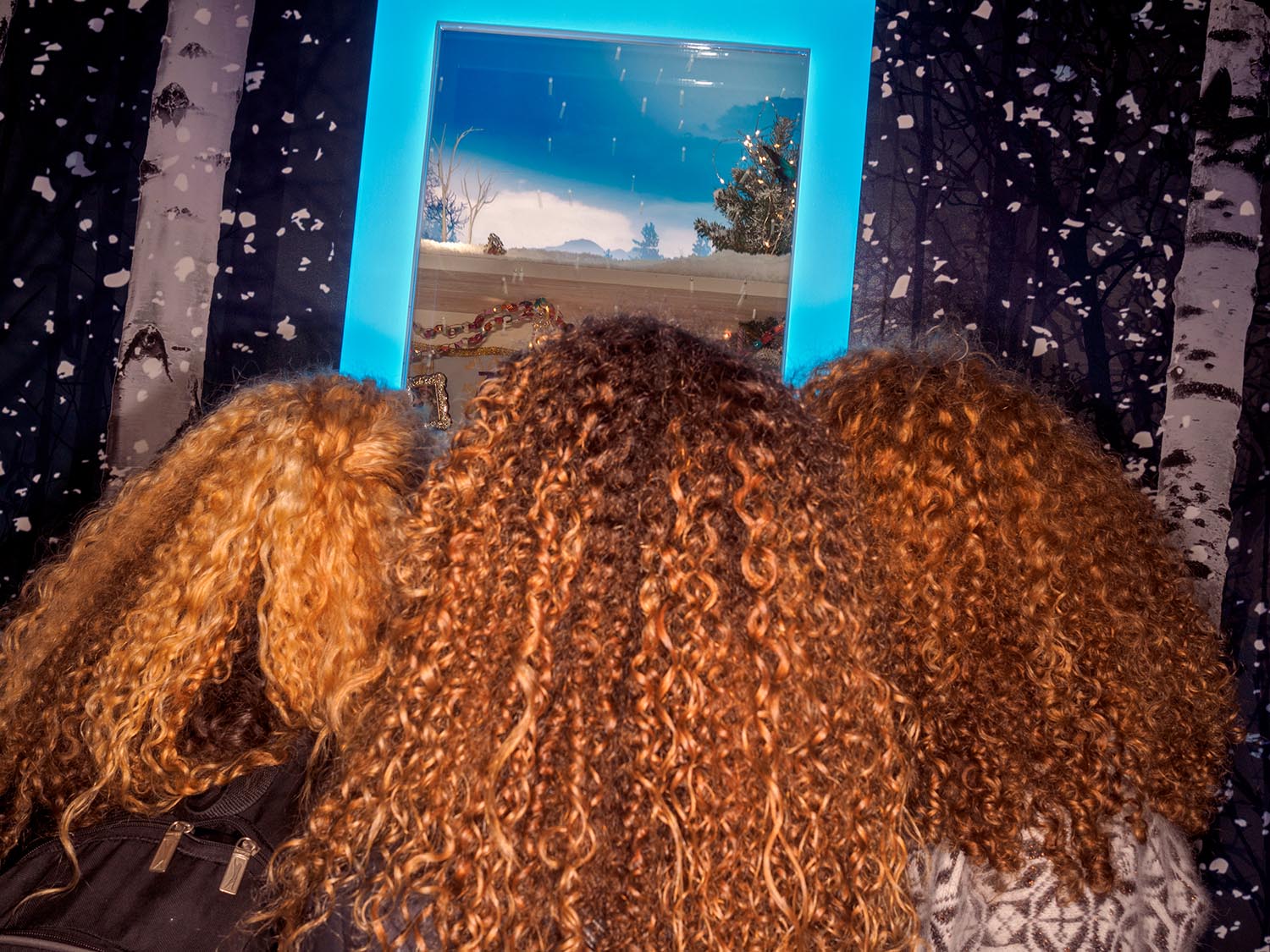
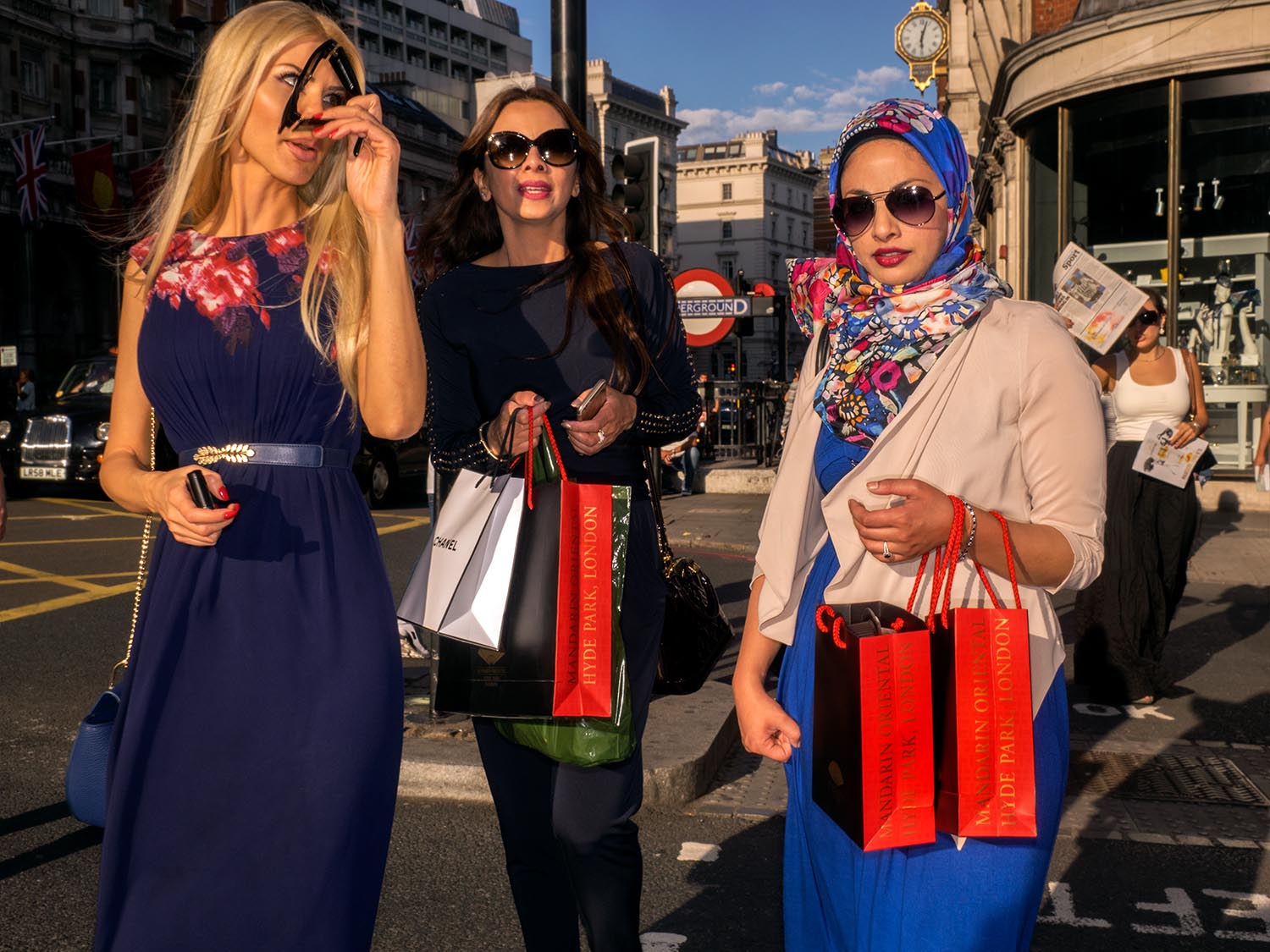
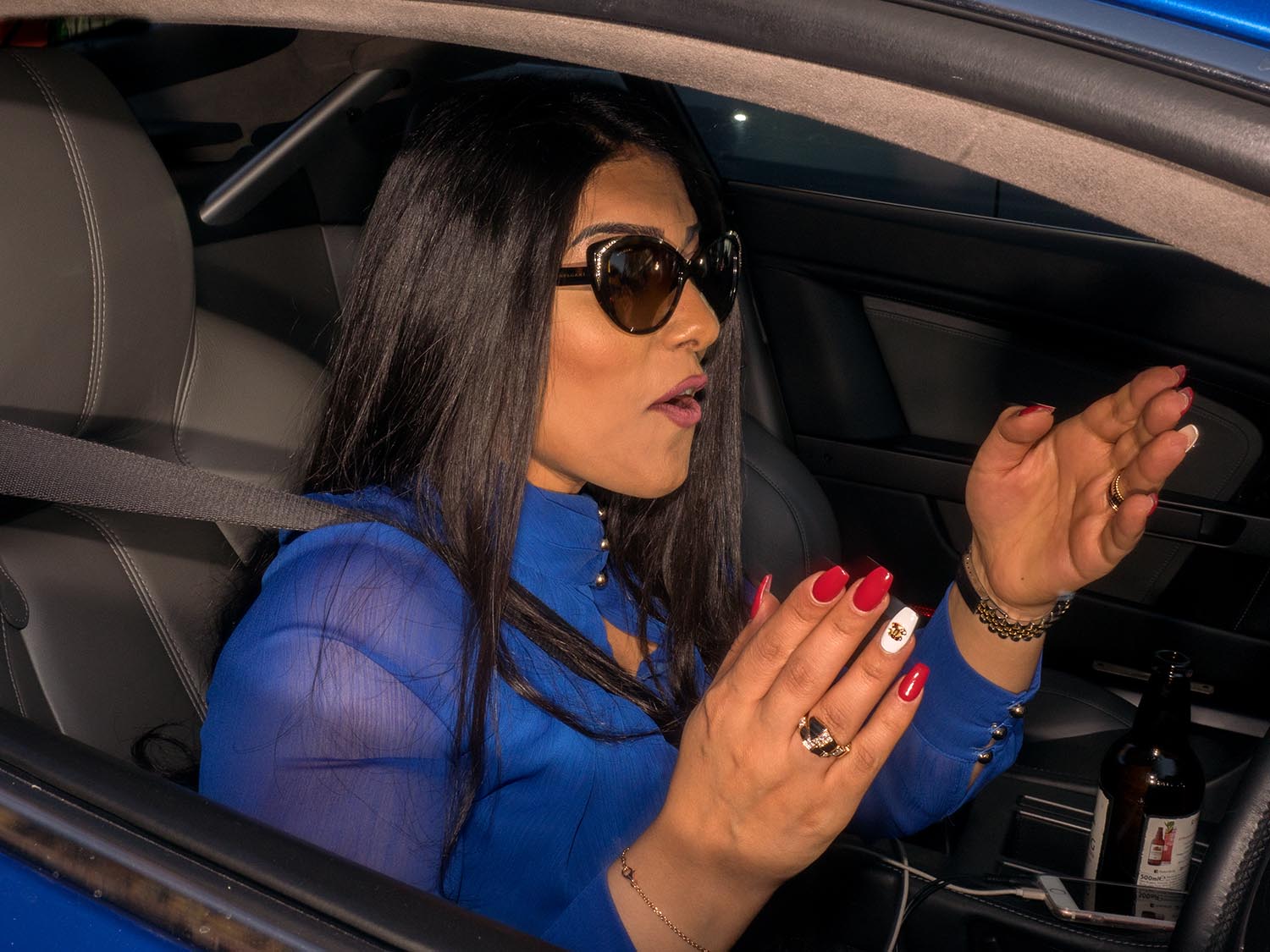
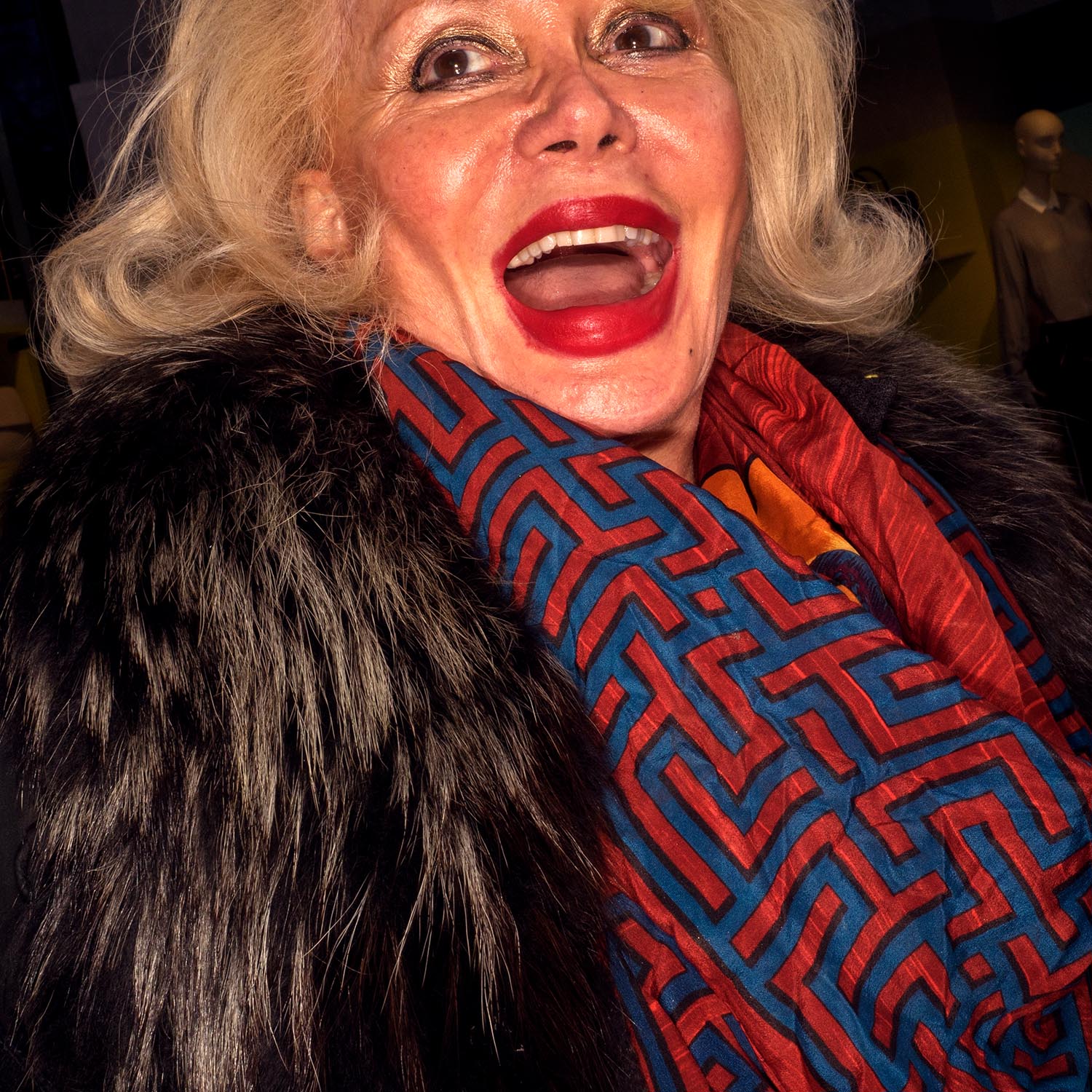
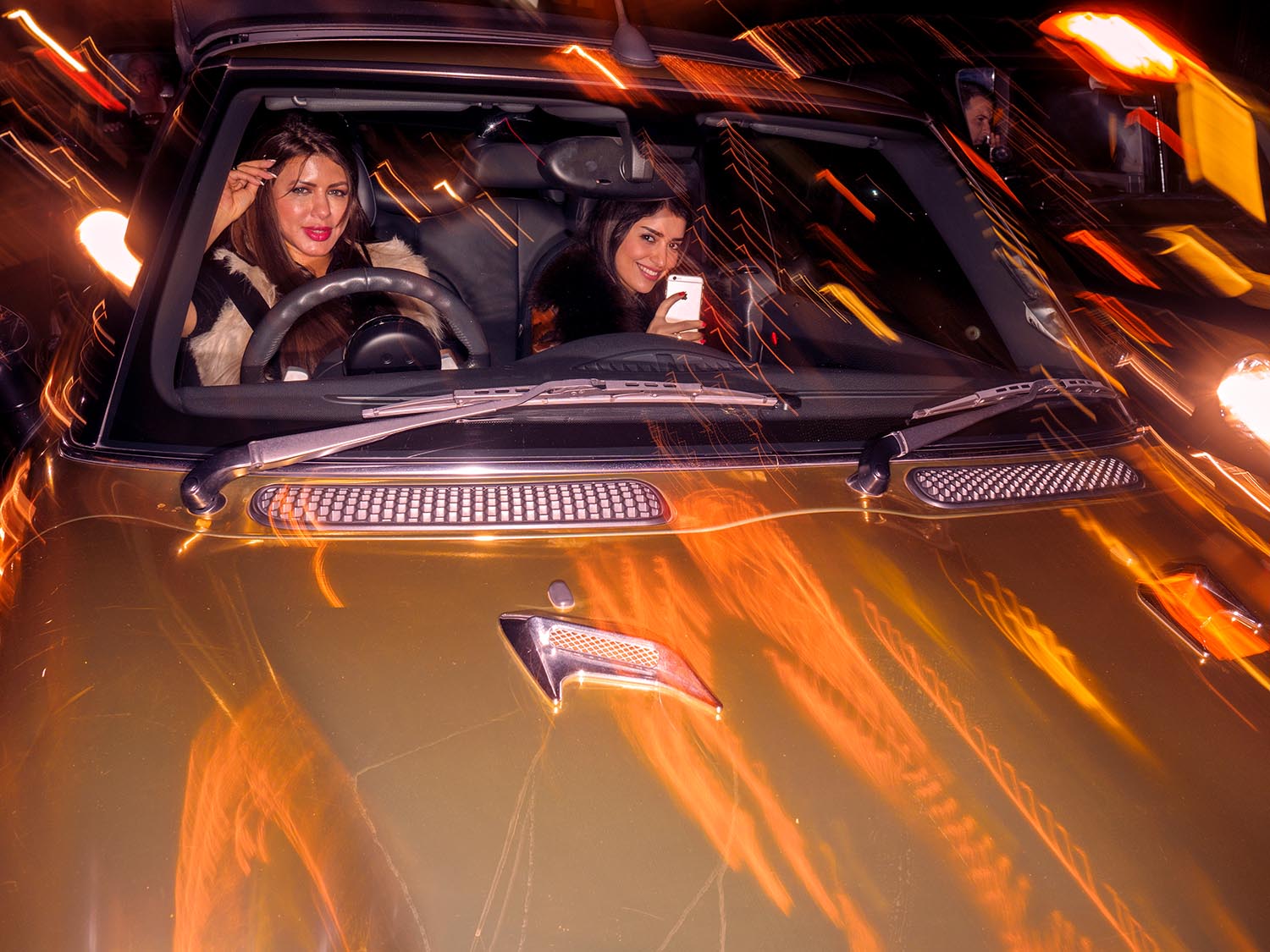
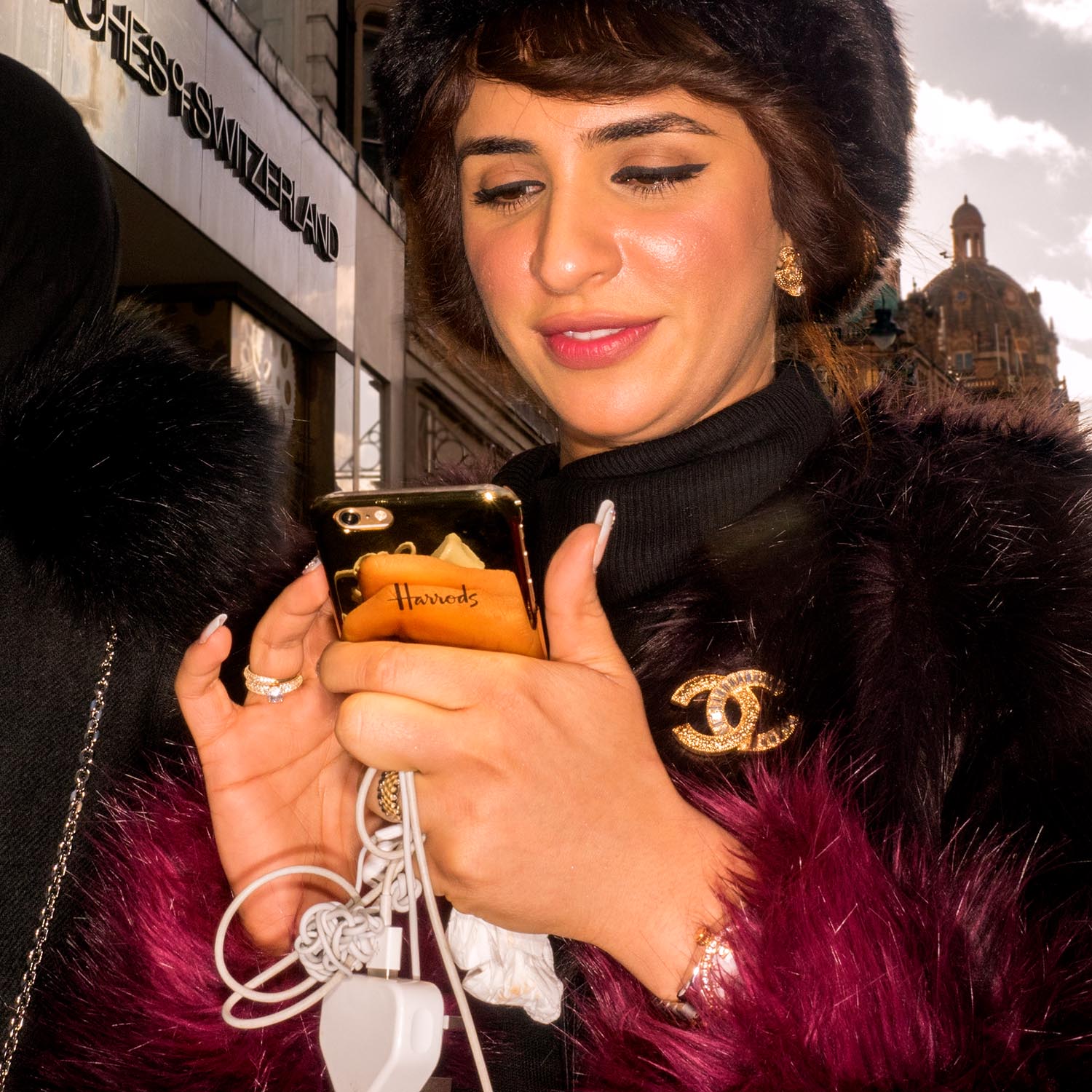
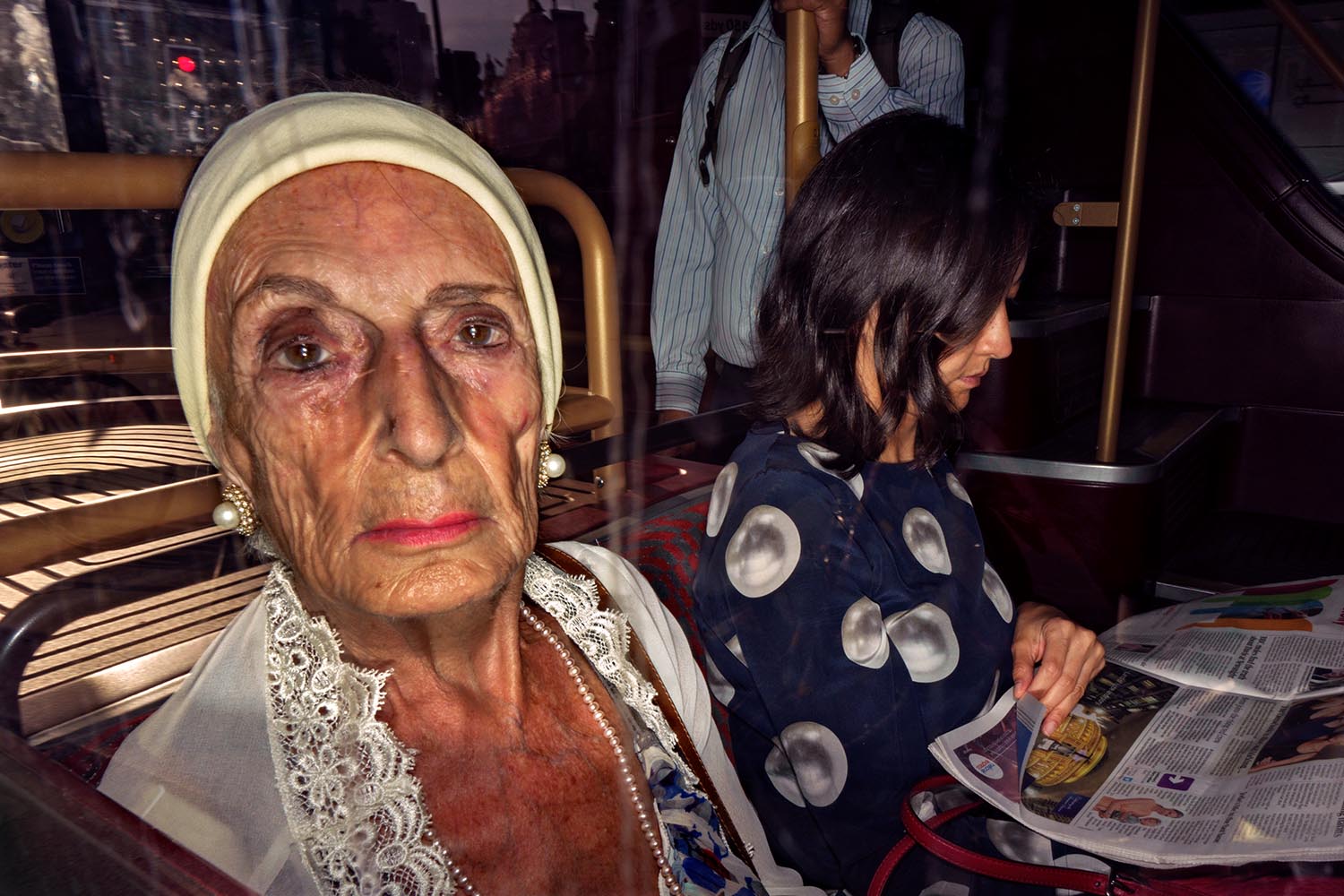
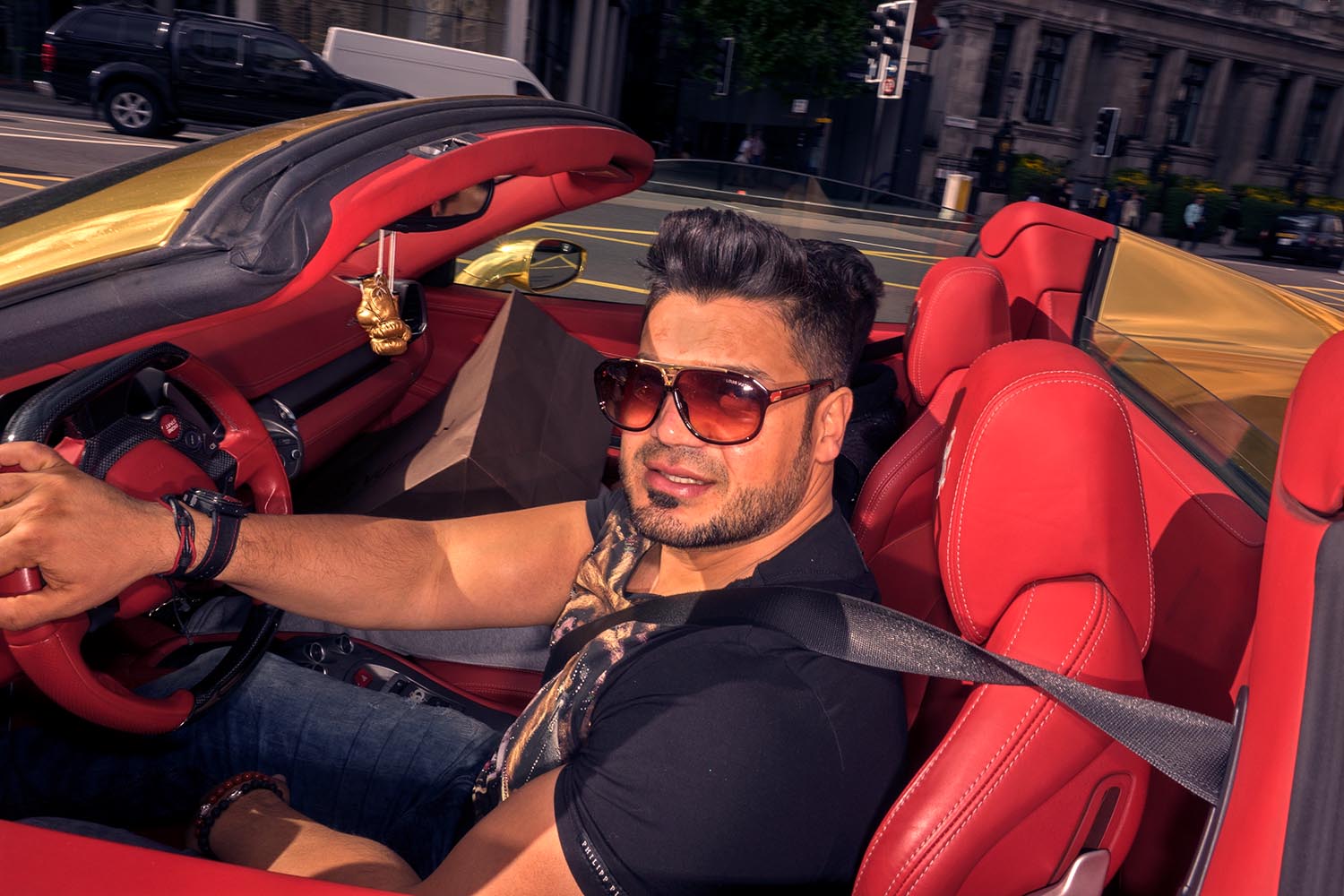
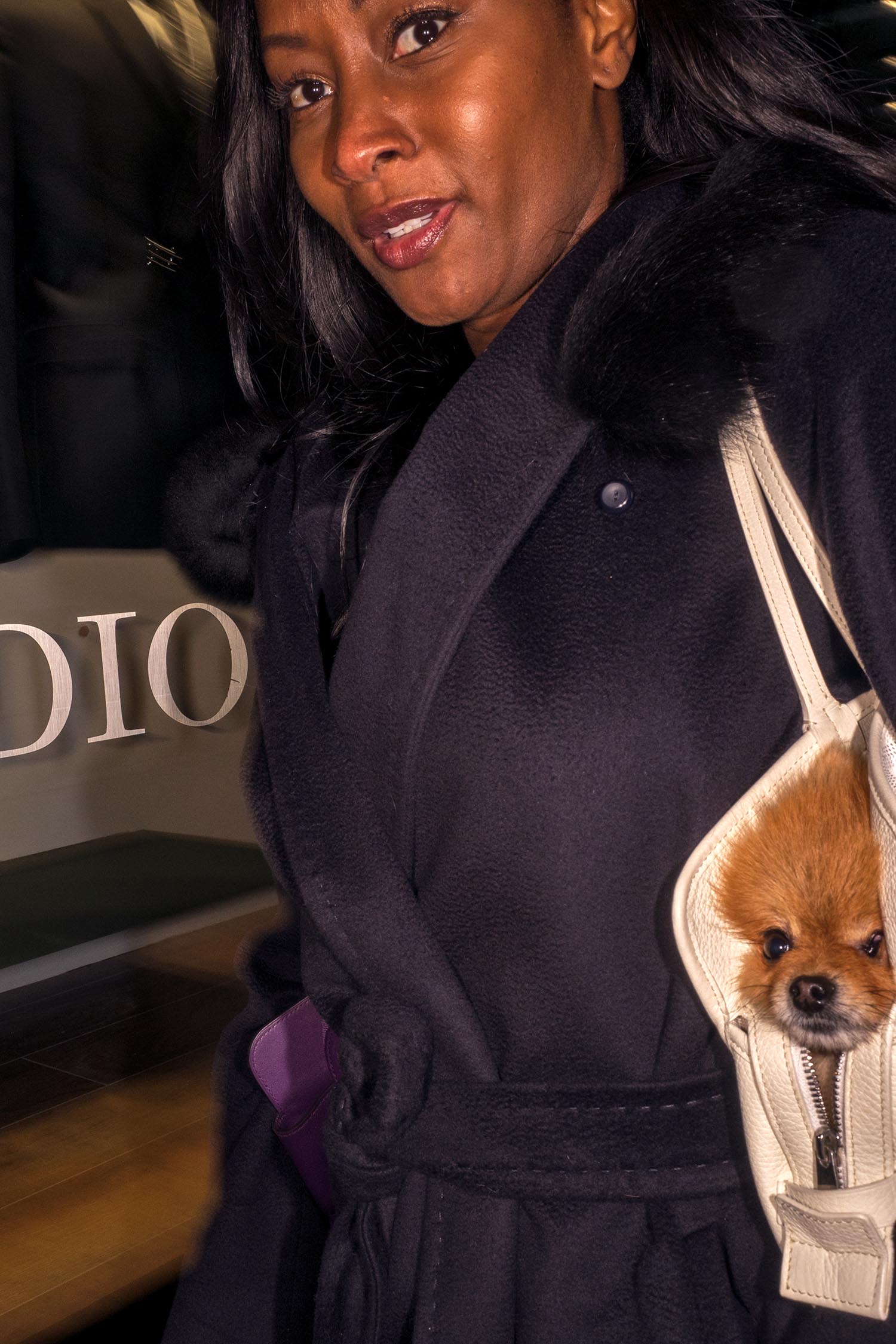
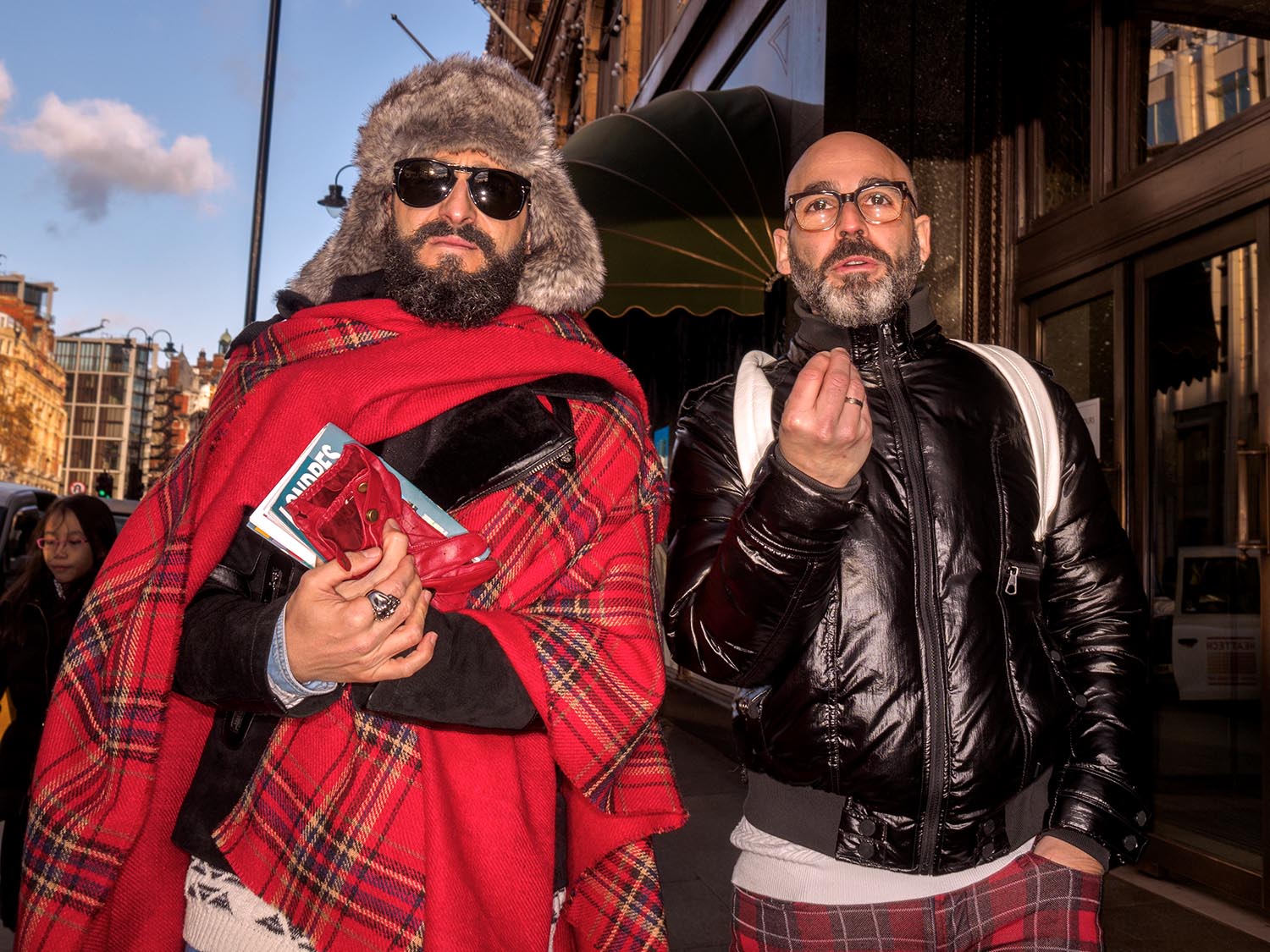
Photographed in Knightsbridge and Chelsea, Harrodsburg is an up-close wealth safari through a London where luxury, power and consumerism spill onto the street. Beneath the designer bags, extravagant cars and polished façades, the photographs reveal a city being reshaped by the global super-rich.

HARRODSBURG
Knightsbridge Wealth Safari
The project began with a different kind of comparison: the gulf in life expectancy between Kensington and Chelsea and Calton in Glasgow, close to where Wallace grew up. But the daily theatre around Harrods kept pulling the camera away from the statistics and towards the street.
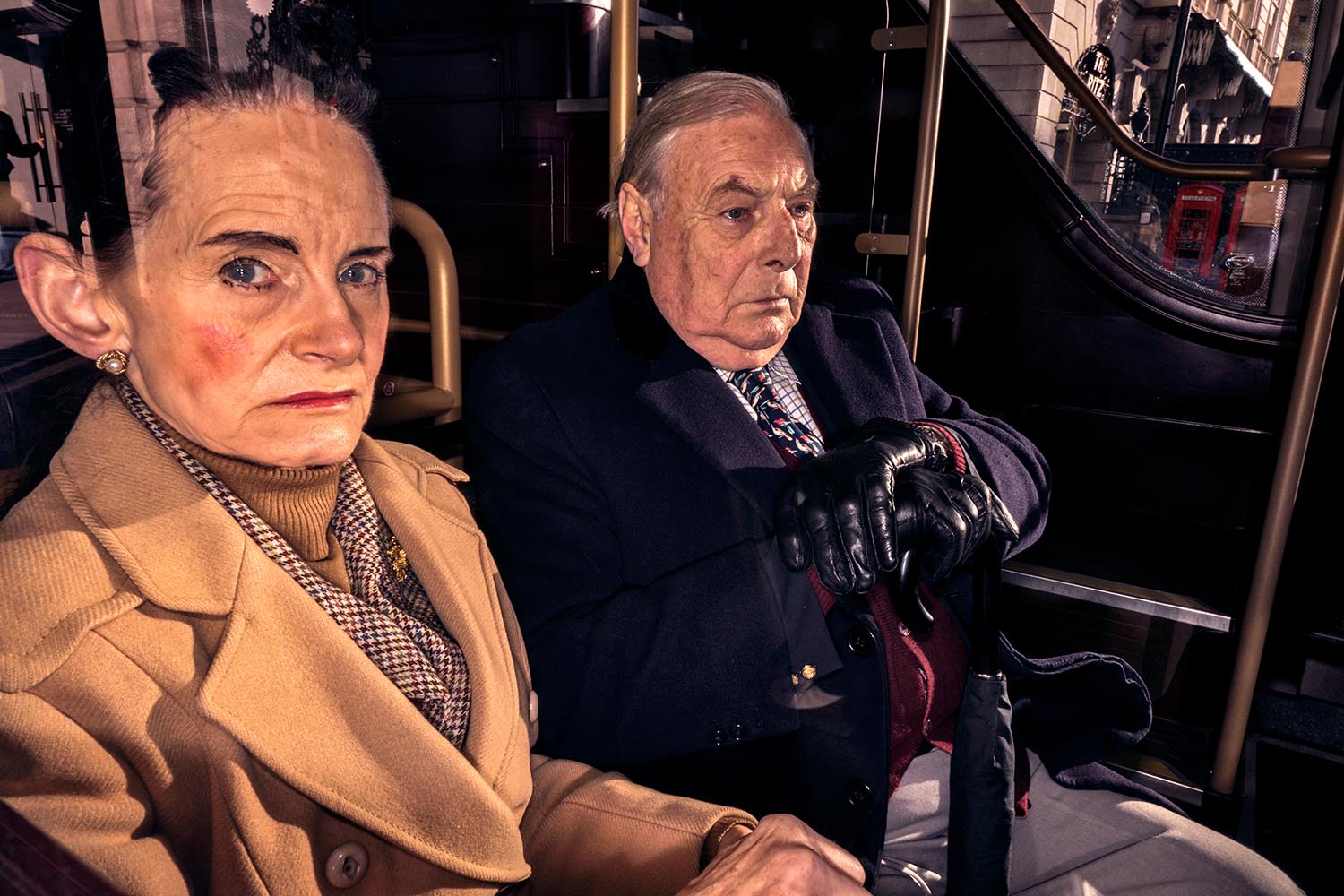
The name Harrodsburg covers the stretch from Brompton Road and Harrods down towards Sloane Square and up to The Ritz on Piccadilly. It was once the territory of London’s old ‘posh’. Since the oil crisis of the mid-1970s, Gulf millionaires began arriving in greater numbers, settling first in Mayfair and later spreading into Knightsbridge. They were joined by oligarchs, hedge-fund managers and the other tribes of the global super-rich, buying London homes as assets to appreciate rather than places in which to live.
For this new elite, London is treated as a kind of global reserve asset. Property is bought without mortgages, held offshore and left empty, while terraces and housing estates are demolished and replaced by expensive wood-and-glass boxes. New enclaves of opulence appear across the city, so lavish they can make Buckingham Palace look slightly shabby.
The consequences are less glamorous: rising prices, displaced communities and a growing divide between those who own the city and those who can still afford to live in it. Homes become investments, neighbourhoods become assets and long-term residents are pushed further away from the centre.
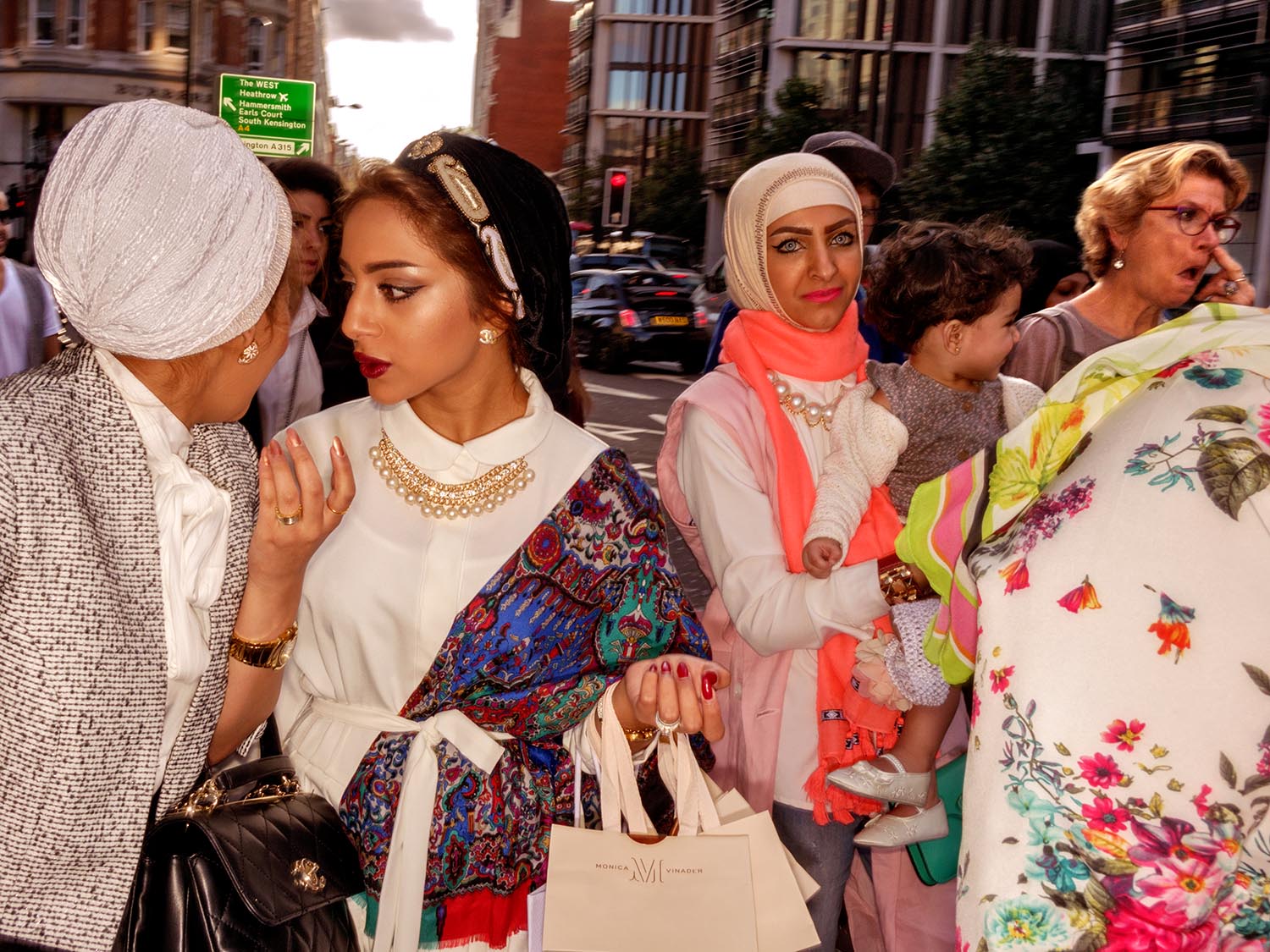
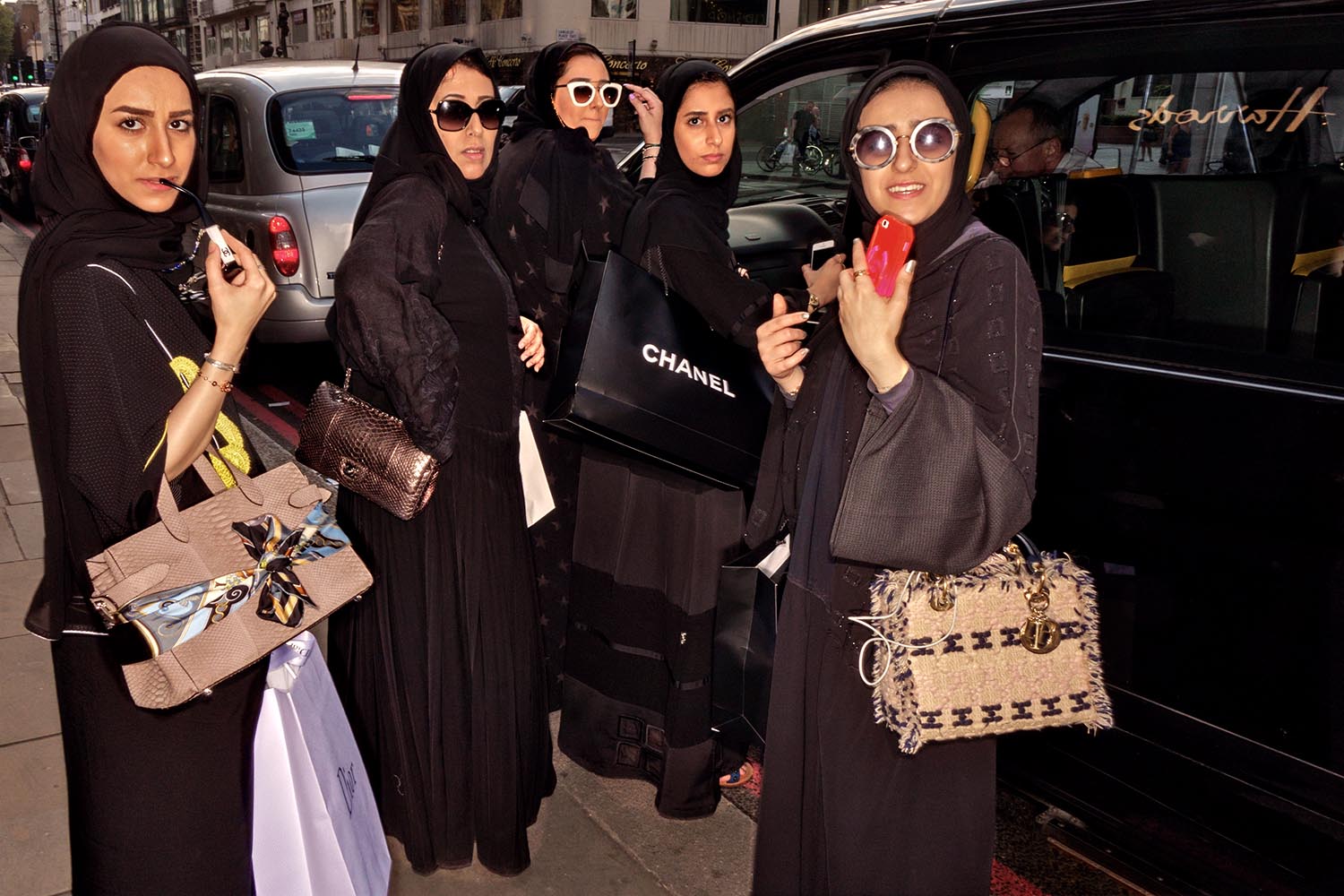
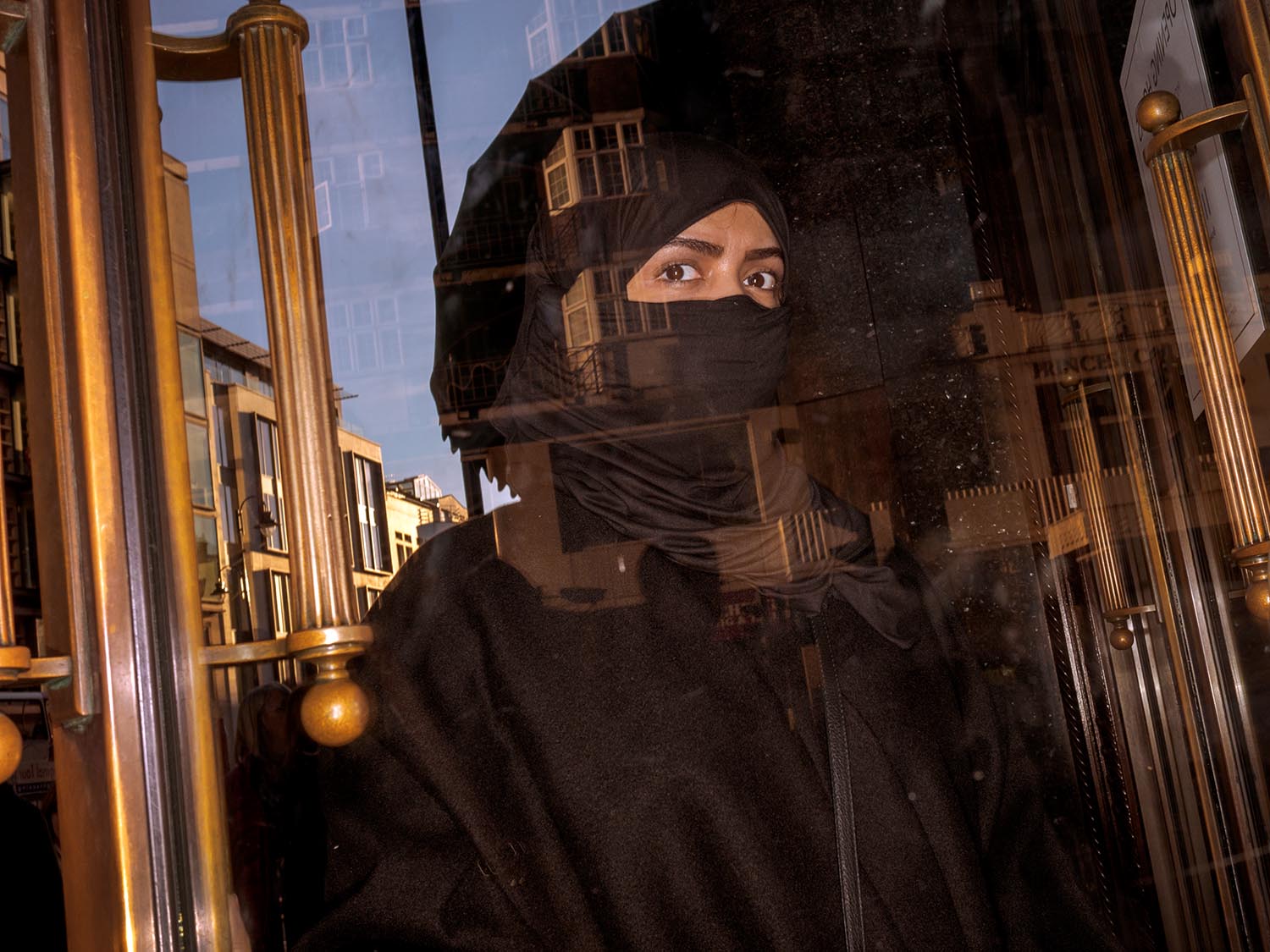
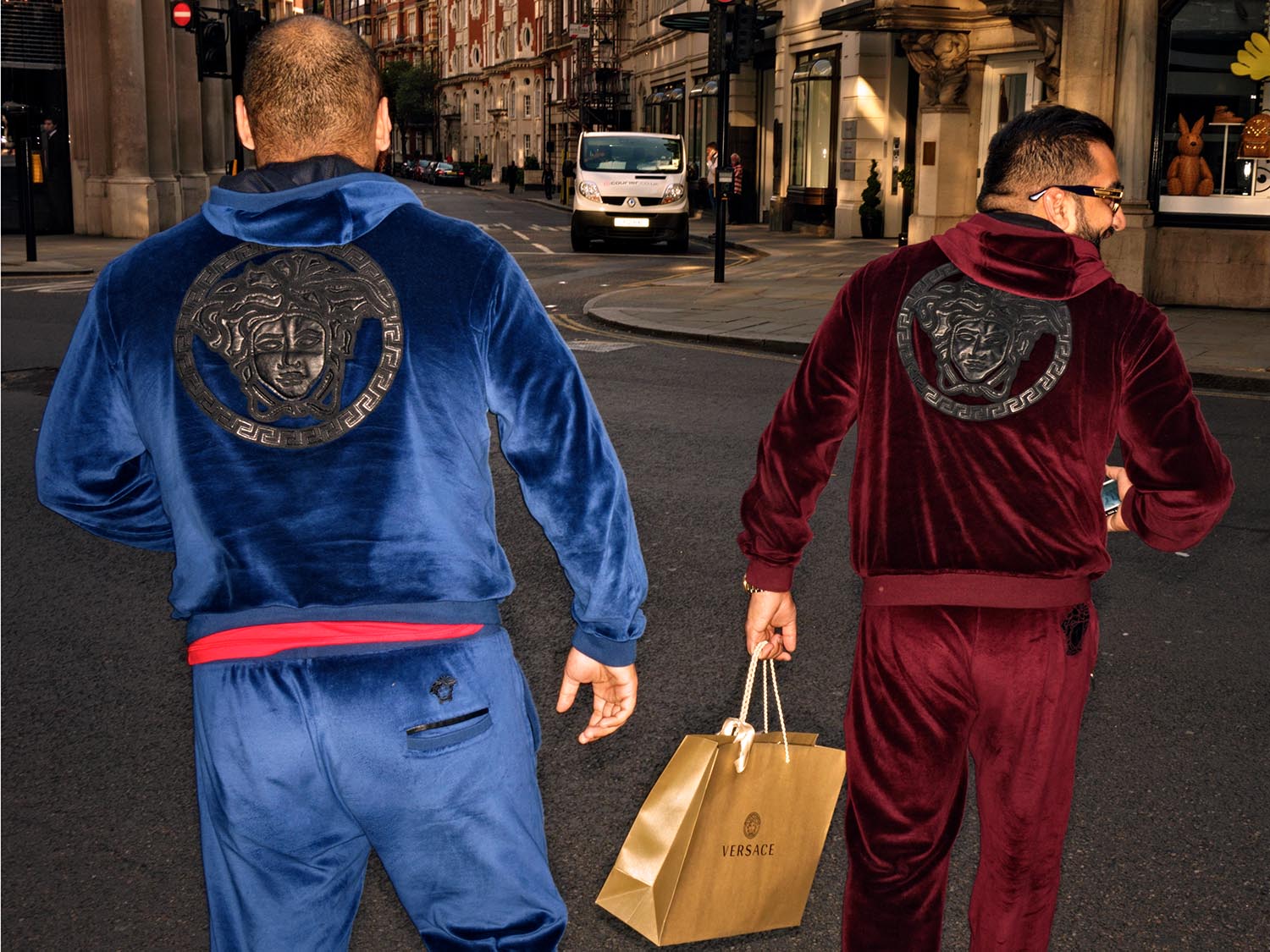
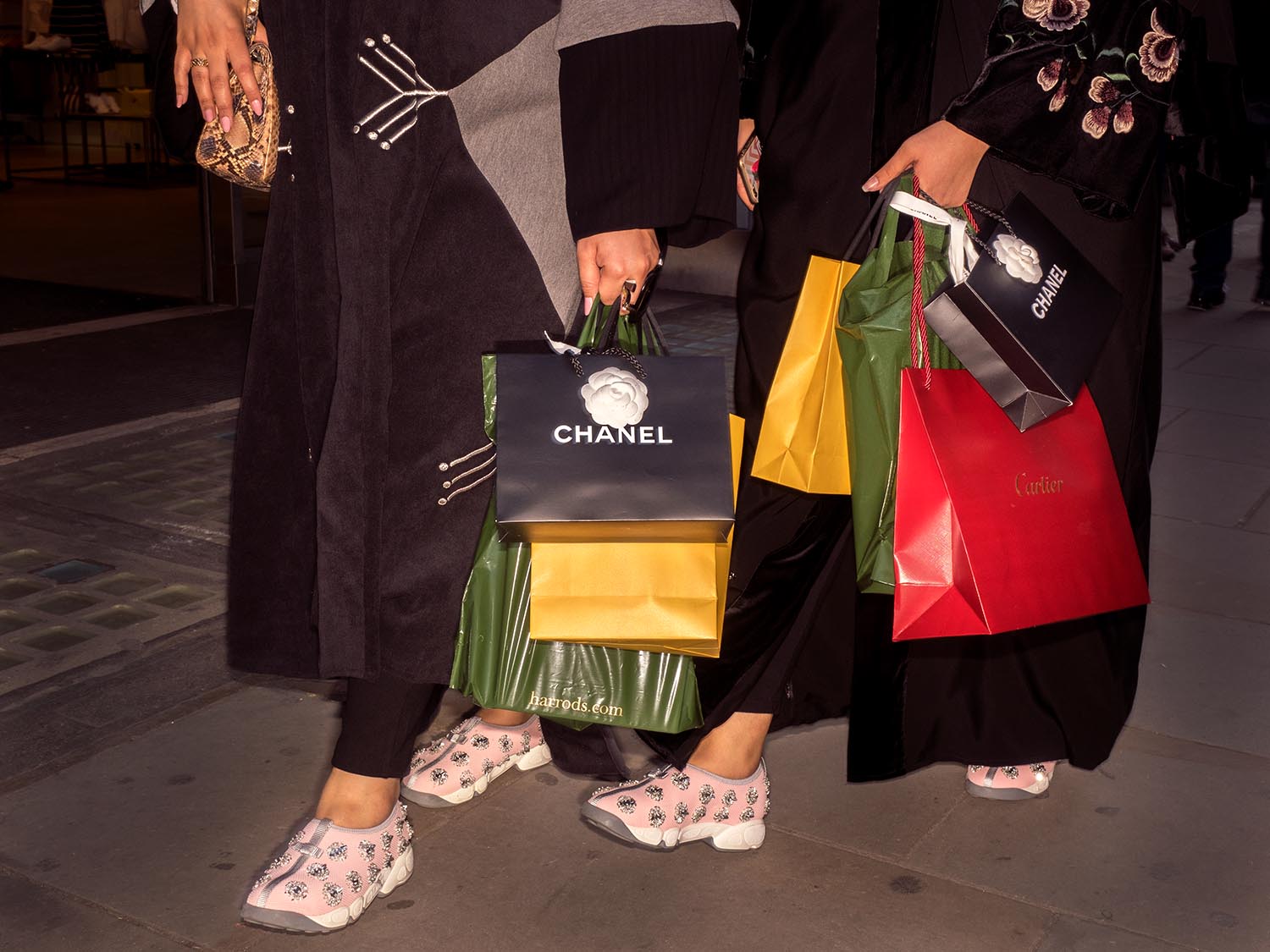
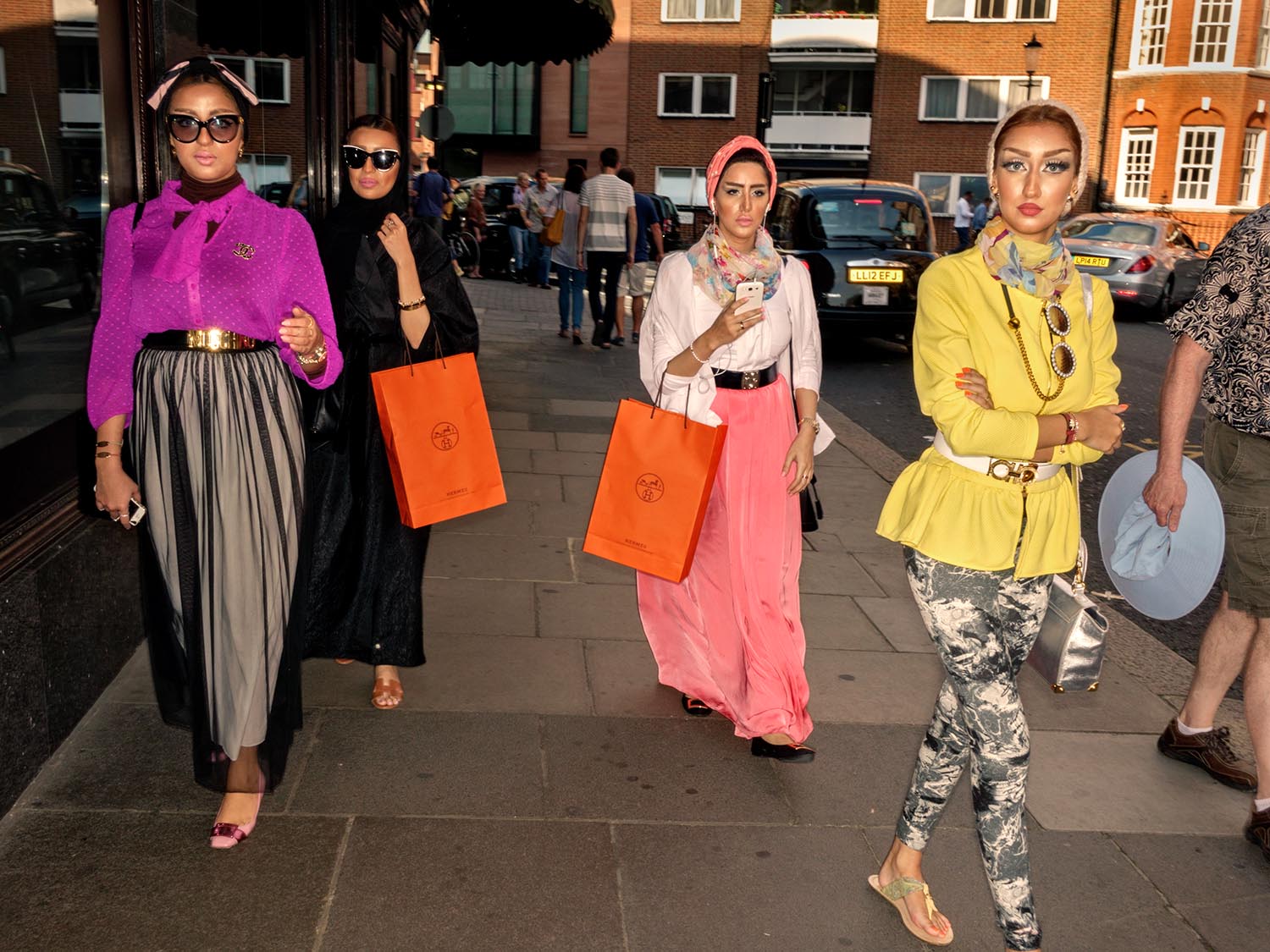
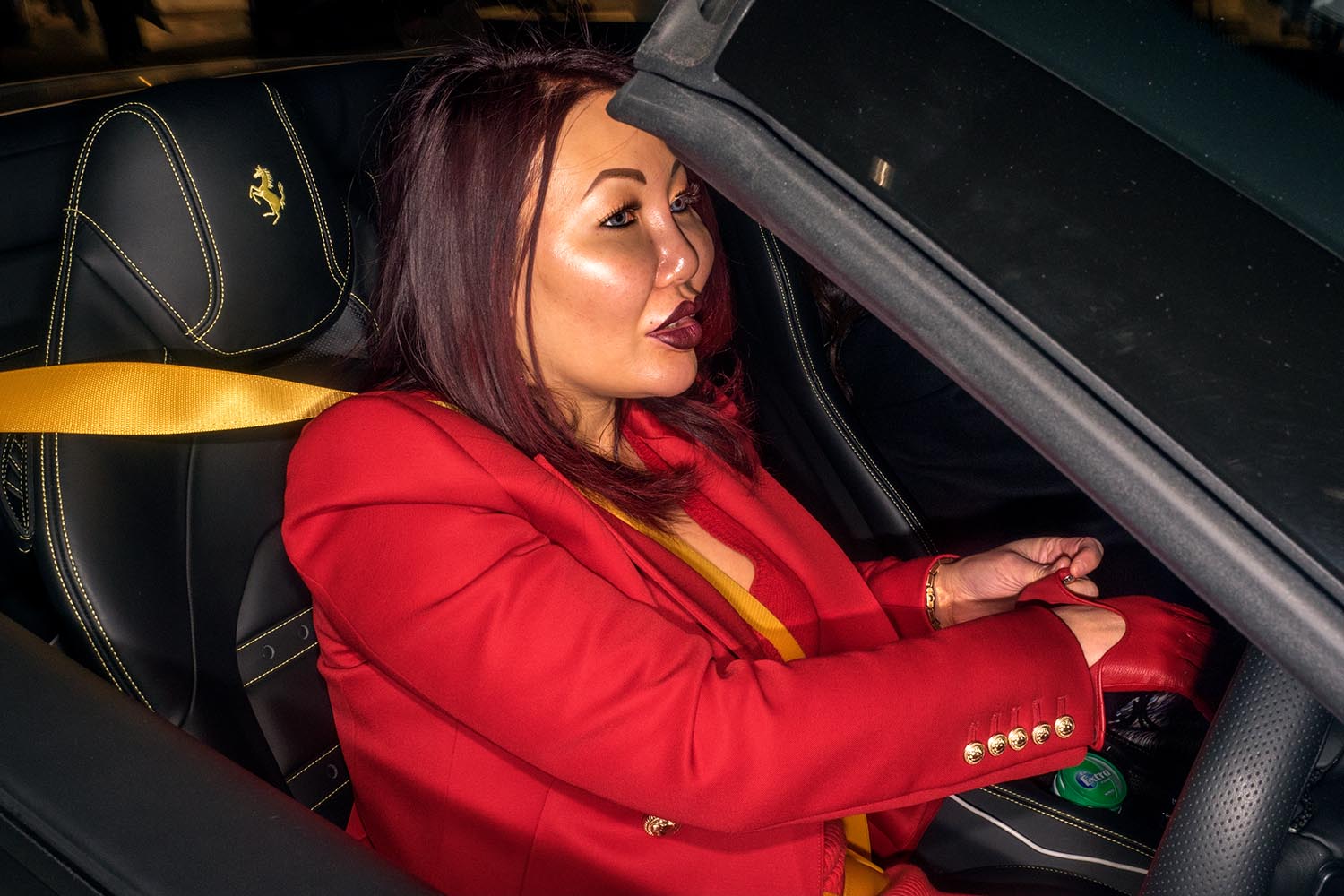
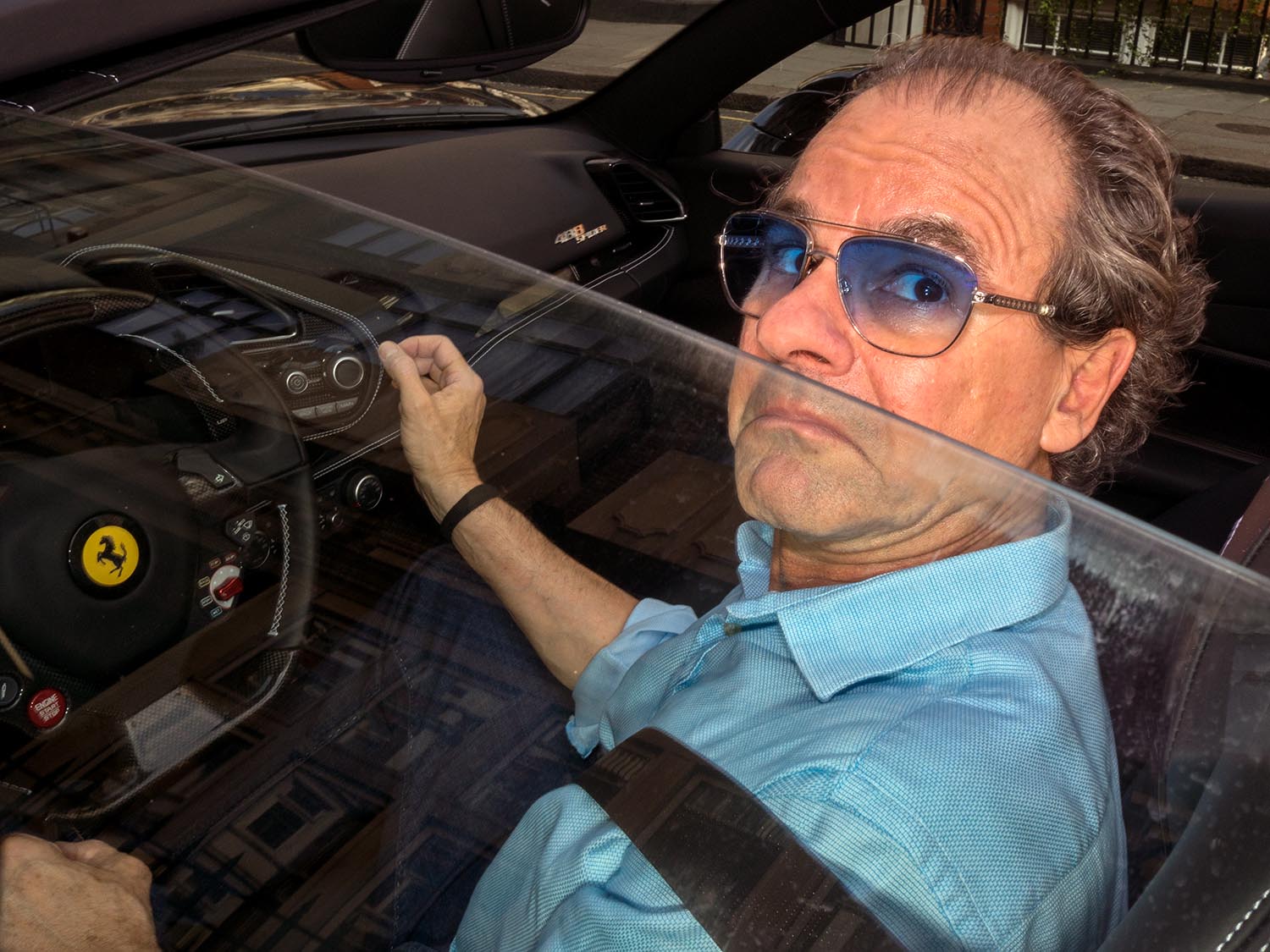
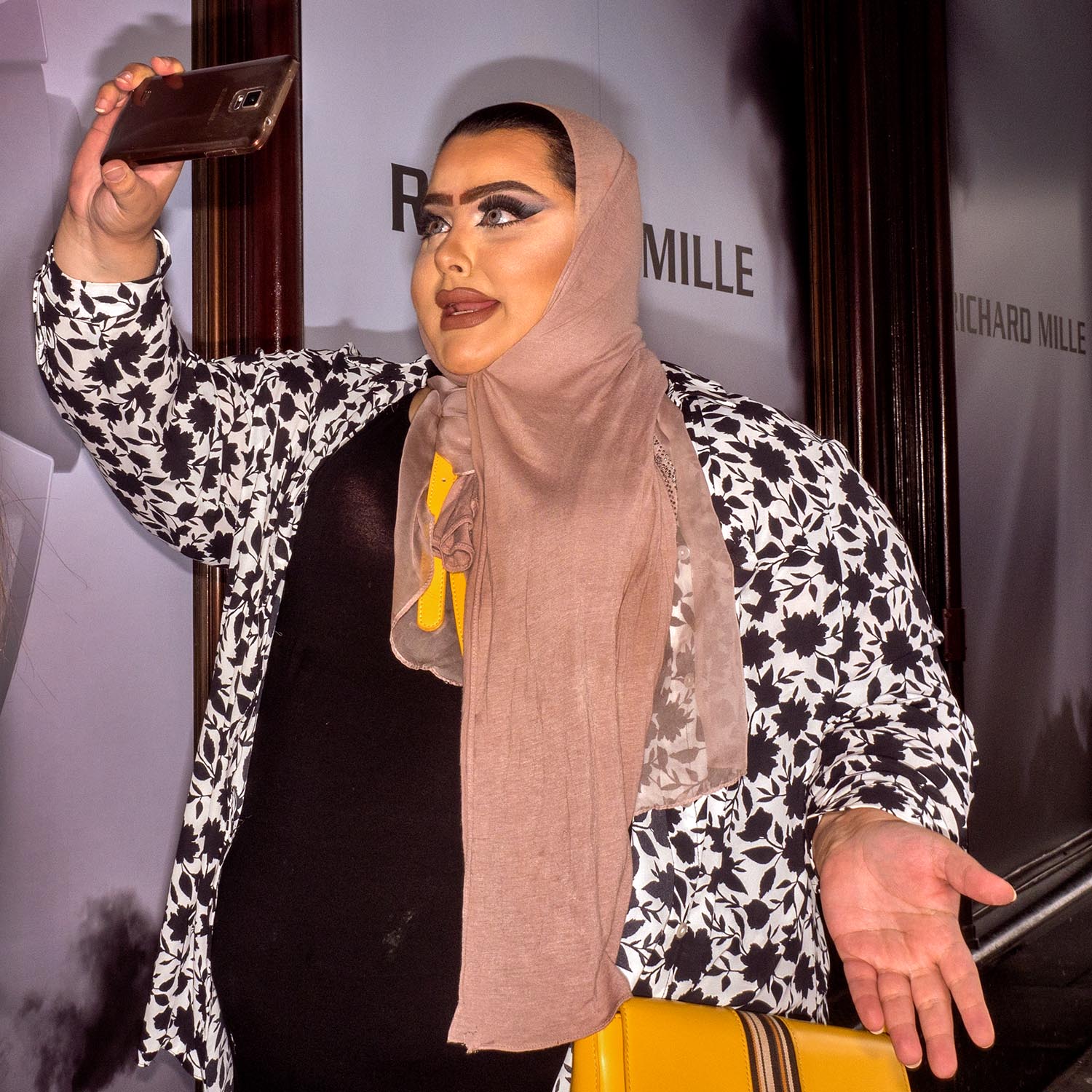
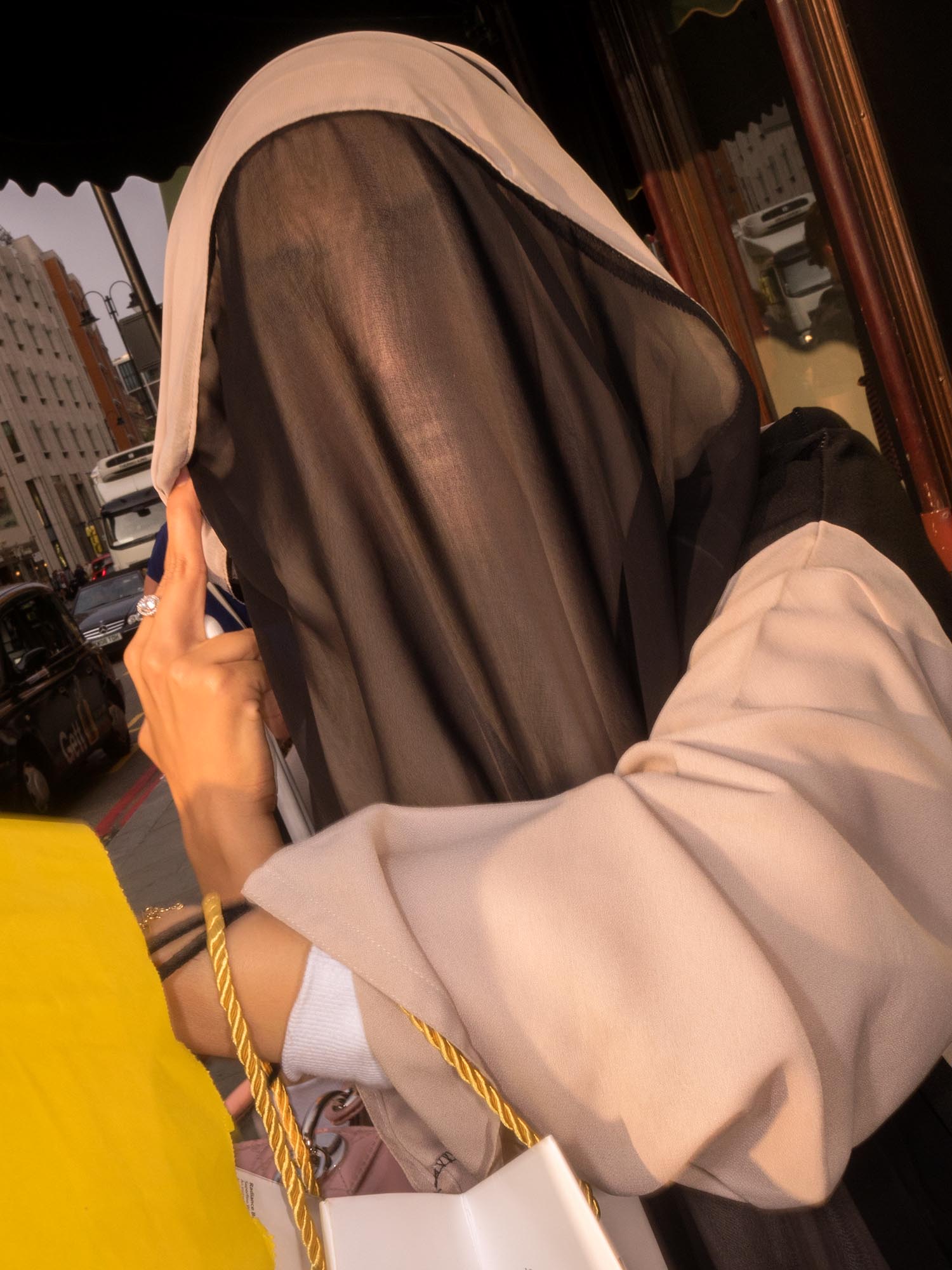
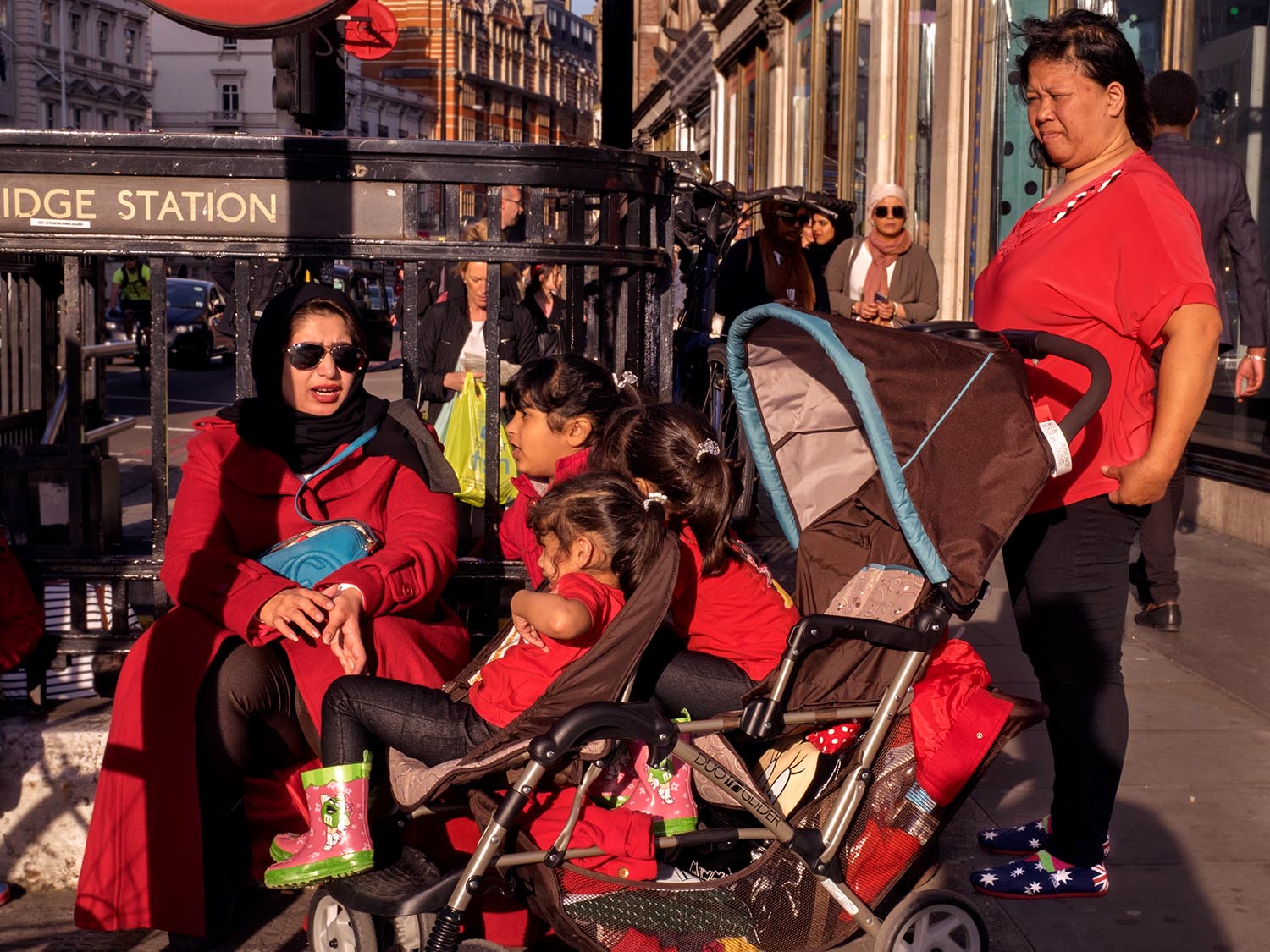
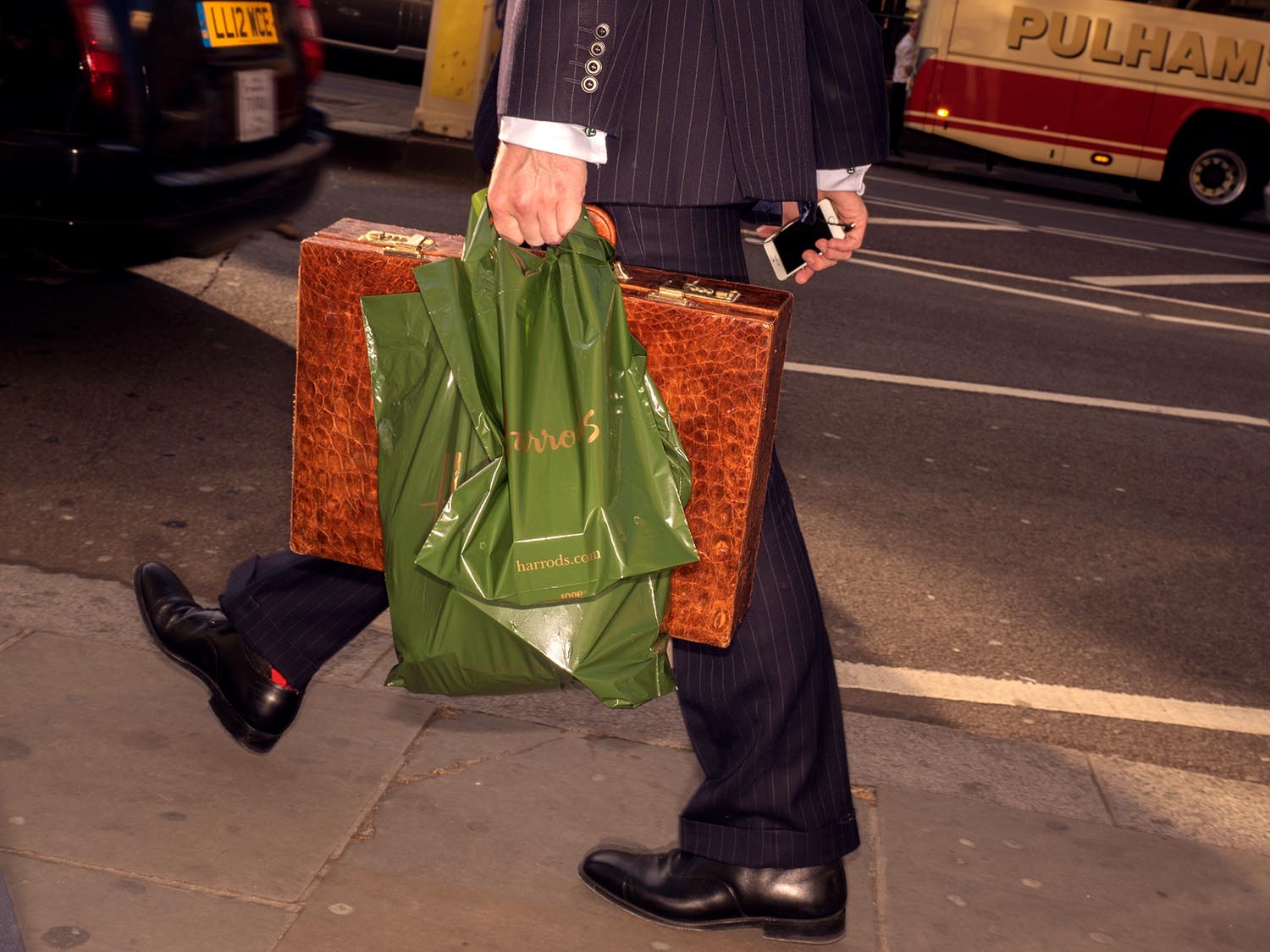
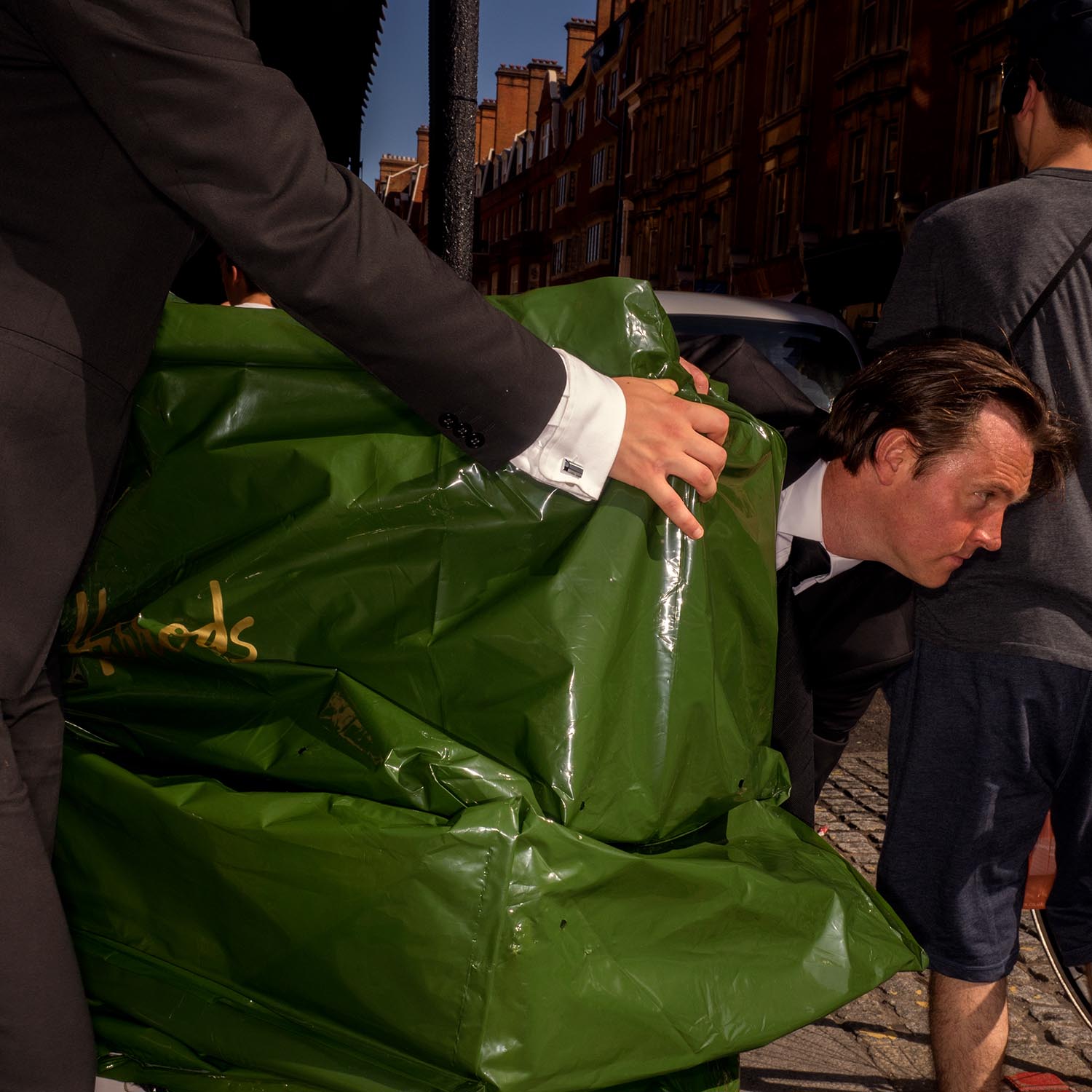
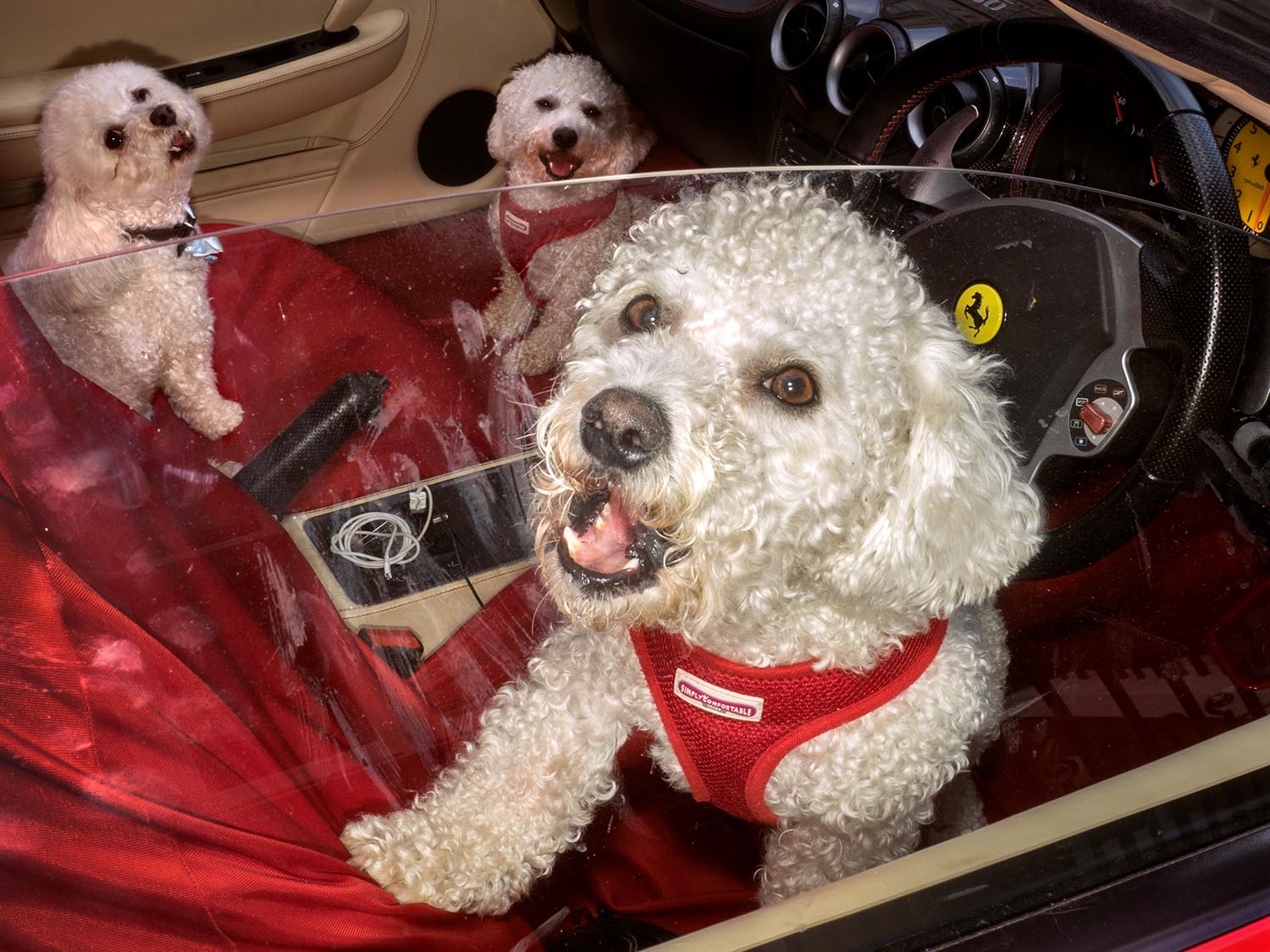
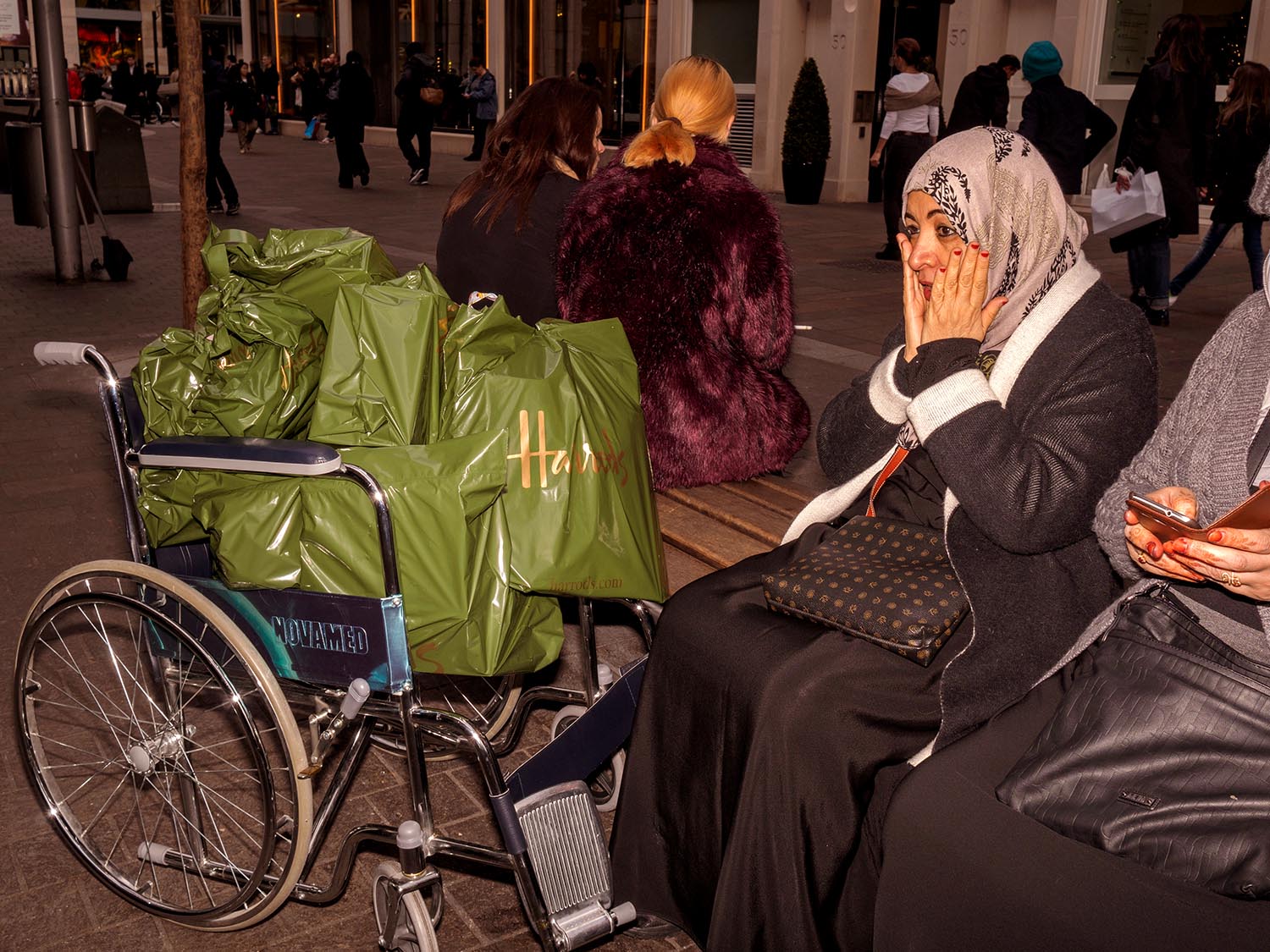
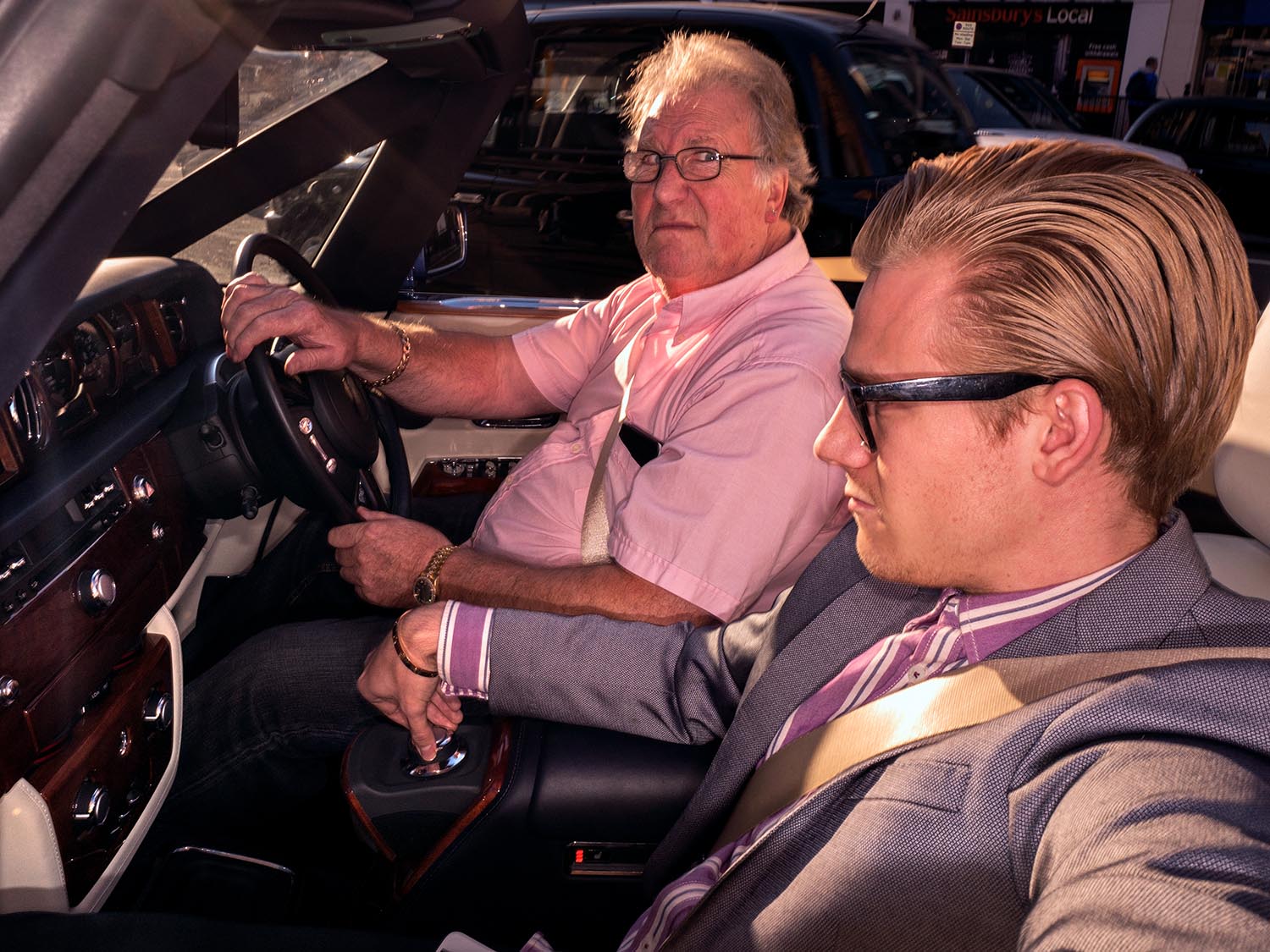
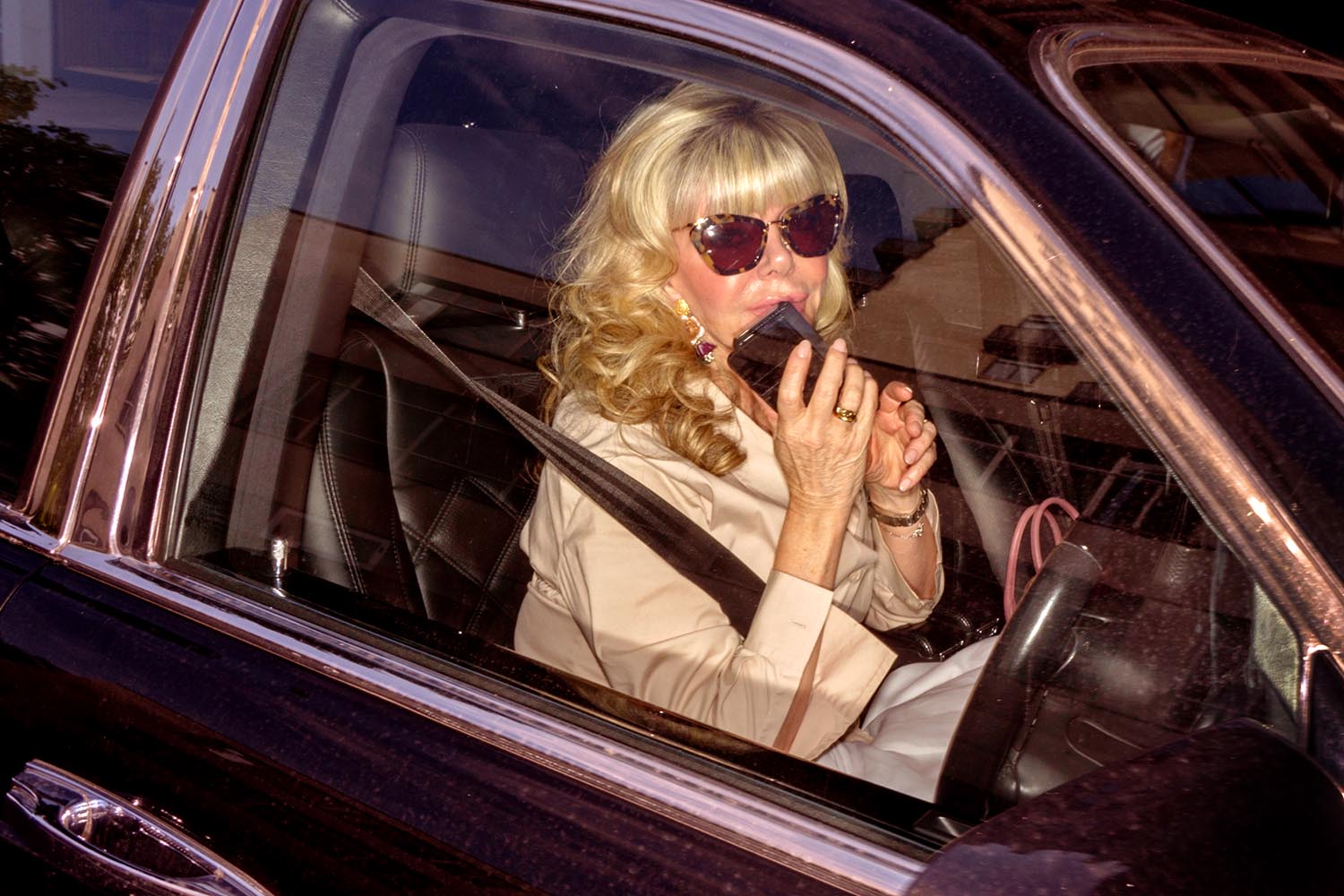
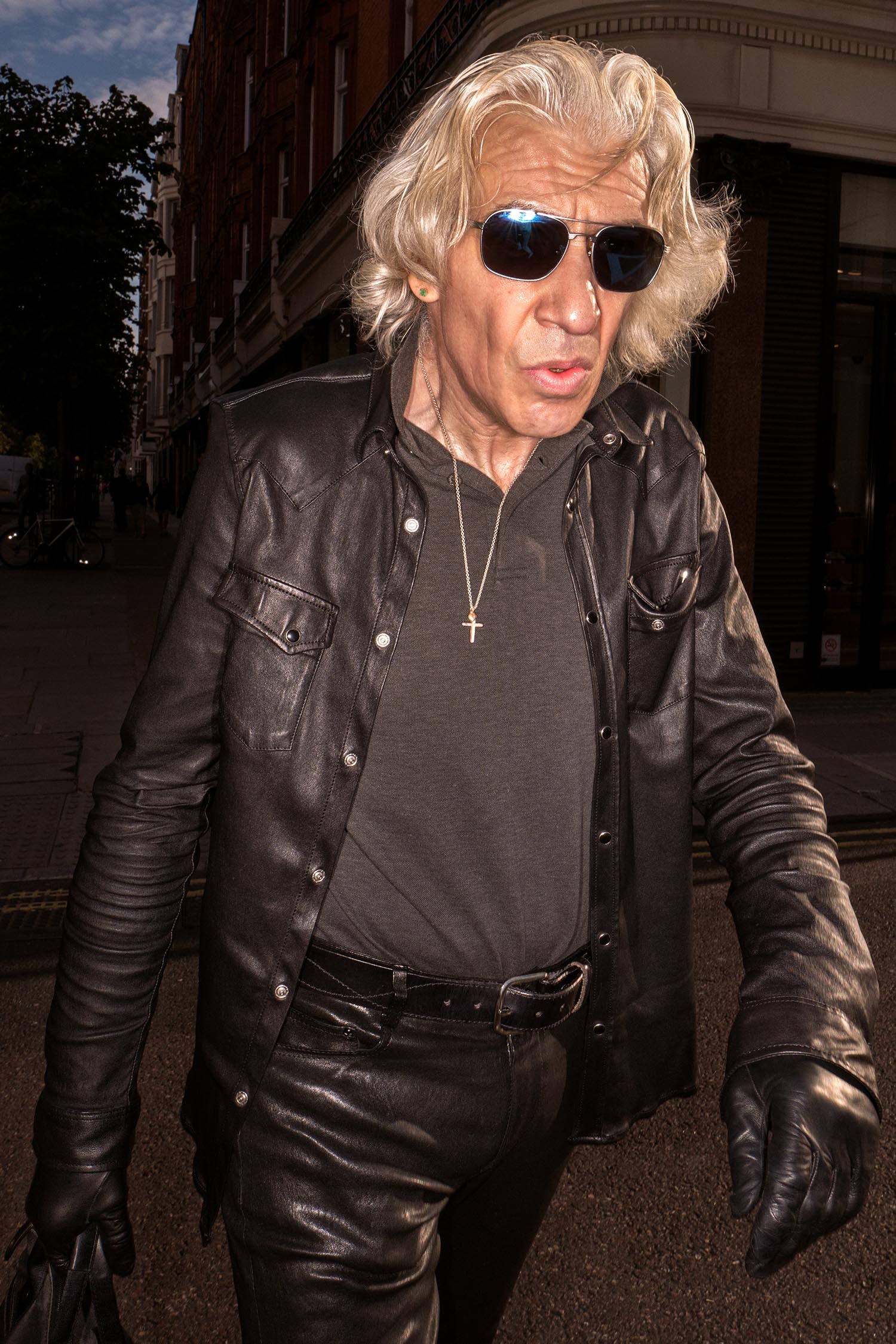
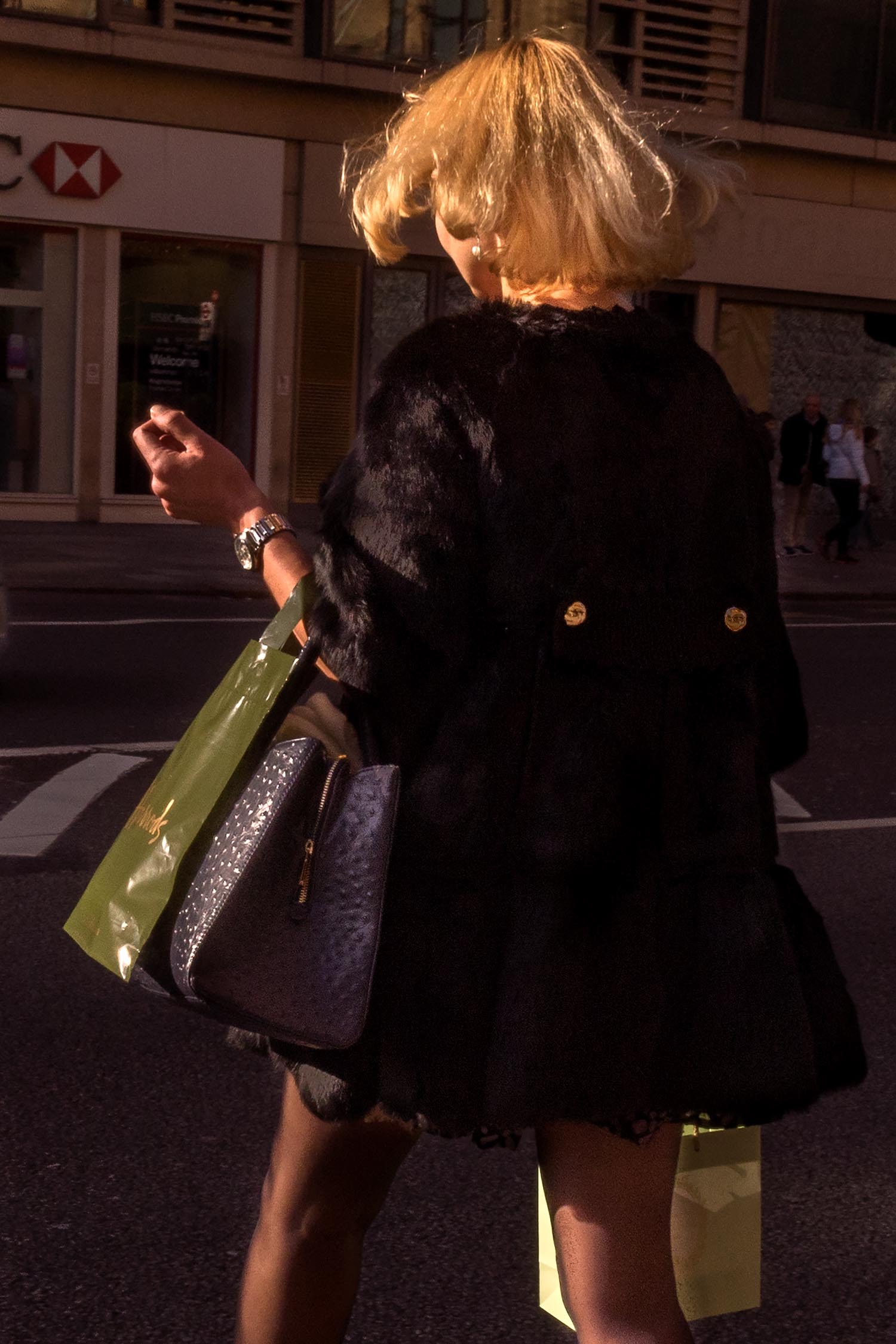
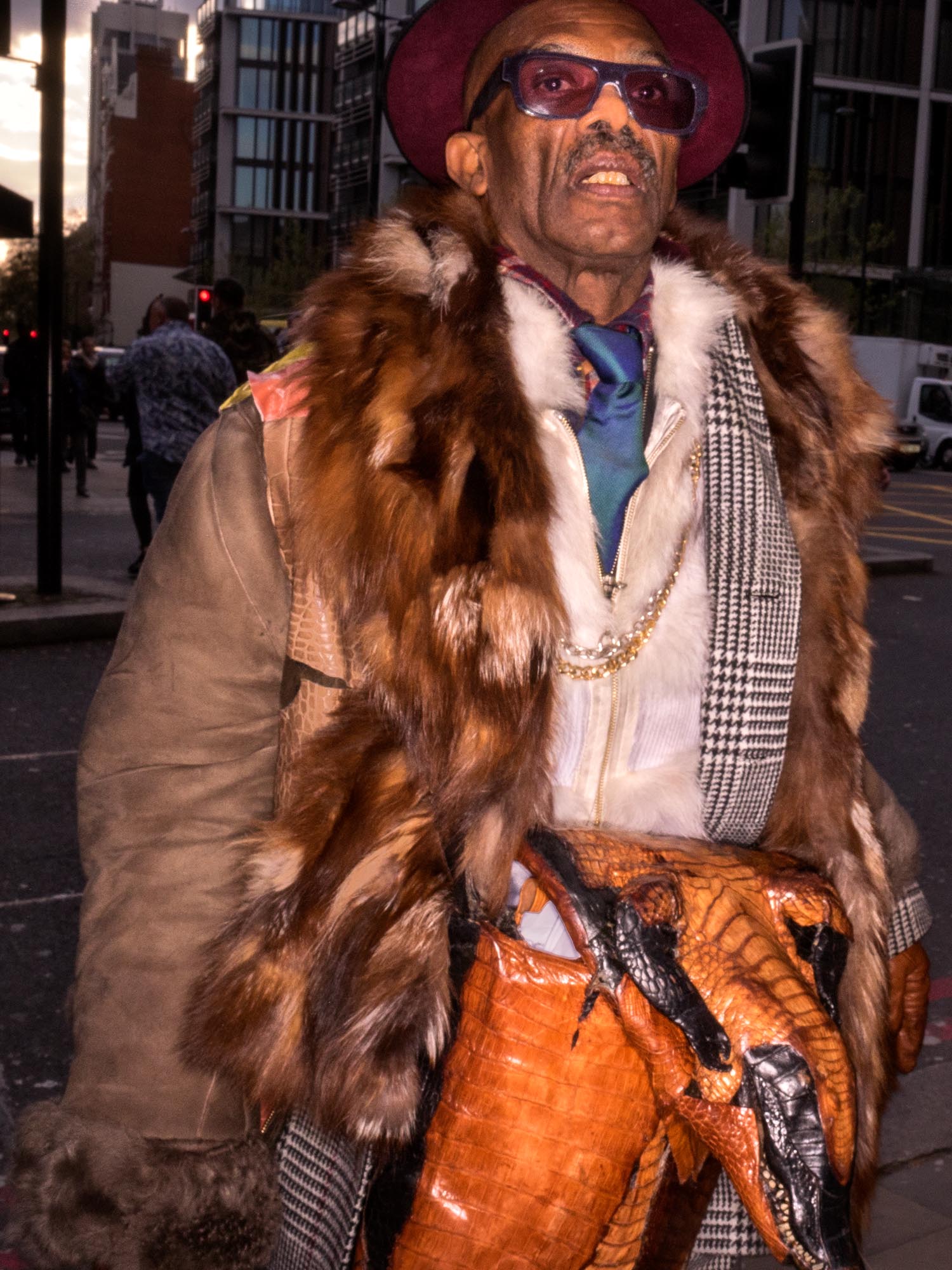
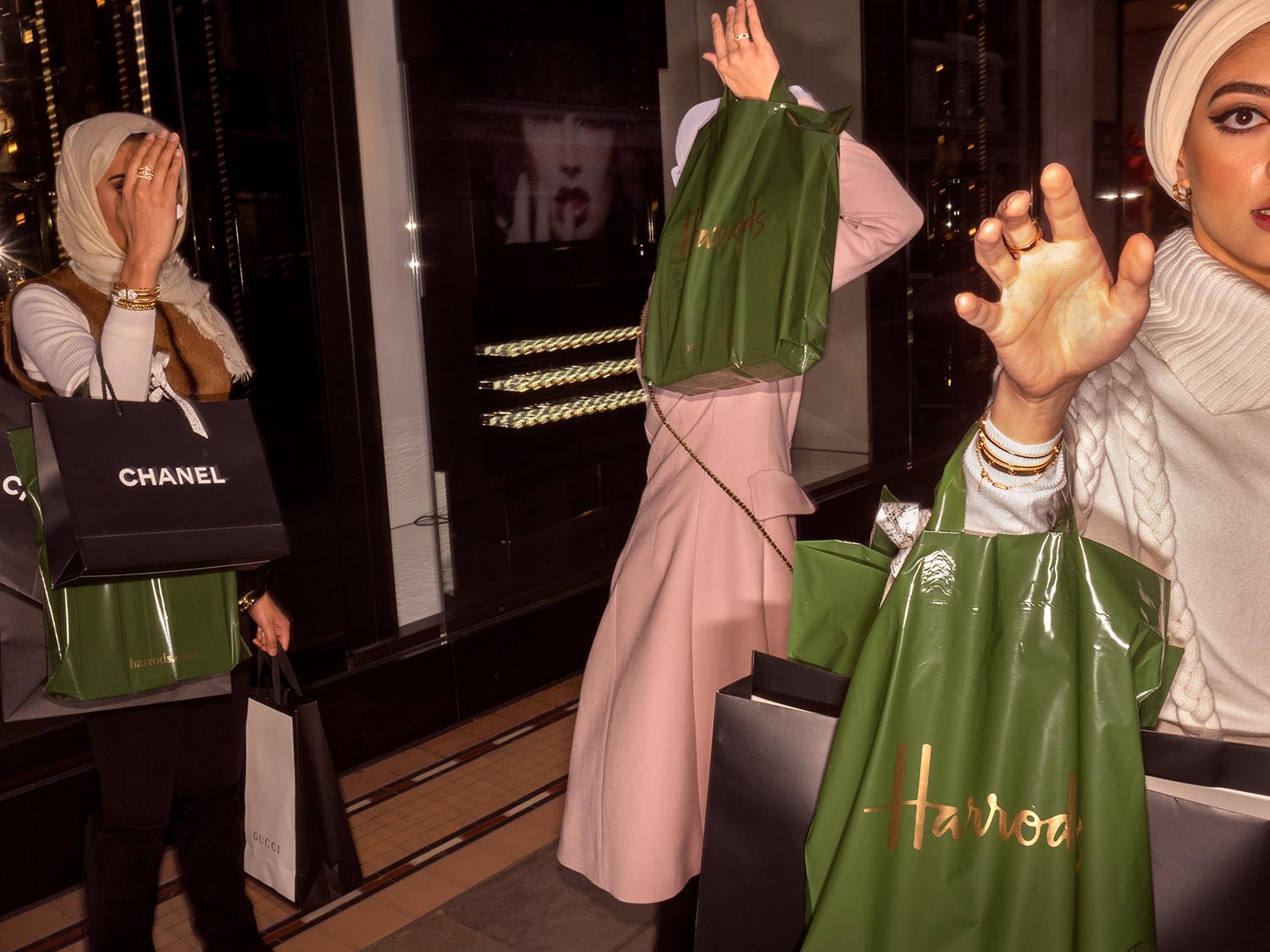
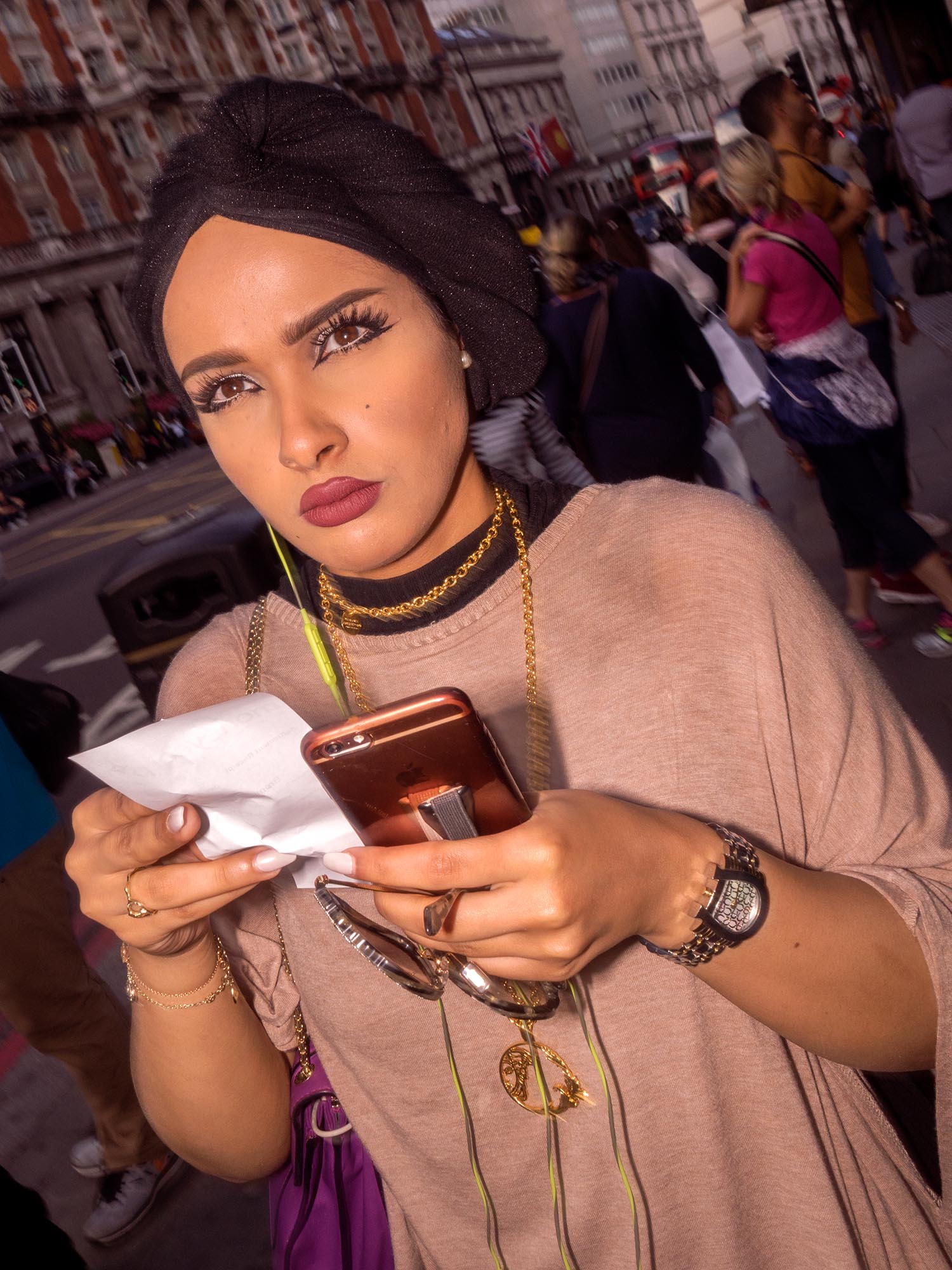
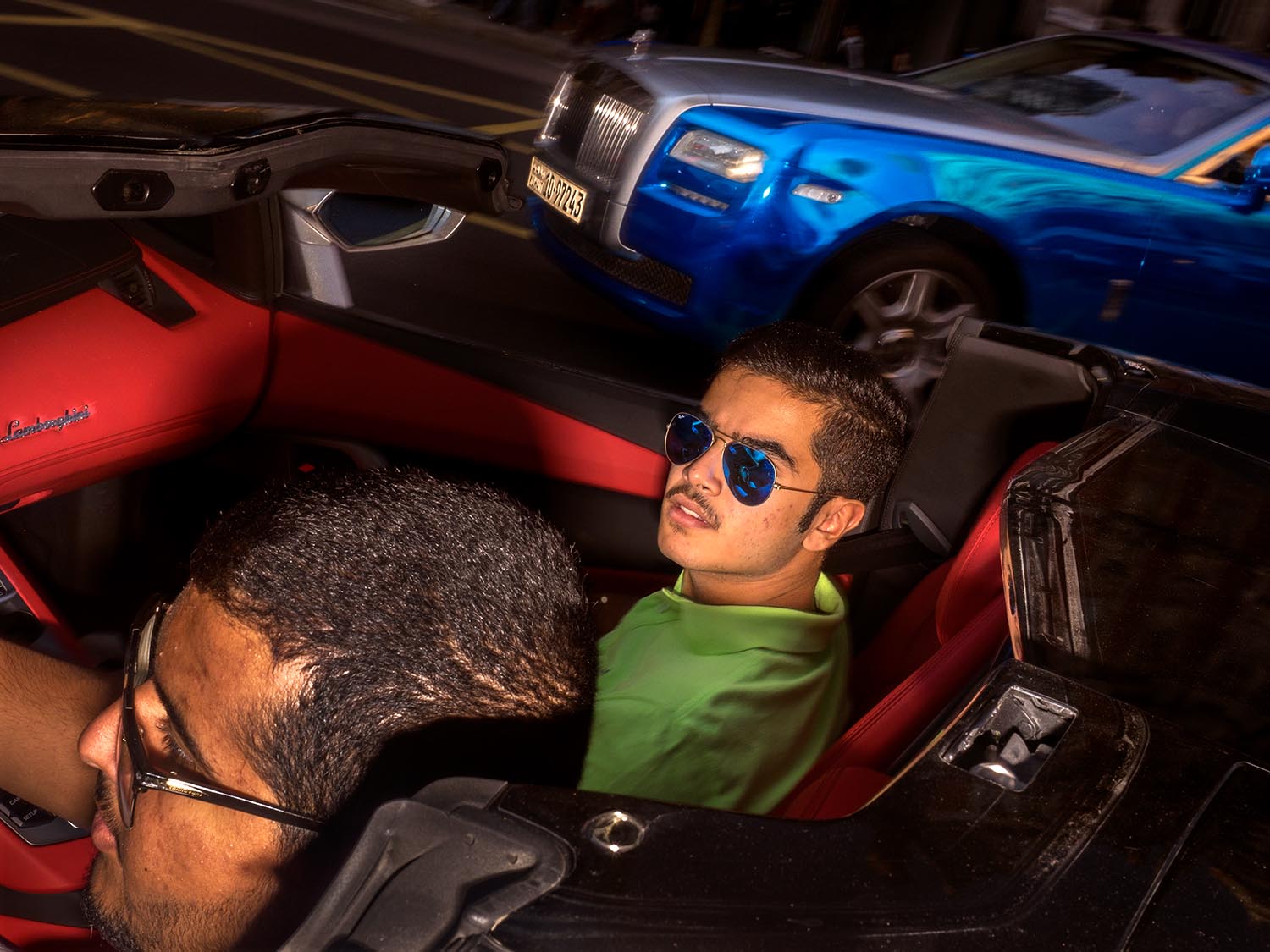
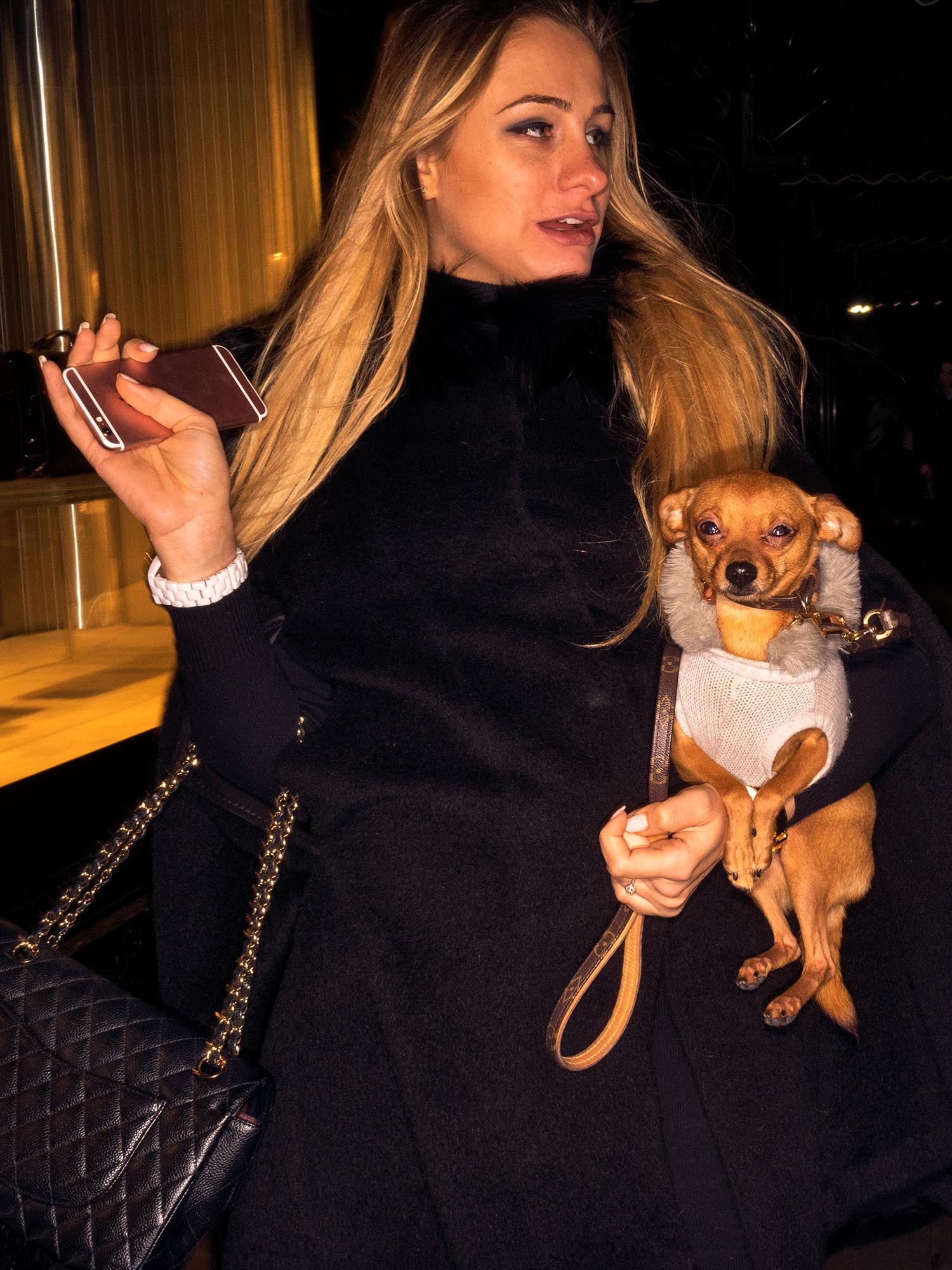
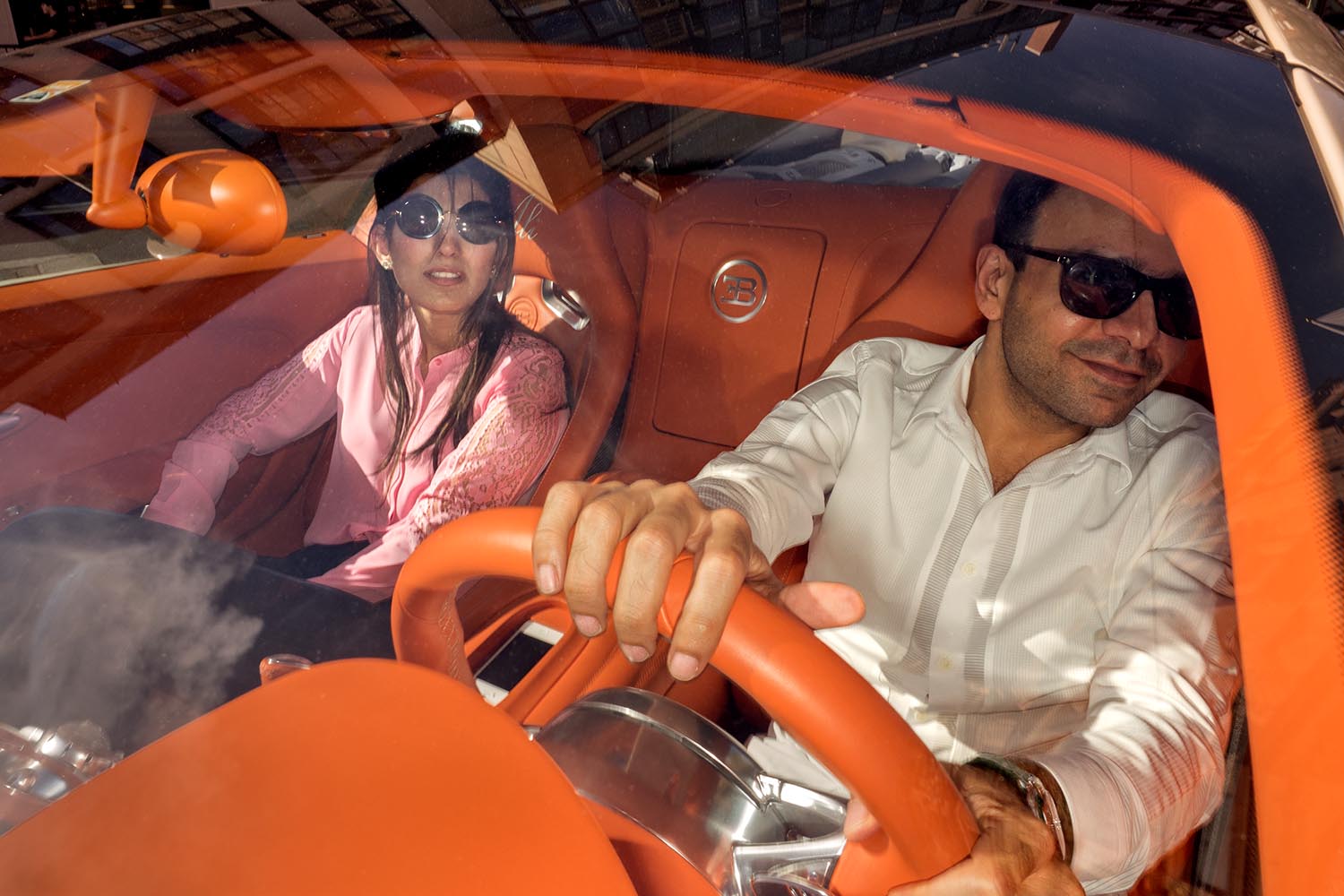
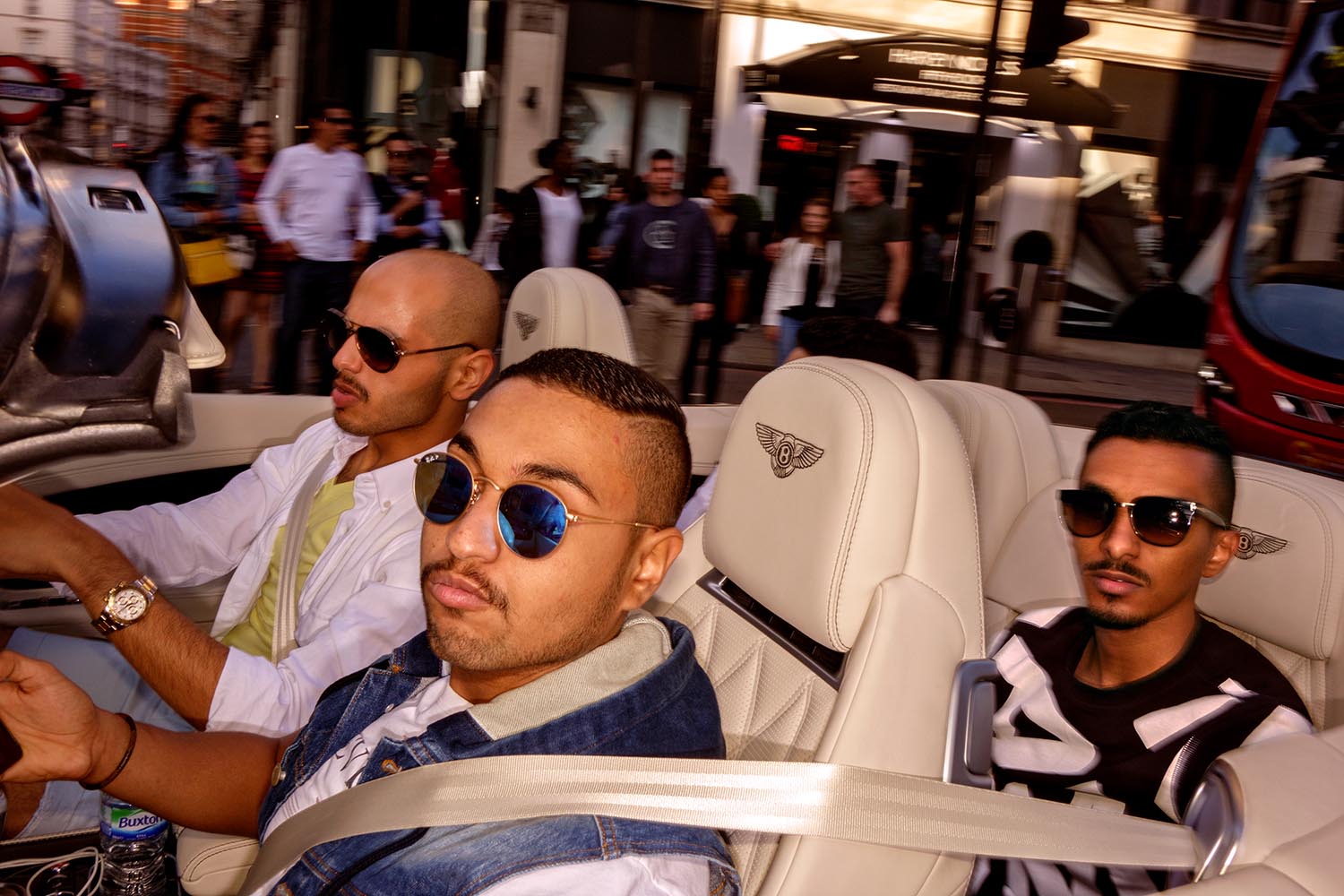
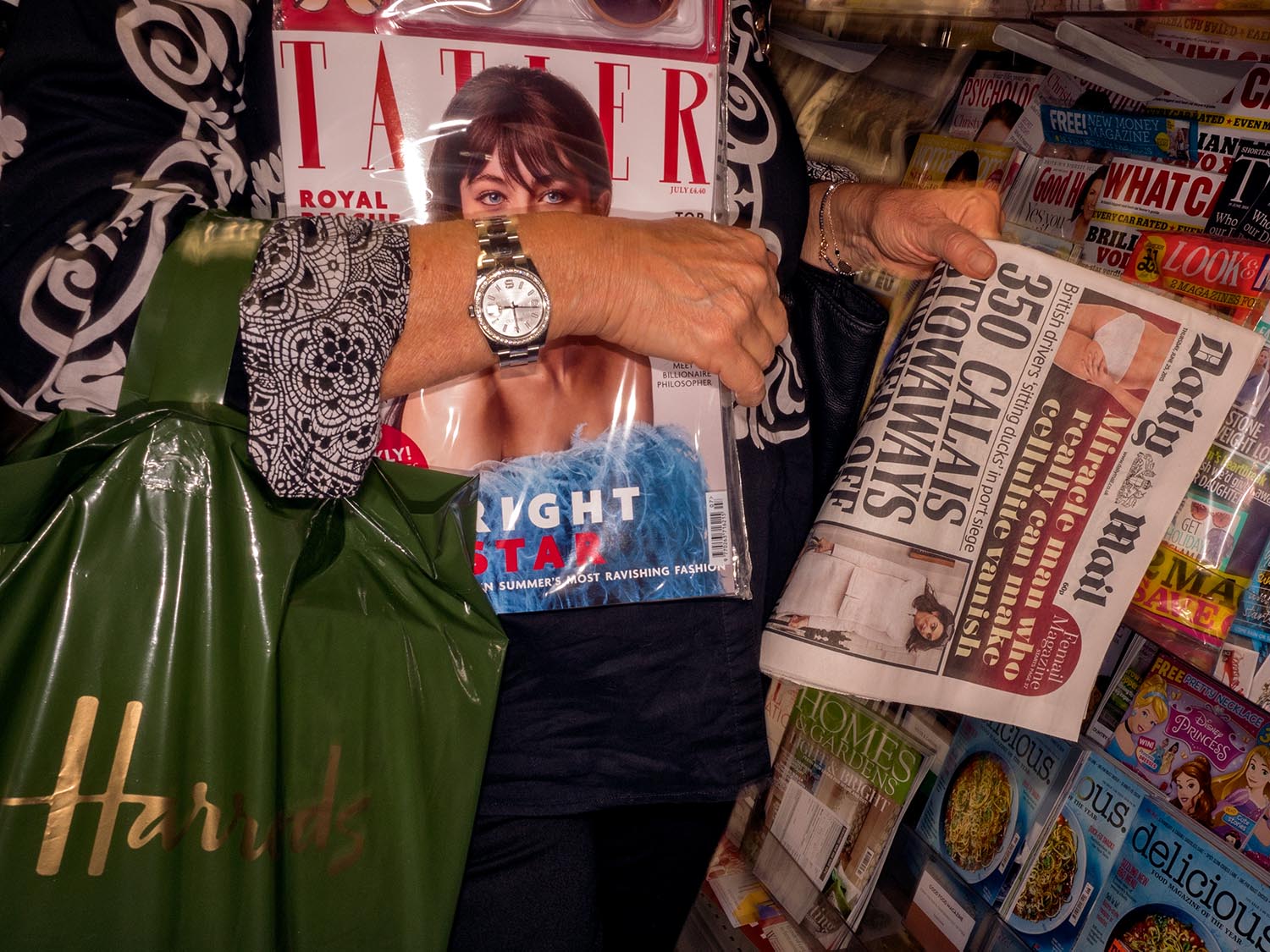
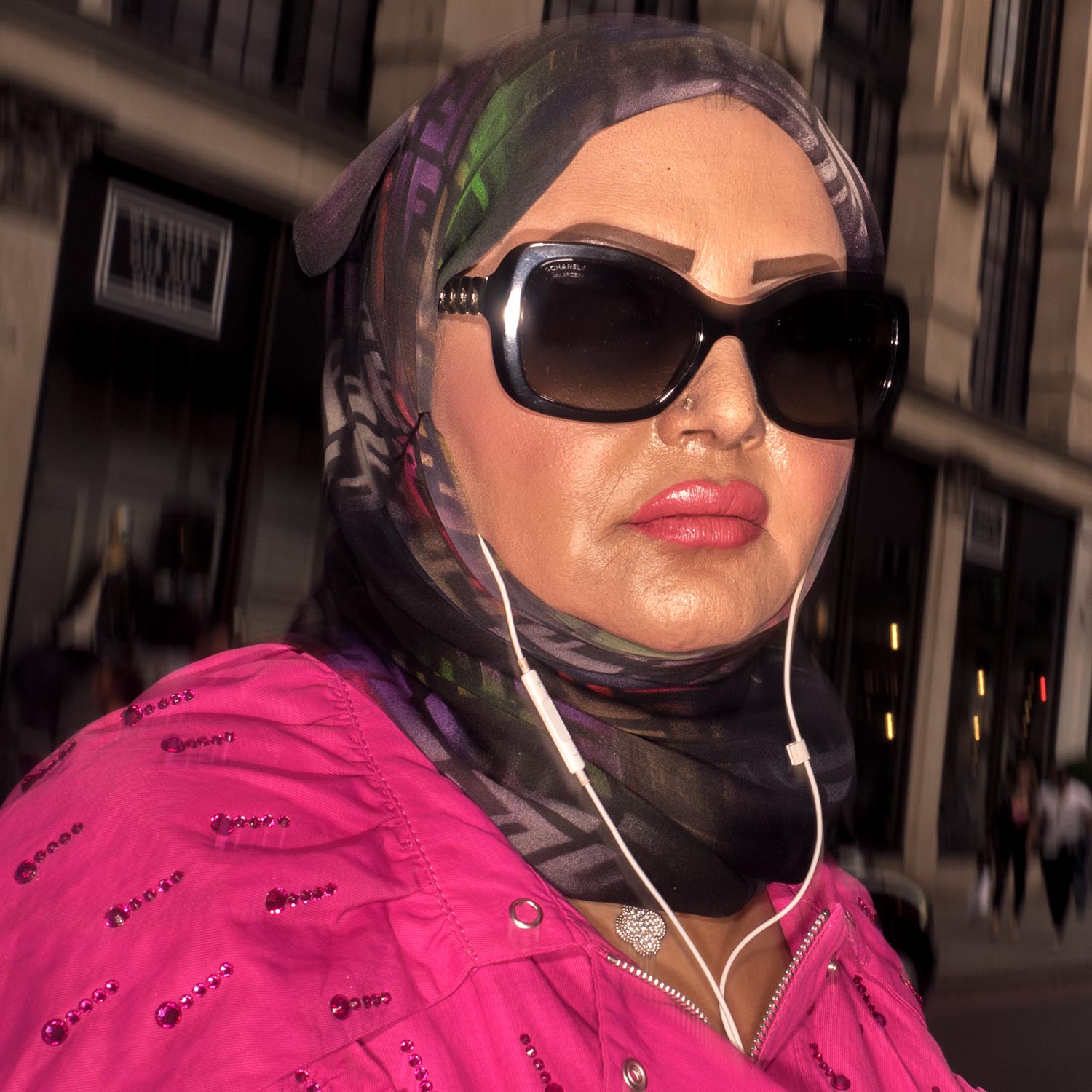
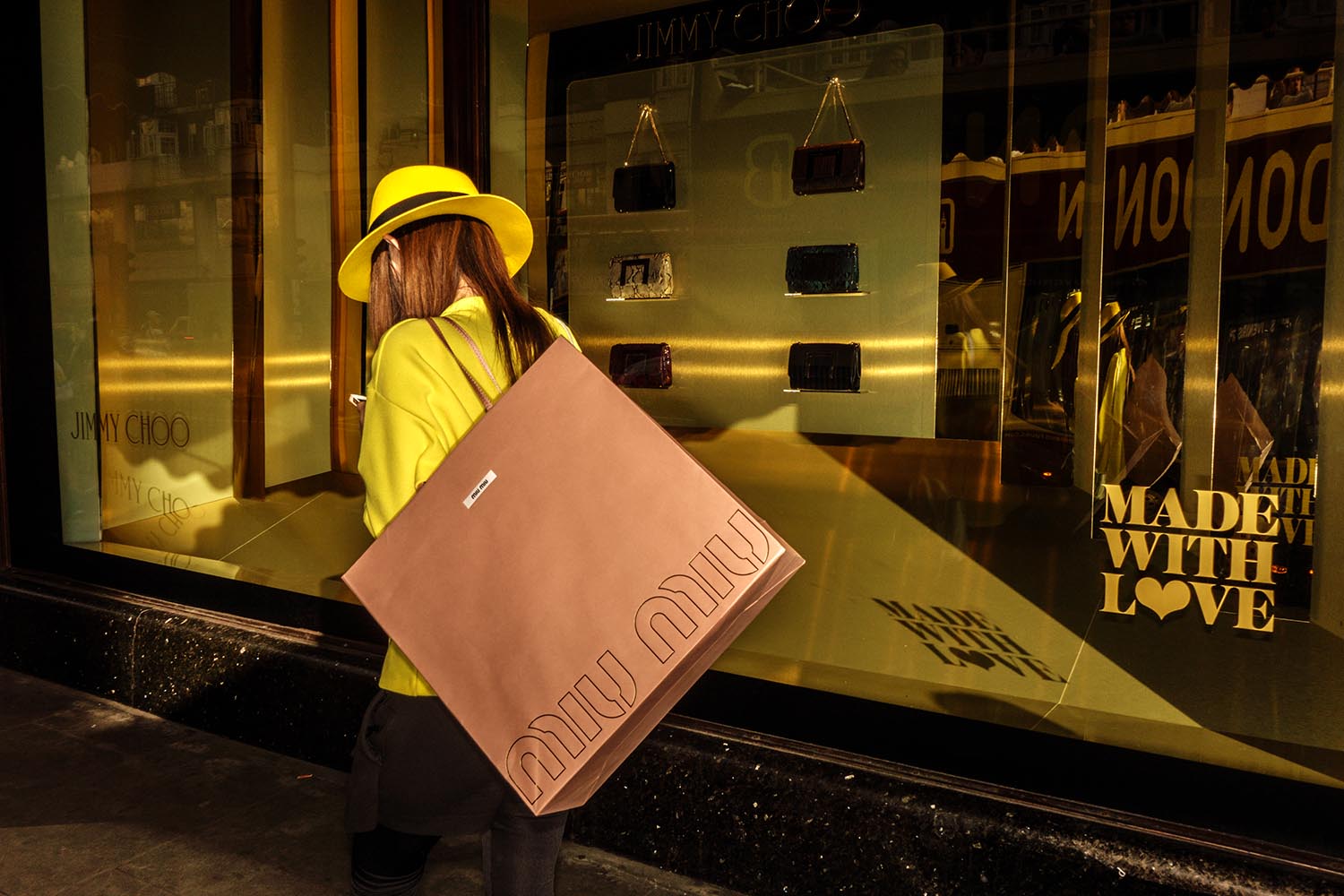
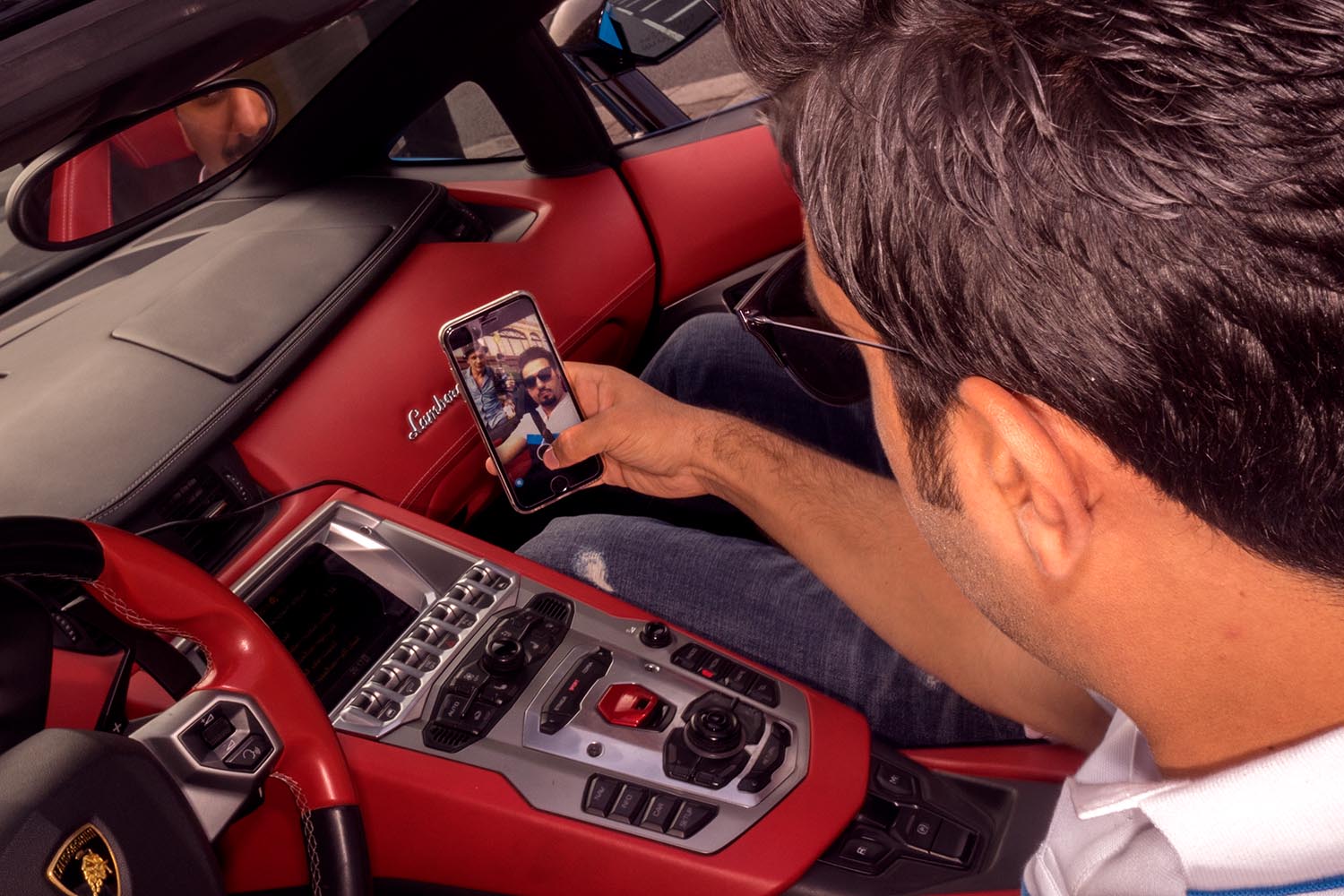
The streets around Harrods reveal the spectacle in concentrated form. The shops resemble minimalist art installations, designed to display luxury as much as to sell it. During Eid, the period known in luxury retail as the ‘Ramadan Rush’, wealthy visitors arrive from the Gulf to escape the extreme summer heat. Million-pound cars, designer clothes, gold, diamonds and shopping bags turn the neighbourhood into a temporary stage, while the noise, traffic and display irritate the long-term residents who remain.
The contrast is impossible to miss. A few streets away, people queue at food banks, thousands wait for social housing and many more live in temporary accommodation. At the time of the project, large numbers of properties in Kensington and Chelsea stood empty. It was the phenomenon described as ‘lights-out London’: homes bought to be left vacant, pushing up prices without contributing to local life.
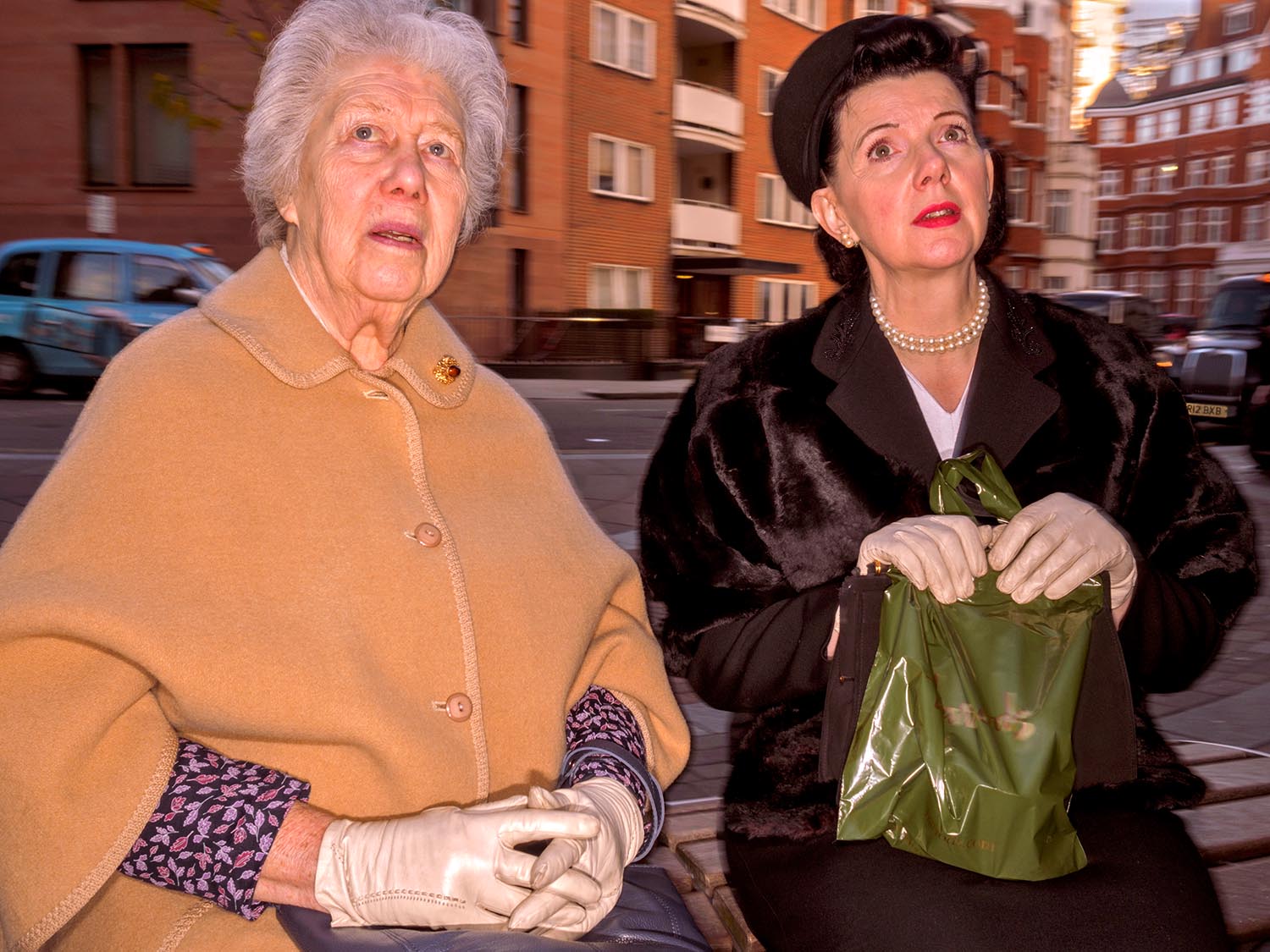
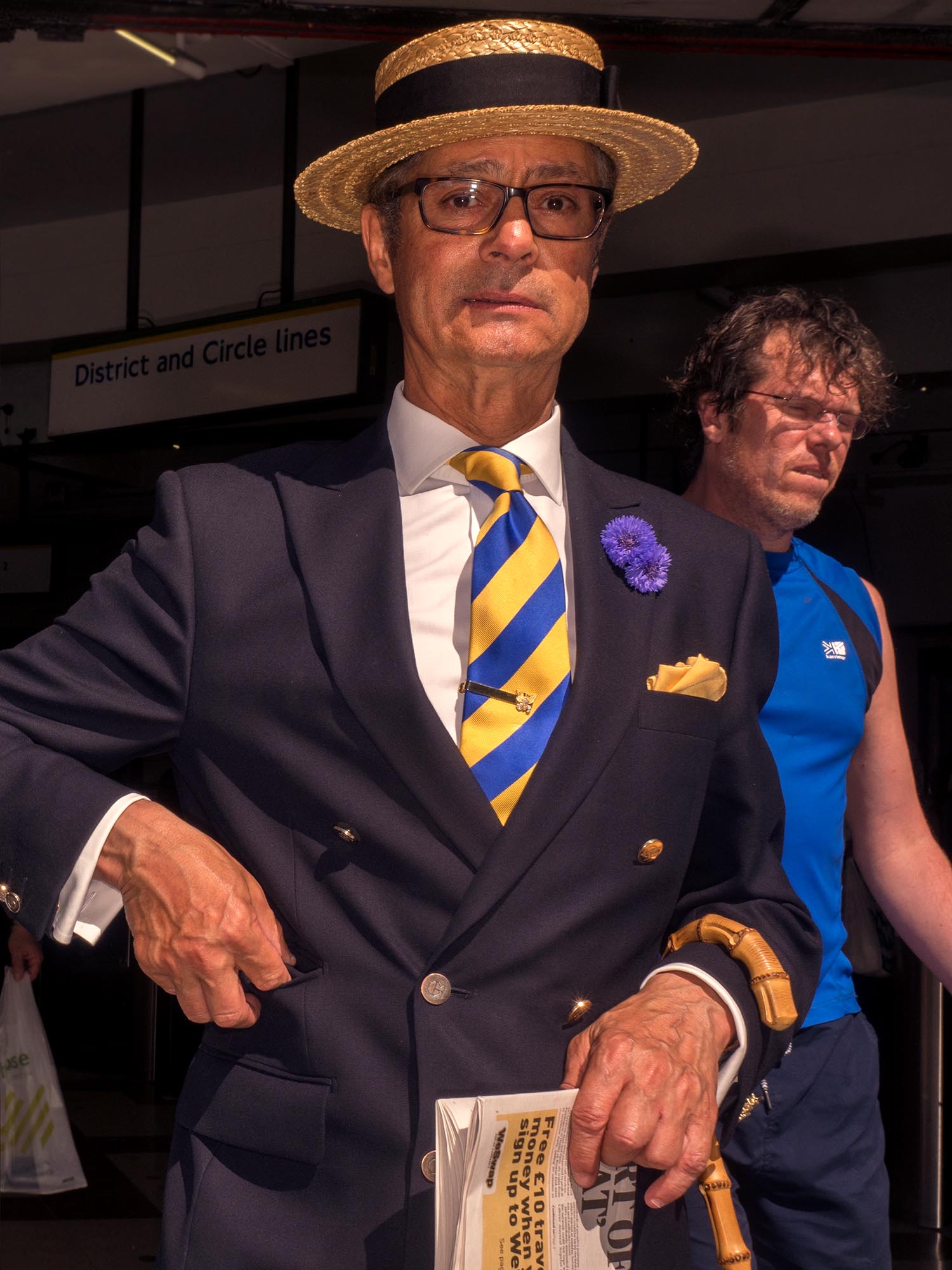
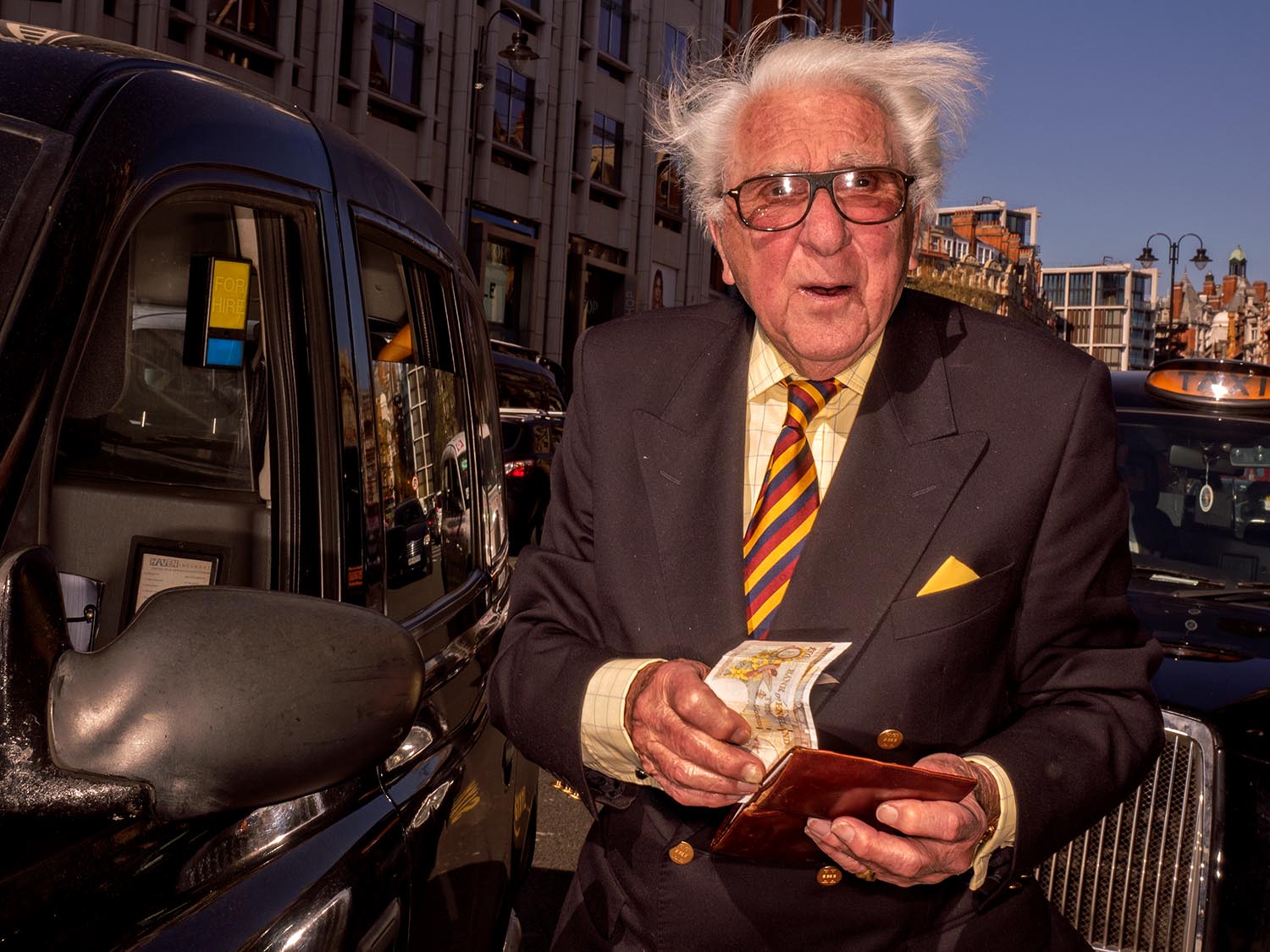
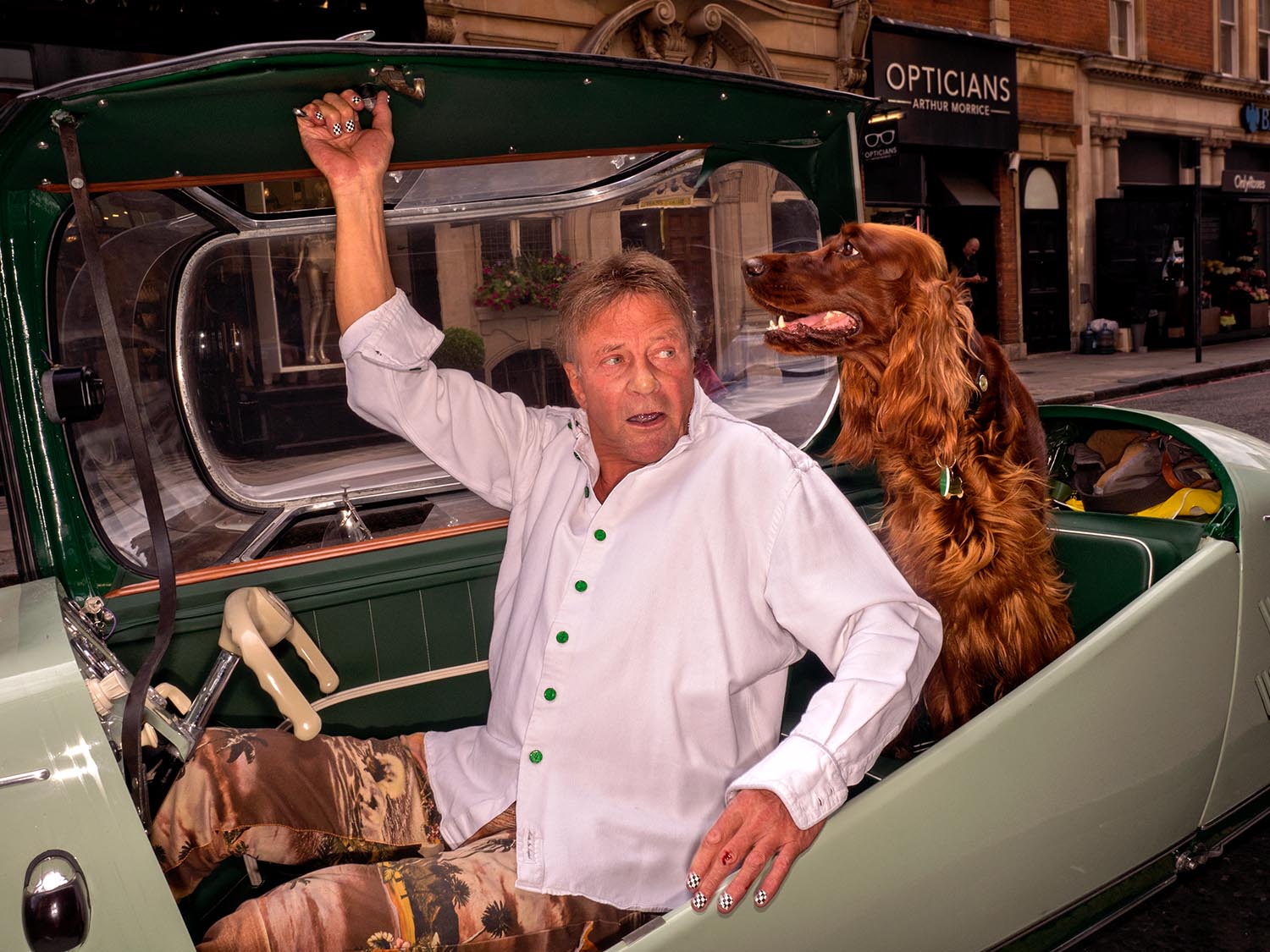
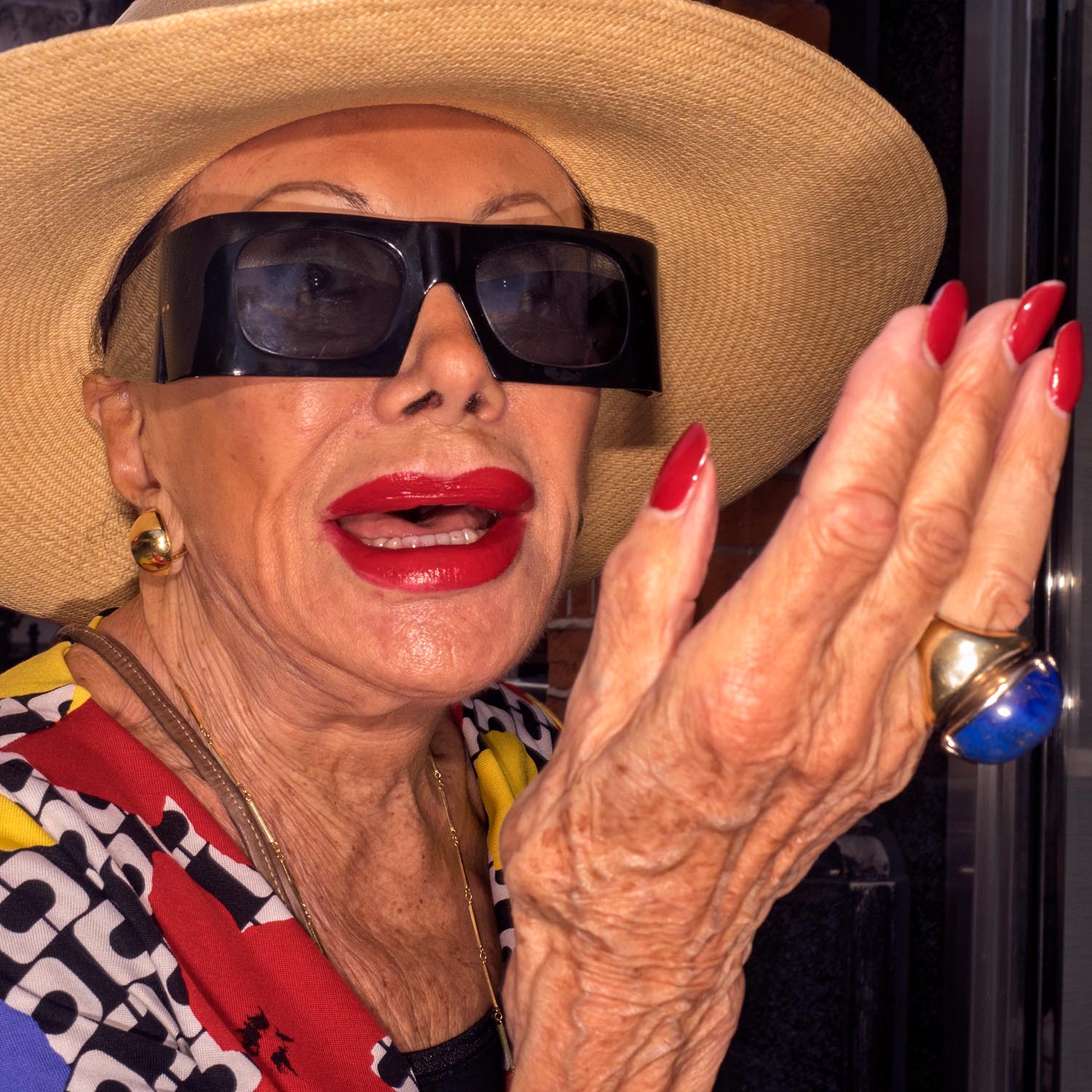
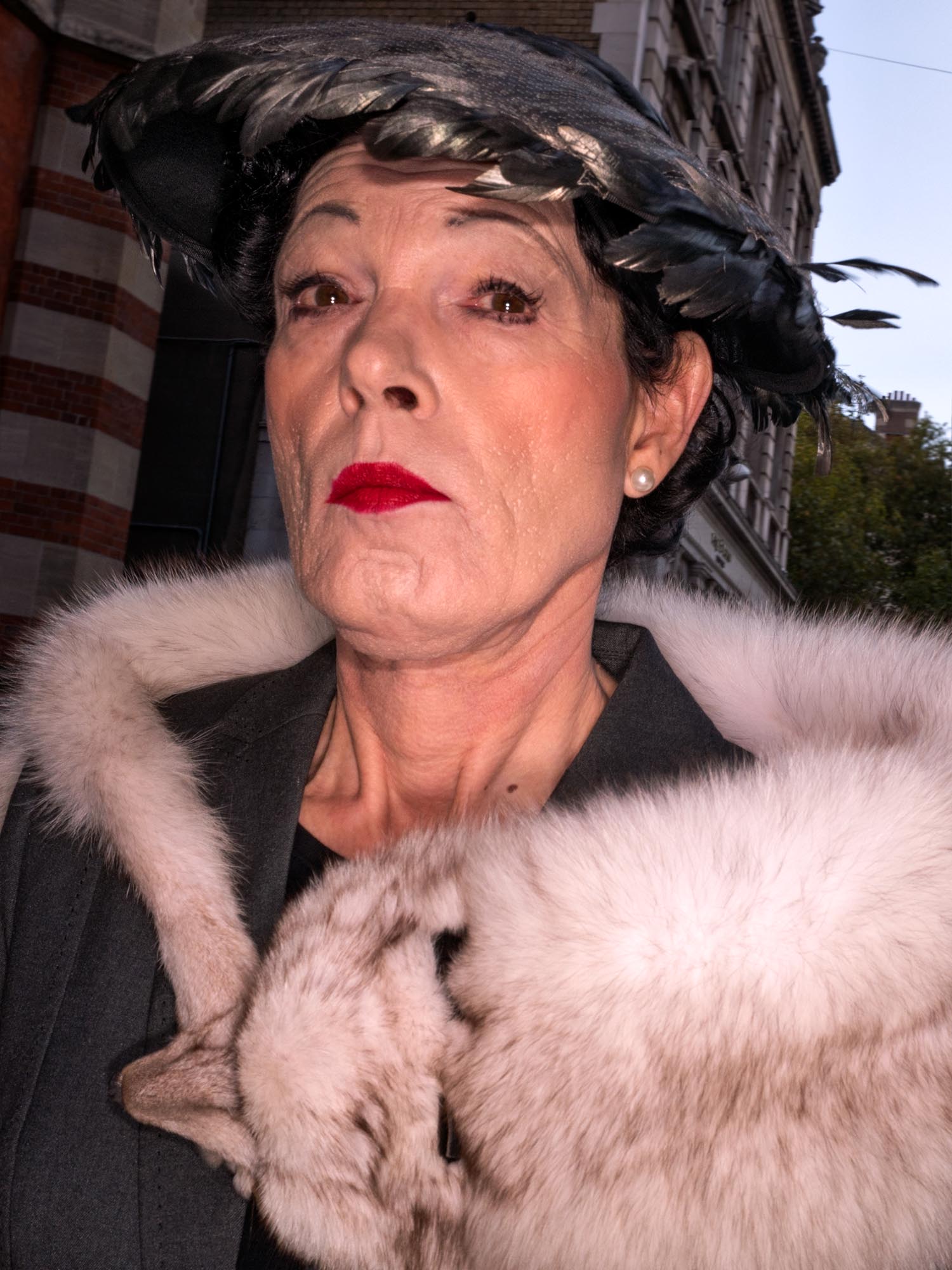
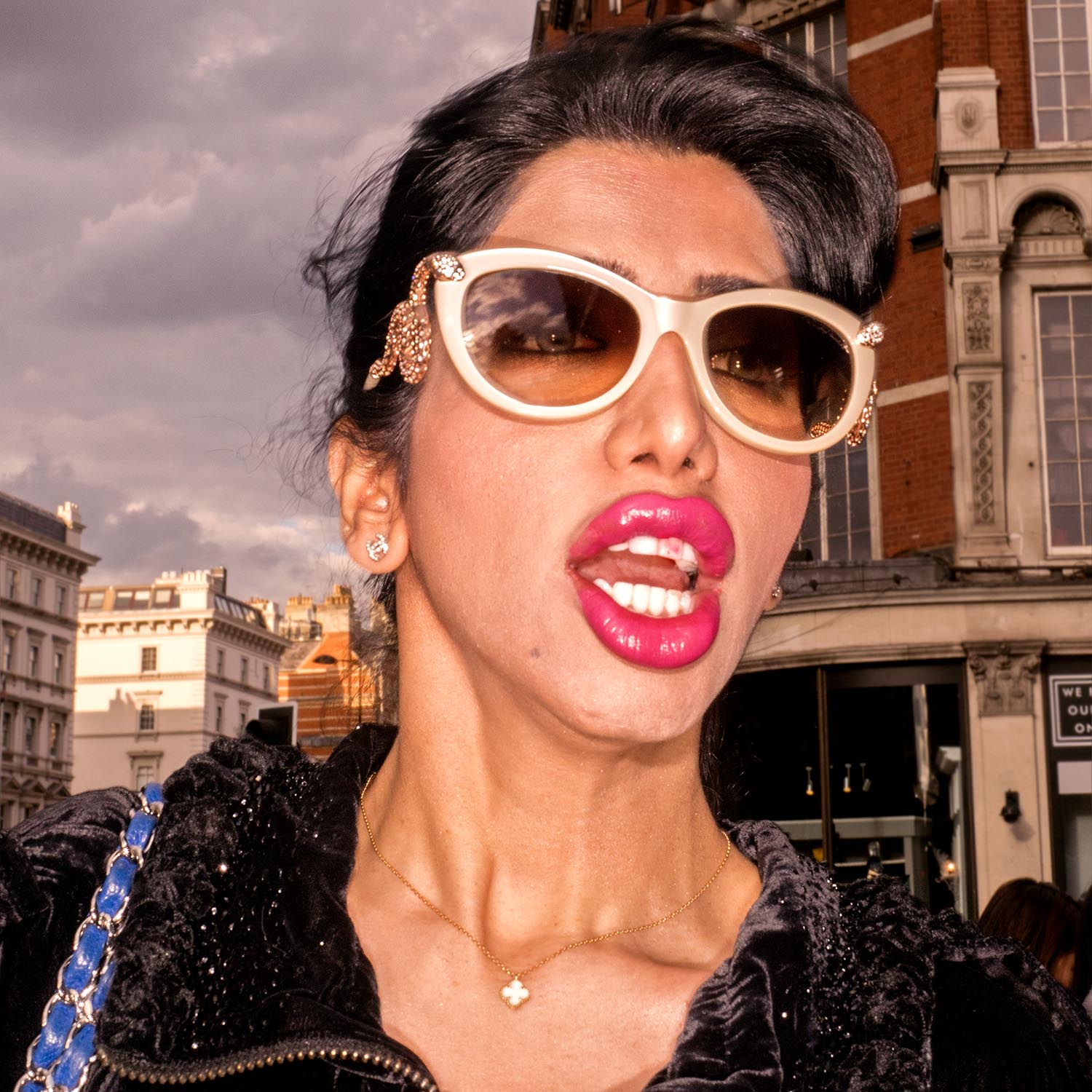
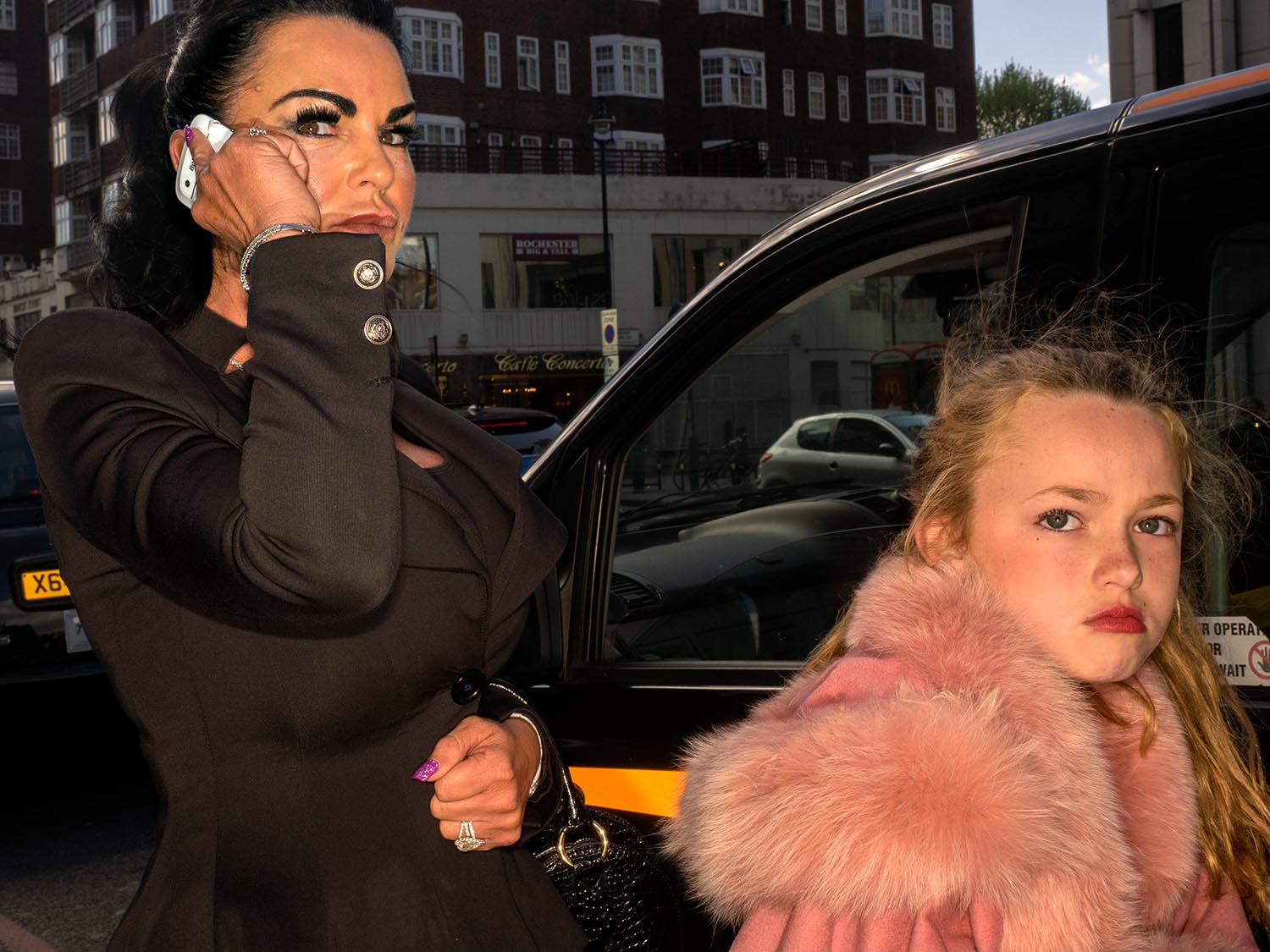
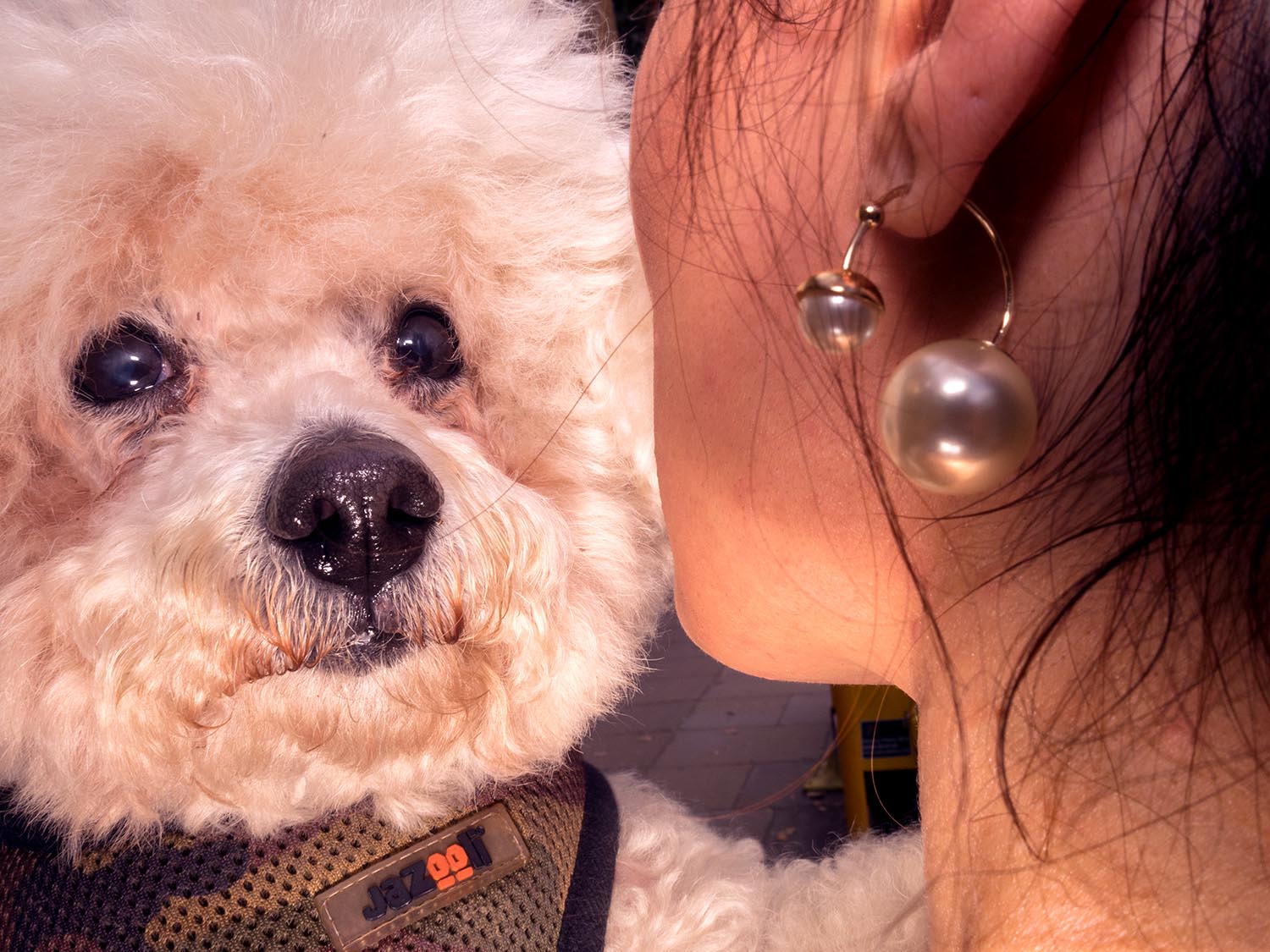
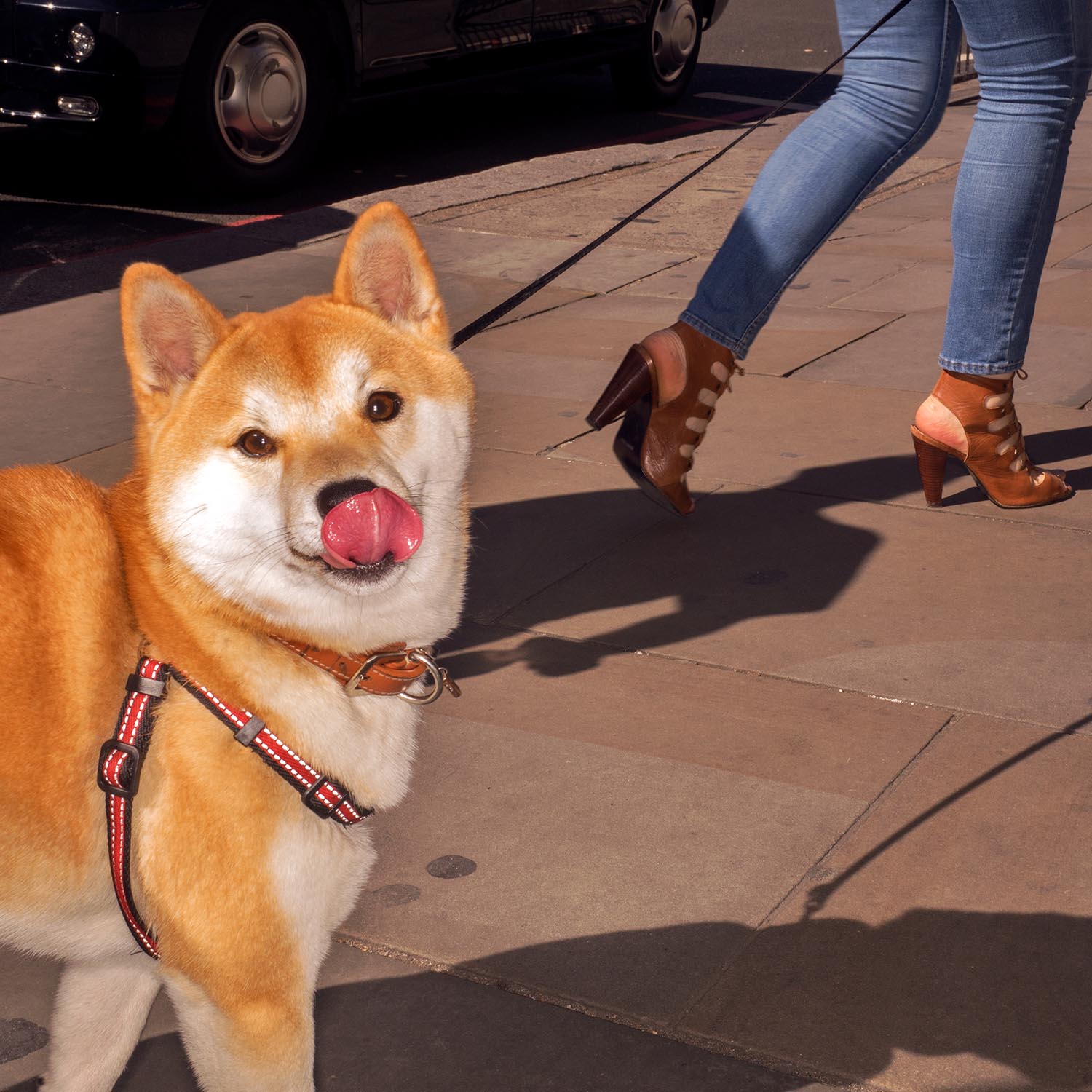
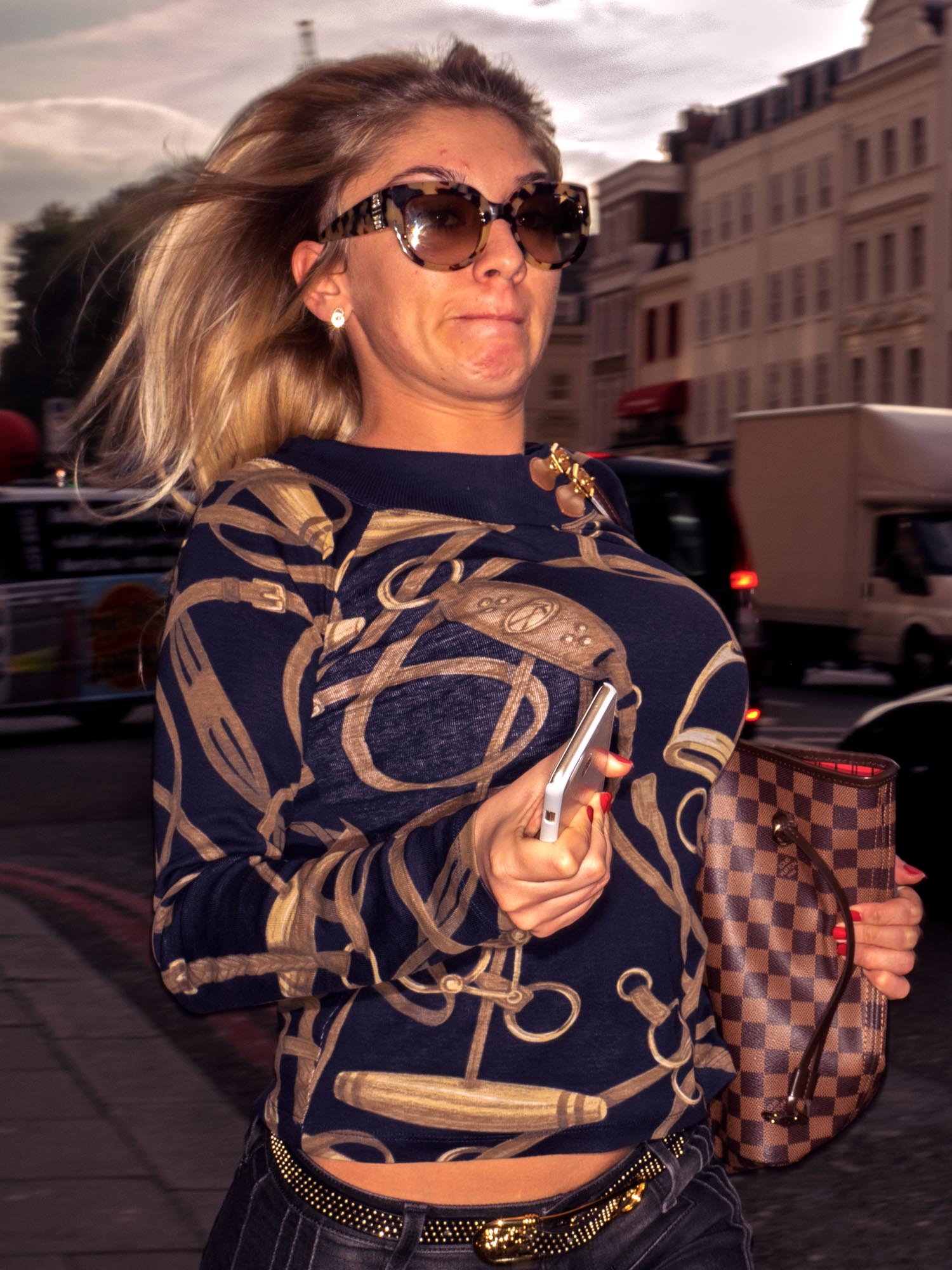
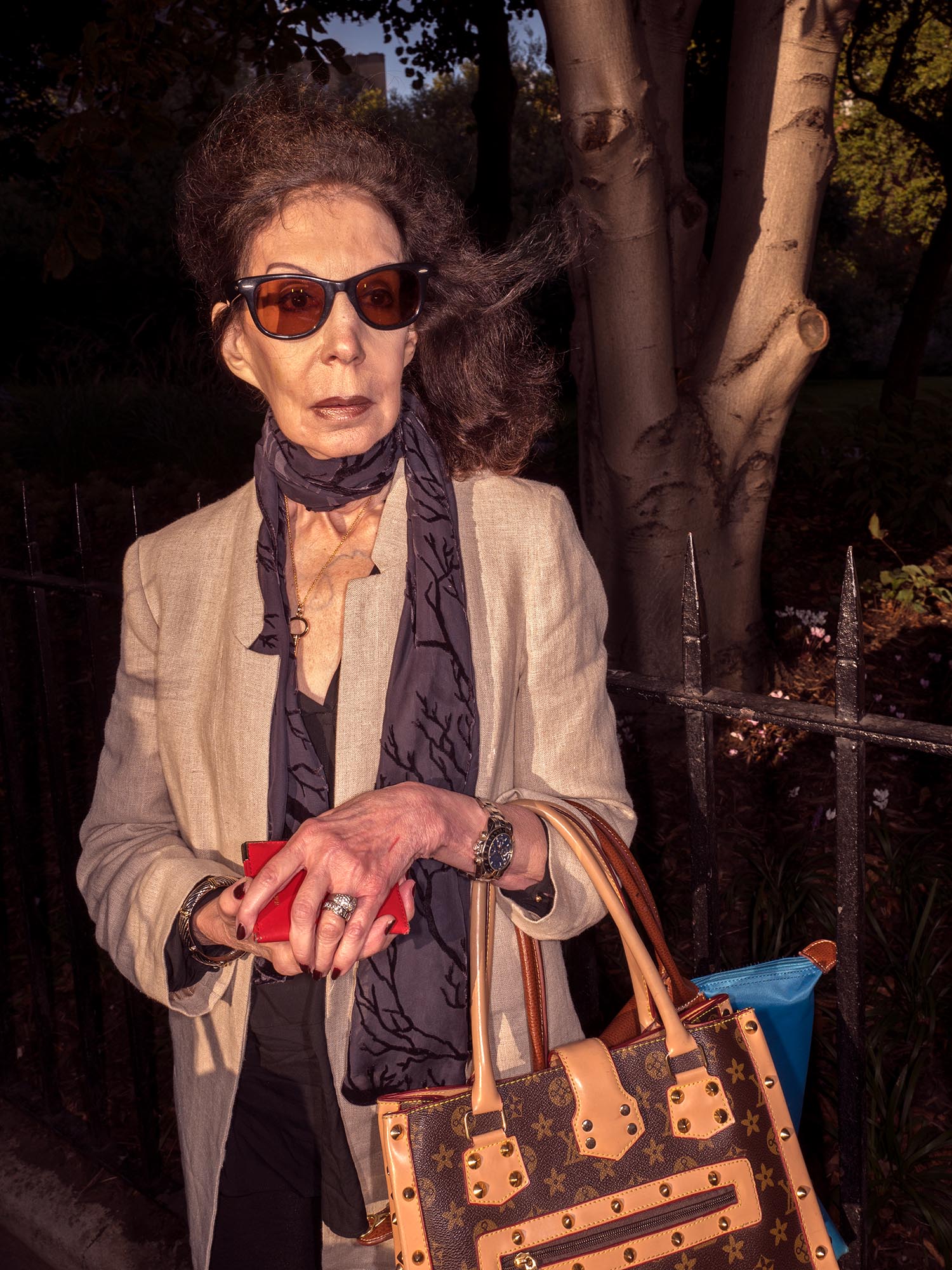
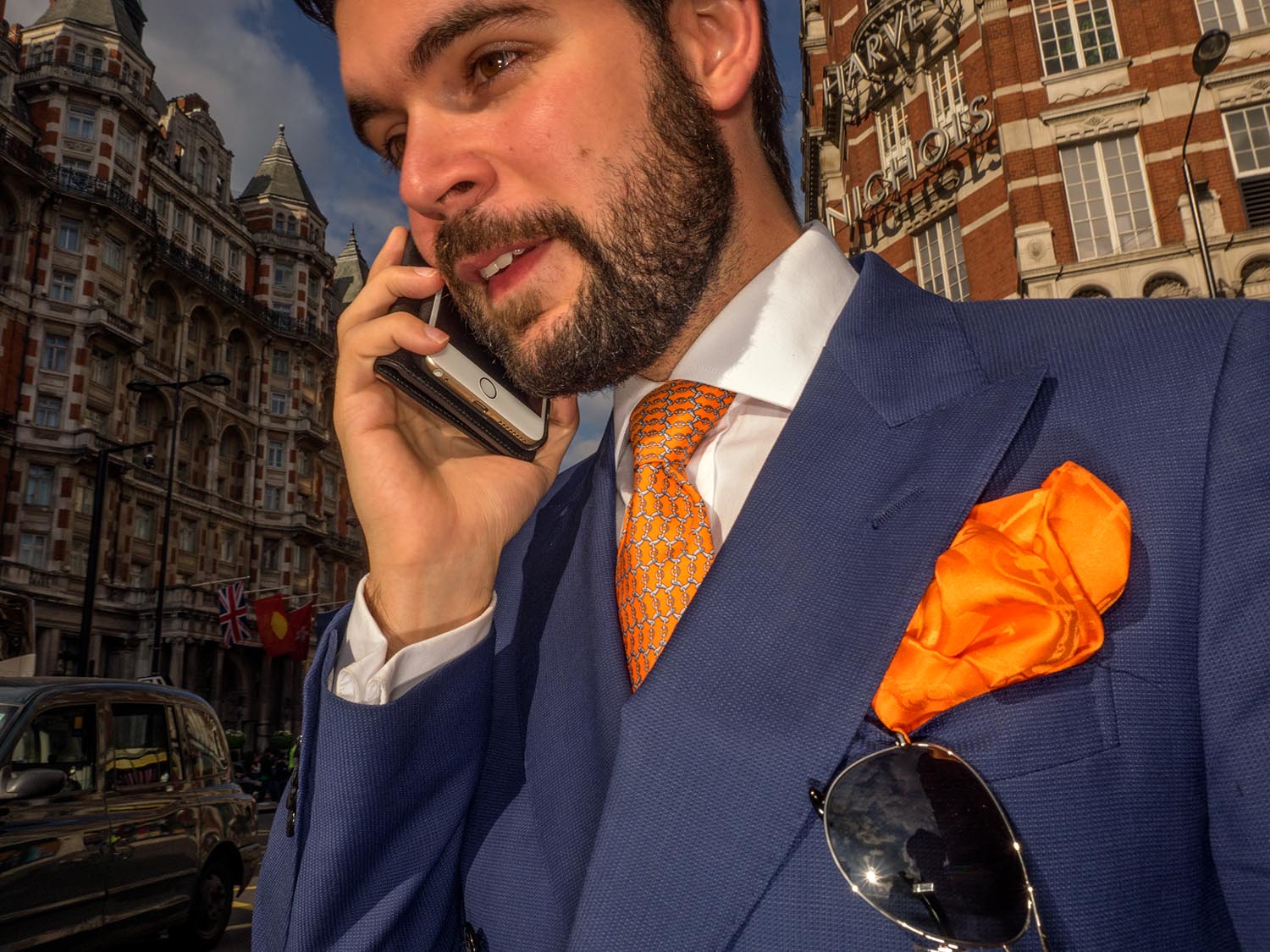
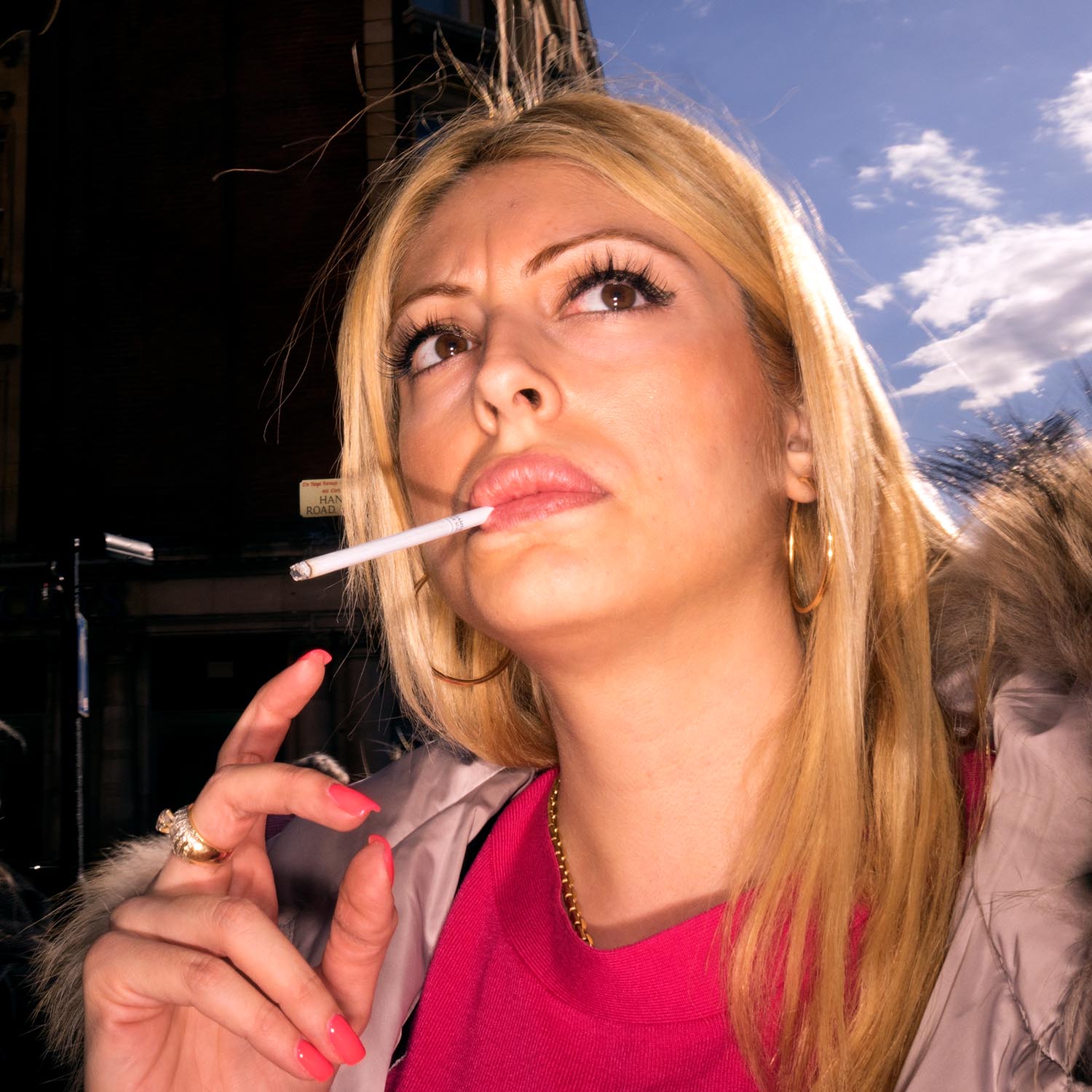
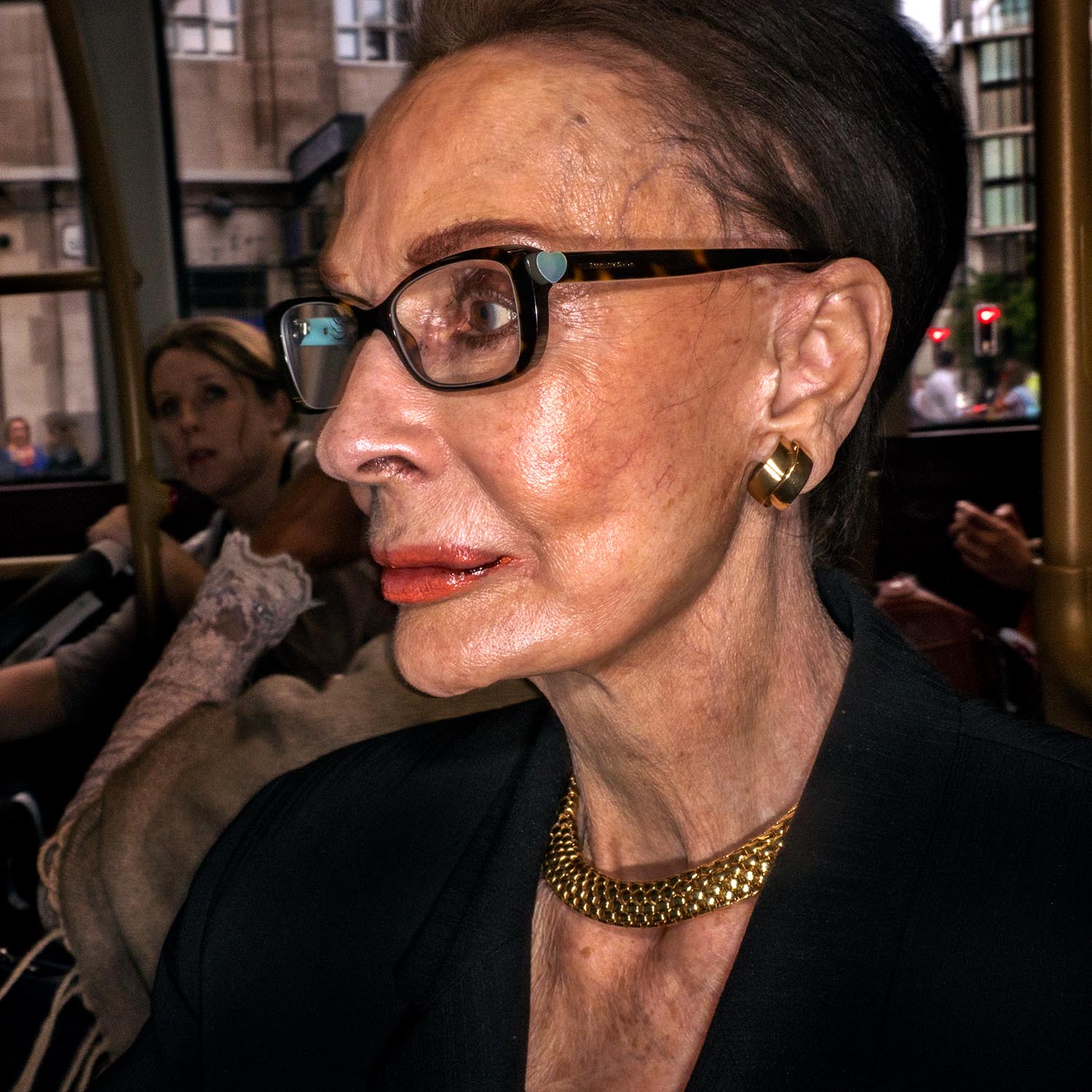
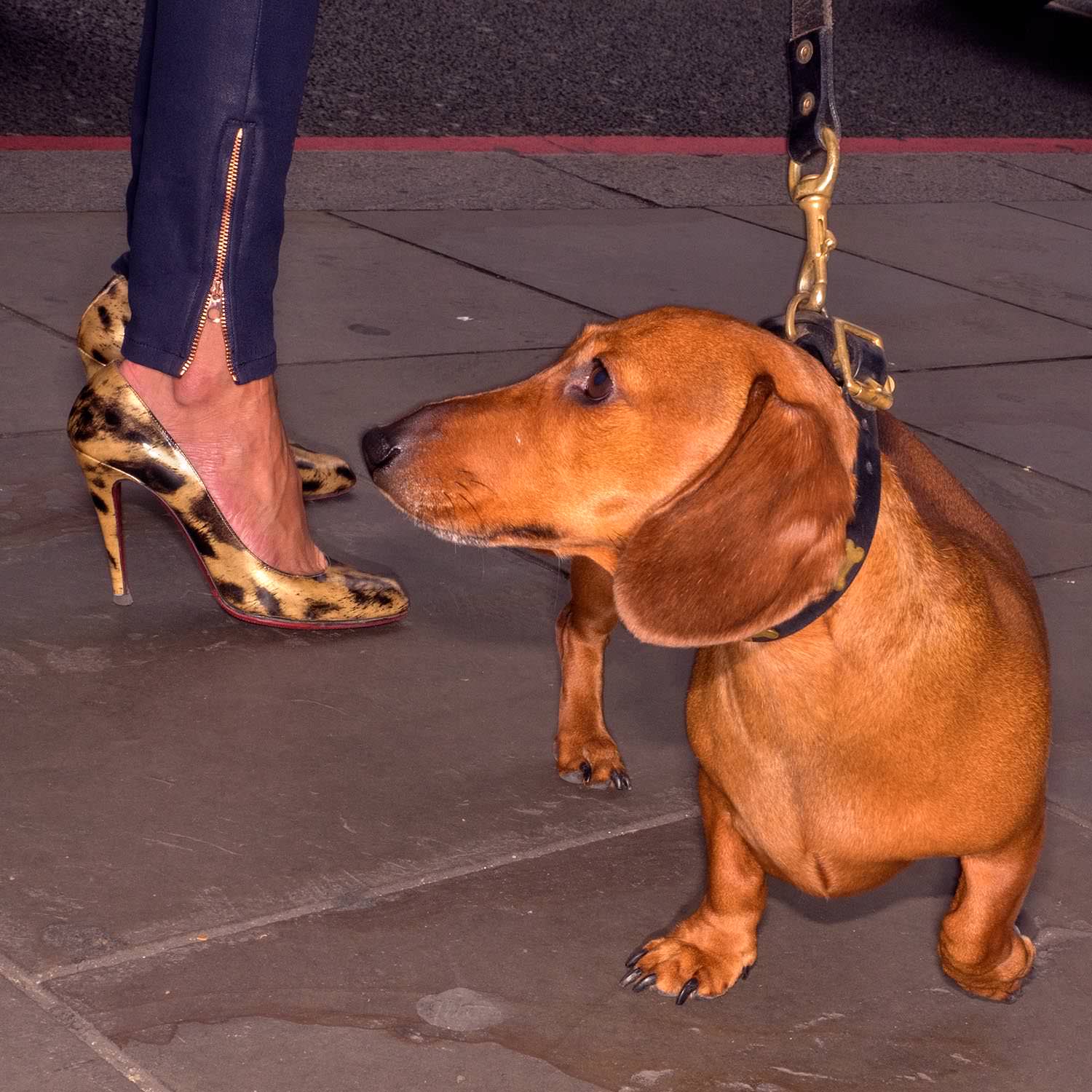
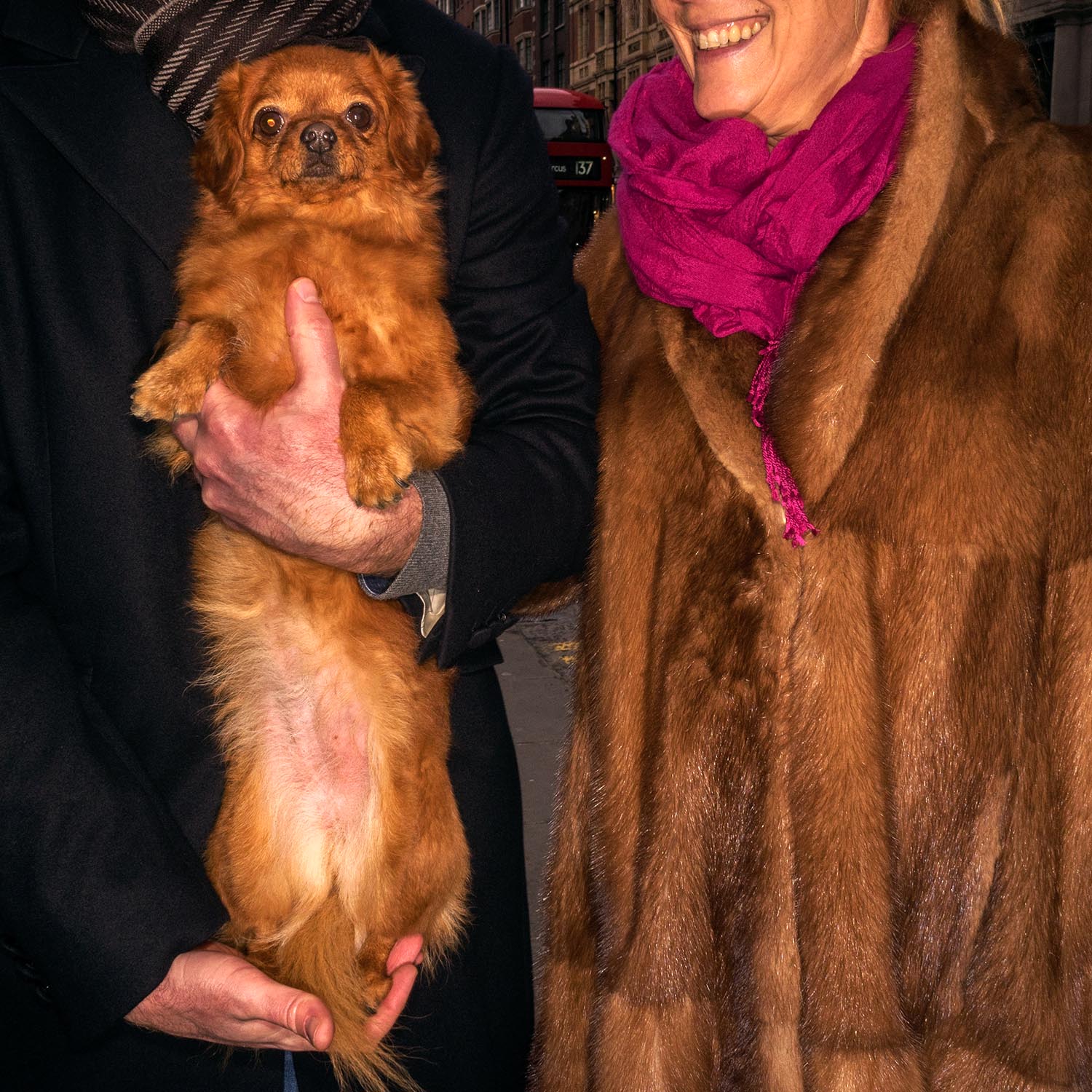
The photographs move through that contradiction. They look at glut, greed and consumption, but also at the people performing wealth in public. Status is carried in handbags, cars, watches, sunglasses, dogs, bodyguards and the careful choreography of shopping. The camera catches the moments when the performance slips, when luxury becomes absurd, and when the difference between confidence and insecurity becomes difficult to read.
The work is deliberately close and direct. It is not interested in wealth as an abstract number but in how it behaves on the street, how it occupies space and how it changes the character of a city. The images are funny, gaudy and sometimes uncomfortable because the spectacle is all of those things at once.
Harrodsburg is a portrait of a London that has become a reserve currency for the global rich. It shows a city where old wealth is being displaced by new wealth, where homes become assets and shopping becomes theatre. Employing his trademark wit and eye for the absurd, Dougie Wallace turns the luxury district into a wealth safari, exposing the habits, rituals and contradictions of the people who now inhabit it.