
LIFTING THE VEIL
Fashion without faces
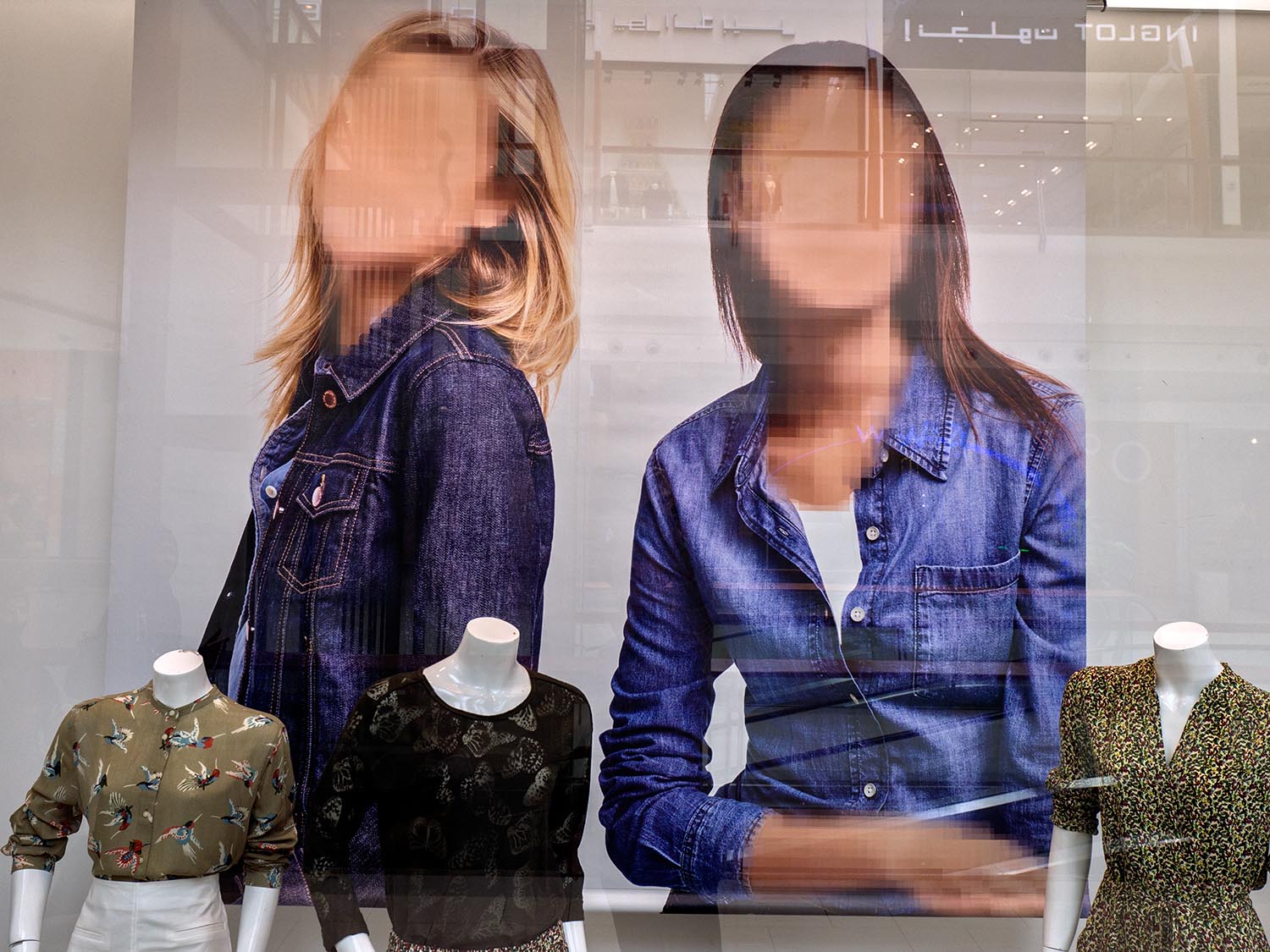
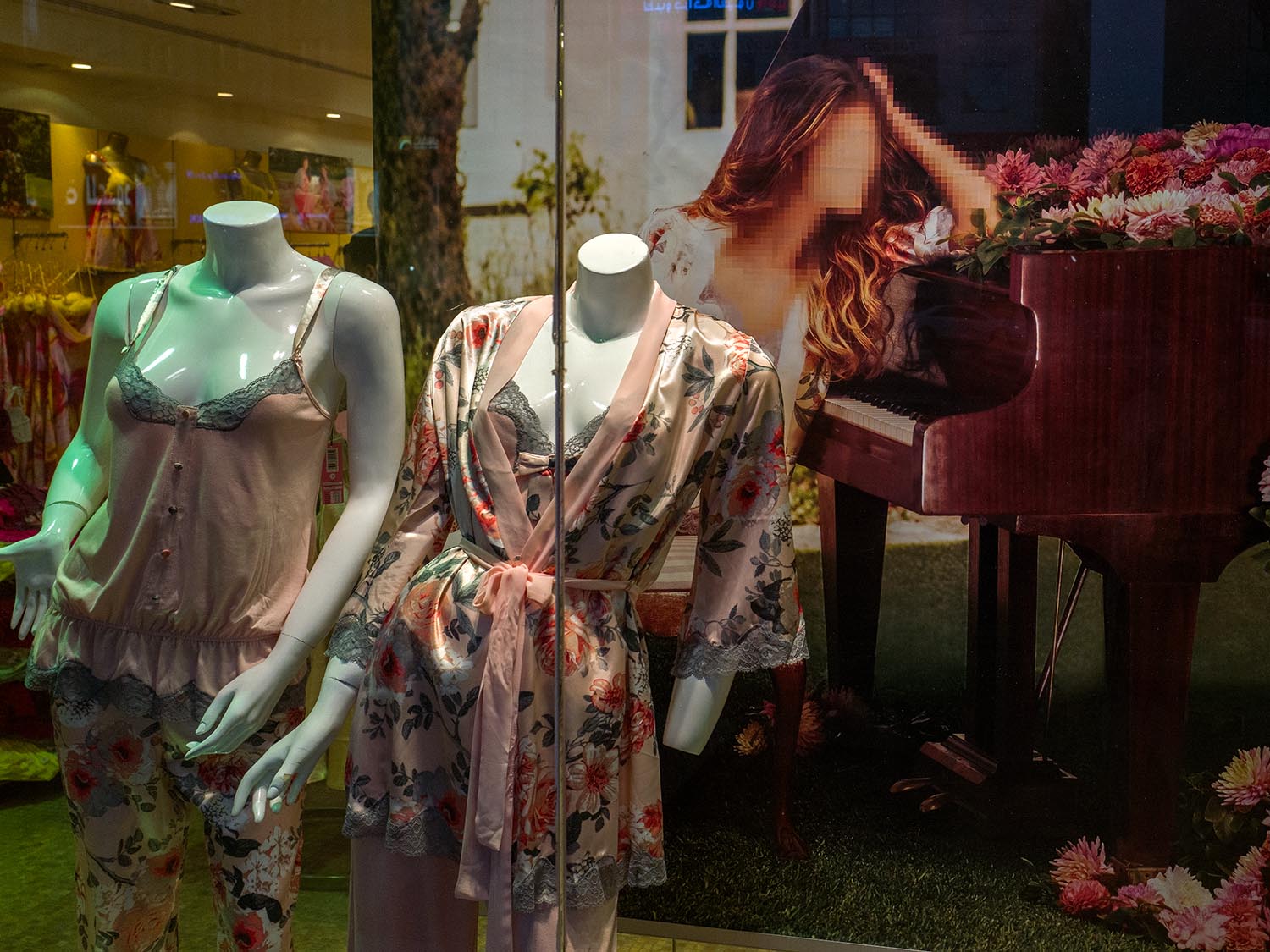
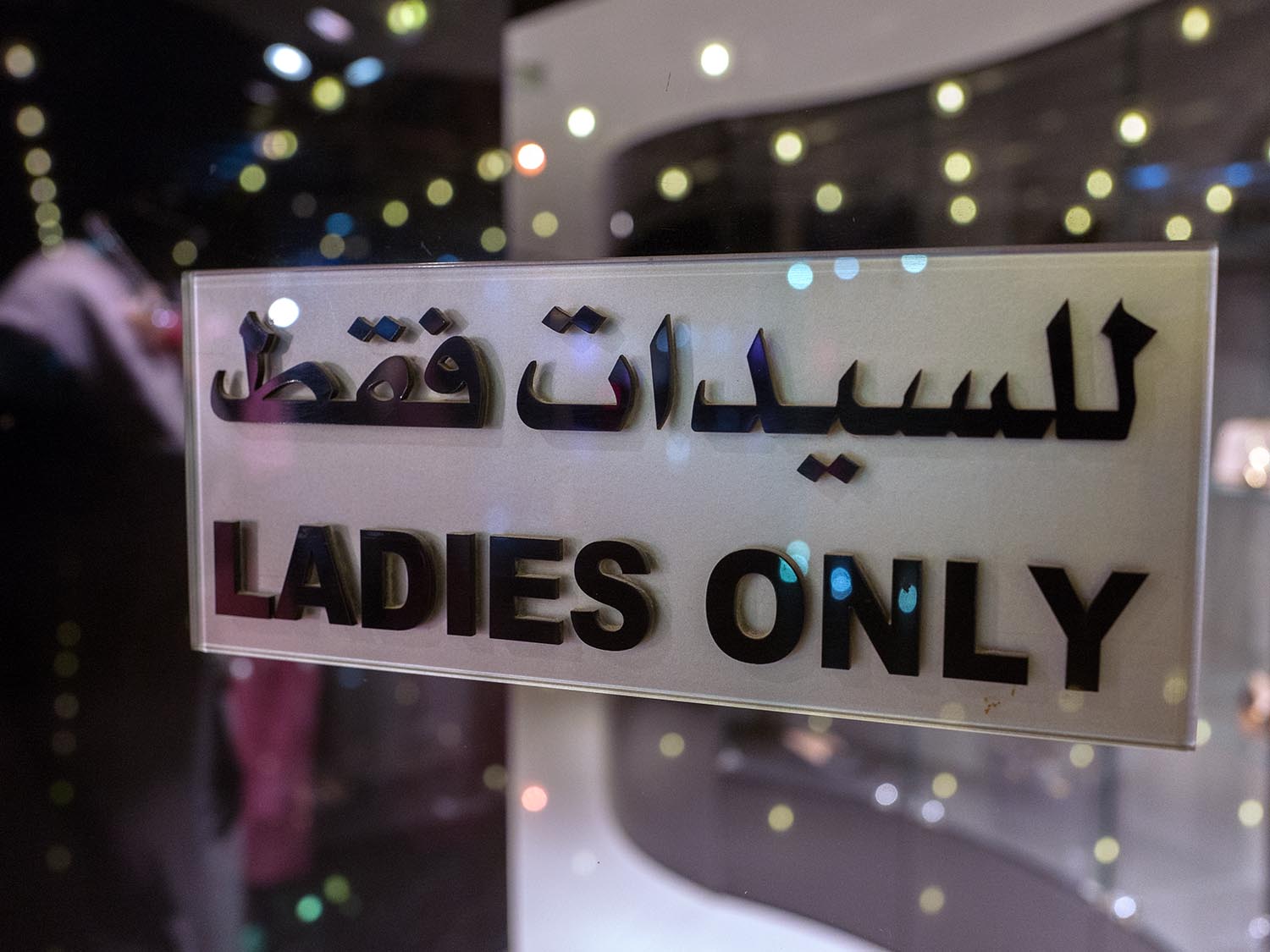
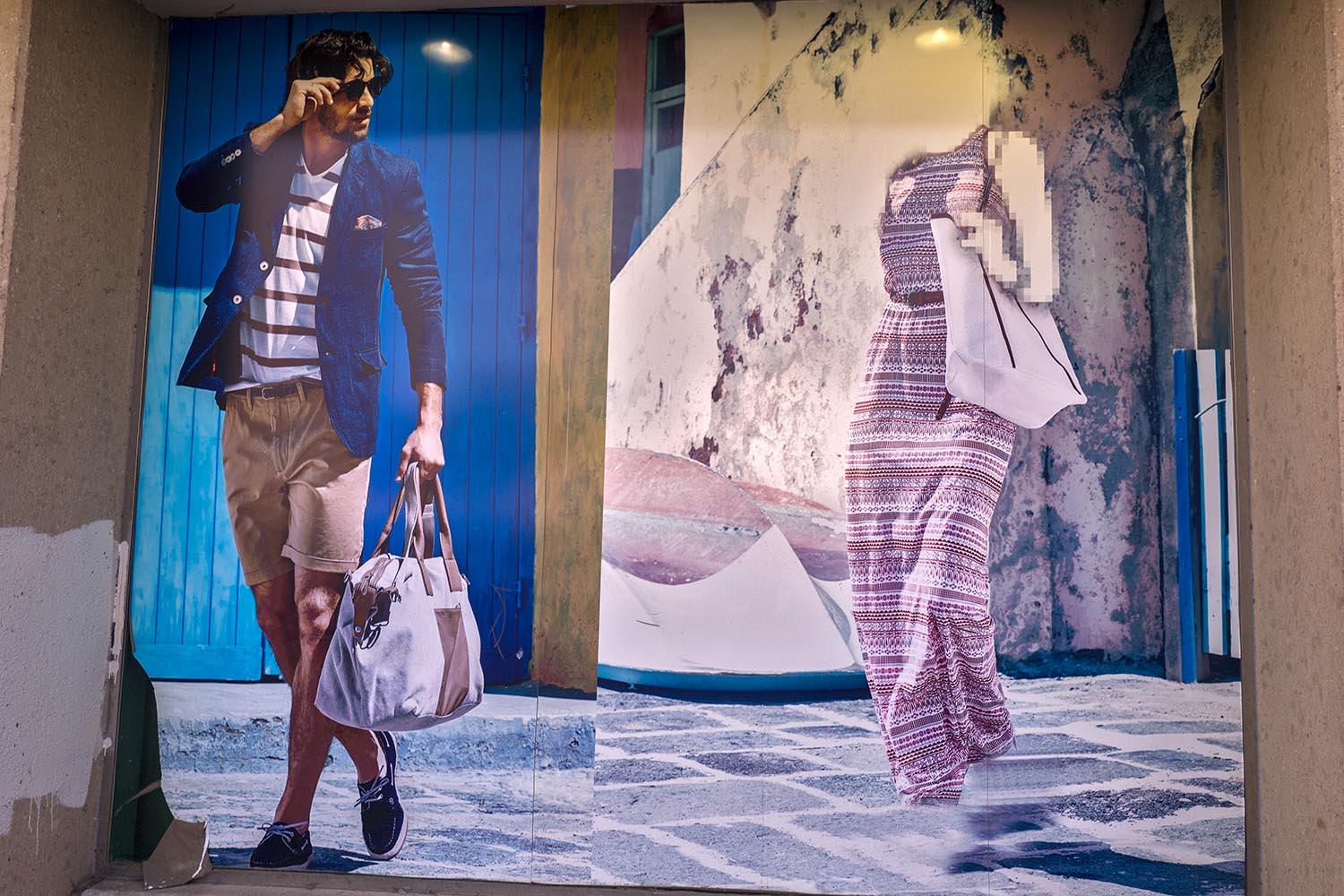
Made during a visit to Jeddah to exhibit Harrodsburg, Lifting the Veil looks at the strange world of Saudi shopping-mall advertising at the time. Women’s faces are erased, bodies disappear and headless mannequins model the latest clothes. The photographs examine how international brands adapted their displays to religious restrictions, and the contradictions left in the shop windows.













LIFTING THE VEIL
Fashion without faces
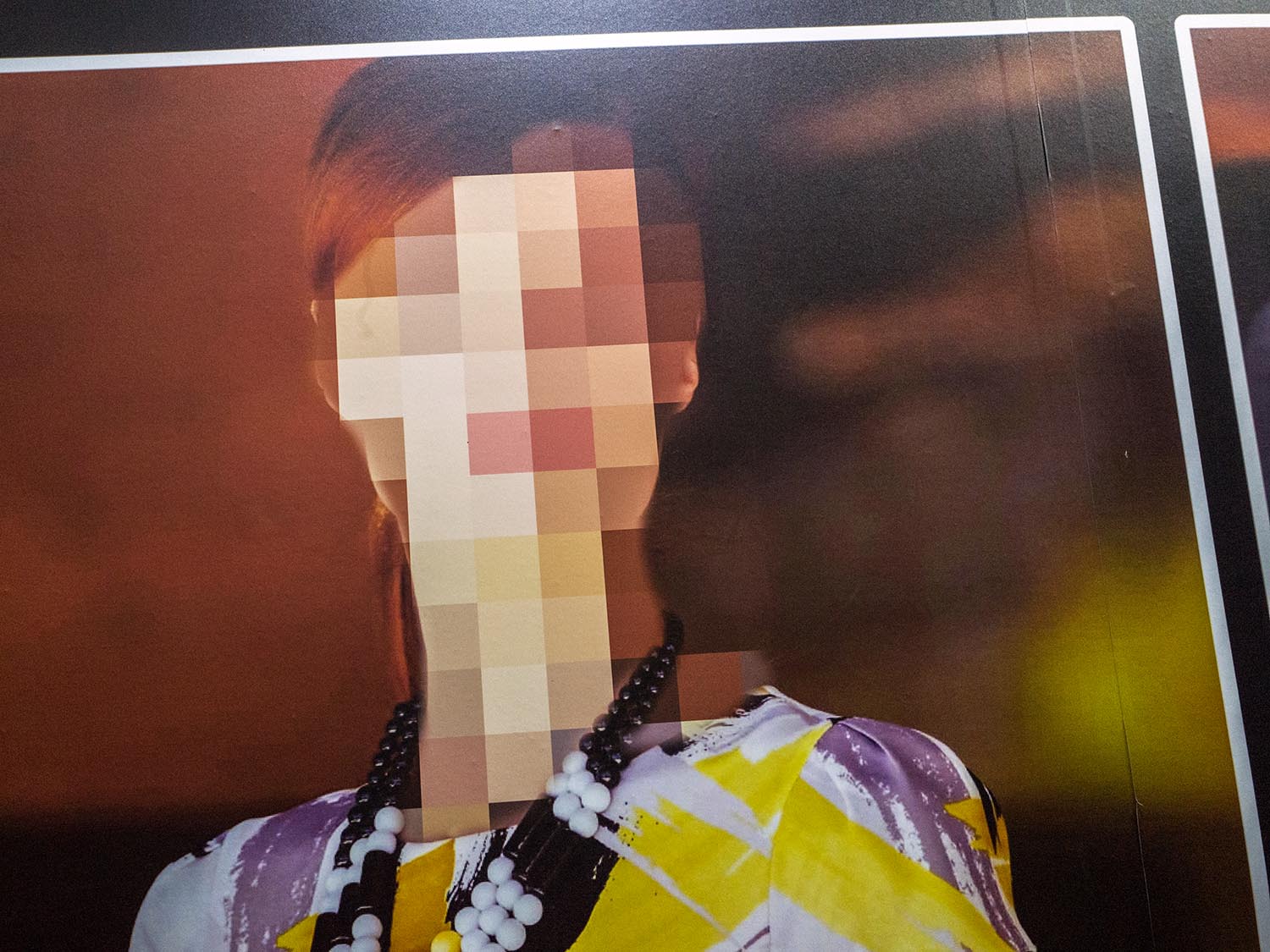
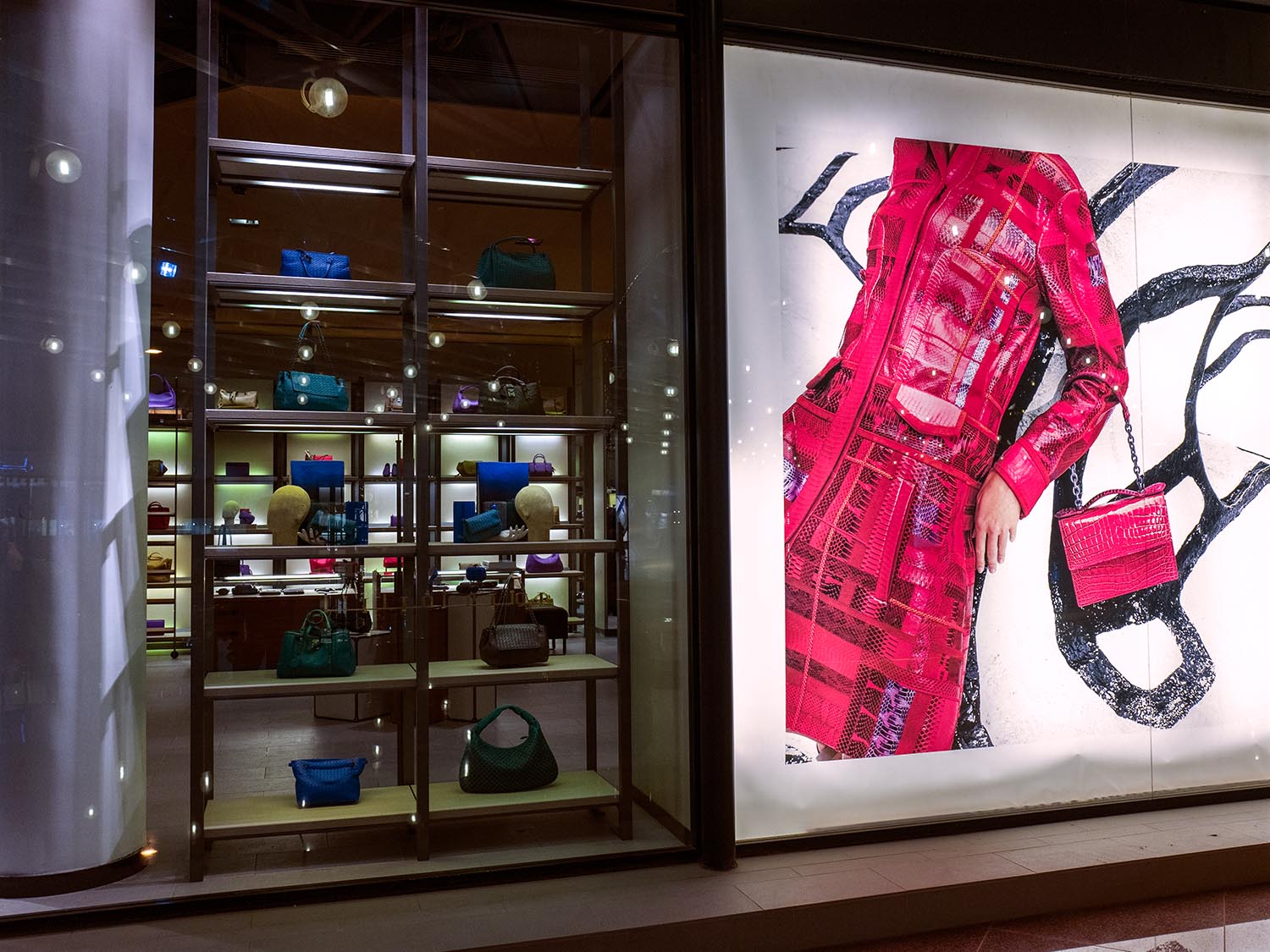
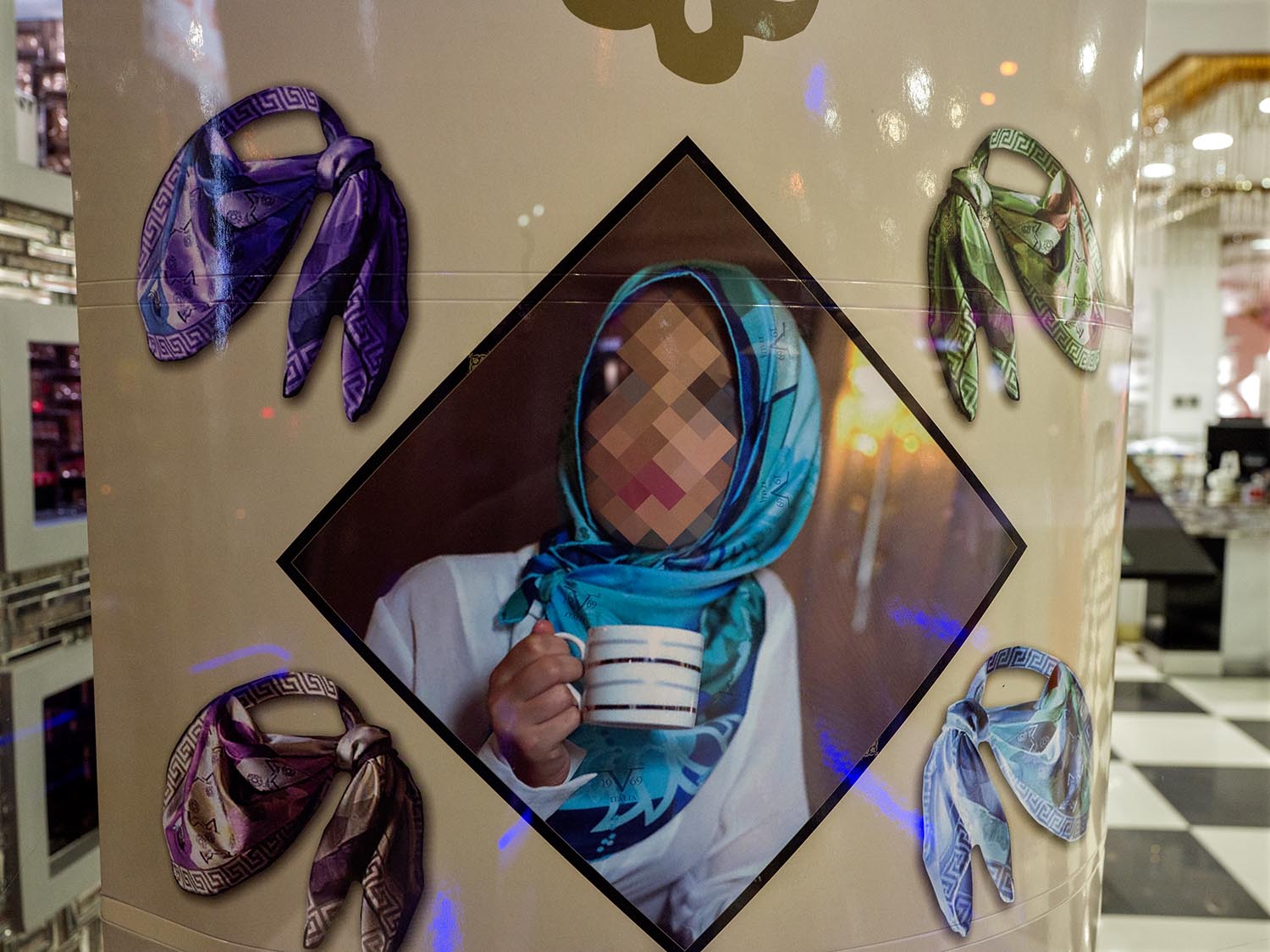
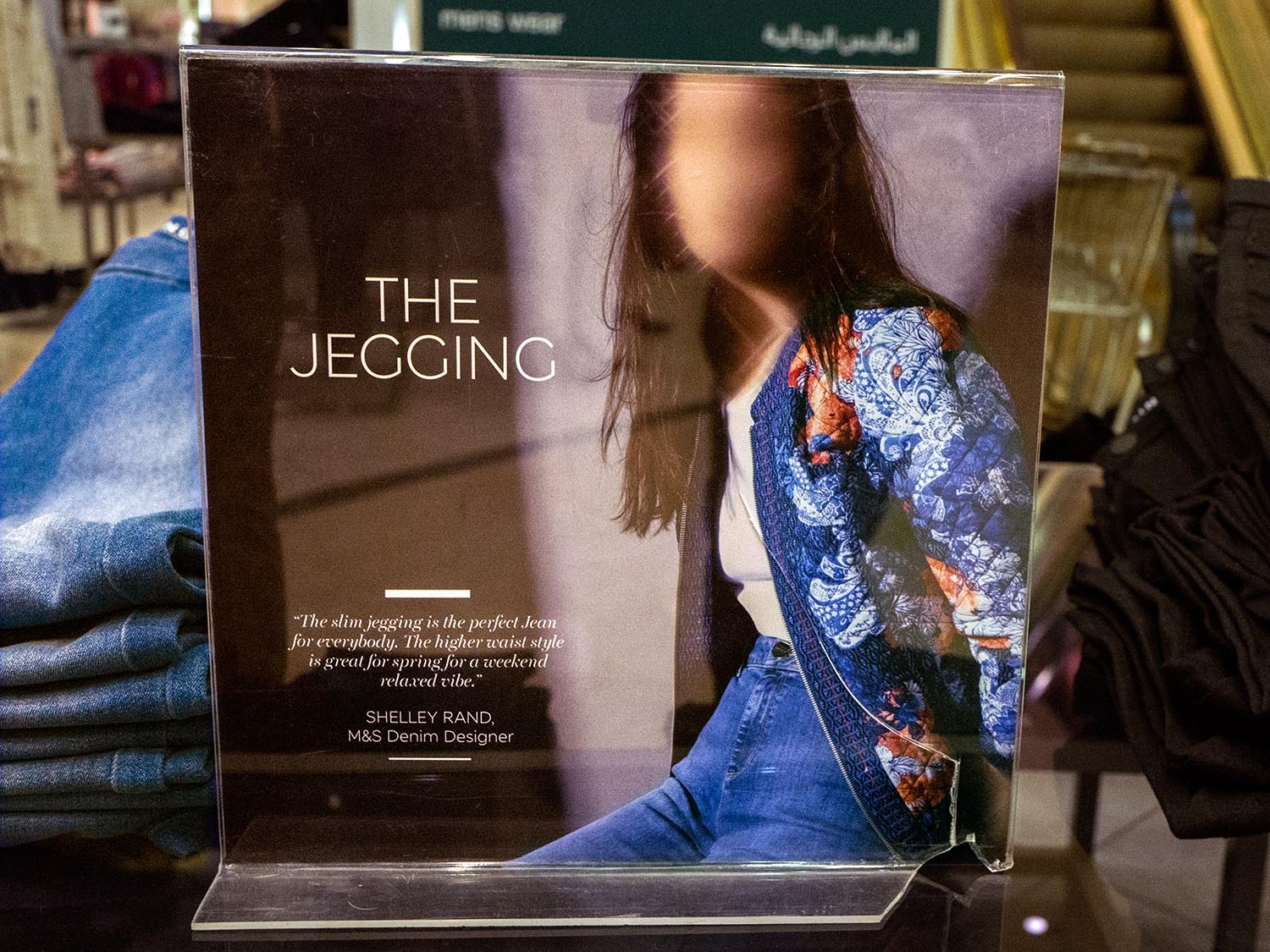
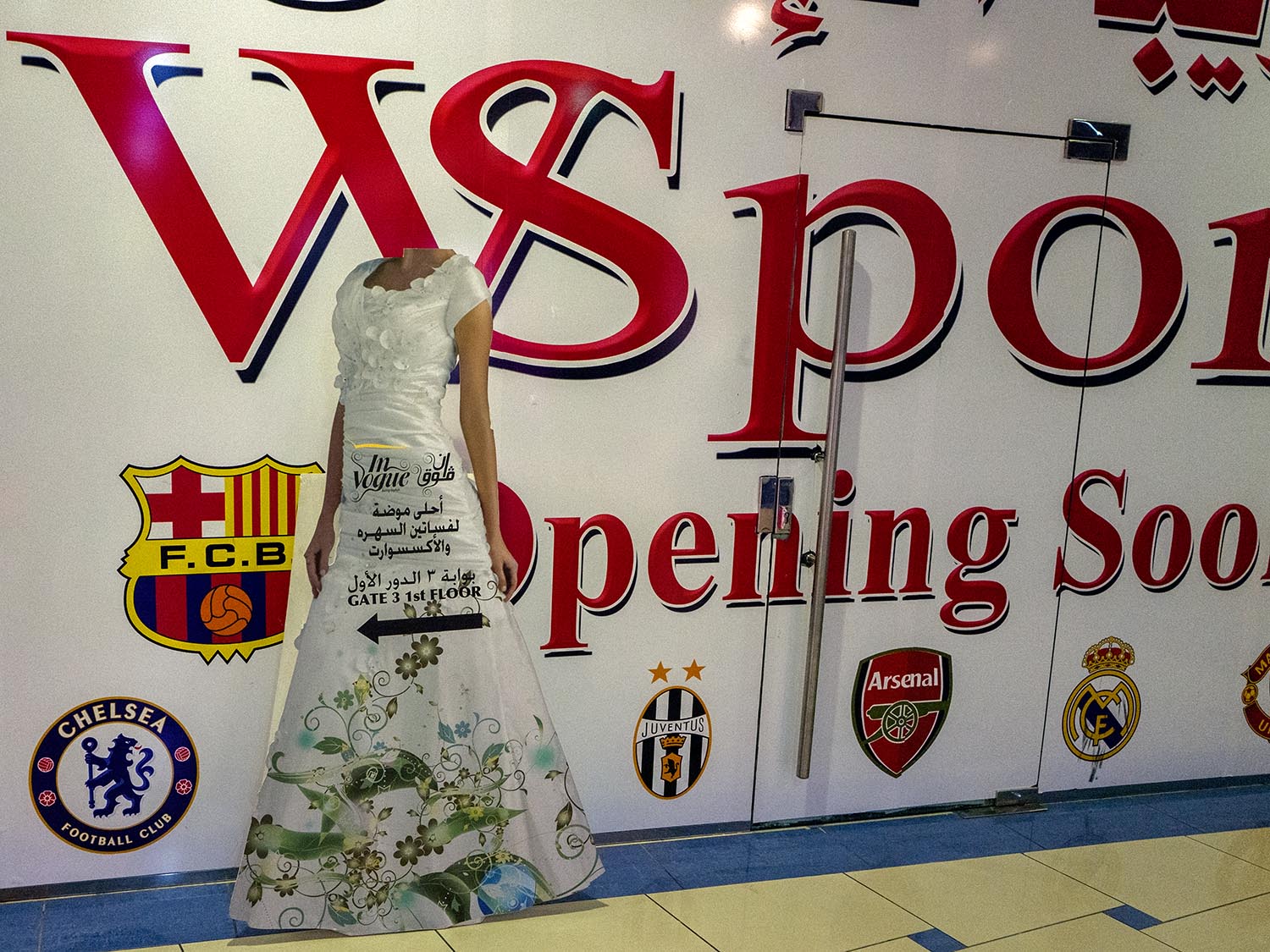
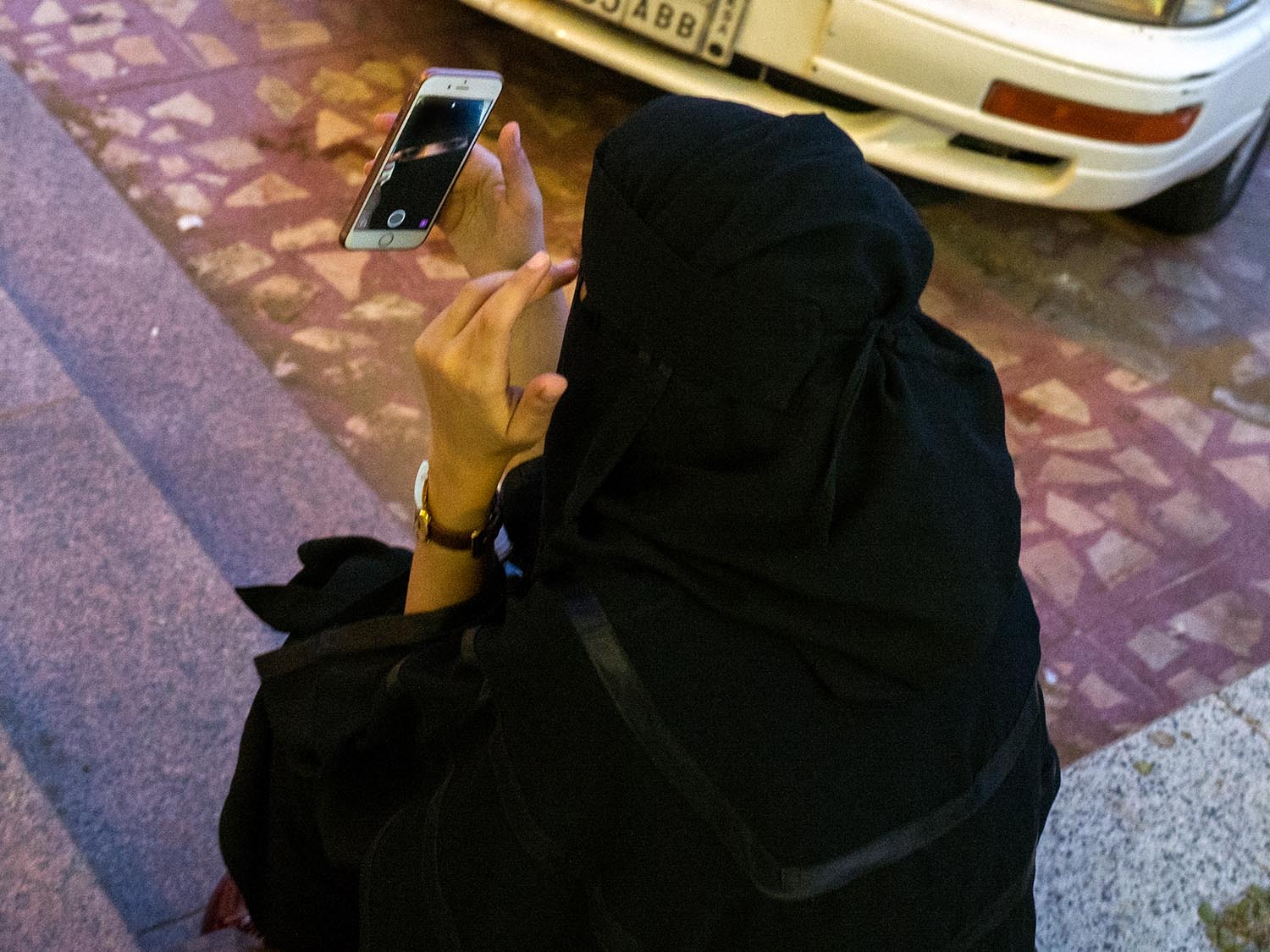
There is something surreal about visiting a shopping mall in which the women on advertising hoardings and posters have had their faces, hands and feet digitally removed. Lifting the Veil records that world as I encountered it during a visit to Jeddah, Saudi Arabia.
The journey followed the publication of Harrodsburg, my photographs of wealth and consumption on the streets of Knightsbridge. In an unexpected twist, Princess Reem al Faisal invited me to exhibit the work in Jeddah. Away from the exhibition, the city’s shopping malls became the subject of another project.
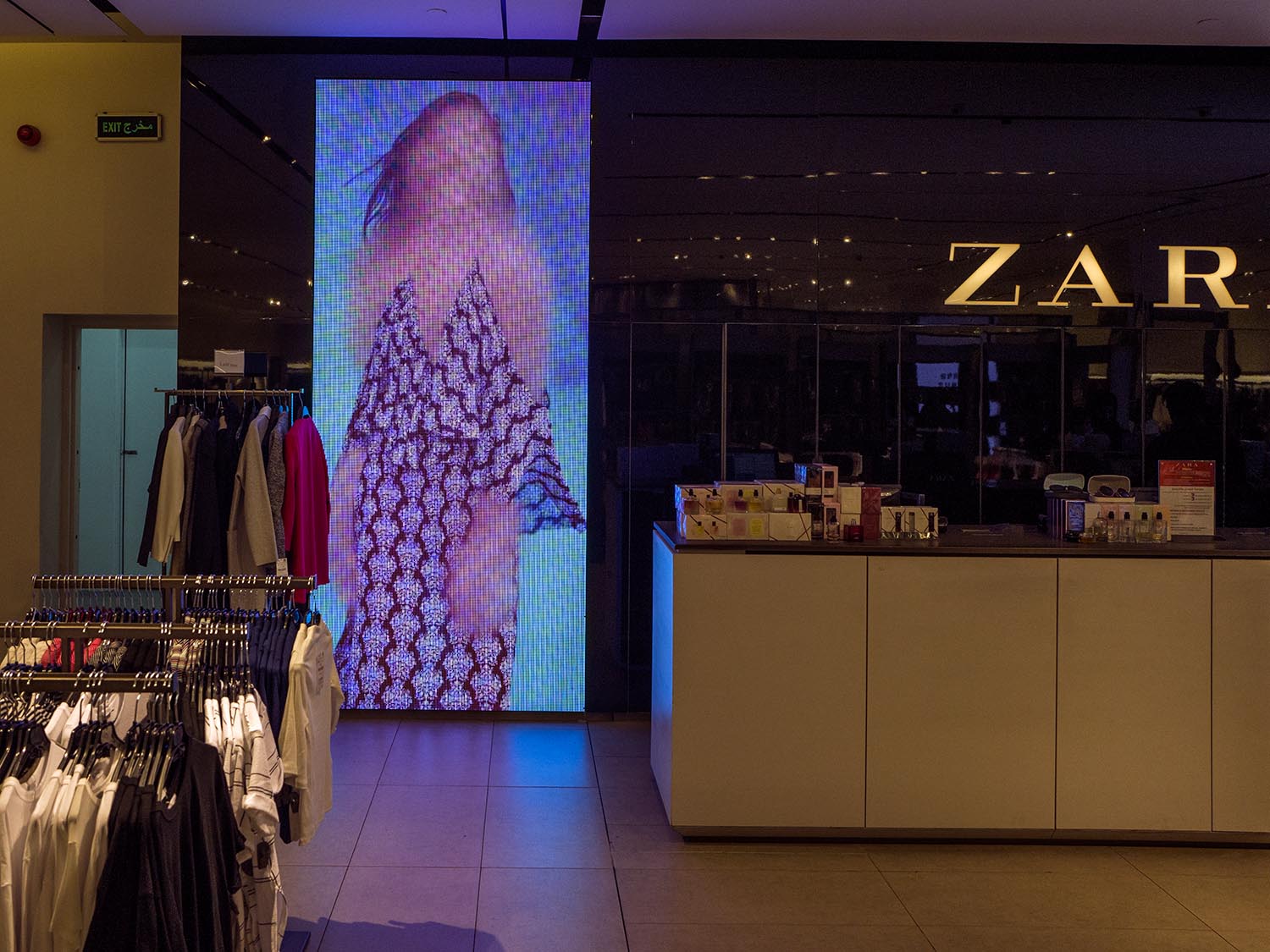
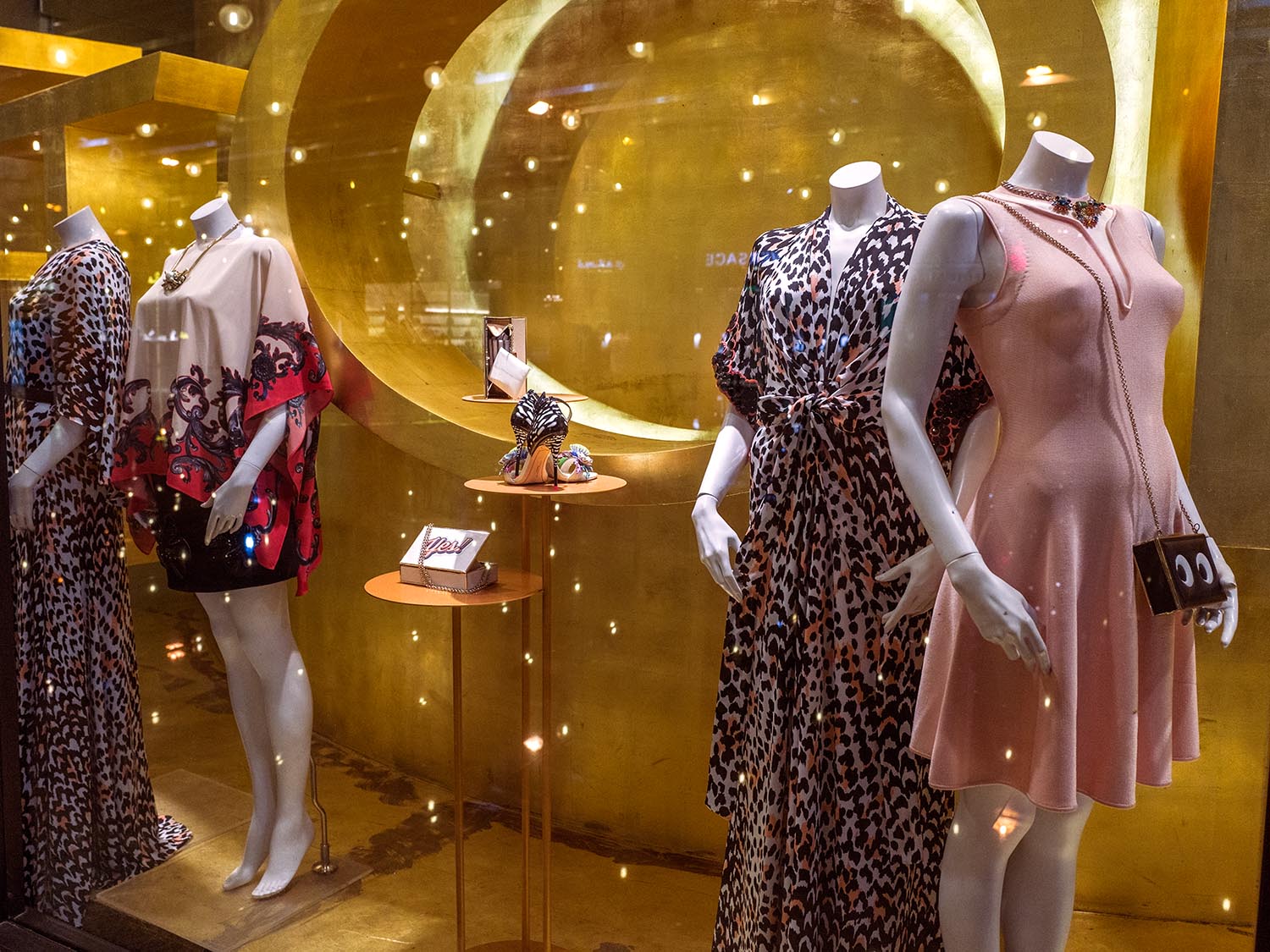
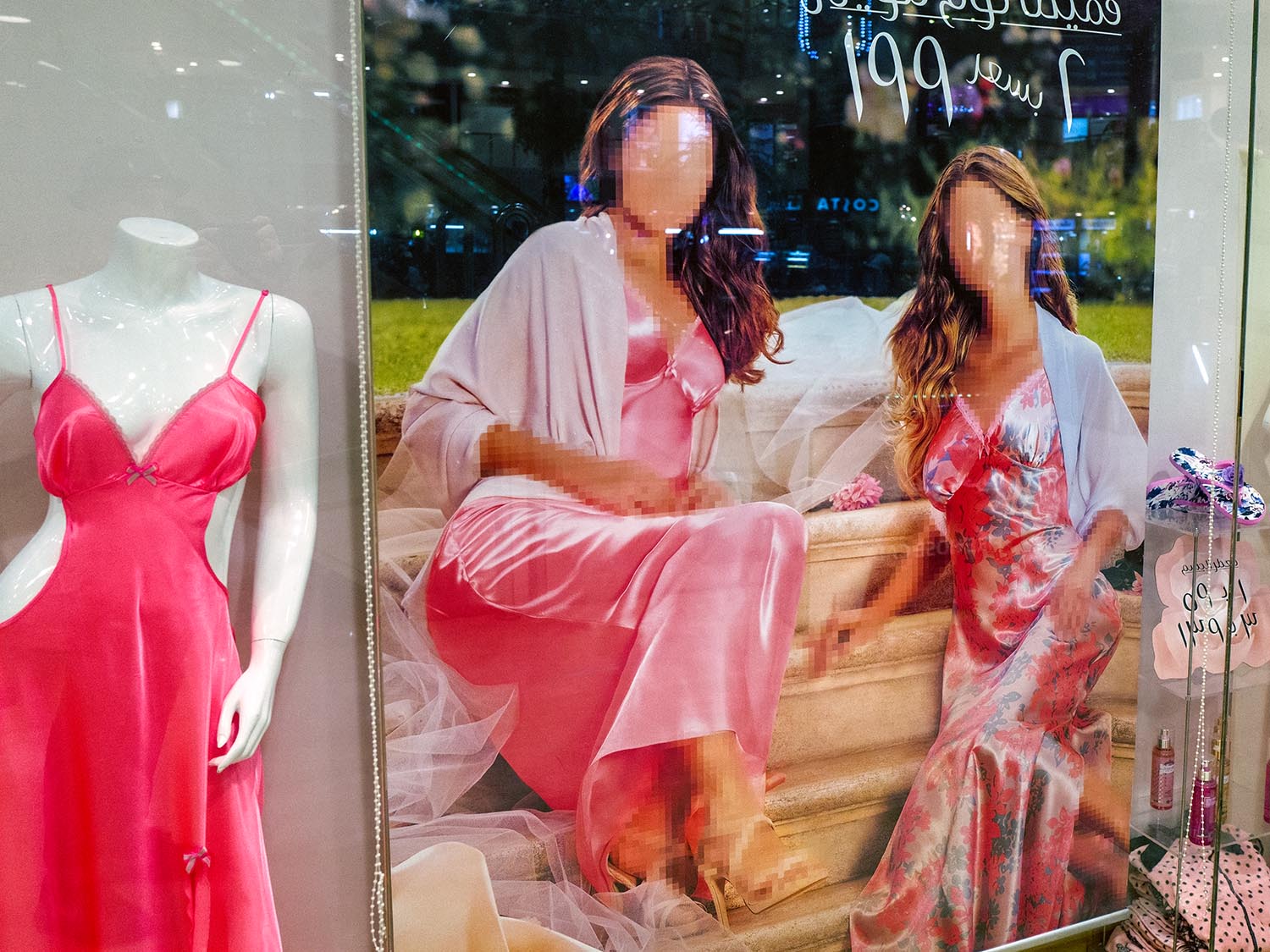
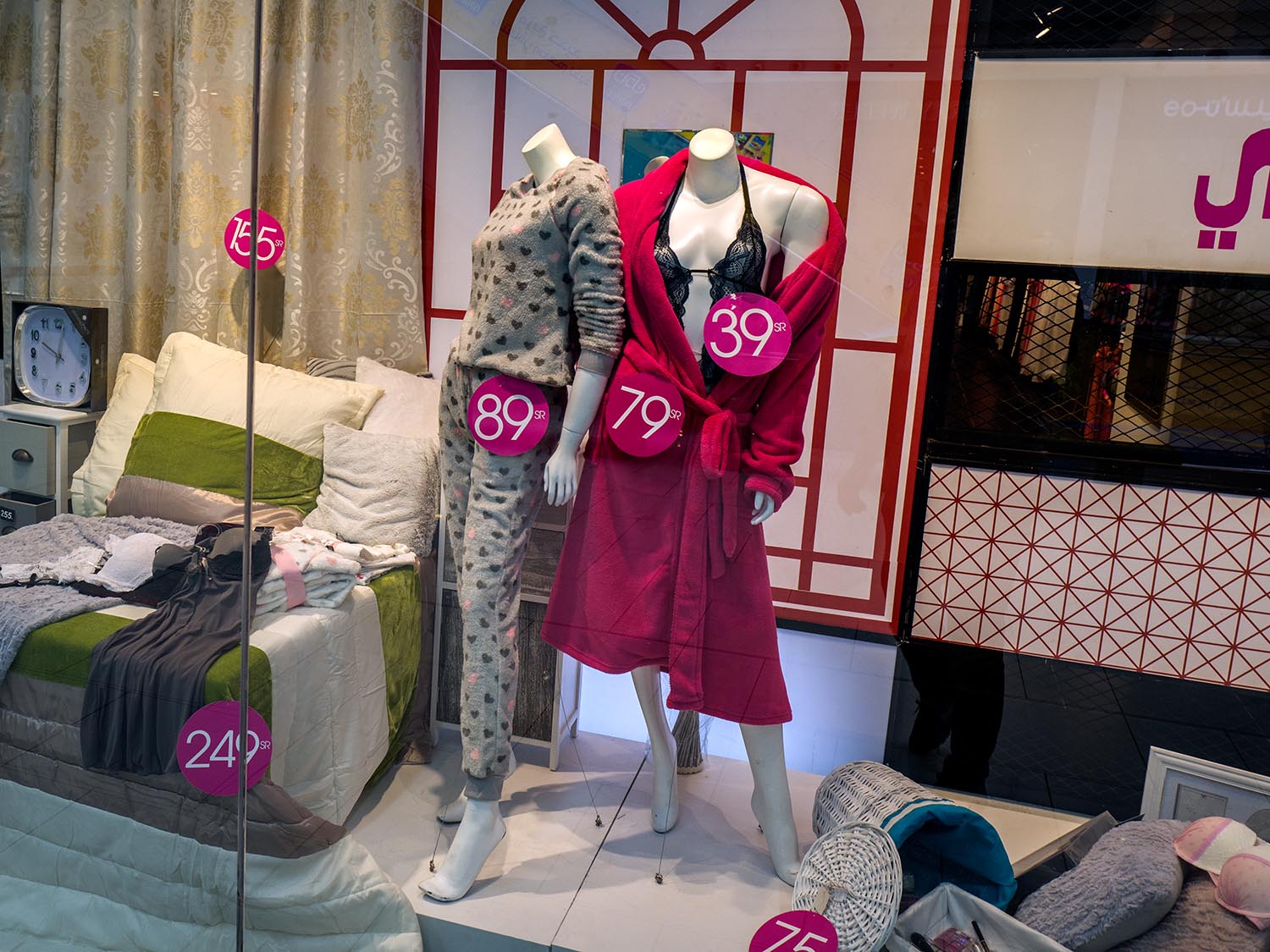
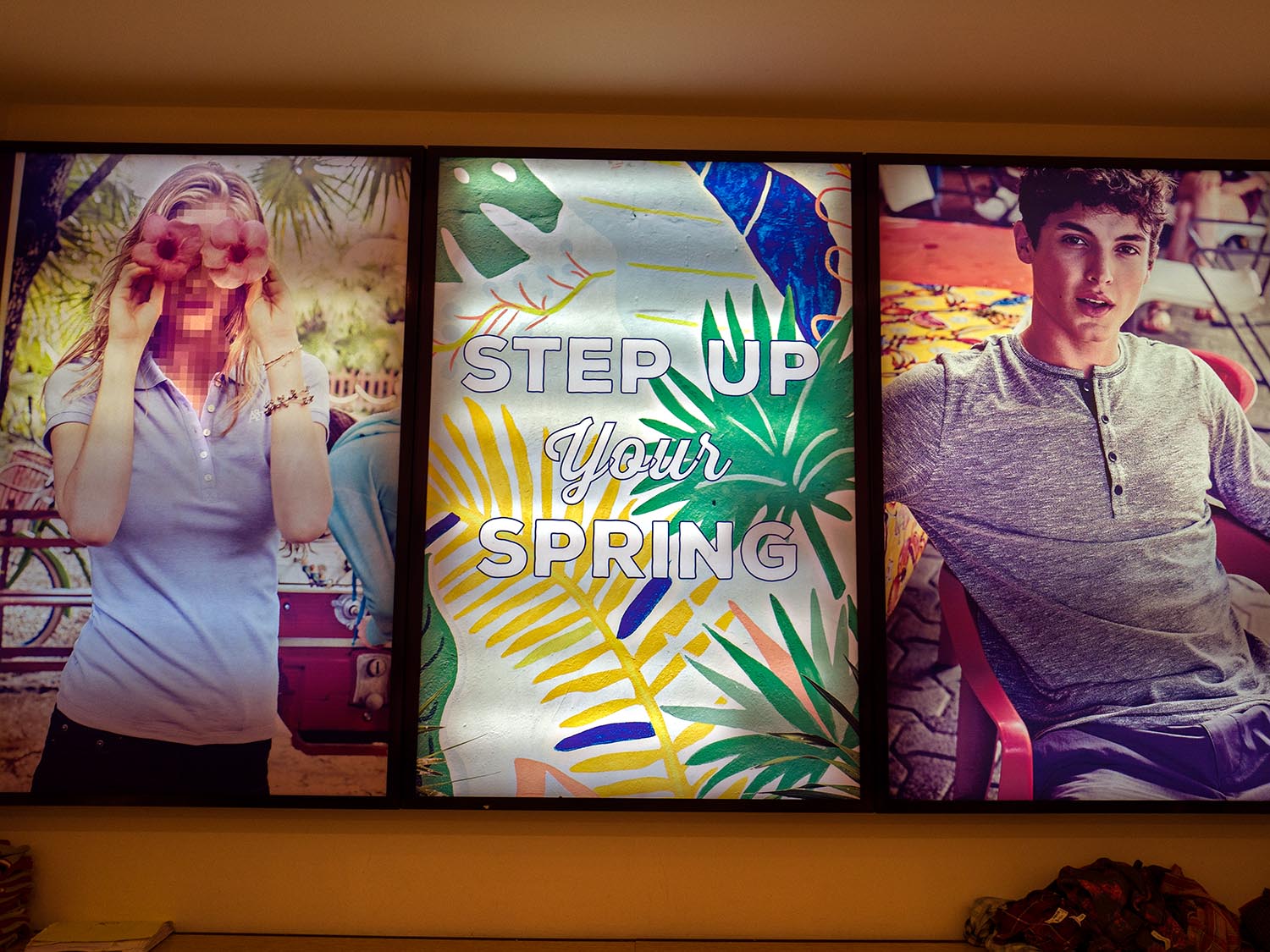
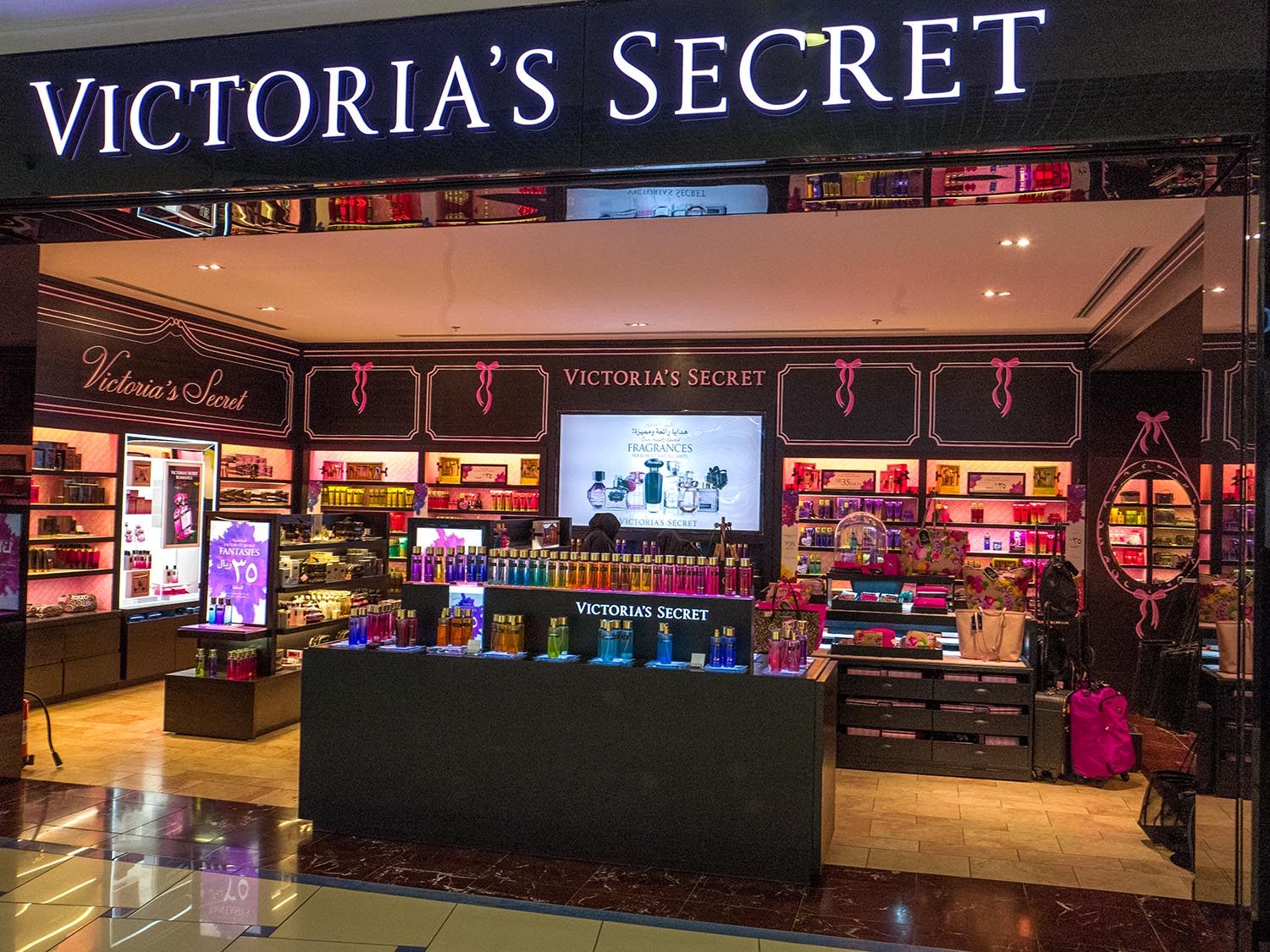
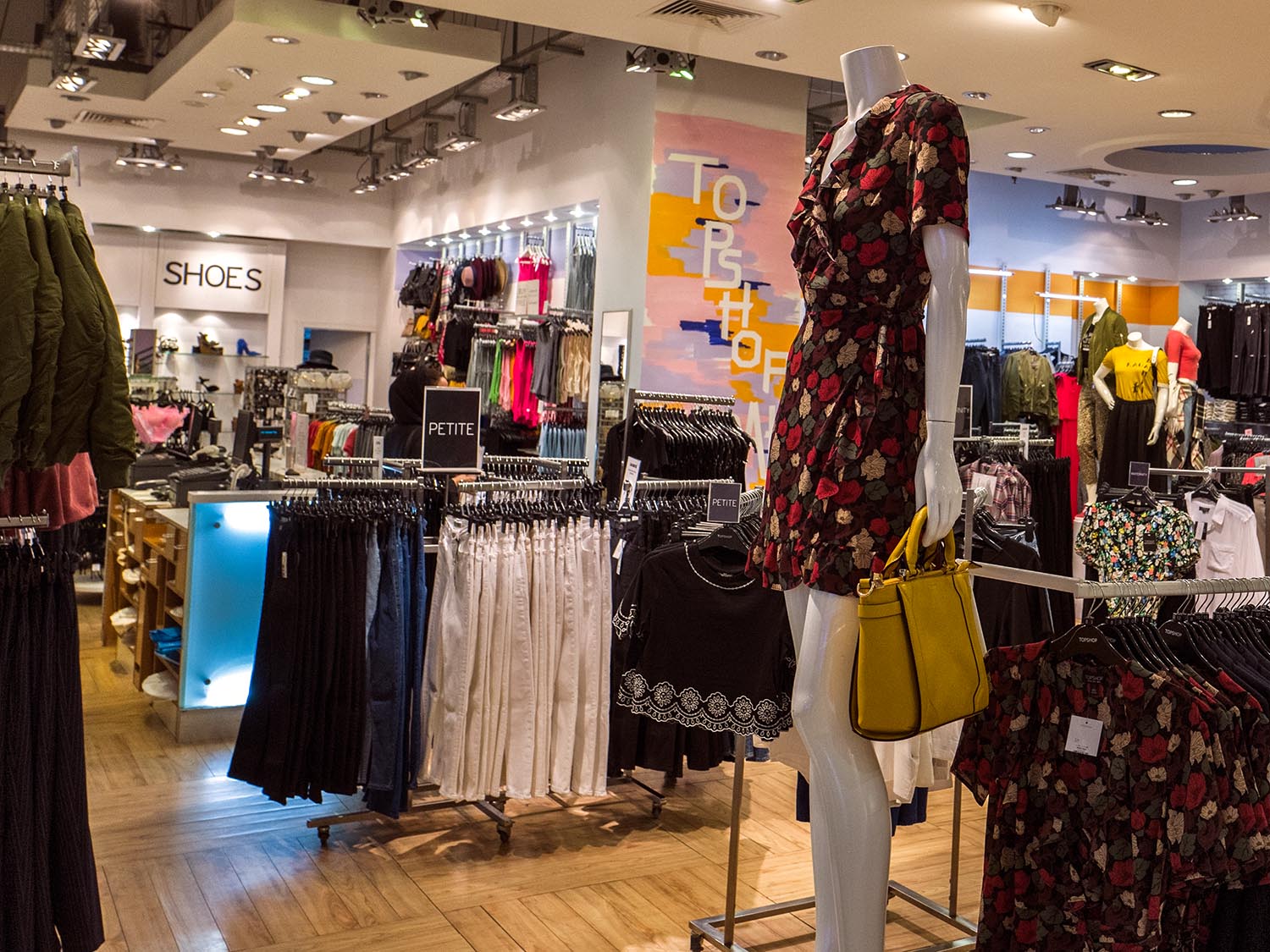
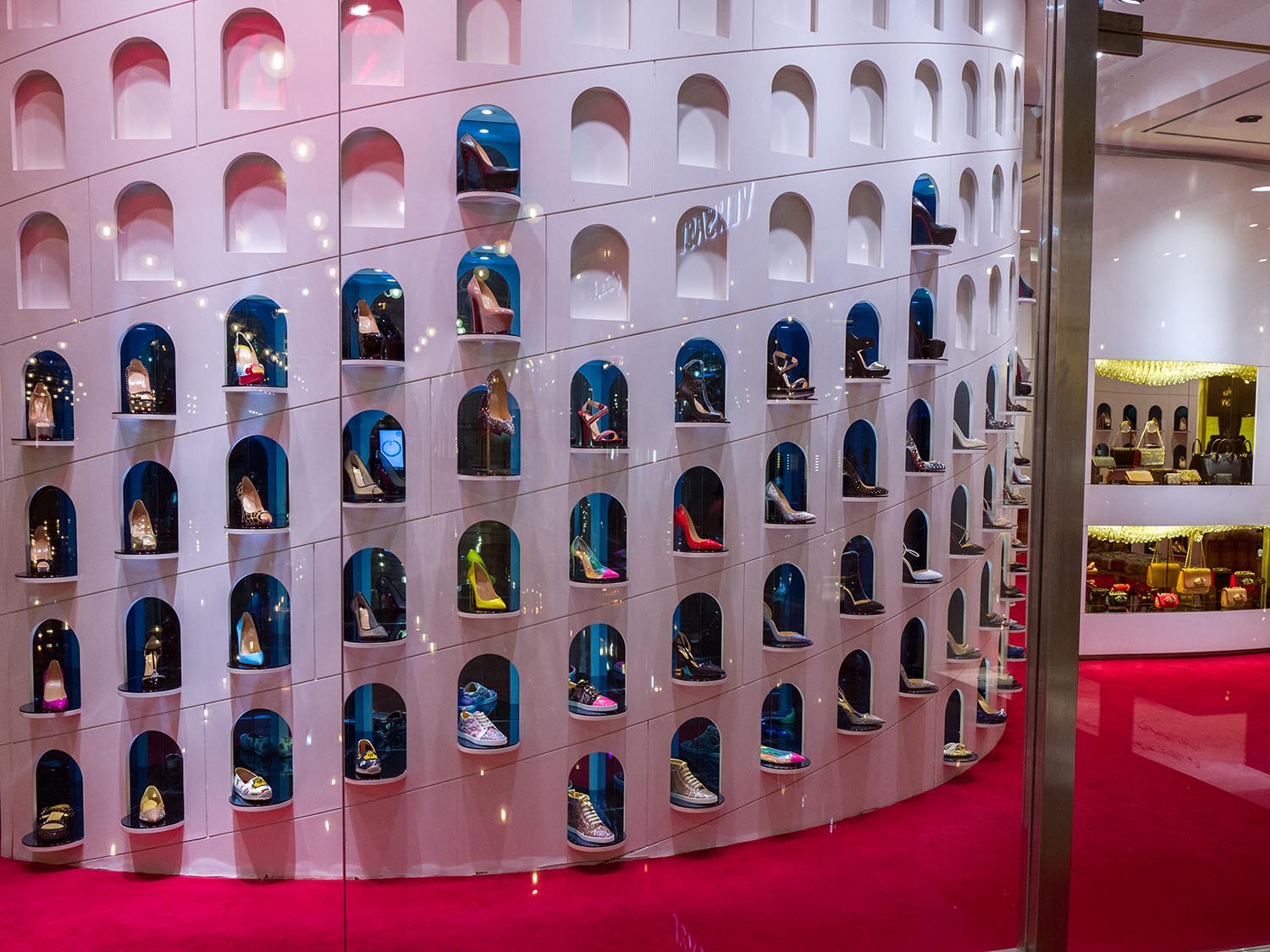
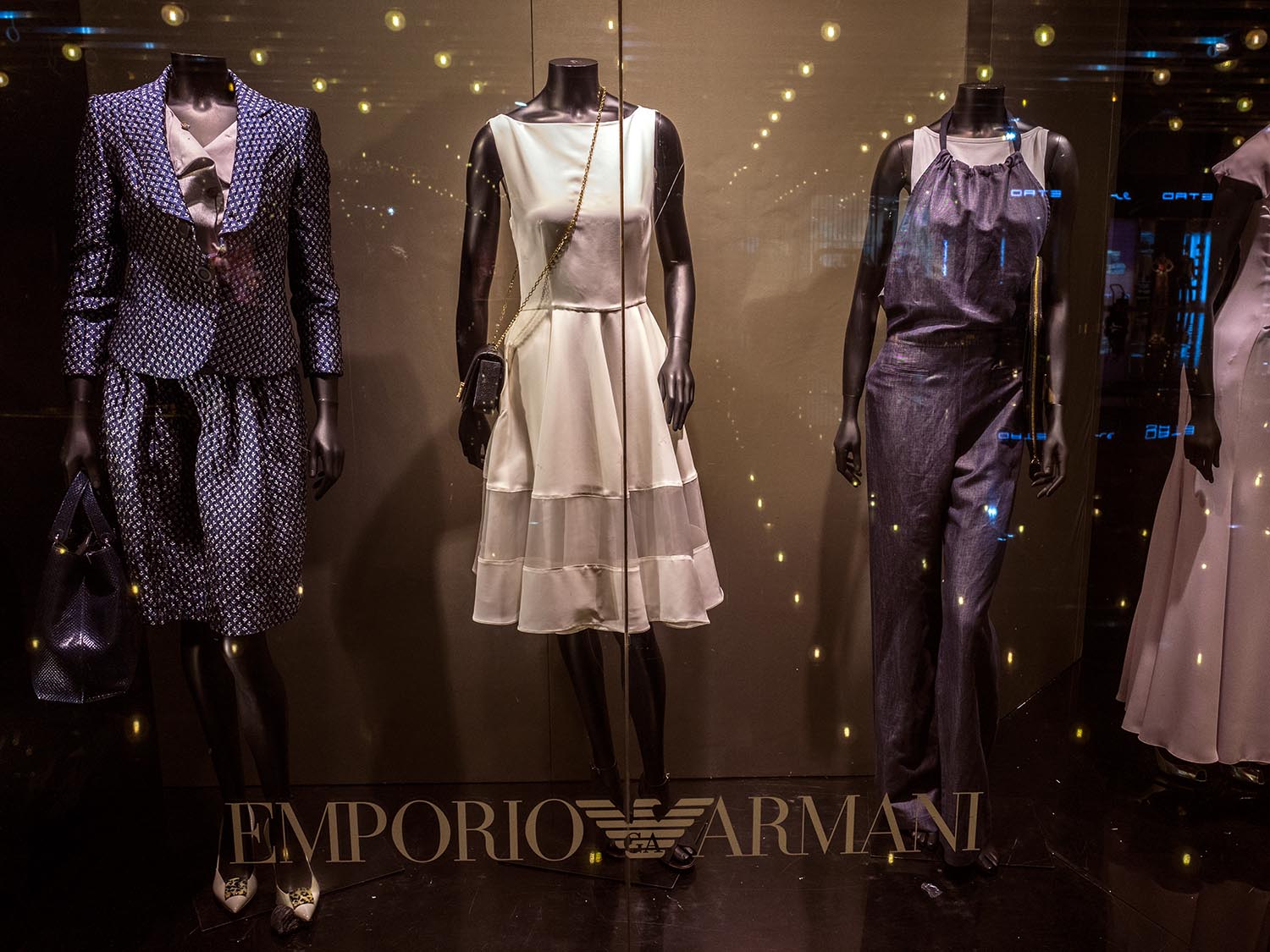
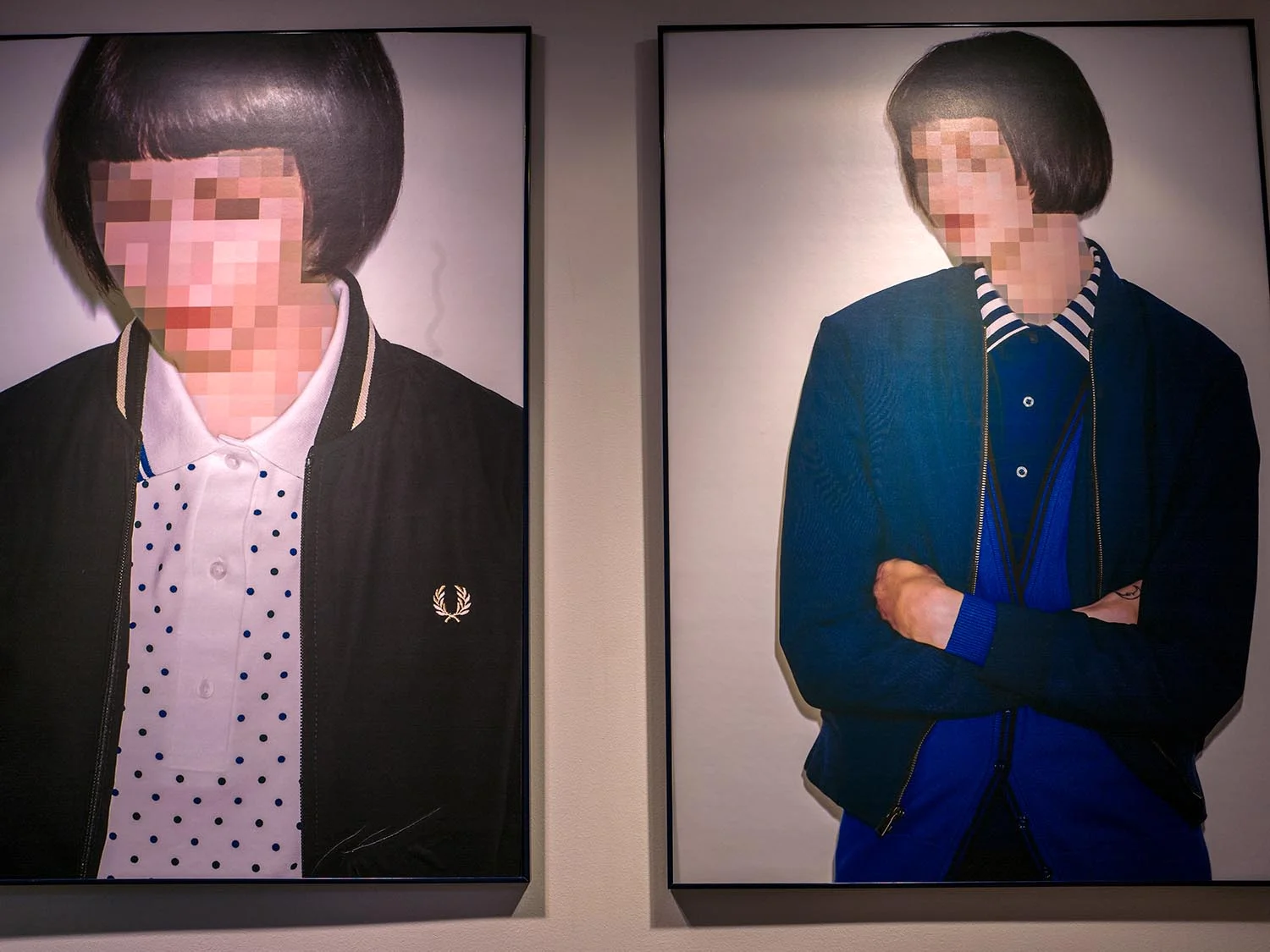
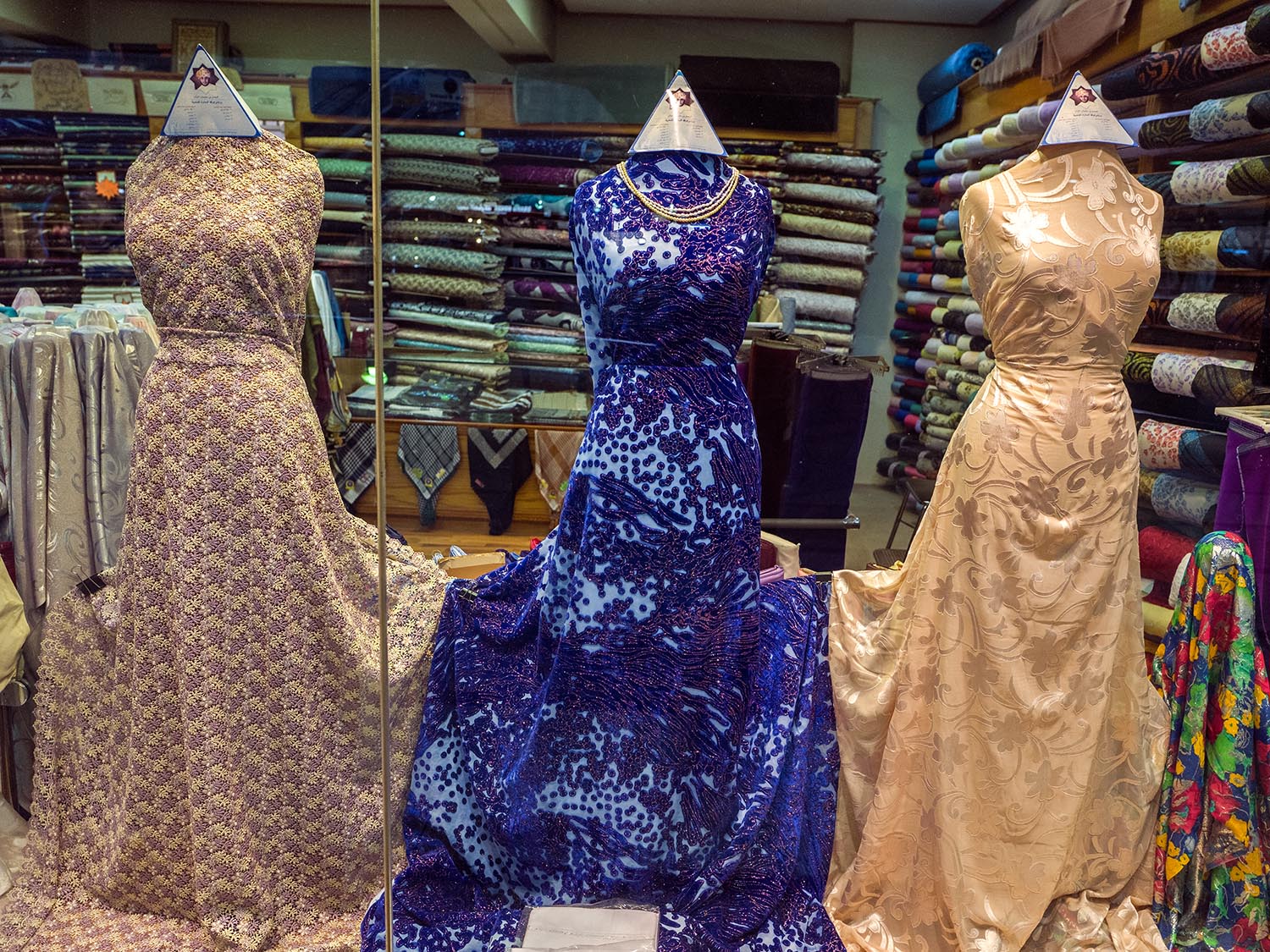
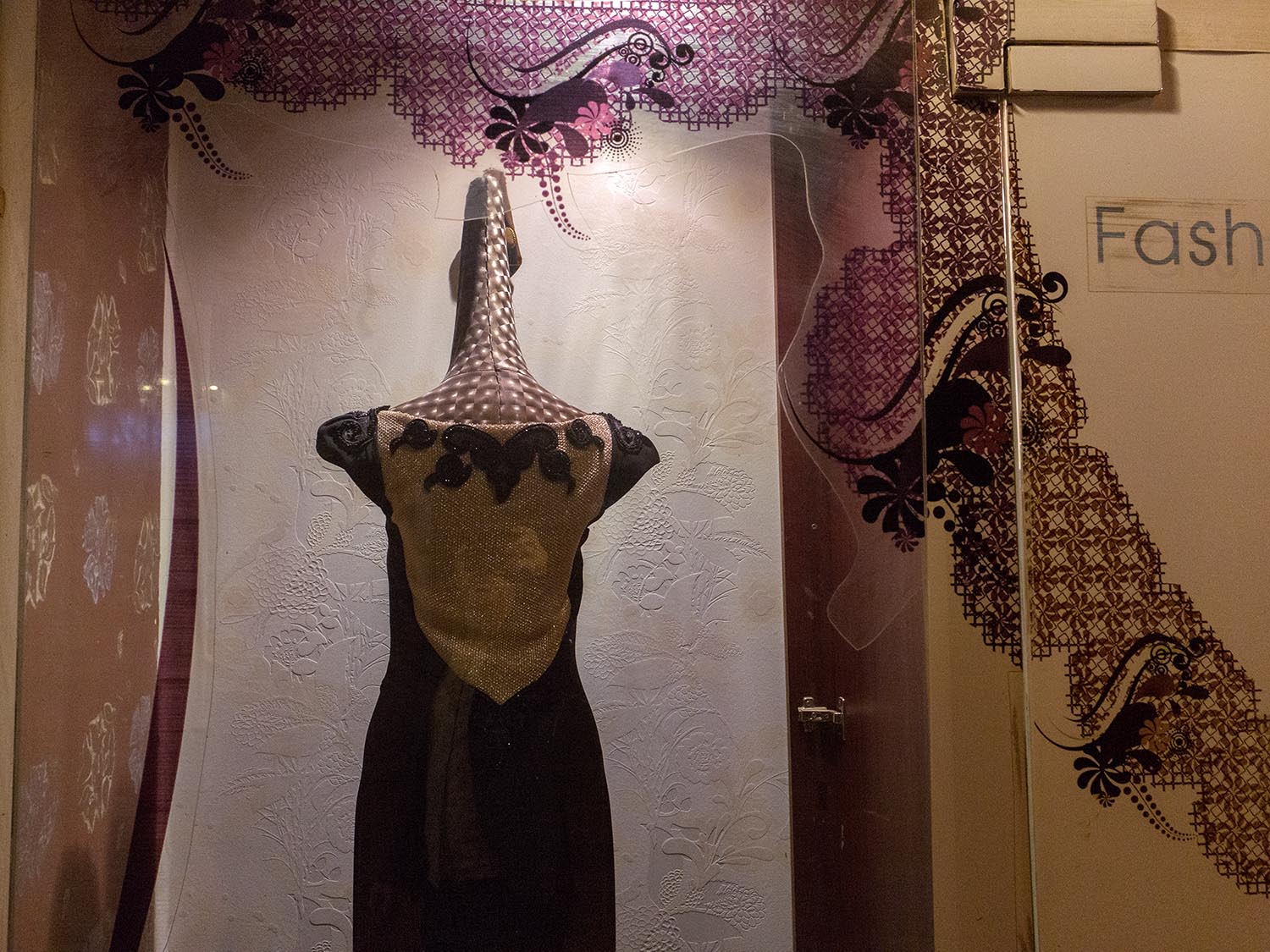
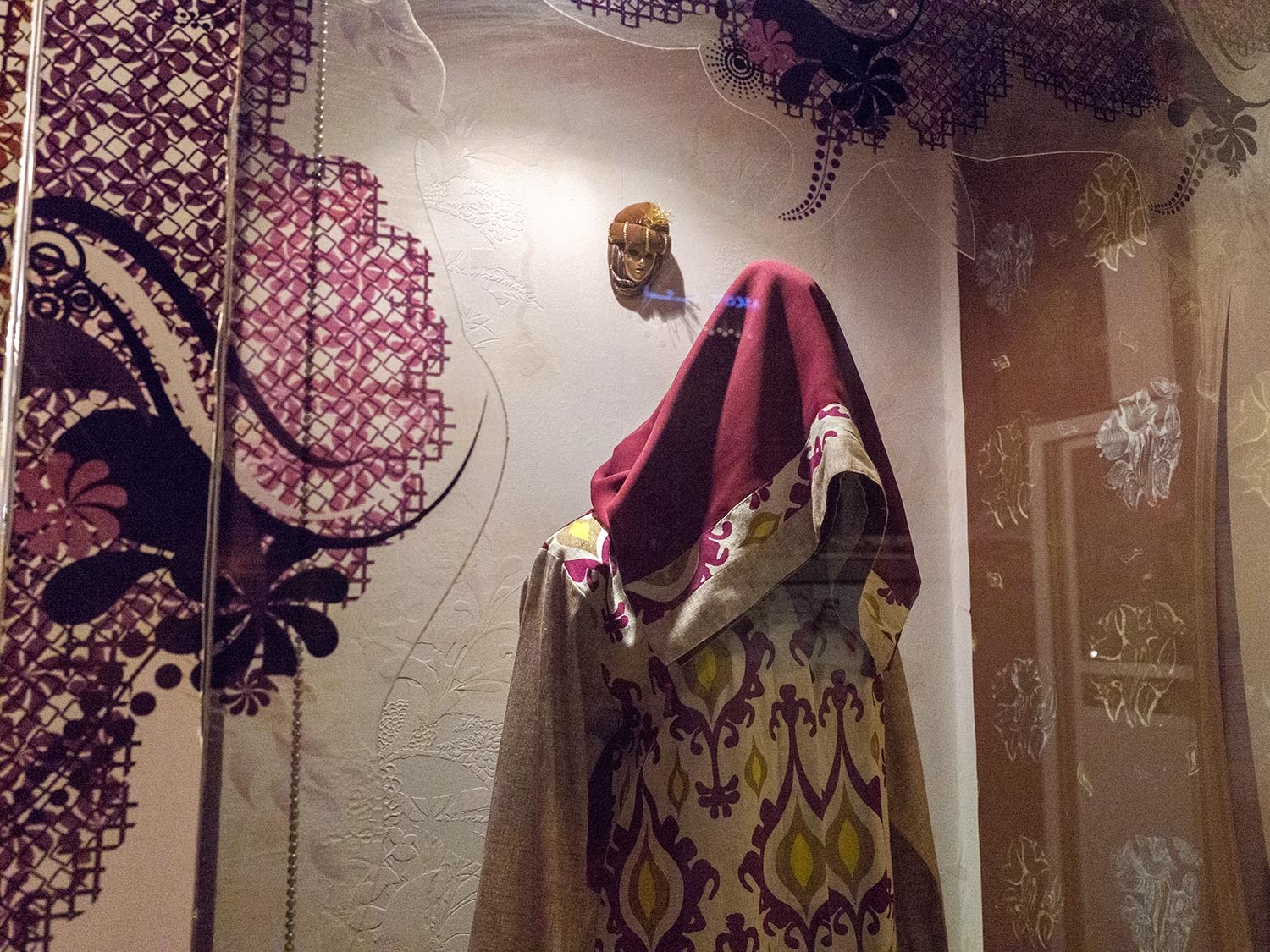
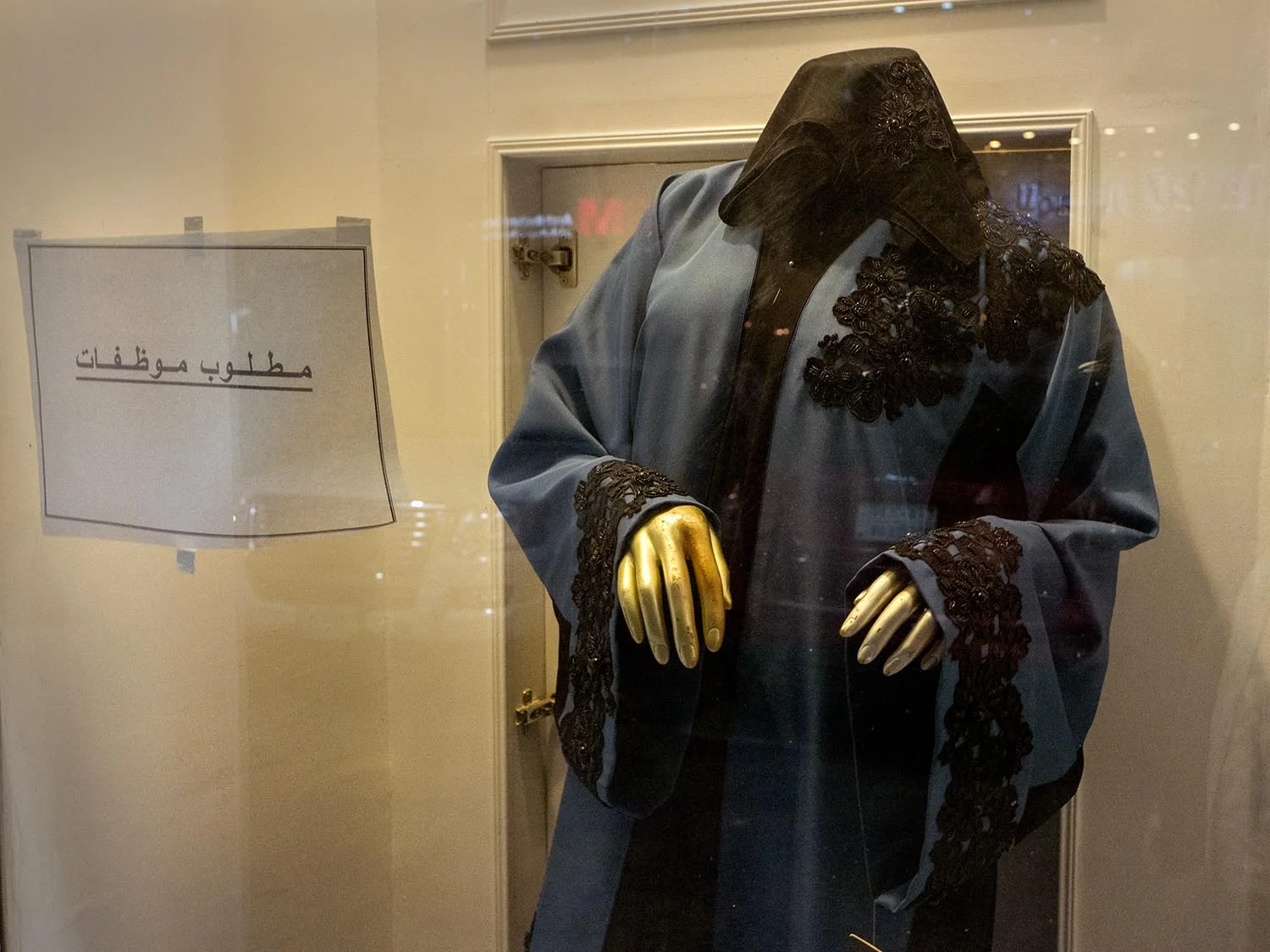
At the time, the malls occupied a central place in the city’s leisure life. International retailers filled their windows with familiar clothes and unfamiliar images. The products were recognisable, but the people selling them had been altered or removed. Faces dissolved into pixels. Models became ghostly shapes. Male and female mannequins stood without heads.
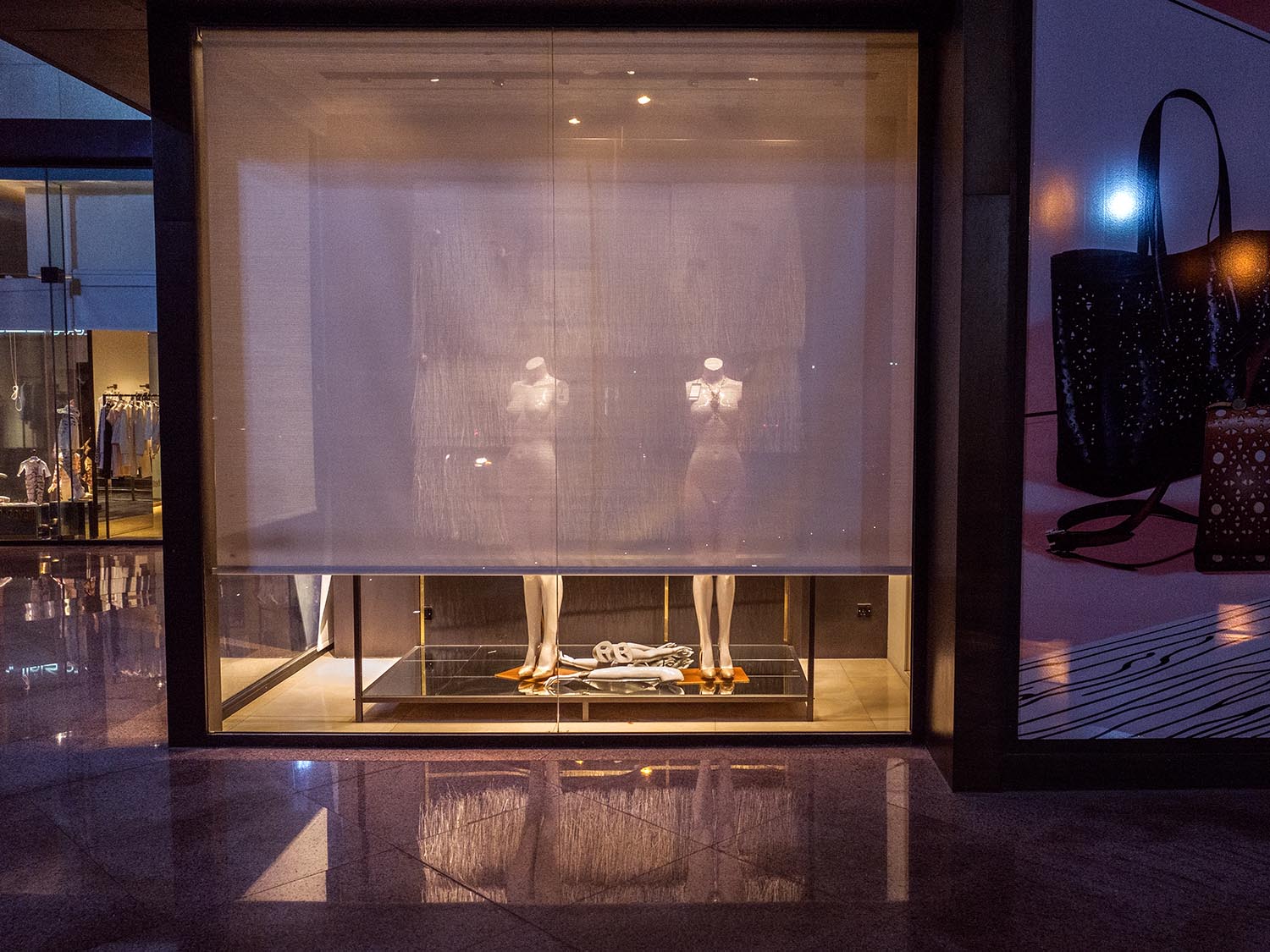
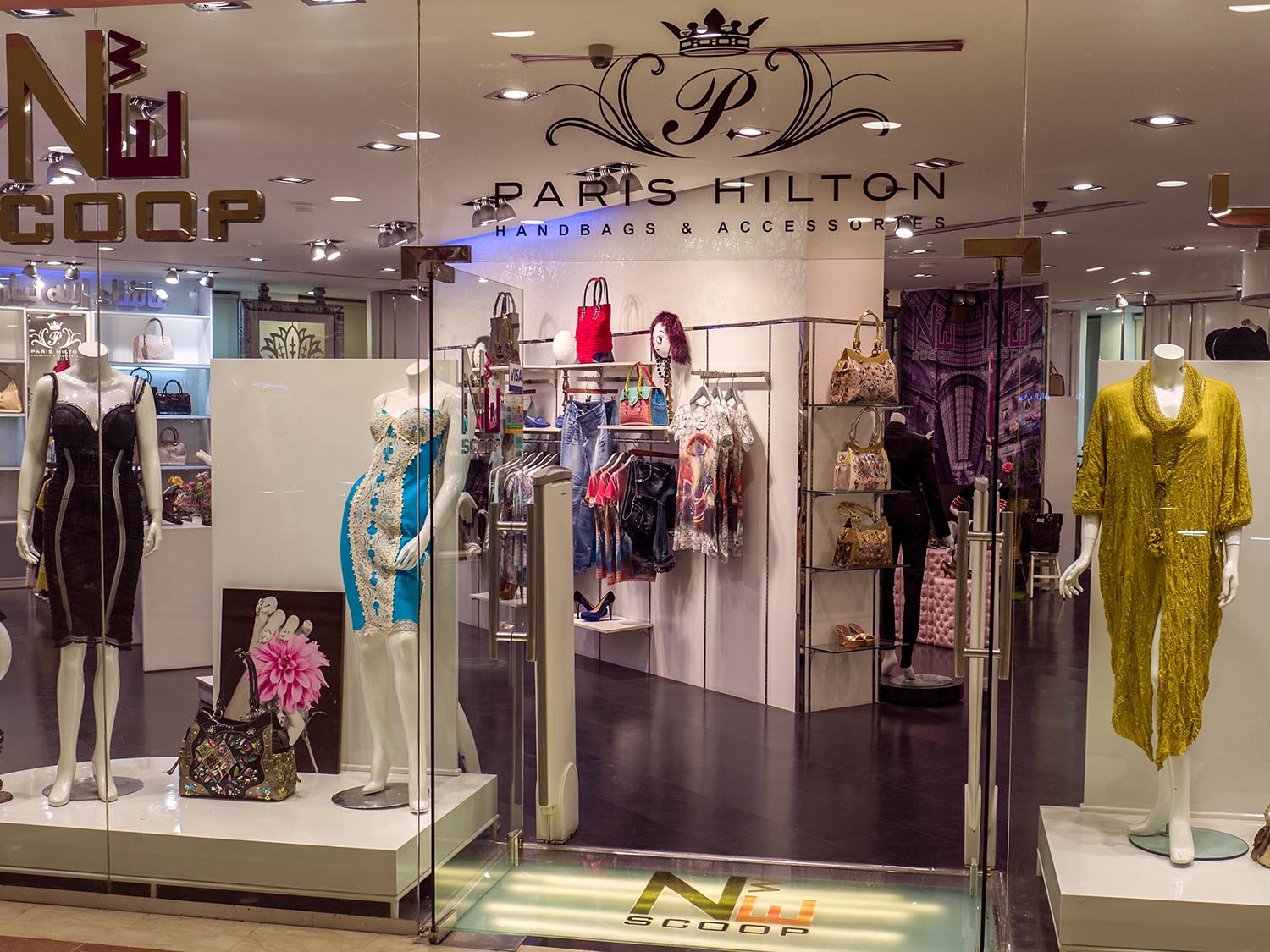
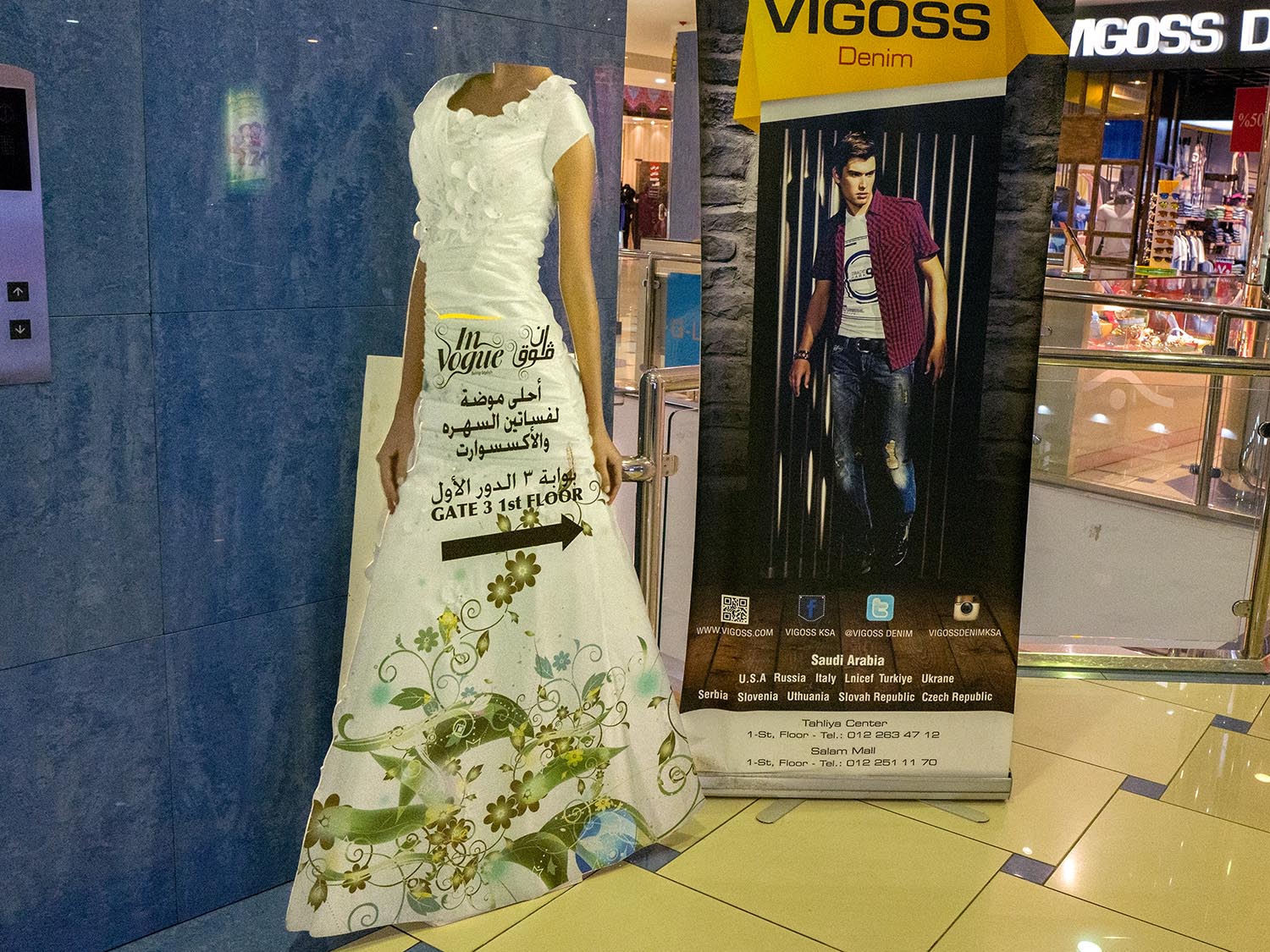
The displays showed Western brands adapting their advertising to the religious restrictions operating there. In Marks & Spencer, women’s faces were erased. In Zara, bodies became apparitions. Elsewhere, the female figure disappeared entirely from campaigns selling clothes to women. The photographs look at what remained after those decisions had been made.
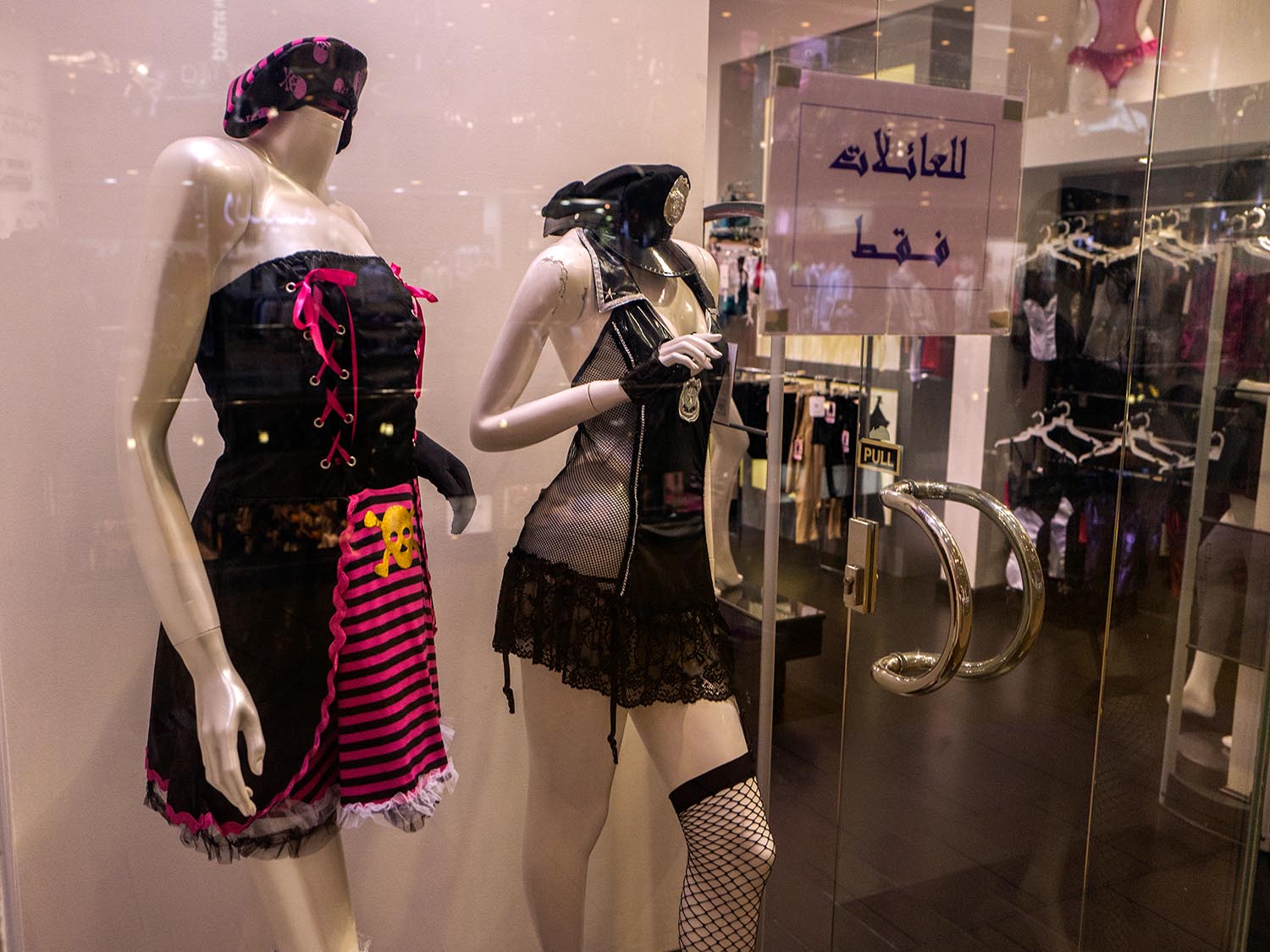
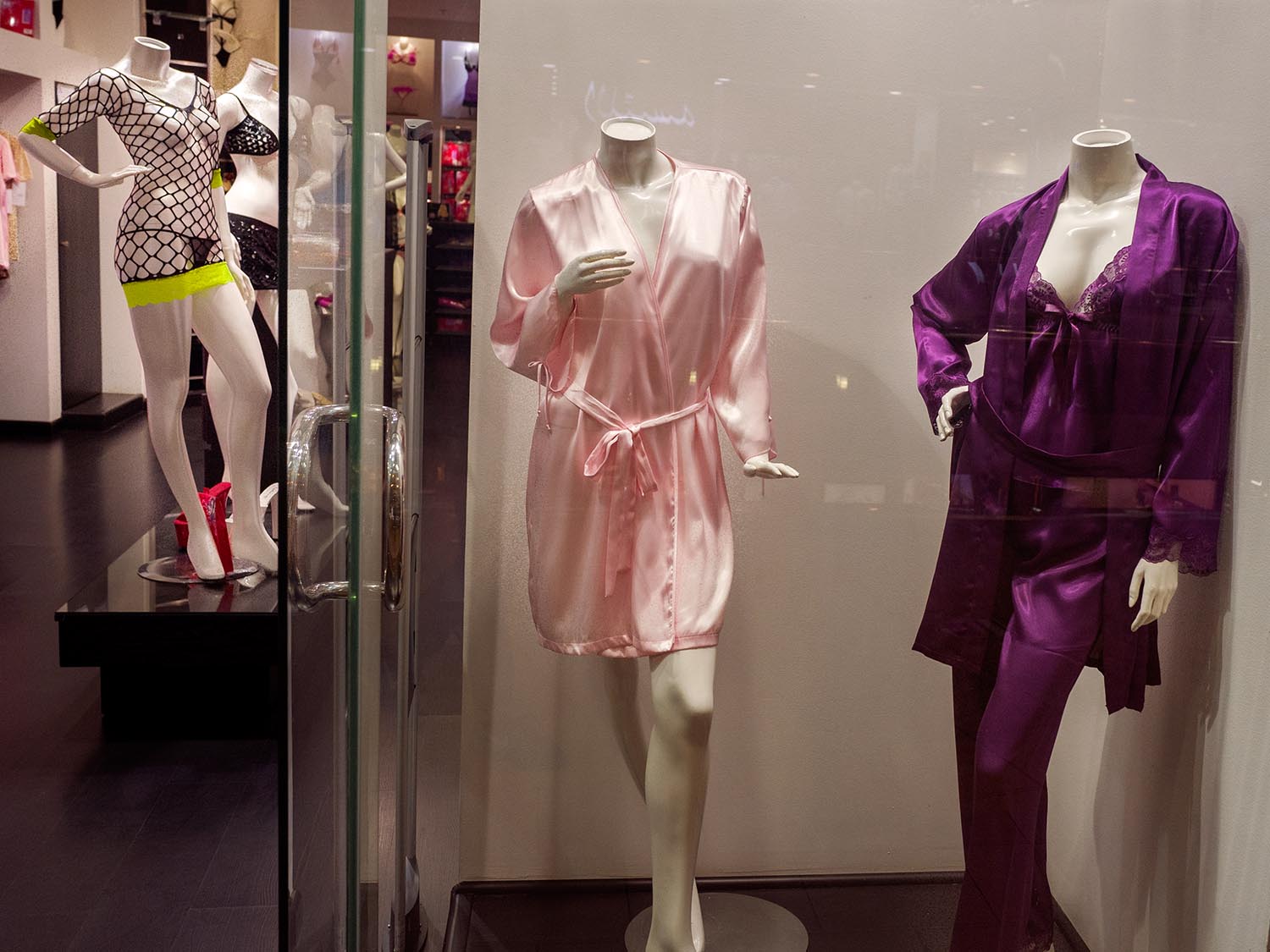
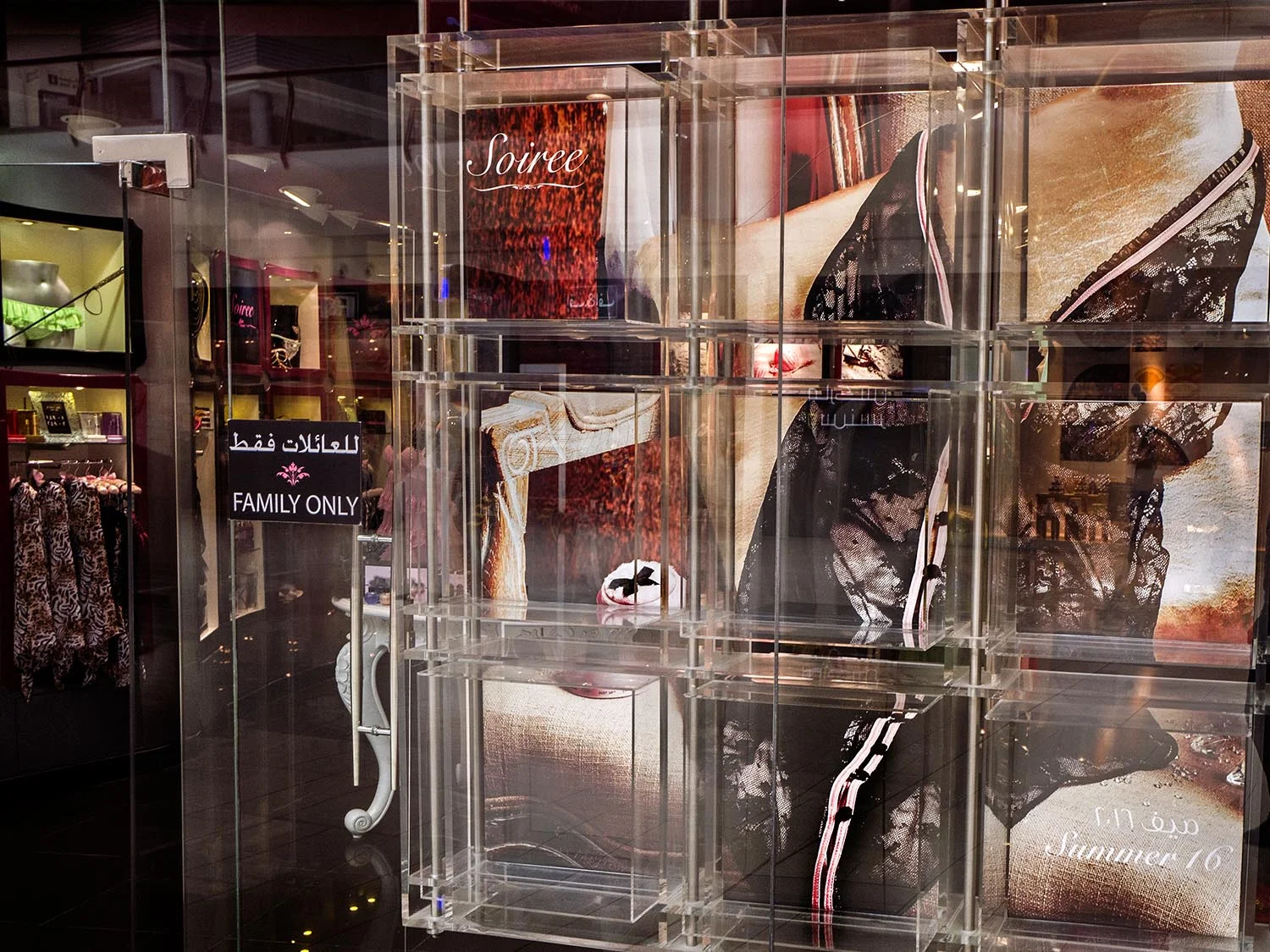
The contradictions were hard to miss. Headless mannequins could wear revealing lingerie, while a woman’s face in a poster was obscured. Clothes designed to attract attention sat beside images designed to prevent it. The body was present as a product, but the person had been taken out of the picture.
I worked with a small, fast, discreet camera, concentrating on the displays and empty shops. Even then, I expected a tap on the shoulder and a request to explain why I was photographing women’s underwear. My planned explanation was that I was a fashion blogger interested in the clothes. I was not convinced it would stand up to much questioning.
The project asks what happens when a multinational brand changes its presentation of women to suit the market. The same companies that sell visibility and self-expression in one place were selling clothes through erasure in another. These shop windows made that bargain visible.
The photographs belong to the particular moment in which they were made. They record the uneasy meeting of commerce, religious authority and the female image, through the everyday business of selling something.