MA WEE TIN O’ SHORTBREID
What happens when a country becomes a product?
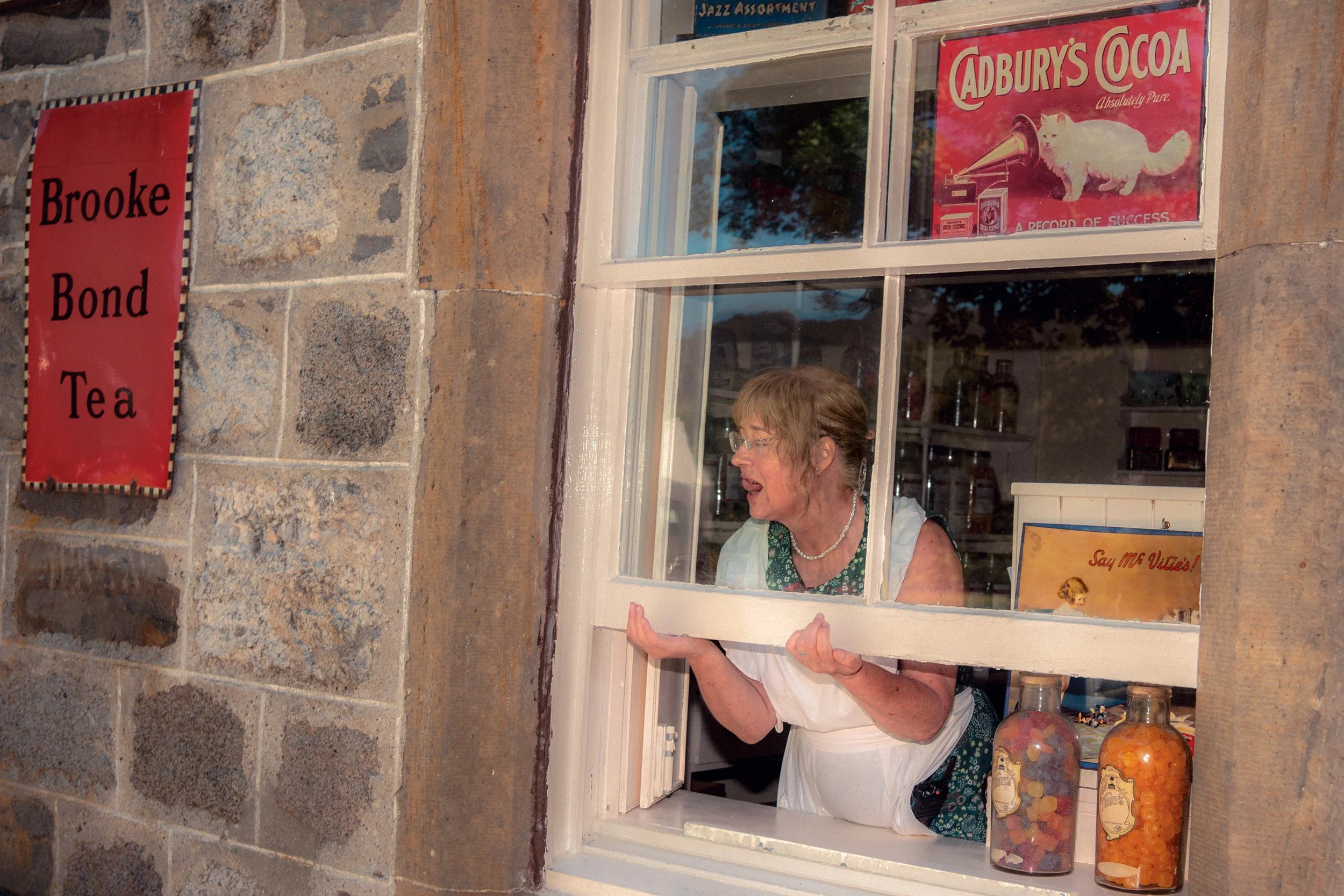
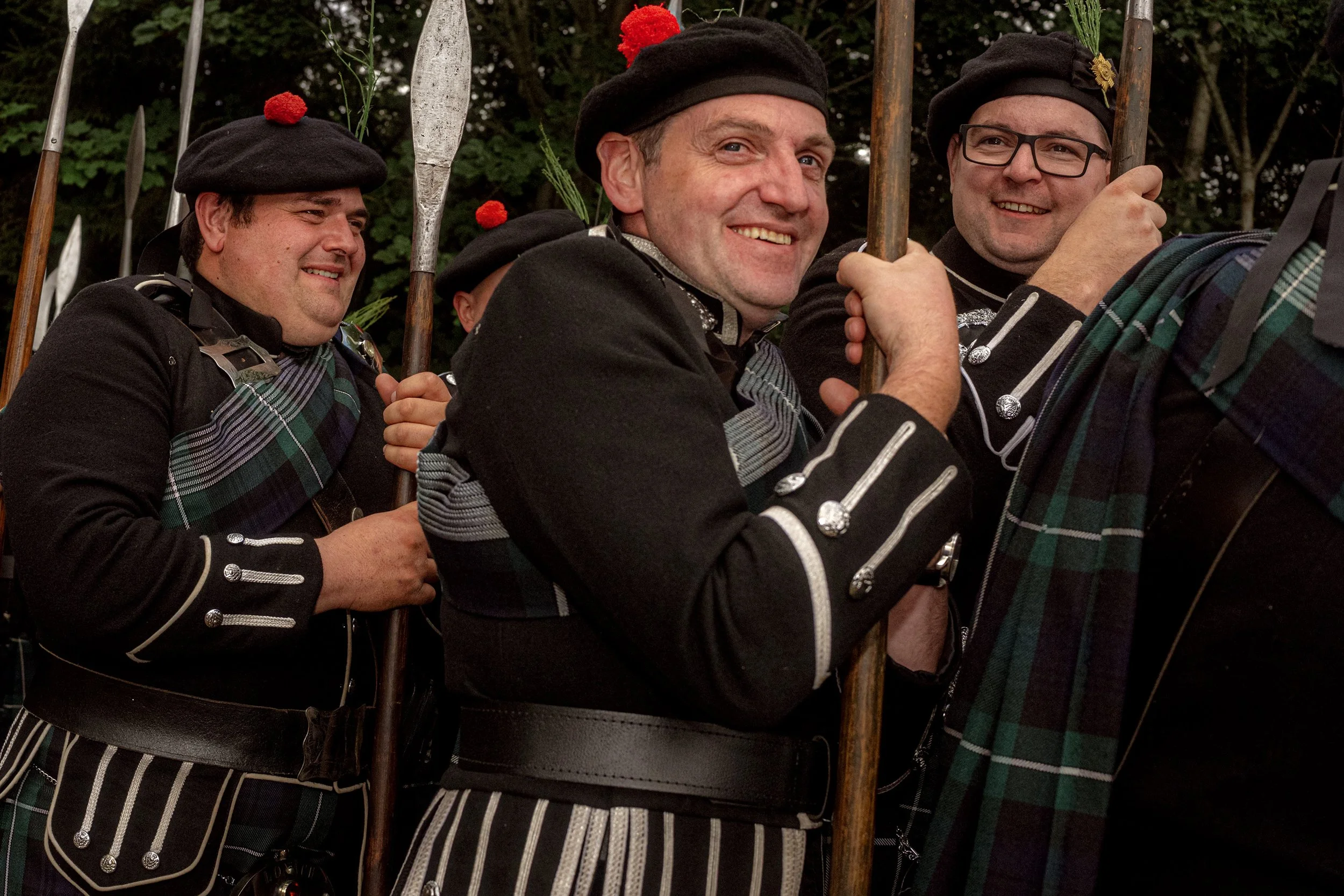
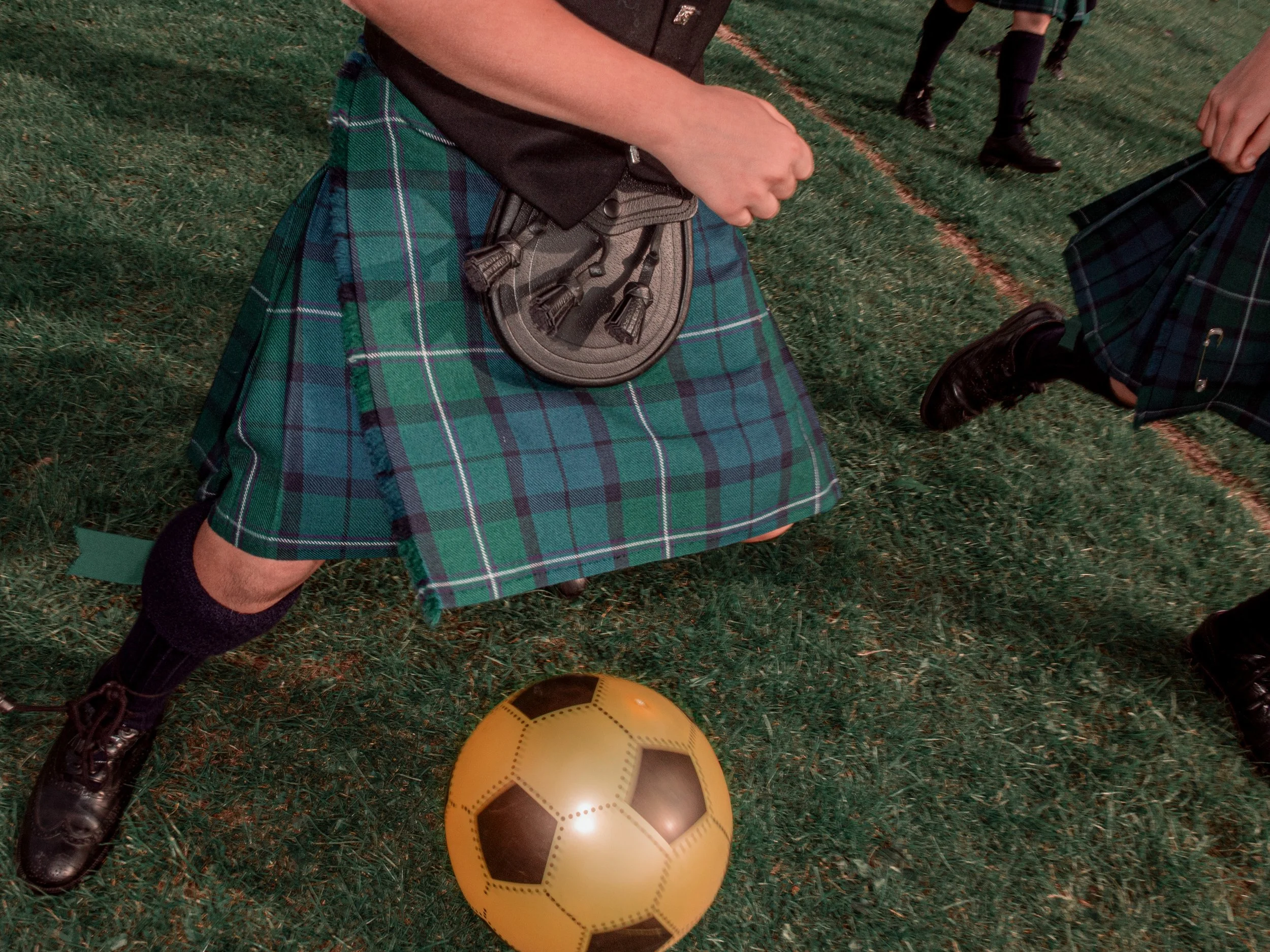
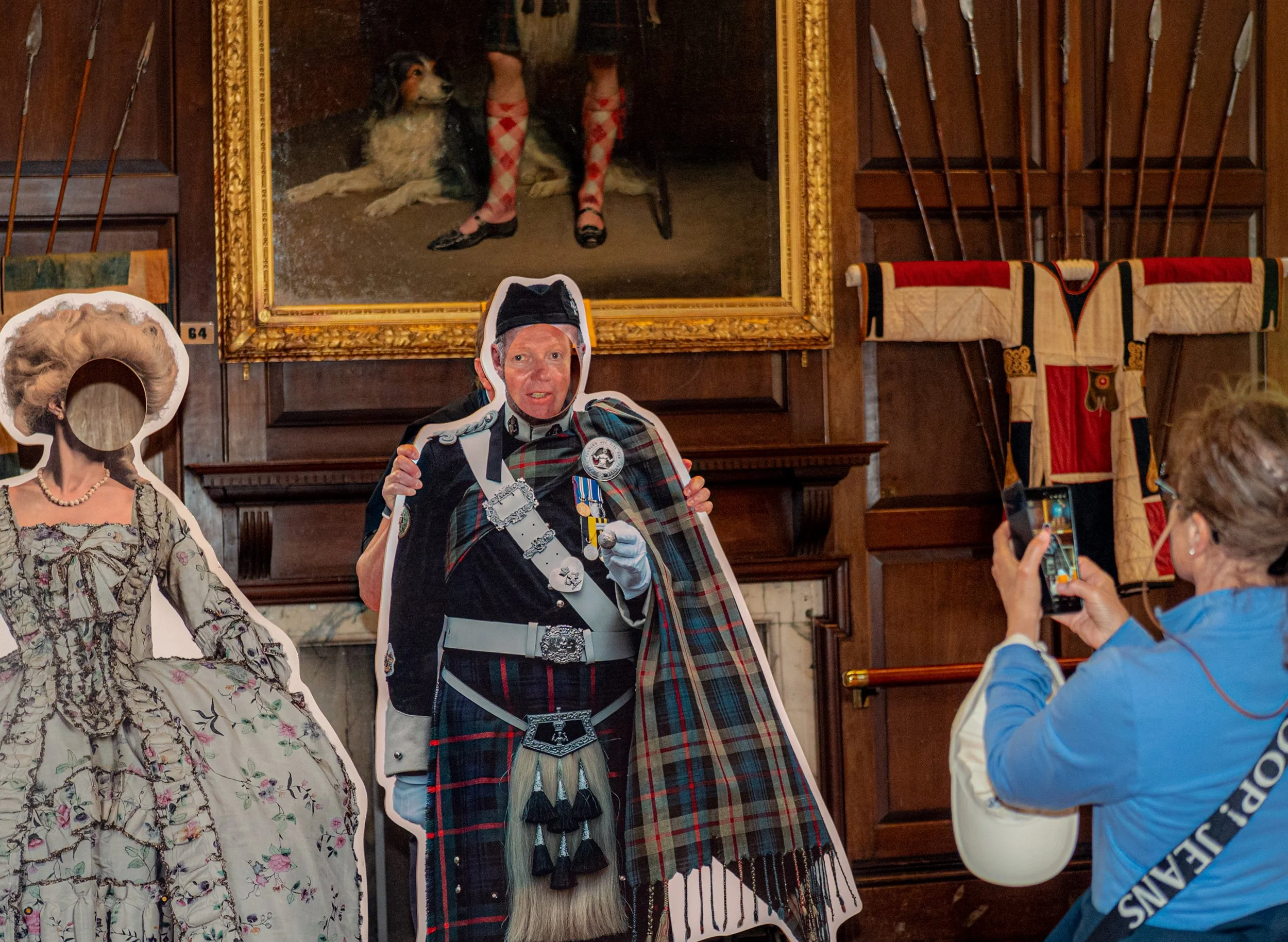
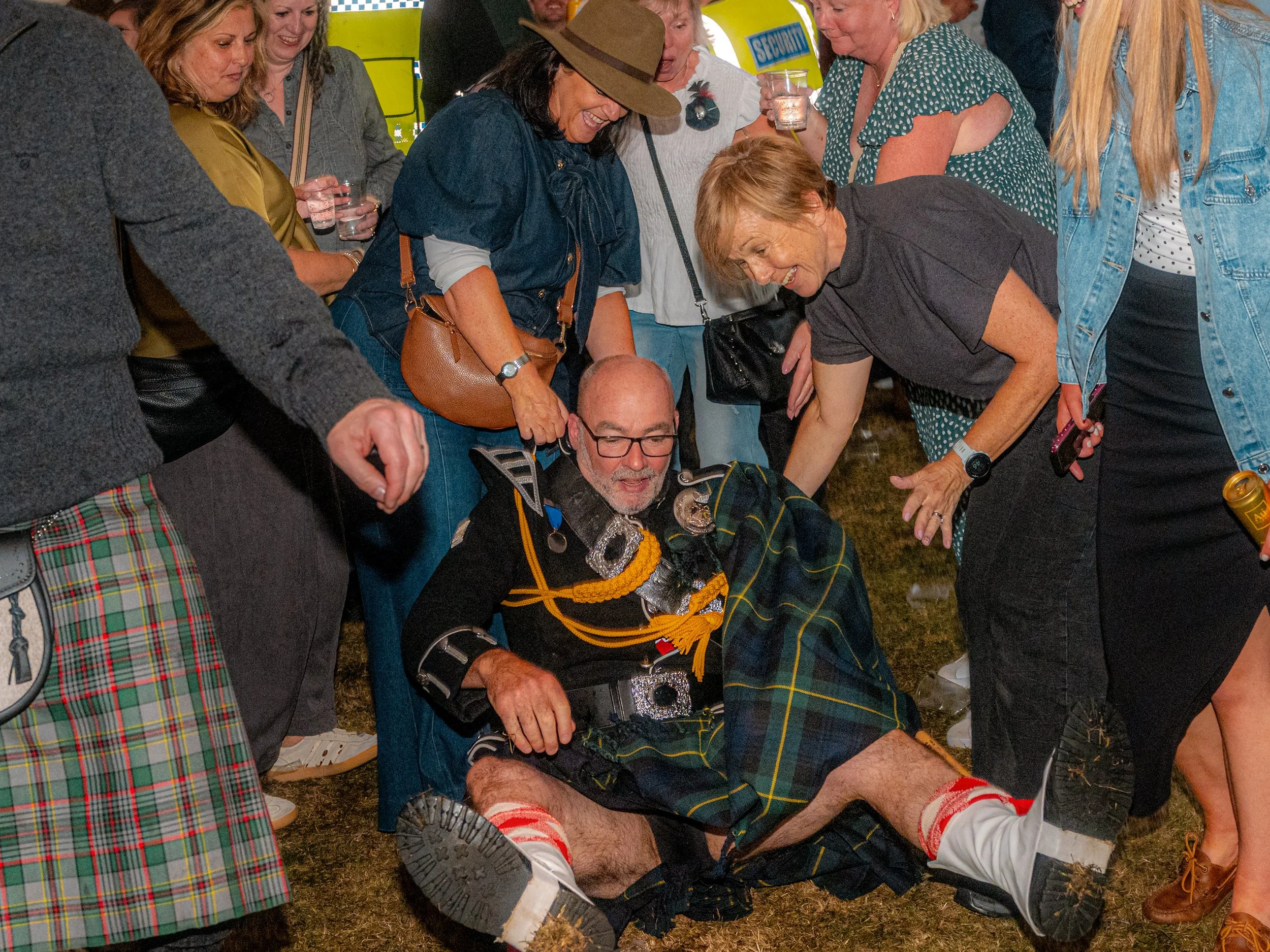
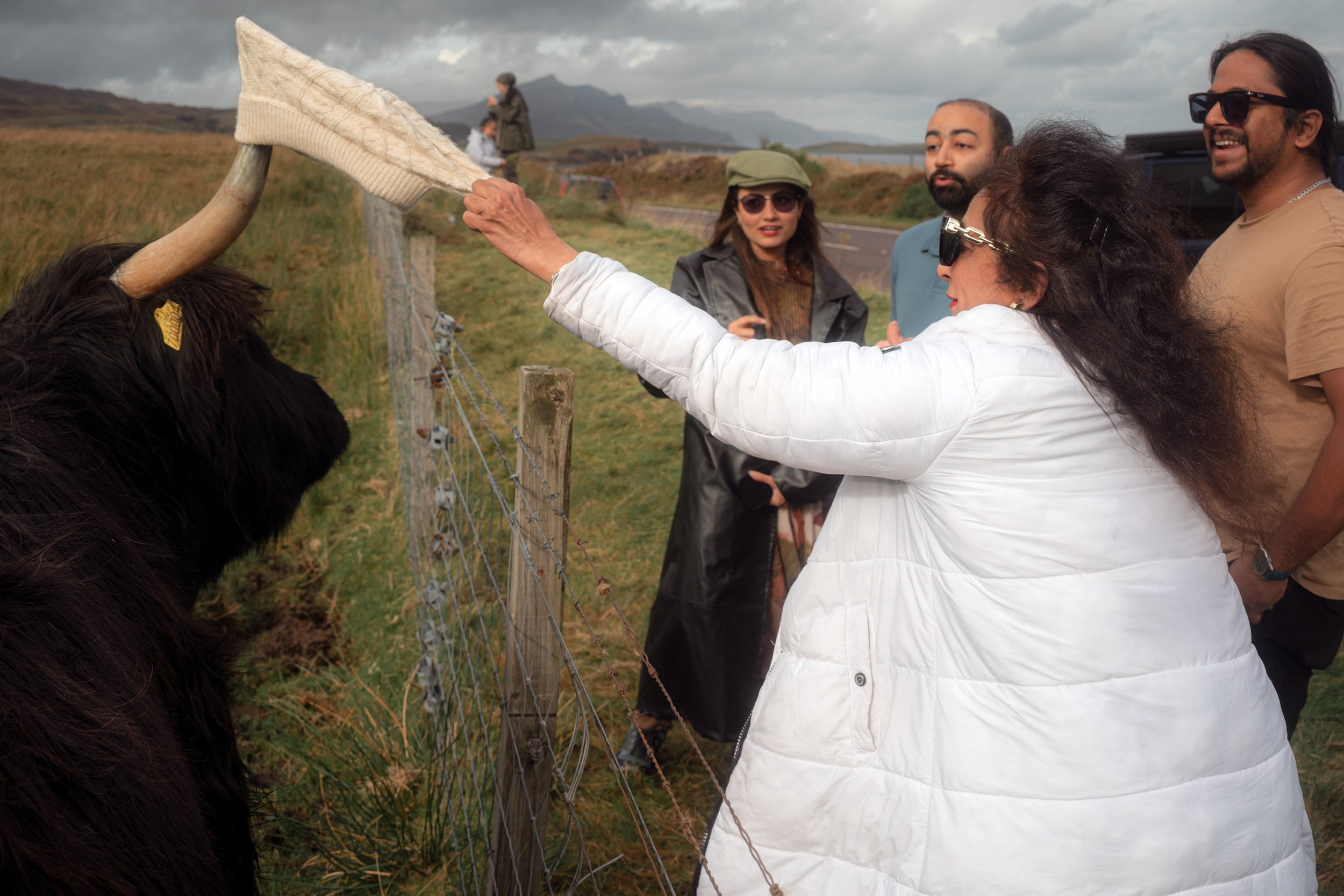
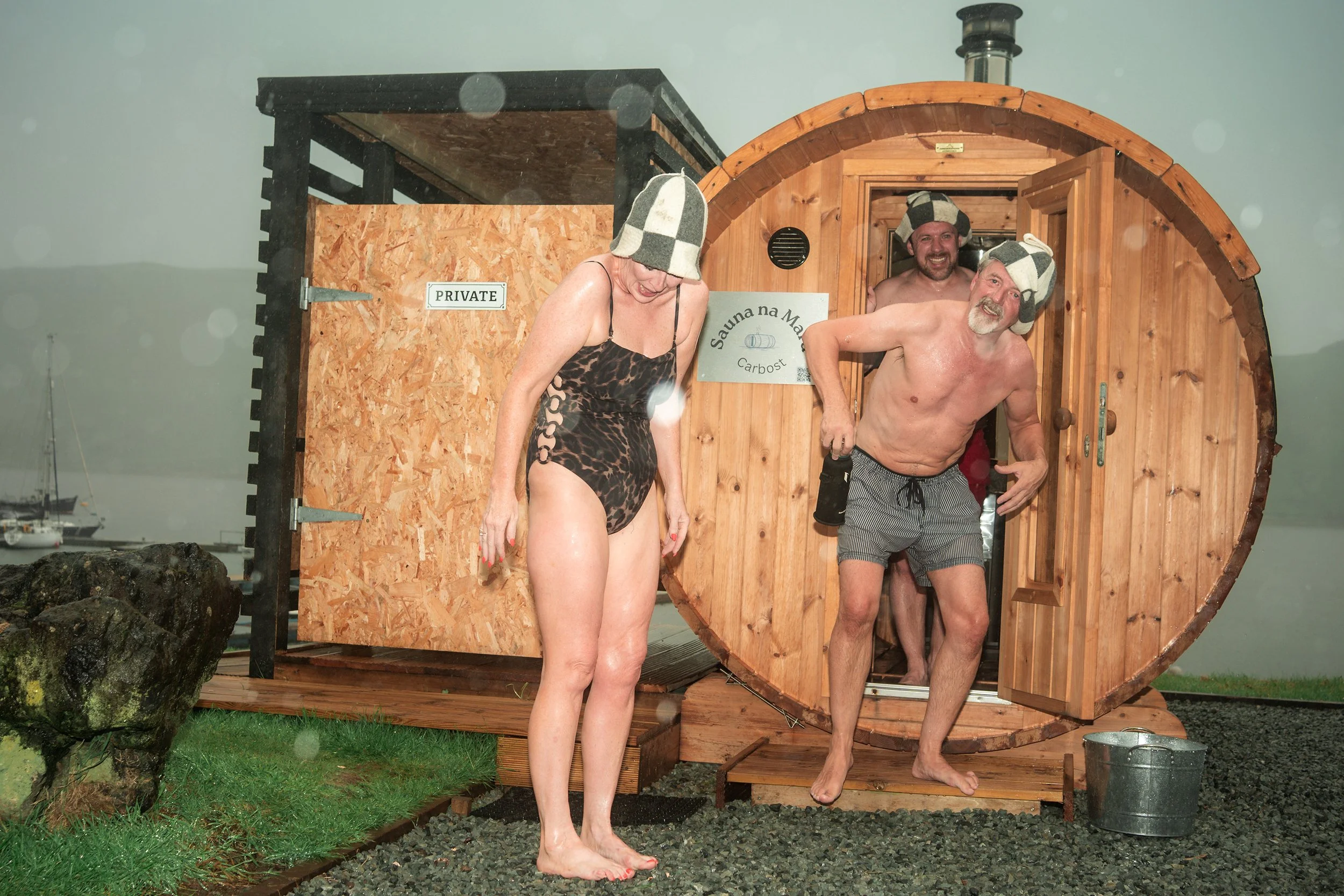
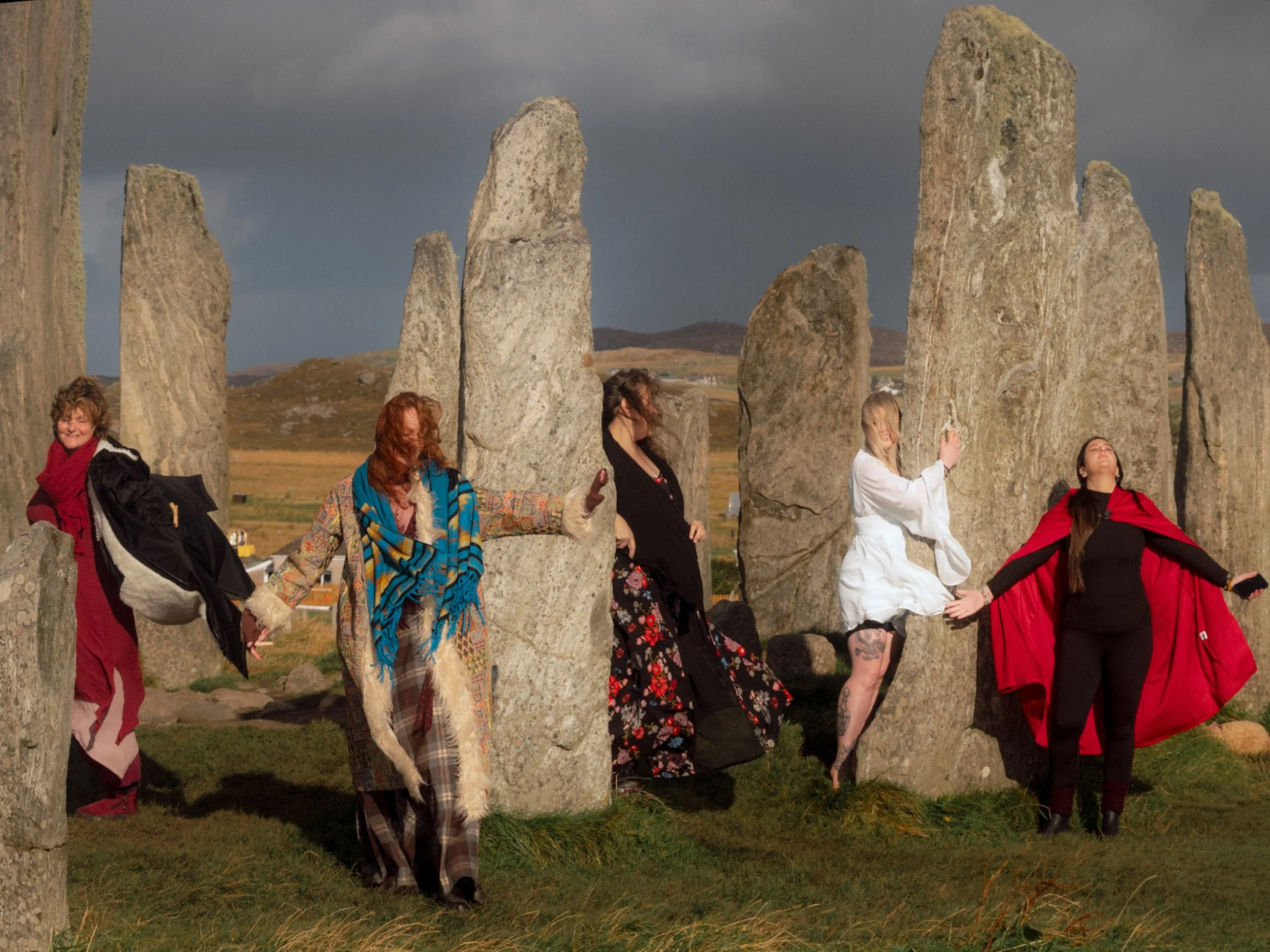
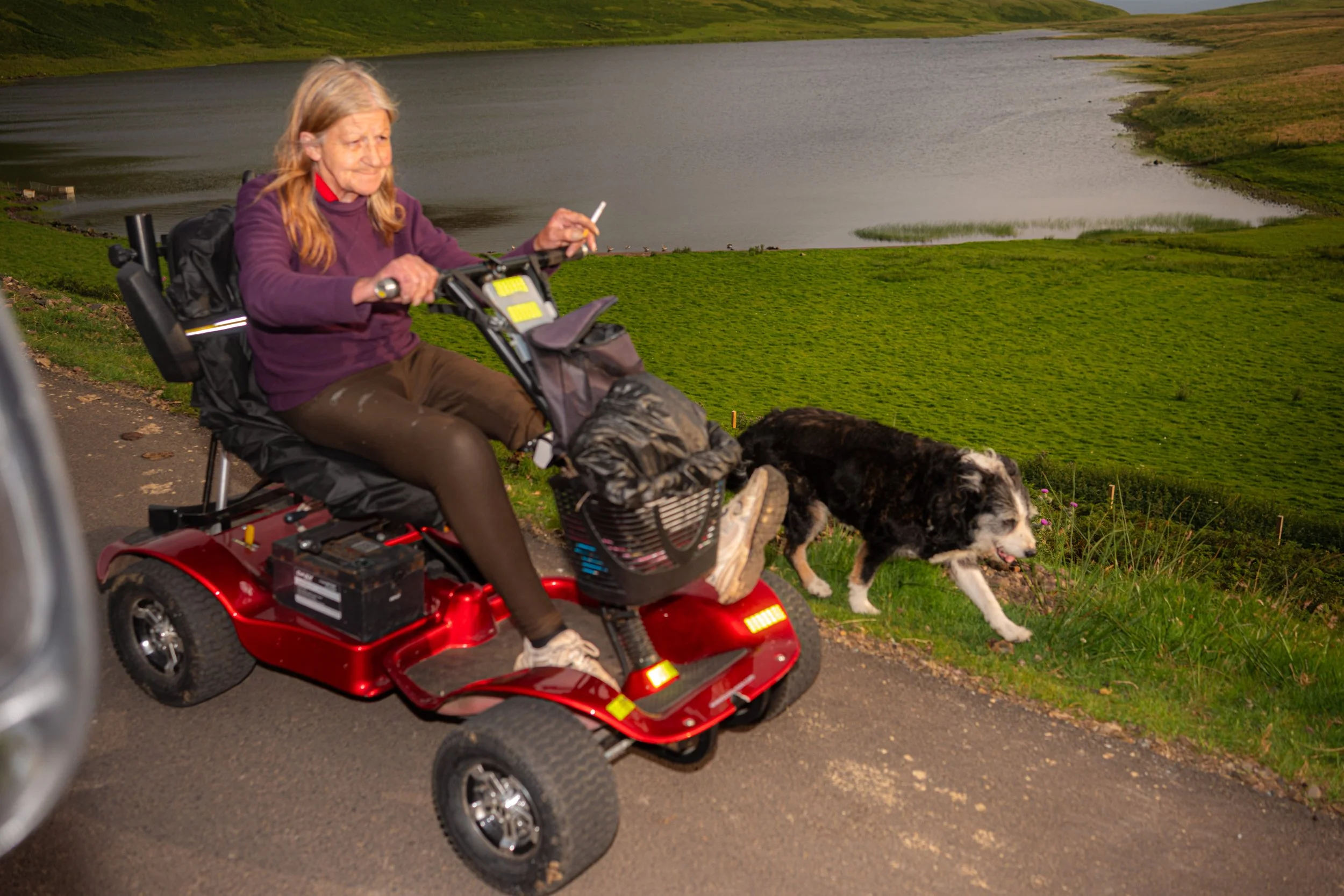
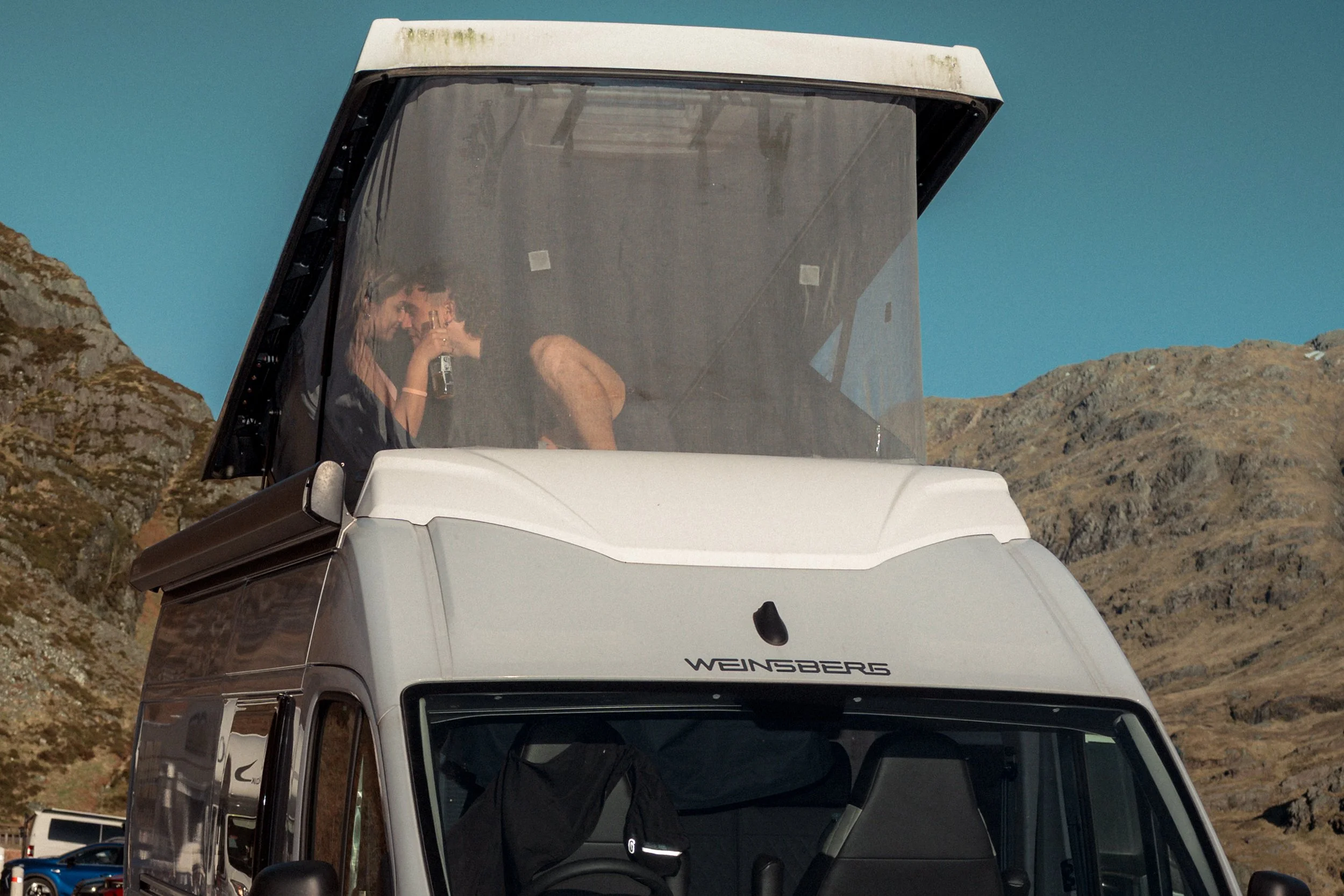
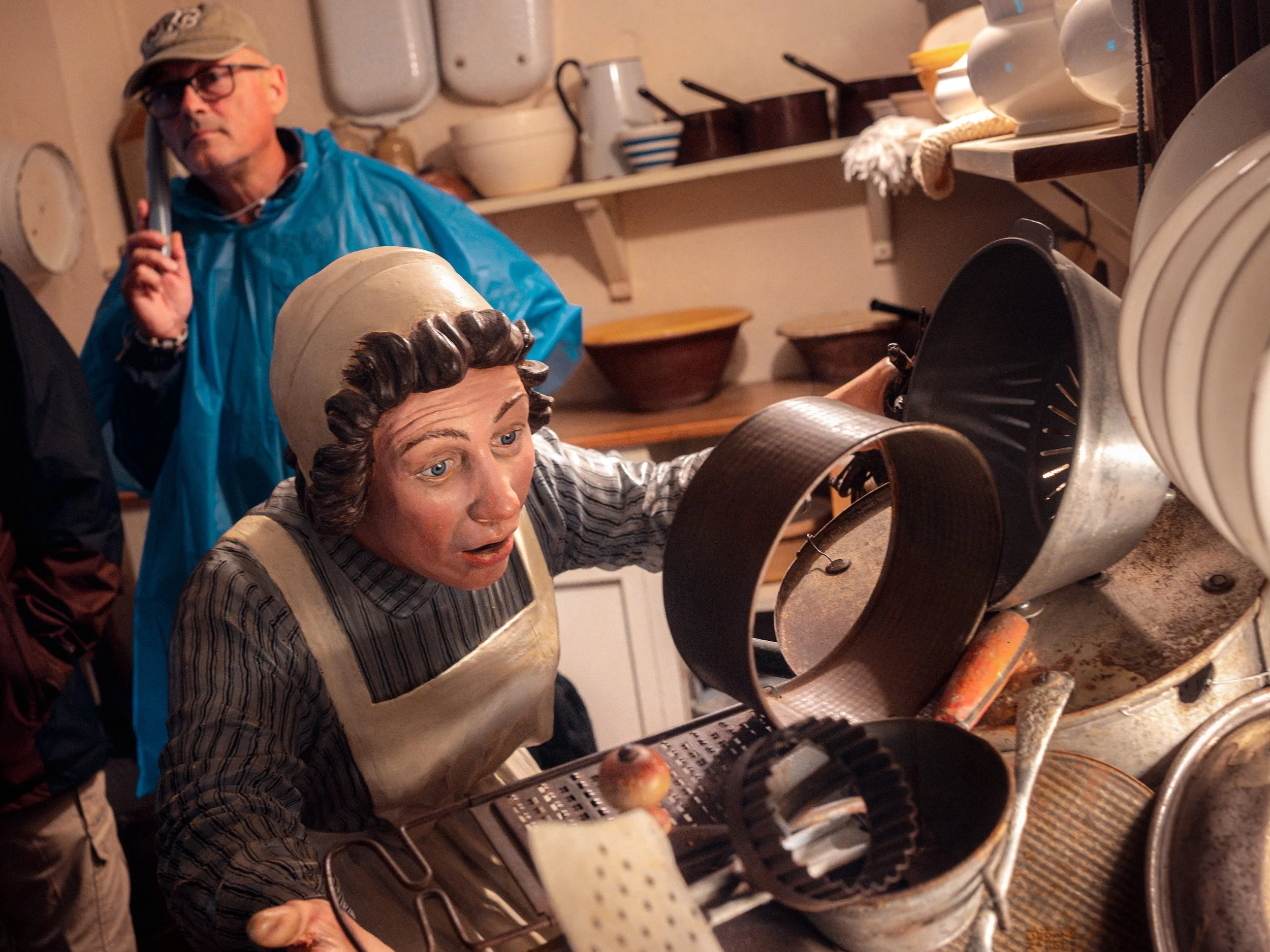
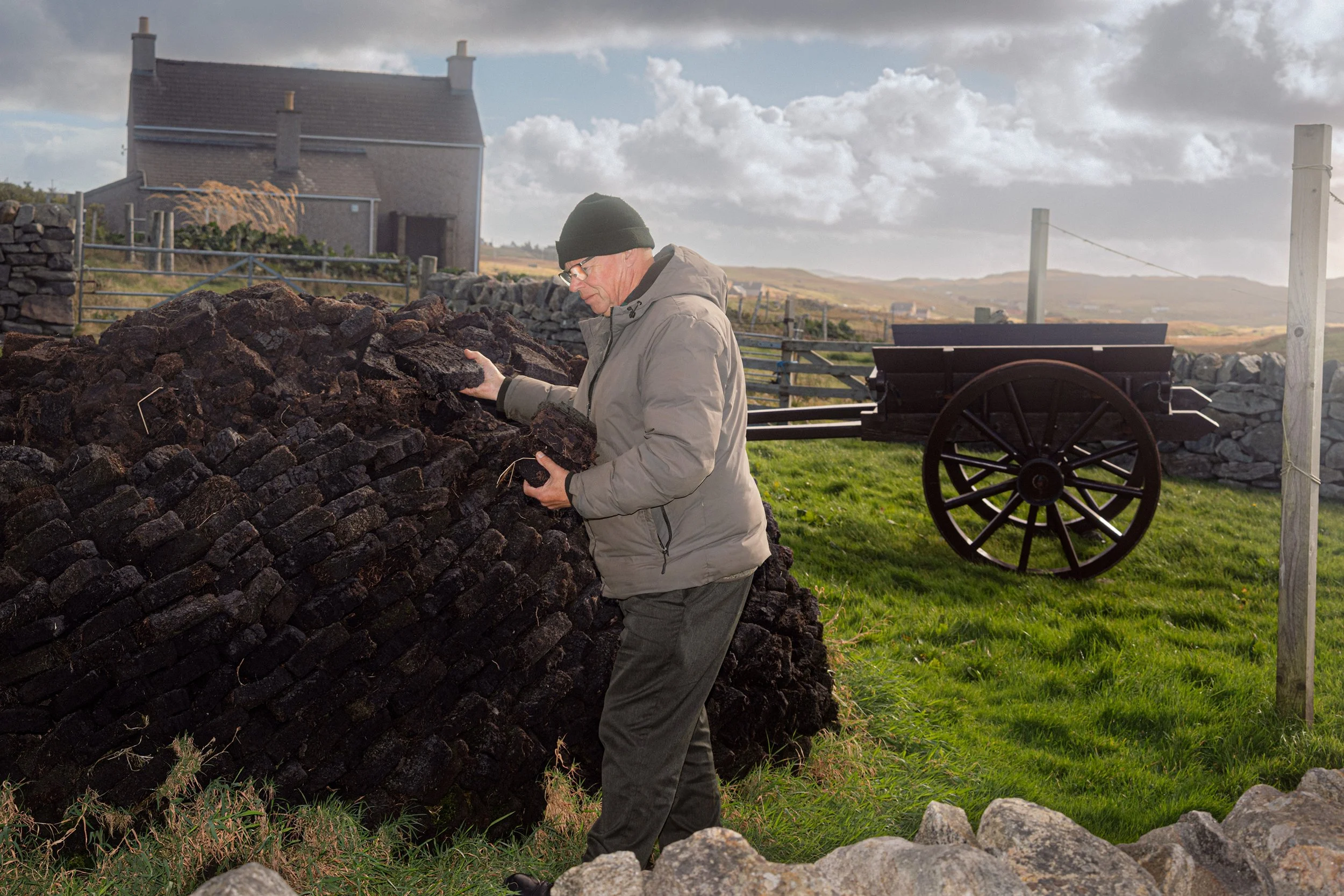
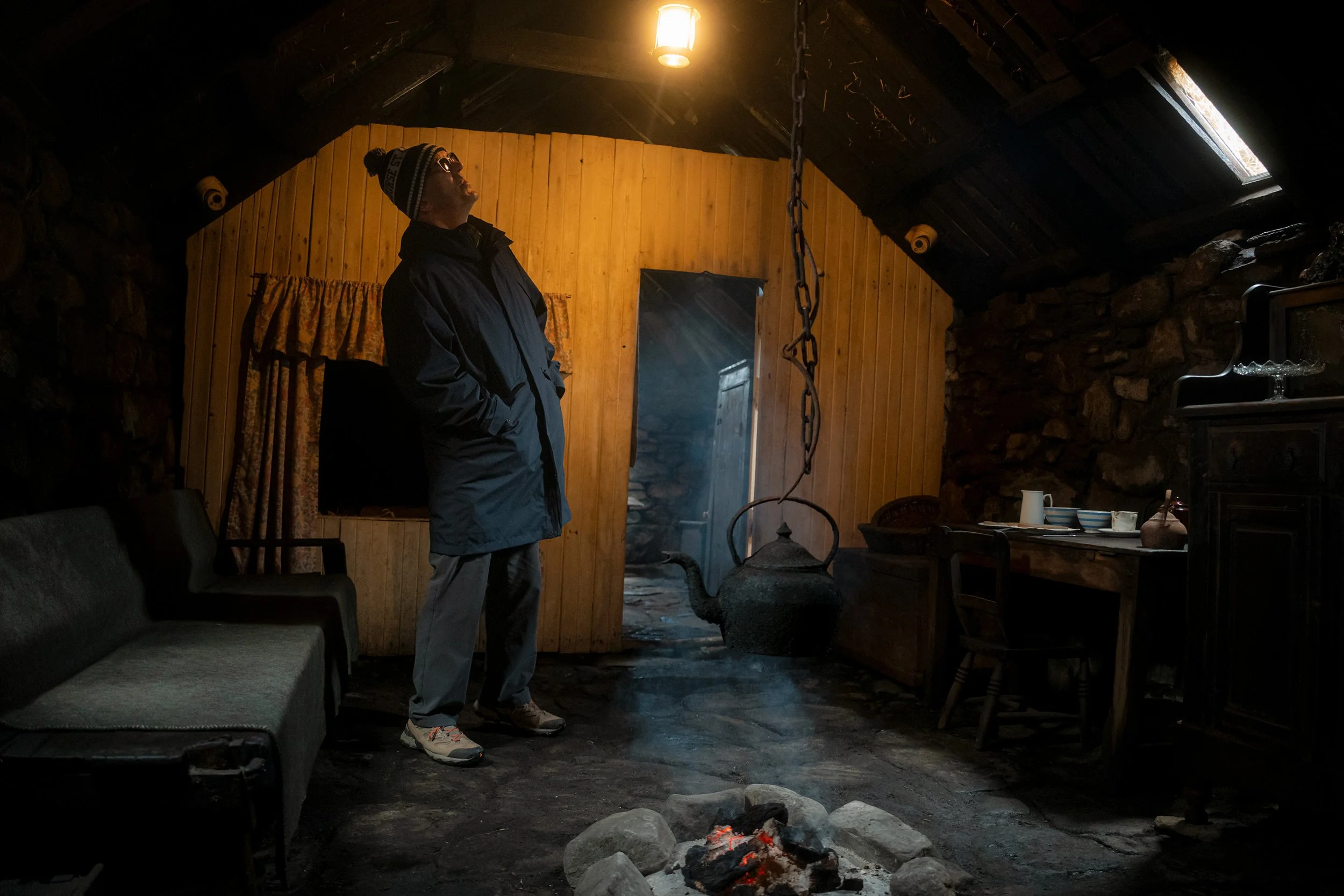
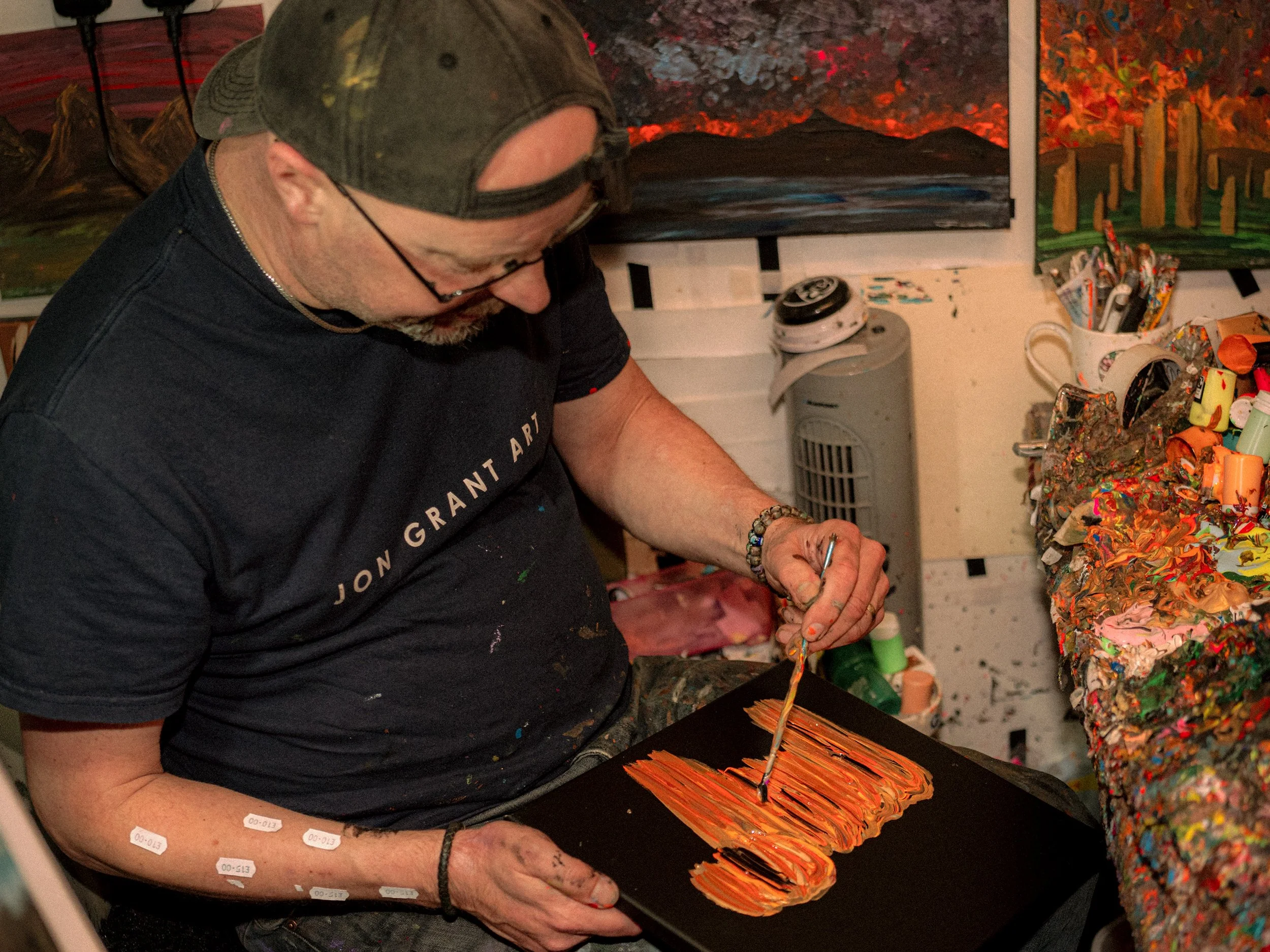
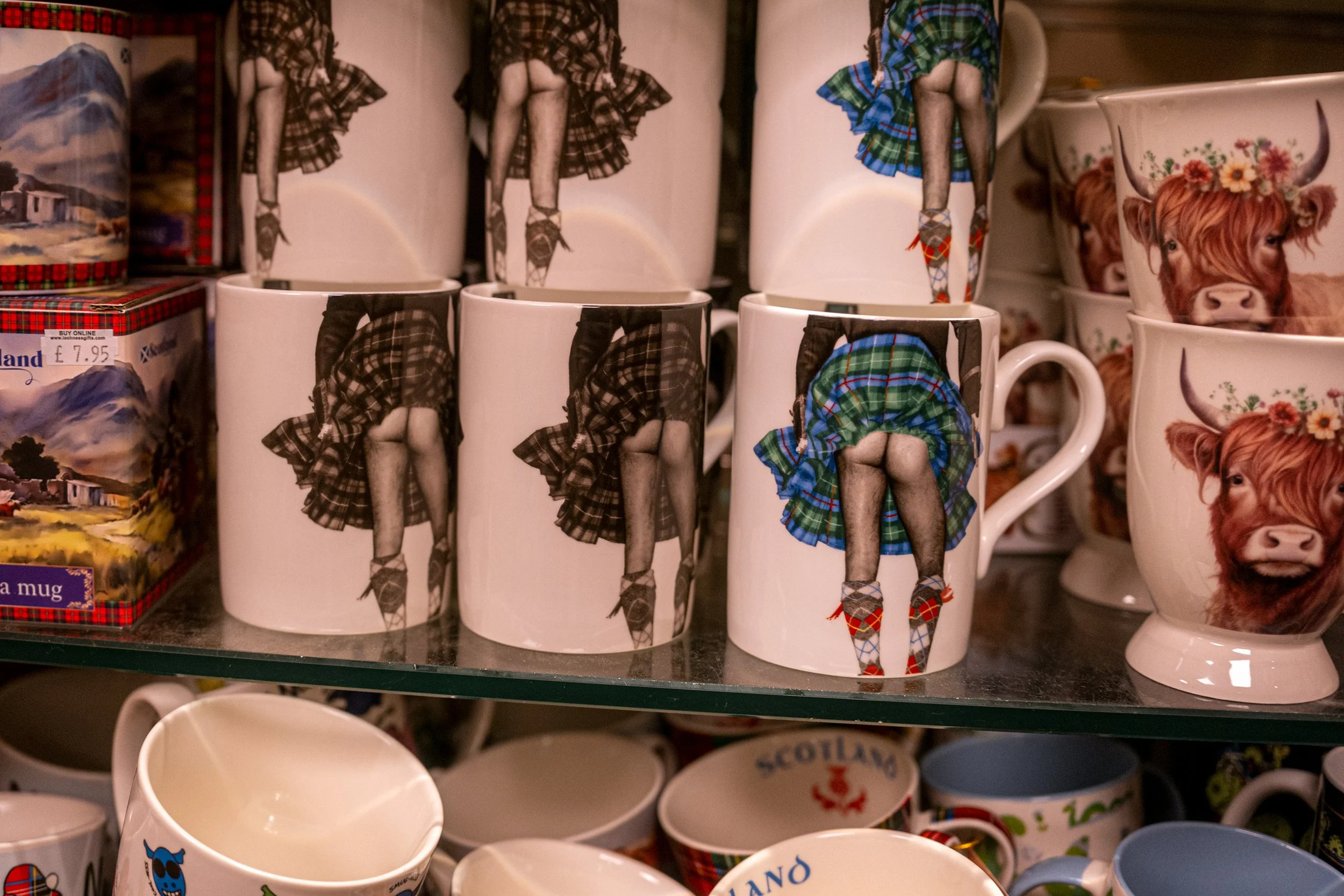
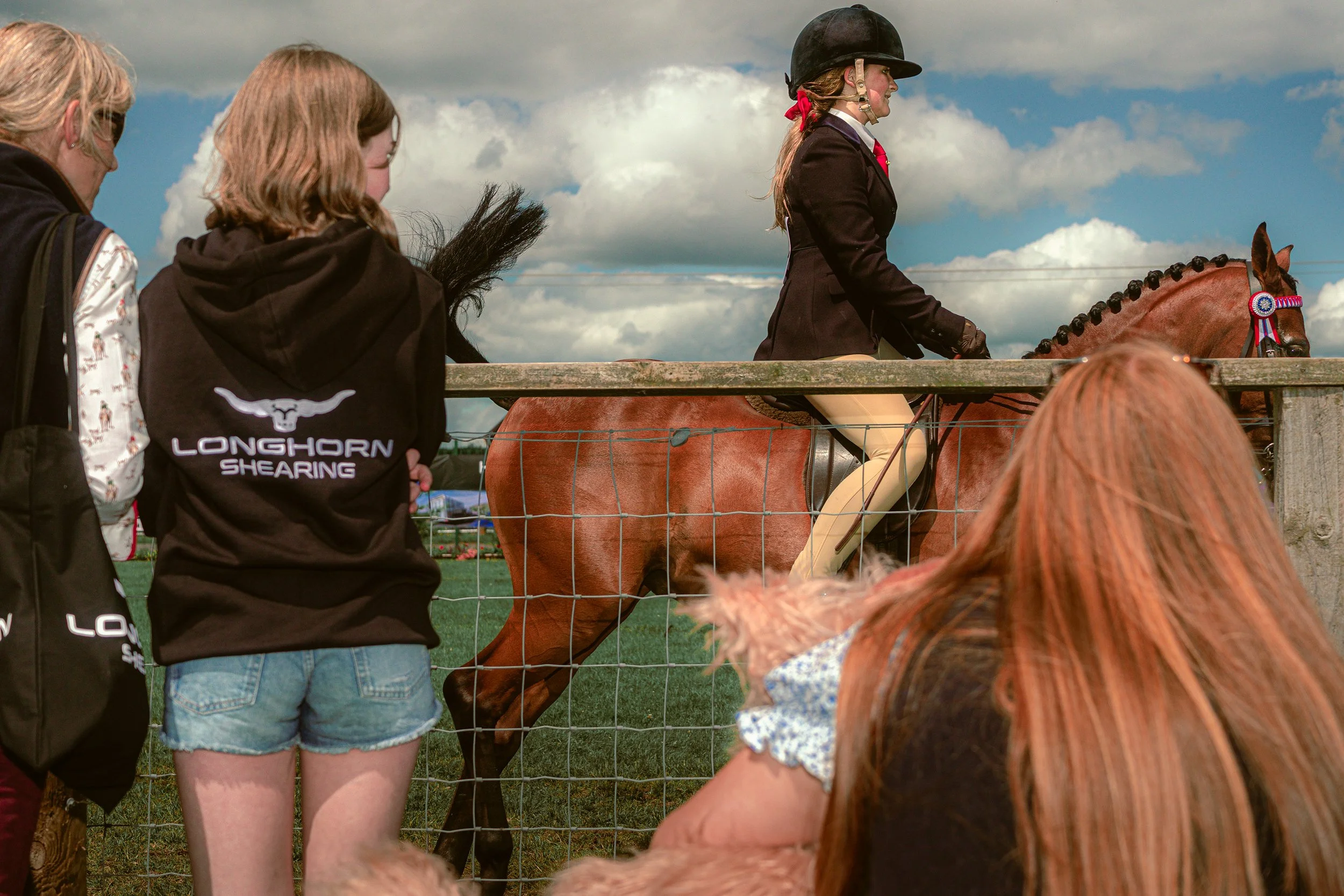
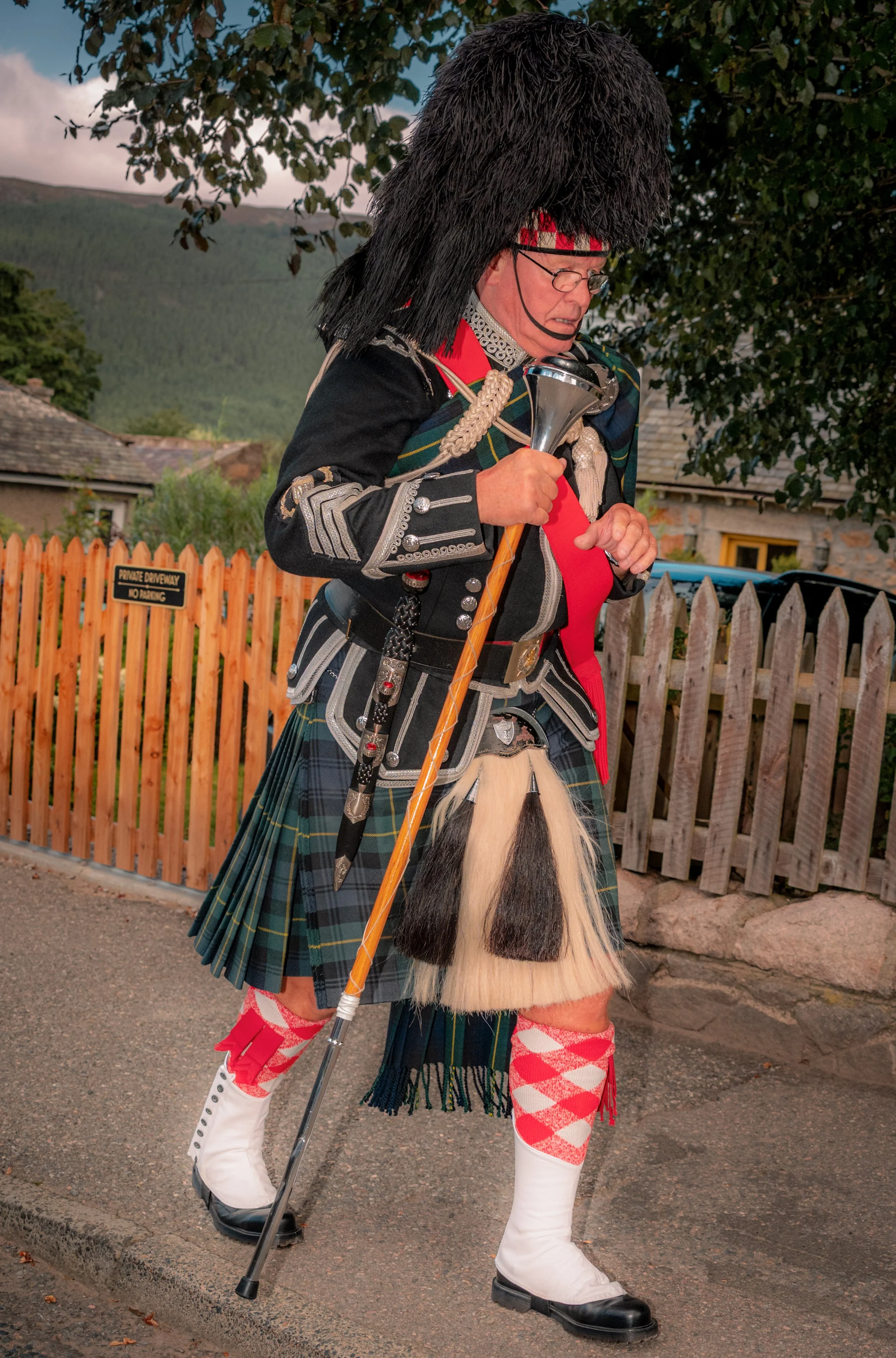
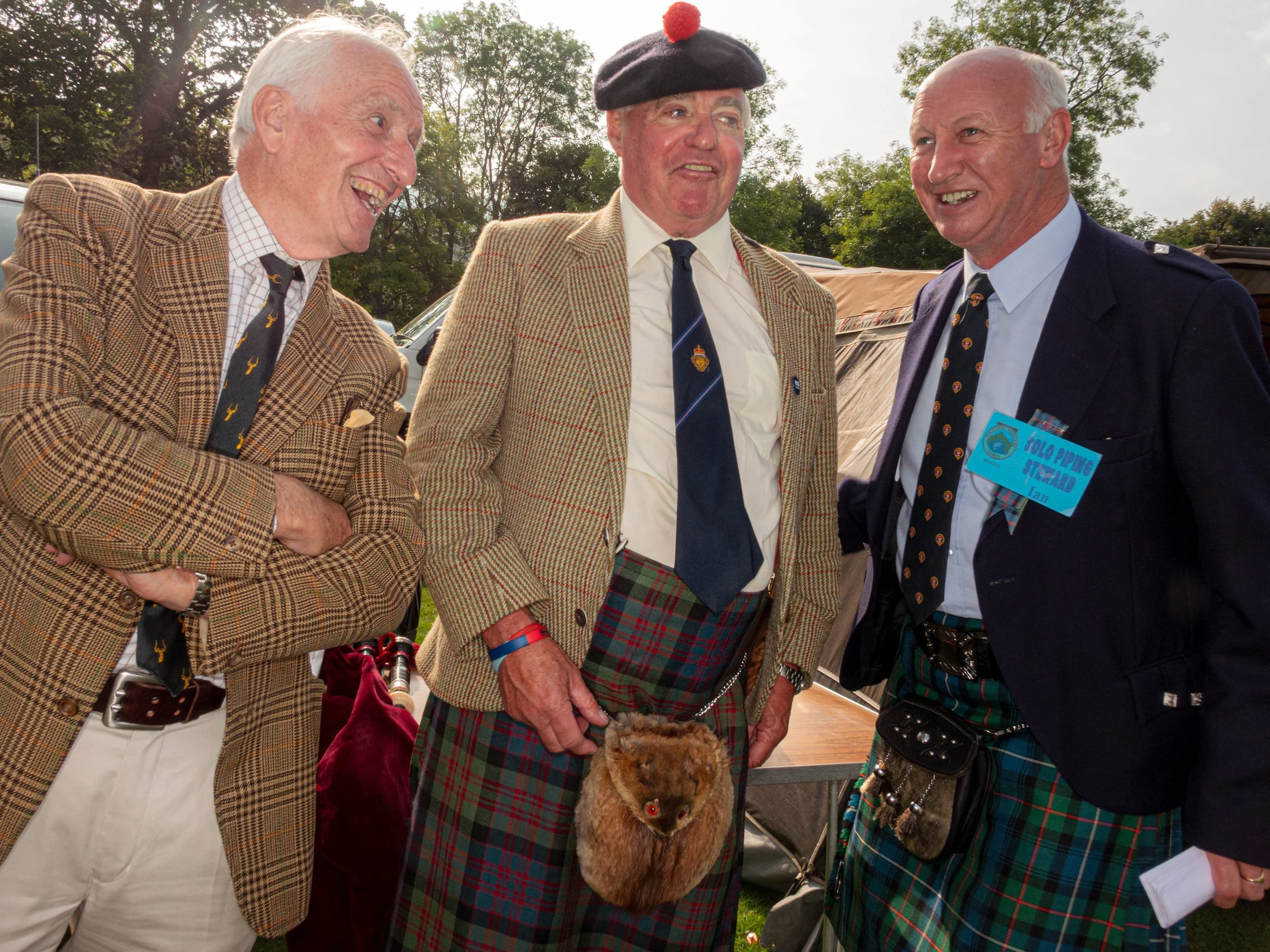
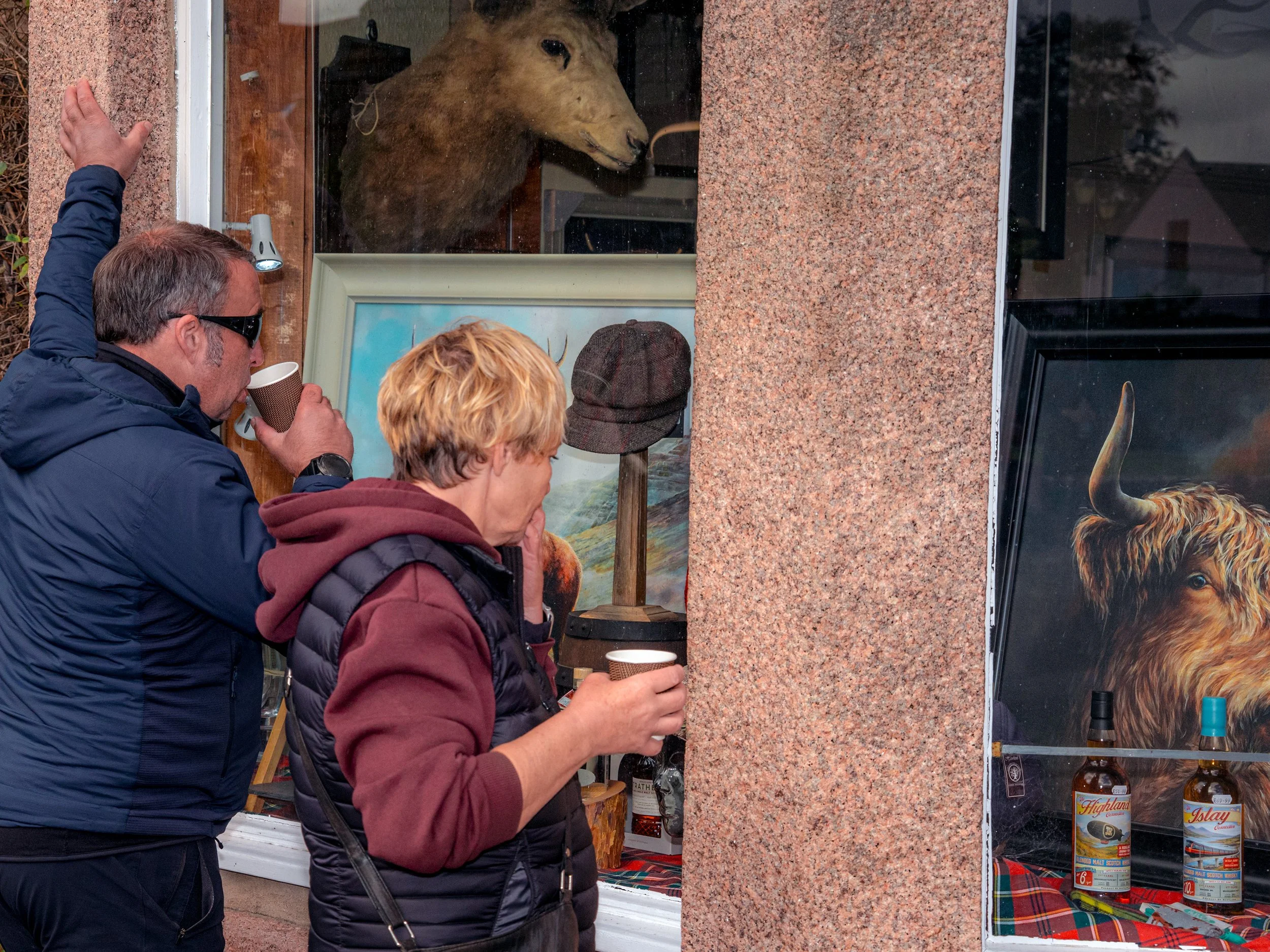
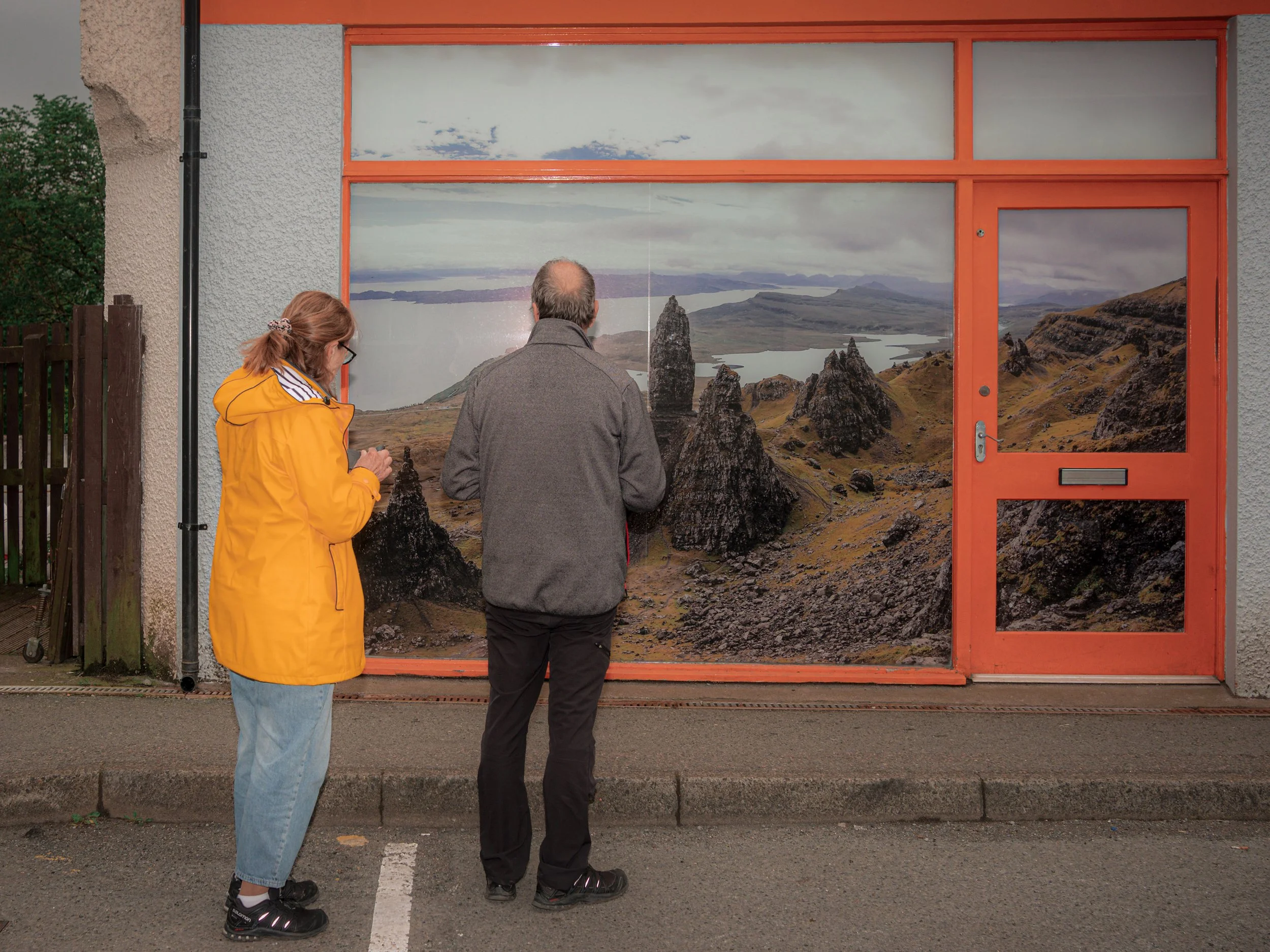
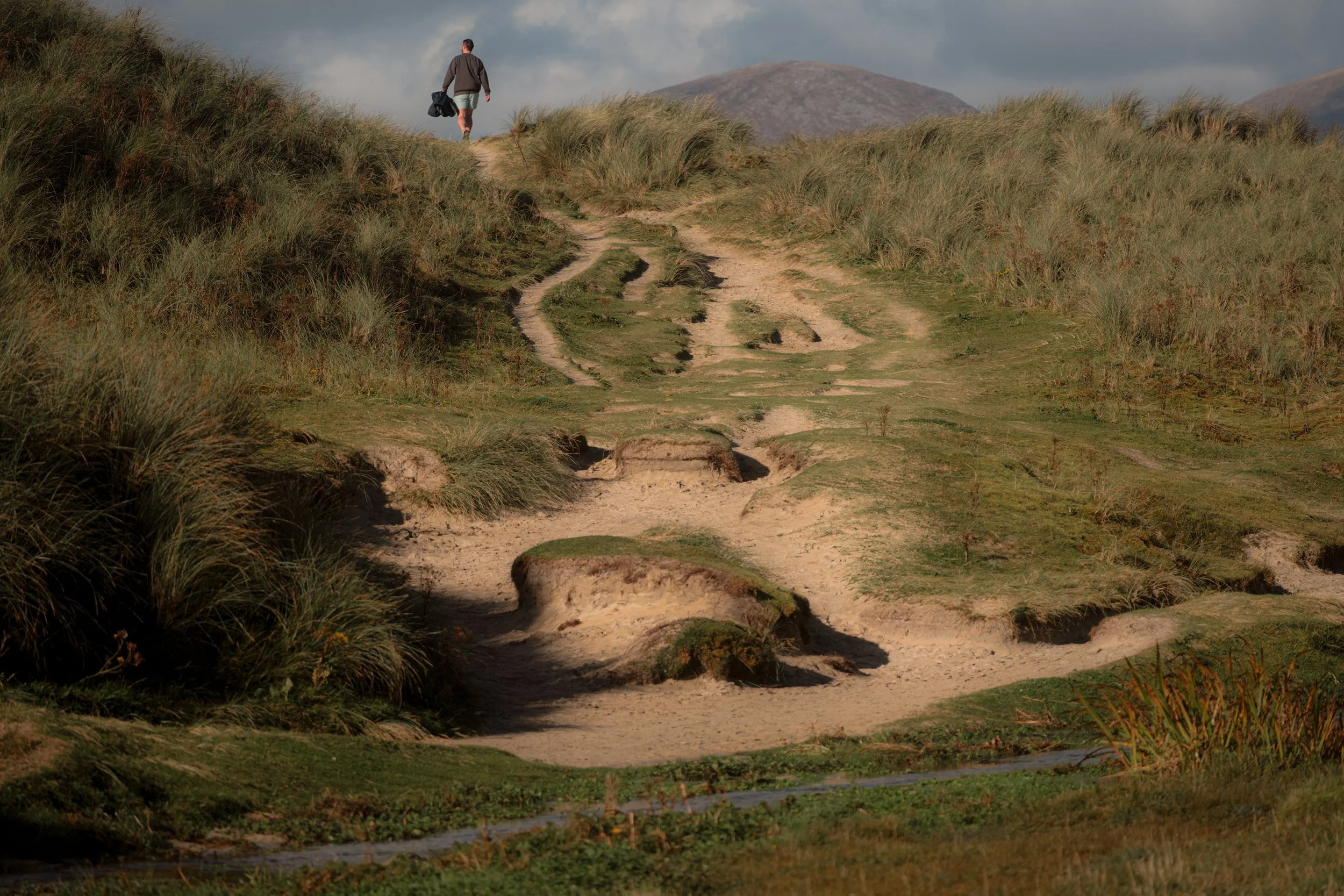
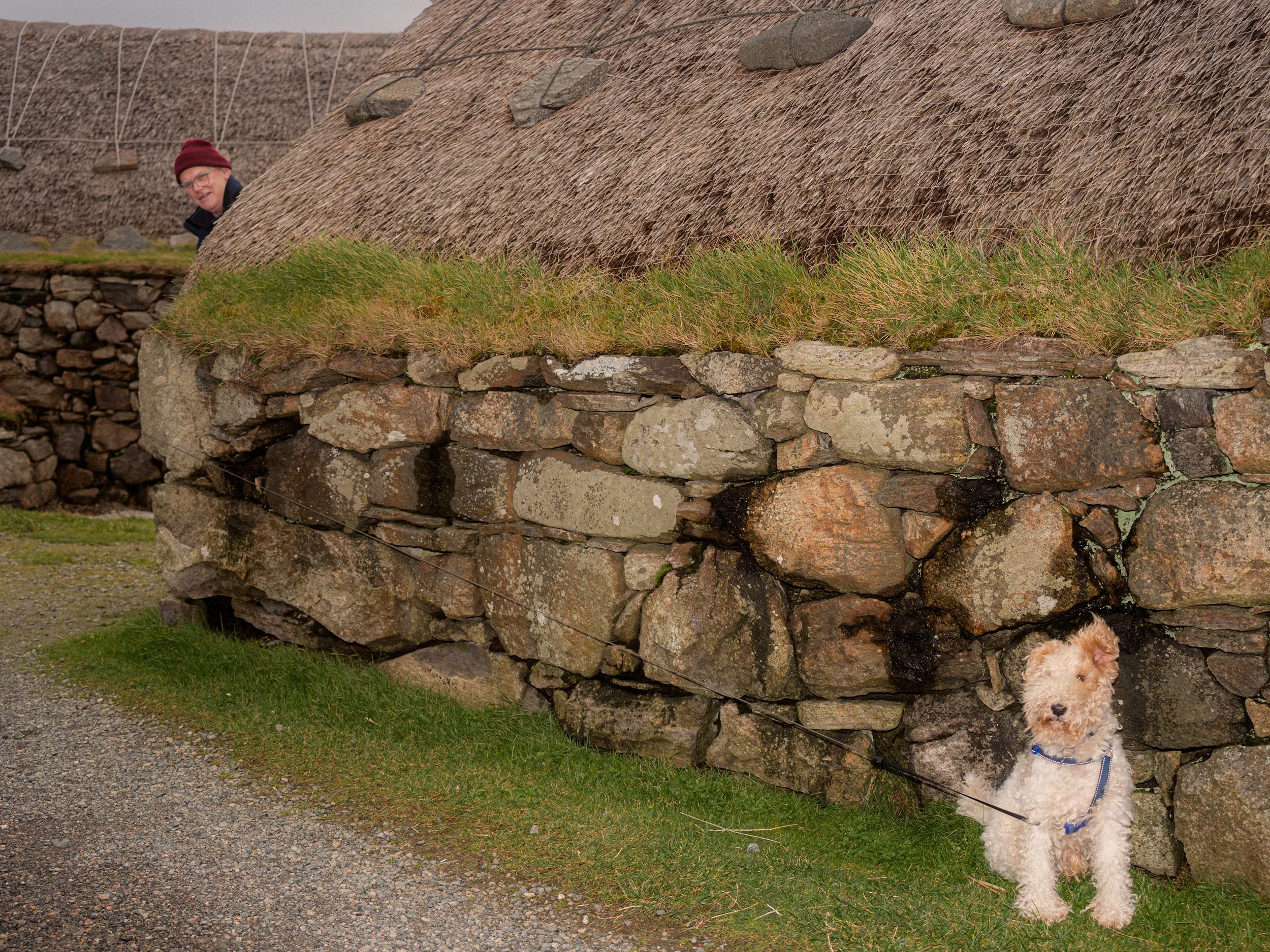
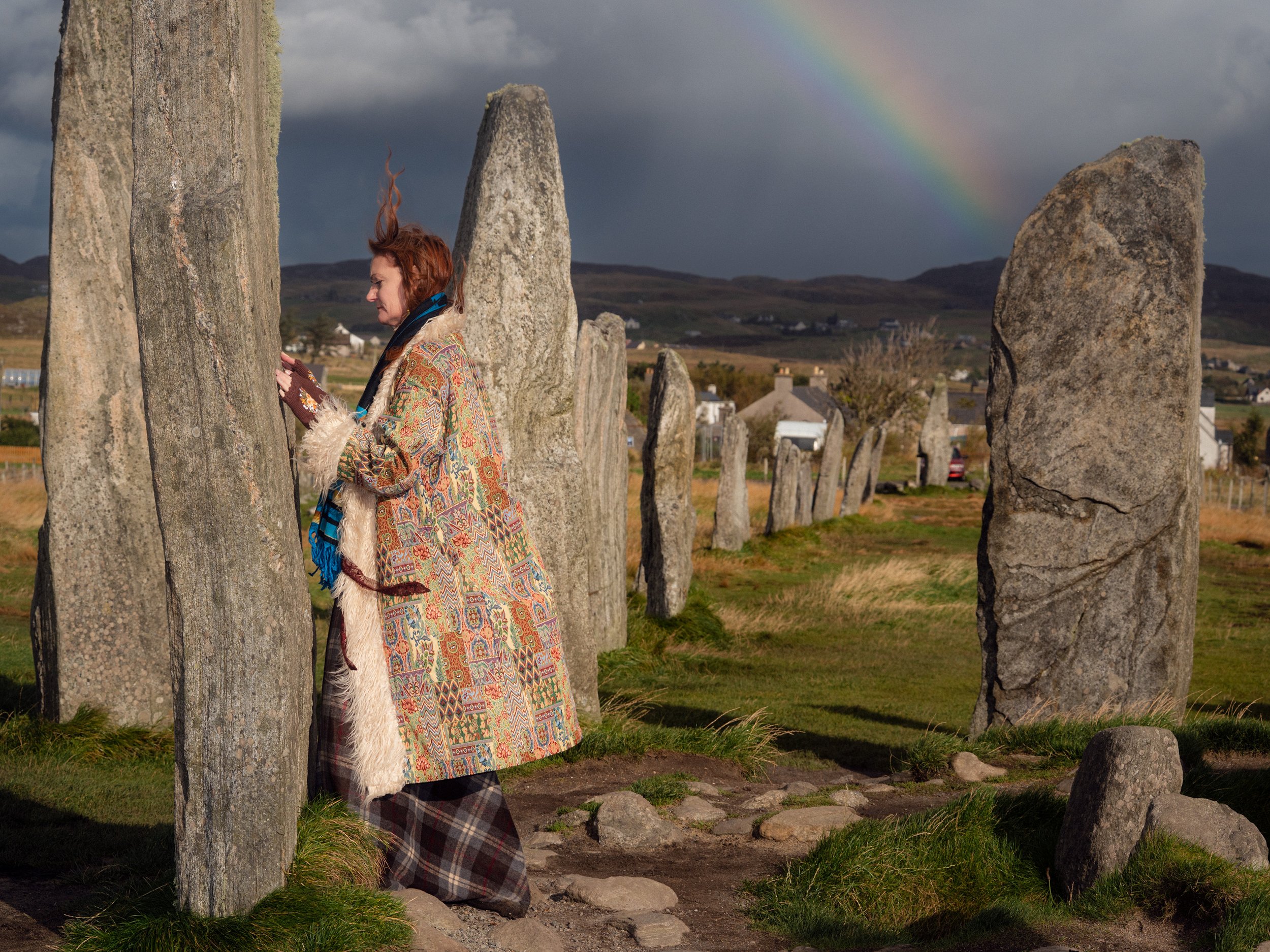
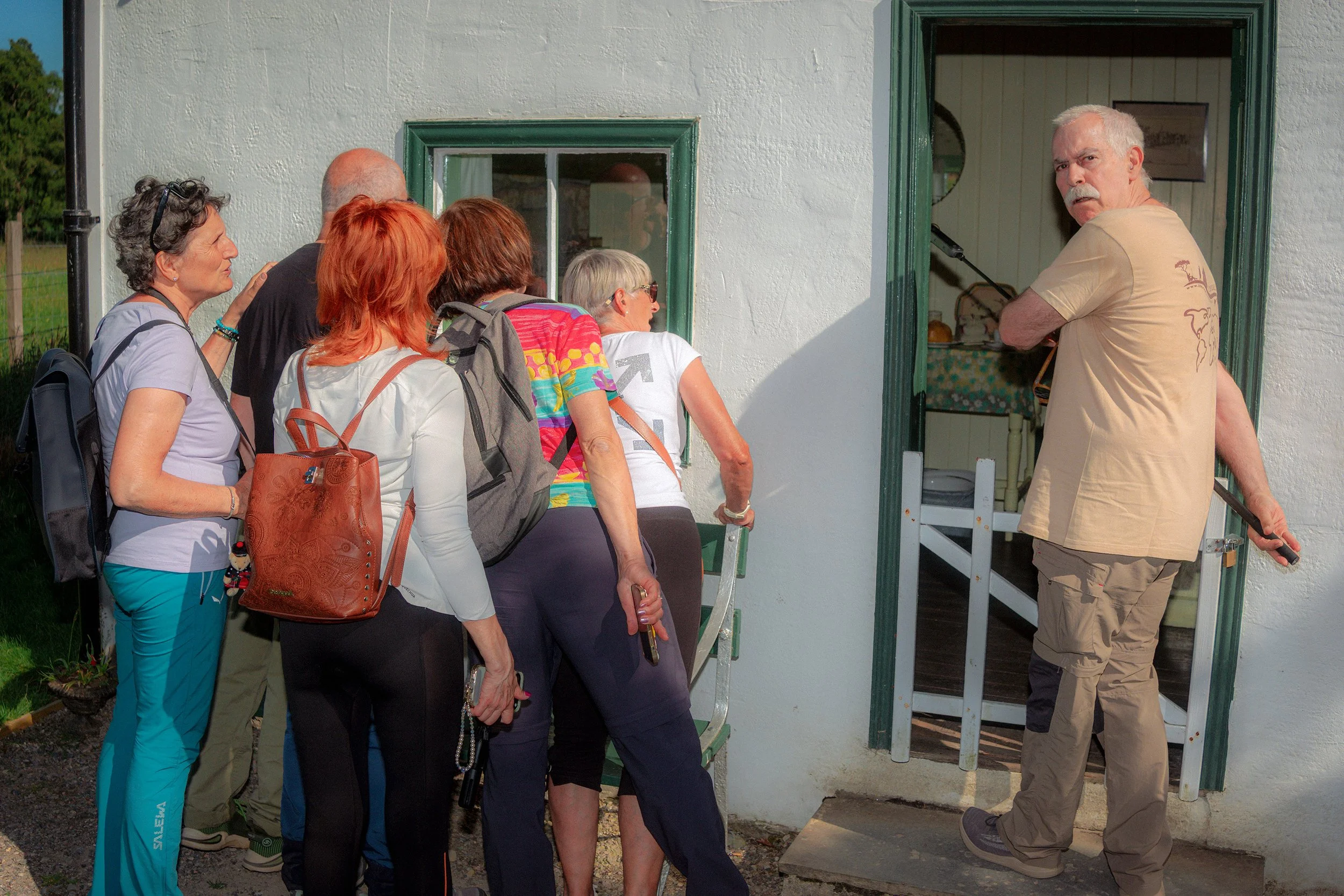
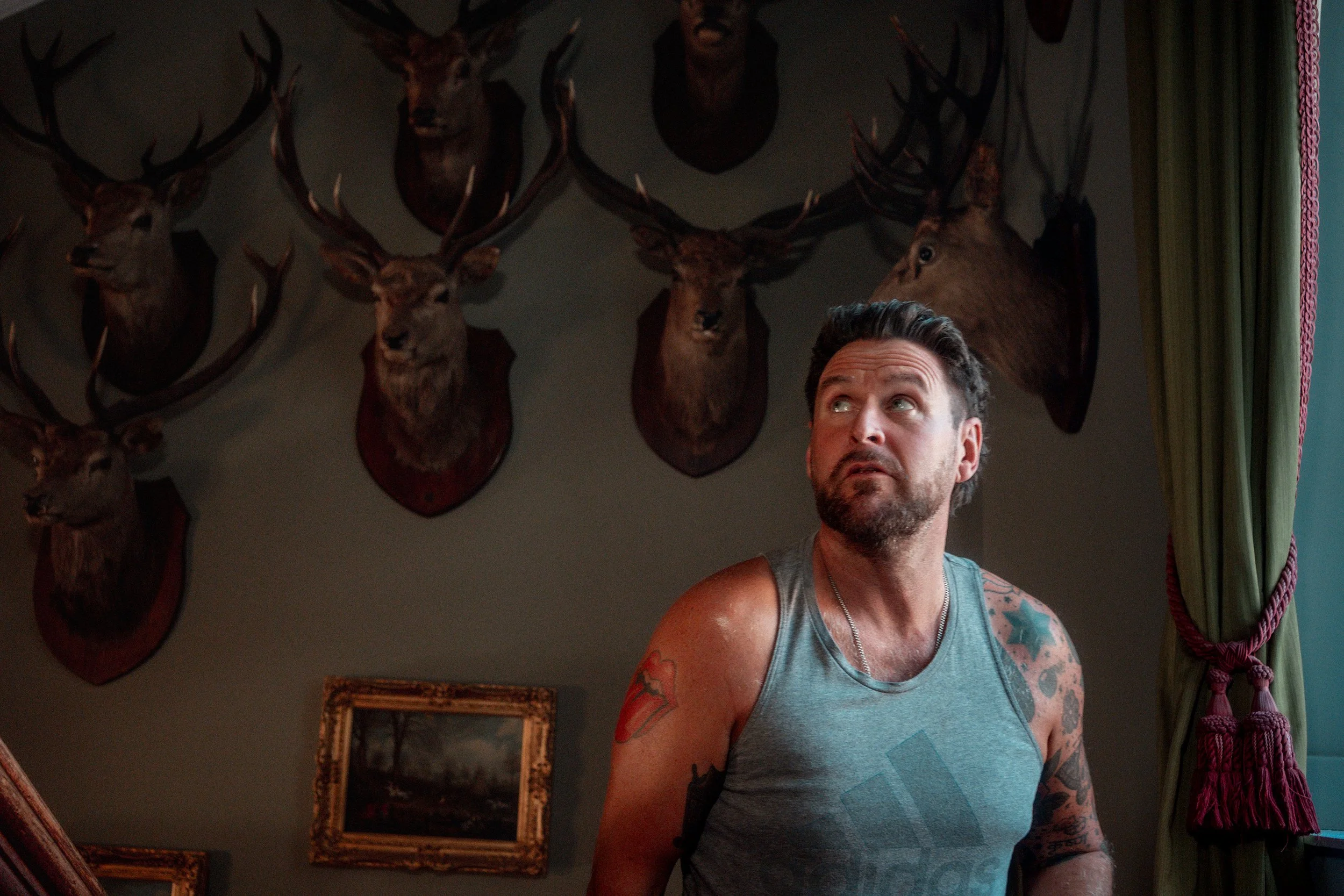
Ma Wee Tin o’ Shortbreid is a work in progress about the Highlands and Islands being sold as a product, and the people who come to buy it. The title comes from the shortbread tin many Scottish families kept their photographs in, with its romantic picture of Scotland on the lid. Made on repeated camper van trips, the work follows visitors who come for castles, tartan and empty roads, and end up waiting for somebody to move out of the frame. Passing places become car parks and viewpoints become campsites. The pictures are about the gap between Scotland as advertised and the place people find.







MA WEE TIN O’ SHORTBREID
What happens when a country becomes a product?
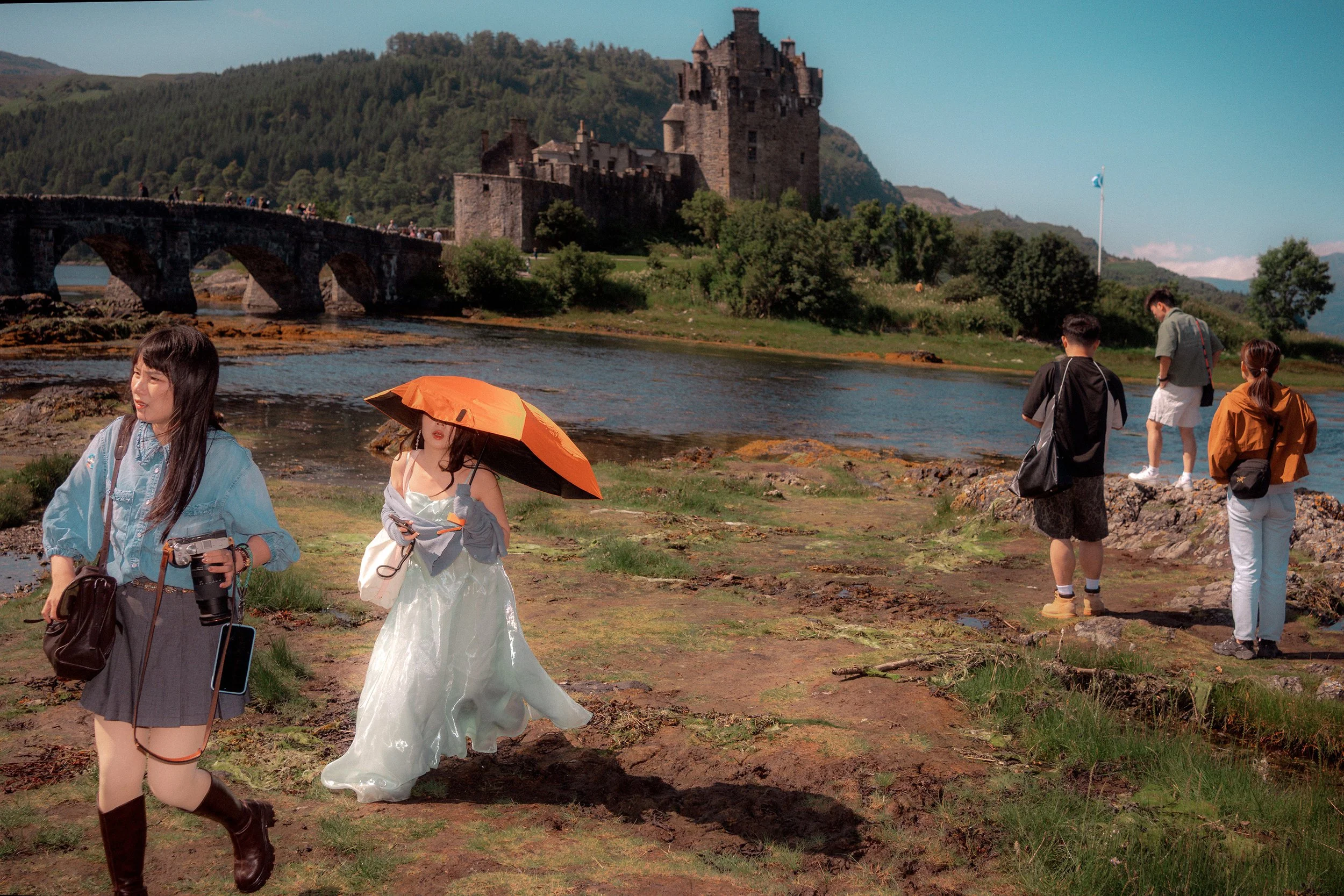
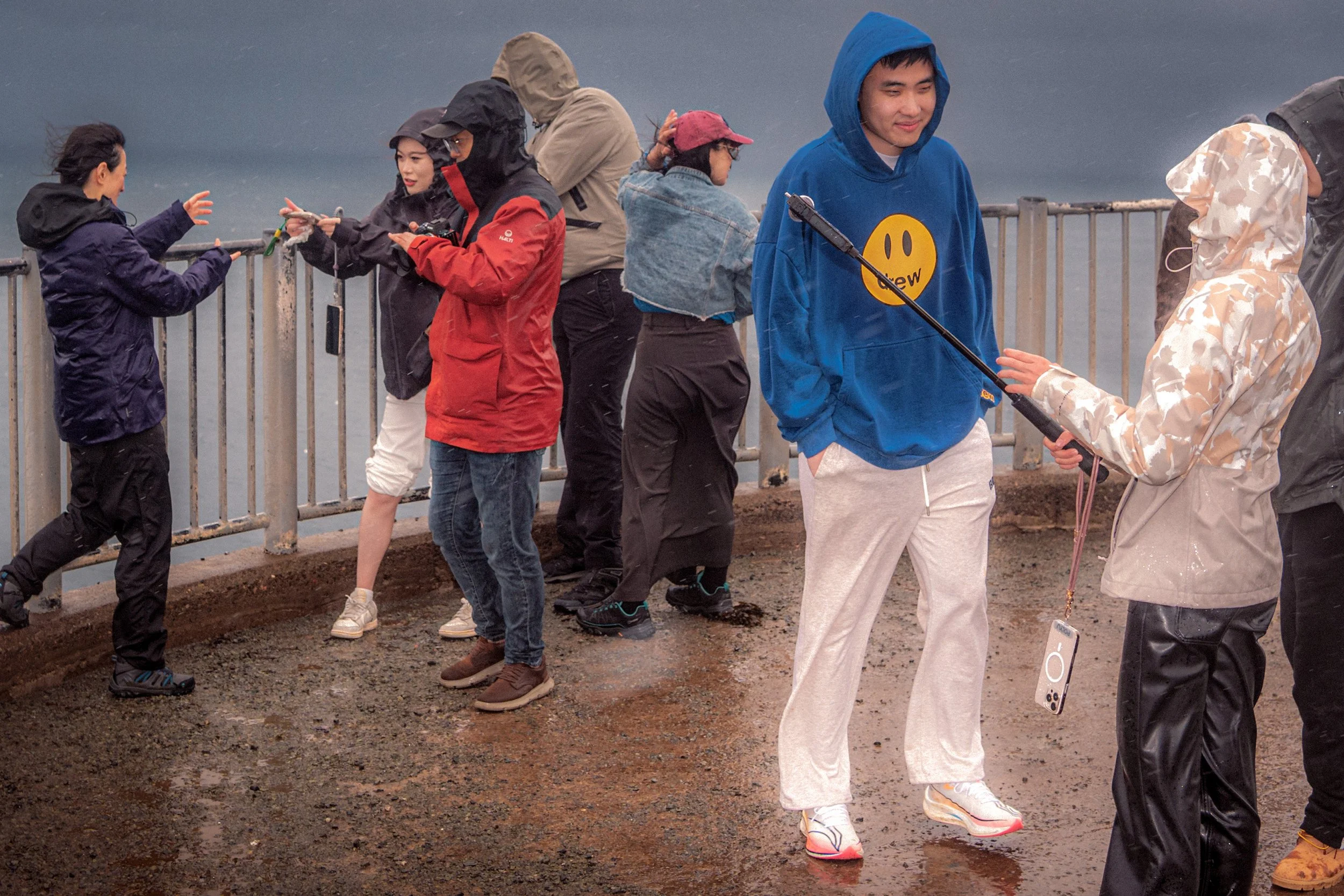
Growing up in Scotland, a lot of families kept their photographs in an old shortbread tin. Ours did too. The lid usually had a romantic picture of Scotland on it: a castle beside a loch, a stag on a mountainside, a Highland coo and tartan, all of it in sunshine. Ma Wee Tin o’ Shortbreid is Scots for “my little tin of shortbread”. The title started as a warning to myself: don’t make the Highlands look like the lid. Then, at Eilean Donan Castle, about as biscuit-tin as it gets, I photographed a Chinese tourist under a wee umbrella, remaking the view for her own photograph. The warning became the title.
The Scotland on the lid offers wilderness, history, escape and a warm welcome, with a car park nearby. The landscape looks conveniently empty. Some of that emptiness was made. Highland regiments fought the empire’s wars while the glens were cleared for sheep and sporting estates. The view people come for was somebody’s home.
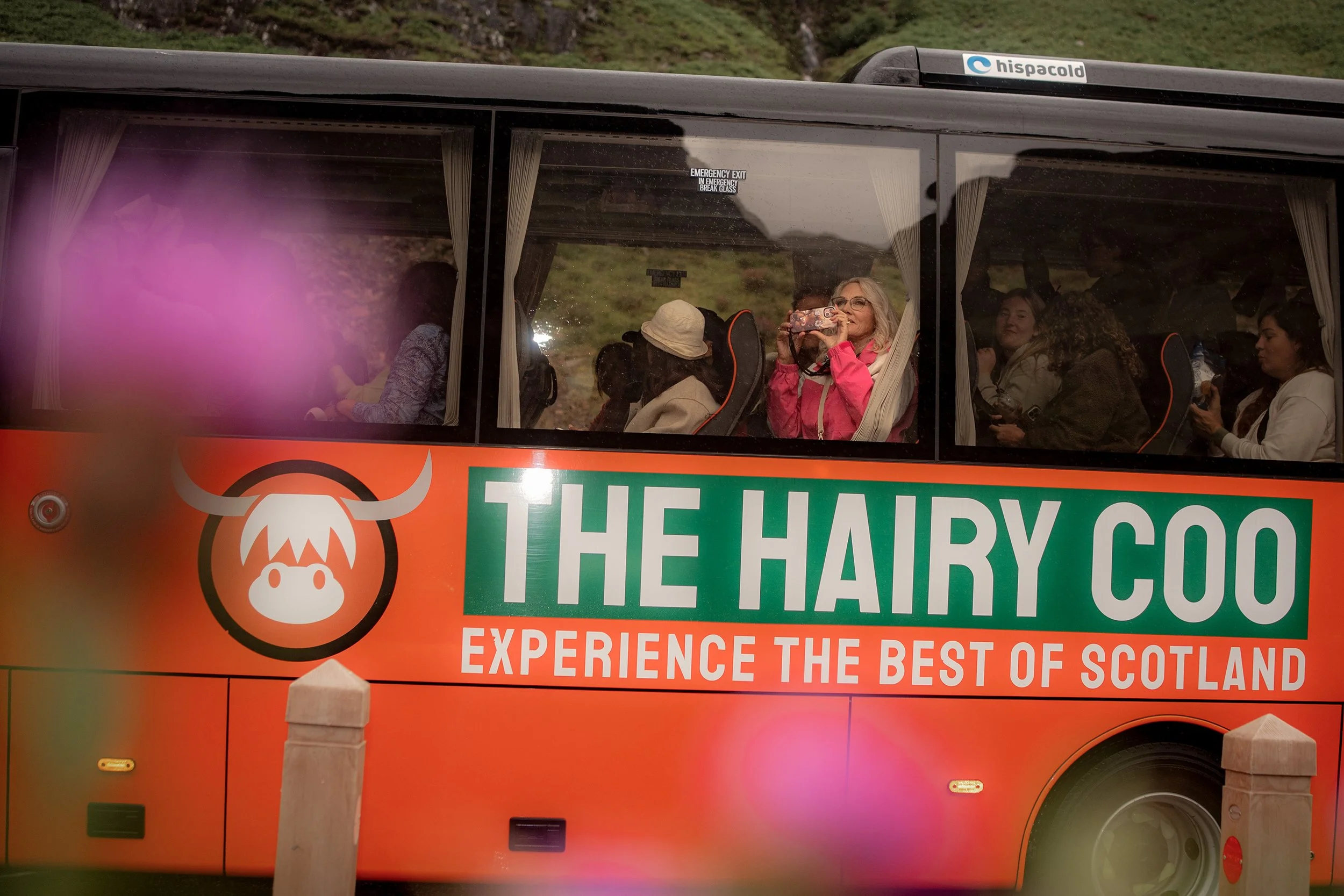
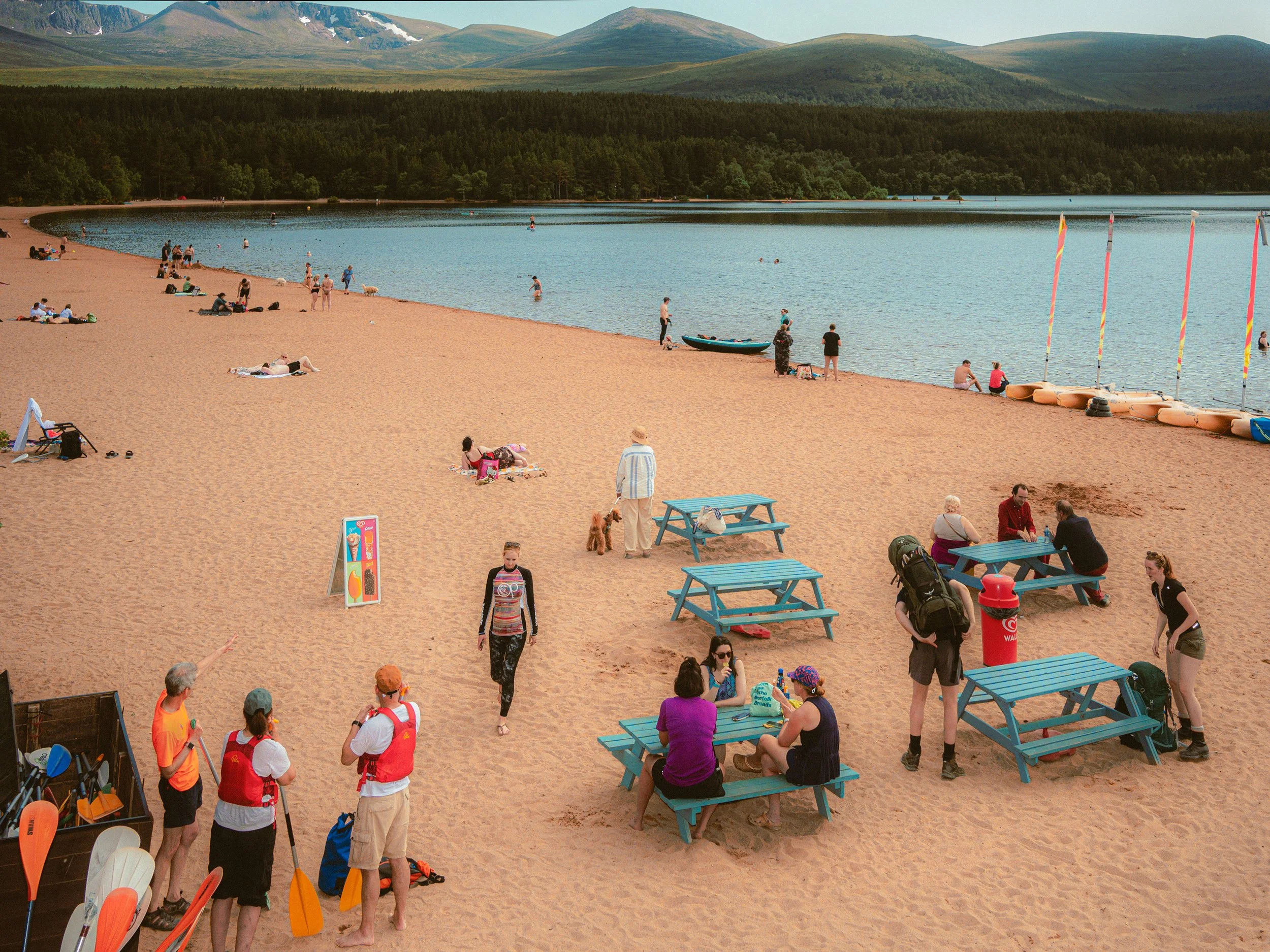
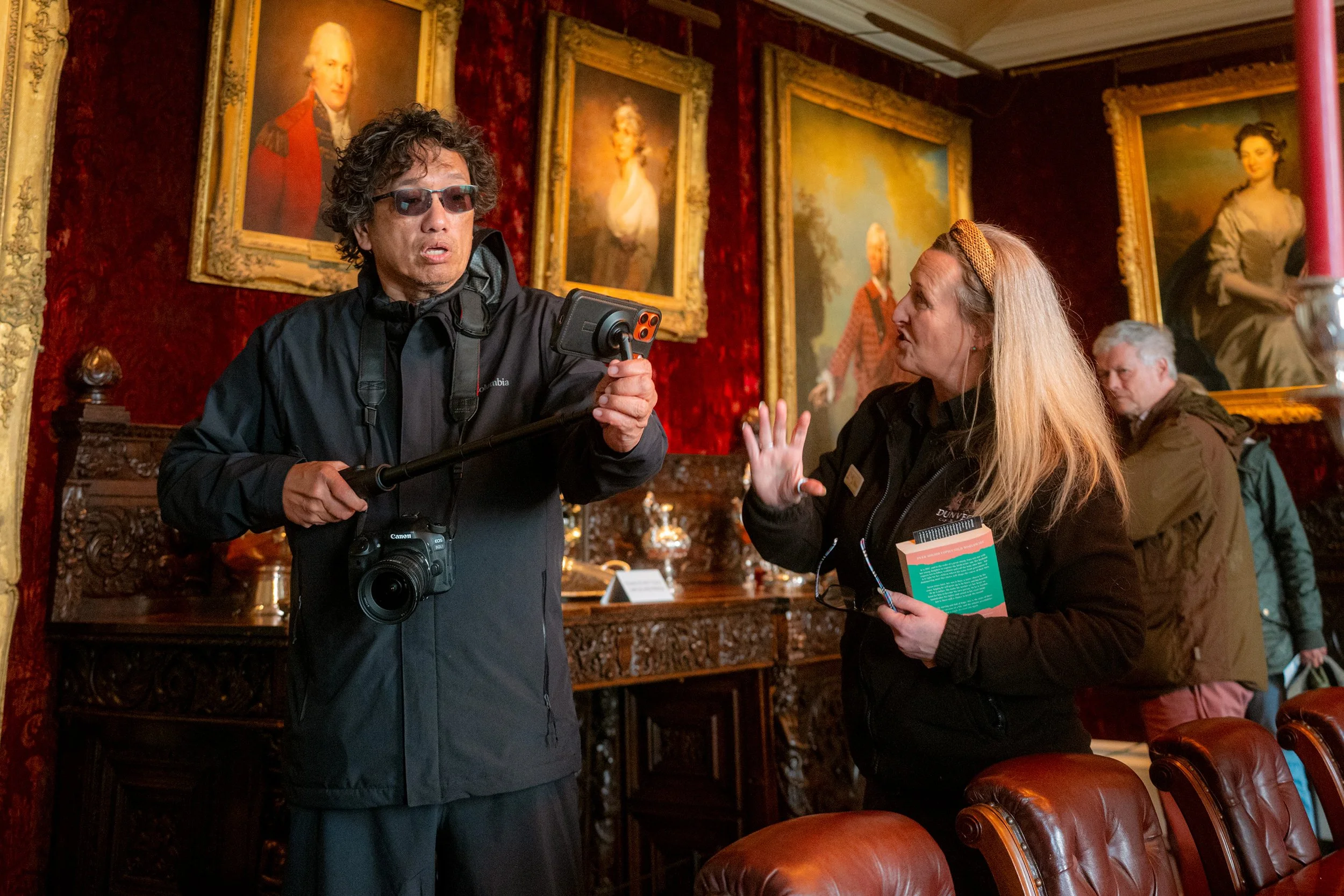
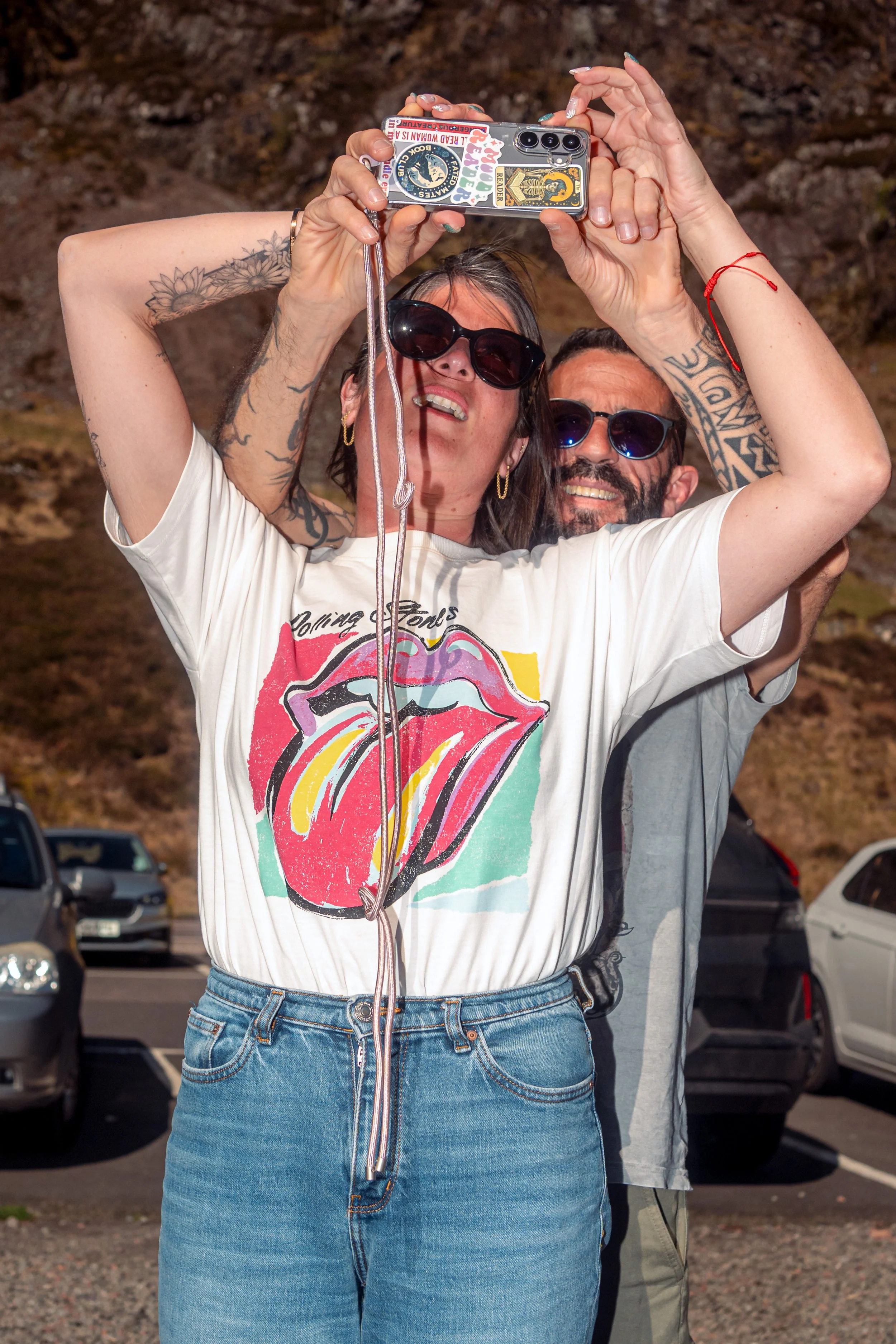
Visitors arrive looking for a Scotland they’ve already seen on screens. They come for wilderness and find a queue, a coach park and a wait for somebody to move out of the frame. At the famous sites, many of the visitors are Chinese and Indian, from countries Britain once ruled, traded with or fought. They photograph the familiar symbols of old Scotland. The former imperial centre is now the destination, Chinese manufacturers sell Western luxury back to us, and the gaze is holding a phone.
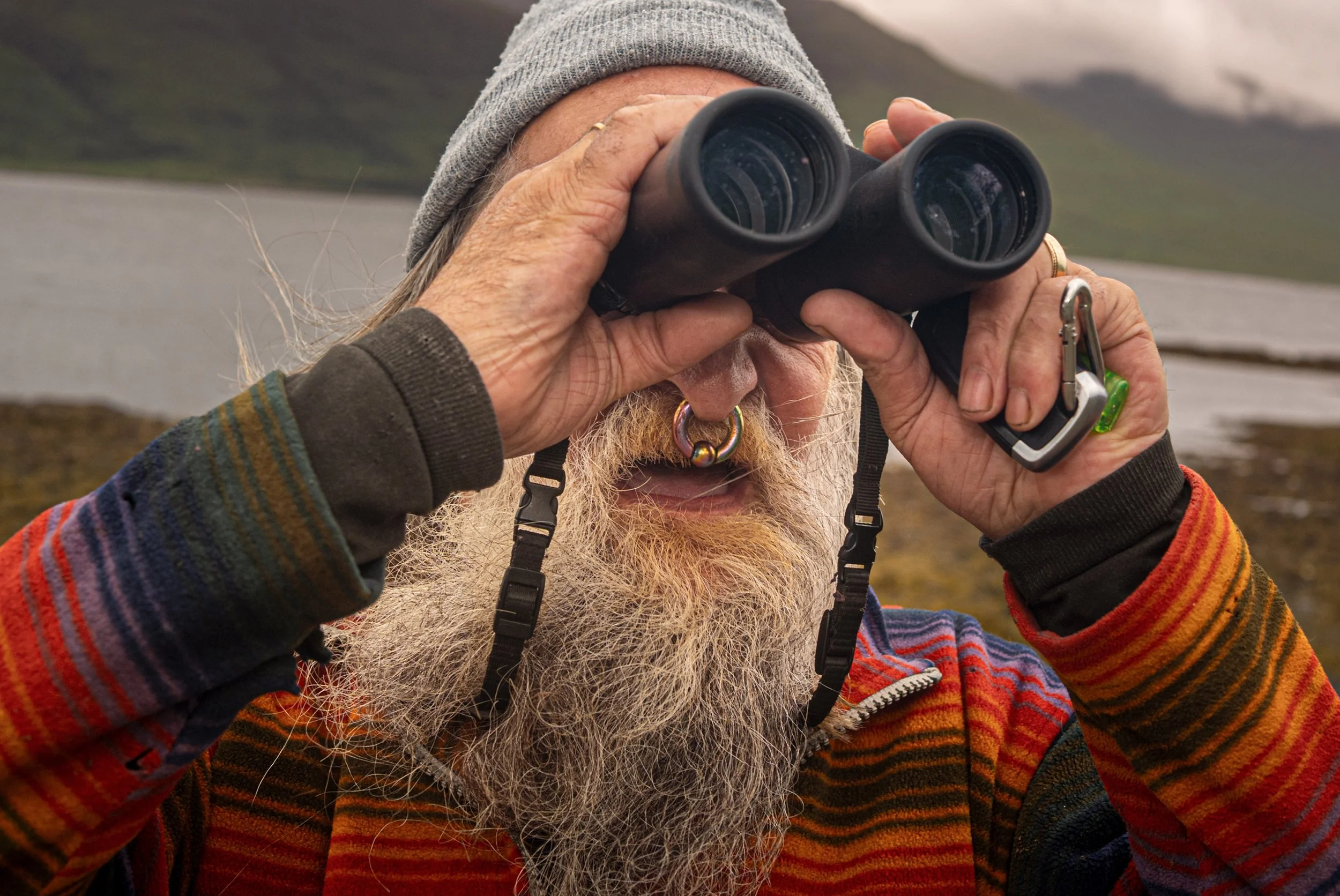
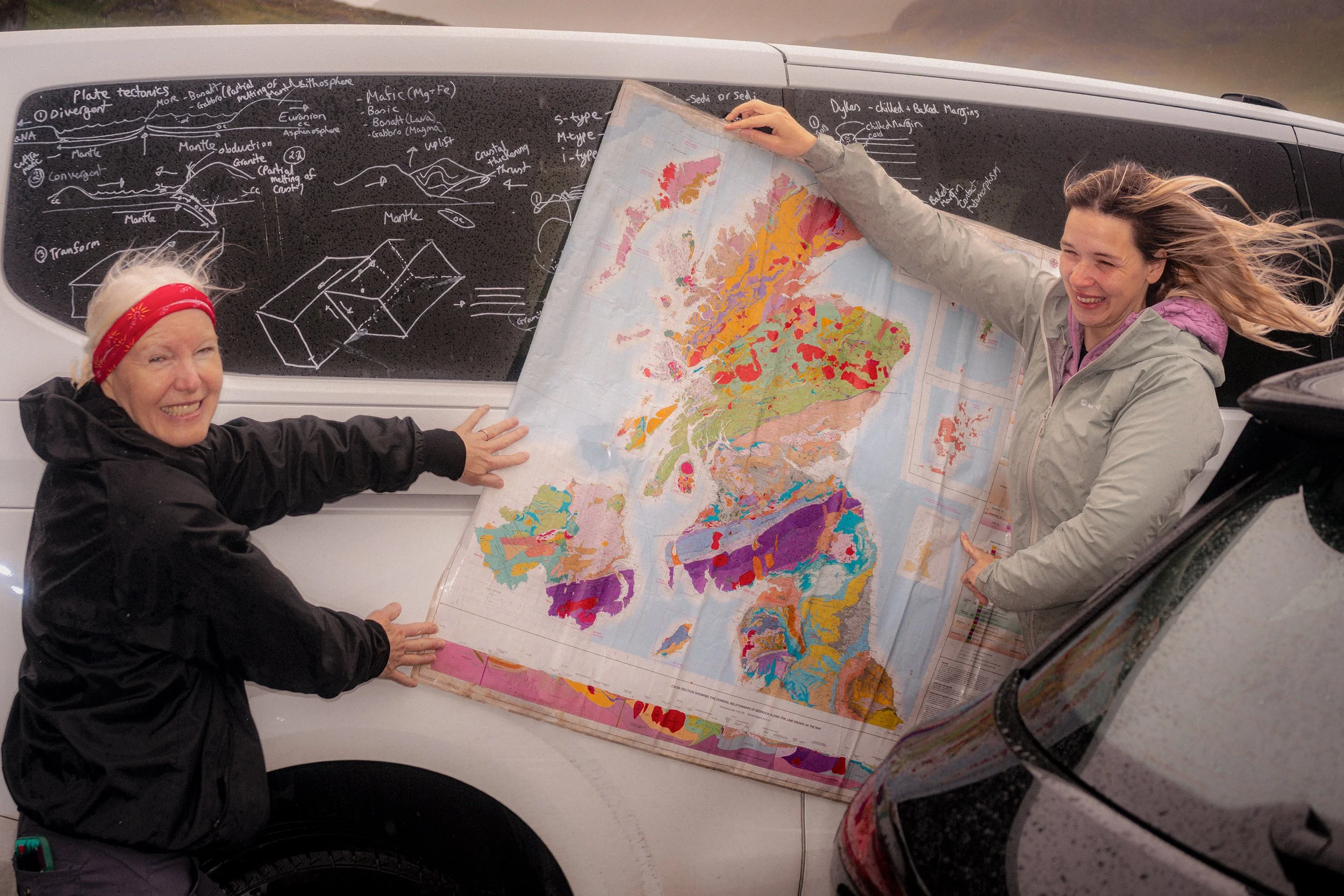
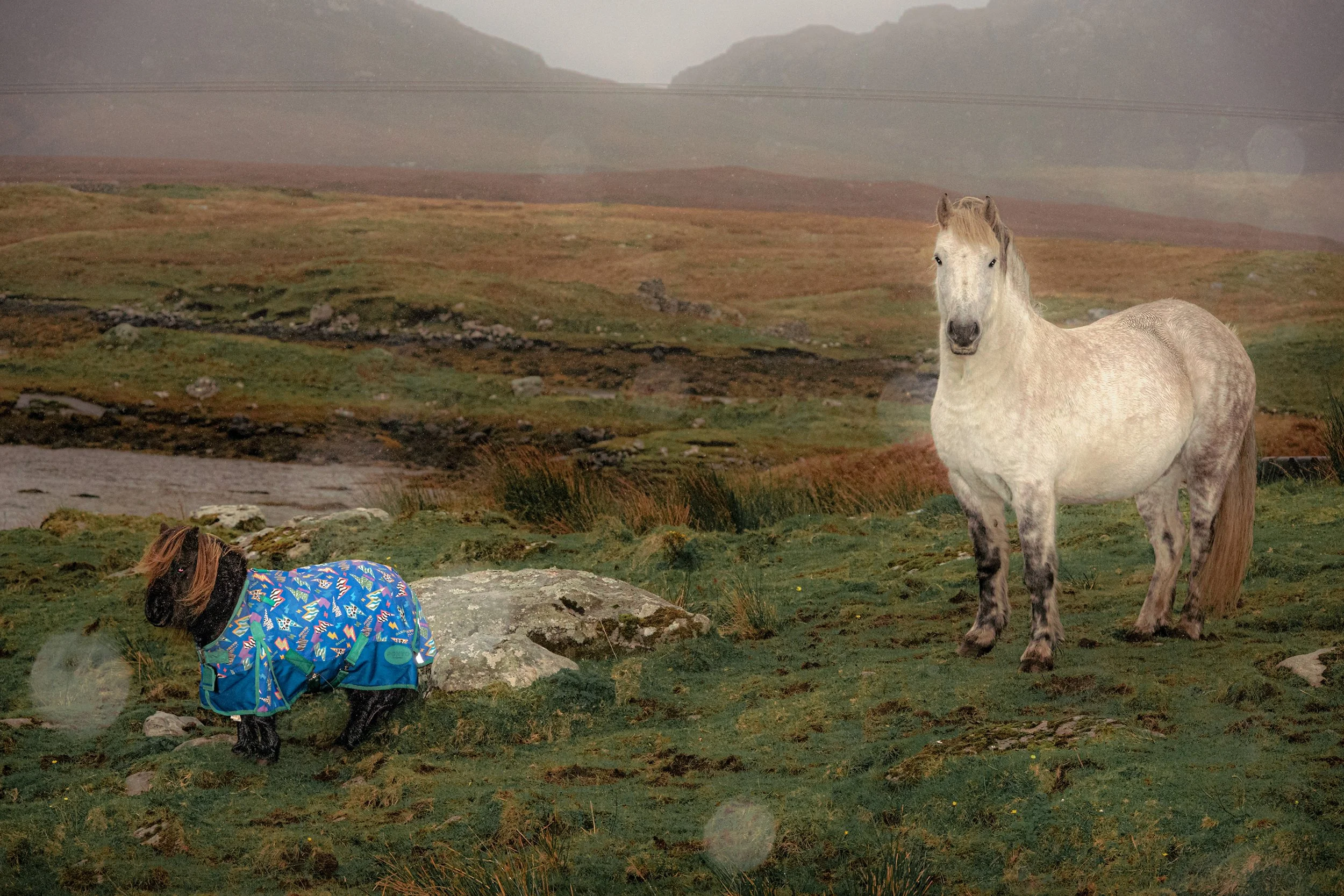
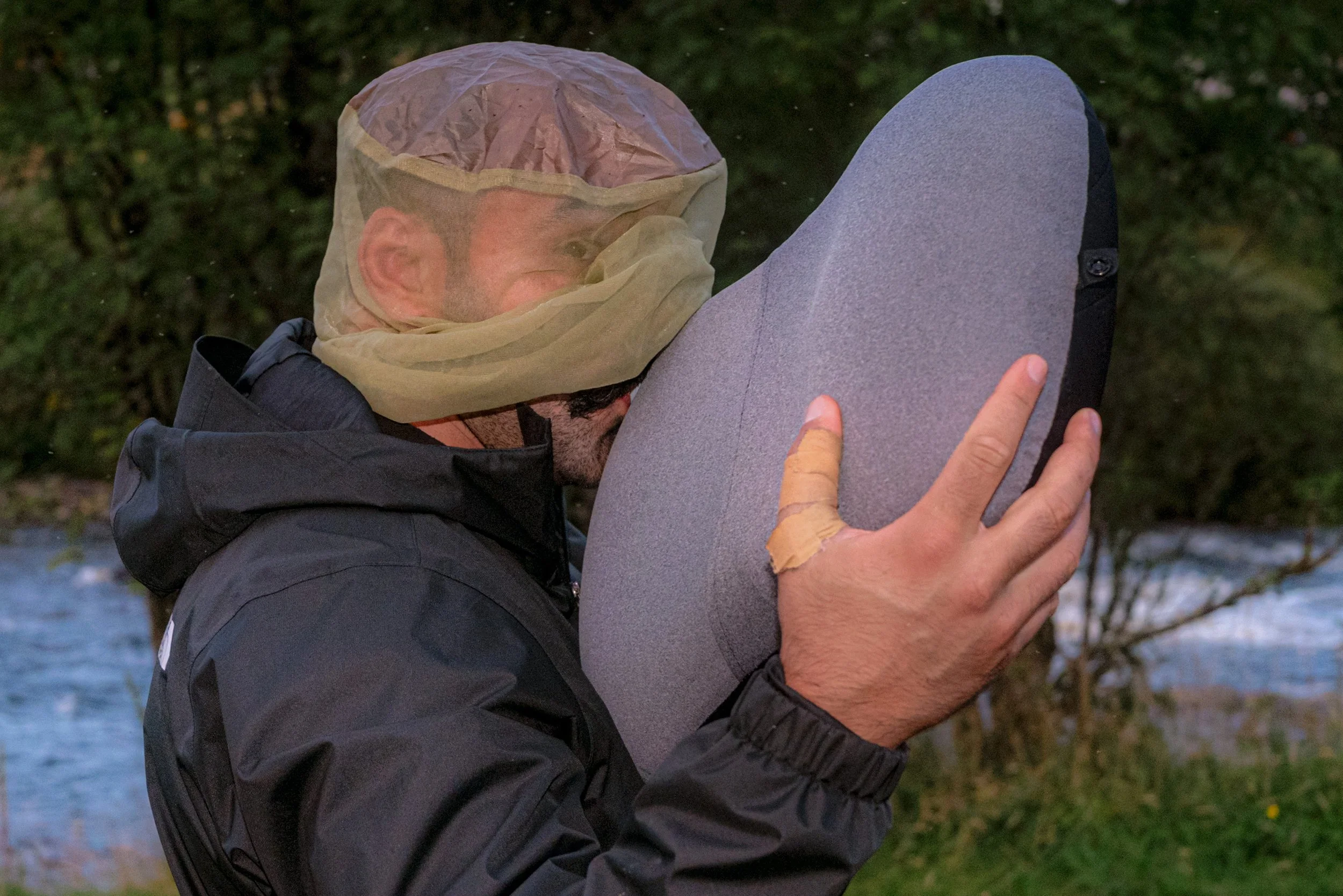
Even the weather is for sale. In what felt like London’s hottest summer ever, Londoners drove north for cool air and rain. A week of horizontal rain soon tests the sales pitch.
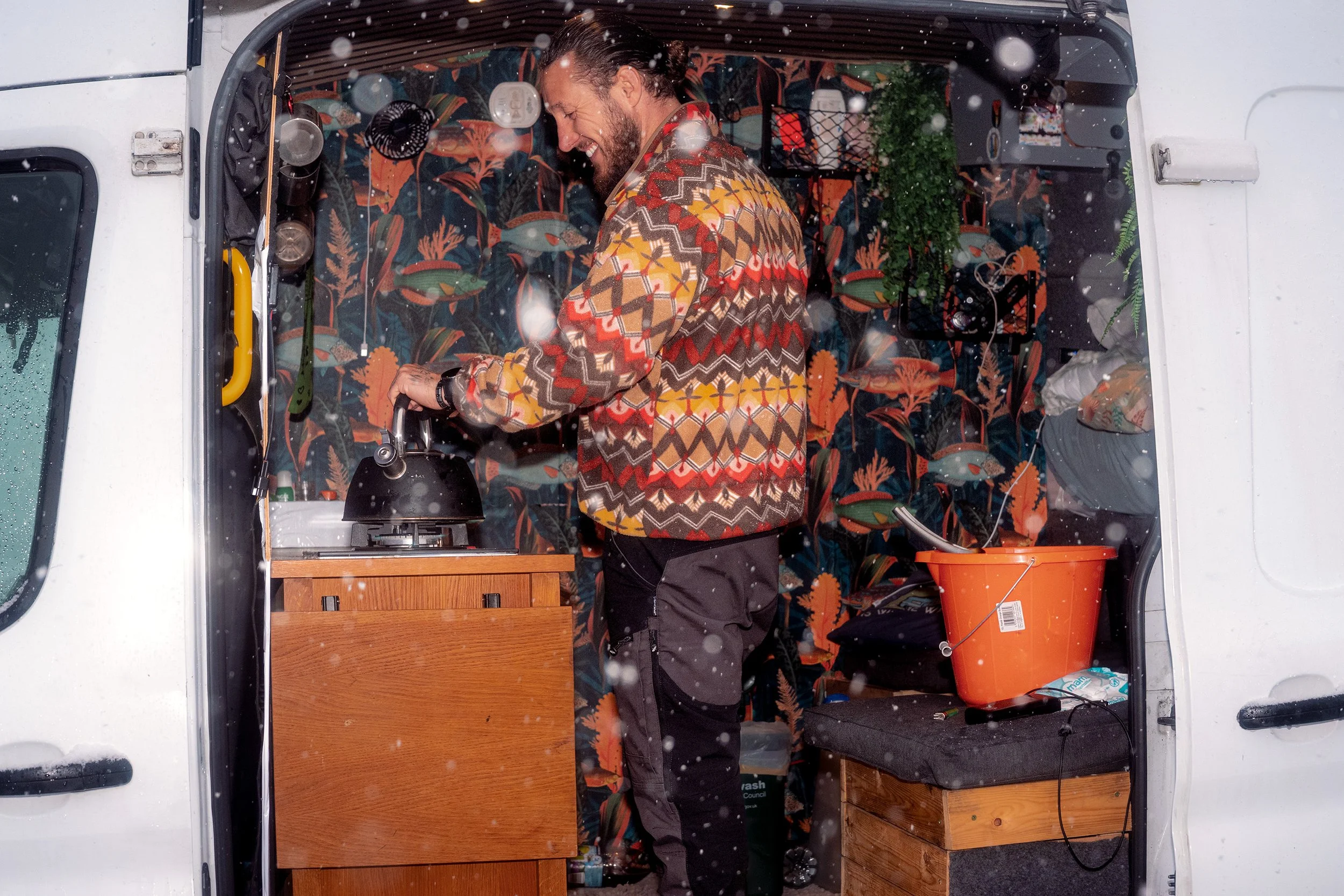
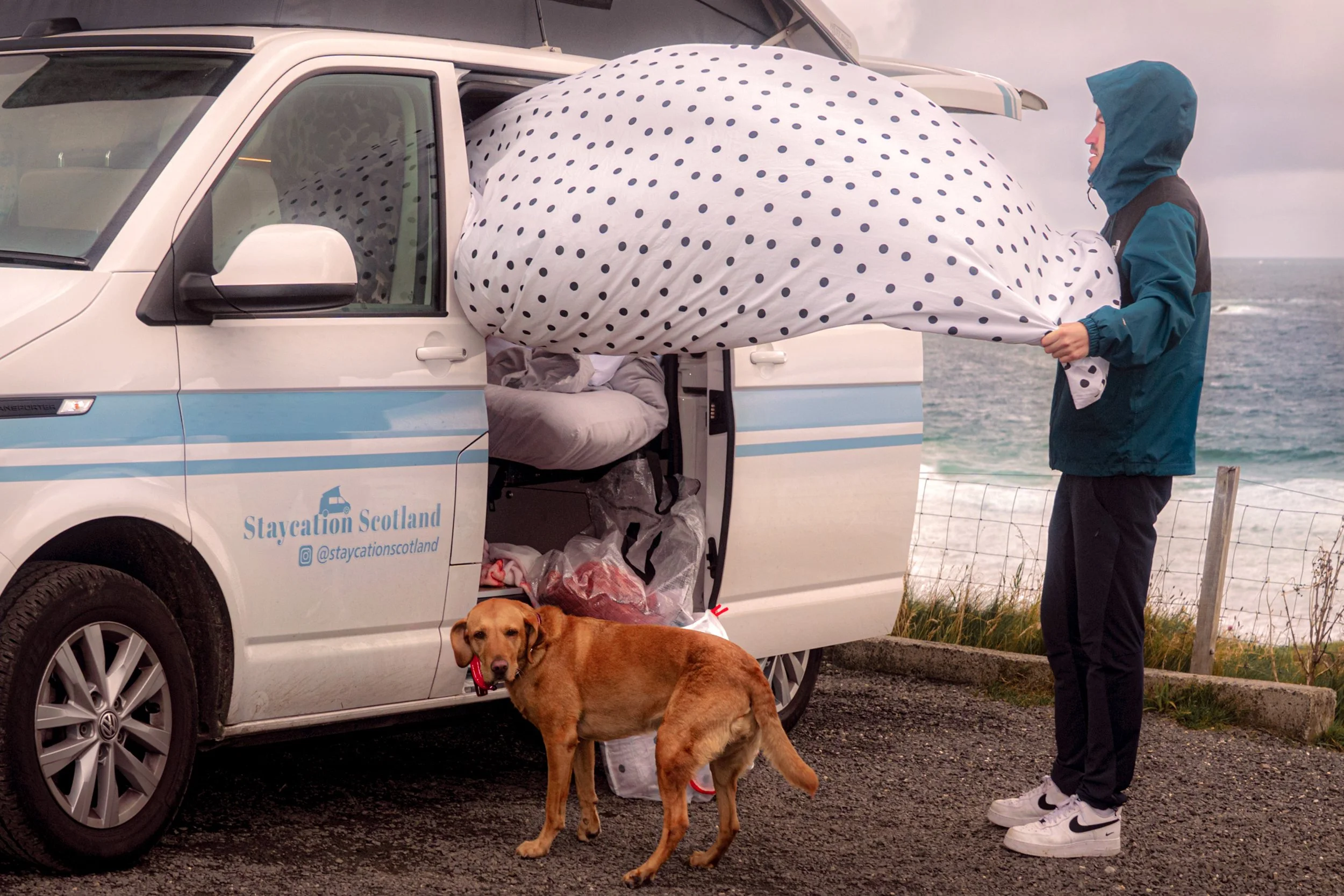
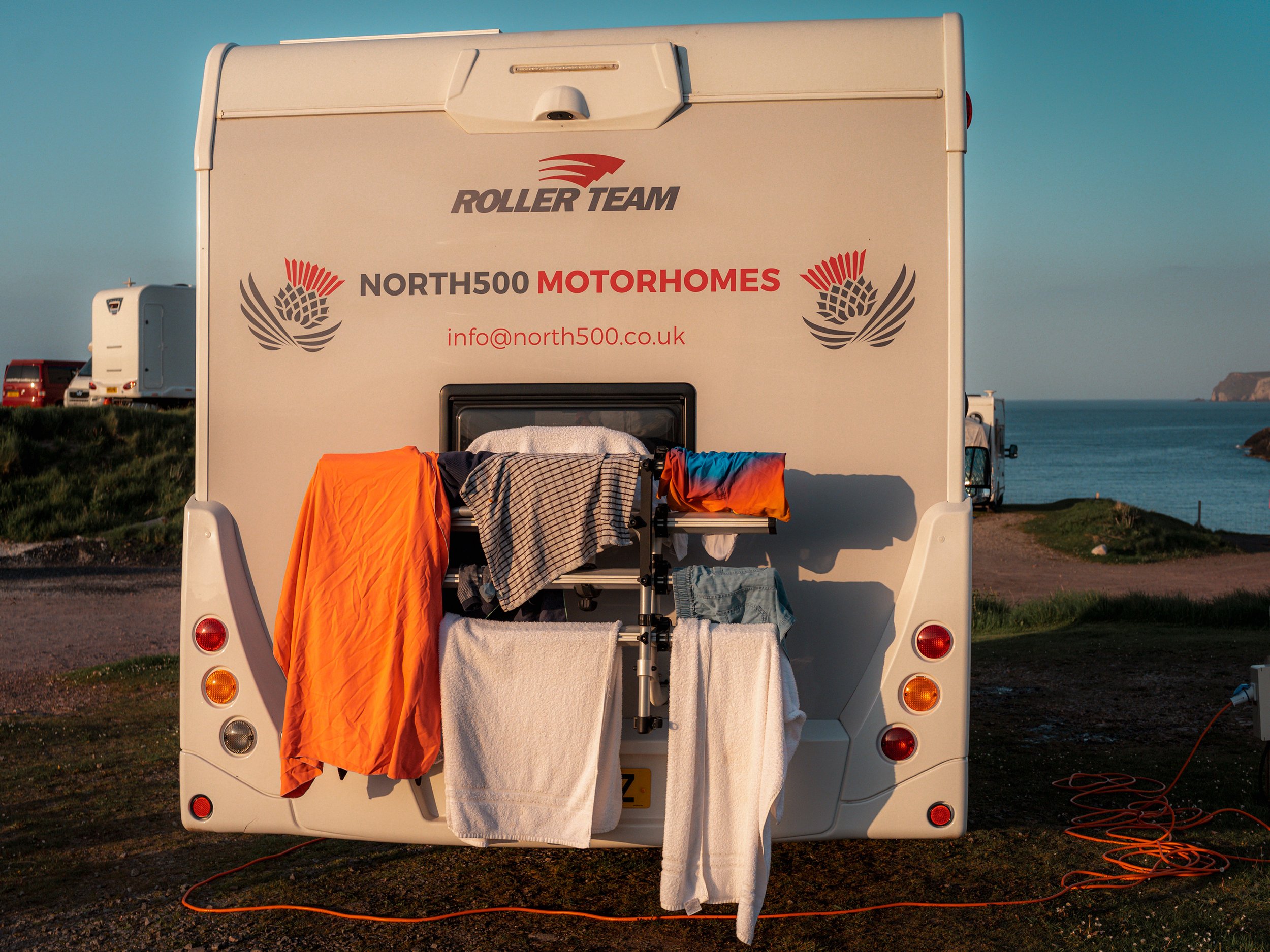
I’m making the project from my camper van, on repeated trips across the Highlands and Islands: 60 days and 5,000 miles so far, a good part of it stuck behind a motorhome. I’ve been back to Skye five times, crossed to many of the islands and driven the NC500 both ways. It grew out of Weather Permitting, my pictures of Scotland’s ski centres, and kept going.
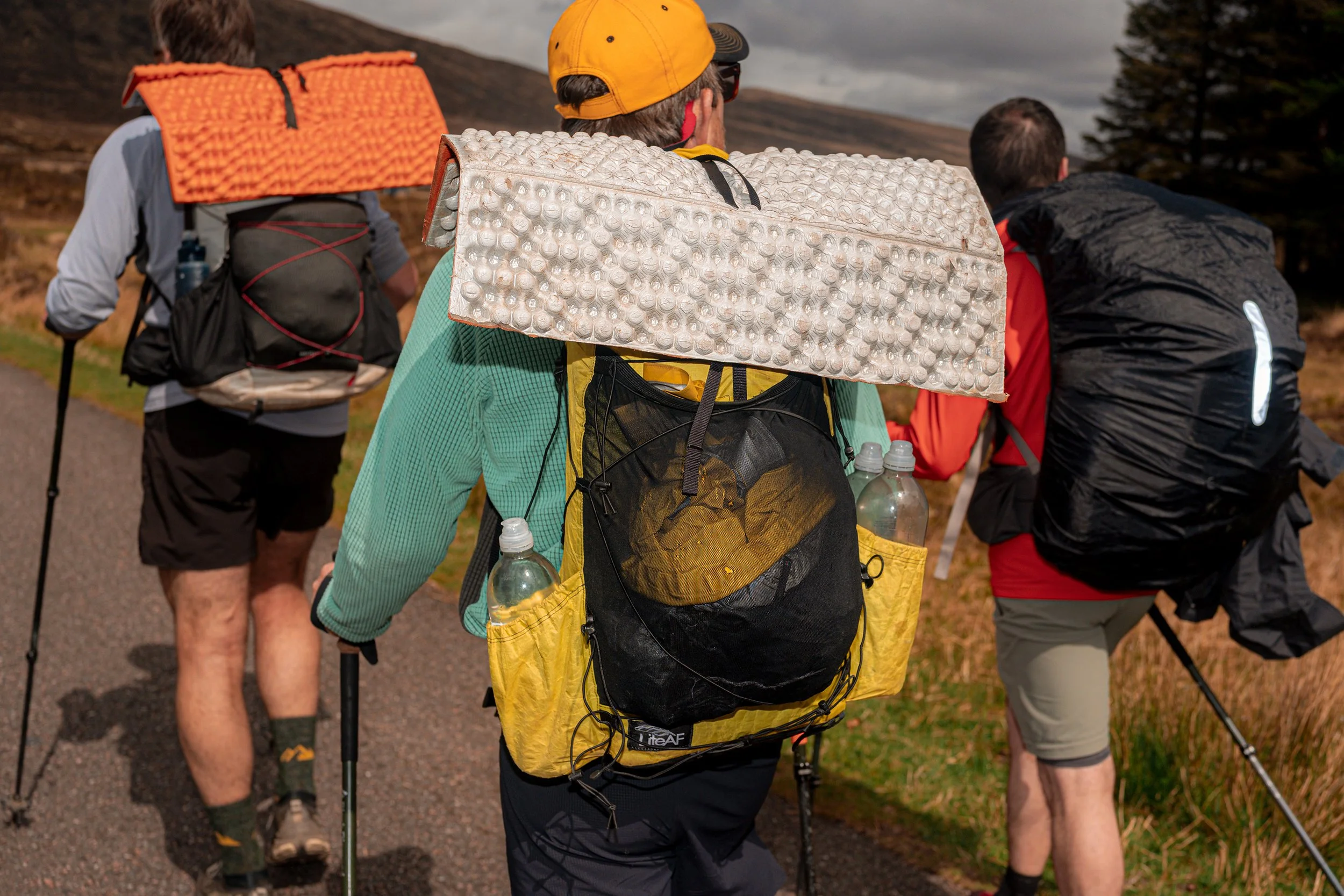
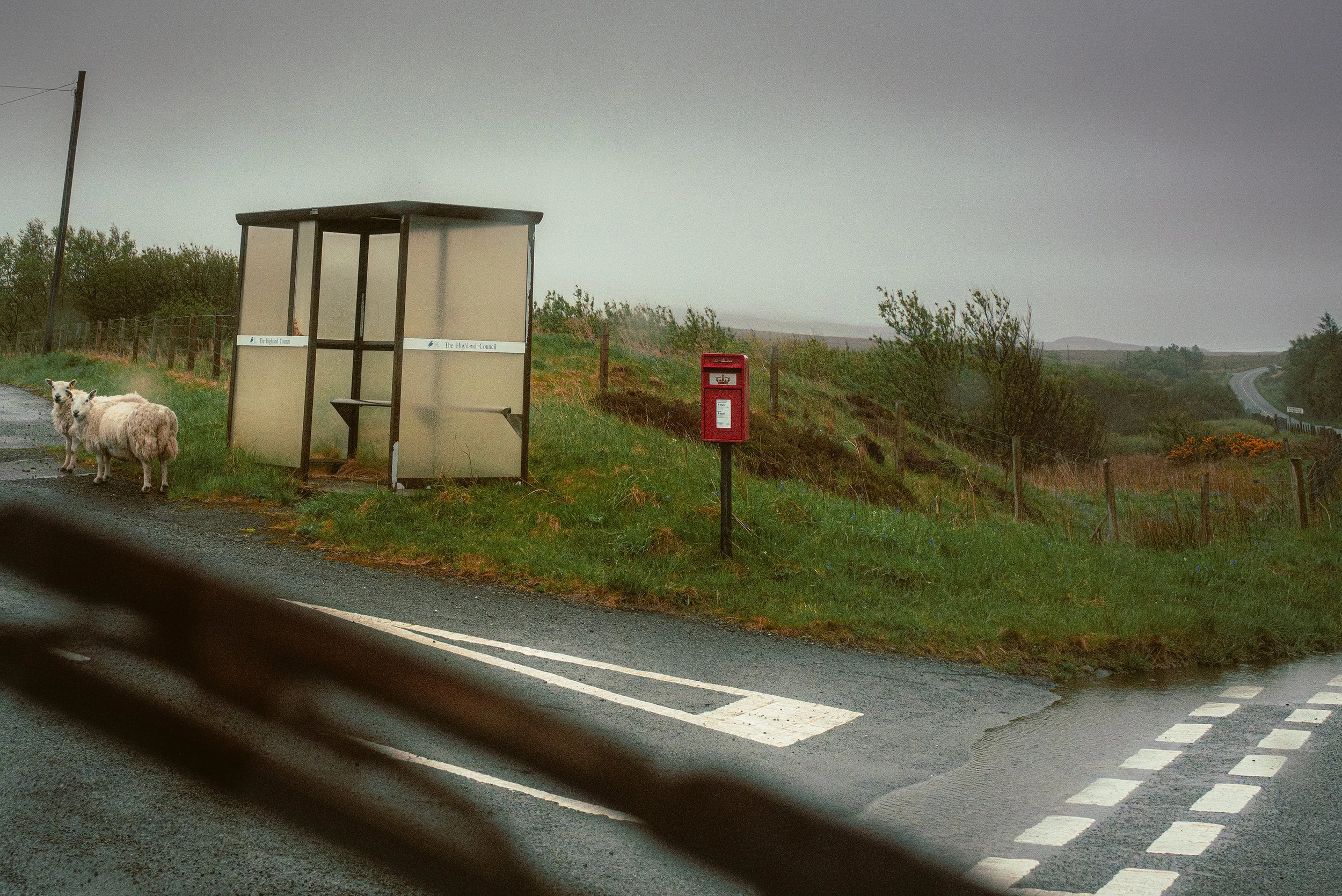
Reaching the wilderness usually means driving to it, on the same narrow roads as residents, deliveries, coaches and motorhomes. An empty road makes a good advert. Everyone driving down it makes a different picture.
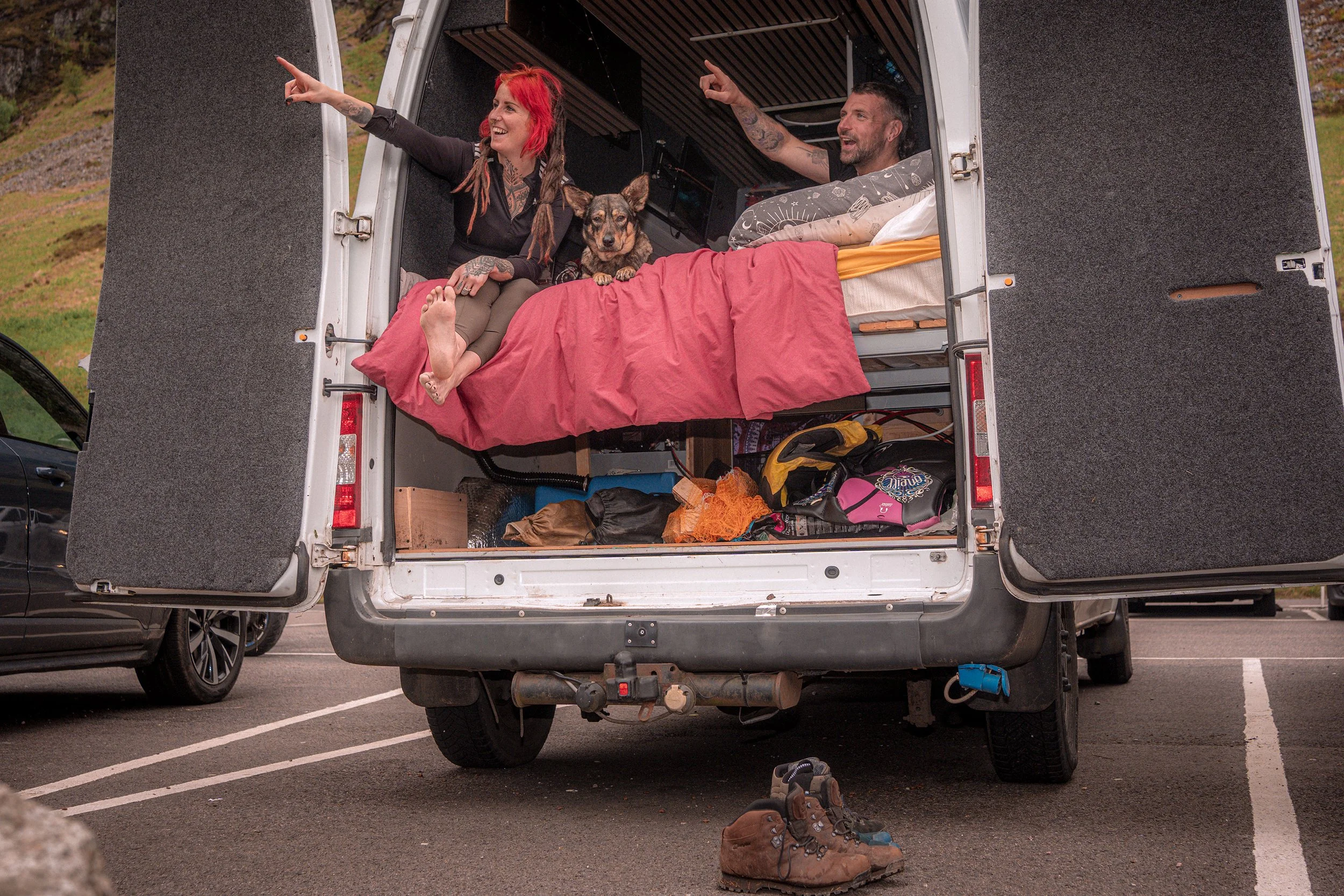
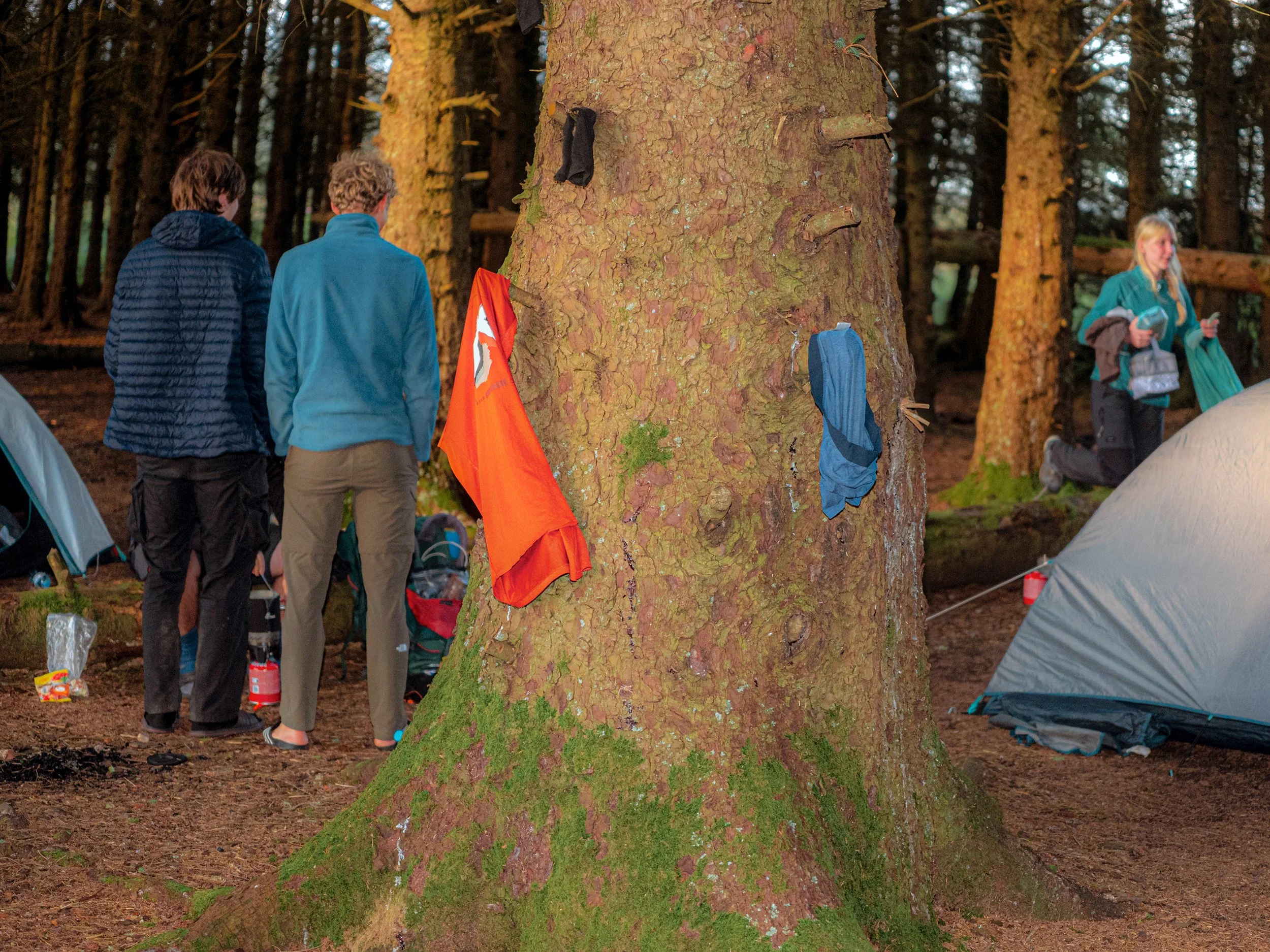
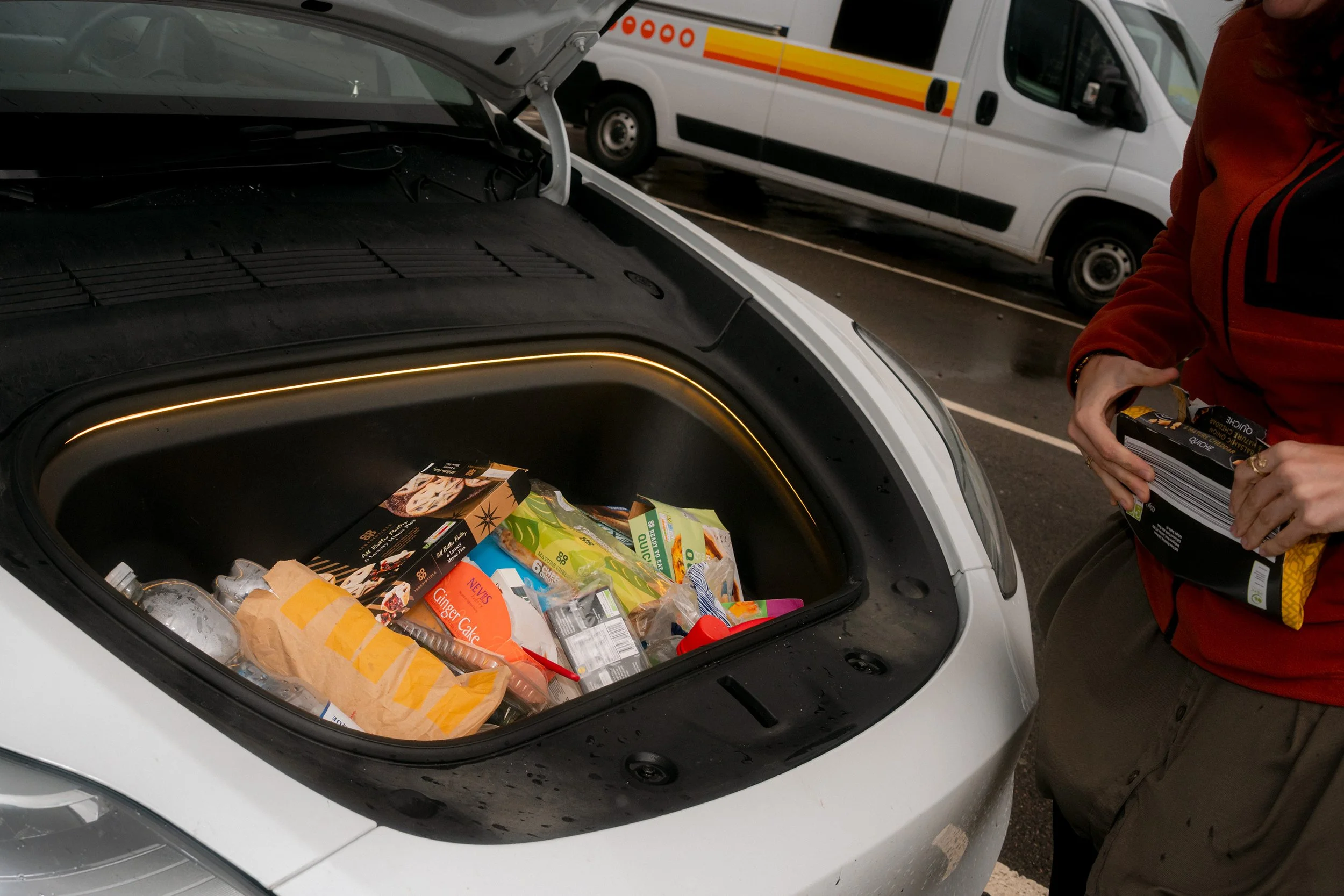
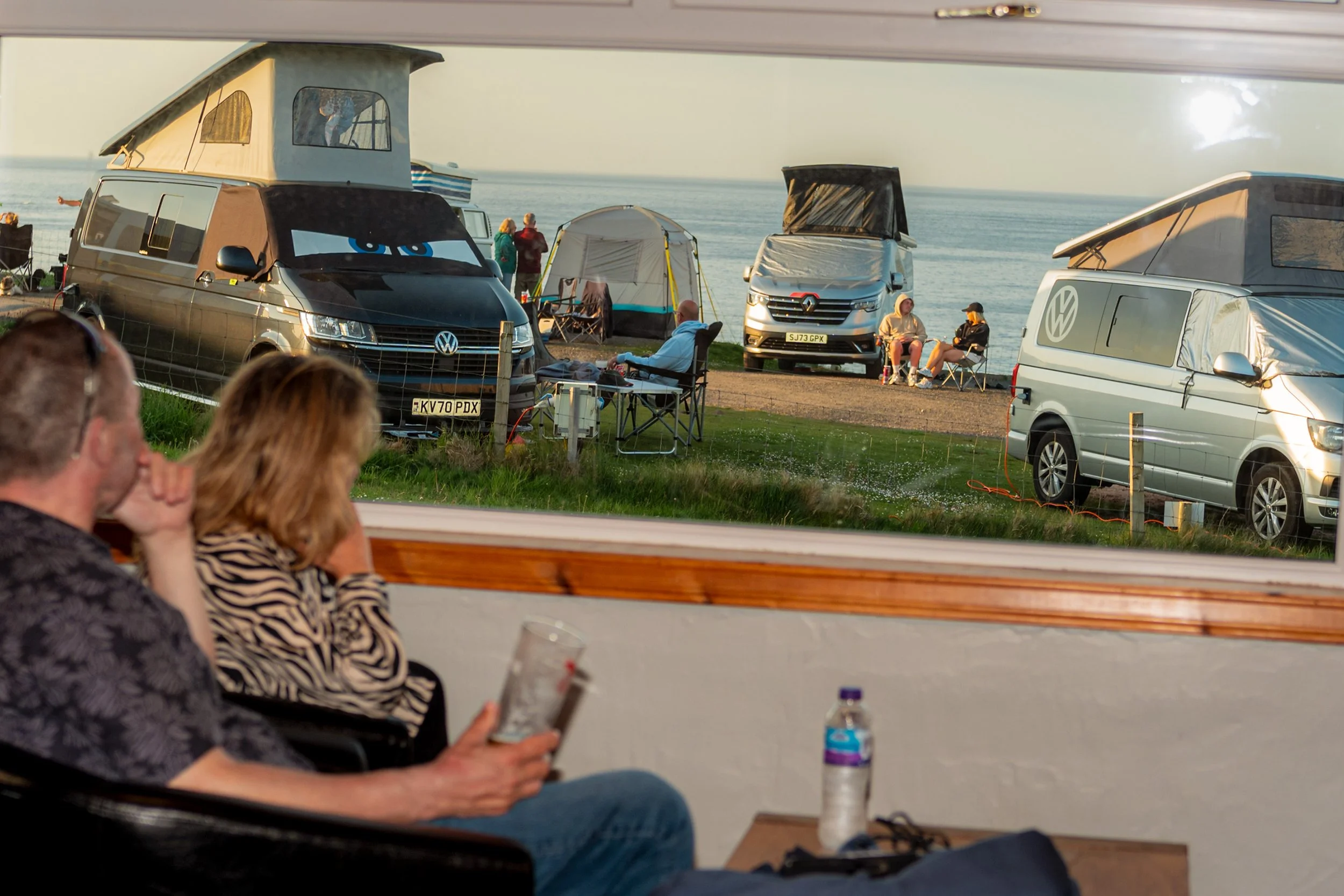
Camper van life has its own pitch: freedom, independence, a new view every morning. In practice, it depends on ferry bookings, fresh water, waste points and somewhere you’re allowed to stop. Freedom, it turns out, needs a booking reference.
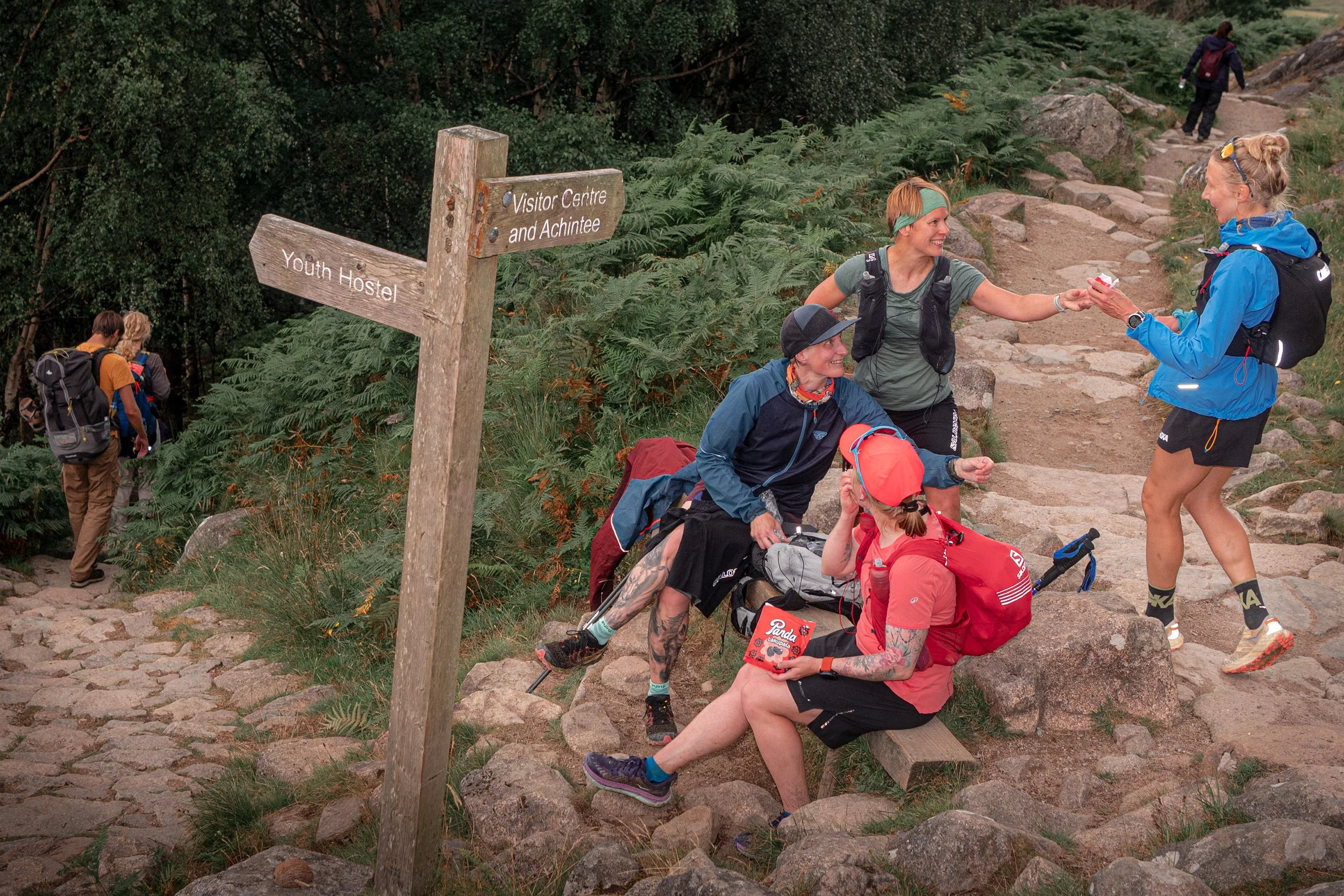
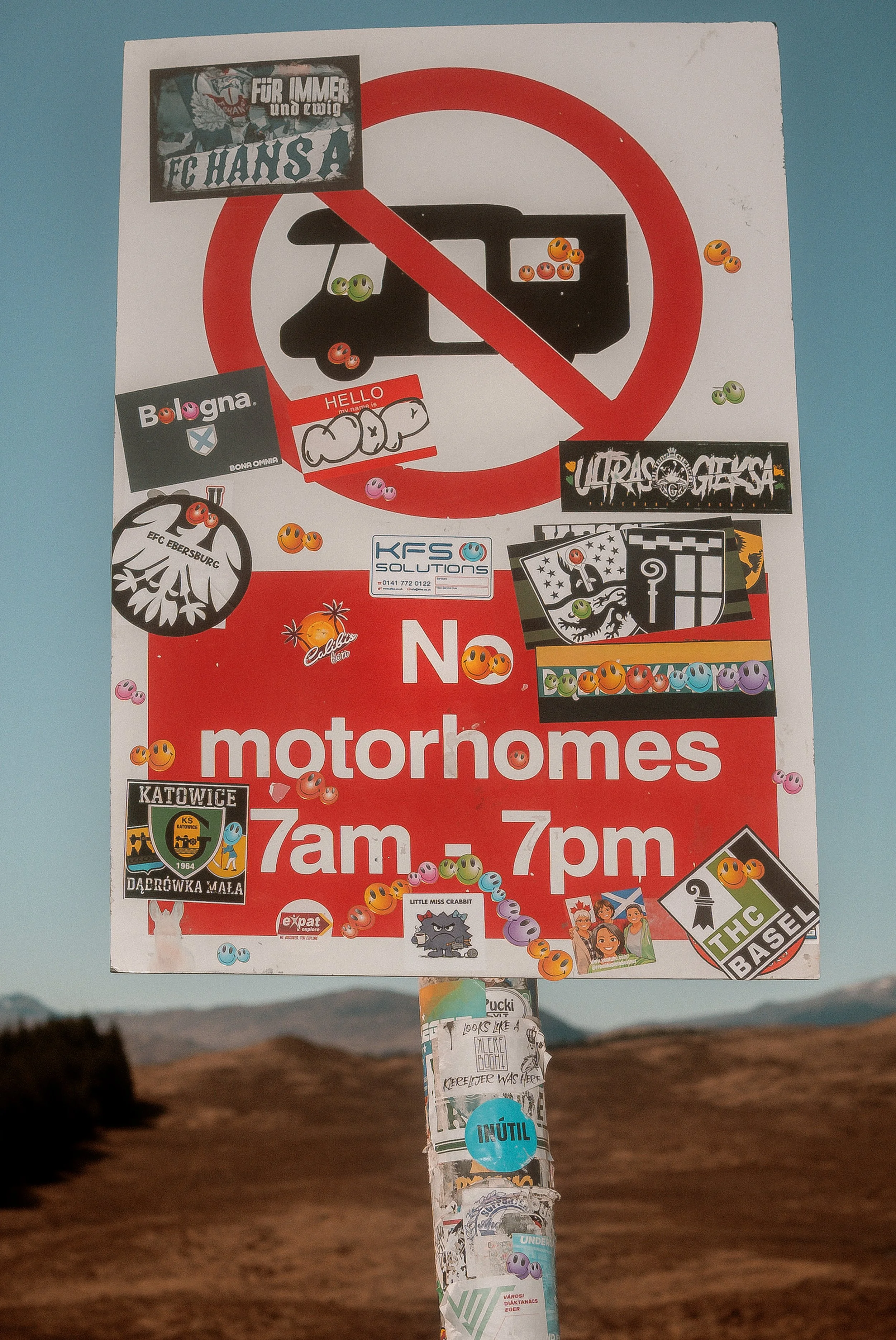
Travelling this way, I’m part of what I’m photographing, on the same roads, ferries and overnight stops as everyone else. The open road can still end at a full lay-by or a No Motorhomes sign. Passing places become car parks and viewpoints become campsites.
The Highlands can look almost untouched, but the signs, barriers and gateposts are a visitors’ book, covered in stickers from all over the world. People pass through, leave a little flag behind and disappear.
The NC500 has been a named tourist route for just over a decade. What will it look like in another ten or twenty years? Part of making these photographs is recording this moment, before we find out.
The pictures are about the gap between Scotland as advertised and the place people find. The shortbread tin I was trying not to photograph turned out to be the project. The lid offers a familiar picture. Inside, there were always more pictures.