
ROAD WALLAH
The last ride of the Padmini
Bombay’s black-and-yellow Premier Padmini taxis were more than transport. Decorated like Bollywood disco bars on wheels and packed into the city’s traffic, they carried the colour, chaos and human theatre of a city in constant motion. Road Wallah documents them just before they disappeared from the streets.





ROAD WALLAH
The last ride of the Padmini
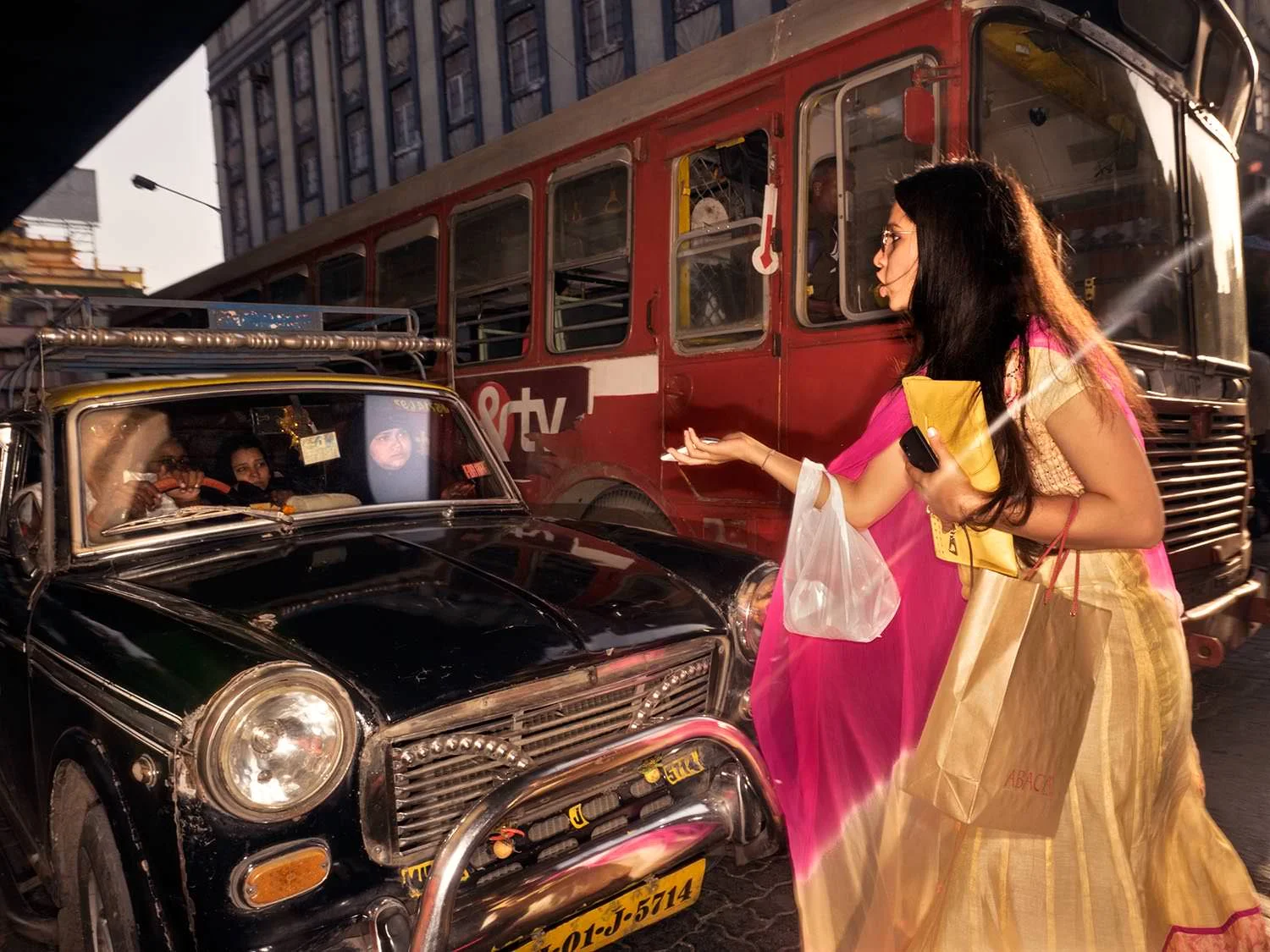
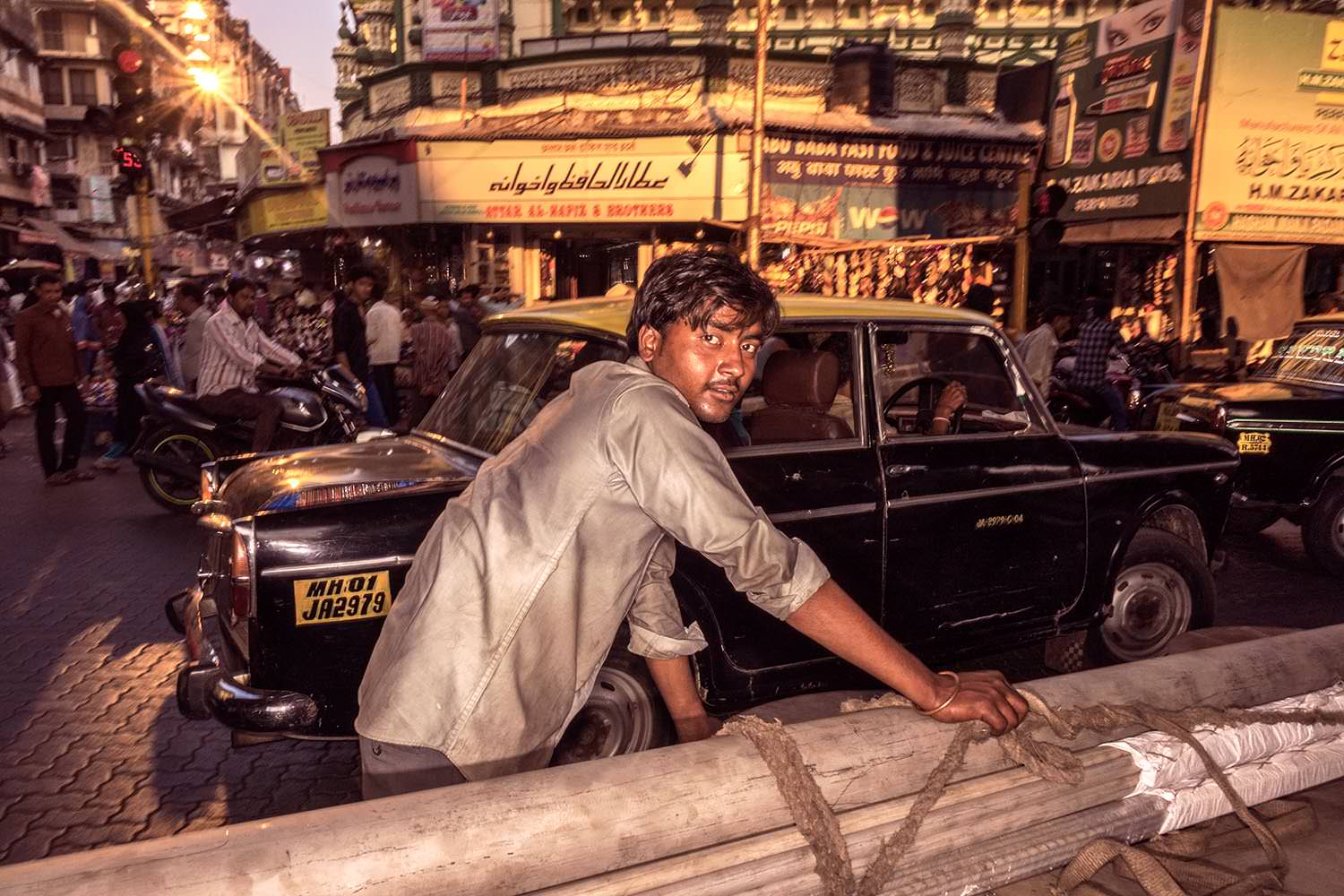
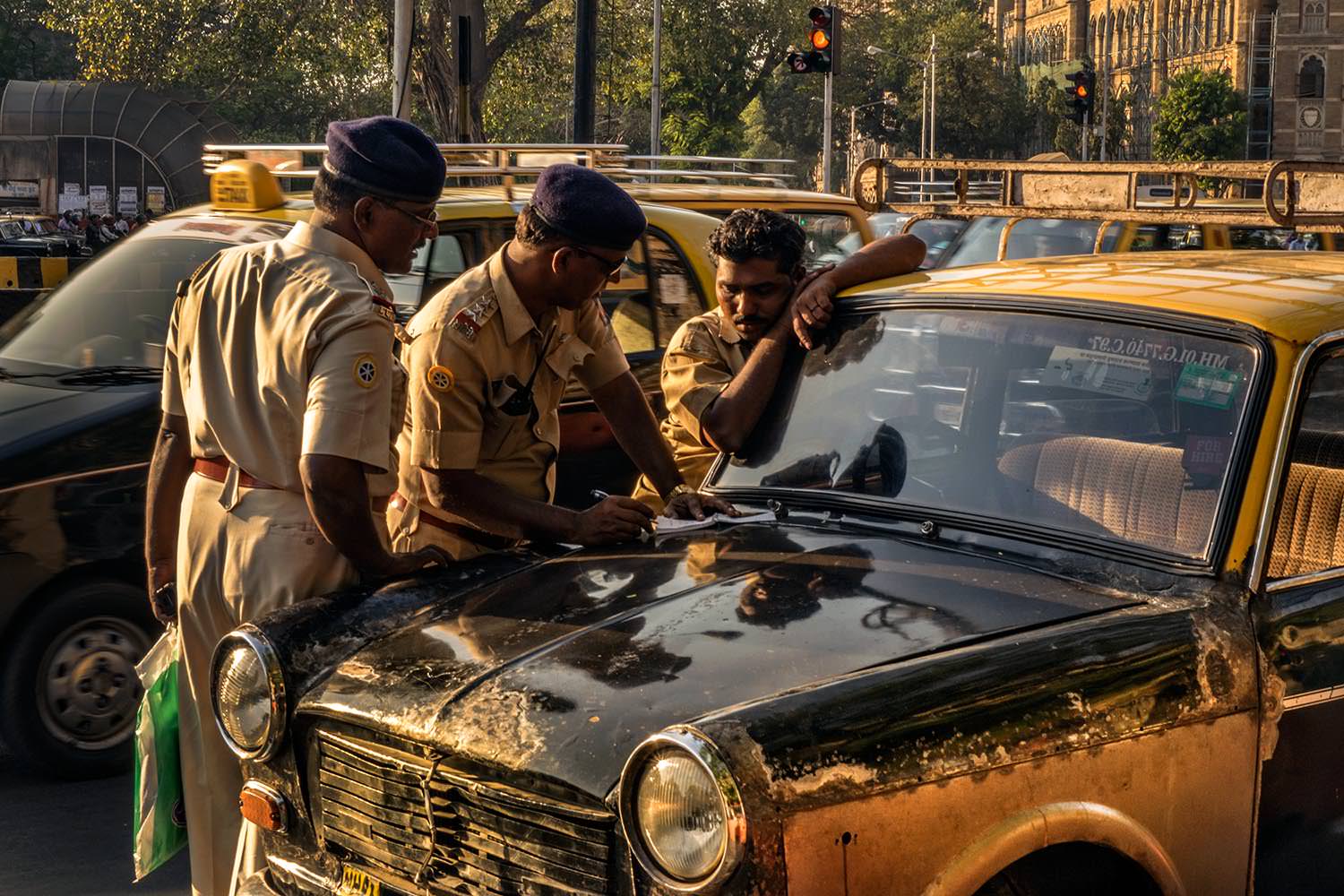
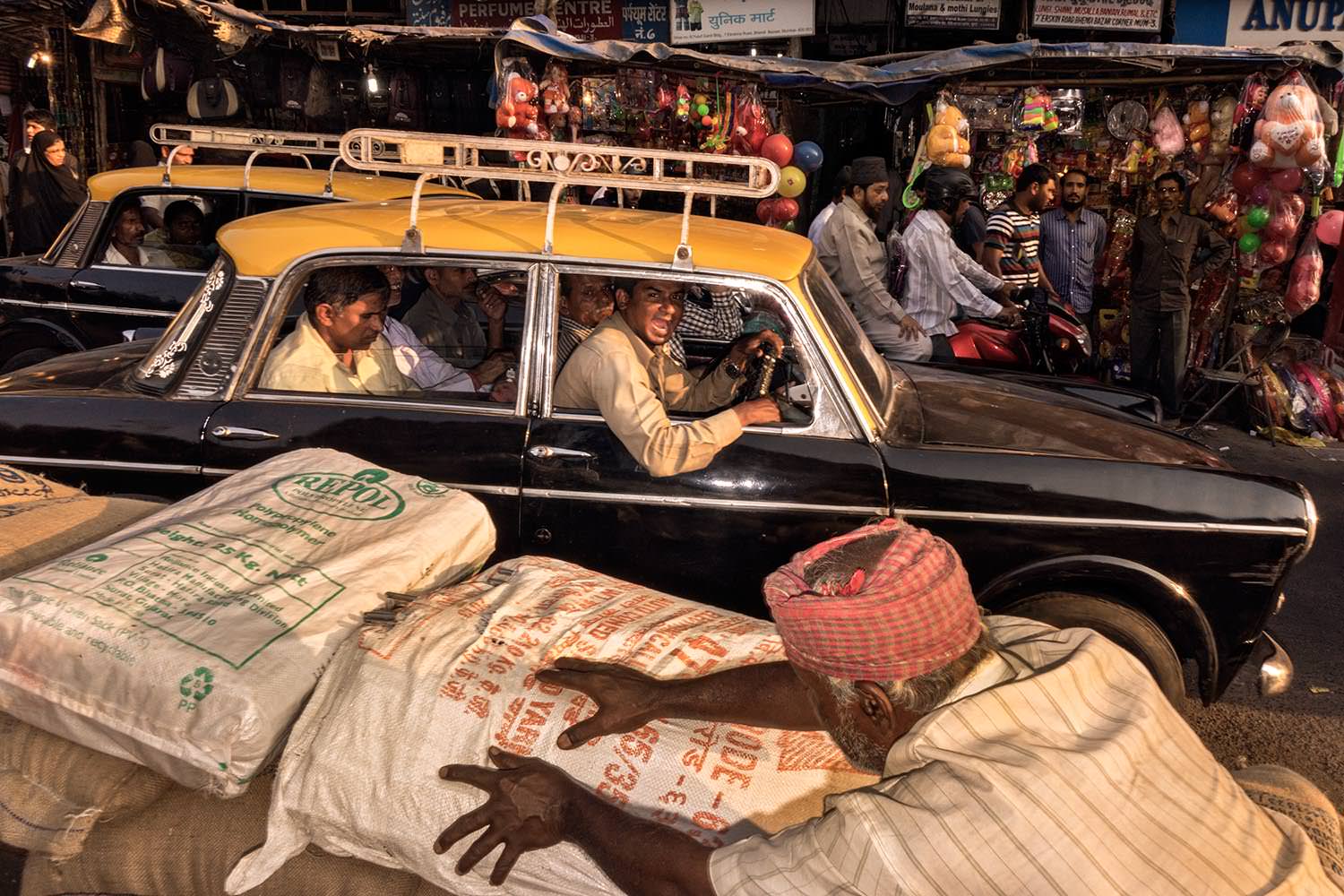
New York has its yellow cab and London its black cab. Bombay once had the black-and-yellow Premier Padmini. There was a time when more than 60,000 of them filled the city’s streets, squeezed bumper to bumper as they wove through a congested mix of bikes, buses, cows, cars and carts. A friend once described them as ‘tanked-up, drunken bumble bees’.
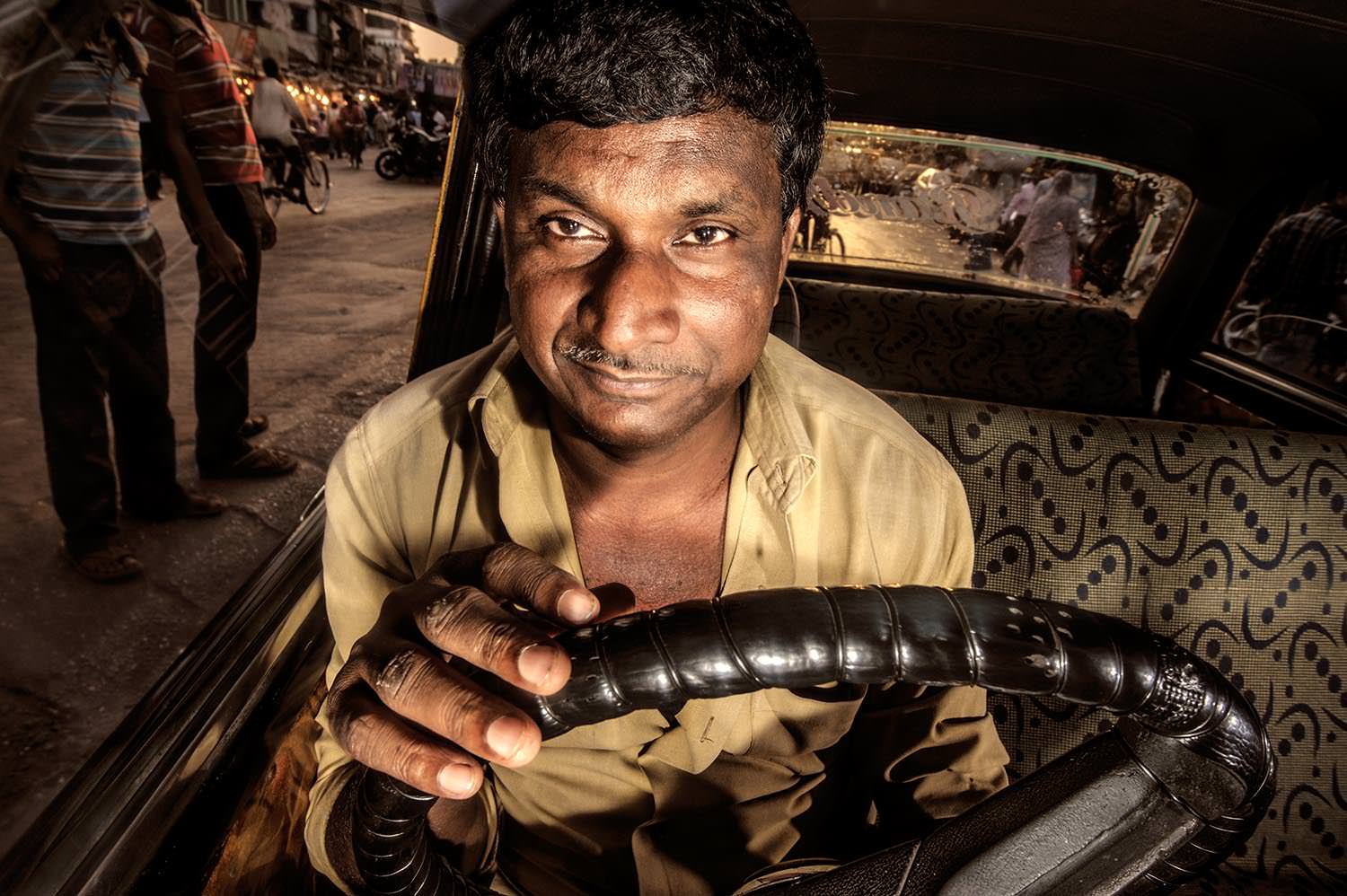
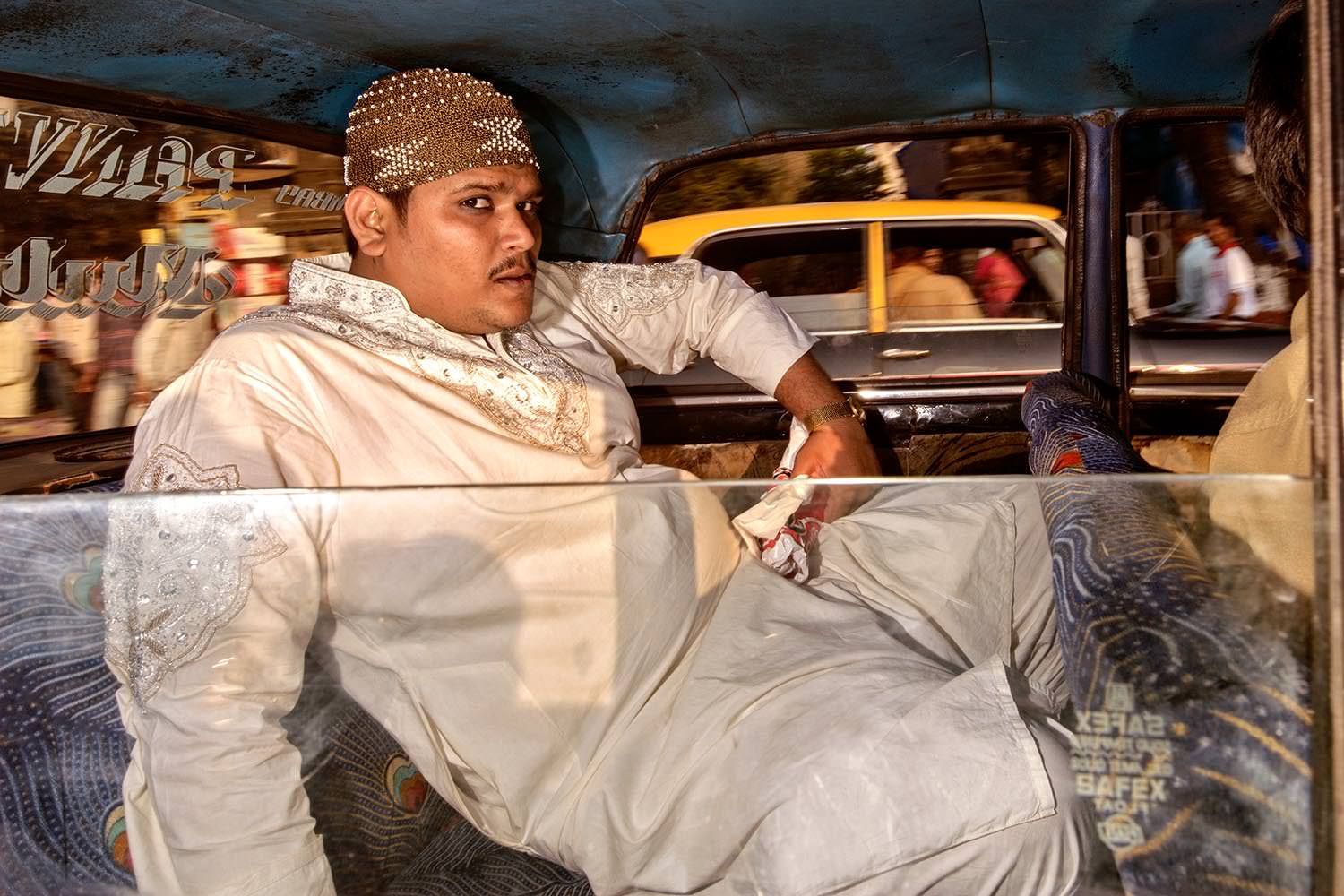
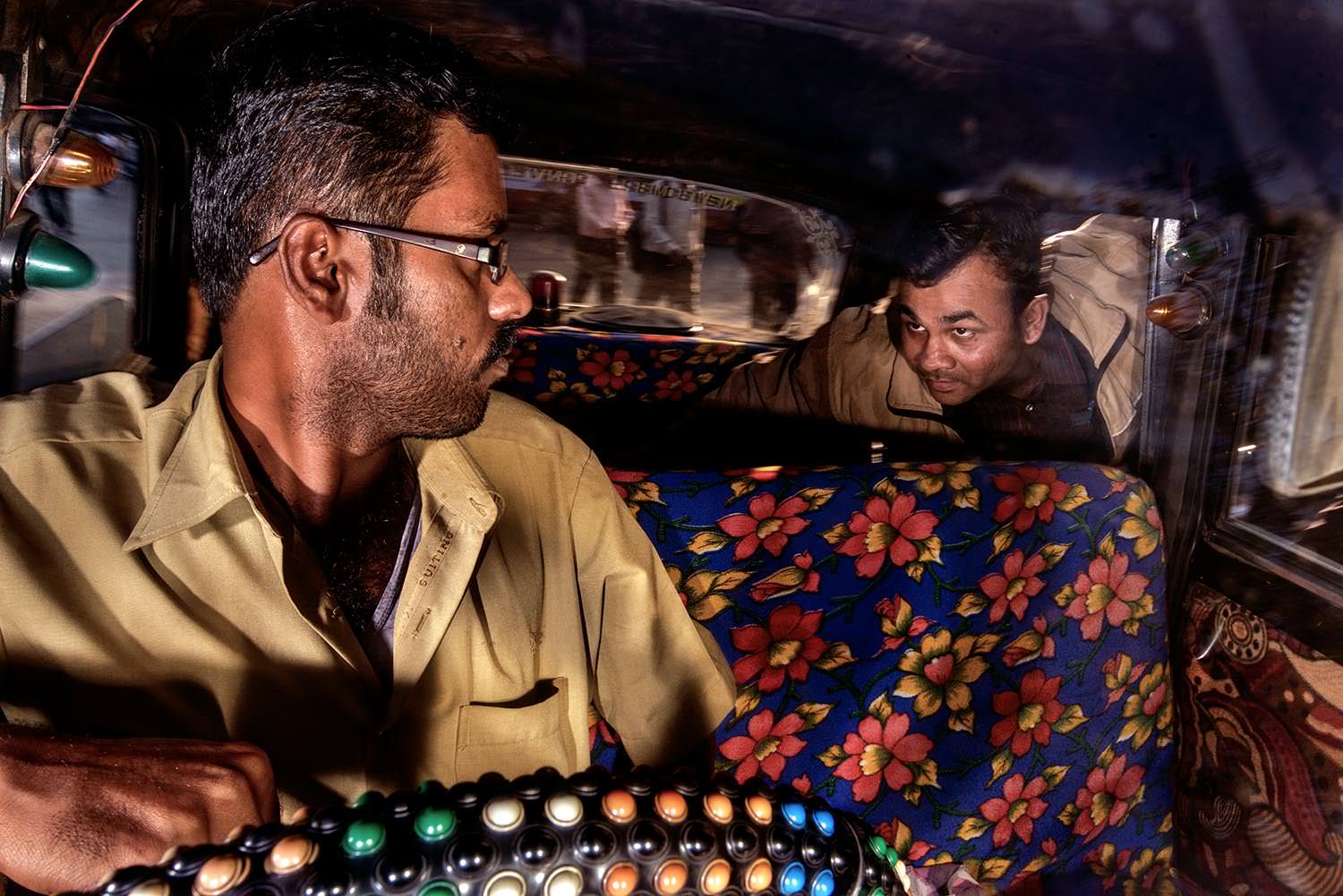
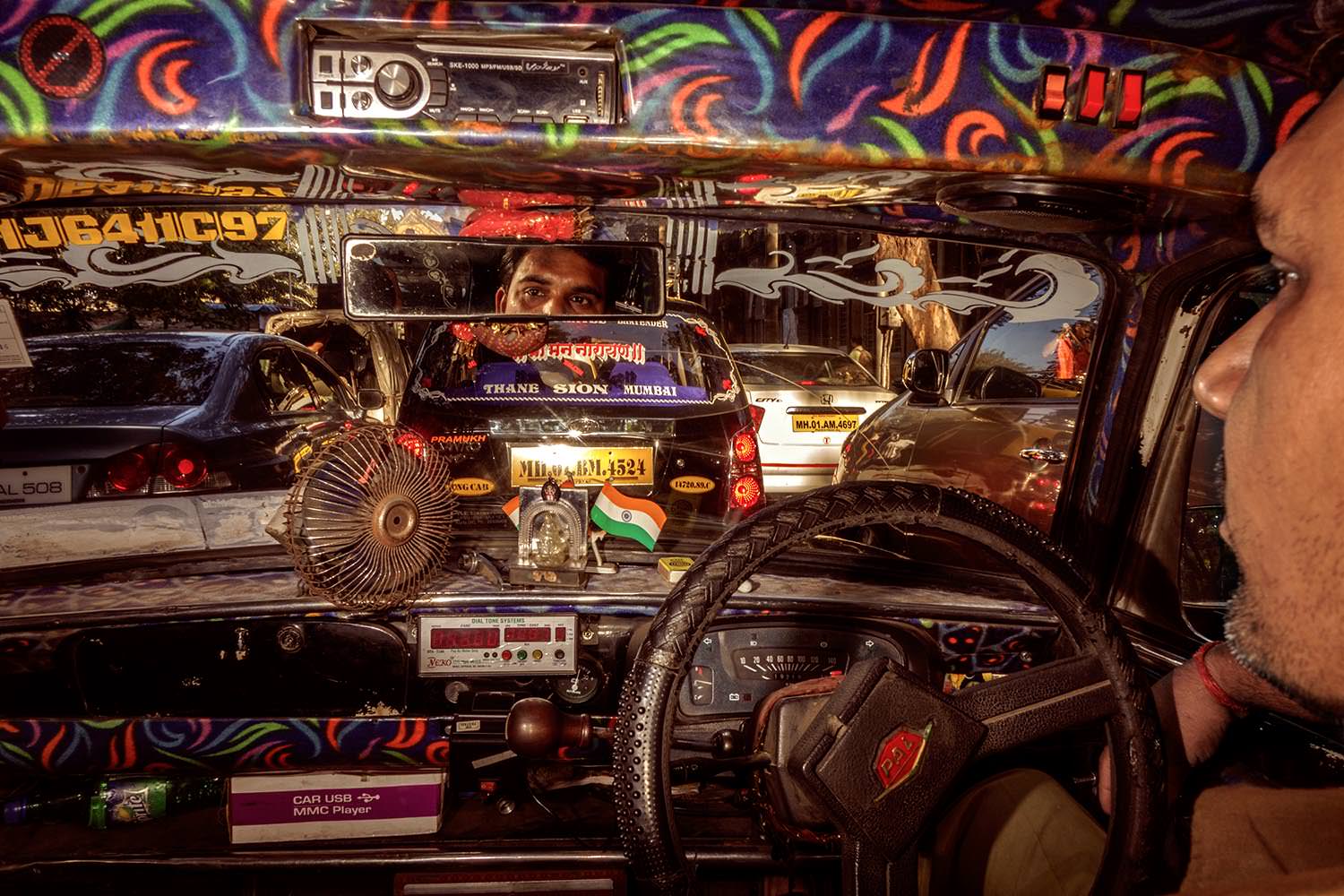
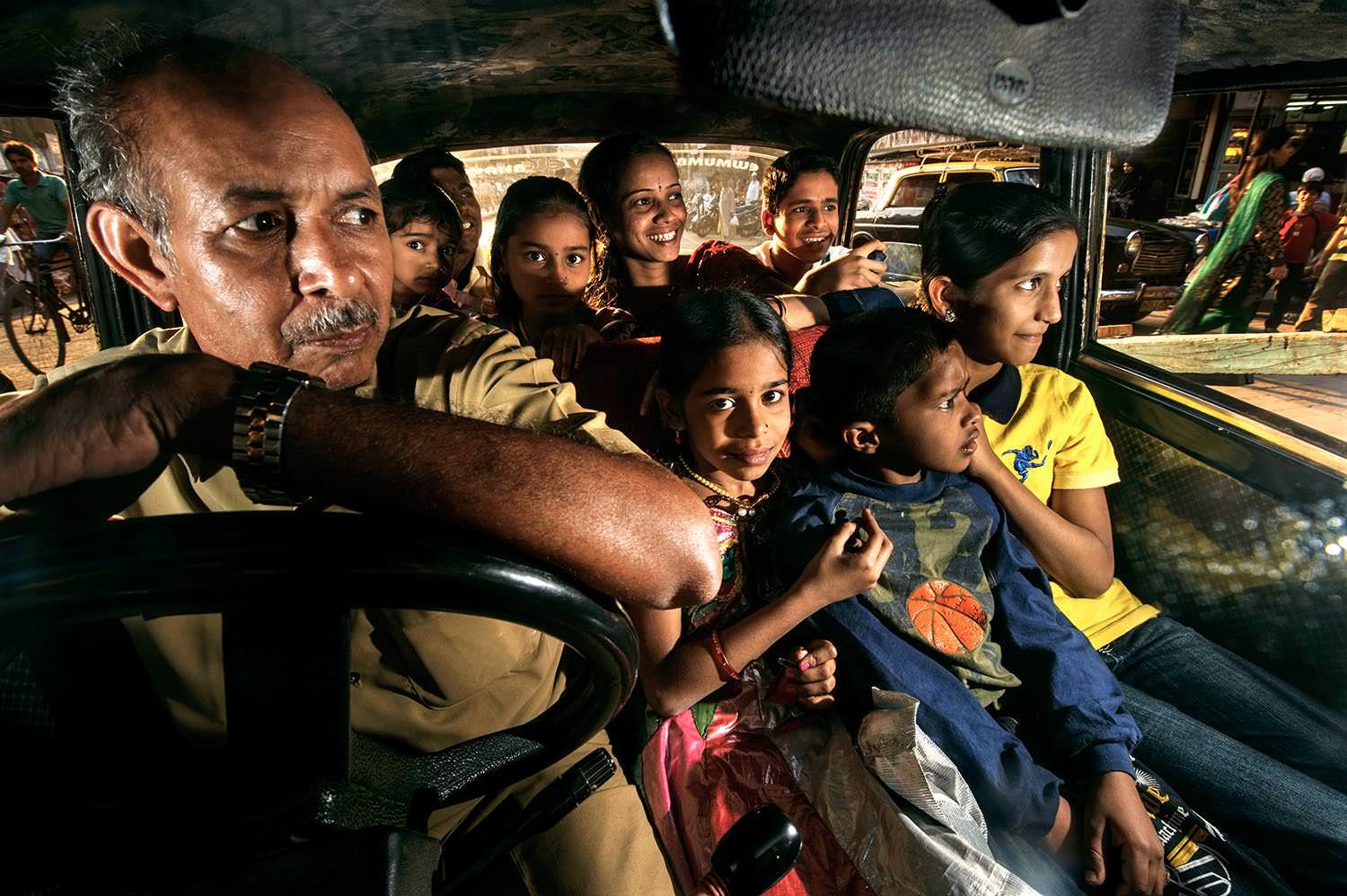
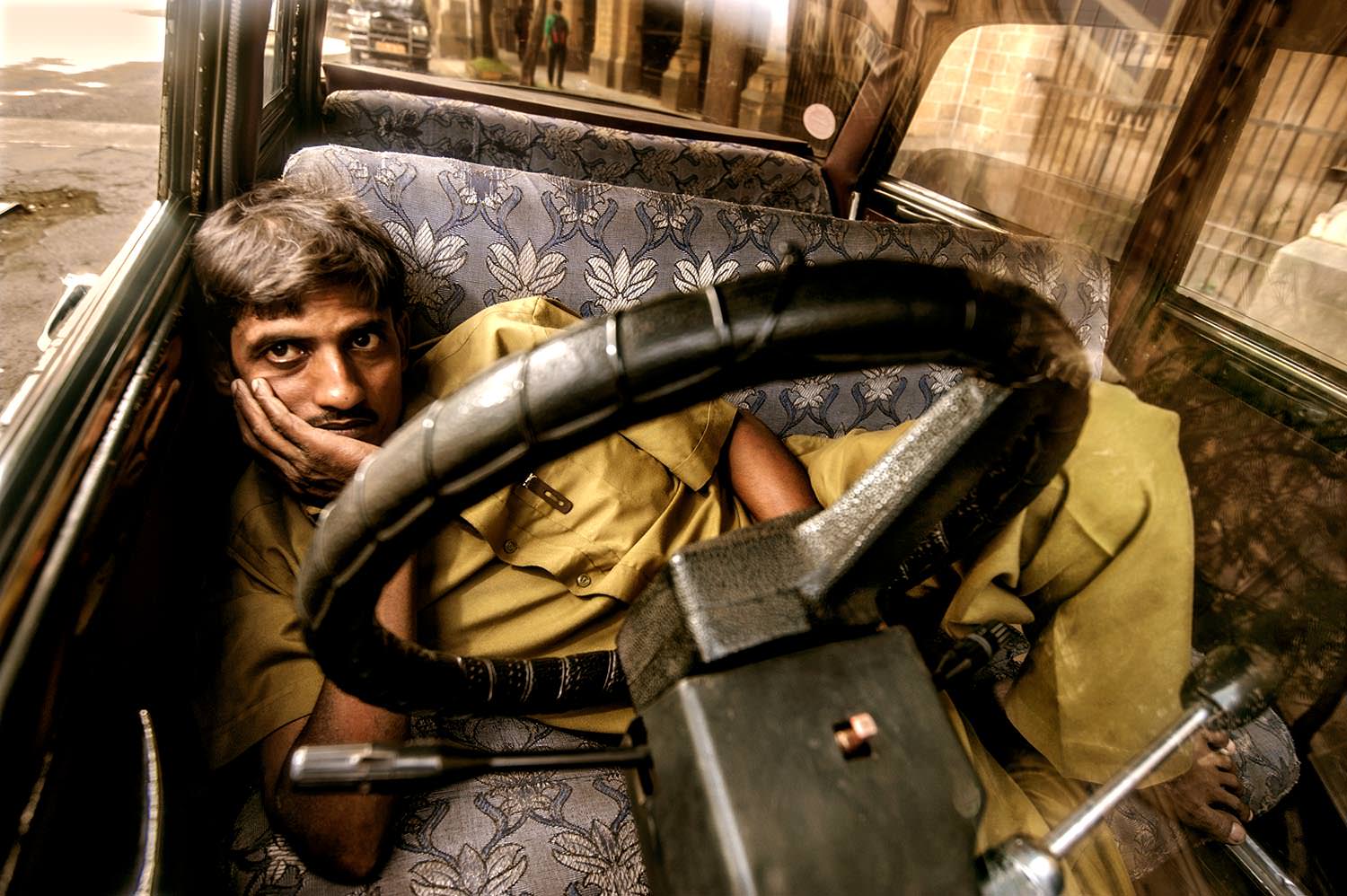
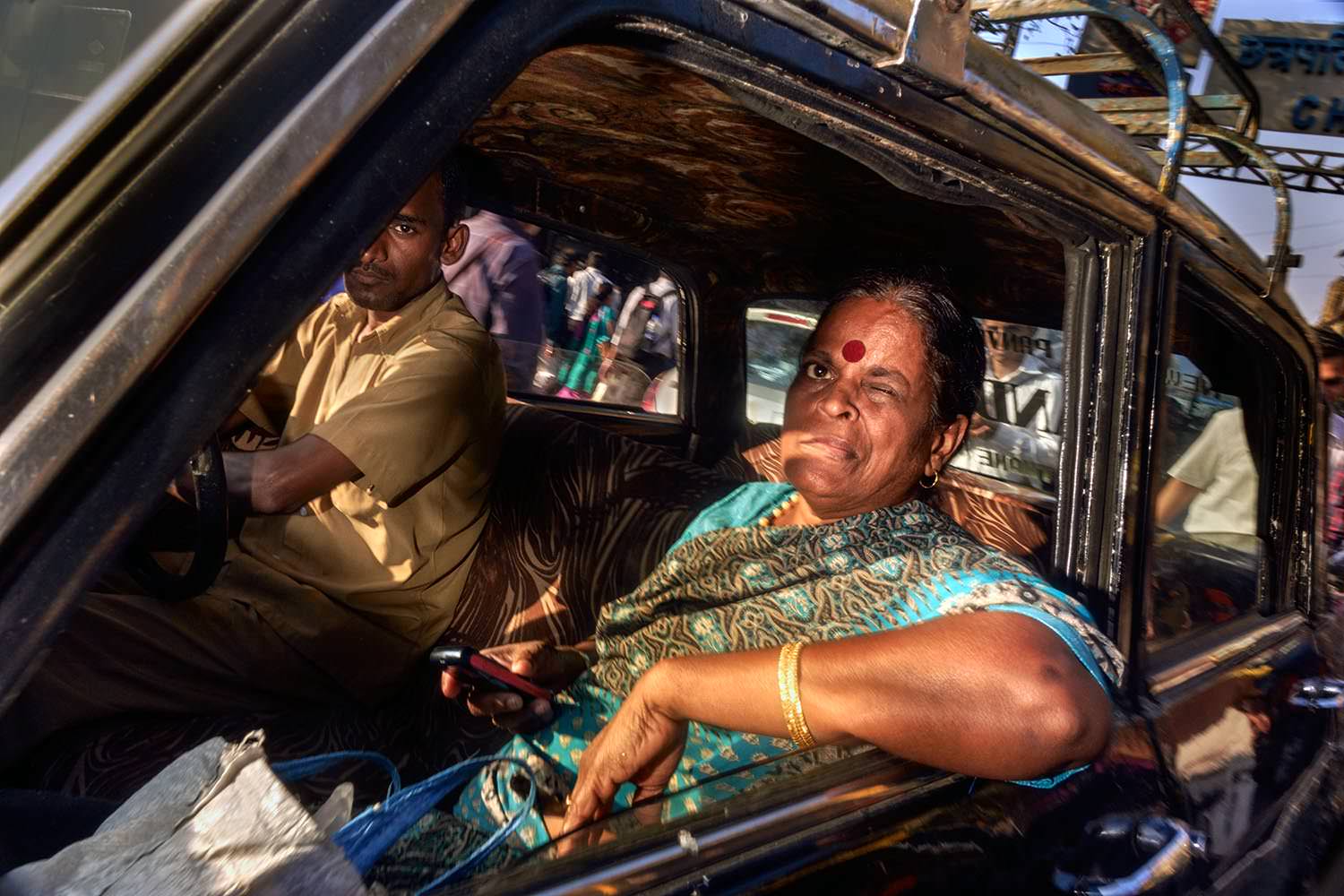
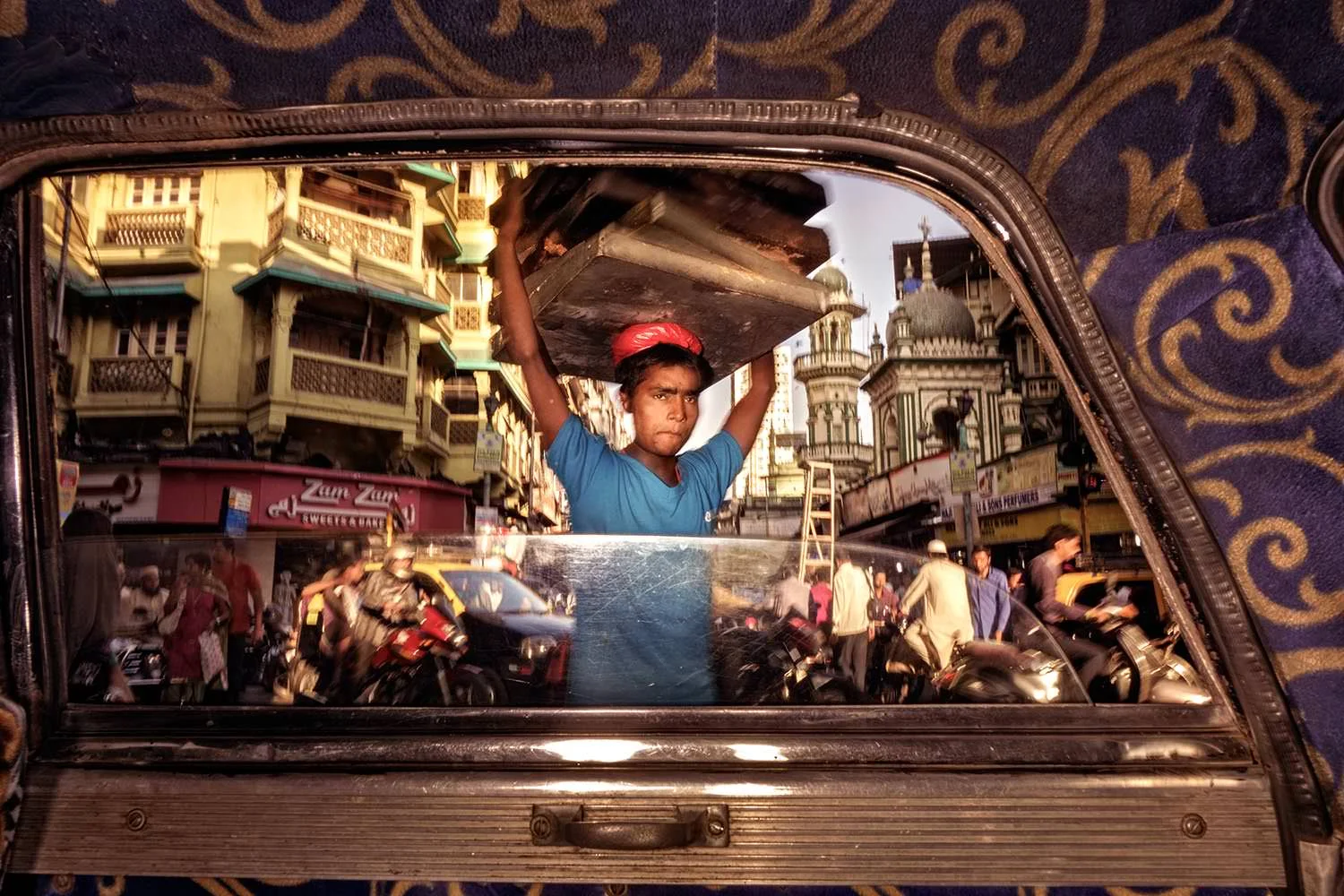
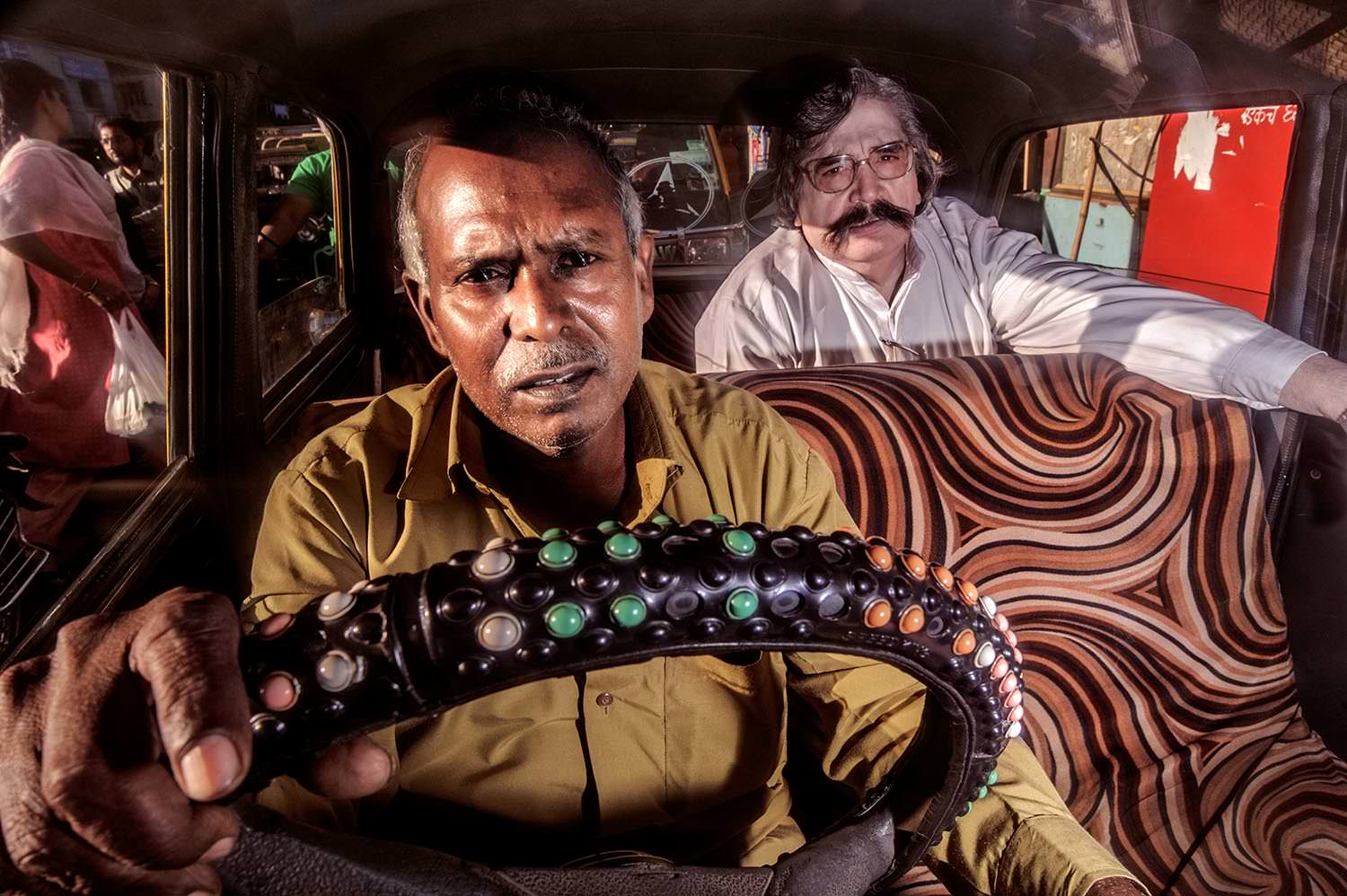
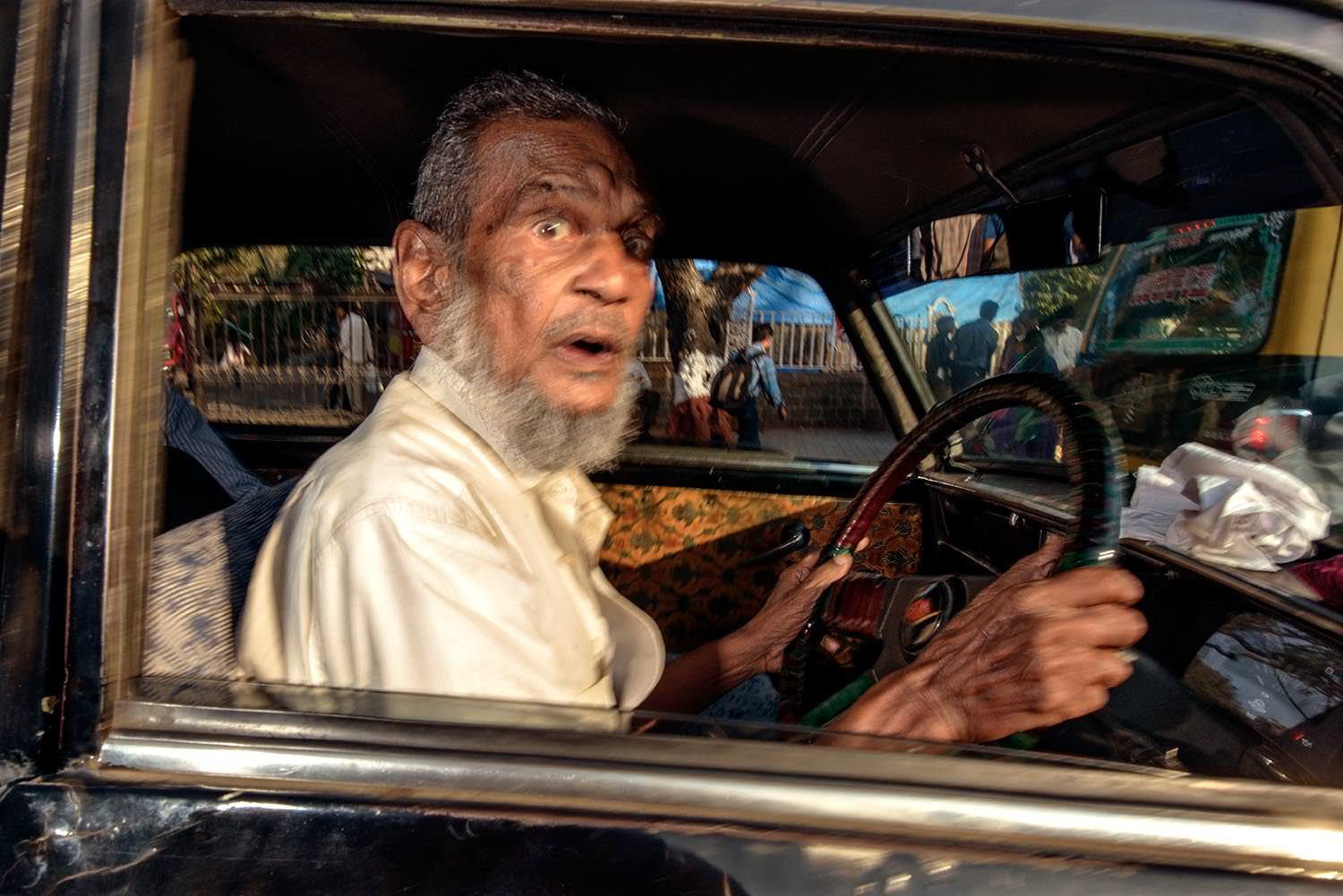
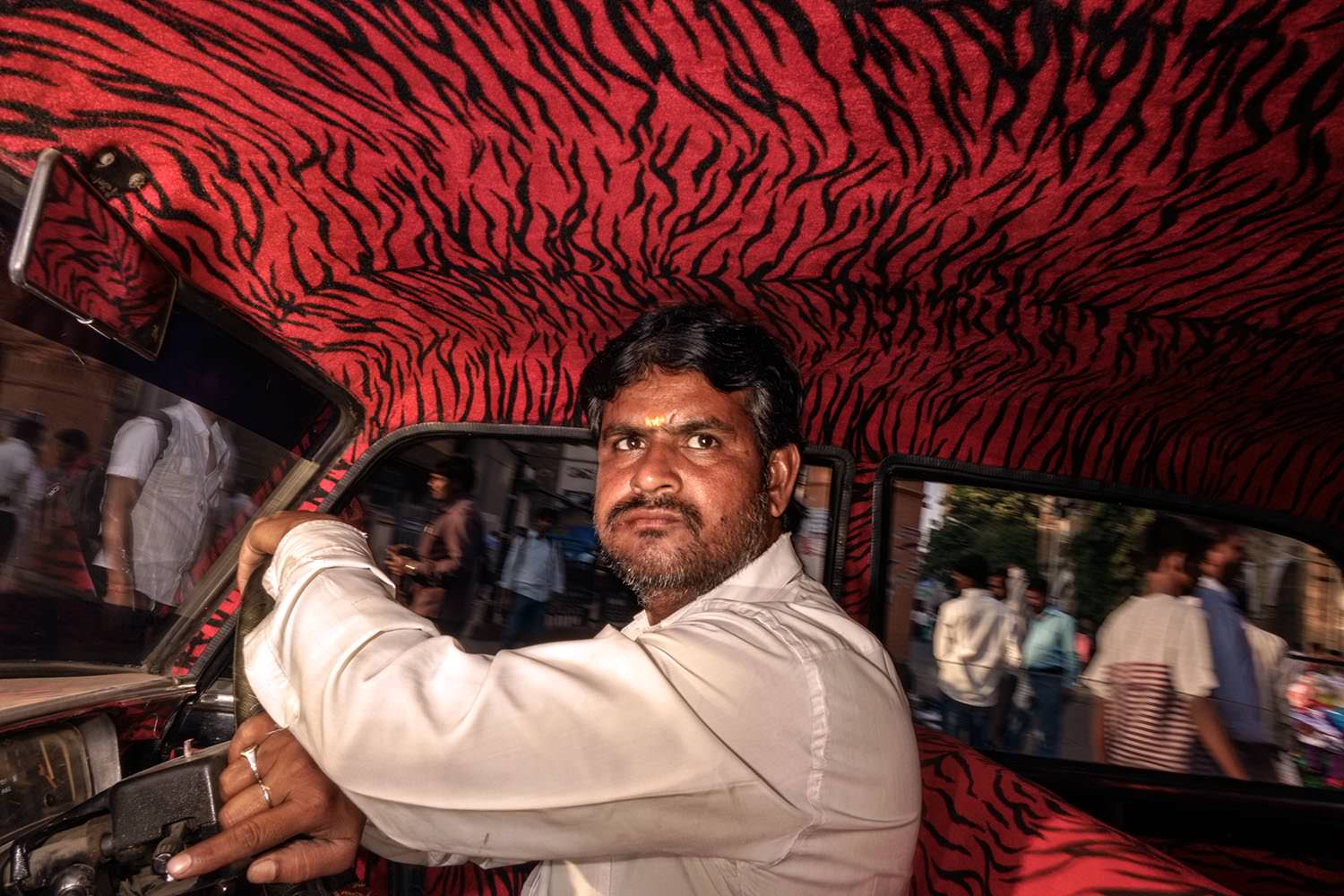
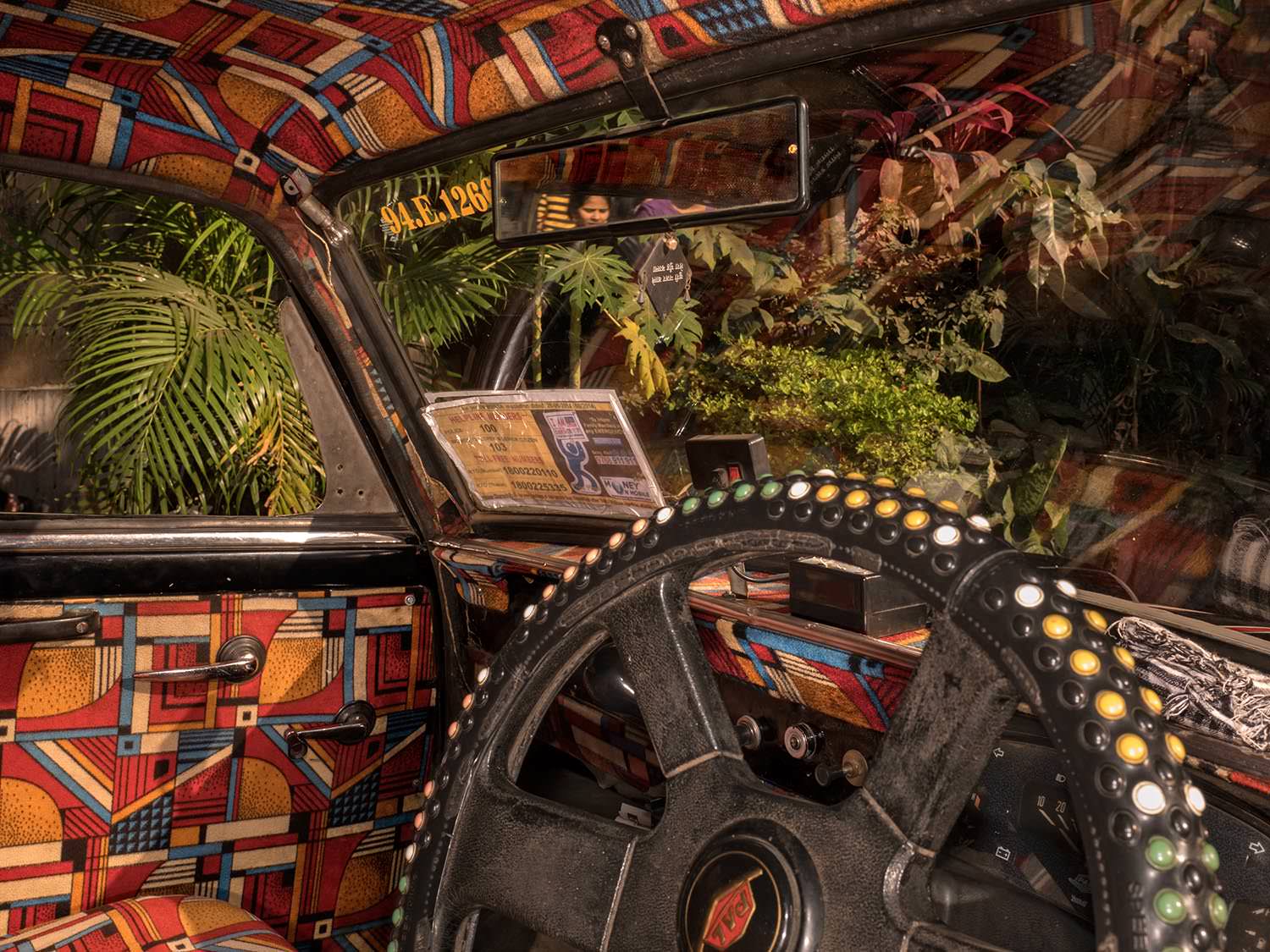
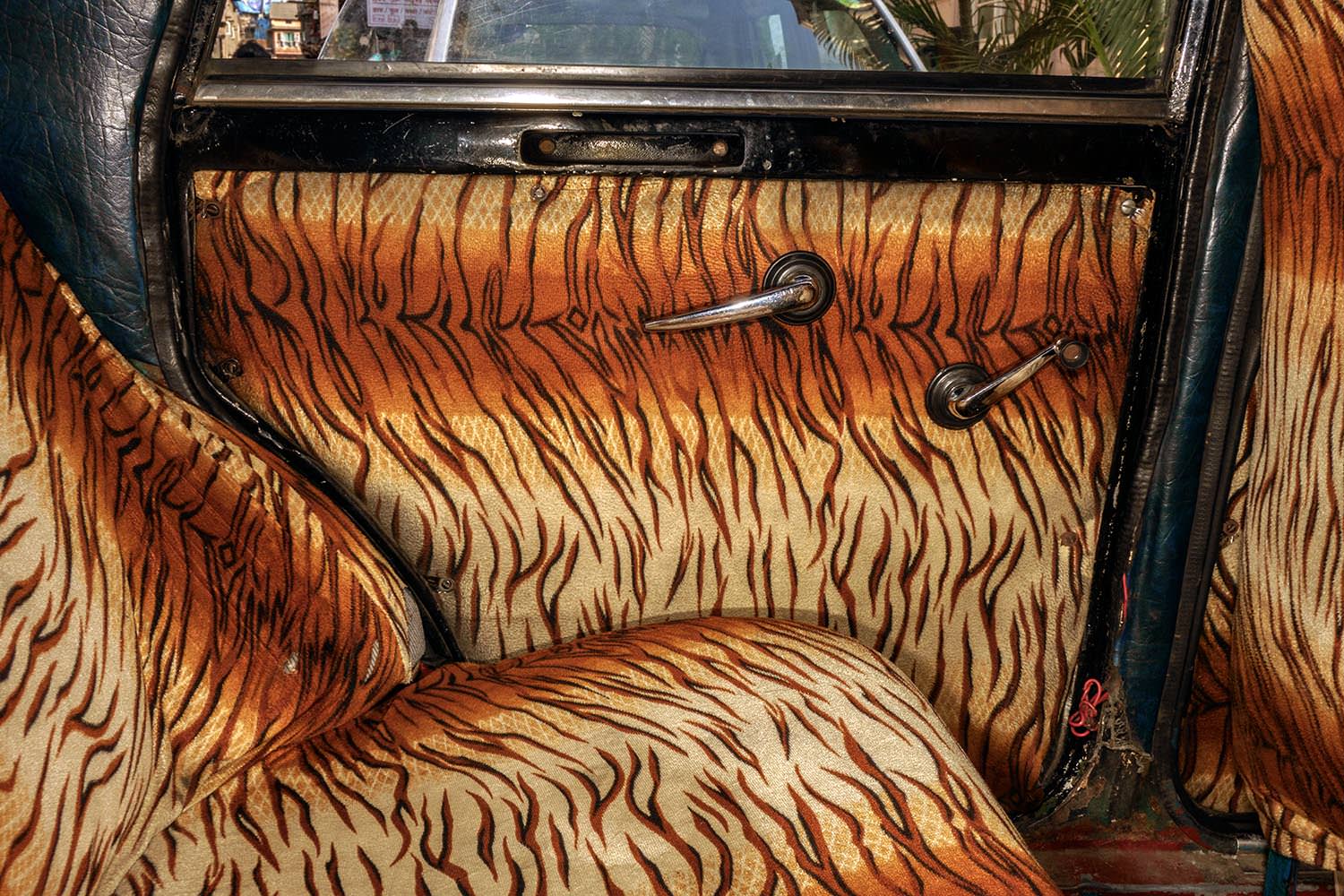
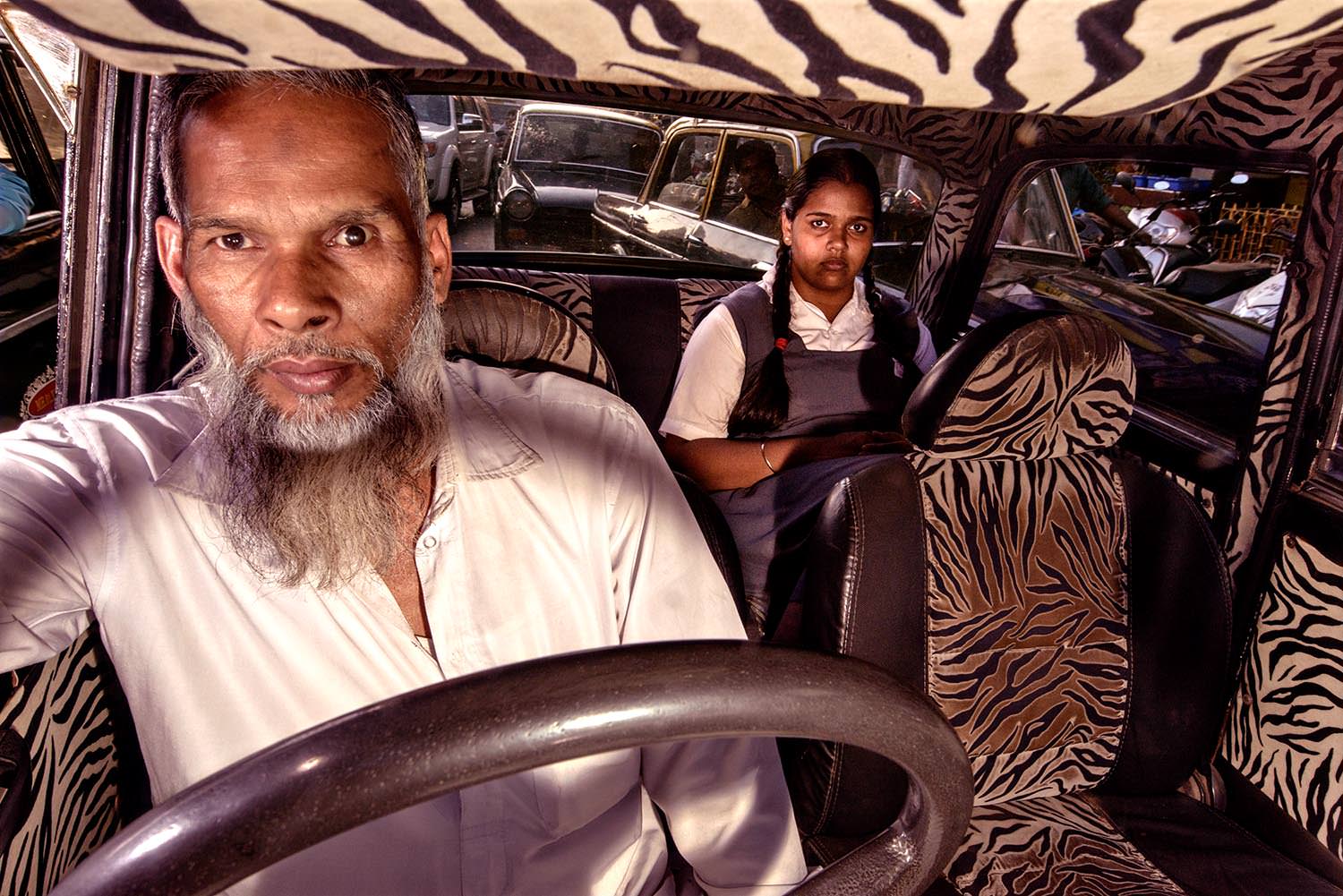
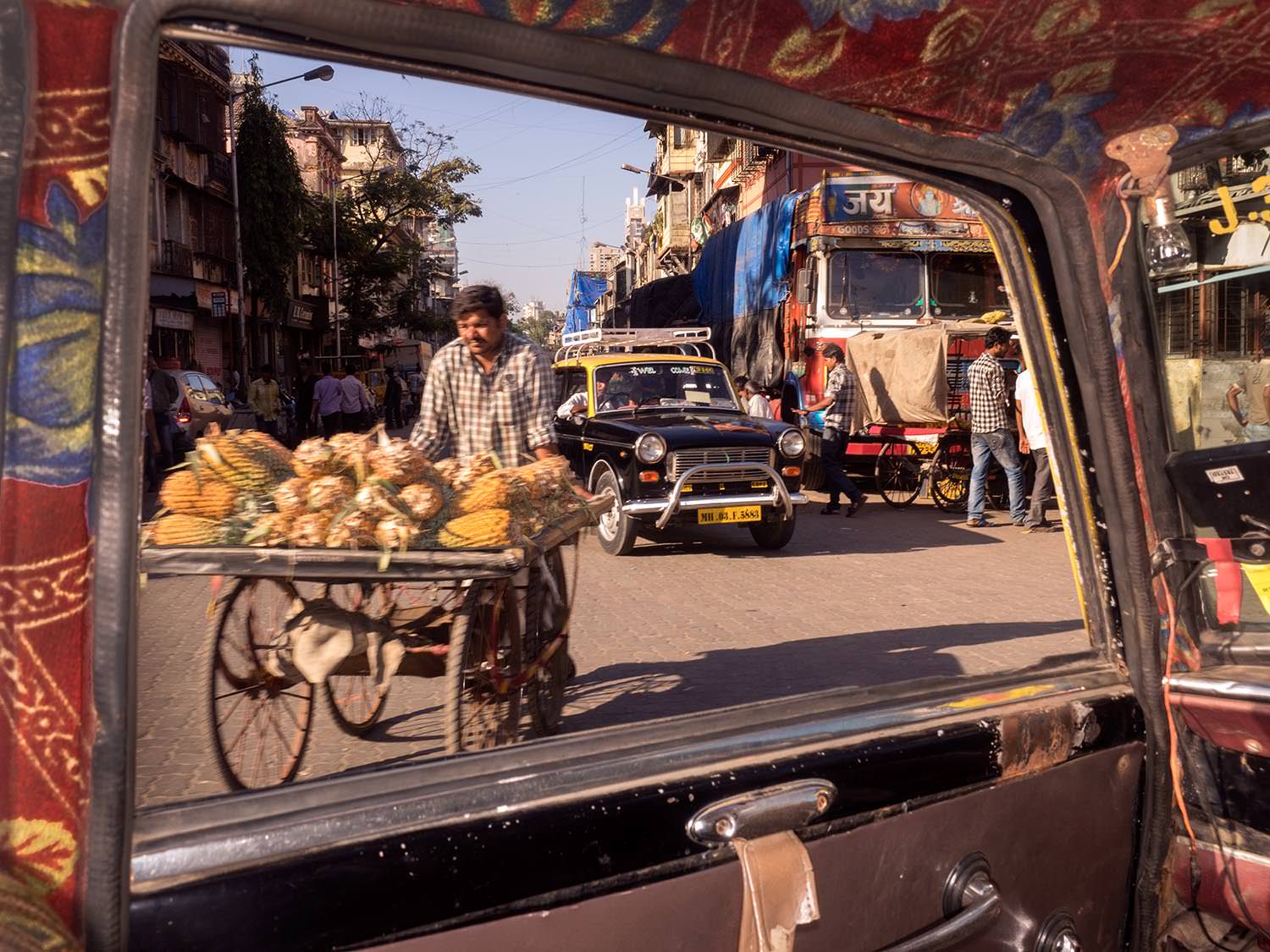
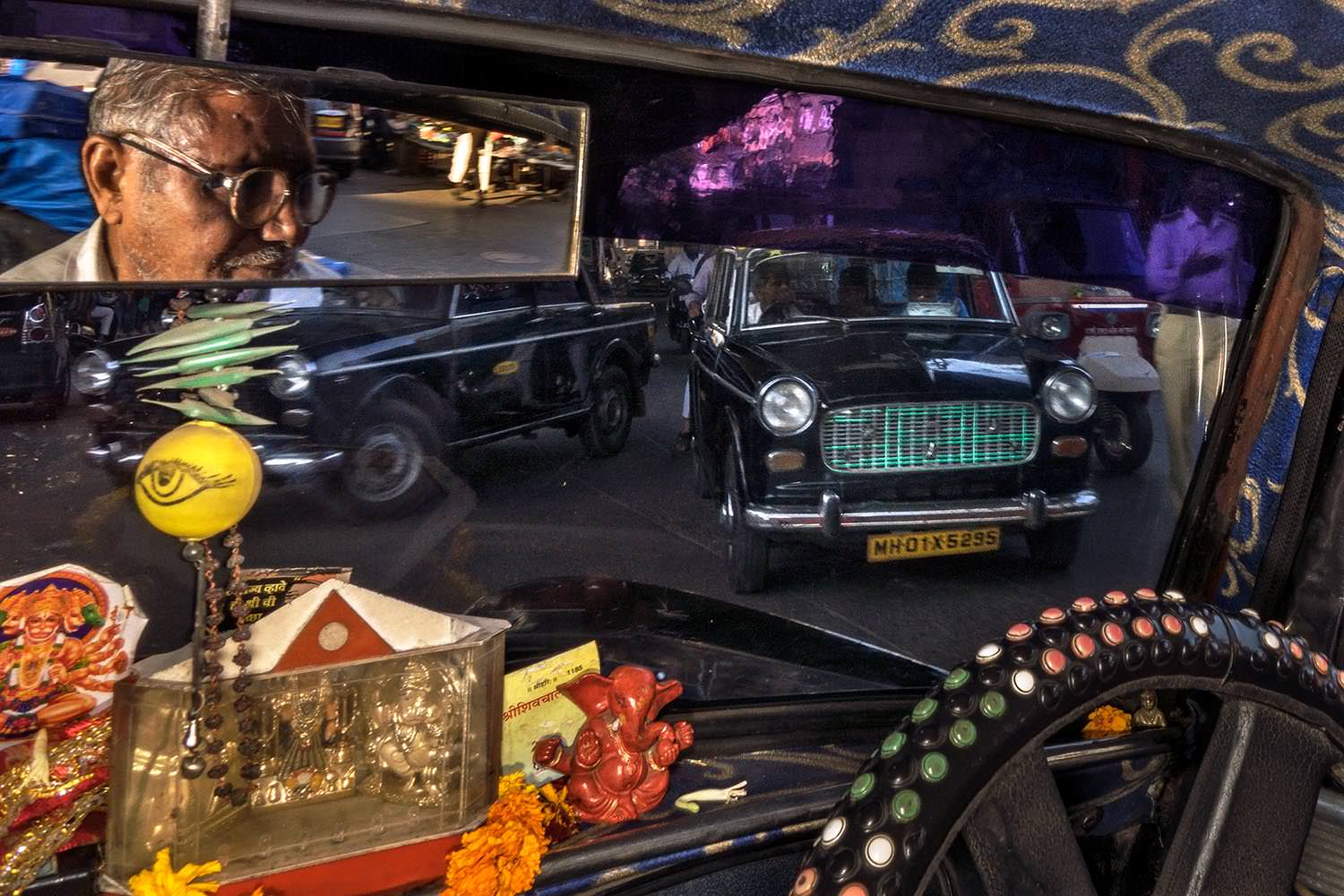
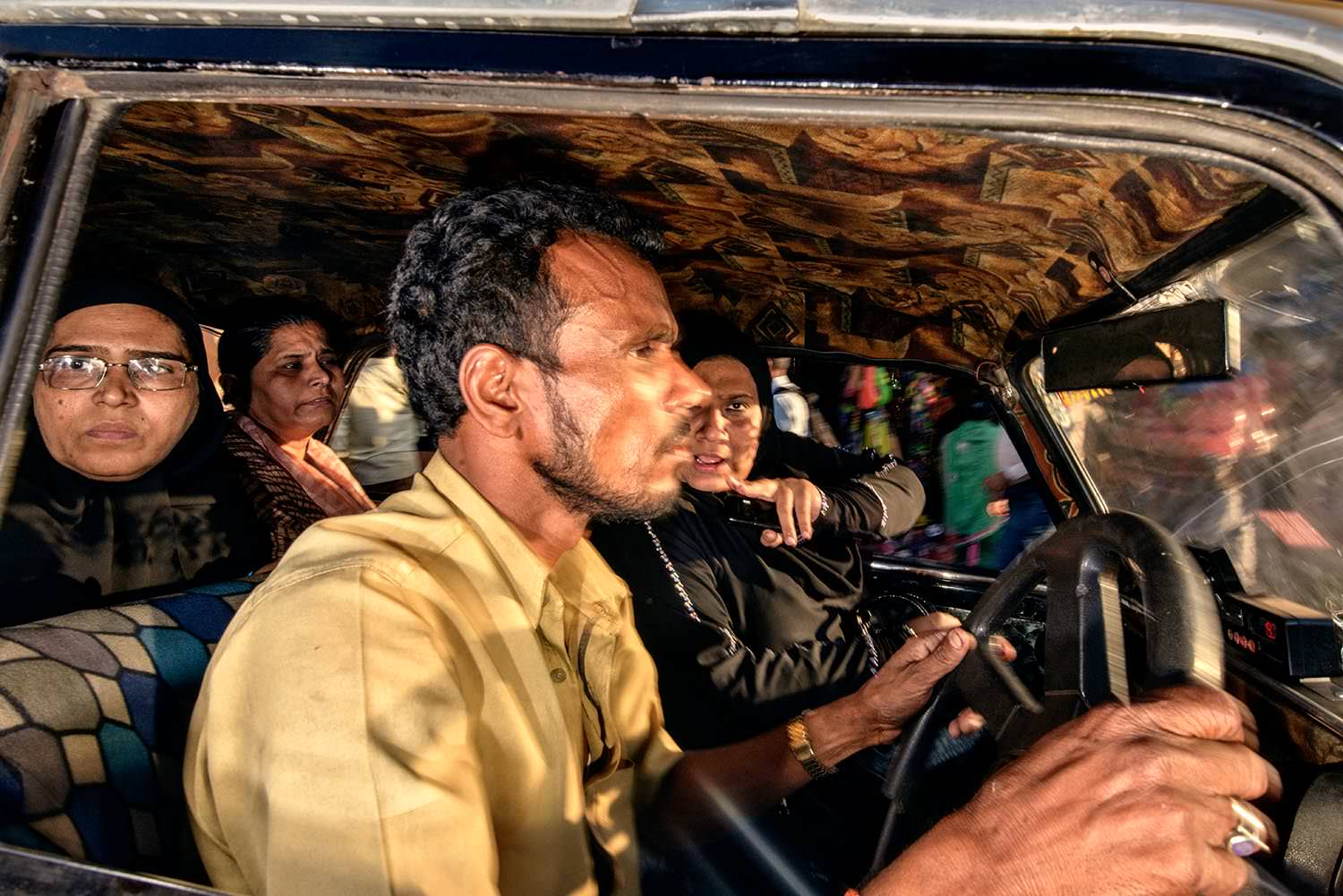
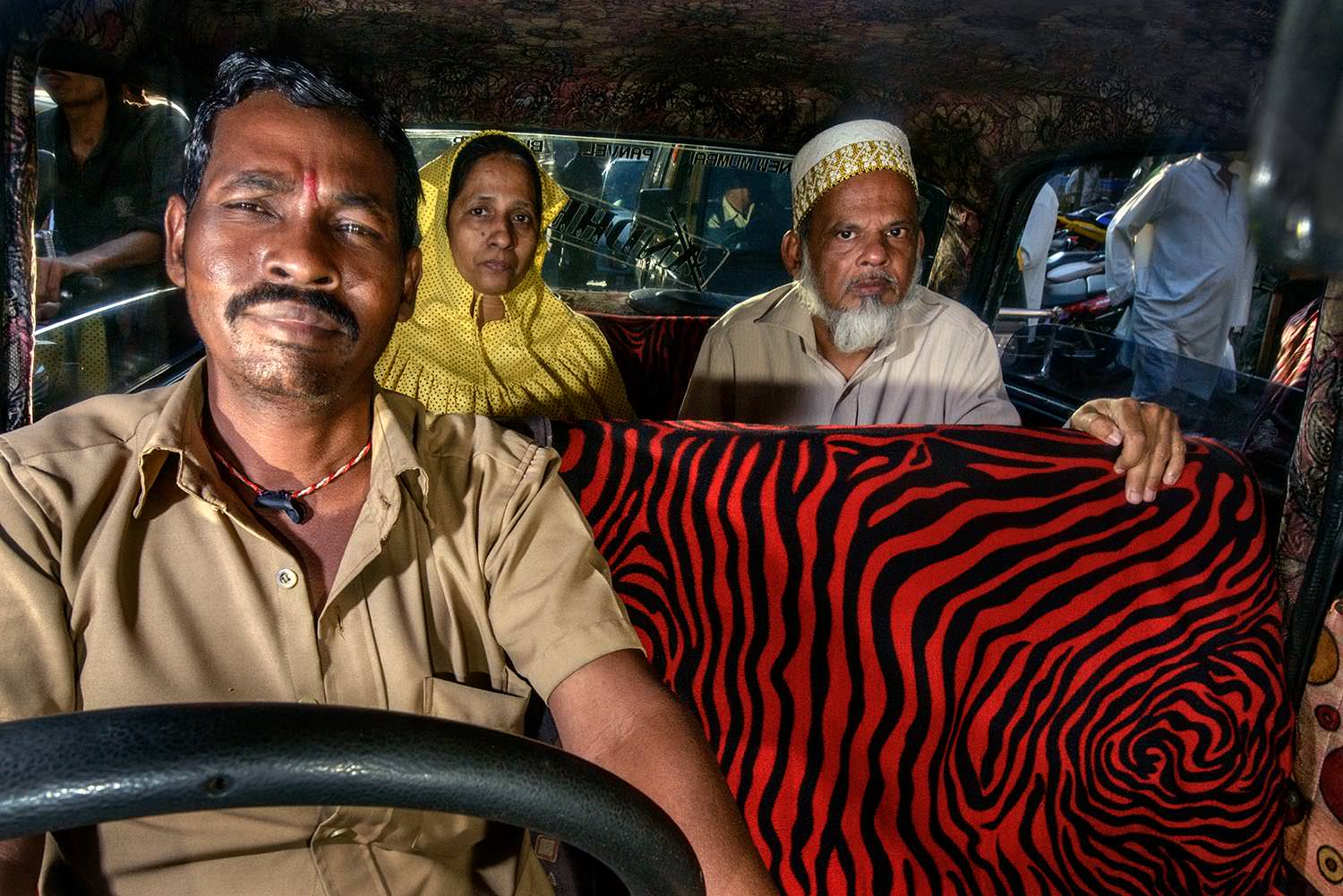
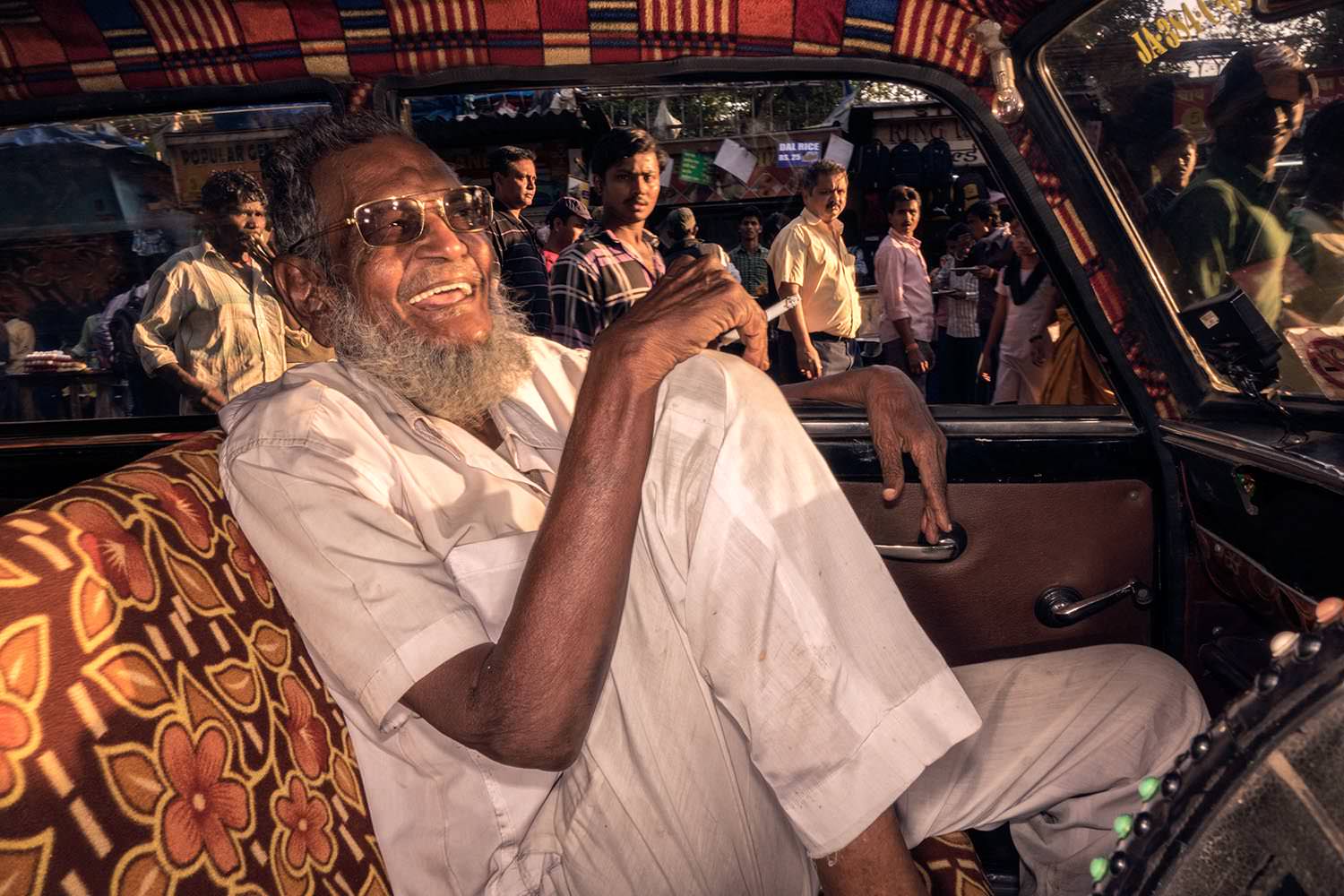
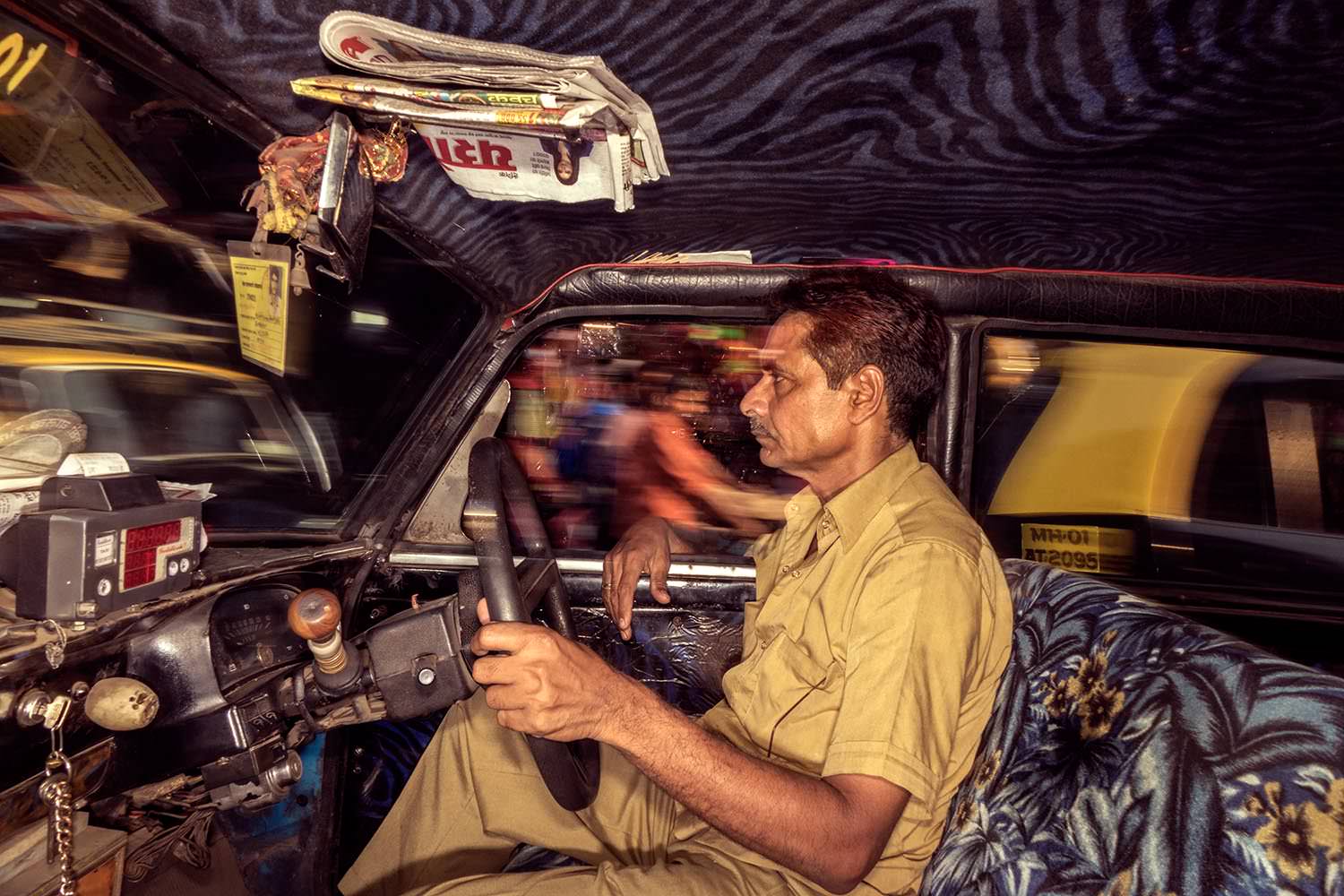
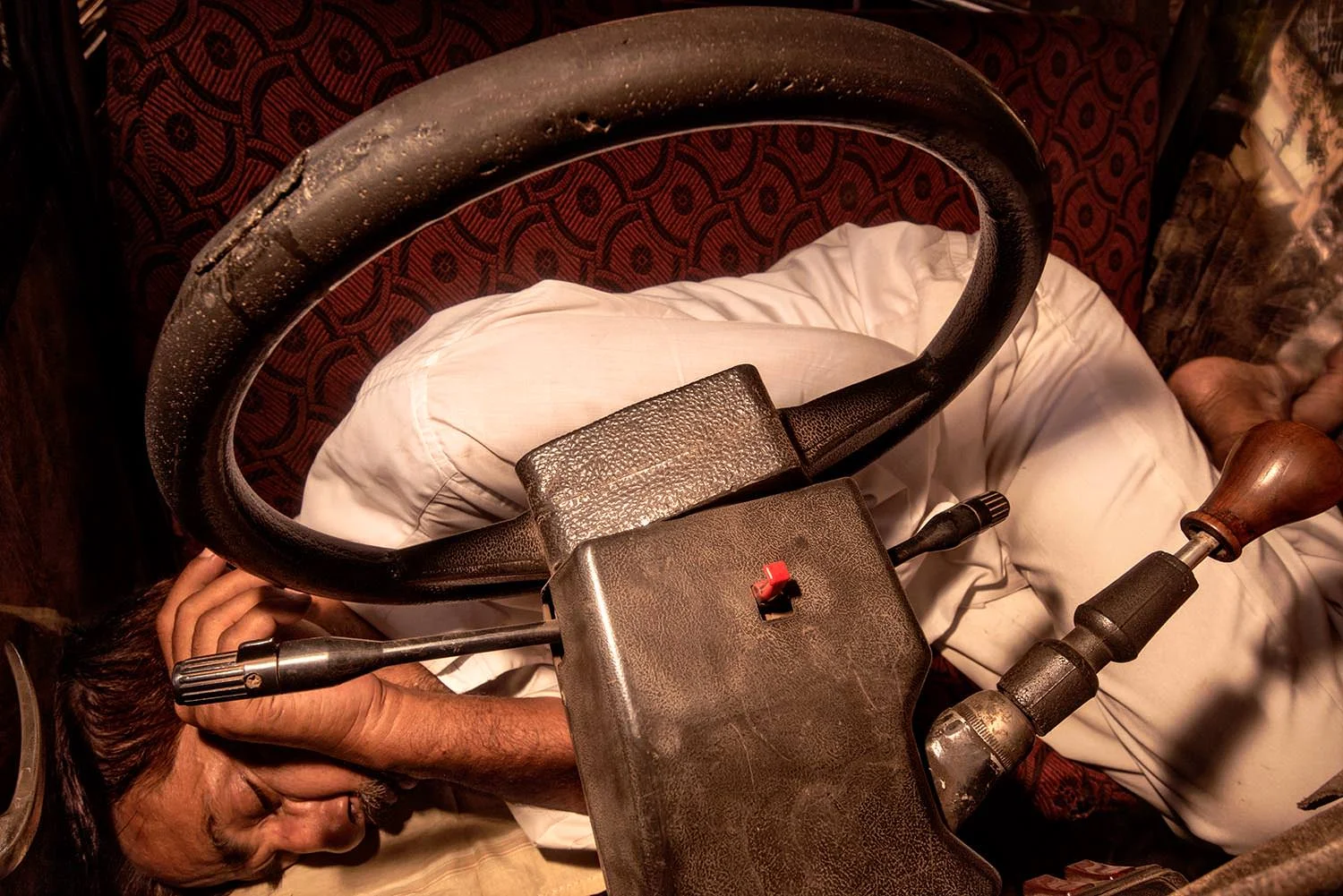
For me, they were objects of amazement. Drivers decorated and personalised their cabs in ways that showed both pride and a deep relationship with the vehicles. Many spent up to 24 hours a day in them, often sleeping inside. The interiors were a riot of colour: deep red or golden zebra-patterned upholstery, multicoloured beads sparkling in the light, pungent aromas and Hindu gods and goddesses, especially Ganesh.
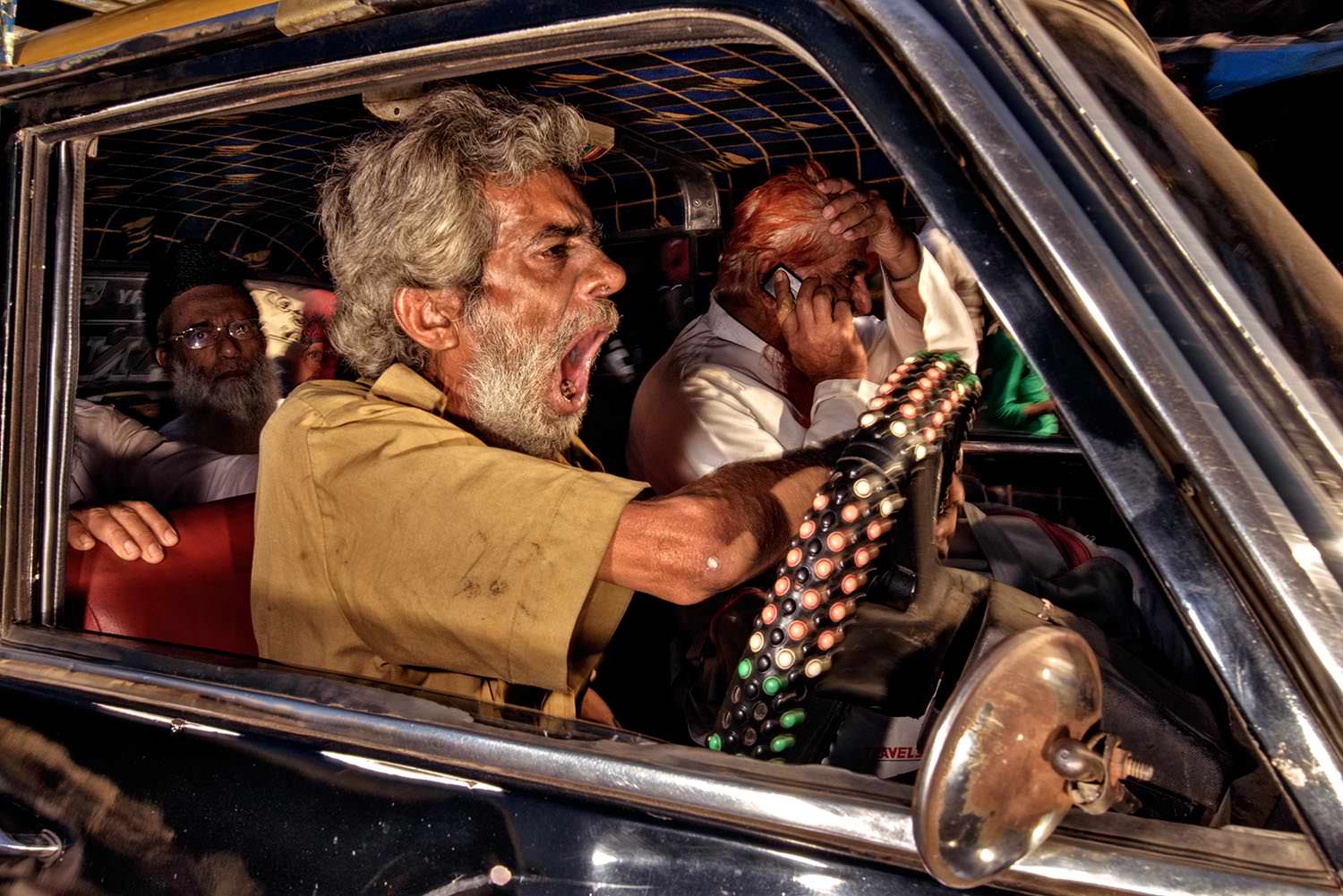
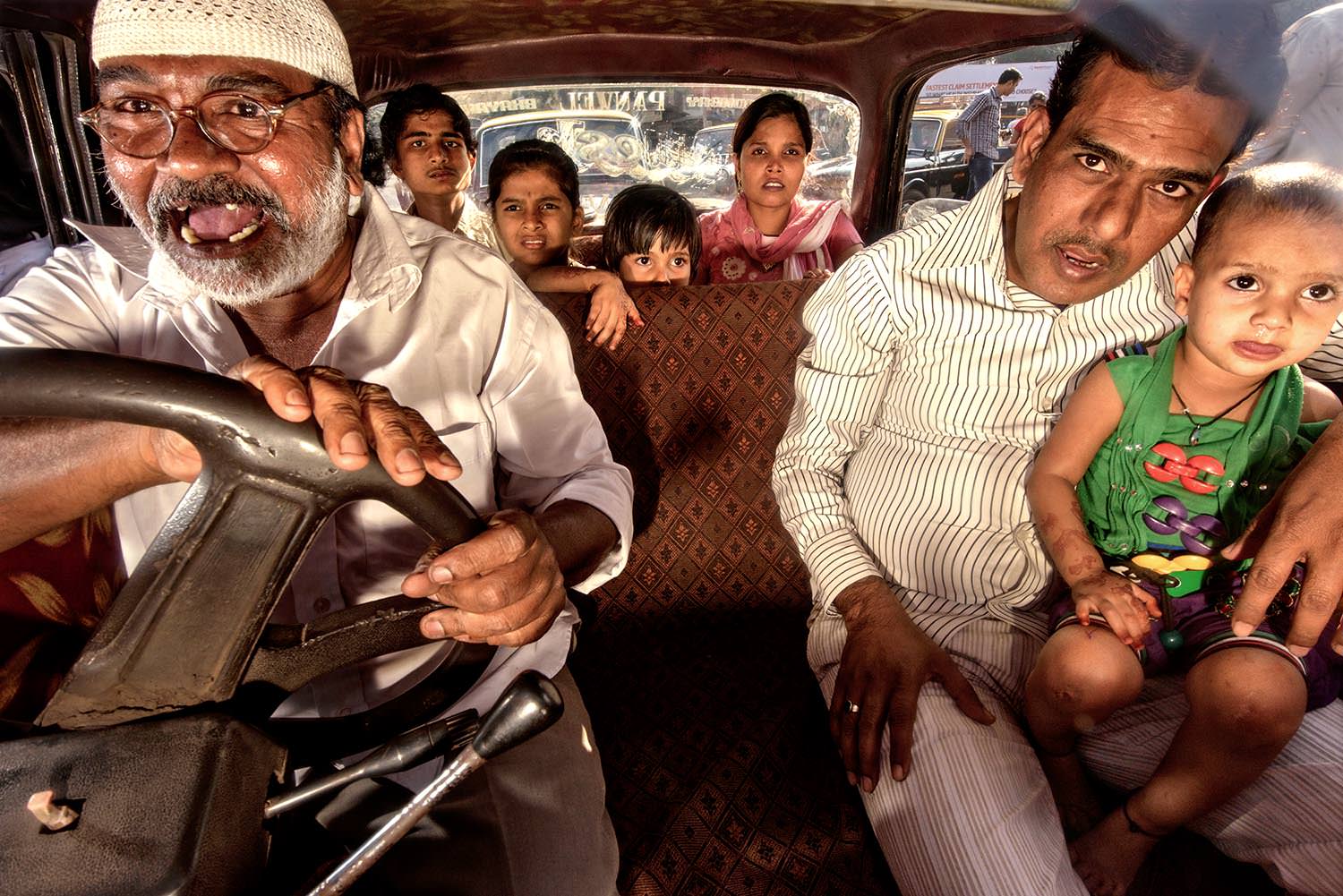
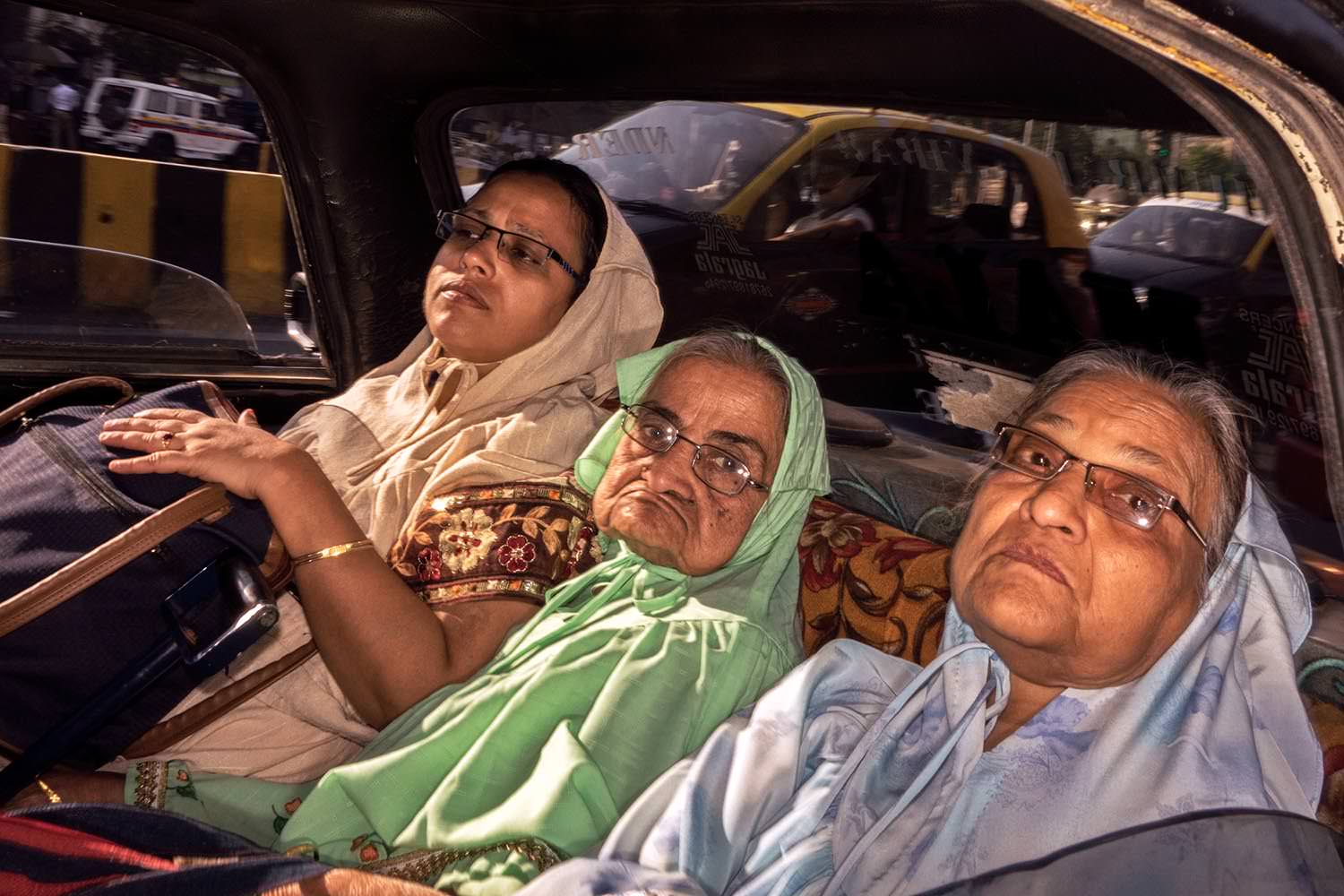
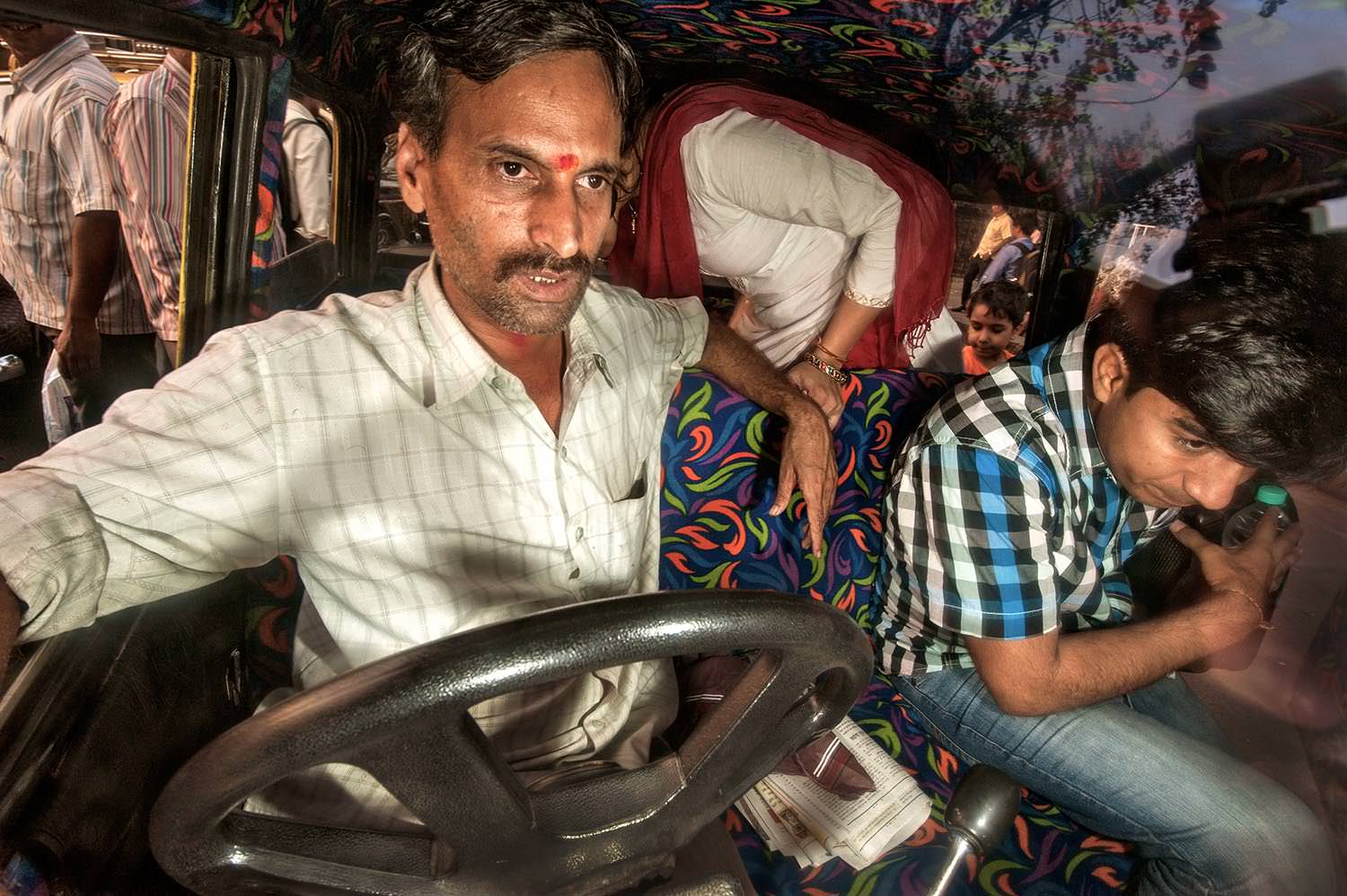
They could look like hypnotic Bollywood disco bars on wheels, or clown cars with an endless stream of people squeezing in and out. Enormous numbers of passengers were packed into the smallest of spaces.
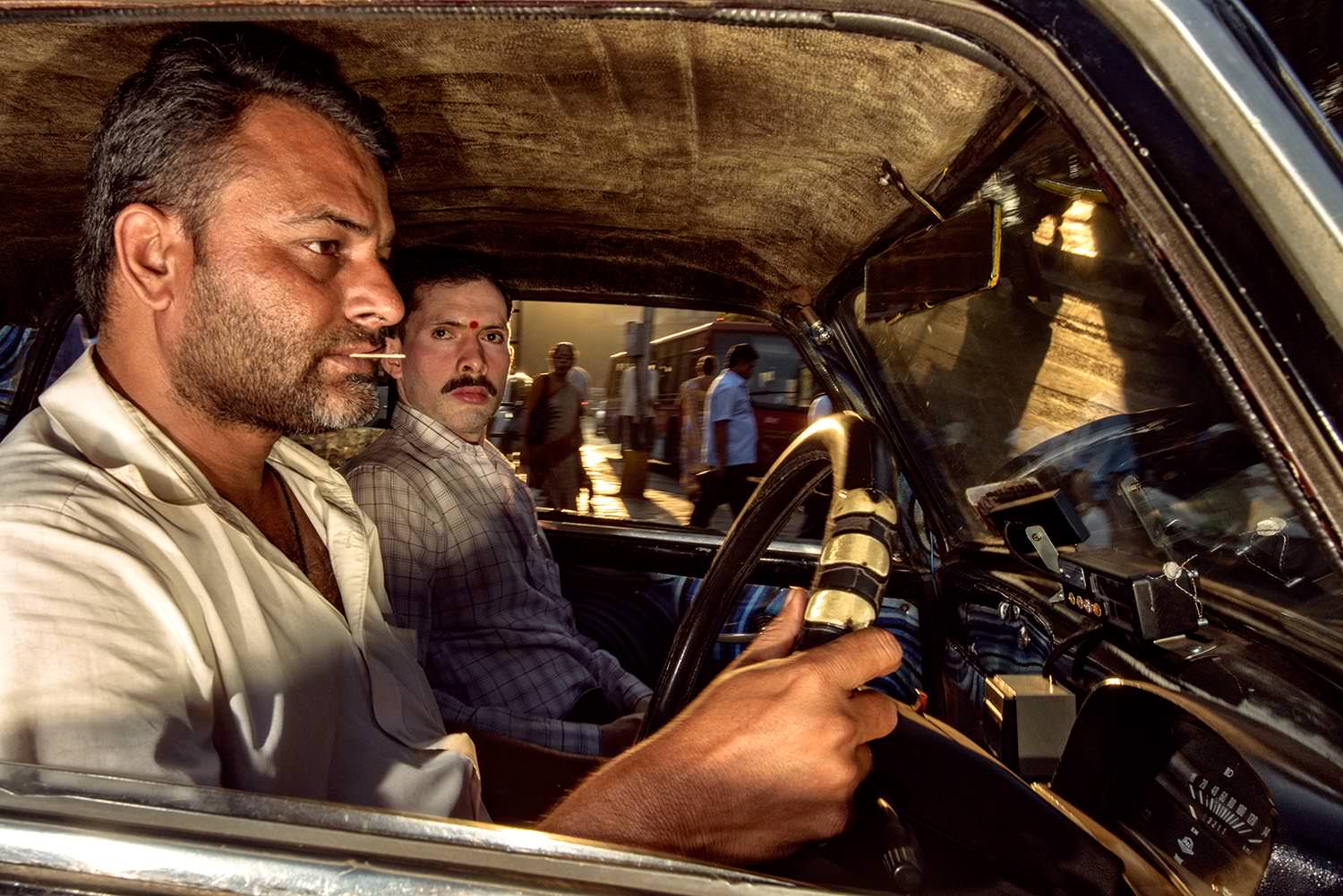
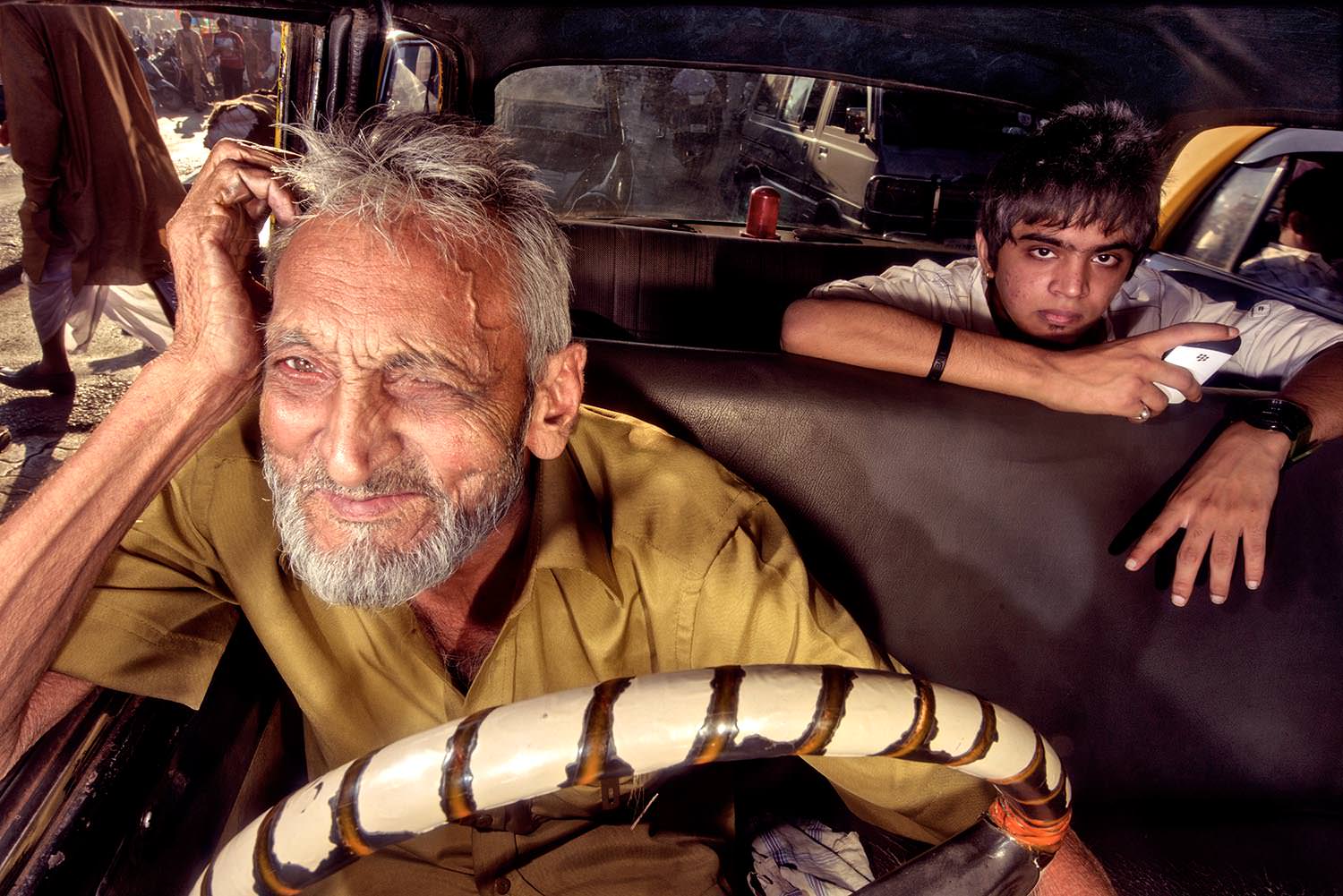
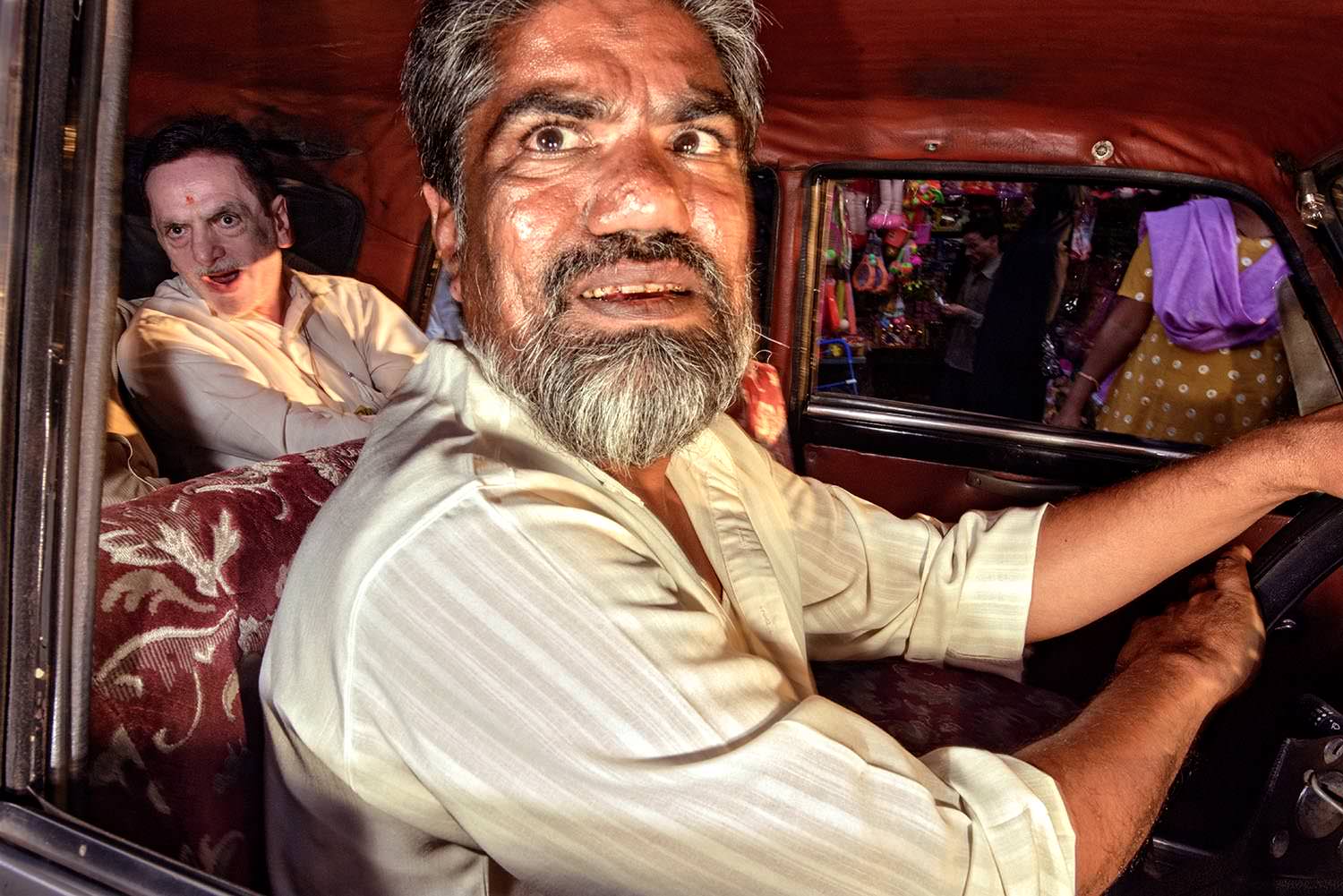
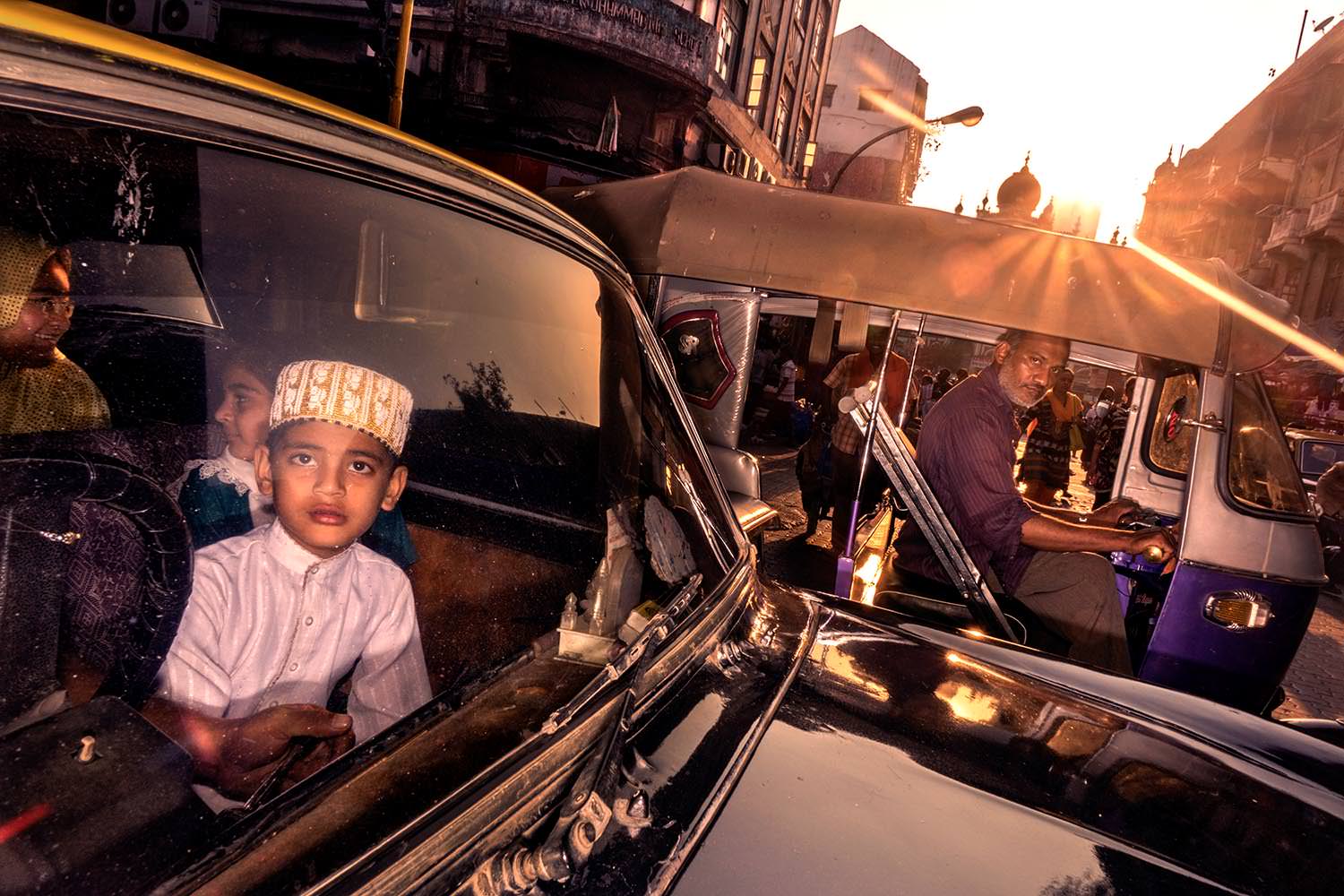
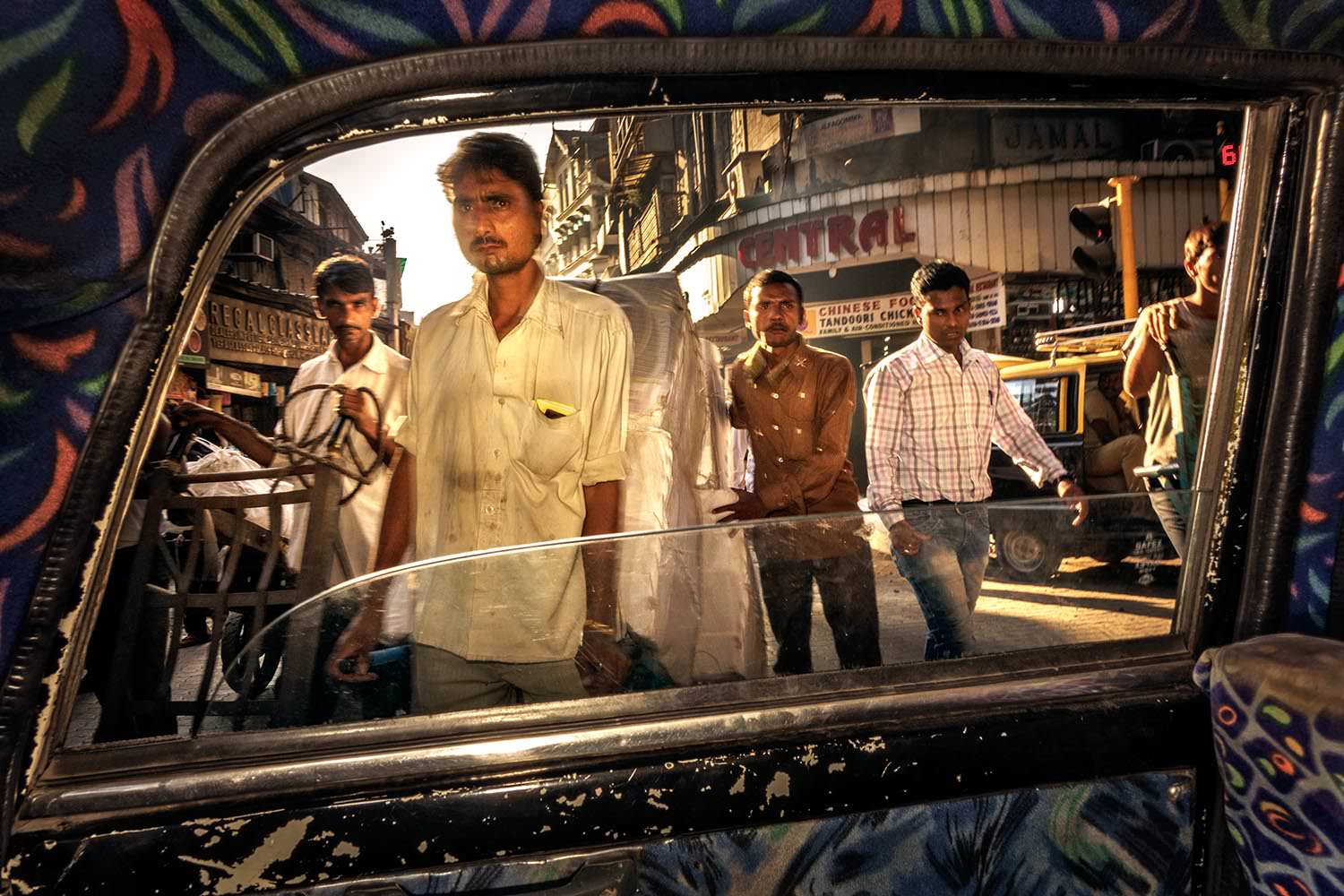
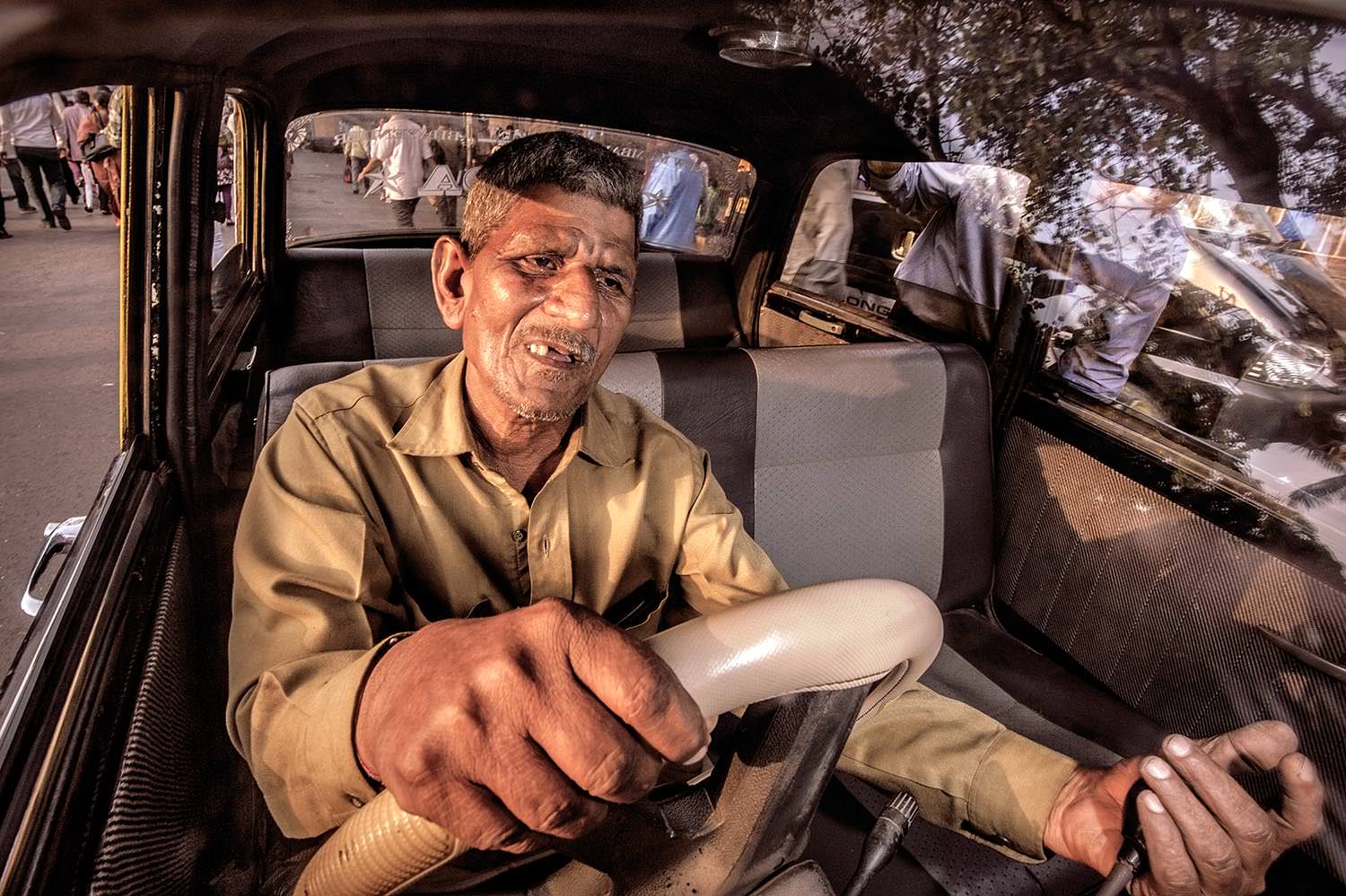
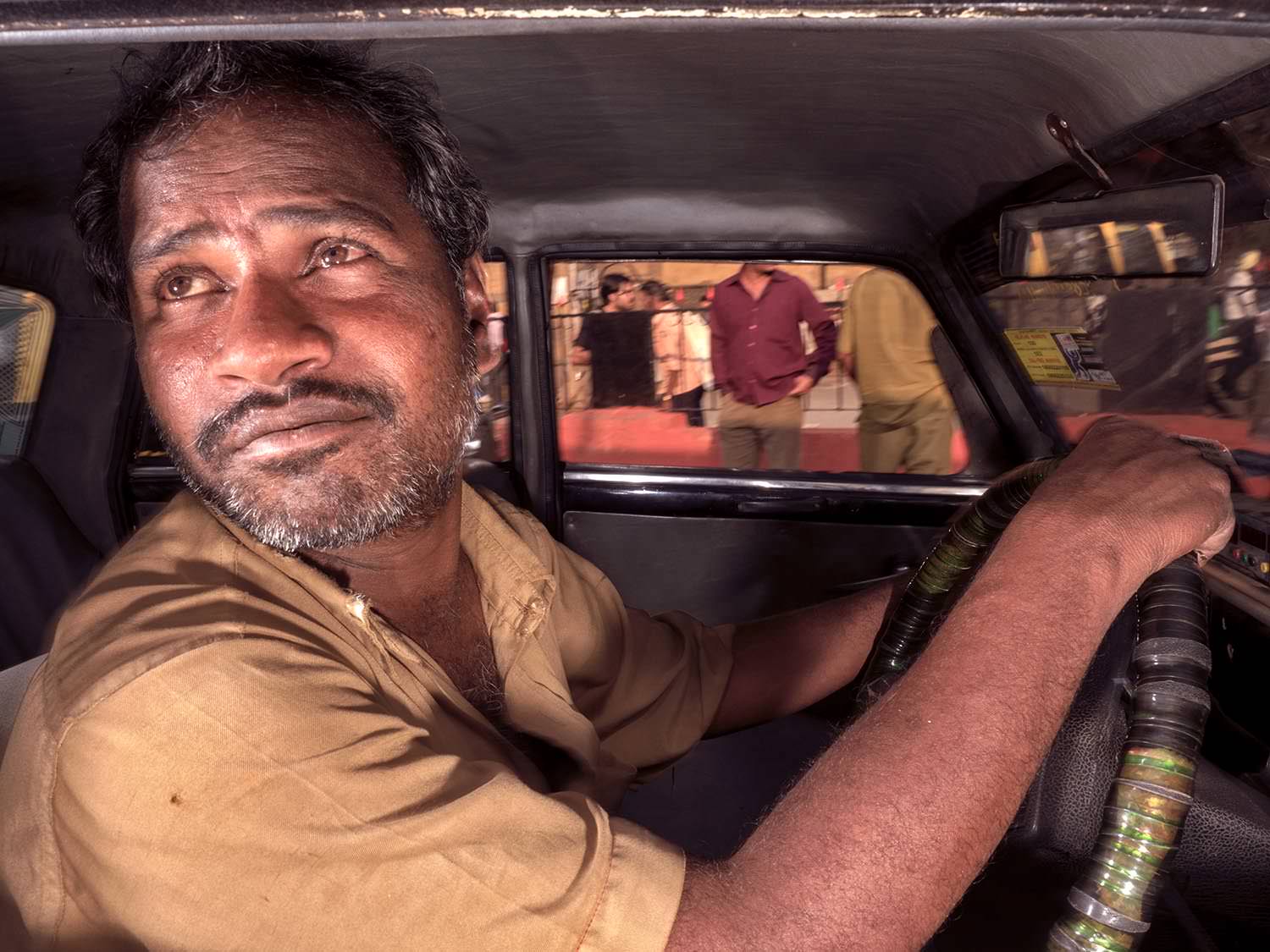
Over four years and seventeen visits, I documented them. Each time I spent a few intense days loitering with intent at busy junctions and traffic lights, ready to ambush Bombay’s popular taxi culture. I wanted to catch people in the brief moment before self-consciousness took over. Drivers and passengers would often look directly into the camera, their gazes intense, caught in a moment of unexpected intimacy.
Previously, in Lviv, Ukraine, I had been photographing people through tram windows using off-camera flash. The reflections and layers appealed to me. In Bombay, it was the vibrancy and mayhem around the cabs, the drivers and the variety of their passengers that caught my attention.
I began shooting through the windscreen and experimenting with the light. Each trip refined the approach. Eventually, I limited the ambient light and photographed only during the last hour of the Indian sun. On later visits I moved around the cab, finally ending up inside and looking out, but always with the same intention: the car should be the star.
When I began shooting, I didn’t realise that the cabs were already destined to disappear. As I learnt more about their history and their future, I began to see them as symbolic of Bombay itself: a city in flux, constantly moving, rapidly changing and always ready to throw out the old in pursuit of the new.
In late 2015, the Padmini disappeared from the streets following legislation aimed at reducing air pollution. Introduced in the 1960s and known locally as Kaali Peeli, the taxis had been an integral part of Bombay’s landscape for decades. They were also a source of livelihood for generations of drivers who had travelled to the city from the countryside in search of a better life.
Now, many former owners cannot afford to replace their vehicles. With the state government favouring large fleet taxi companies, the owner-driver is gradually being pushed out, along with a workforce that once had some sense of stability and community.
Four years earlier, Bombay’s streets had been crammed with Padminis. With every visit, I watched their numbers diminish. By 2015, there were so few left that I had to actively seek them out.
Their torn seats and bizarre, idiosyncratic decorations have been replaced by modern, more comfortable alternatives. The cabs and their drivers have effectively been thrown on the scrap heap. Bombay’s streets may become a little less chaotic and a little less noisy, but they will also become less distinctive.
This is the era of the global city, and this is where Bombay’s ambitions lie. Yet the Padmini will retain its place in the city’s urban mythology, celebrated and mourned in equal measure. These taxis enriched my journeys through Bombay and deepened my understanding of Indian culture.
I, for one, will miss them.